

 Cable Automotive / Marine

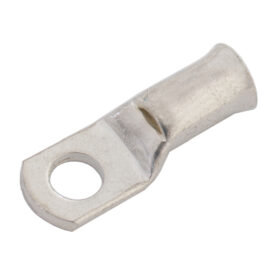 Cable Lugs
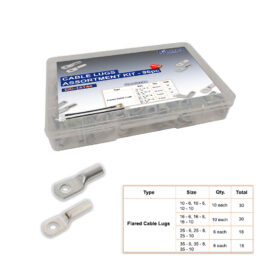 Cable Lug Assortment Kits
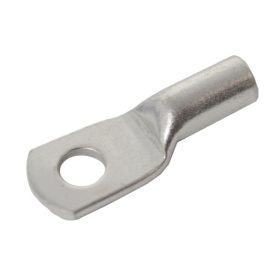 Cable Lugs Straight Wall Closed
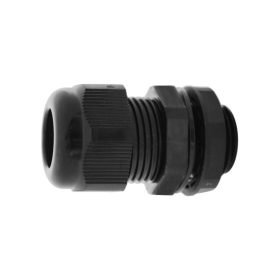 Cable Glands
 Convoluted Split Tubing
 12/24v Products & Access

 Electrical Connectors

 Solar Powered Products
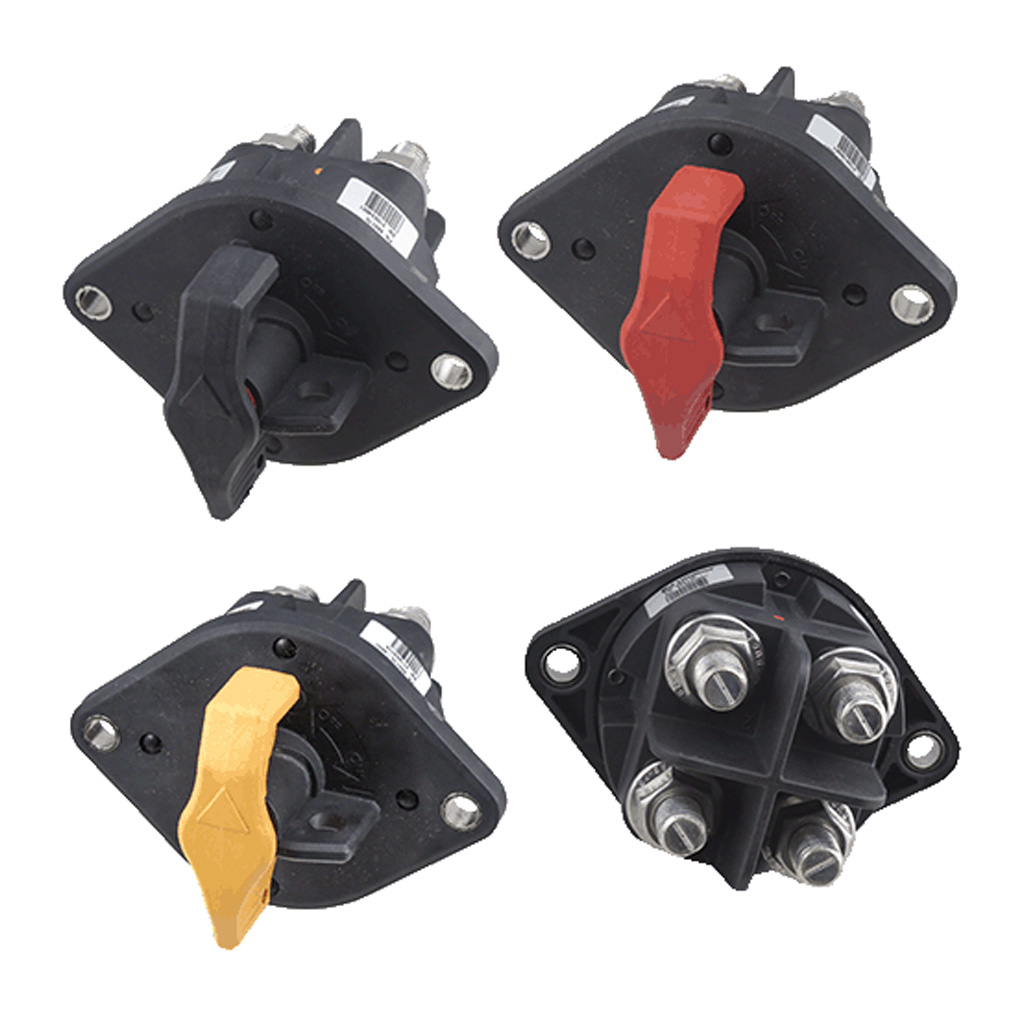
 LED Lights

 Tools



 Auto Parts & Categories
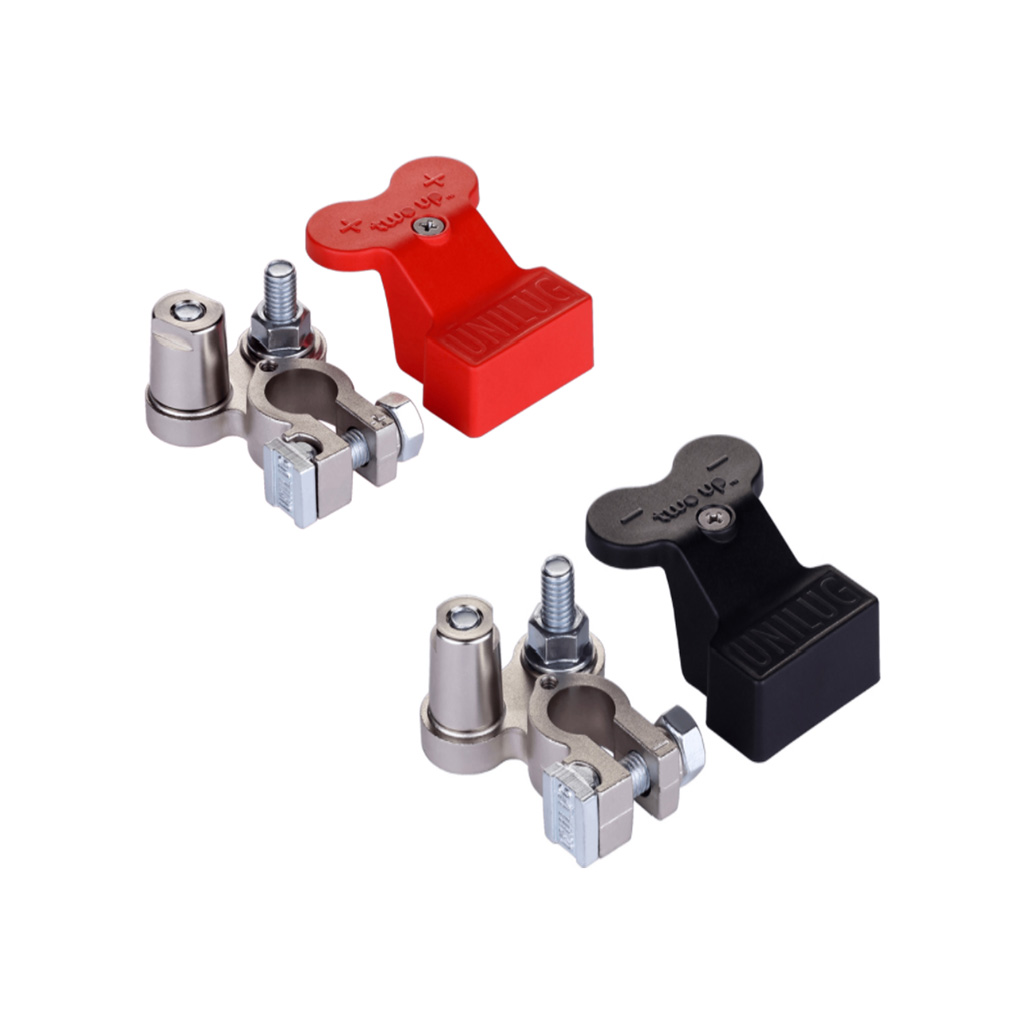

 Fittings

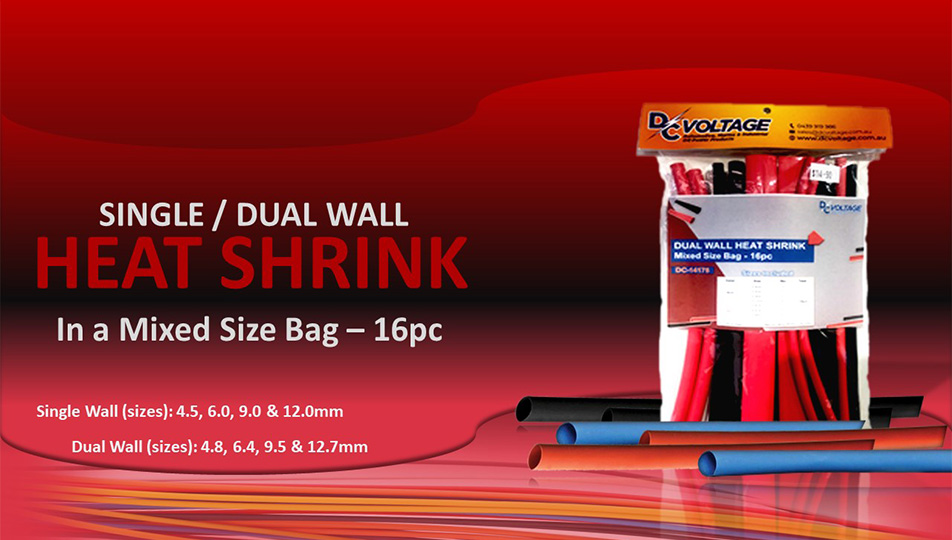
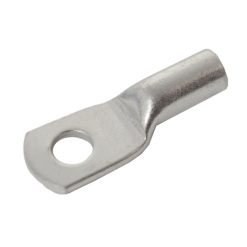
 Cleaning & Misc


 Clearance & Promotion
Latest News
Why Are Battery Leads Getting Hot? Causes and Fixes
Sep
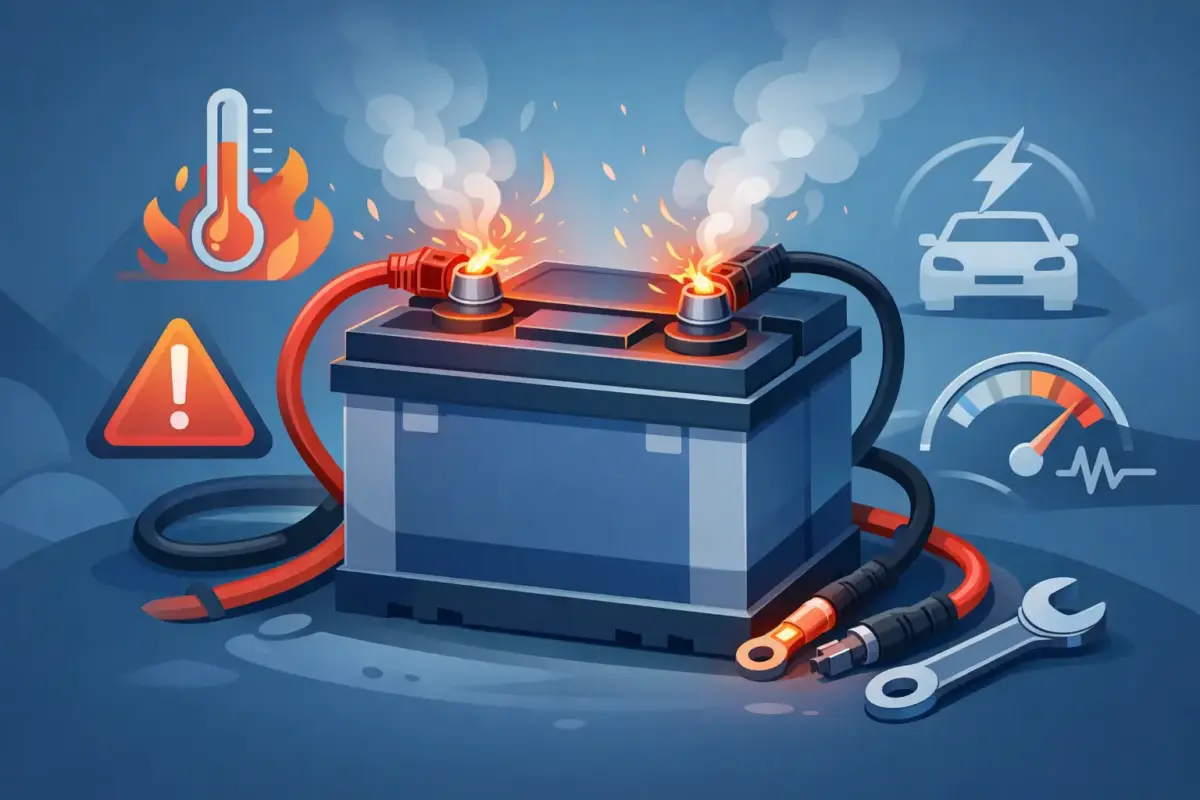
Why are battery leads getting hot? In a 12V or 24V system, heat in a battery cable is usually a warning that current is meeting too much resistance somewhere in the circuit. That can be as simple as a loose terminal or undersized cable, but it can also point to a high-current accessory fault, a poor earth, or a lead that is no longer safe to use.
A battery lead may feel mildly warm while supplying a sustained heavy load, such as a winch or inverter. It should not be too hot to hold, soften its insulation, smell burnt, discolour at the lug, or make a connector difficult to touch. If any of those signs are present, switch the load off and isolate the battery before inspecting the wiring. Heat around a battery is not a problem to keep testing under load.
Why battery leads get hot under load
Every cable, terminal and connector has some electrical resistance. When current flows through that resistance, it produces heat. In low-voltage automotive systems, current can be high even for everyday equipment. A 1,000W inverter on a 12V battery can draw roughly 90A or more once losses are included. A winch, starter motor or DC-DC charger can draw considerably more.
The key issue is that heat rises quickly as current increases. Doubling the current produces around four times the heating effect at the same resistance. That is why a cable that seems adequate for a fridge circuit can become dangerously hot when used for an inverter, compressor, winch or high-output charger.
The heat may be along the cable, concentrated at one lug, or centred in an Anderson-style connector, fuse holder, isolator or earth point. Where it is hottest is often the best clue to the fault.
The most common causes of hot battery cables
Loose, dirty or damaged terminals
A loose battery clamp or lug creates a small contact area. Current is then forced through that restricted point, creating resistance and heat. Corrosion, oxidation, paint under an earth lug, damaged threads and a poorly crimped terminal can cause the same problem.
Check both positive and negative connections. The negative lead is often overlooked, particularly where it bolts to a chassis or engine block. A poor earth can make the earth cable, body connection or another unintended path carry heat. On caravans and trailers, do not assume the chassis is a suitable return path for every high-current circuit. A dedicated negative cable is usually the more reliable arrangement.
Look for blackened copper, melted insulation near the terminal, blue or brown heat marks on lugs, green corrosion, or a battery post that has been damaged by overtightening. Replace heat-affected terminals rather than simply tightening them and carrying on.
Cable that is too small for the job
Undersized cable is one of the most frequent causes of hot leads in dual-battery, caravan and 4WD installations. Cable size must suit the expected current, the length of the full circuit and the acceptable voltage drop. The full circuit means positive and negative runs together, not just the distance from battery to accessory.
A short lead feeding a modest fused circuit may be fine in a smaller cable. A long run to a rear battery, canopy inverter, electric trailer winch or fridge socket needs substantially more conductor area. Long cable runs add resistance, and voltage drop can lead to poor appliance performance as well as cable heat.
Do not select cable by insulation diameter alone. Check the conductor cross-sectional area, current rating and whether the rating applies to automotive conditions and the actual installation method. Cable enclosed in conduit, routed through a hot engine bay or bundled tightly with other conductors may need to be derated.
Poor crimping or mismatched lugs
A cable can be correctly sized yet still overheat at the termination. A lug that is too large, crimped with the wrong tool, only partly compressed or fitted to oxidised cable strands becomes a resistance point. So does a lug designed for a different conductor type.
High-current terminations should be made with quality copper lugs sized to the cable and stud, then crimped with a suitable heavy-duty crimper. Heatshrink provides strain relief and protection, but it cannot make an inadequate crimp electrically sound. Solder alone is not the answer for large automotive cables either. It can wick up the conductor, leave the cable stiff and prone to fatigue, and may soften under sustained heat.
If heat is localised at a lug while the cable remains cool, suspect the terminal connection first. Cut back to clean, bright copper if the existing conductor is heat damaged, then remake the termination properly.
High resistance in connectors, isolators or fuse holders
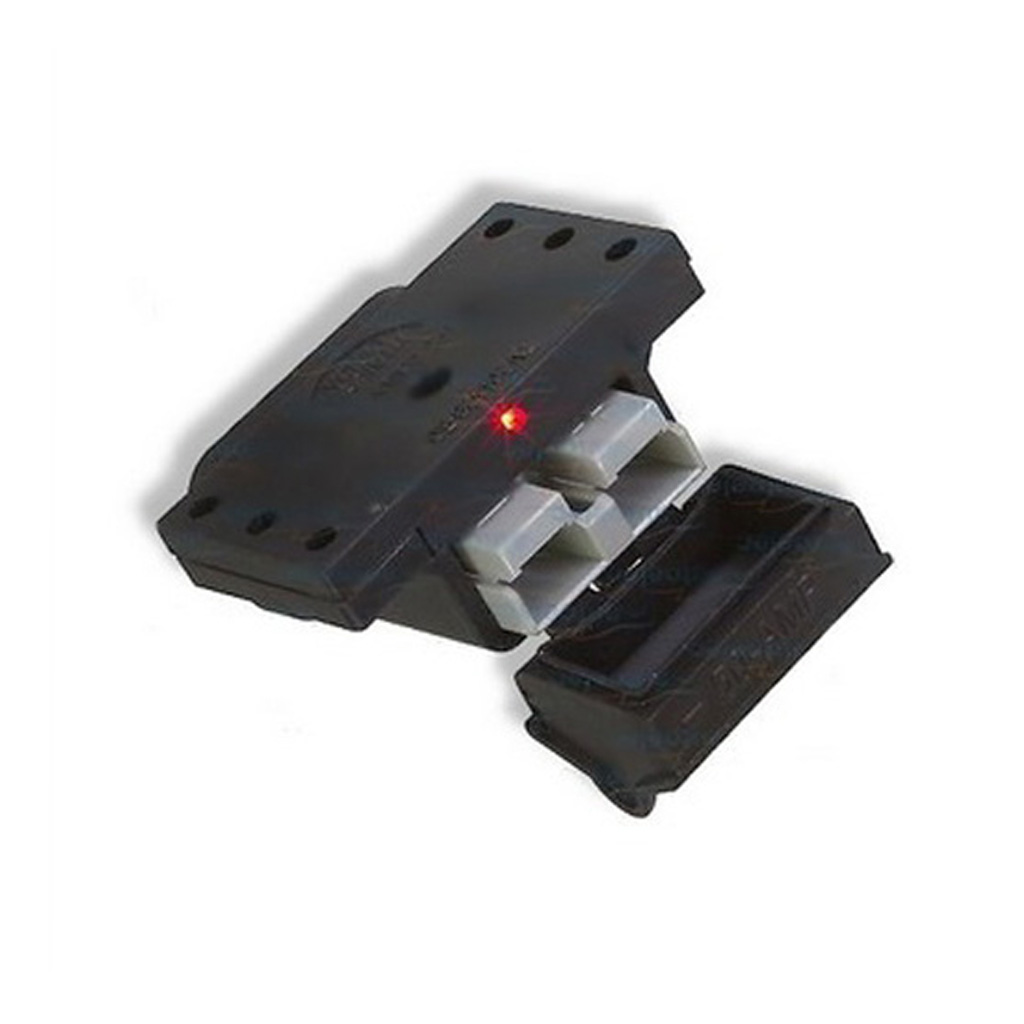
Battery leads are not the only components carrying current. A connector, battery isolator, fuse holder, circuit breaker, relay or distribution block that is underrated, worn or poorly installed can become the hot spot and transfer heat into the adjacent cable.
This is common where a high-current accessory has been added progressively over time. A circuit originally built for a small compressor or charging feed may later be asked to supply an inverter or larger DC-DC charger. The cable may have been upgraded, but the original fuse holder, connector or isolator remains.
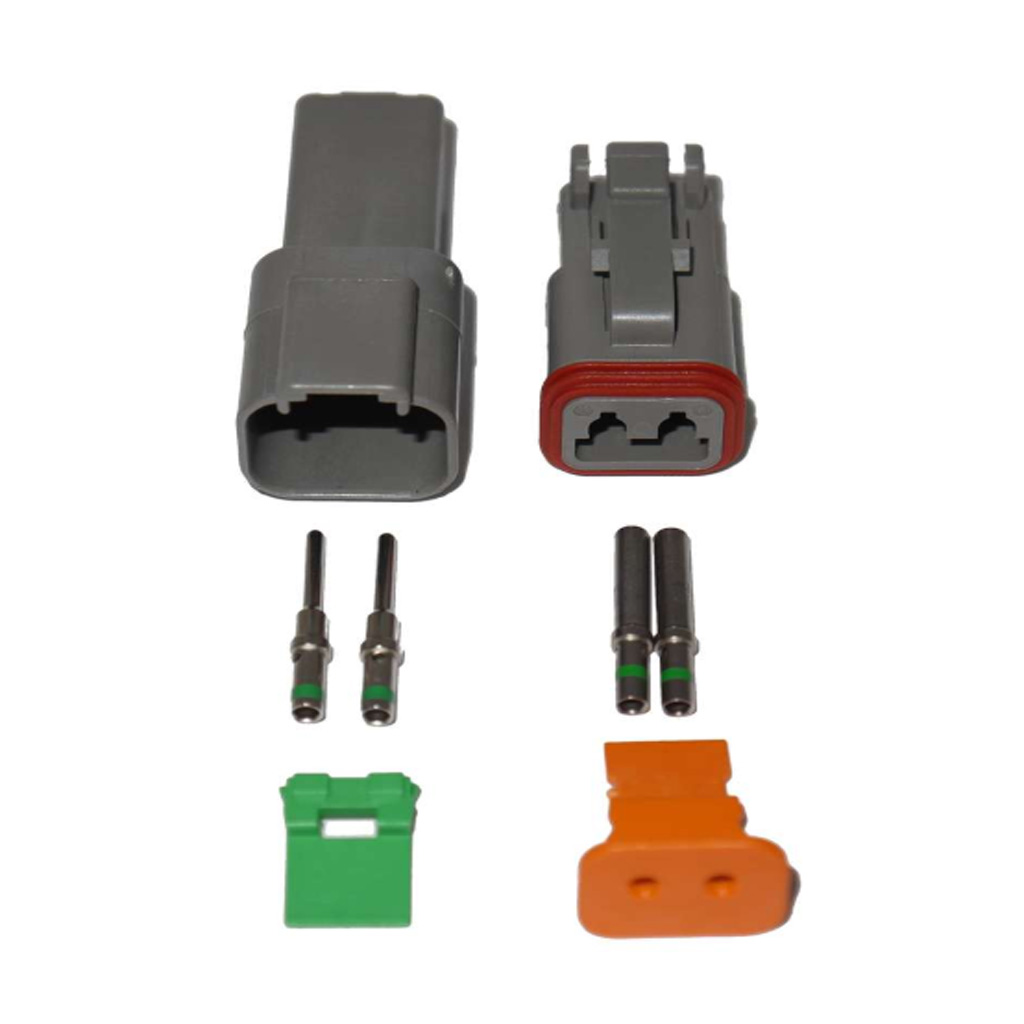
Check that every component in the path is rated for the continuous current, not merely an optimistic peak figure. Connector ratings also depend on clean contacts, correct terminal insertion and a positive mechanical engagement. A connector that is only partly seated can get hot very quickly.
A faulty accessory or short circuit
If a lead gets hot only when one accessory operates, the accessory or branch circuit needs attention. A seized motor, damaged winch solenoid, failing inverter, pinched cable or internal short can draw excessive current. A fuse should protect the cable, but only when it is correctly sized and located close to the battery supply.
Never fit a larger fuse simply because the existing fuse blows. The fuse is selected to protect the cable and installation, not to stop nuisance trips at any cost. If it is operating, find out whether the load is genuinely too large, the cable is incorrectly sized, or there is a fault downstream.
How to find the source safely
Start with the battery isolated and inspect the complete path from the battery terminal to the load and back again. Follow the positive cable through its fuse, isolator, connectors and distribution points. Follow the negative return with the same care. Look for crushed sections, sharp edges, exposed copper, melted conduit and signs of previous repairs.
Then check mechanical tightness. Battery terminals, lugs and busbar connections should be clean and secure, but do not overtighten small studs or battery posts. The connection needs full metal-to-metal contact, free of paint, corrosion and loose washers.
A voltage-drop test under load is more useful than simply checking continuity with a multimeter. Set the meter to DC volts and measure across a connection while the accessory is operating. Put one probe on each side of a terminal, fuse holder, isolator or connector. A sound connection should show very little voltage drop. A noticeably higher reading at one component identifies resistance and therefore the likely heat source.
You can also measure from the battery positive terminal to the accessory positive input, then from the accessory negative input back to the battery negative terminal. This helps separate a supply-side issue from a return-side earth issue. Take care around live high-current systems. If you are not confident working around batteries, use a qualified auto electrician.
Choosing the right repair
The repair depends on what the test shows. If the heat is at a terminal, replace the lug or clamp and remake the connection. If the entire lead is warm, increase the cable size after calculating current and cable length. If a connector or fuse holder is hot, replace it with a quality component rated for the real continuous load.
For dual-battery and auxiliary power work, match cable size, lugs, fuses, connectors and isolators as one system. A heavy cable joined through an undersized component still has a weak point. Protect cables with abrasion-resistant conduit where needed, secure them against movement, and keep unfused positive cable as short as practical at the battery end.
Bluebar Industries stocks the cable, terminals, connectors, protection and workshop gear needed to build and repair practical 12V and 24V power systems. The right parts are cheaper than replacing melted wiring or dealing with a battery fire on the track.
If a battery lead is hot enough to concern you, treat that heat as useful evidence rather than normal behaviour. Find the point of resistance, correct the cable or component rating, and test the system again before relying on it for the next trip or job.