

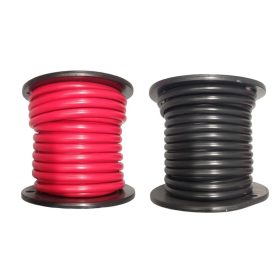
 Cable Automotive / Marine
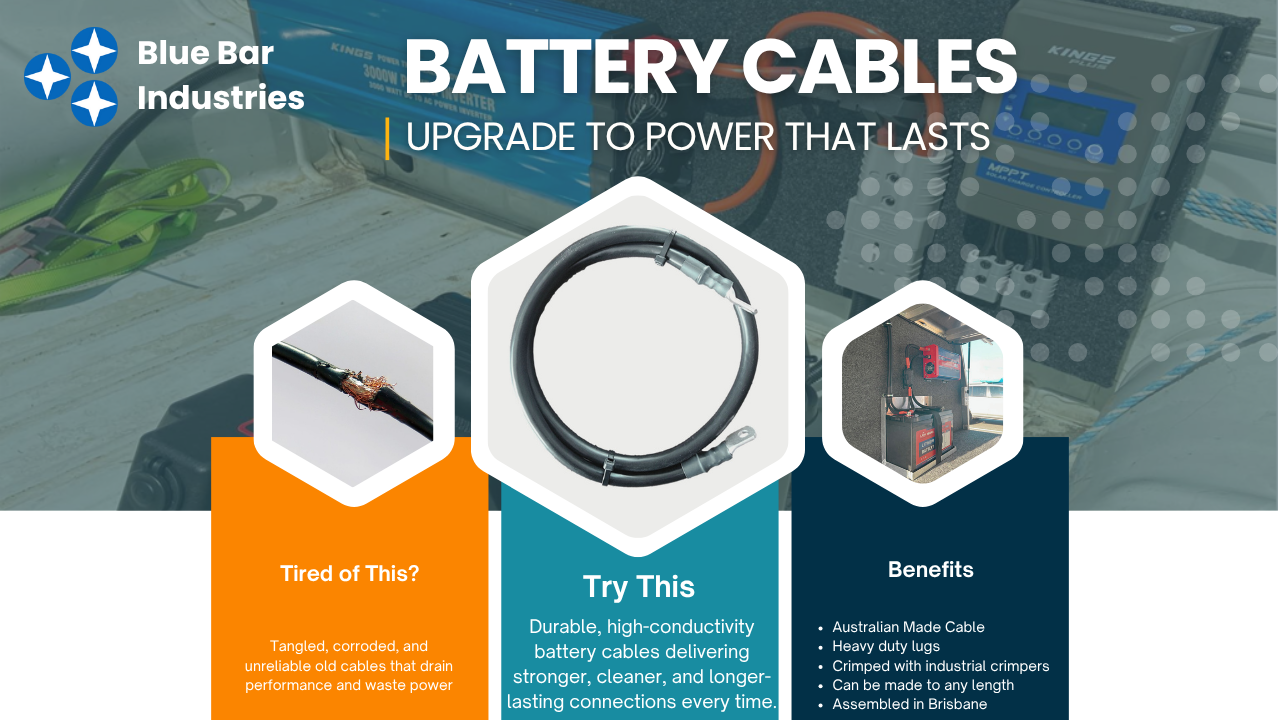
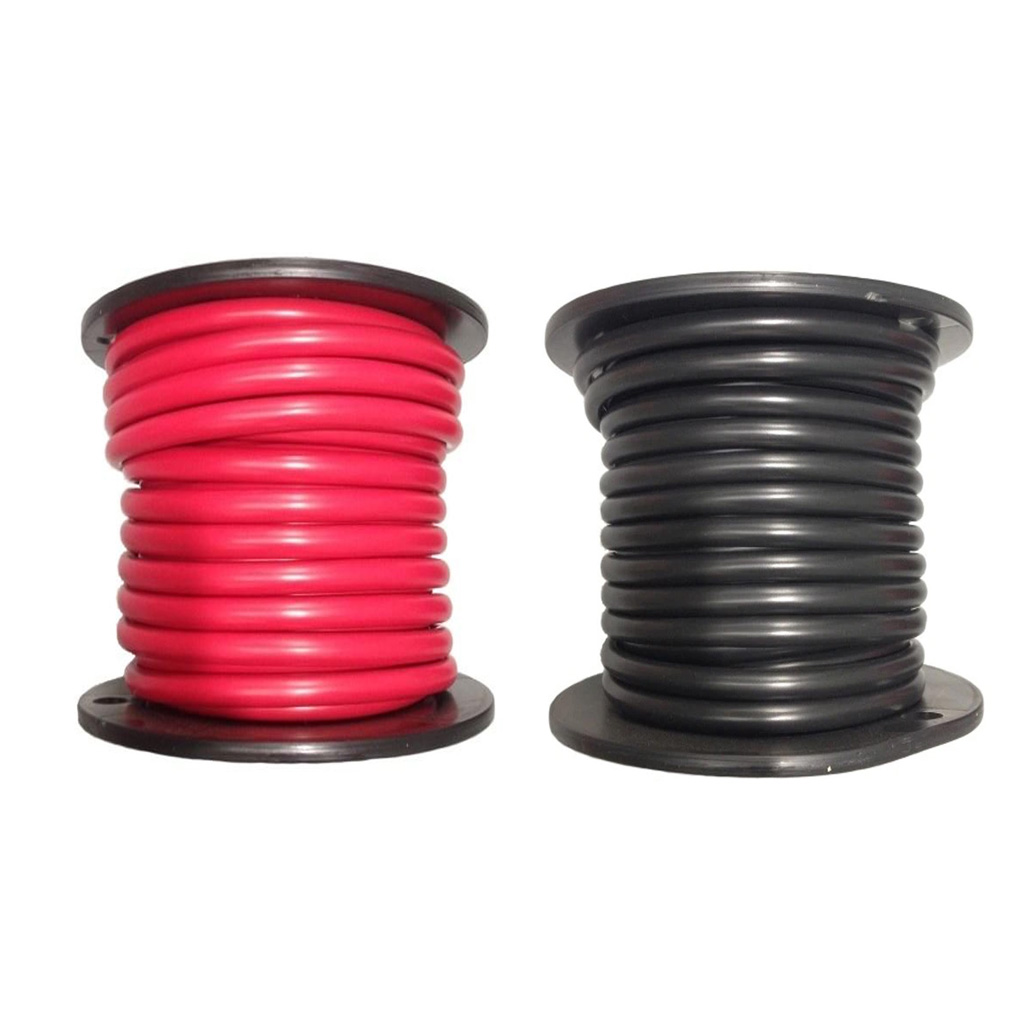
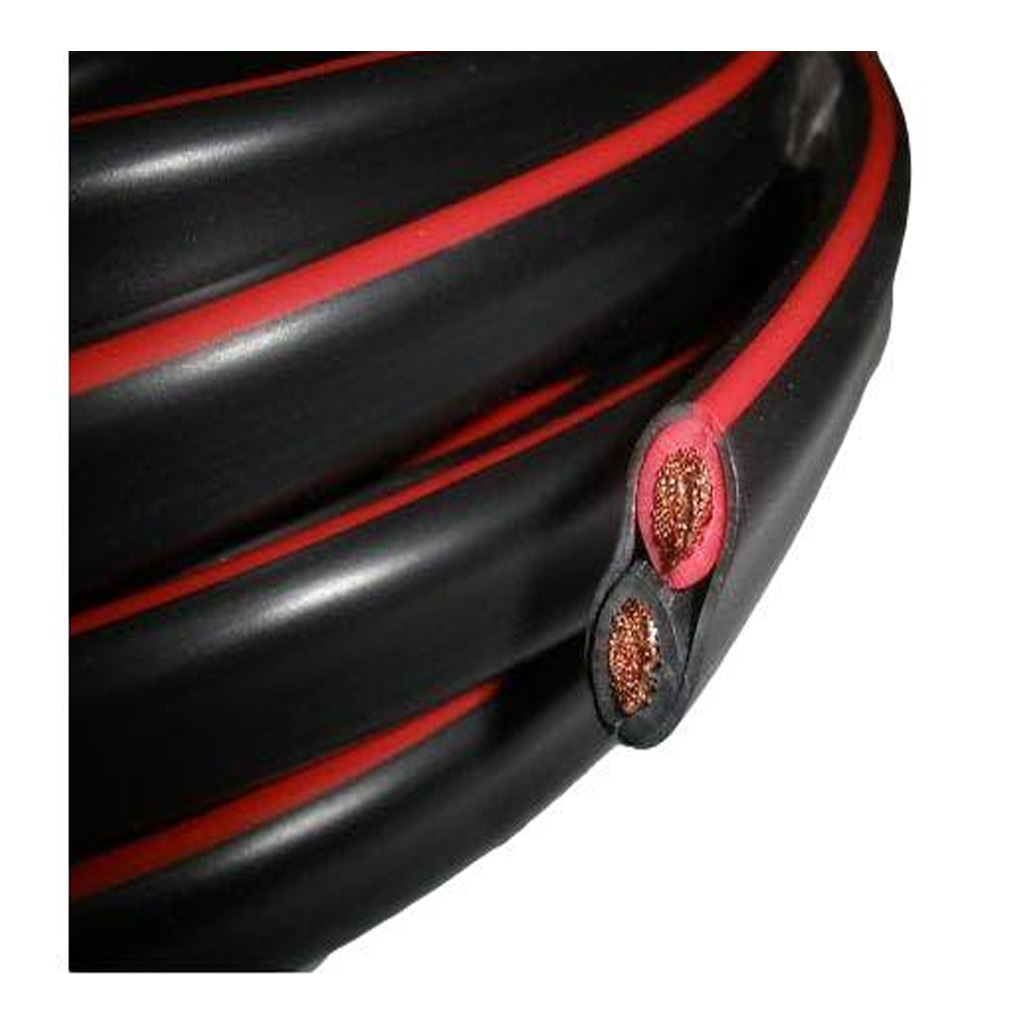
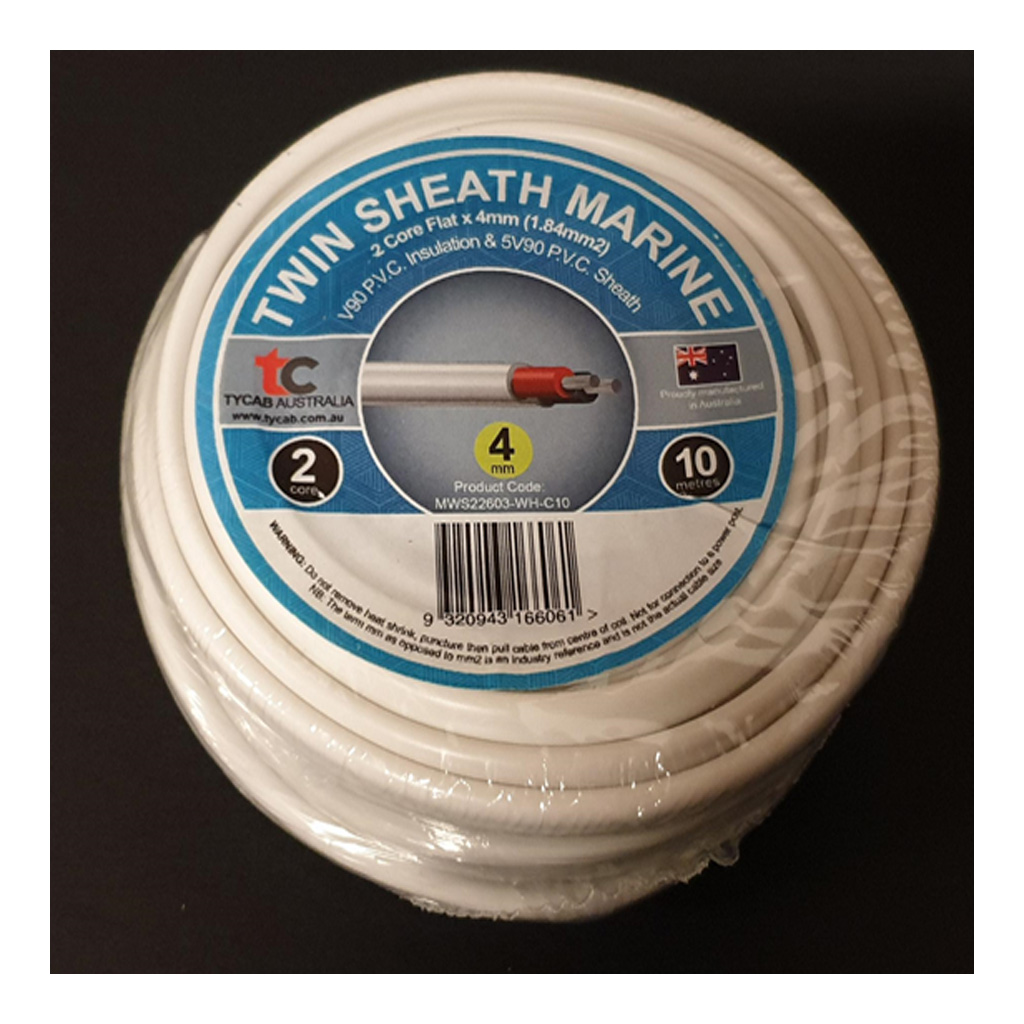
 Cable Lugs
 Cable Lug Assortment Kits
 Cable Lugs Straight Wall Closed
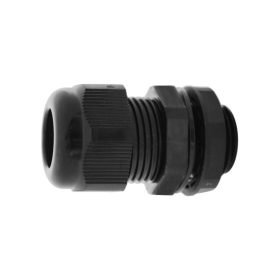 Cable Glands
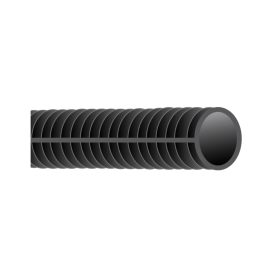 Convoluted Split Tubing
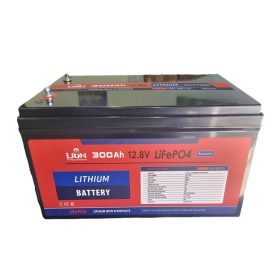 12/24v Products & Access

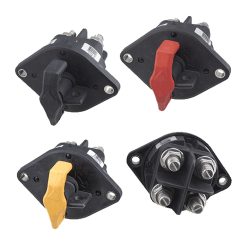
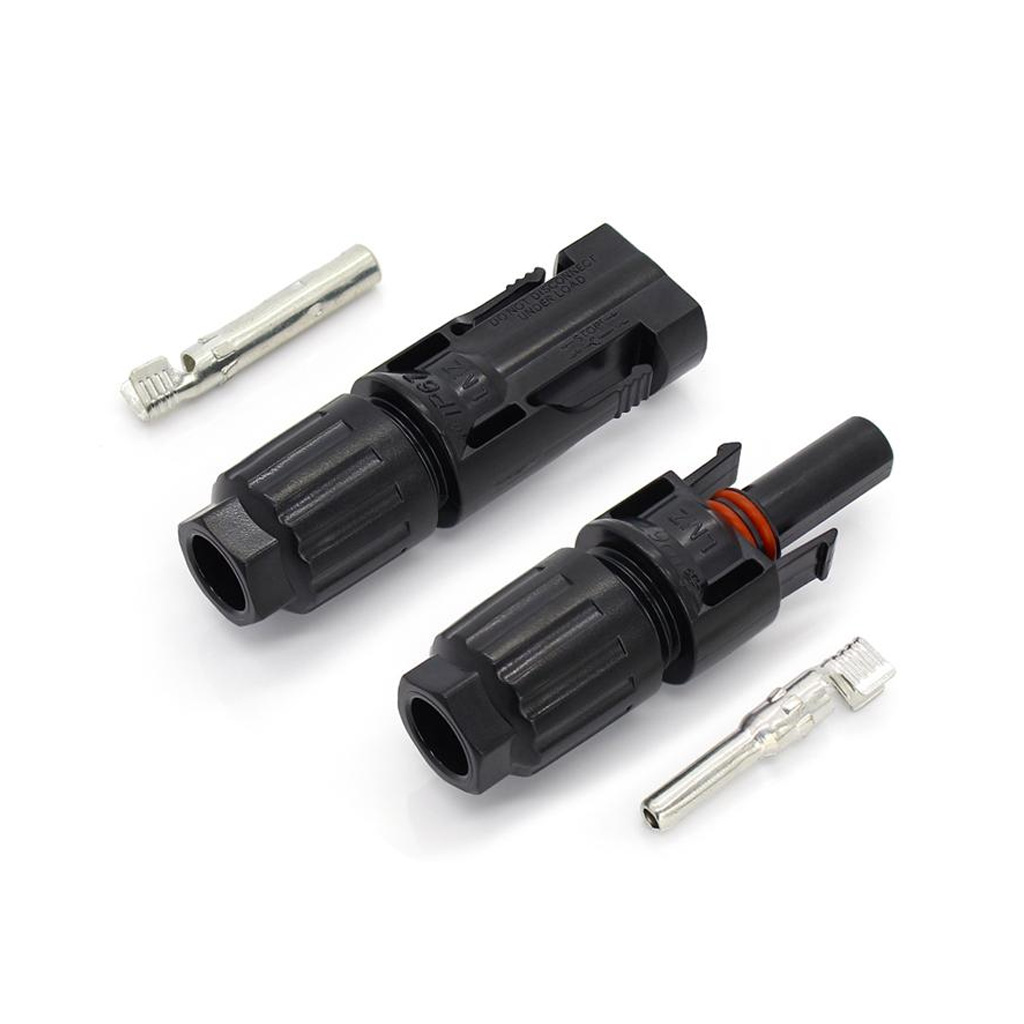
 Electrical Connectors
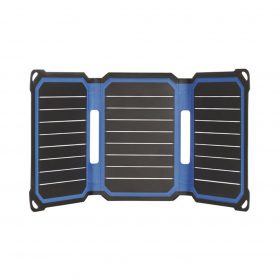 Solar Powered Products
 LED Lights


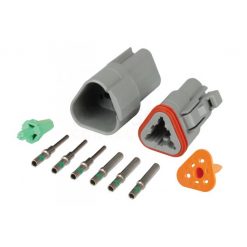
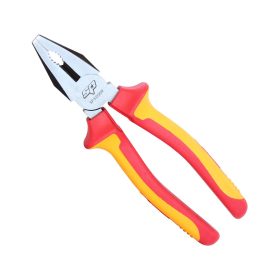 Tools



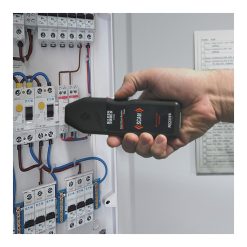
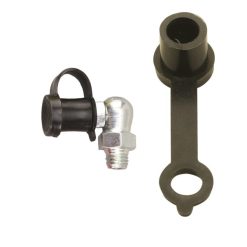
 Auto Parts & Categories
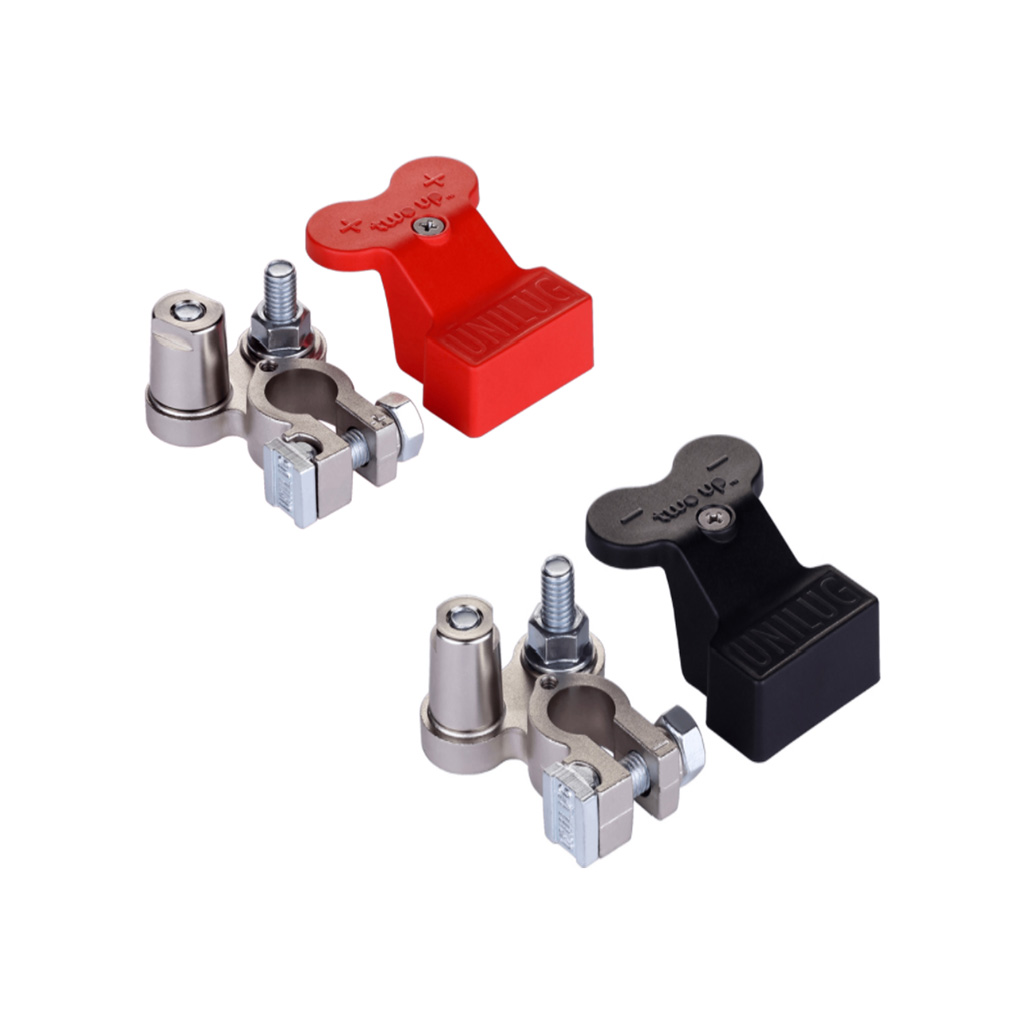

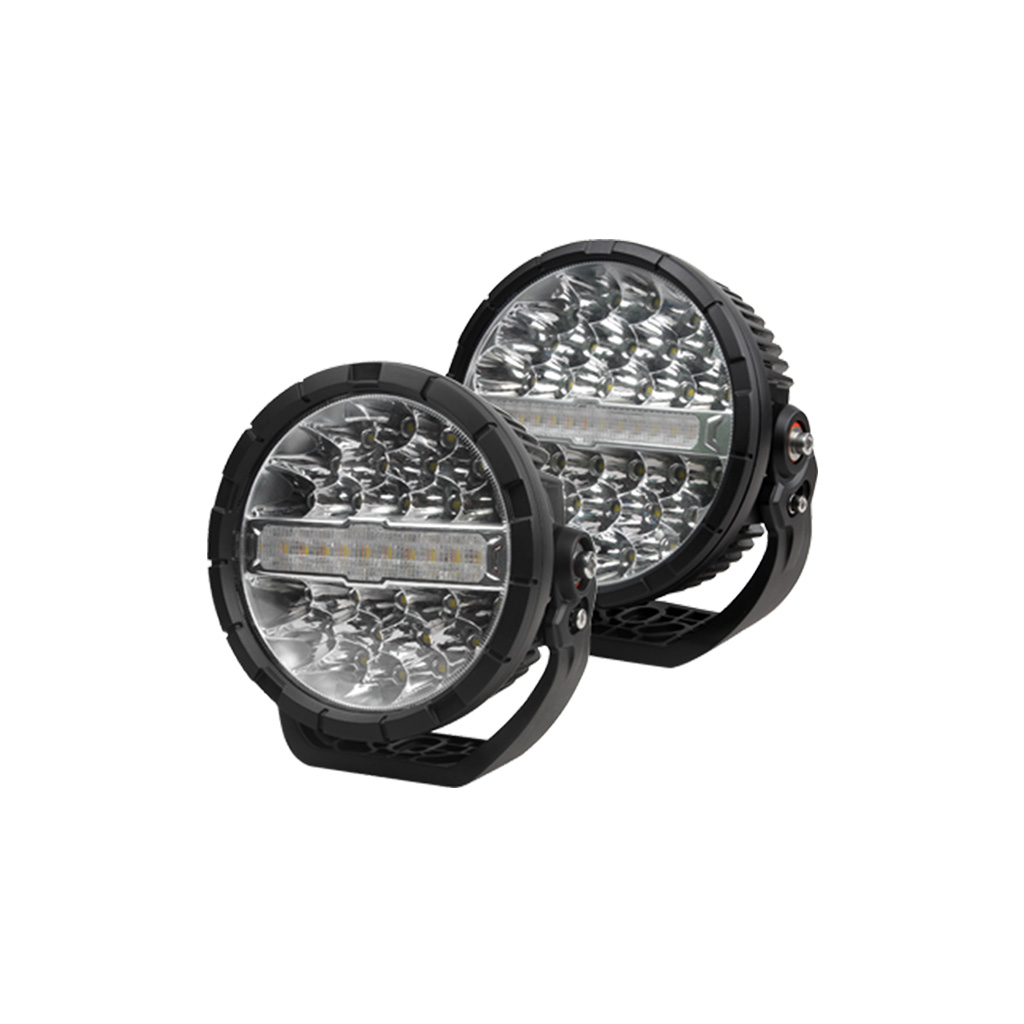
 Fittings

 Cleaning & Misc


 Clearance & Promotion
Latest News
Mining Vehicle Electrical Accessories That Last
Sep
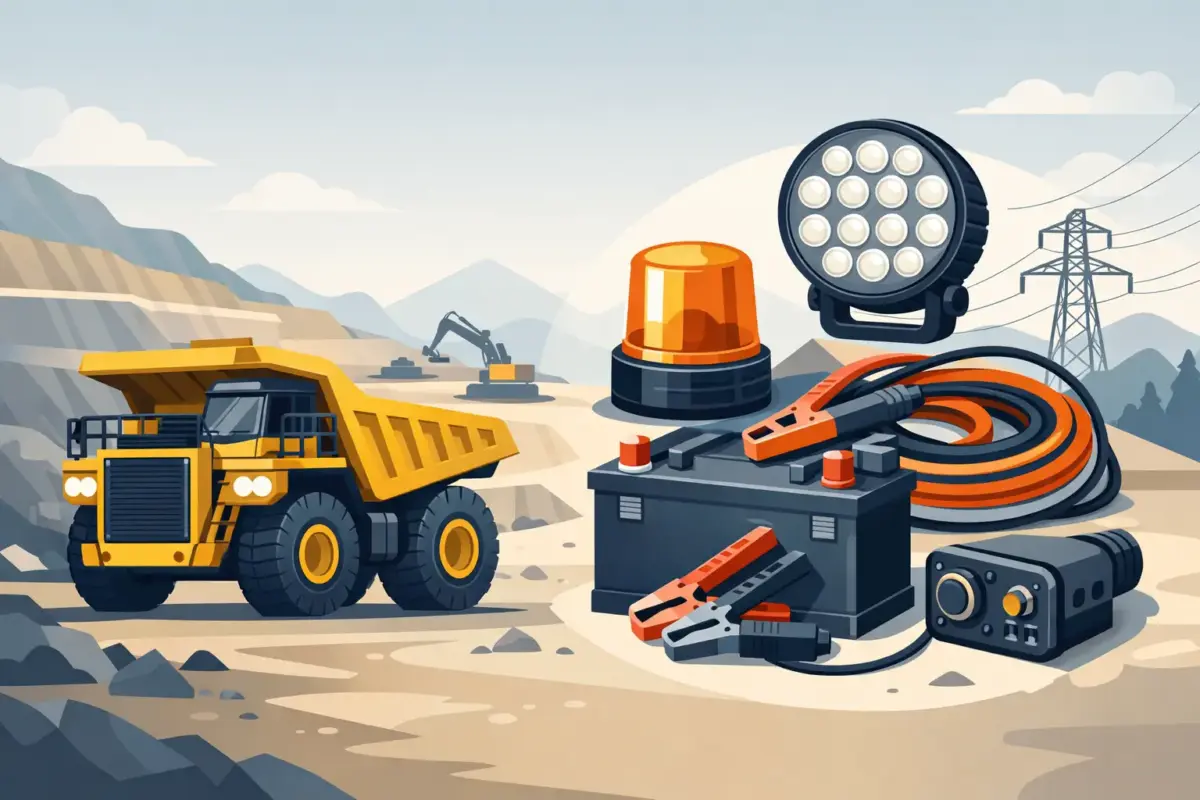
A failed work light, corroded plug or undersized power lead can stop a mining vehicle just as effectively as a mechanical fault. Mining vehicle electrical accessories need to handle more than a clean workshop installation. They are exposed to vibration, dust, wash-downs, heat, rough tracks and long operating hours, often while supporting equipment that operators rely on to work safely.
The right component is not simply the one that fits the connector. It must suit the vehicle voltage, current draw, cable run, mounting position and operating conditions. Getting those details right at installation saves repeat repairs, electrical faults and unnecessary downtime later.
Start with the vehicle’s electrical system
Most light vehicles, service trucks and mobile plant operate on either 12V or 24V systems. That sounds straightforward, but mixed fleets can create expensive mistakes when accessories, chargers, lights and adaptors are selected without checking the supply voltage first. A 12V accessory connected to 24V can fail immediately. A 24V light fitted to a 12V circuit may work poorly or not at all.
Check the system voltage at the battery bank and confirm whether the accessory will be connected to an ignition-fed circuit, a permanent supply, an auxiliary battery or a dedicated distribution point. This matters for work lights, warning devices, inverters, refrigeration, communications gear and charging outlets. It also affects fuse selection and the type of cable required.
Current draw deserves the same attention. A short lead powering a low-draw device has different requirements to a long cable run feeding multiple LED work lights or a high-current auxiliary circuit. Voltage drop becomes more likely as cable length increases, especially when cable is too small for the load. Dim lighting, hot wiring and poor accessory performance are common signs that the cable size or connection quality is not up to the job.
Mining vehicle electrical accessories for harsh work
Mining environments punish weak components. Accessories should be chosen as part of the complete electrical installation, not as isolated items. Cable, terminals, connectors, mounting hardware and circuit protection all need to work together.
Cable and cable protection
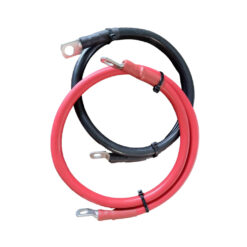
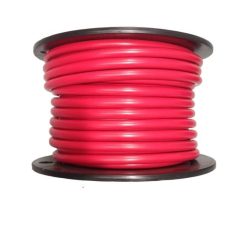
Quality automotive cable with suitable insulation is the starting point. Select conductor size based on the expected current draw and total cable length, then allow a sensible margin for operating conditions. Fine-strand automotive cable is generally better suited to vehicle movement and vibration than unsuitable fixed-installation cable.
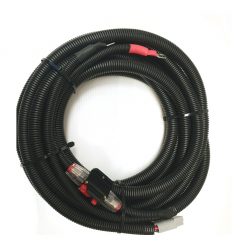
Protection is equally important. Split conduit, corrugated tubing, cable glands, grommets and abrasion-resistant sleeving help prevent wiring from rubbing through on chassis rails, trays, guards and bodywork. Any cable passing through metal needs a correctly fitted grommet or gland. Cable should be supported at regular intervals, kept clear of exhaust heat and moving parts, and routed away from sharp edges.
On equipment that sees frequent articulation or tray movement, allow enough cable movement without leaving loose loops that can snag. There is a balance between a tight, tidy install and one with enough service length for inspection and repairs.
Connectors and power leads
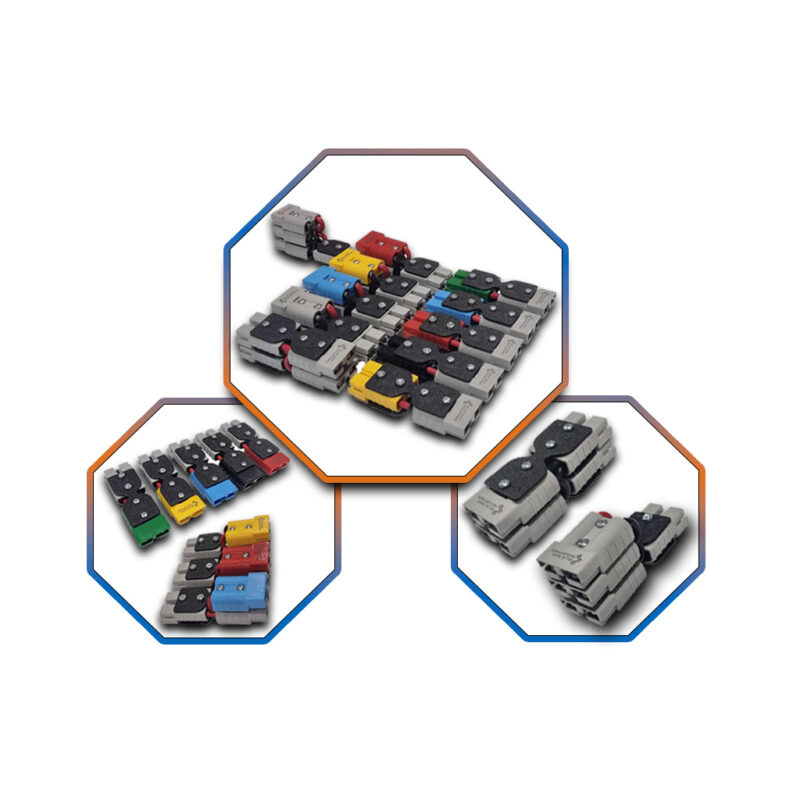
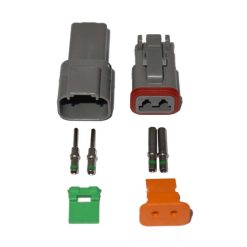
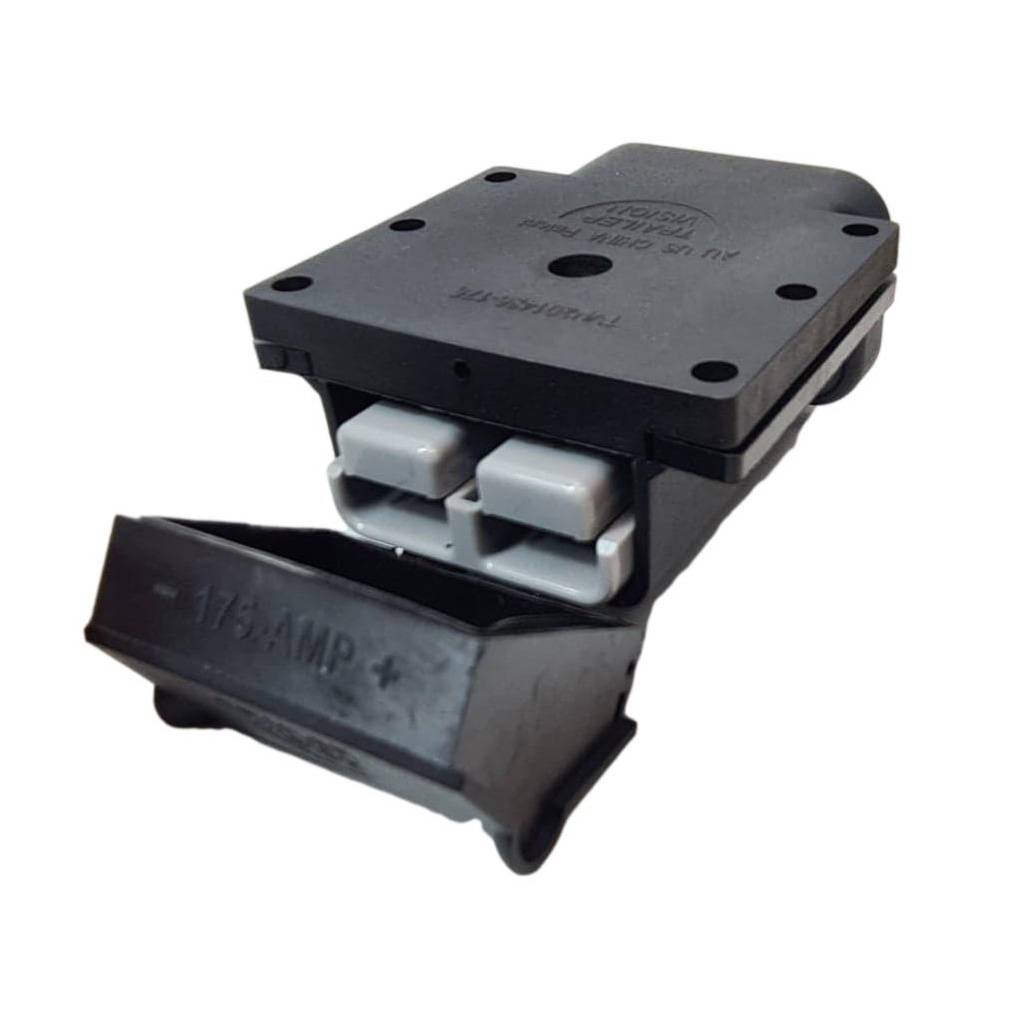
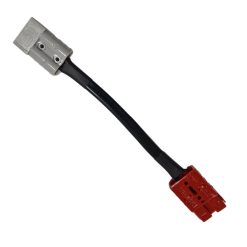
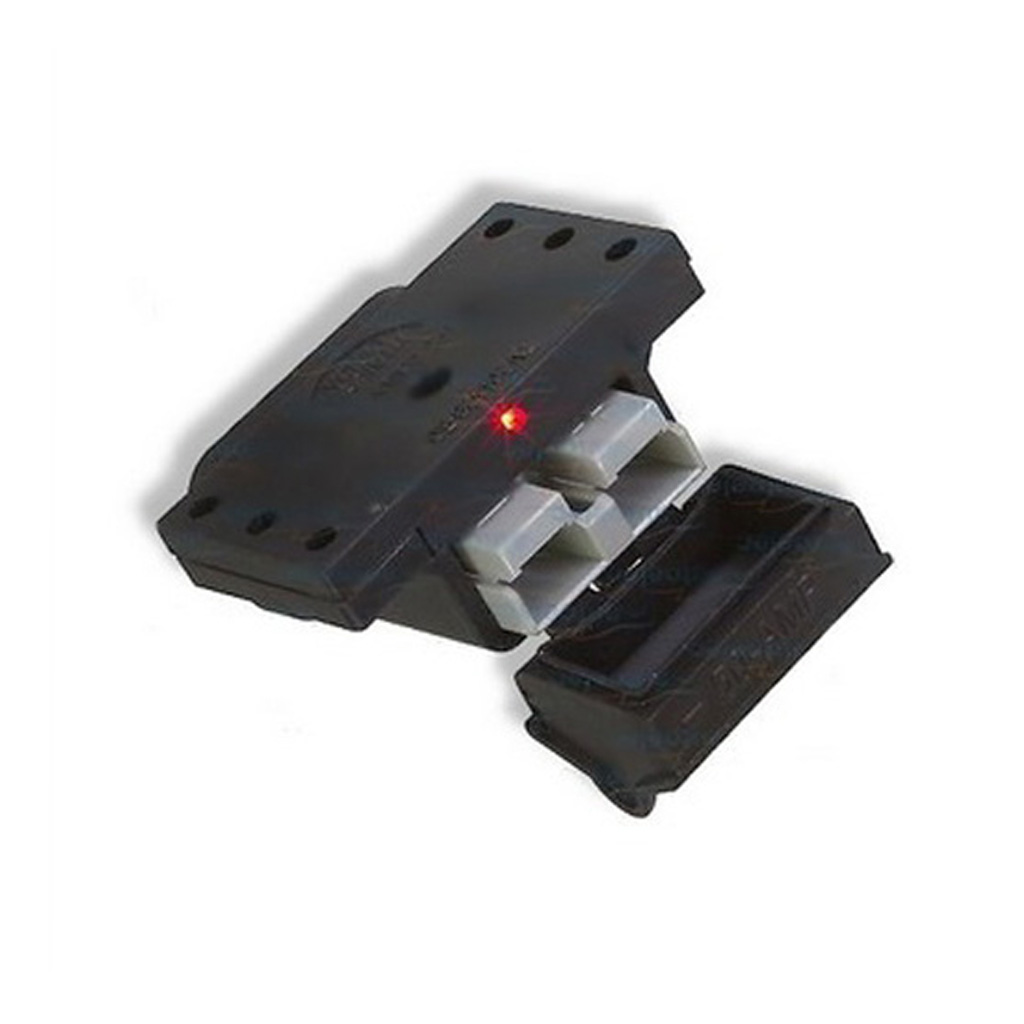
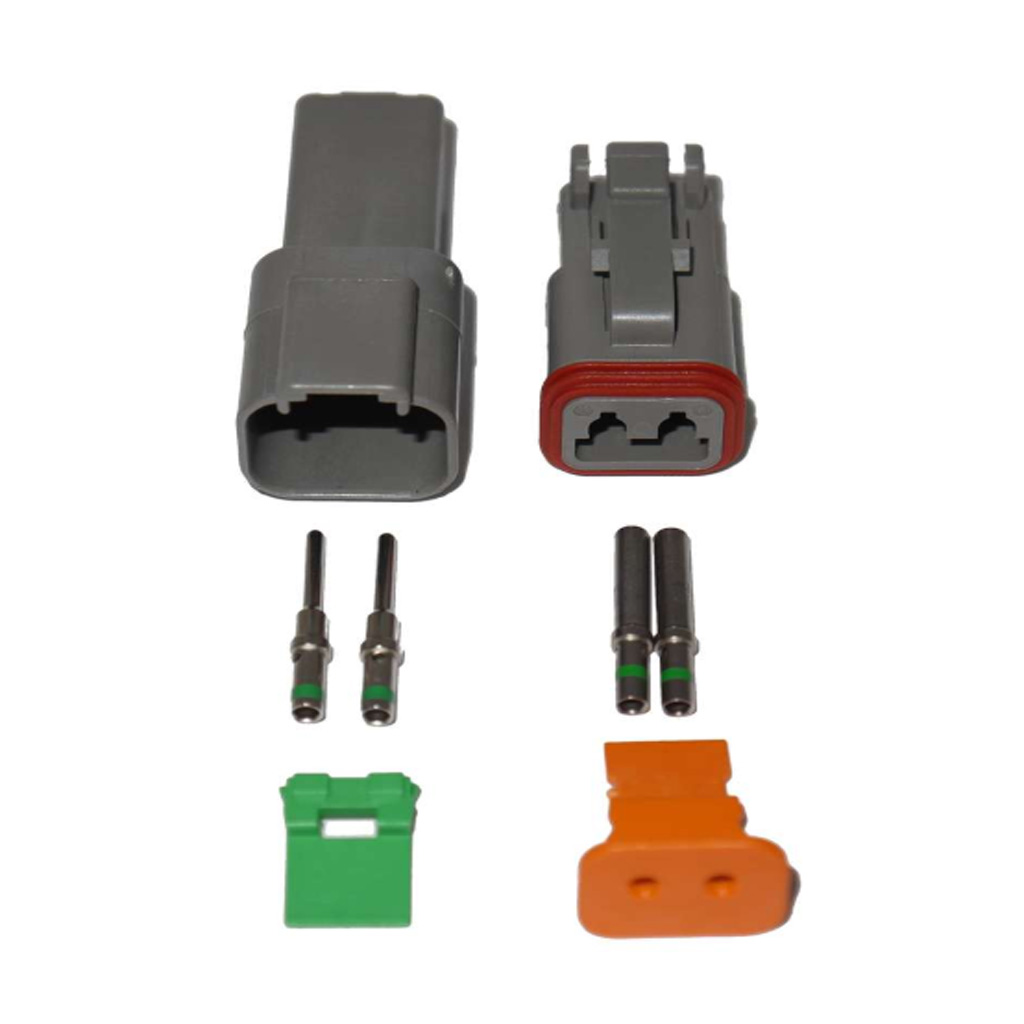
Connectors are often the weak point in mobile electrical systems. Loose pins, poor crimps and exposed terminals allow heat, moisture and contamination into the circuit. High-current DC connectors, such as Anderson-style plugs, are widely used for auxiliary power, battery charging, jumper leads and removable equipment because they provide a positive, serviceable connection when correctly matched and fitted.
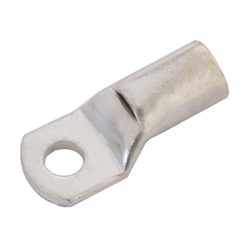
Connector ratings must match the circuit, and the cable termination needs to be sound. A high-rated connector does not compensate for undersized cable or a poor crimp. Use the correct contacts for the cable size, ensure terminals are fully seated, and provide strain relief so cable movement is not transferred directly into the connection.
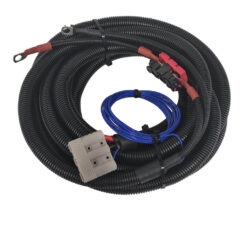
Custom-built 12V and 24V power leads can be a practical option where standard lengths do not suit the vehicle layout. A correctly made lead removes unnecessary joins and helps keep connectors positioned where operators can access them without stretching or pinching the cable.
Lighting and visibility equipment
LED work lights, light bars, beacon lights and reversing lights need more than a convenient mounting location. Consider beam pattern, glare, mounting vibration, cable entry direction and protection from rocks or material spray. Flood beams suit close work areas, while spot or combination beams may be more useful for travel routes and longer viewing distances.
Mounting hardware needs to stay tight under vibration. Use suitable brackets, fasteners and cable protection, and avoid aiming lights where they create reflected glare from trays, bullbars or nearby surfaces. Electrical connections should be protected from direct spray and located where they can be checked during routine maintenance.
Lighting requirements on mine sites can be site-specific. Follow the fleet standard, vehicle manufacturer guidance and site rules before fitting additional warning or work lighting. More lights are not automatically safer if they compromise visibility, create glare or interfere with existing circuits.
Battery accessories and circuit protection
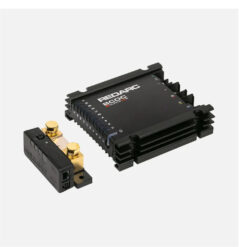
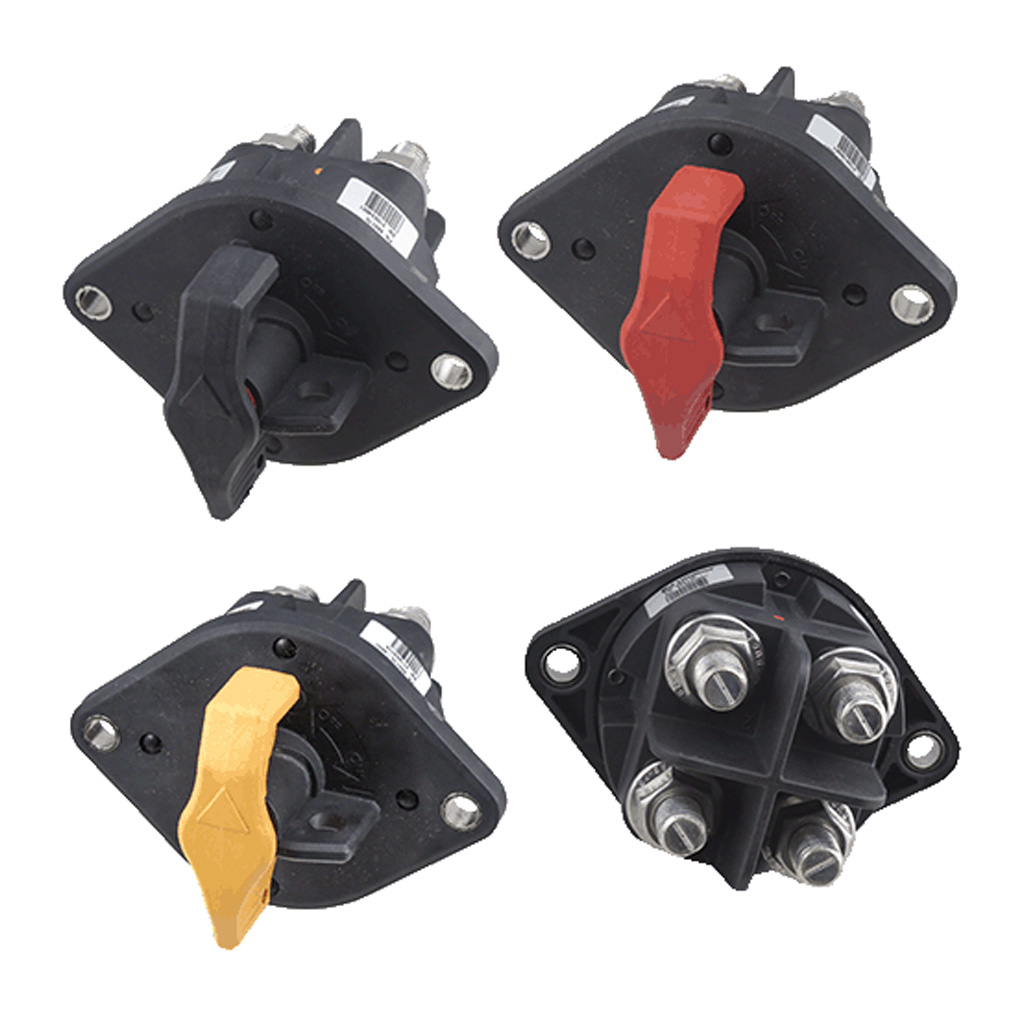
Battery isolators, terminals, fuses, circuit breakers, distribution blocks and battery monitoring accessories all play a part in keeping a vehicle’s auxiliary electrical system serviceable. They also make fault-finding faster when equipment needs attention in the field.
Every added circuit should have suitable protection placed as close as practical to the power source. The fuse or breaker protects the cable, not just the accessory, so its rating must reflect the cable’s safe capacity and the circuit design. Replacing a repeatedly blown fuse with a larger one without finding the cause is a direct path to damaged wiring.
Battery terminals should be clean, secure and protected from corrosion. On dual-battery or auxiliary battery systems, clearly labelling isolators, positive feeds and distribution points helps the next technician work safely and efficiently. It is a small detail that matters when a vehicle is being repaired under time pressure.
Installation quality matters as much as the product
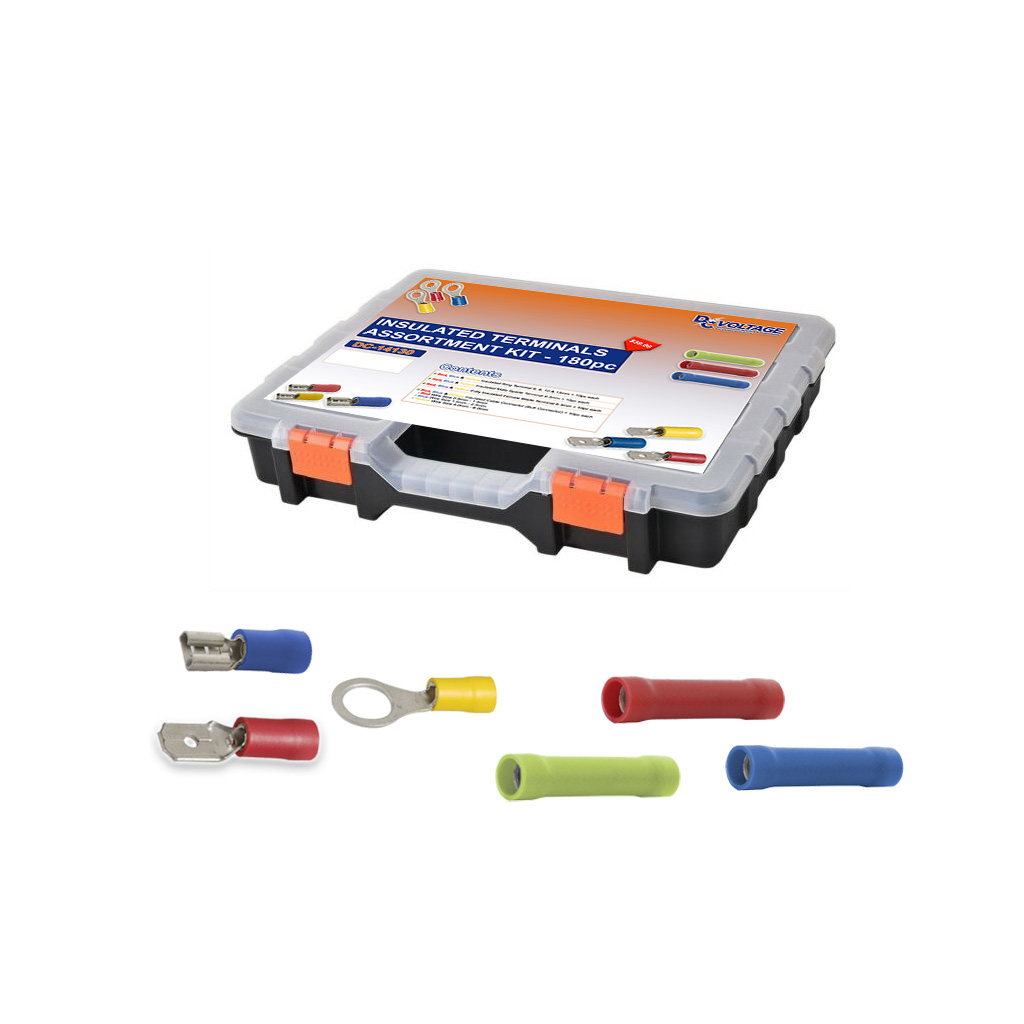
A quality accessory can still fail early if it is installed poorly. Crimping tools matched to the terminal type, proper cable cutters, heat shrink, terminal boots and cable ties or clamps are not optional extras on a demanding vehicle. They are what turn individual parts into a reliable system.
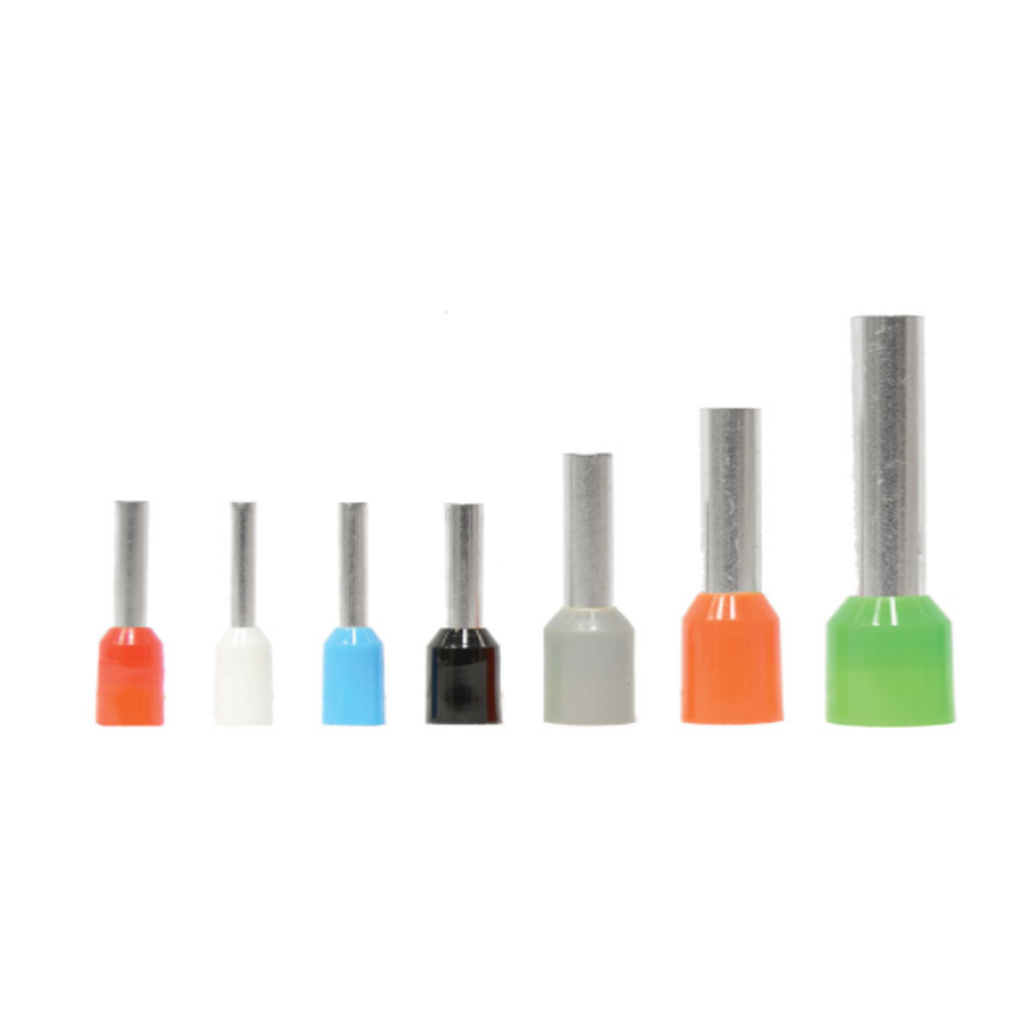
Avoid twisting wires together, using household-style connectors, leaving bare terminals exposed or relying on electrical tape as the main form of insulation. Use crimp terminals designed for automotive cable, inspect the crimp mechanically, then seal and support the connection where required. Heat shrink can provide strain relief and environmental protection, but it cannot repair a weak crimp underneath.
For critical circuits, document cable routes, fuse ratings, connector types and accessory loads. A simple circuit record is valuable for fleet maintenance and particularly useful when a vehicle changes hands between shifts, workshops or contractors. Labelling may seem slow during an install, but it is faster than tracing an unidentified cable later.
Choosing accessories for fleet work or field repairs
Fleet operators usually benefit from standardising common consumables. Keeping the same connector family, fuse types, cable colours and terminal styles across similar vehicles reduces confusion and means field stock is more useful. It also makes training, troubleshooting and replacement work more consistent.
For field repairs, carry parts that address likely failure points: automotive cable in relevant sizes, connectors and contacts, fuses, heat shrink, terminals, conduit, cable ties, battery terminals and basic test equipment. The exact kit depends on the fleet, but it should reflect what is installed on the vehicles rather than a random collection of spares.
There is a trade-off between carrying every possible component and keeping a practical repair inventory. Standardisation helps resolve it. When the fleet uses proven, compatible parts, technicians can carry fewer variations while still repairing more faults properly.
Bluebar Industries supplies the practical 12V and 24V cable, connectors, lighting, battery accessories, protection products and tools needed for vehicle electrical work. For custom power leads, provide the required voltage, connector type, cable length, current demand and intended use so the finished lead suits the application.
Inspect electrical accessories before they fail
Electrical checks should be part of normal vehicle maintenance, not only a response to a fault. Look for damaged conduit, loose clamps, rubbed insulation, green corrosion around terminals, heat marks at connectors and signs that cable has been stretched or crushed. Test accessory operation under load where possible, because a circuit can appear normal with no load and fail when equipment is switched on.
Pay close attention after wash-downs, repairs around the battery area, tray modifications or work near chassis-mounted wiring. These are common times for cable routing and connections to be disturbed.
The practical approach is simple: select components for the actual load and environment, install them with proper protection, and make them easy to inspect and repair. A mining vehicle electrical system is only as dependable as its smallest connection, so fit parts that can earn their place on site.