

 Cable Automotive / Marine
 Cable Lugs
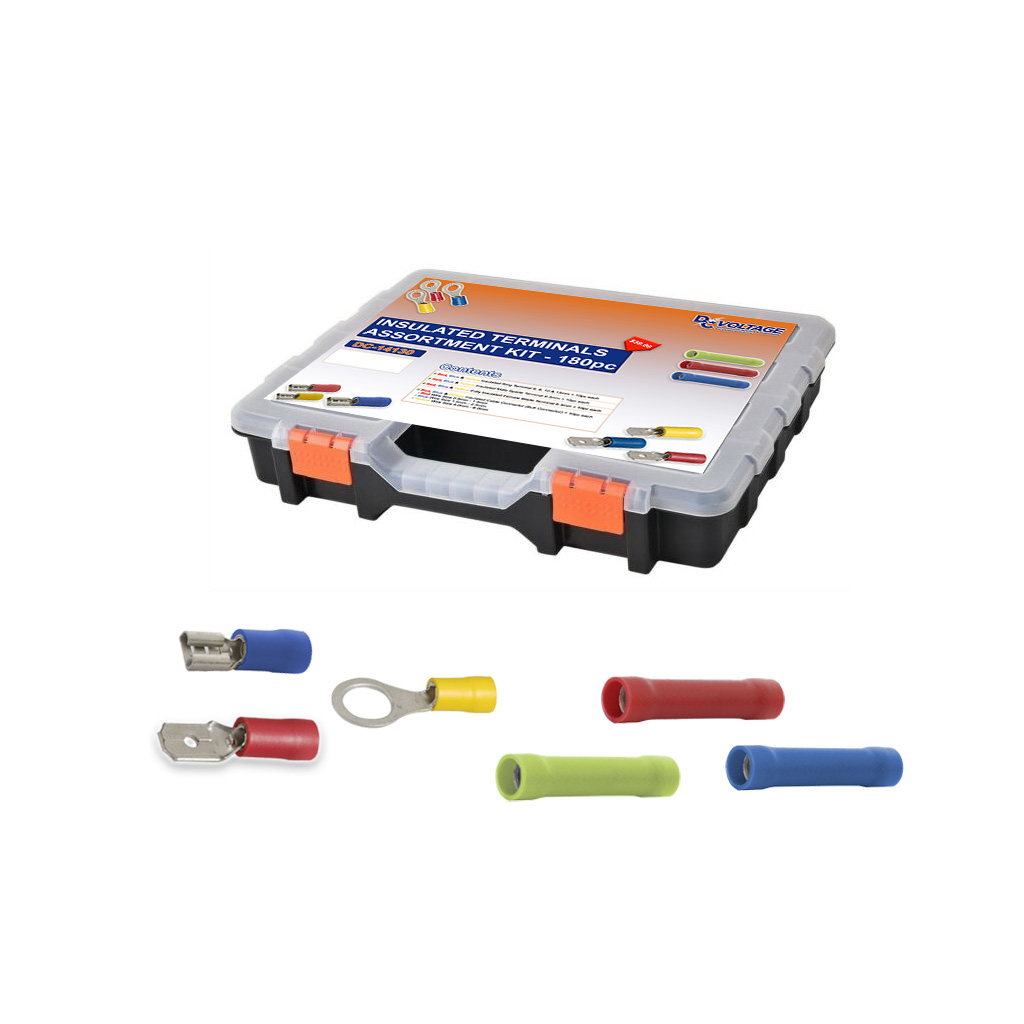
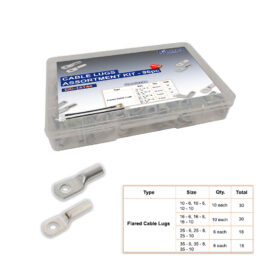 Cable Lug Assortment Kits
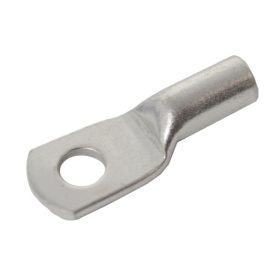 Cable Lugs Straight Wall Closed
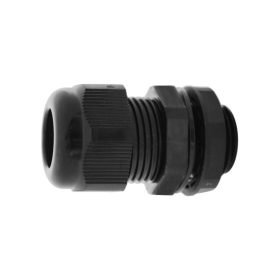 Cable Glands
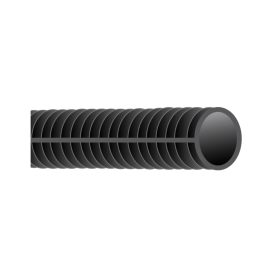 Convoluted Split Tubing
 12/24v Products & Access
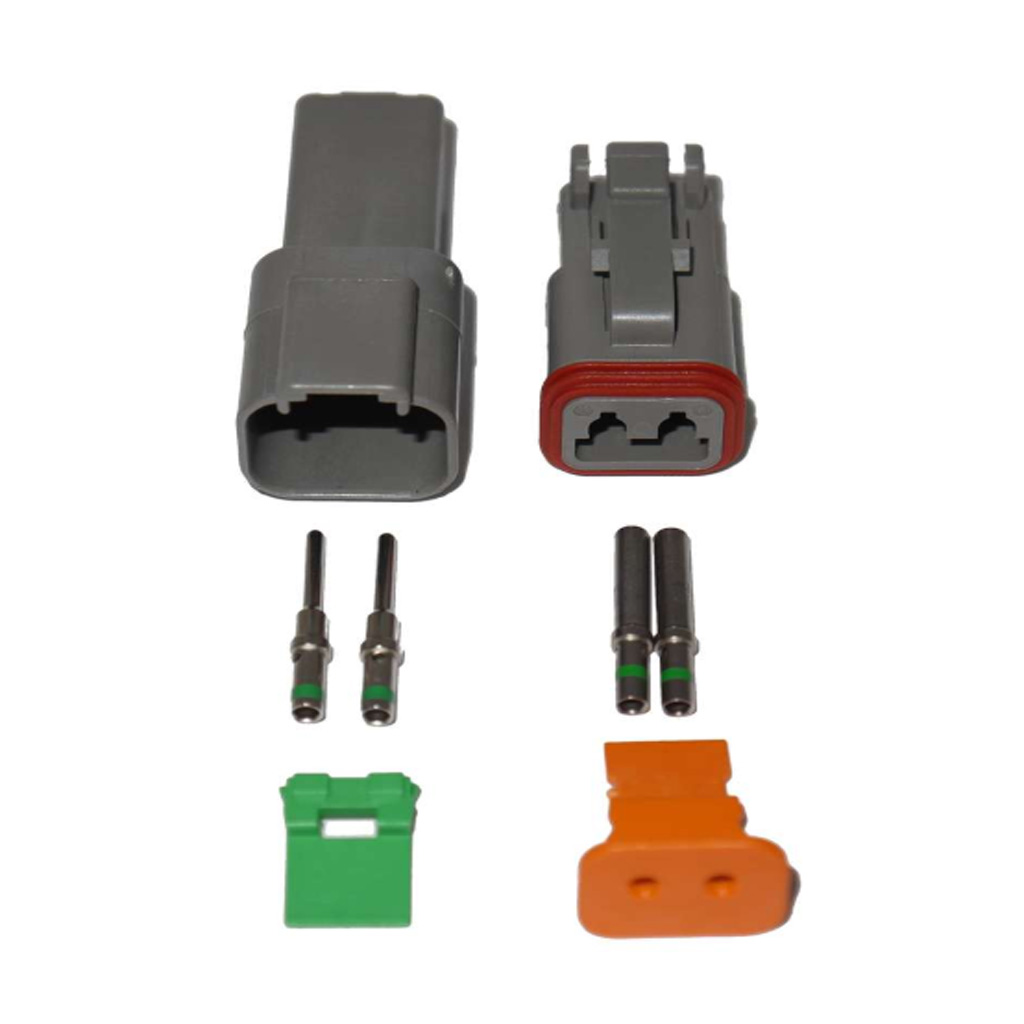
 Electrical Connectors
 Solar Powered Products
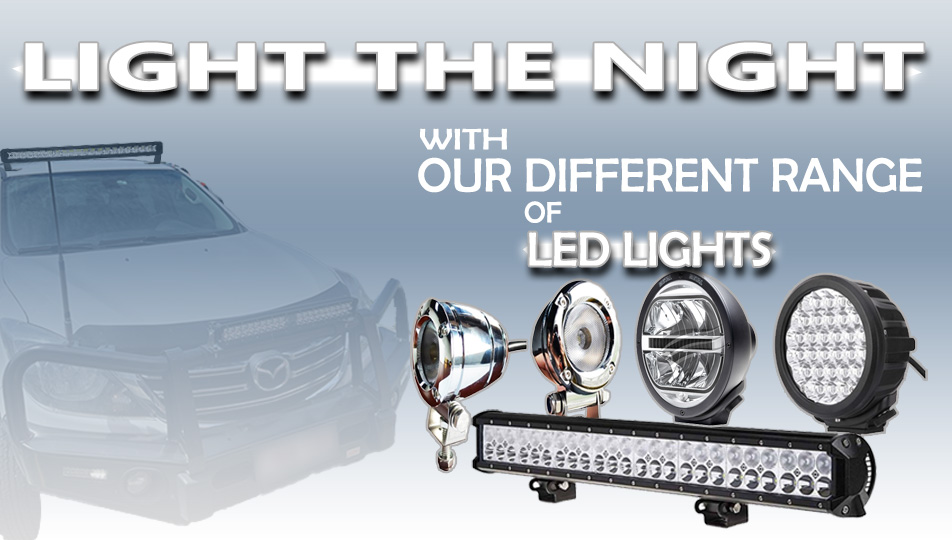
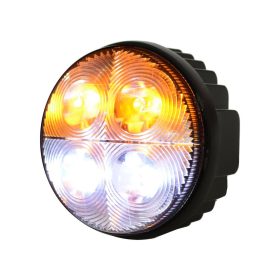
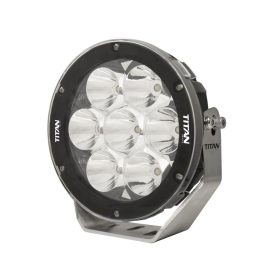
 LED Lights
 Tools
 Auto Parts & Categories

 Fittings
 Cleaning & Misc
 Clearance & Promotion
Latest News
Solar Blanket vs Folding Panel: Which Works?
Aug
A portable solar setup only earns its place if it can keep up with the battery bank without becoming another awkward item to pack, carry and protect. In the solar blanket vs folding panel decision, the best option is not always the one with the highest watt rating. It comes down to how you travel, where you camp and how much regular charging your 12V system actually needs.
For a weekend camp running lights, a fridge and device charging, either style can work well when matched with the right regulator, cable and battery. For longer remote touring, the physical construction, real-world output and daily setup routine start to matter a lot more.
Solar blanket vs folding panel: the practical difference
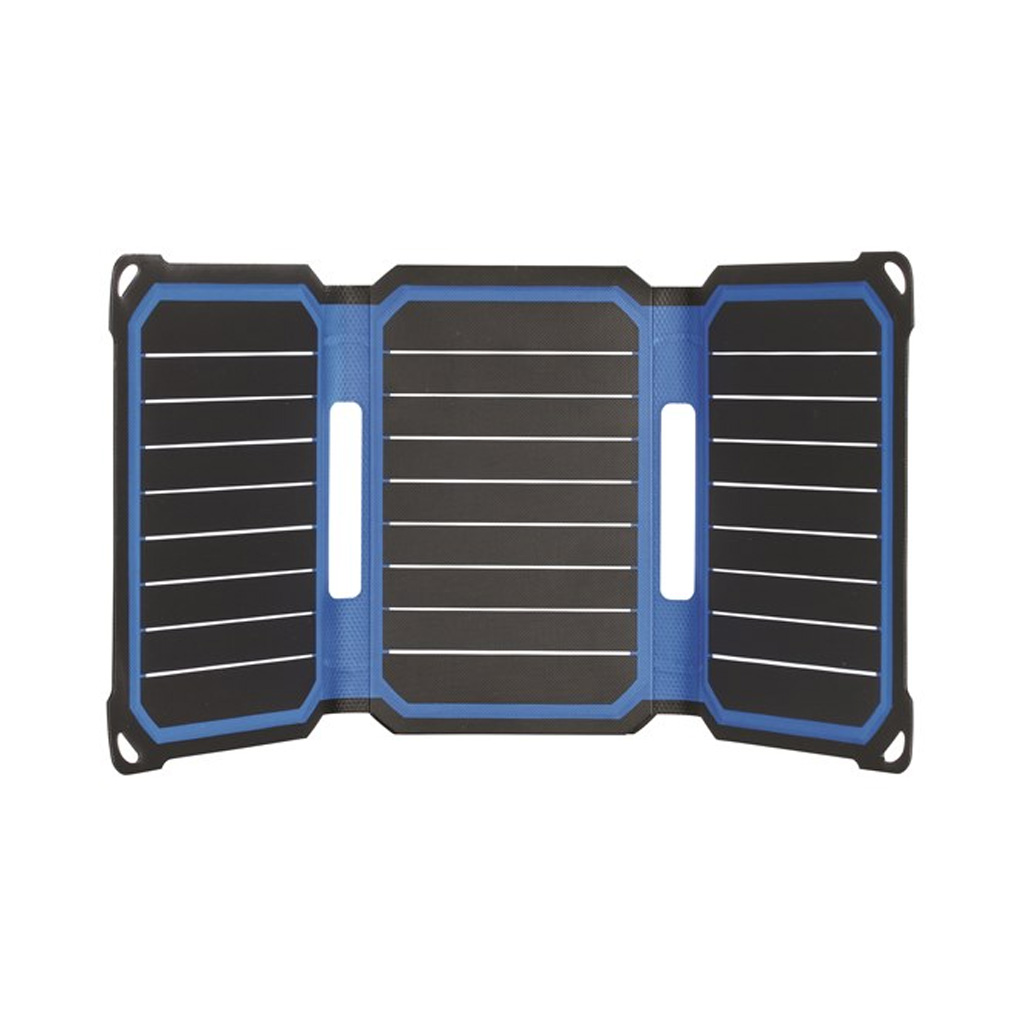
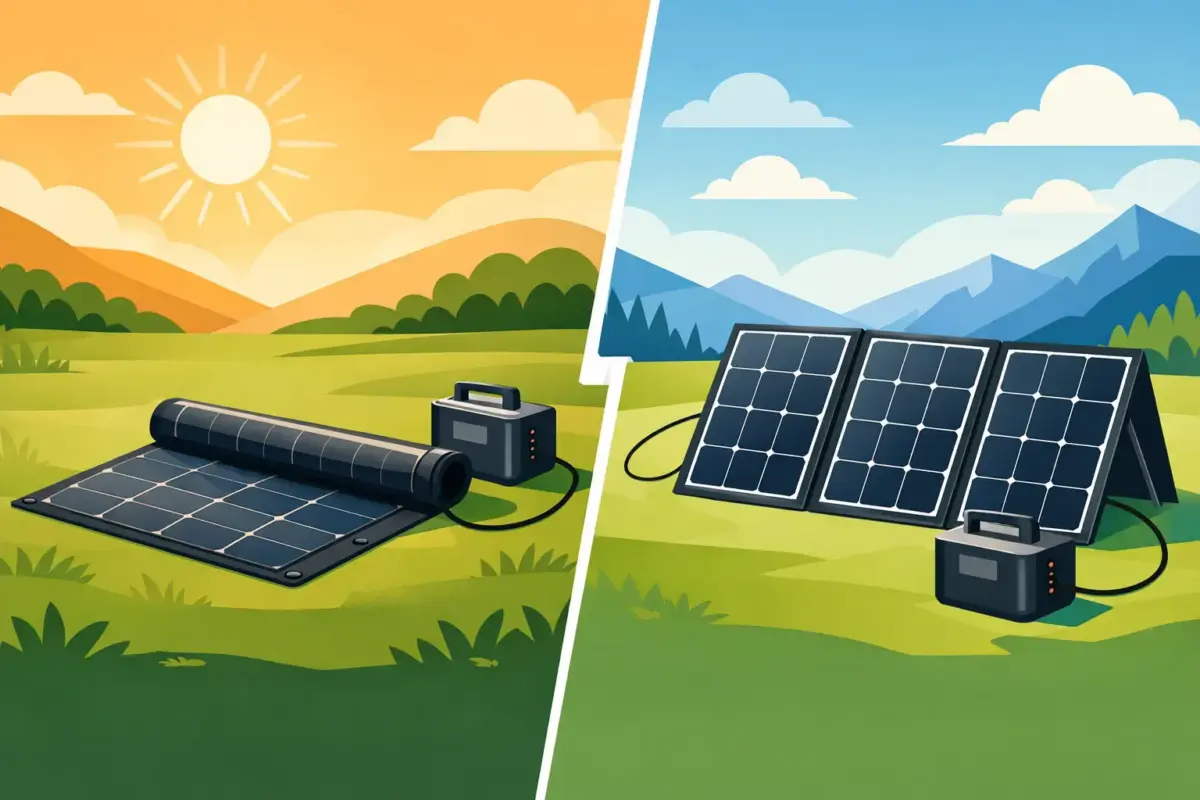
A solar blanket uses multiple solar cells mounted in flexible fabric-backed sections. It folds or rolls into a compact carry bag and is generally designed to be laid flat on the ground, draped across a vehicle bonnet where appropriate, or positioned over a camp table. Most include support legs, though these are usually less substantial than those on folding panels.
A folding solar panel is typically made from rigid glass-faced panels joined by hinges, with an aluminium frame and adjustable legs. It folds like a briefcase for transport, then opens into a fixed panel array. This construction takes up more room than a blanket but provides better protection for the solar cells.
Both products can be used to charge a 12V battery through a solar regulator. Neither should be connected directly to a battery unless it has a correctly matched regulator built into the system. A good portable setup also needs suitably sized cable, reliable connectors and fused battery-side protection.
When a solar blanket makes more sense
A solar blanket is the practical choice when storage space is tight. It suits 4WD owners carrying recovery gear, tools, water, swags and camp equipment, where a rigid panel case is difficult to accommodate. It is also handy for camper trailers and caravans where the external locker has limited usable space.
The blanket’s main advantage is its packing efficiency. A 160W or 200W blanket can fold down into a relatively slim bag and slide behind a rear seat, under a false floor or into a narrow locker. For travellers who only bring portable solar on selected trips, this is a genuine benefit.
It is also easier to place a blanket in an irregular area. If a rigid panel will not sit level beside camp, a blanket can often be positioned across a flatter section of ground or supported at a low angle. That flexibility can help when campsites are crowded or shaded in parts.
There are trade-offs. Flexible panels are more exposed to knocks, sharp objects, abrasive dirt and repeated folding around the cell area. They should not be treated as a ground tarp, stepped on or left where chairs, dogs and campsite traffic can damage them. Their support legs can also be less stable in wind, so secure placement matters.
A blanket may be ideal for the occasional traveller who values compact storage, but it needs careful handling. Keep it dry and clean before packing it away, avoid crushing it beneath heavy gear and check the hinges, stitching, leads and connectors before heading bush.
When a folding panel is the better buy
Folding panels are generally better suited to frequent use and longer stays. Their rigid frames make them easier to stand at an angle towards the sun, and that angle can make a meaningful difference to charge performance early and late in the day.
The glass-faced construction also gives the cells more protection during transport and setup. A good folding panel can handle regular touring use well, provided it is stored securely and not allowed to slide around in the canopy, boot or caravan tunnel boot. The frame gives you a solid point to hold while moving it and a more stable structure for repositioning through the day.
For caravan and camper trailer owners parked up for several days, a folding panel is often the simpler daily tool. Open it, aim it north where possible, run the lead to the battery system and adjust its position as the sun moves. It is less compact than a blanket, but often less fiddly once camp is established.
The downside is bulk. Even when folded, a framed panel needs a dedicated storage location. Glass panels can crack if dropped or overloaded, while hinges and latches need occasional inspection. If your vehicle is already packed tightly, the convenience at camp may not outweigh the space it consumes on the road.
Output is about more than the wattage label
A 200W solar blanket and a 200W folding panel have similar theoretical maximum output, but neither will consistently produce 200W in Australian touring conditions. Panel angle, heat, haze, cable losses, regulator type, battery state of charge and partial shade all affect the result.
Solar cells work best in direct sunlight, but heat reduces their efficiency. A panel laid flat on hot ground or across a vehicle can run hotter than an angled panel with air moving behind it. That does not make blankets ineffective, but it is one reason a well-positioned folding panel can have an advantage during a full day of charging.
Shade is the bigger issue. A small shadow from a tree branch, awning pole or roof rack can significantly reduce output, especially where cells are wired in a way that makes the array sensitive to partial shading. Portable solar lets you move the panel into sun while the vehicle or caravan stays in shade. This is often far more useful than adding another fixed roof panel.
Do not buy solely on headline watts. Consider your daily consumption. A compressor fridge, diesel heater fan, LED lighting, water pump, inverter loads and device charging can quickly exceed the output of a small panel in poor weather. If you are regularly relying on solar to recover a depleted battery, increasing panel capacity and reducing load is usually more effective than expecting a 120W panel to do a 200W job.
Regulator, cable and connectors matter
The regulator is a key part of any portable solar system. An MPPT regulator generally extracts more usable power than a basic PWM regulator, particularly when panel voltage is higher than battery voltage or conditions are less than ideal. The difference is not always dramatic on a small setup in full sun, but it becomes more worthwhile as panel capacity and charging demands increase.
Where practical, place the regulator close to the battery rather than at the panel. This reduces voltage drop on the battery charging side, where voltage accuracy matters most. Use correctly sized cable for the run length and expected current. Thin, undersized leads may be easy to pack, but they can waste valuable solar output over a long campsite run.
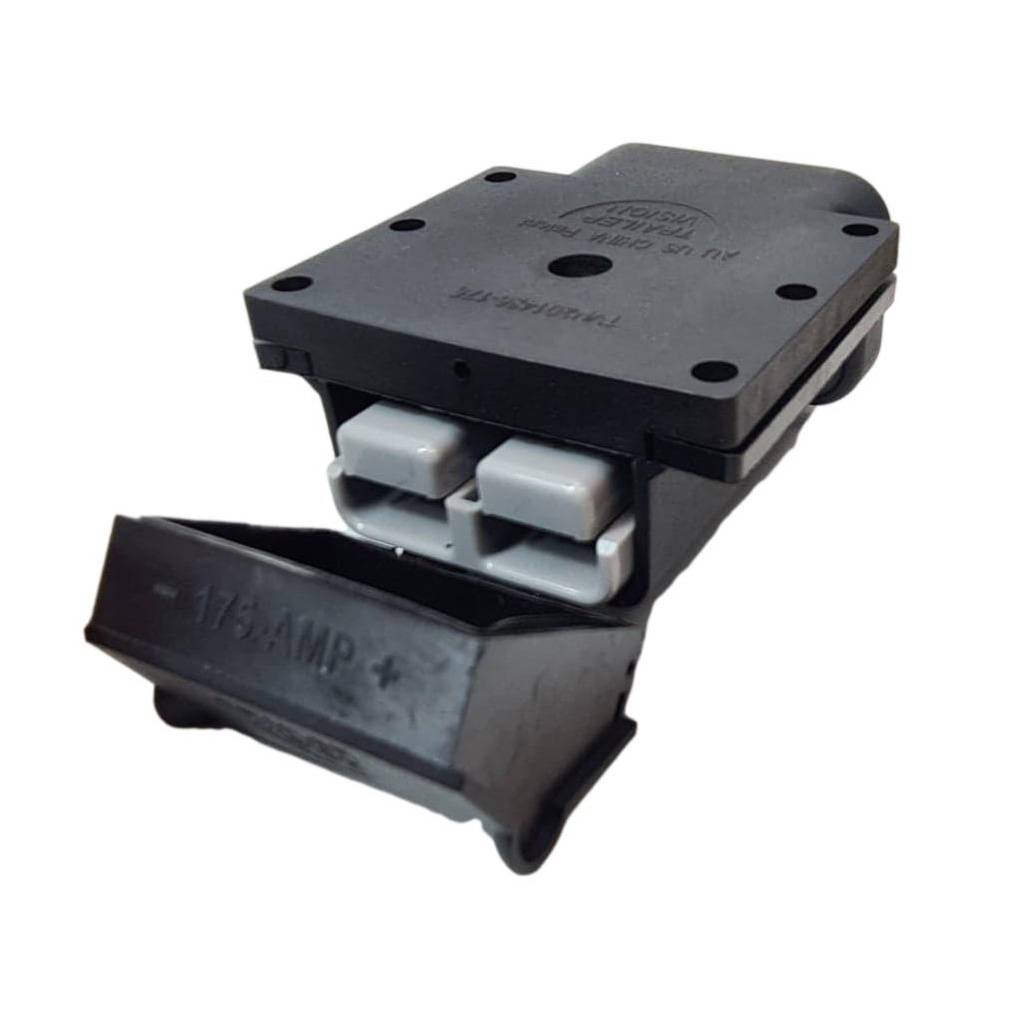
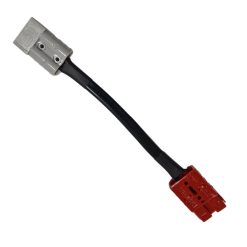
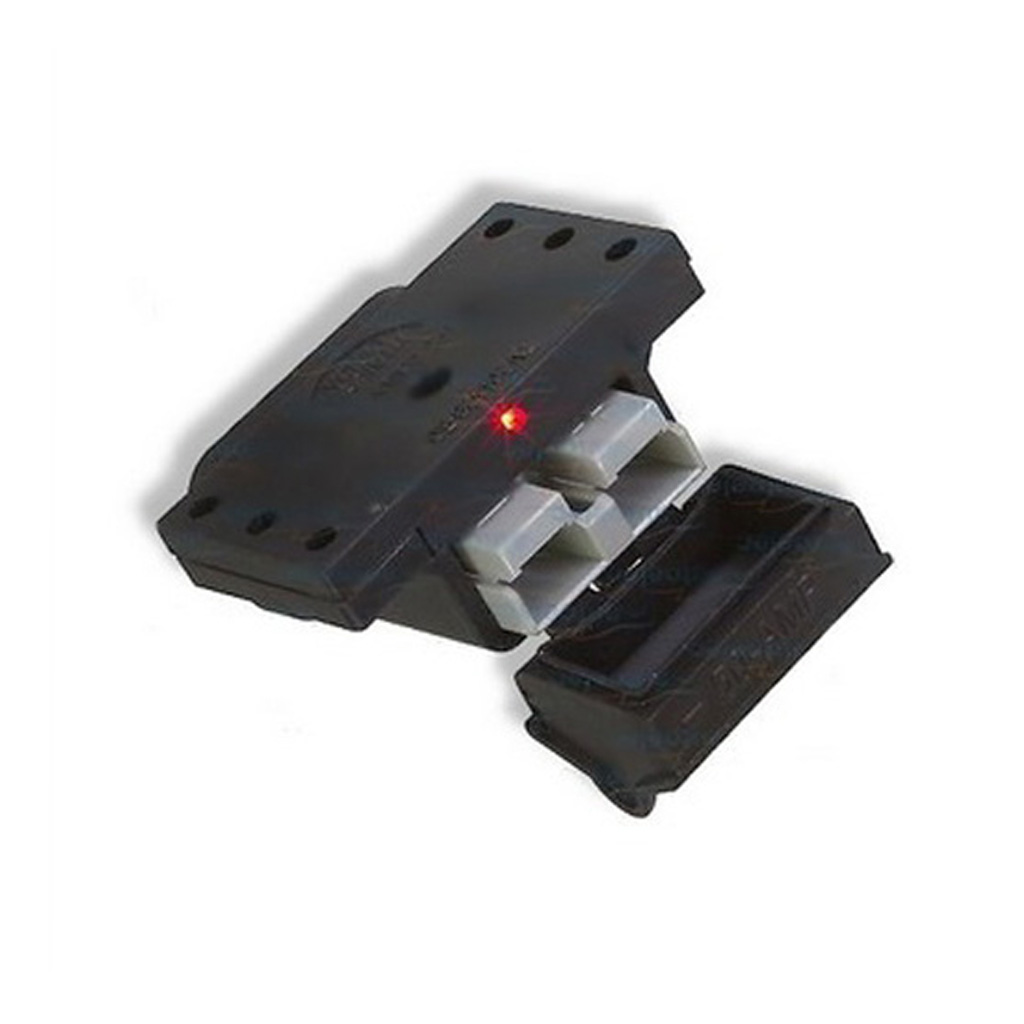
Anderson-style connectors are a common and reliable option for portable solar connections, particularly on 4WDs, caravans and camper trailers. Check polarity before connecting anything. Not all auxiliary sockets, Anderson connectors or pre-wired solar inputs use the same arrangement, and a reversed connection can damage equipment.
If your battery setup uses lithium, confirm that the regulator has a suitable lithium charging profile and that its voltage settings match the battery manufacturer’s requirements. For AGM, lead-acid and calcium batteries, use the correct charging profile rather than assuming one setting suits every battery type.
Choose for the way you camp
Choose a solar blanket if compact storage is the priority, you use portable solar occasionally, or you need a panel that can fit into a restricted space. It is a sensible option for 4WD touring where every square centimetre of drawer, canopy and cargo area is already spoken for.
Choose a folding panel if you camp for several days, want sturdy adjustable legs and prefer a more durable structure for regular setup. It is particularly well suited to caravan, camper trailer and base-camp use, where there is room to store it safely and move it with the sun.
For either option, buy the complete system rather than treating the panel as the whole solution. A correctly matched regulator, quality solar lead, dependable connectors, protection at the battery and sound cable routing will have more impact on reliability than a flashy wattage claim. Bluebar Industries stocks the practical 12V components needed to build or repair portable charging setups for real touring conditions.
Before the next trip, set the panel up at home and check charging current, connector fitment and lead length with your own vehicle or caravan. A five-minute test in the driveway is easier than troubleshooting a flat battery after sunset at camp.