

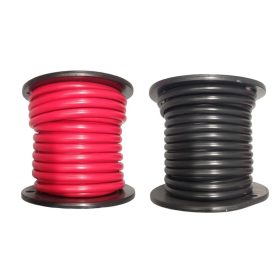
 Cable Automotive / Marine
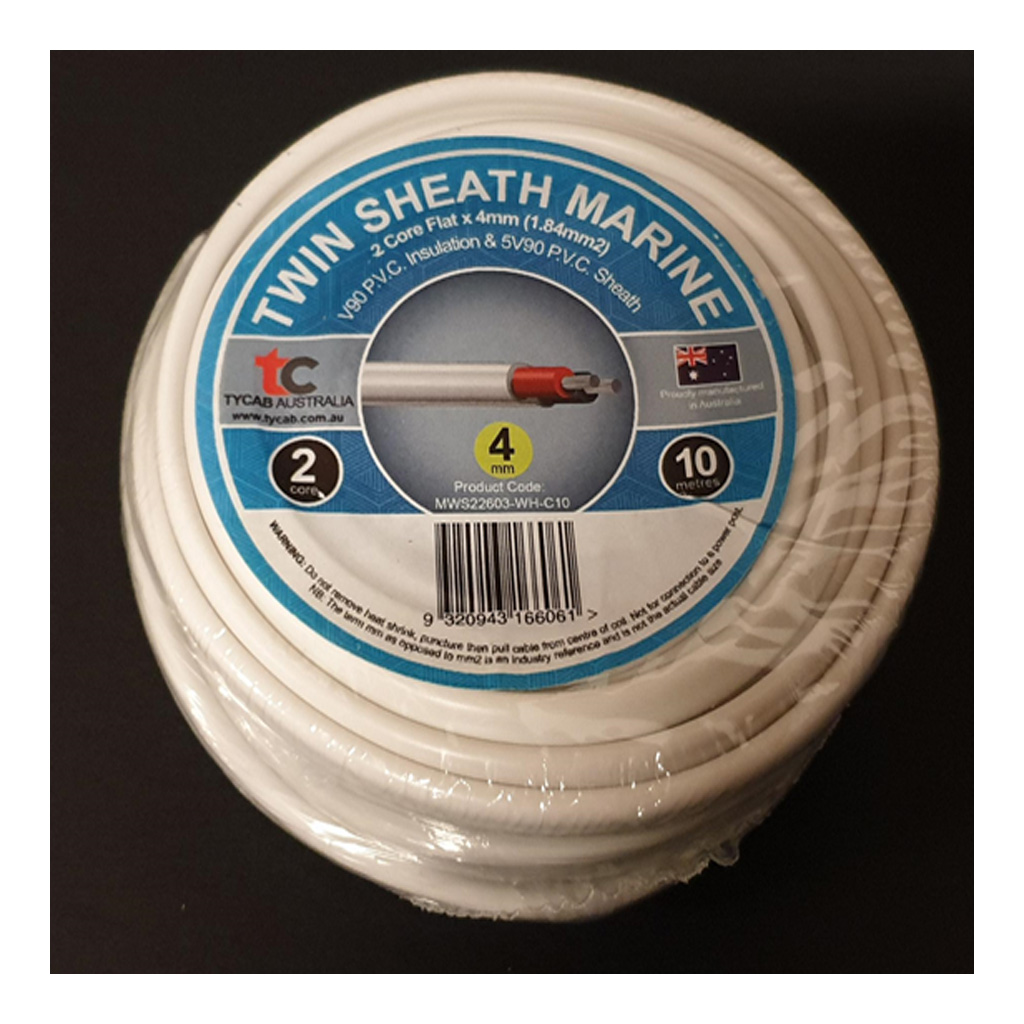
 Cable Lugs
 Cable Lug Assortment Kits
 Cable Lugs Straight Wall Closed
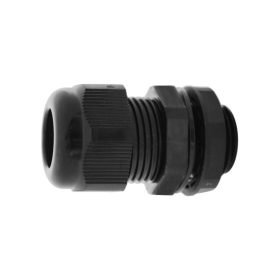 Cable Glands
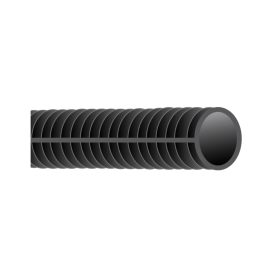 Convoluted Split Tubing
 12/24v Products & Access

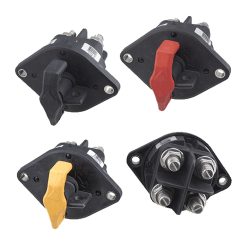
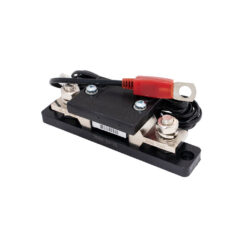
 Electrical Connectors

 Solar Powered Products
 LED Lights

 Tools



 Auto Parts & Categories

 Fittings

 Cleaning & Misc

 Clearance & Promotion
Latest News
Guide to Marine Electrical Fuse Selection

Aug
A blown fuse is inconvenient. A fuse that is too large for the cable feeding a bilge pump, fridge, sounder or battery charger can turn a short circuit into melted insulation, damaged equipment or a fire risk. This guide to marine electrical fuse selection focuses on the practical job: protecting the conductor, allowing equipment to operate normally, and using hardware that will stand up to vibration, moisture and salt air.
Marine 12V and 24V systems have plenty in common with caravan, 4WD and automotive installations, but the consequences of poor protection are higher when the vehicle is floating and access to repairs is limited. Start with the cable and circuit design, not the fuse you happen to have in the spares kit.
Guide to marine electrical fuse selection
The basic rule is straightforward: the fuse must be rated low enough to protect the cable, but high enough to carry the circuit’s normal operating current without nuisance blowing. The load’s recommended fuse rating matters, but it does not override the cable’s safe current capacity.
Think of the order this way: establish the expected load, select cable for current capacity and voltage drop, then fit a fuse that sits below the cable’s allowable rating. If the equipment manufacturer specifies a fuse, use that as the starting point and confirm the cable can safely support it.
For a continuous load, allow sensible headroom above normal operating current. A device drawing 8A continuously should not generally sit behind an 8A fuse. A common starting point is 125 per cent of continuous current, then choose the next suitable fuse size, provided that size still protects the cable. Motor-driven loads such as pumps, anchor winches and refrigeration compressors can draw a higher current briefly at start-up, so their manufacturer recommendation and measured operating behaviour carry extra weight.
The fuse protects the cable first
A fuse is not there solely to save the appliance. Its primary job is to open the circuit before a fault current overheats the conductor or its insulation. This is why fitting a larger fuse to stop repeated blowing is never a fix. It usually means the load has a fault, the cable is undersized, connections are poor, or the selected fuse type is unsuitable for the inrush current.
Cable current capacity is affected by more than its printed size. Length, conductor material, insulation rating, ambient temperature, whether cables are bundled, and whether they run through a hot engine space all matter. Voltage drop matters as well. A long run to a bow-mounted pump may be safe from an overheating perspective yet still deliver too little voltage for the pump to perform properly.
Use marine-grade tinned copper cable where corrosion exposure is likely, and size it for the total route length – out to the load and back through the negative return. Do not assume cable used in a dry ute installation is automatically appropriate below deck or in a wet locker.
A practical sizing example
Suppose a 12V fridge specifies a 10A fuse and draws around 6A while the compressor is running. The circuit needs cable sized for the expected current, route length and acceptable voltage drop. Once the cable has been selected, a 10A fuse may be correct if it is within that cable’s allowable protection rating.
Now take a 1,000W inverter. At 12V, its input current can exceed 80A before allowing for conversion losses and peak demand. A small blade fuse and light accessory cable are clearly not suitable. This circuit needs appropriately sized battery cable, correctly rated lugs, a high-current fuse with adequate DC interrupt capacity, and a fuse holder built for the environment. At 24V, the current is lower for the same power, but every component still needs a voltage rating suitable for the system.
Choose the right fuse type for the circuit
The physical fuse format is not just a mounting preference. It affects current capacity, fault-clearing ability, serviceability and how well the installation handles vibration and corrosion.
| Fuse type | Best suited to | Practical consideration | | — | — | — | | Blade fuse | Small branch circuits such as lighting, electronics and pumps | Easy to replace, but use sealed marine fuse blocks where moisture is present | | MIDI or AMI fuse | Medium-current circuits including DC-DC chargers and distribution feeds | Compact and common in 12V/24V power systems | | MEGA fuse | Larger battery, inverter and high-current accessory circuits | Requires a properly rated holder and protected terminals | | ANL fuse | High-current circuits where a larger, serviceable fuse is suitable | Check the DC voltage and interrupt rating, not only amp rating | | Class T fuse | High-fault-current battery and inverter protection | Often preferred where rapid clearing and high interrupt capacity are required |
For low-current branch circuits, a quality blade fuse block with a cover and clear circuit labels makes fault-finding far easier. For larger feeds, bolted fuses such as MIDI, MEGA, ANL or Class T styles are more appropriate. The correct choice depends on available fault current, equipment instructions, cable size and the electrical layout.
Do not fit a fuse based on amp rating alone. A fuse must be rated for DC use at the system voltage, including 24V where applicable. Its interrupt or breaking capacity also needs to be capable of safely opening the prospective fault current from the battery bank. Large lithium or high-capacity battery banks can deliver substantial fault current. That is where a high-quality fuse and holder are particularly necessary.
Locate protection close to the power source
The unfused cable between a battery positive terminal and the first fuse is vulnerable. If it rubs through on a sharp edge or is crushed, the battery can feed the fault directly. Fit the main circuit protection as close as practical to the battery or power source, while allowing secure mounting and service access.
As a practical benchmark, keep the unprotected positive run very short. Marine standards, vessel type, installation layout and equipment instructions can set specific requirements, so follow the rules applying to the vessel and any survey, insurance or manufacturer requirements. A battery switch is useful for isolation, but it does not replace properly located overcurrent protection.
Each branch circuit also needs protection matched to its cable. One oversized main fuse cannot protect smaller cables that split off downstream. A distribution block or fuse panel lets every light, pump, USB outlet, instrument and accessory receive individual circuit protection.
Build for the marine environment
Salt air finds weak points quickly. Use marine-rated fuse holders and distribution blocks with covers, secure mounting points and corrosion-resistant terminals. Keep holders out of bilge water, direct spray and locations where condensation can collect. If a fuse holder is warm in normal operation, investigate it. Heat often points to a loose terminal, undersized hardware or corrosion creating resistance.
Crimp terminals with the correct tool for the lug type, support the cable so vibration does not work-harden the conductor, and protect cables from chafe with conduit, grommets or split tubing. Heatshrink with adhesive lining provides useful strain relief and moisture resistance on suitable terminations. Avoid loose inline fuse holders hanging in a locker or tucked behind a panel where they cannot be inspected.
Label both ends of cables where practical and identify every fuse position. A clear label such as Port bilge pump or House battery DC-DC charger is more useful than Accessories. Carry matching spare fuses in a dry, marked container, particularly for essential circuits.
Check the completed circuit
Before commissioning, confirm the fuse size, cable size, polarity and terminal tightness against the circuit plan and equipment instructions. Run the load and check for voltage drop and unwanted heat at the fuse holder, terminals and connectors. If a fuse blows repeatedly, stop replacing it. Find the cause before increasing any rating.
For trade installers and owners building out a new 12V or 24V setup, Bluebar Industries can help source the cable, fuse hardware, connectors and protection components needed to build a properly matched system. The right fuse is a small part, but it gives every cable in the circuit a fair chance to do its job safely when conditions get rough.