

 Cable Automotive / Marine
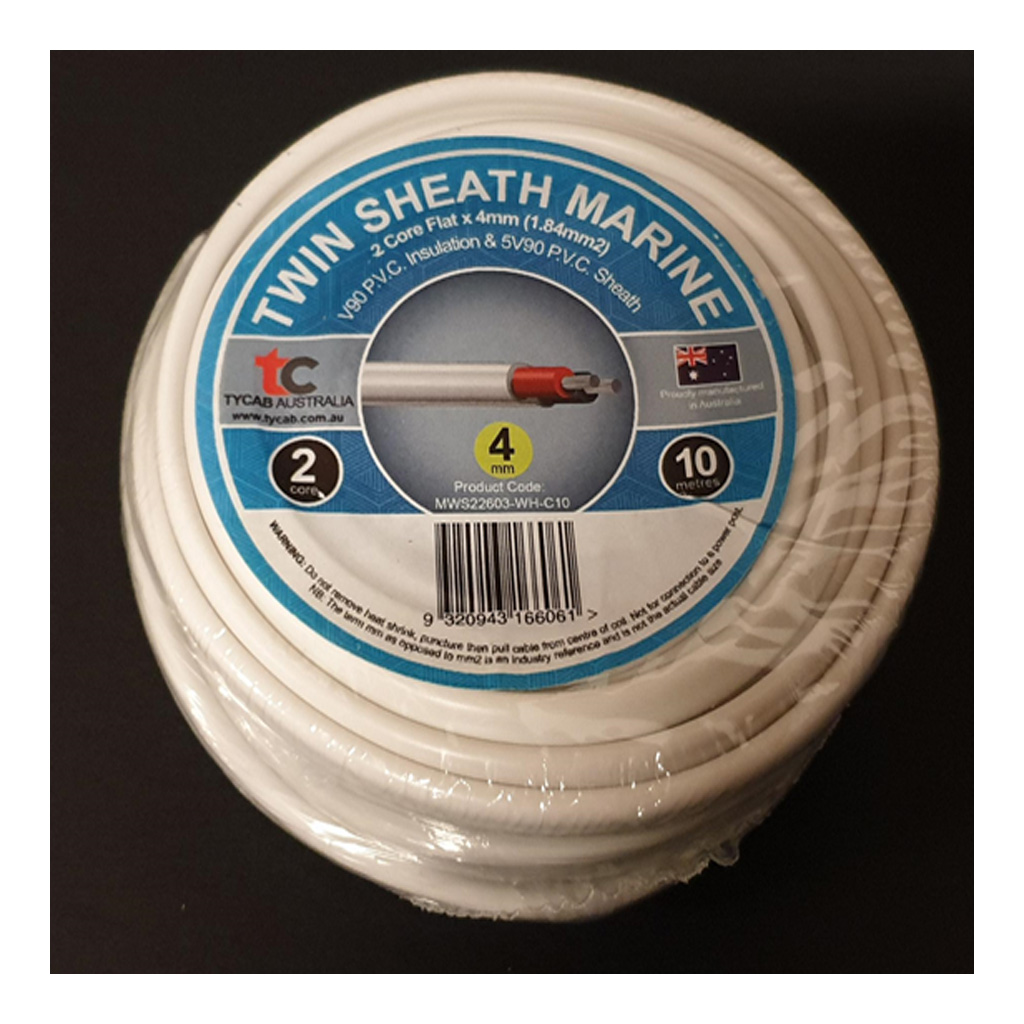
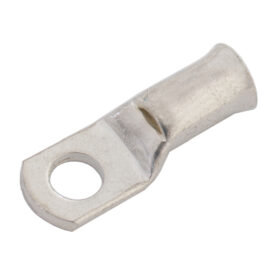 Cable Lugs
 Cable Lug Assortment Kits
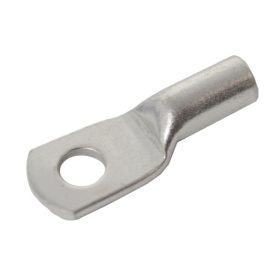 Cable Lugs Straight Wall Closed
 Cable Glands
 Convoluted Split Tubing
 12/24v Products & Access
 Electrical Connectors
 Solar Powered Products
 LED Lights

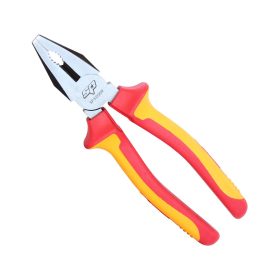 Tools


 Auto Parts & Categories

 Fittings
 Cleaning & Misc
 Clearance & Promotion
Latest News
Choosing the Right 12V Extension Lead for Your Setup
Aug
A fridge that cycles off overnight, a dim work light at the rear of a ute, or a compressor that will not run properly can all come back to one overlooked component: the 12V extension lead. It may look like a simple length of cable with connectors at each end, but it has to carry enough current over enough distance without excessive voltage loss, loose connections or damaged insulation.
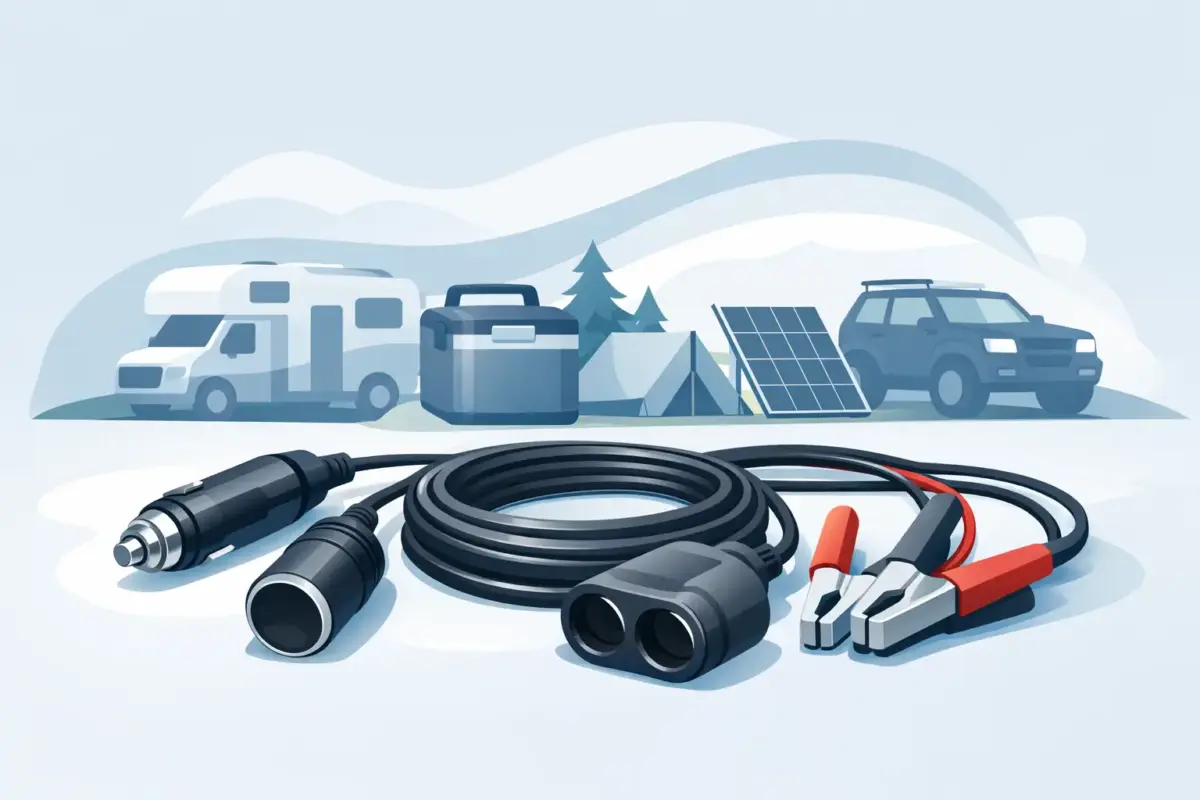
For camping, caravanning, 4WD touring, marine work and trade vehicles, the right lead is determined by the load, the length, the connector type and the conditions it will work in. Buying on length alone is how undersized leads end up causing poor appliance performance, heat at plugs and frustrating fault-finding later.
What a 12V extension lead actually needs to do
A 12V extension lead extends a DC circuit from a battery, distribution point, solar regulator or vehicle outlet to an accessory. Common uses include portable fridges, air compressors, camp lighting, battery boxes, solar panels, pumps and rear-mounted accessories on utes or service bodies.
Unlike a mains extension lead, a 12V lead works at low voltage. That means even a relatively small voltage drop has a noticeable effect. A battery might be sitting at 12.6V, but an appliance at the far end of a long, light-gauge cable may see considerably less under load. Motors draw harder, compressors can cut out, and sensitive fridges may interpret the reduced voltage as a flat battery.
The lead must be sized for both the expected current and the total circuit distance. That total distance includes the cable travelling to the accessory and returning to the battery negative or earth point. A five-metre extension is effectively a ten-metre cable run from a voltage-drop perspective.
Start with the accessory current draw
Current draw is the first number to establish. Check the appliance label, installation manual or manufacturer specifications, then allow for the fact that some equipment has a higher start-up current than its normal running current. A fridge, for example, may have a modest average draw but still need sound cable and connections to handle compressor start-up.
Low-current loads such as LED camp lights or small USB chargers can generally work with lighter cable over shorter runs. The requirement changes quickly with a fridge, water pump, inverter, compressor or high-output lighting. A lead suitable for a few amps is not automatically suitable for a 30A compressor simply because it has the same connector fitted.
As a practical rule, do not treat the connector rating as the complete answer. The cable, fuse, terminals, sockets and source wiring all need to suit the circuit. The weakest correctly installed component sets the practical limit.
Cable size matters more as length increases
Cable size is normally expressed in square millimetres in Australian automotive electrical work. Larger conductor area reduces resistance and helps maintain voltage at the accessory. This is particularly relevant when the lead runs from a battery in the engine bay to the rear of a canopy, through a caravan drawbar, or across a campsite to a portable solar panel.
There is no single cable size that suits every 12V extension lead. A short lead for a low-draw device may be fine with modest cable, while a longer run feeding a fridge or compressor may require 4mm², 6mm² or larger automotive cable. The correct choice depends on current, run length and how much voltage drop the appliance can tolerate.
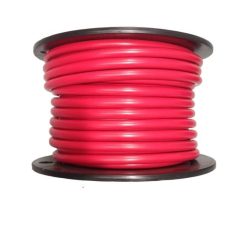
Avoid relying on vague descriptions such as ‘heavy duty’ without checking the conductor size. Also check whether the stated size refers to the copper conductor rather than the overall outside diameter, which includes insulation. Good-quality flexible automotive cable with suitable insulation is easier to route and more reliable in moving vehicle and outdoor applications than stiff, poorly specified cable.
Match the connector to the job
The connection style affects current capacity, security and suitability in rough conditions. The most common choices each have a place.
A cigarette-style plug is convenient for light accessories and short-term use, but it is not the best option for sustained high current. These plugs can loosen with vibration, generate heat at a poor contact point and suffer voltage drop. They are useful for low-draw equipment where convenience matters, not as the default answer for every load.
Merit-style plugs are more secure and compact than cigarette plugs, making them popular for smaller accessories, particularly in caravans. Their application is still limited by current rating and the quality of the matching socket.
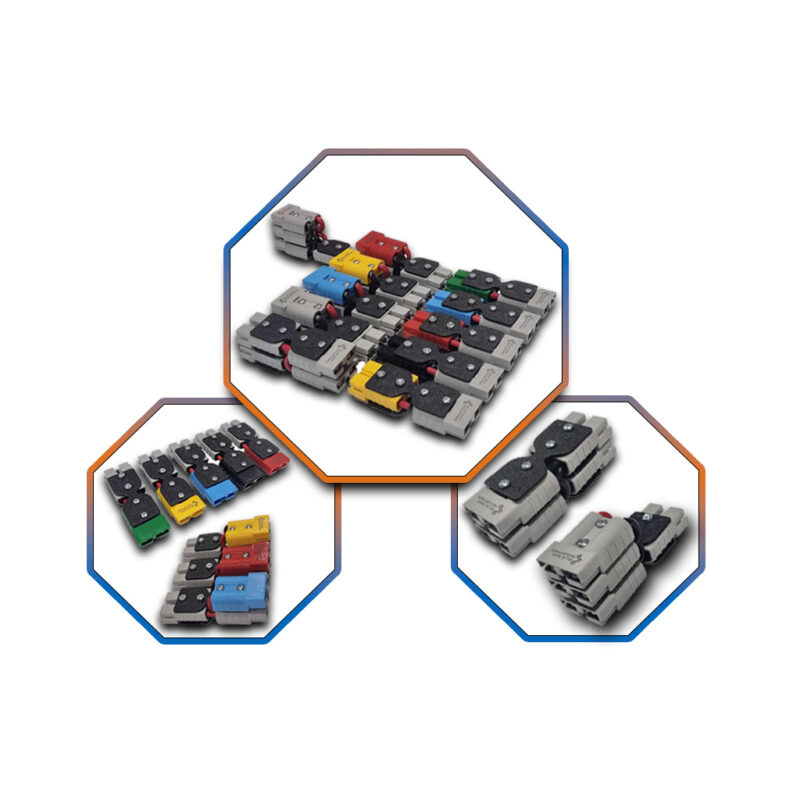
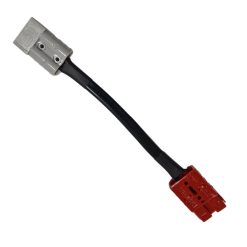
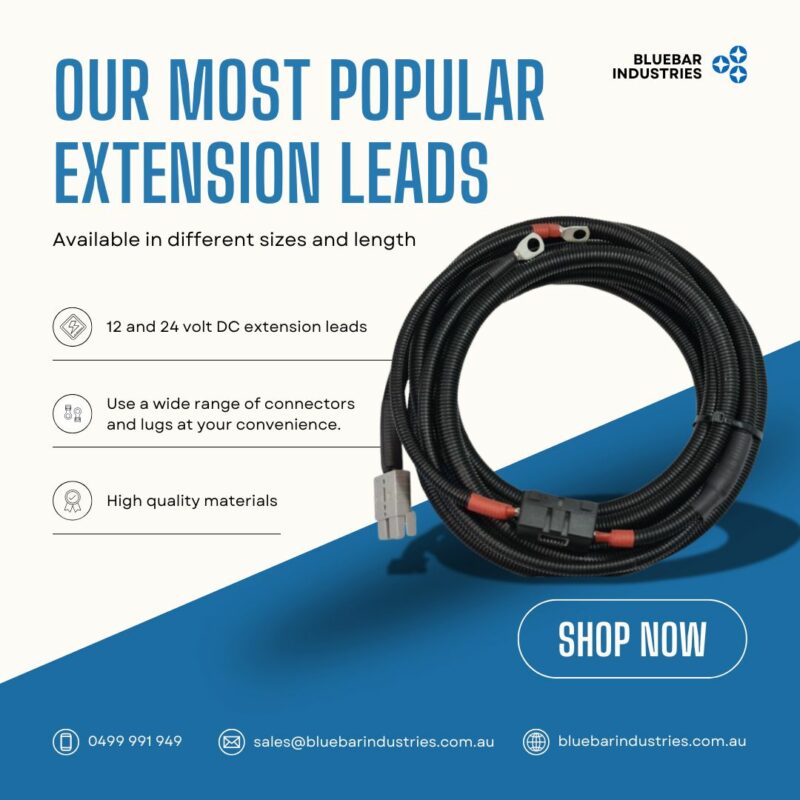
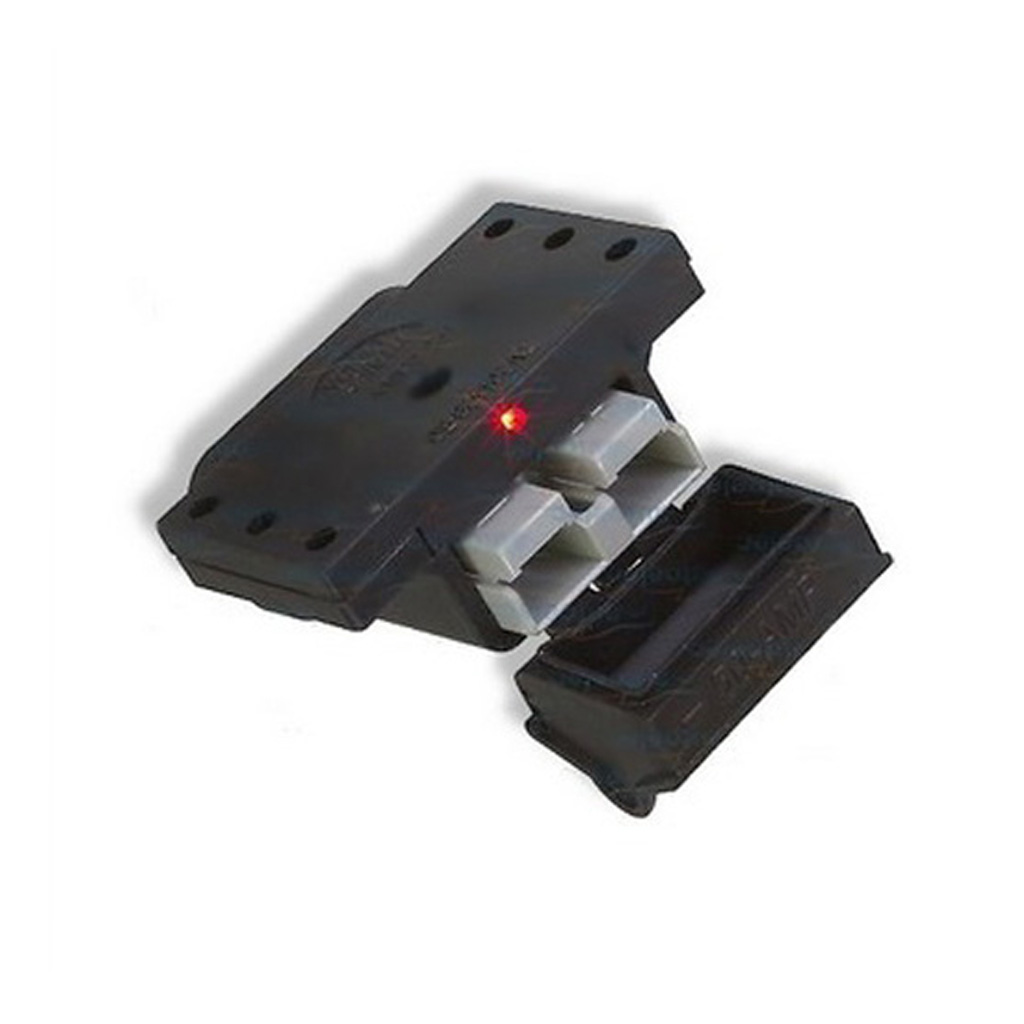
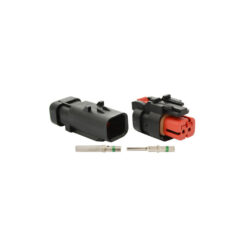
Anderson-style connectors are widely used for higher-current 12V and 24V systems. They provide a positive, low-resistance connection when correctly crimped, are suited to battery boxes, dual-battery systems, fridges, solar and vehicle-to-trailer power, and are easier to disconnect than permanently terminated cable. Connector size should match the cable and expected load – fitting a large connector to undersized cable does not create a high-current lead.
Solar extension leads need special attention. Solar connectors must match the panel and regulator arrangement, polarity must be correct, and cable should be sized to keep solar voltage losses low. Do not use an ordinary accessory extension lead as a substitute unless the connector type, cable capacity and polarity are all confirmed.
Protect the lead from the environment
Australian touring and trade conditions are hard on cable. Dust, heat, rain, salt air, vibration, sharp edges and repeated packing can quickly expose poor materials or weak terminations.
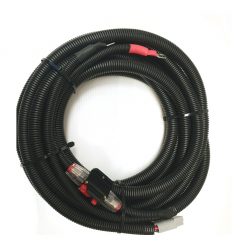
Choose a lead with flexible insulation suited to automotive use, properly crimped terminals and connectors with secure strain relief. Where the lead passes through a canopy, caravan wall, tray, drawer system or bulkhead, use grommets or cable glands so the insulation cannot rub through. Split conduit, braided sleeving or heavier cable protection is worthwhile where wiring is exposed underneath a vehicle or near moving equipment.
For marine and coastal use, corrosion resistance matters as much as cable size. Keep connections clean and dry where possible, use protective caps on unused connectors, and inspect terminals for green corrosion, heat discolouration or loose contact pressure. A connector that looks acceptable from the outside can still have high resistance inside.
A lead that will be packed away regularly also needs practical handling. Excessively stiff cable is awkward in cold weather and may encourage tight bends or poor storage. Coil the lead loosely, keep connector faces clear of sand and mud, and do not pull the cable out by the connector body.
Fuse the circuit correctly
An extension lead does not remove the need for circuit protection. The fuse protects the cable from an overload or short circuit, so it should be located close to the power source and sized to protect the installed cable. It should not be selected purely to stop nuisance blowing.
If a fuse blows repeatedly, investigate the load, connection quality and cable routing rather than fitting a larger fuse. Upsizing a fuse beyond the cable’s safe capacity can turn a fault into overheated wiring. This is especially relevant for leads connected directly to a battery or battery box, where fault current can be substantial.
Where an accessory manufacturer specifies a fuse value, that requirement still needs to be considered alongside the cable size. In some cases, the appliance fuse and the supply-cable fuse serve different protective purposes.
Check whether an extension is the right solution
A plug-in lead is useful when equipment is portable or needs to be moved between a vehicle, caravan and camp setup. It is less suitable when a high-current accessory is permanently installed. For a fixed fridge slide, inverter, winch accessory or canopy distribution point, a dedicated correctly fused cable run is generally the cleaner and more dependable option.
It is also worth checking the wiring before the extension lead. A heavy lead connected to a light-gauge factory socket circuit will still be limited by the factory wiring, socket contacts and fuse. Likewise, a battery box with a low-current outlet cannot reliably supply a high-current appliance simply by adding a better extension.
For mixed setups, standardising connector types can make life easier. Using compatible Anderson connectors for battery charging, fridge supply and portable solar may reduce the number of adaptors required, provided each circuit is still properly rated and clearly identified. Marking leads by purpose is sensible where 12V and 24V equipment, solar connections or different polarities are present.
Before putting a new lead into service
Inspect the lead end to end. Confirm the connector is fully seated, terminals are firmly crimped, cable insulation is unmarked and polarity is correct. On an Anderson connection, check that both housings are oriented to mate correctly with the rest of the system. On any lead with a plug and socket, test it under the actual appliance load rather than assuming a no-load voltage reading tells the full story.
After the first extended run, feel the cable and connectors carefully. They should not become excessively hot. A warm connector, intermittent appliance operation or visible heat marks are signs to stop and investigate before the lead is relied on remotely.
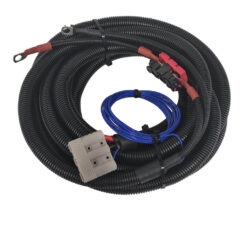
Bluebar Industries supplies extension leads, cable, connectors and related 12V components for practical vehicle, caravan, camping and workshop installations. The useful approach is to select the lead as part of the complete circuit, not as an isolated accessory.
A correctly sized 12V lead is easy to forget once installed, which is exactly how it should be. Build it around the real load, protect it from the environment and inspect it before a long trip, so power reaches the equipment when you need it most.