

 Cable Automotive / Marine
 Cable Lugs
 Cable Lug Assortment Kits
 Cable Lugs Straight Wall Closed
 Cable Glands
 Convoluted Split Tubing
 12/24v Products & Access

 Electrical Connectors
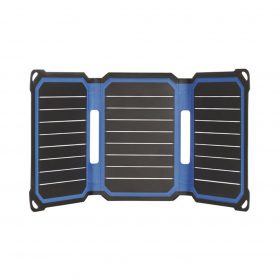 Solar Powered Products
 LED Lights

 Tools


 Auto Parts & Categories

 Fittings
 Cleaning & Misc
 Clearance & Promotion
Latest News
Circuit Breaker Versus Fuse for 12V and 24V
Sep
A melted cable behind a fridge, under a canopy or near a battery box is not a minor inconvenience. It is usually the result of a circuit that was not protected correctly. When weighing up a circuit breaker versus fuse for a 12V or 24V setup, the right choice depends on the cable, the load, where the circuit is installed and how the equipment will be used.
Both devices protect wiring from excessive current. Neither is a replacement for sound cable sizing, secure terminations or sensible routing. In touring, marine, automotive and workshop applications, getting all four right is what keeps accessories operating reliably and helps prevent a small electrical fault becoming an expensive repair.
Circuit breaker versus fuse: the practical difference
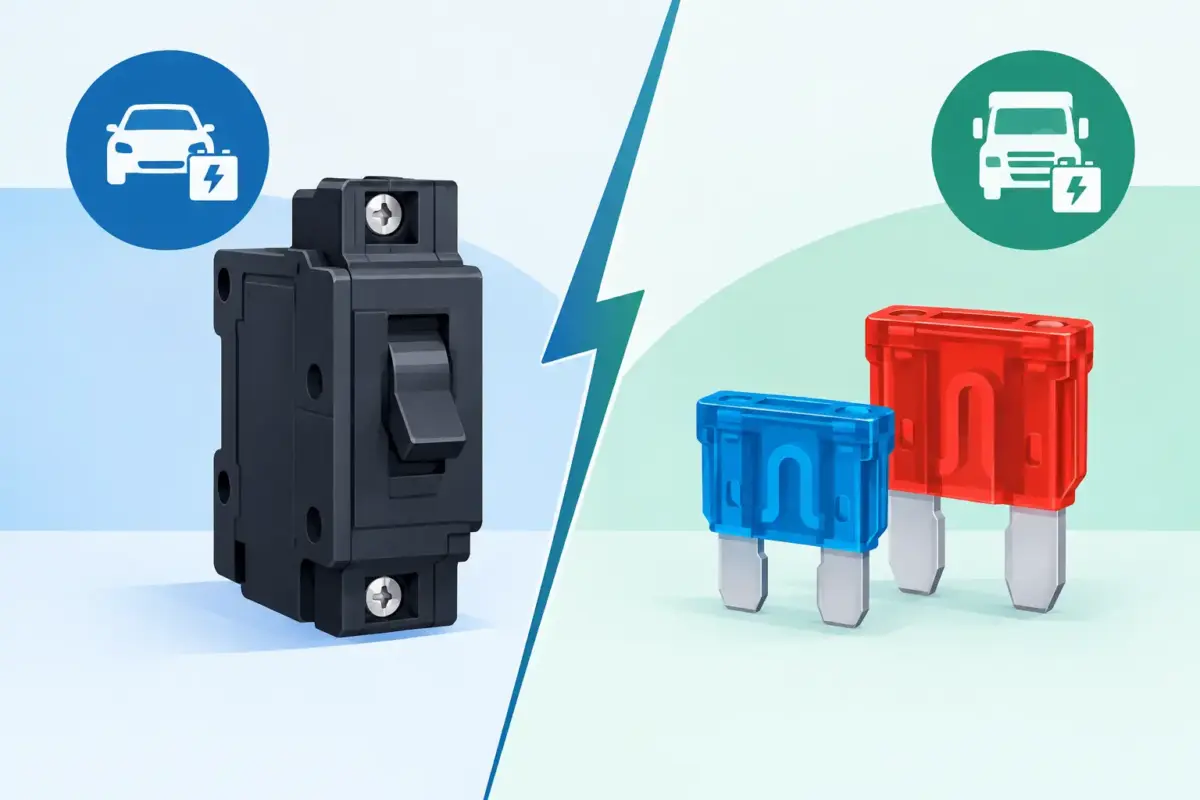
A fuse contains a metal element that melts when current exceeds its rated capacity for long enough. This opens the circuit and stops power flow. Once blown, the fuse must be replaced.
A circuit breaker uses an internal mechanism to trip when it detects an overload or fault. After the fault is found and rectified, the breaker can generally be reset rather than replaced. Depending on the design, a breaker may use thermal protection, magnetic protection or a combination of both.
The basic job is the same: protect the cable. The difference is in response characteristics, reset convenience, physical installation, cost and suitability for the specific circuit. A 50A breaker is not automatically interchangeable with a 50A fuse just because the numbers match. The trip curve, DC voltage rating and fault performance still matter.
Start with the cable, not the accessory
The protective device is selected to protect the conductor first. An accessory may draw 15A, for example, but that does not mean every 15A fuse or breaker will be suitable. You need to consider the cable size, length of the run, ambient heat, bundling with other cables and the expected operating current.
Long runs to a caravan rear outlet, canopy fridge socket or portable solar connection can introduce voltage drop as well as heat. Increasing the fuse size to stop nuisance blowing may mask a cable-sizing issue. The better fix is often a larger cable, a shorter route or a device with a time-current characteristic that suits the load.
A good installation normally places circuit protection as close as practical to the power source. For a battery-fed circuit, that means protecting the positive cable near the battery, before a fault further down the run can turn the cable itself into the fuse. This is particularly relevant for dual-battery systems, inverter feeds, DC-DC chargers, distribution boards and auxiliary lighting looms.
Where fuses make the most sense
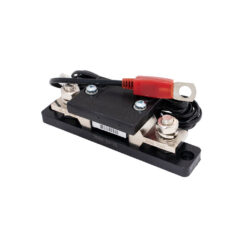
Fuses remain the straightforward choice for many vehicle and 24V installations. They are compact, economical and available in formats that suit everything from small accessory circuits to high-current battery connections. Blade fuses are common in low-current circuits, while MIDI, MEGA, ANL and other bolt-down fuse styles are often used where larger cable and higher loads are involved.
They are especially practical where the circuit is unlikely to be deliberately switched off or reset regularly. Think LED camp lighting, a small water pump, a UHF radio, a fridge socket, a compressor control feed or an individual output from a fused distribution block.
Fuses can also be highly predictable in high-fault-current situations when the correct type and rating are used. A battery can deliver substantial current into a short circuit. The fuse must be capable of safely interrupting that fault at the system voltage. A cheap, unsuitable holder or poor-quality fuse can become a weak point in an otherwise well-built setup.
The trade-off is obvious on a remote track or on the water: if a fuse operates, you need a replacement on hand. Carrying a labelled assortment is cheap insurance, particularly if your vehicle uses several fuse types. Replacing a blown fuse without finding the reason it blew, however, is not fault-finding. If the new fuse blows again, isolate the circuit and inspect the wiring, terminals and connected equipment.
When a circuit breaker is the better option
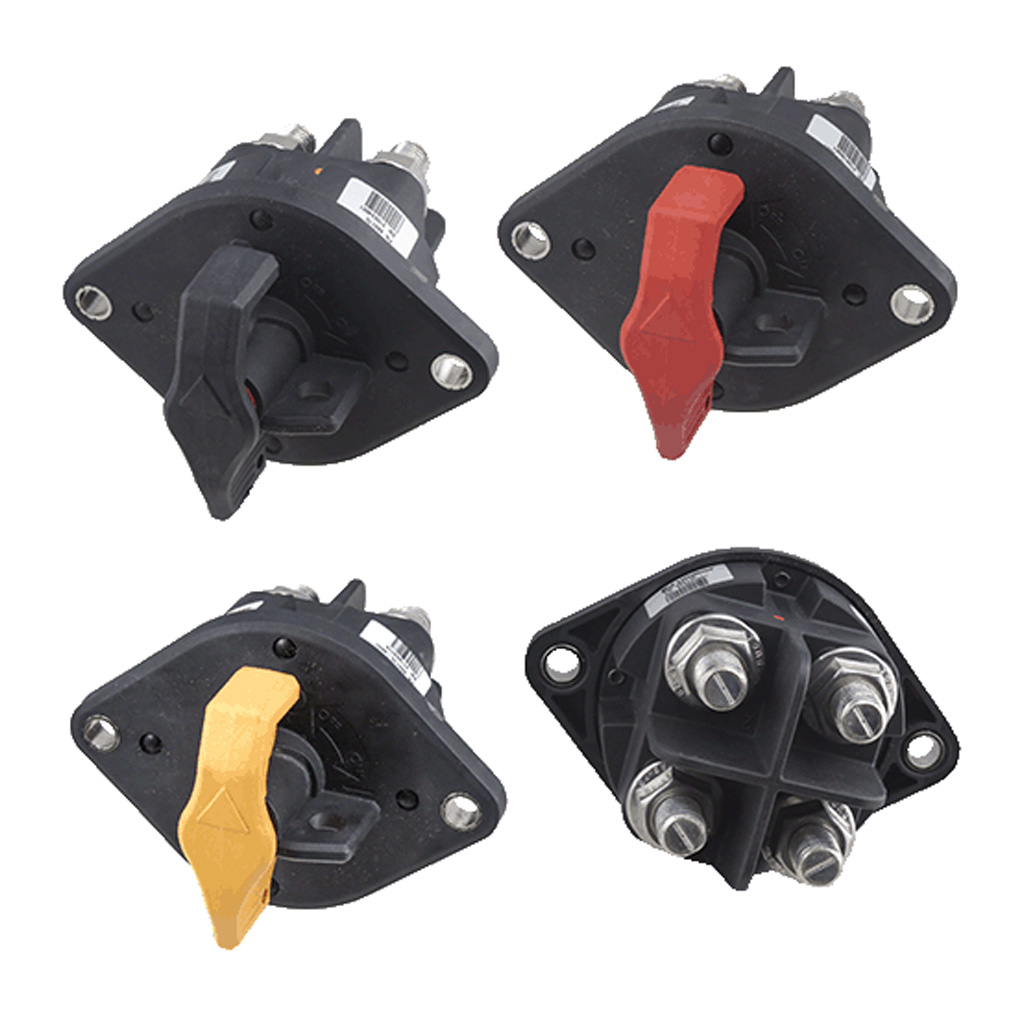
A circuit breaker is useful where resettable protection adds genuine value. It is commonly fitted to circuits that may need to be isolated for maintenance, such as some battery feeds, power distribution circuits, winch control circuits or high-draw accessories. Certain manual-reset breakers also work as a convenient isolation point, although they should not be used as a routine switch unless the manufacturer specifies that duty.
For off-grid systems, a breaker can be handy when diagnosing a fault. Rather than replacing fuses while testing, you can disconnect the circuit, inspect the equipment, then reset once the issue is resolved. This can be useful in a canopy, caravan or boat where the power system is accessed often.
That convenience comes with conditions. The breaker must be rated for DC operation at the voltage being used. DC arcs are harder to extinguish than AC arcs, so an AC-only breaker is not automatically suitable for a 12V, 24V or solar circuit. Check the voltage rating, current rating, interrupting capacity, terminal size, mounting method and environmental protection rating before fitting it.
Circuit breakers can also be more vulnerable to vibration, water ingress and poorly secured cable lugs than a simple fused connection. In exposed locations, choose equipment designed for the environment and mount it where it is protected from spray, dust and physical knocks. A breaker that trips from vibration or corrosion is no help halfway through a trip.
Response speed and nuisance tripping
Not every overload behaves the same way. Some loads, including motors, compressors and certain electronic equipment, can draw a higher current for a short period during start-up. A device that reacts too quickly may operate even though the wiring and accessory are functioning normally.
This is where time-current behaviour matters. A standard fuse, slow-blow fuse and thermal breaker may respond differently to the same temporary surge. Conversely, a hard short circuit requires rapid interruption. Match the protection style to the load and verify the manufacturer’s guidance for equipment such as inverters, DC-DC chargers, electric winches and battery chargers.
Do not solve nuisance tripping by simply upsizing the fuse or breaker. If a 20A device repeatedly operates, fitting a 30A replacement may leave undersized cable unprotected. Check actual current draw with a suitable meter, inspect for voltage drop and confirm that cable size and protection rating are matched from end to end.
Common 12V and 24V application choices
For low-current accessory circuits, a blade fuse in a quality holder or fused distribution panel is generally neat and reliable. It makes circuit identification simple and keeps replacement parts readily available.
For a main auxiliary battery feed, a larger bolt-down fuse is often a strong option because it is compact and dependable. The correct rating will depend on the cable size and the expected load, not just the battery capacity.
For a circuit that benefits from easy isolation or reset, such as a dedicated feed to a distribution system or selected high-draw equipment, a properly specified DC circuit breaker may be the better fit. Solar systems deserve particular care. The solar panel voltage can exceed nominal battery voltage, so both breaker and fuse ratings need to suit the actual open-circuit voltage and expected current.
In marine work, use components appropriate for the environment, with corrosion-resistant hardware, protected terminals and secure mounting. In mining, fleet and heavy-duty applications, vibration resistance, cable restraint and compliance with site requirements can be as important as the nominal amp rating.
Installation details that prevent failures
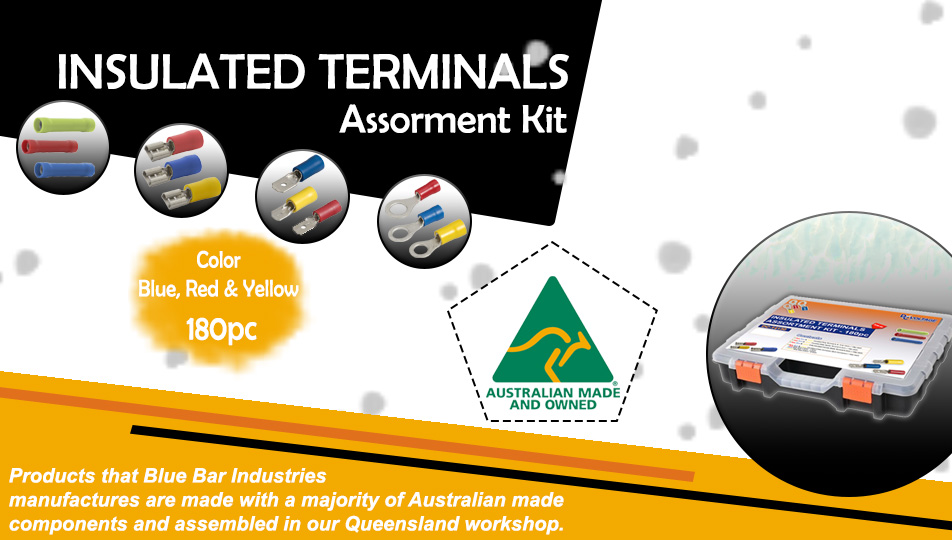
The best fuse or breaker cannot compensate for loose lugs, exposed copper or cable rubbing through on a sharp edge. Crimp terminals with the correct tool, use heatshrink where appropriate, support heavy cable close to terminals and protect runs with conduit, split tubing or grommets where they pass through panels.
Label circuits at the distribution point. Months after an installation, clear labels save time when fault-finding or adding equipment. Keep spare fuses in the vehicle, and keep a record of cable sizes and protection ratings for larger systems. For complex builds, a simple wiring diagram in the glovebox or caravan manual is worth having.
Bluebar Industries stocks the cable, connectors, protection hardware and workshop tools used across practical 12V and 24V installations, helping DIY users and trade fitters source compatible components for the job.
Choose a fuse when compact, economical and dependable one-time protection suits the circuit. Choose a breaker when reset capability and isolation are genuinely useful, provided it is correctly rated for DC use. Either way, protect the cable close to the source, use quality components and investigate every trip or blown fuse before putting power back into the system.