

 Cable Automotive / Marine
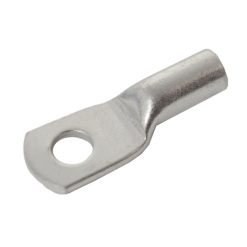
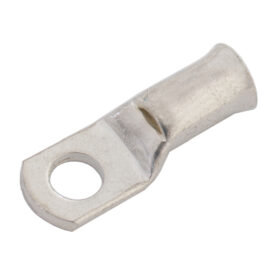 Cable Lugs
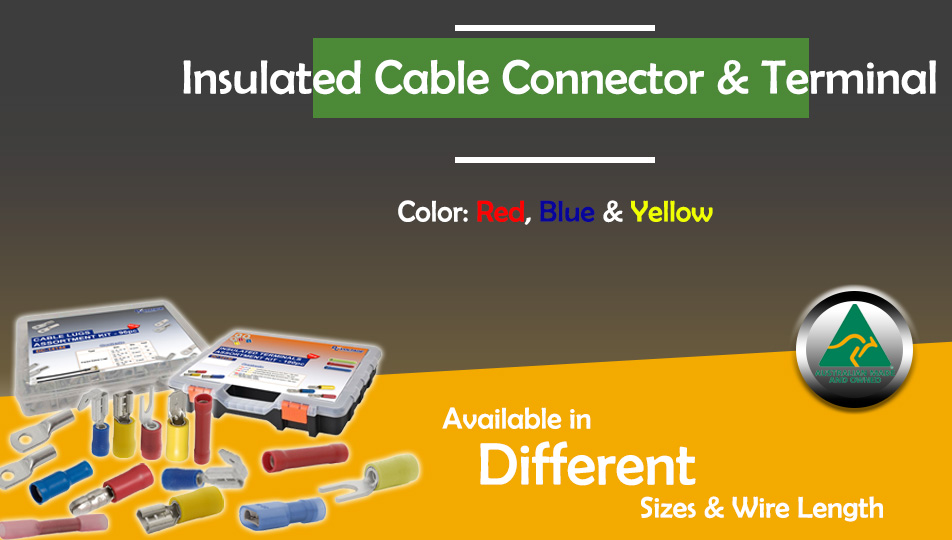
 Cable Lug Assortment Kits
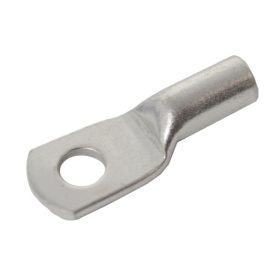 Cable Lugs Straight Wall Closed
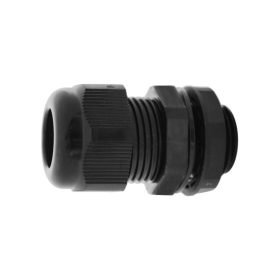 Cable Glands
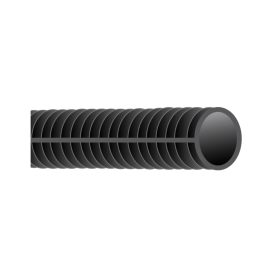 Convoluted Split Tubing
 12/24v Products & Access

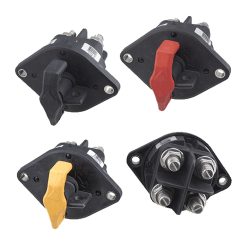
 Electrical Connectors
 Solar Powered Products
 LED Lights

 Tools


 Auto Parts & Categories

 Fittings
 Cleaning & Misc
 Clearance & Promotion
Latest News
How to Protect Battery Cables on 12V and 24V Setups
Sep
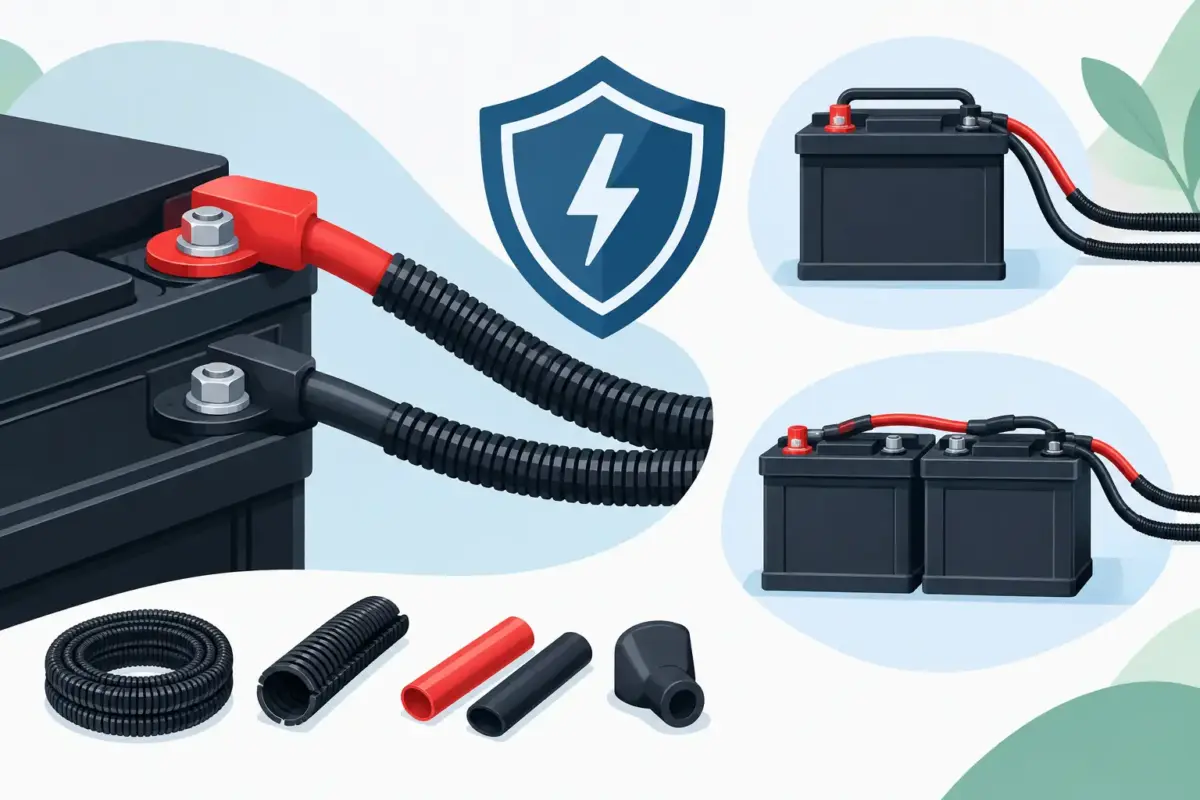
A battery cable can look fine from above while its insulation is being rubbed through underneath a tray, against a chassis edge or behind a hot engine component. That is how many avoidable 12V and 24V faults begin. Knowing how to protect battery cables properly keeps power reliable for winches, fridges, inverters, dual-battery systems, marine electronics and work vehicle accessories – and reduces the risk of voltage drop, blown fuses and electrical fires.
Battery cable protection is not one product or one step. It is a combination of correct cable selection, secure routing, abrasion protection, sealed terminations and regular inspection. The right approach depends on whether the cable is under a bonnet, through a caravan chassis, in a boat bilge area or exposed on a 4WD touring setup.
Start with cable that suits the job
Protection starts before installation. An undersized cable works harder, creates heat and can make otherwise sound insulation and fittings fail early. Select the cable size for the current draw and total cable run, including the return path where applicable. High-current loads such as winches, battery chargers and inverters need appropriately sized cable and quality lugs, not light-duty automotive wire.
For flexible vehicle and marine applications, fine-strand automotive battery cable is generally the better choice. It tolerates vibration and repeated movement far better than stiff, coarse-strand cable. Where a cable will see UV exposure, oil, salt spray, road grime or high under-bonnet temperatures, check that the insulation rating suits that environment.
There is a trade-off. Heavier cable costs more and is harder to route through tight spaces, but it lowers voltage drop and gives the installation a better safety margin. Do not try to force large cable through a sharp opening just because it is the correct gauge. Plan a safer route or use a properly fitted gland or grommet.
Route battery cables away from damage
The best cable protection is a route that avoids hazards in the first place. Keep positive battery leads clear of exhaust components, turbo piping, moving steering and suspension parts, sharp panel edges, fan belts and areas likely to collect water or mud.
Under a bonnet, follow existing factory looms where practical, but do not bundle high-current battery cable tightly against sensitive signal wiring. In a caravan or canopy, run cable through protected sections of the chassis or along internal framing where it is less exposed to stone strike and branches. On a boat, keep cable runs supported above the lowest areas where water can pool.
Pay particular attention to any point where a cable passes through metal, fibreglass or a plastic bulkhead. A plain drilled hole is not cable protection. Fit a correctly sized rubber grommet for a fixed cable pass-through, or use a cable gland when a sealed entry is needed. The grommet must grip the cable without crushing the insulation, and the hole edge must be clean and free of burrs.
Give cables room around heat sources
Heat hardens cable insulation over time. Once the insulation becomes brittle, vibration and movement can cause cracking. Keep battery leads well away from exhaust manifolds, dump pipes and other high-temperature components. Where distance is limited, use heat-rated sleeving or reflective heat protection, but treat this as a secondary measure rather than a reason to route cable too close to heat.
Also consider heat created by the cable itself. A loose lug, corroded terminal or undersized conductor can become hot under load. If a cable or terminal is noticeably warm after operating an inverter, winch or other high-draw accessory, isolate the system and investigate the cause.
Use conduit and sleeving where abrasion is likely
Split conduit, corrugated loom tubing, braided sleeving and heavy-duty cable sheath all have a place. The best choice depends on exposure and how easy the cable needs to be to inspect or replace.
Split conduit is practical for longer runs inside engine bays, under trays and through vehicle bodies. It adds a sacrificial layer against rubbing and is easy to fit over an existing cable. Use quality conduit with adequate temperature resistance, and secure it so it cannot slide away from the section it is meant to protect.
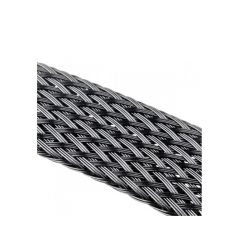
Braided sleeving offers a neater finish and can work well in cabins, canopies and marine fit-outs. For harsh external areas, heavier abrasion-resistant sleeve or enclosed conduit is usually the safer option. Tape alone is not a long-term solution for exposed cable. It can unravel, trap moisture and hide a damaged section until the problem worsens.
Where cables sit near a bracket, tray edge or chassis rail, add a dedicated anti-chafe sleeve even if the cable is already in conduit. The movement is often concentrated at one point, particularly on 4WDs and work vehicles that see corrugations, rough tracks or regular off-road use.
Secure cables without crushing them
A protected cable can still fail if it is allowed to move. Vibration gradually wears insulation, loosens terminals and fatigues copper strands near lugs. Support battery cables at regular intervals using insulated P-clamps, saddle clamps or mounts rated for the cable diameter and environment.
Avoid cable ties as the only means of support for heavy battery cable. They are useful for tidying smaller looms, but can become brittle in heat and UV, cut into insulation when overtightened, or allow a heavy cable to sag between fixing points. If cable ties are used, fit them loosely enough that they do not deform the cable and trim the tails flush.
Do not clamp directly over a cable at a point where it will flex. Leave a little controlled movement near battery terminals, isolators and equipment connections so vibration is not transferred straight into the lug. A gentle bend is preferable to a tight kink, and cable should never be pulled tight across a gap.
Seal and cover every battery termination
Most battery-cable faults occur at the ends. A quality crimp lug, correctly matched to cable size and terminal stud, is essential. Crimping with the correct tool produces a secure electrical and mechanical connection; flattening a lug with pliers or a hammer does not.
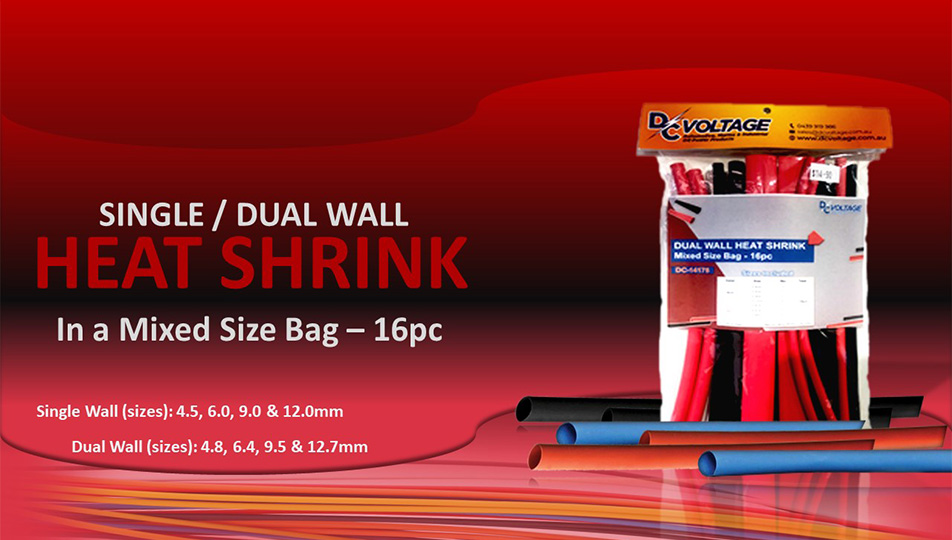
Use adhesive-lined heat shrink over cable lugs where possible. When heated correctly, it seals the joint against dust and moisture while providing strain relief at the point where copper strands enter the lug. For exposed or marine installations, this extra sealing is particularly worthwhile.
Positive terminals, fuse holders, busbars and distribution studs need insulating covers. An accidental short from a loose spanner, a metal tool box item or a battery hold-down can cause serious damage very quickly. Fit red terminal boots or purpose-made covers to positive connections, and ensure covers can stay in place once the installation is complete.
A light application of terminal protectant can help slow corrosion on battery posts and exposed connections. Dielectric grease is useful around seals and external surfaces, but do not coat a mating contact so heavily that it interferes with a clean metal-to-metal connection. Tighten terminals to the equipment manufacturer’s specification, then protect the outside of the finished connection.
Fuse positive cables close to the battery
Cable protection is also electrical protection. Any unfused positive cable connected to a battery has the potential to deliver very high fault current if its insulation is damaged. Install a suitably rated fuse or circuit breaker as close as practical to the battery on accessory feeds. This protects the cable along its run, not just the device at the far end.
Starter motor cables and certain winch circuits are exceptions that need application-specific design, cable sizing and isolation arrangements. For a dual-battery system, DC-DC charger, fridge circuit or canopy distribution feed, the positive cable should generally be protected at the source, with fuse ratings selected to protect the cable while allowing normal operating current.
Inspect cables after hard use
Battery cable protection is not set-and-forget, especially on touring vehicles, trailers, boats and plant exposed to vibration. Check cables after rough trips, water crossings, engine-bay work or any modification that changes how the cable is supported.
Look for flattened conduit, shiny rub marks, cracked insulation, green corrosion around copper, loose clamps, swollen heat shrink and discoloured terminals. Check that battery hold-downs are secure too. A battery that moves can pull on cables and turn a sound installation into a fault within a few kilometres.
For custom leads, replacement cable, terminal covers, conduit, glands, fuses and installation accessories, Bluebar Industries stocks the practical components needed to build and repair dependable 12V and 24V systems. A few well-chosen protection parts fitted during installation are cheaper than tracing an intermittent fault beside the track, at the ramp or in the workshop.