

 Cable Automotive / Marine

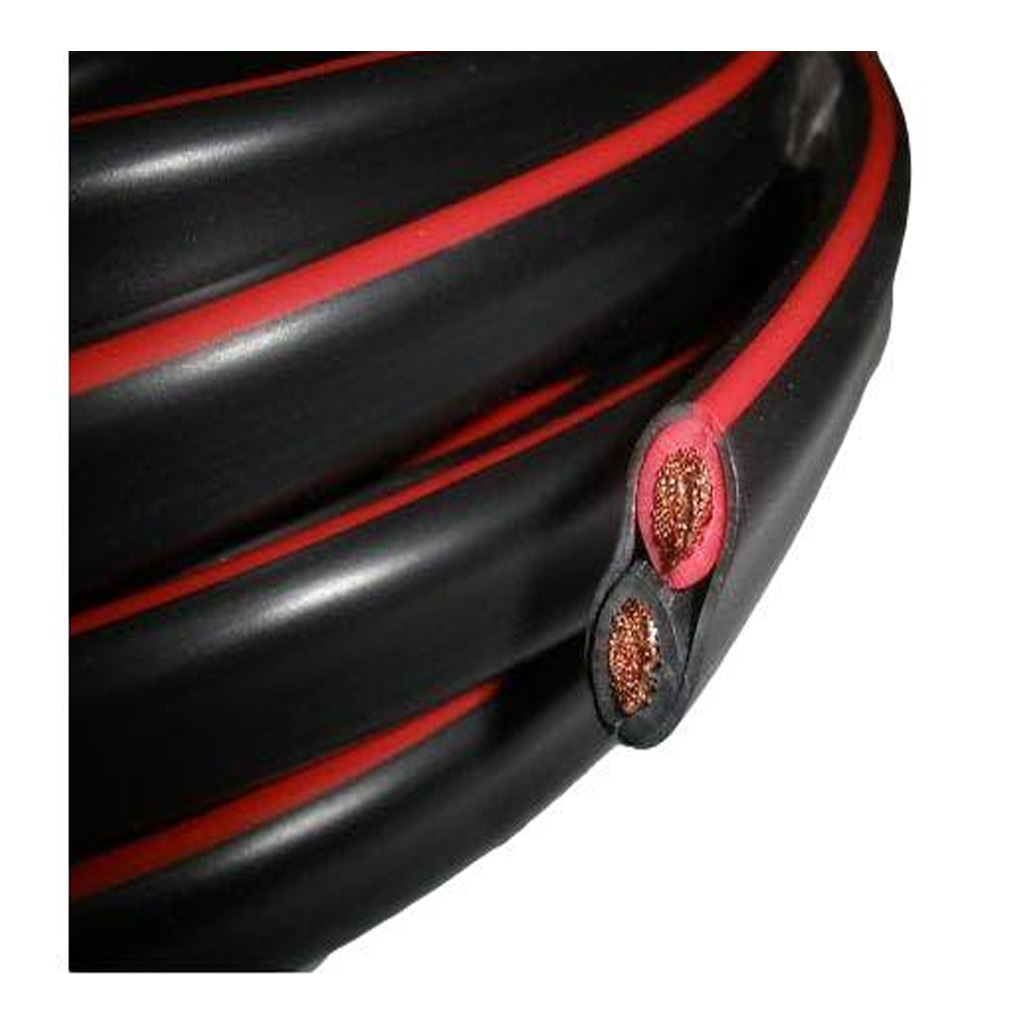

 Cable Lugs
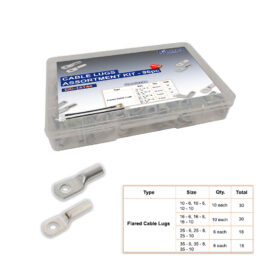 Cable Lug Assortment Kits
 Cable Lugs Straight Wall Closed
 Cable Glands
 Convoluted Split Tubing
 12/24v Products & Access

 Electrical Connectors


 Solar Powered Products
 LED Lights


 Tools





 Auto Parts & Categories

 Fittings




 Cleaning & Misc


 Clearance & Promotion
Latest News
Best Battery Chargers Australia Buyers Trust

Jul
A flat battery at home is annoying. A flat battery at camp, at the ramp, or on a work vehicle that needs to leave at first light is a different problem altogether. When people search for the best battery chargers Australia has available, they usually do not want hype – they want a charger that suits the battery chemistry, the duty cycle, and the conditions it will actually live in.
That is the part that gets missed. The best charger is not automatically the highest amp unit on the shelf, and it is not always the cheapest smart charger in a blister pack either. For 4WD owners, caravan users, marine operators, workshops, and trade buyers, charger choice comes down to battery type, charging speed, recovery ability, and whether the unit is built for regular use rather than occasional emergencies.
What makes the best battery chargers in Australia?
In Australian conditions, battery chargers need to do more than top up a weekend car battery. Heat, vibration, dust, humidity, long storage periods, and mixed-use electrical systems all put extra demands on charging equipment. A charger that works fine in a suburban garage can fall short when it is expected to maintain an AGM in a touring setup, recover a neglected battery in a workshop, or support a 24V fleet application.
A good charger starts with chemistry compatibility. Lead acid, AGM, calcium, gel, and lithium all have different charging requirements. Use the wrong profile and you can shorten battery life, undercharge it, or in some cases damage it outright. If you run dual batteries in a 4WD, house batteries in a caravan, or deep-cycle storage in a marine setup, this matters far more than marketing claims on the box.
Output current matters too, but only in context. A higher amp charger can reduce charge time on large-capacity batteries, which is useful in workshops and for frequent users. On the other hand, if you are maintaining a battery over long storage periods, a smaller intelligent charger with proper maintenance mode may be the better fit. Bigger is not always better. Better matched is better.
Choosing the right charger for your setup
The best battery chargers Australia buyers choose are usually those matched to a specific application rather than a broad promise of being suitable for everything. That means looking at where the charger will be used and what sort of battery bank it needs to support.
For 4WD and touring vehicles
Touring setups often run AGM or lithium auxiliary batteries alongside the cranking battery. In that situation, charger flexibility is valuable. You may need a unit that can handle different chemistries, recover partially sulphated lead acid batteries, or maintain a battery between trips.
If the charger is mainly for the shed before and after travel, ease of use matters. Clear battery type selection, sensible lead length, and decent clamps or connector options make a difference when you are charging batteries installed in tight engine bays or rear drawer systems. If you are running Anderson-connected accessories and removable battery boxes, compatibility with that broader 12V setup is worth considering as part of the overall charging plan.
For caravans and camper trailers
Caravan and camper batteries are often left sitting for weeks or months, which is where a proper multi-stage charger earns its keep. Float and maintenance functions help prevent slow discharge and reduce the chance of arriving at your next stop with a battery that is already behind.
Battery capacity is the key number here. A small charger can maintain a large bank, but it may be frustratingly slow if you need to bring it back up after a deep discharge. If your system includes solar, inverters, fridges, lighting and pumps, choose a charger that suits the actual storage capacity rather than just the physical size of the van.
For marine use
Marine environments are harsh on everything electrical. Chargers used around boats need solid construction, dependable protection features, and settings that suit either starting batteries, deep-cycle banks, or both. Salt and moisture do not forgive poor gear.
For many marine users, charging reliability is more important than advanced features. A charger that consistently delivers the right profile and can be trusted during storage periods is often the smarter buy than a feature-heavy unit that is harder to set correctly.
For workshops and trade use
Workshop charging is a different category again. Here, speed, repeatability, and durability matter. Mechanics, auto sparkies and fleet operators are often dealing with a mix of battery sizes, customer vehicles, and batteries that are not in ideal condition.
That pushes the decision towards higher-output chargers, units with recovery modes, and gear designed for frequent handling. Trade buyers also need practical details right – lead quality, housing strength, clear displays, and protection against reverse polarity, overload, and short circuit. These are not add-ons. They are basic requirements when the charger is being used daily.
Smart charger versus basic charger
For most buyers, a smart charger is the right choice. Multi-stage charging helps batteries charge more efficiently and then move into maintenance without overcooking them. That is particularly useful for seasonal vehicles, motorcycles, boats, spare vehicles and backup systems.
A basic charger still has a place in some workshops and older setups, but it requires more user judgement. Leave it on too long and you can create problems. For the average 12V or 24V user who wants dependable battery care without constant monitoring, an intelligent charger is the safer option.
The trade-off is that not every smart charger is equally capable. Some low-cost units are fine for light maintenance but struggle with larger batteries or heavily discharged units. Others may advertise compatibility across multiple chemistries, but offer limited control or unclear charging stages. It pays to look past the label and check what the charger is actually designed to do.
Features worth paying for
A charger does not need every extra function on the market, but a few features are genuinely useful in real-world Australian use.
Battery chemistry selection is near the top of the list. If you run AGM now but may move to lithium later, that flexibility can save replacing the charger down the track. Temperature compensation can also be valuable, particularly where charging conditions swing between cold mornings and high daytime heat.
Recovery or recondition modes can help with neglected lead acid batteries, although they are not magic. If a battery is physically damaged or badly degraded, no charger will turn it into a reliable service battery. This is where realistic expectations matter.
Good lead and clamp quality is another area where better chargers justify their price. Cheap leads create voltage drop, heat, and frustration. In trade and touring applications, stronger cable and durable connection hardware are not cosmetic upgrades – they support charging performance and long-term reliability.
Common buying mistakes
One of the most common mistakes is choosing only on price. Cheap chargers can be fine for occasional use on small batteries, but they often fall short when used on deep-cycle systems, larger banks, or batteries that need proper staged charging. Saving a little on the charger can cost a lot more in shortened battery life.
Another mistake is ignoring battery size. A charger that is technically compatible may still be underpowered for the job. If it takes too long to recover the battery, users often give up early or assume the battery is faulty.
There is also the issue of future use. Plenty of buyers choose a charger for one battery, then later add an auxiliary system, a caravan, a lithium upgrade or another vehicle. Buying with a bit of headroom can be sensible, provided the charger still suits current needs.
Where buyers usually land
For occasional home users, a compact smart charger with maintenance mode and broad lead acid compatibility is usually enough. For touring and caravan owners, charger selection tends to move towards battery-specific multi-stage units that can handle larger capacities and storage periods. For marine users, durability and dependable maintenance become central. For workshops and trade, higher-output chargers with recovery capability and tougher construction generally make more sense.
That is why there is no single answer to the best battery chargers Australia buyers should choose. The best option for a dual-battery 4WD is not necessarily the right one for a workshop bay or a boat on the trailer. Fit-for-purpose always wins.
If you are already working with custom leads, Anderson plugs, solar inputs, battery boxes or 12V and 24V accessories, it also helps to buy from a supplier that understands how the charger fits into the full system. Bluebar Industries works in that space every day, which matters when the charger is only one part of getting a reliable setup on the road, at camp, on the water or back in the shed.
A battery charger is one of those tools that only gets noticed when it fails or when it saves the day. Buy the one that suits your battery, your usage and your environment, and you are far more likely to notice the result in the only way that matters – everything starts when it should.