

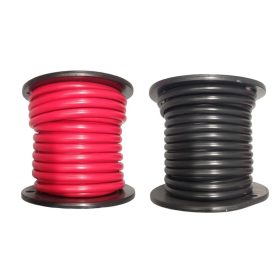
 Cable Automotive / Marine
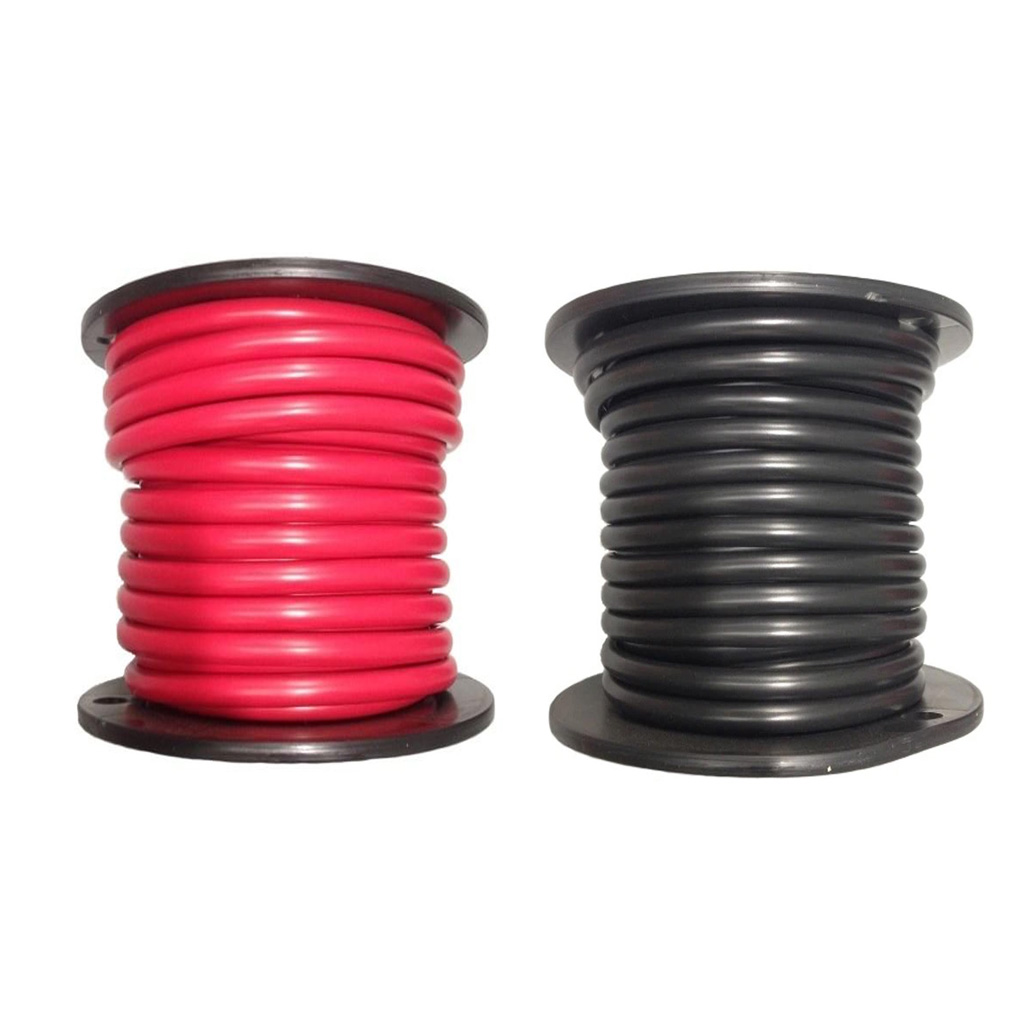
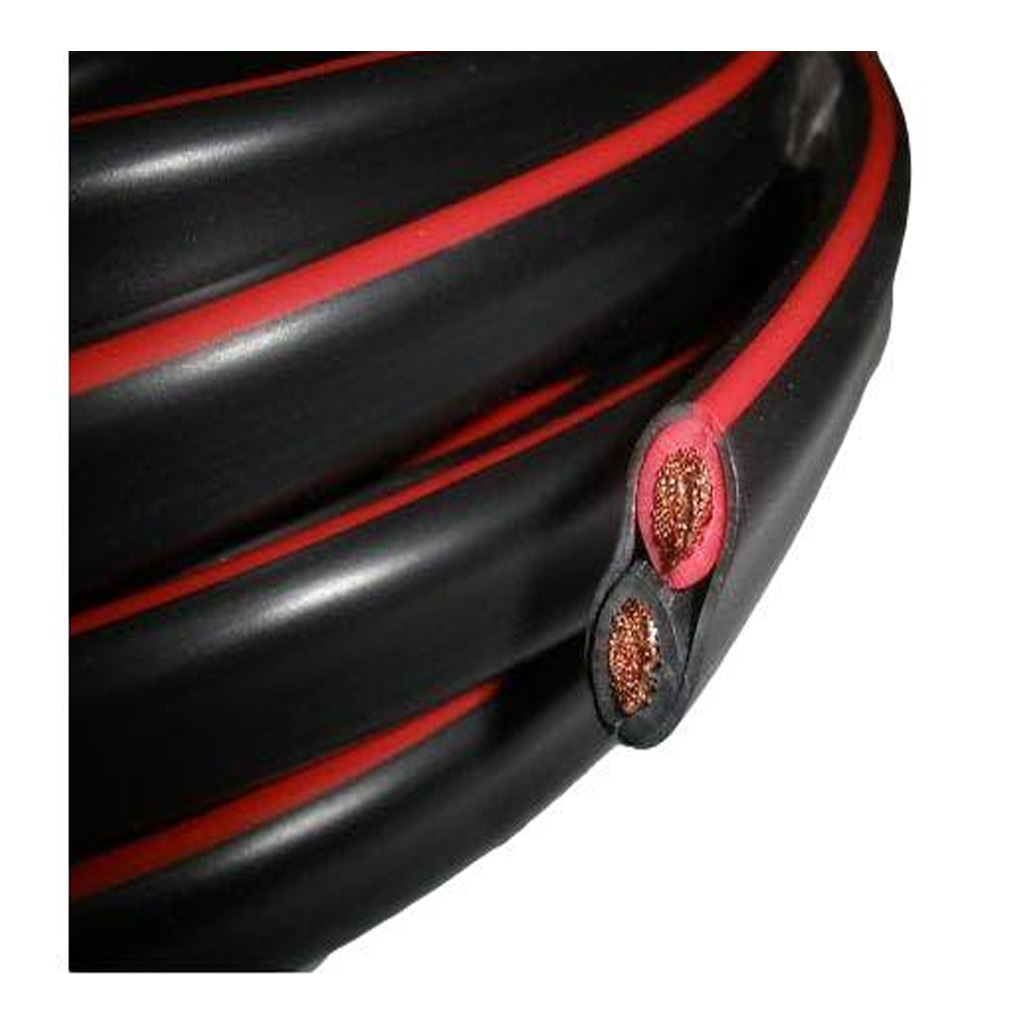
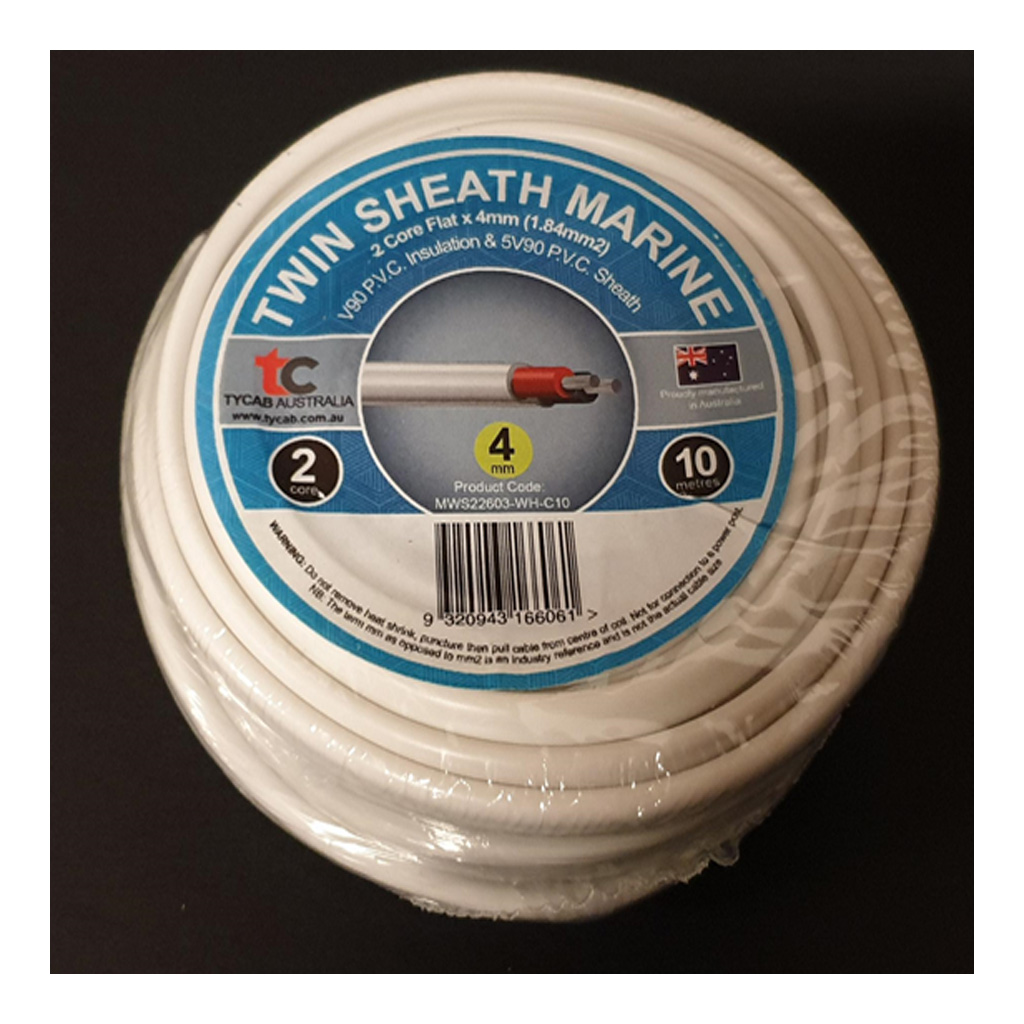
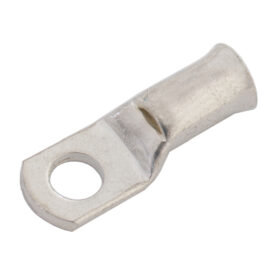 Cable Lugs
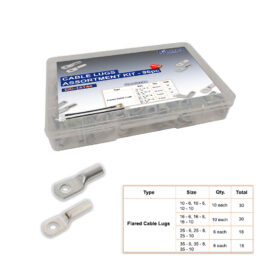 Cable Lug Assortment Kits
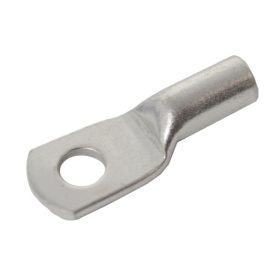 Cable Lugs Straight Wall Closed
 Cable Glands
 Convoluted Split Tubing
 12/24v Products & Access

 Electrical Connectors
 Solar Powered Products
 LED Lights

 Tools


 Auto Parts & Categories

 Fittings
 Cleaning & Misc
 Clearance & Promotion
Latest News
Automotive Connector Selection Guide for 12V
Sep
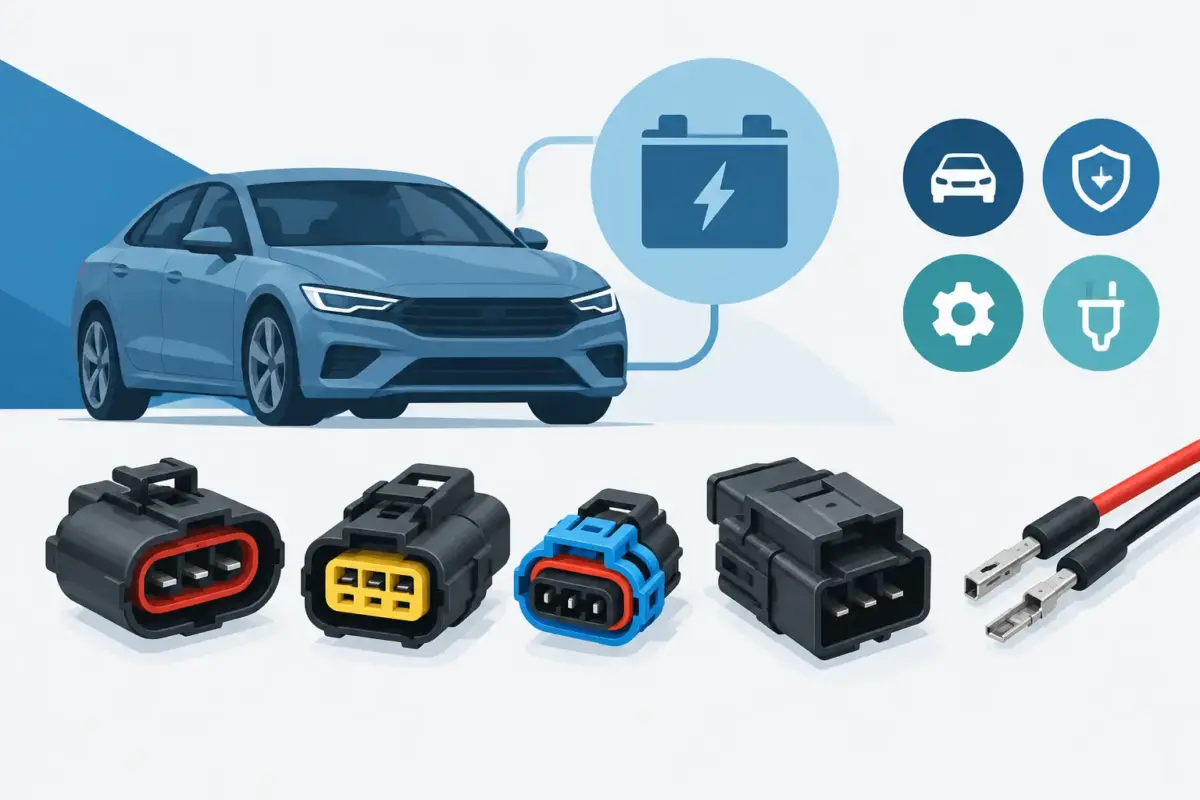
A connector that fits is not necessarily a connector that belongs in the job. A 12V fridge can appear to run perfectly after a quick install, then cut out over corrugations because the plug has loosened or voltage drop has climbed. This automotive connector selection guide focuses on the factors that matter in real vehicles, caravans, boats, trailers and work setups: current, cable size, environment and the need to disconnect equipment safely.
Start with the circuit, not the connector
Before choosing a plug, socket or terminal, establish what the circuit is required to carry. Check the system voltage – 12V or 24V – then identify the accessory’s normal current draw, its possible start-up surge, cable run length and how often the connection will be used.
A small LED work light and a 40A DC-DC charger may both be connected to a dual-battery system, but they do not need the same connector. The light may suit a compact sealed connector or a fused accessory socket. The charger needs a high-current connection with a positive lock, suitable cable and minimal resistance.
Do not select a connector solely on the fuse rating. The cable, terminals, connector contacts and mating plug all need to be rated for the expected current. The lowest-rated component determines the safe capacity of the circuit.
Allow for voltage drop on low-voltage systems
Voltage drop is less forgiving in 12V and 24V installations than it is in higher-voltage applications. A poor contact or undersized cable can cost enough voltage to affect fridge performance, solar charging, compressor operation or sensitive electronics.
Long runs are the usual problem area. A connector at the rear of a caravan, on a portable solar lead or between a vehicle and trailer must be chosen alongside the cable size. A high-current connector fitted to cable that is too small does not solve the issue. Equally, heavy cable terminated in a low-rated plug creates a restriction where reliable power is needed most.
Choose the connector type for the job
There is no single best automotive connector. The right option depends on whether the connection is fixed, frequently disconnected, exposed to weather, carrying high current or transmitting more than one circuit.
Anderson-style connectors for high-current DC power
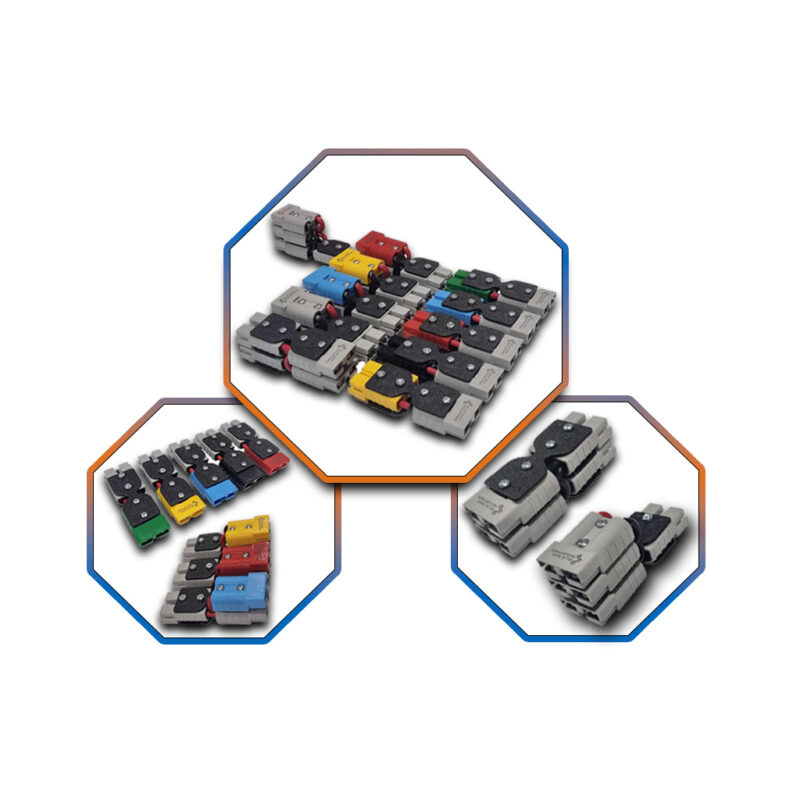
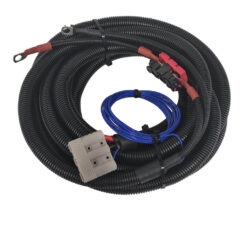
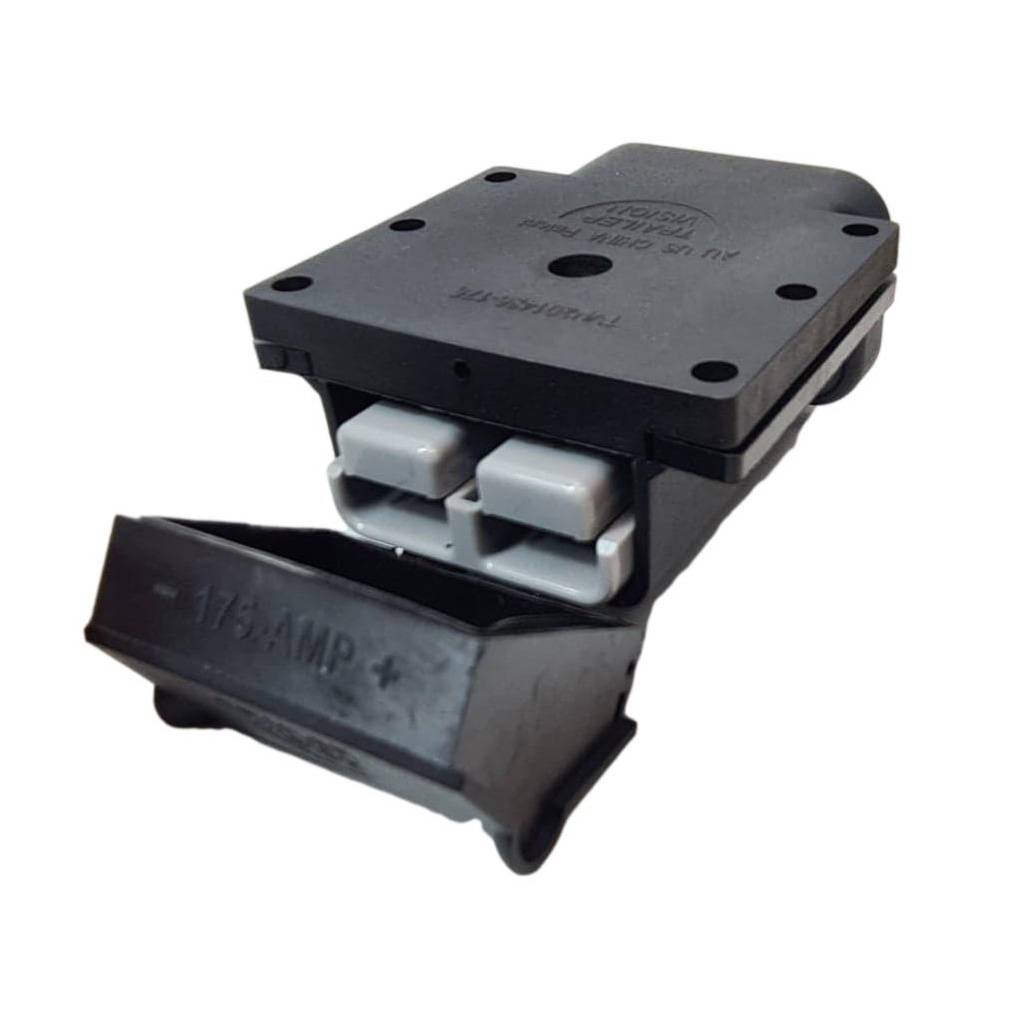
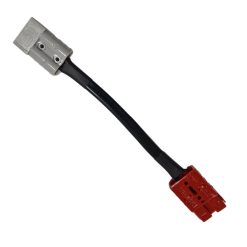
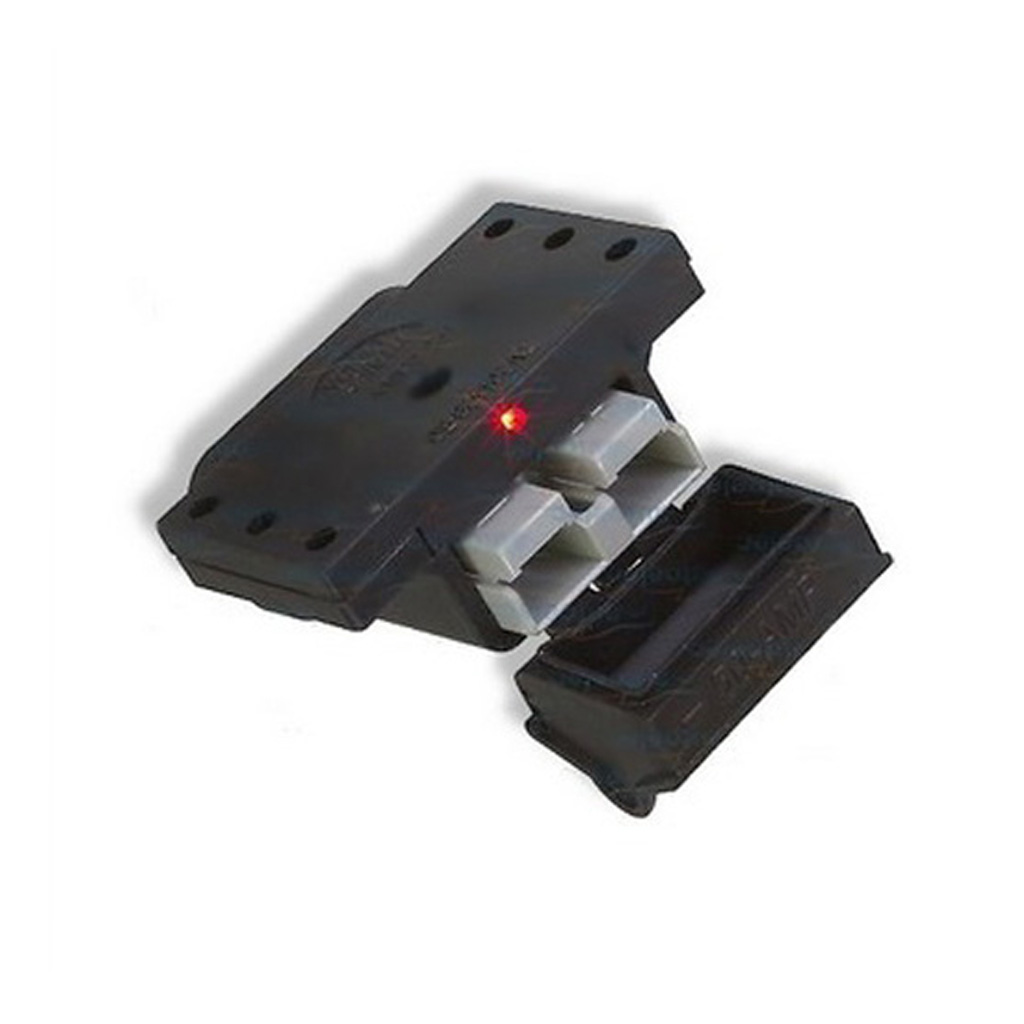
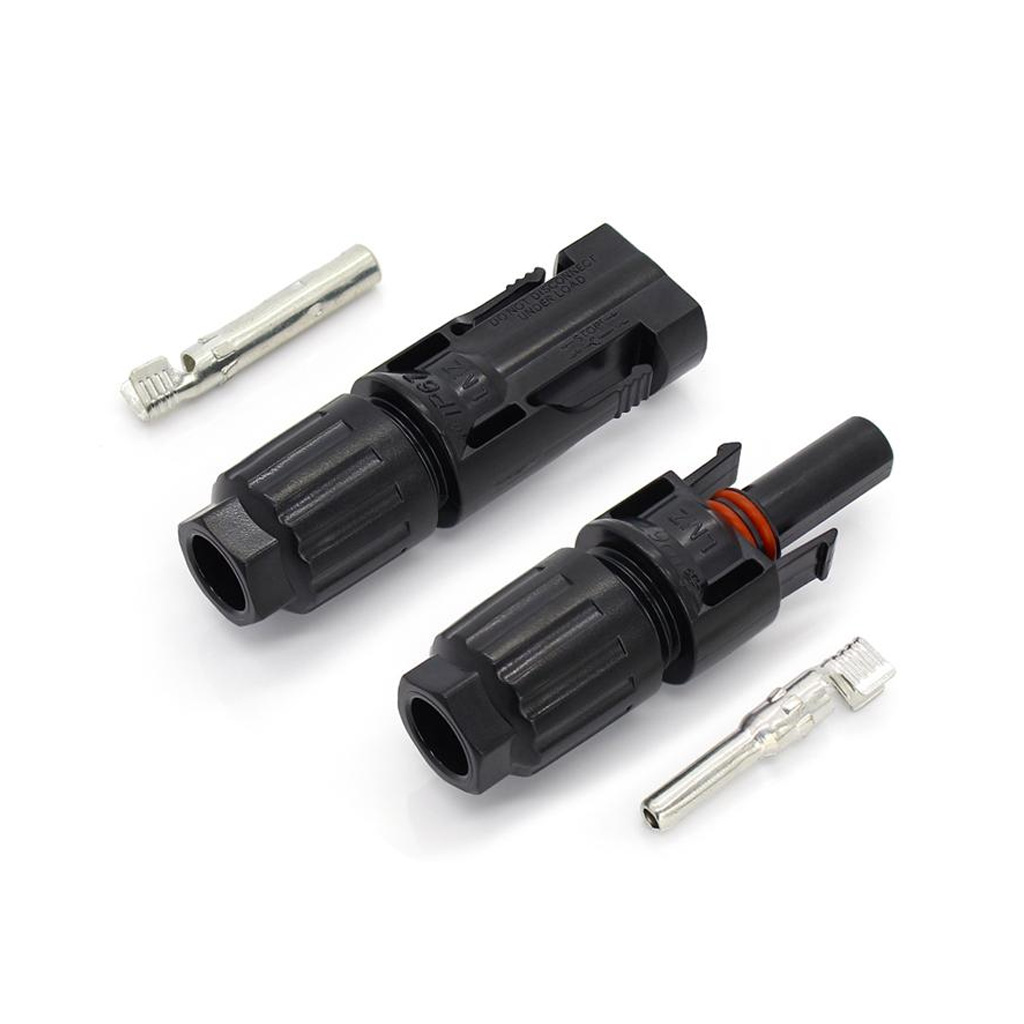
Anderson-style connectors are a common choice for auxiliary batteries, fridge feeds, DC-DC chargers, winches, trailer power, portable solar and jump-start applications. Their genderless design, solid contact area and secure mating make them well suited to practical 12V and 24V work.
The key is selecting the correct current class and contact size. A connector must match the cable conductor size as well as the current requirement. Contacts need to be properly crimped with the correct tool, then seated fully in the housing. A loose or partially inserted contact can heat up under load, even if the connector housing looks fine from the outside.
Anderson-style connectors are excellent where a firm, repeatable disconnection point is required. They are less suitable where a fully sealed, compact multi-pin connection is needed, such as sensor wiring or external lighting looms.
Deutsch-style and sealed multi-pin connectors
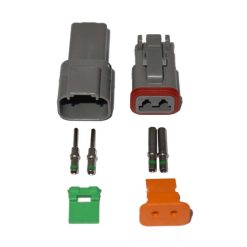
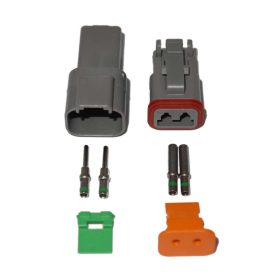
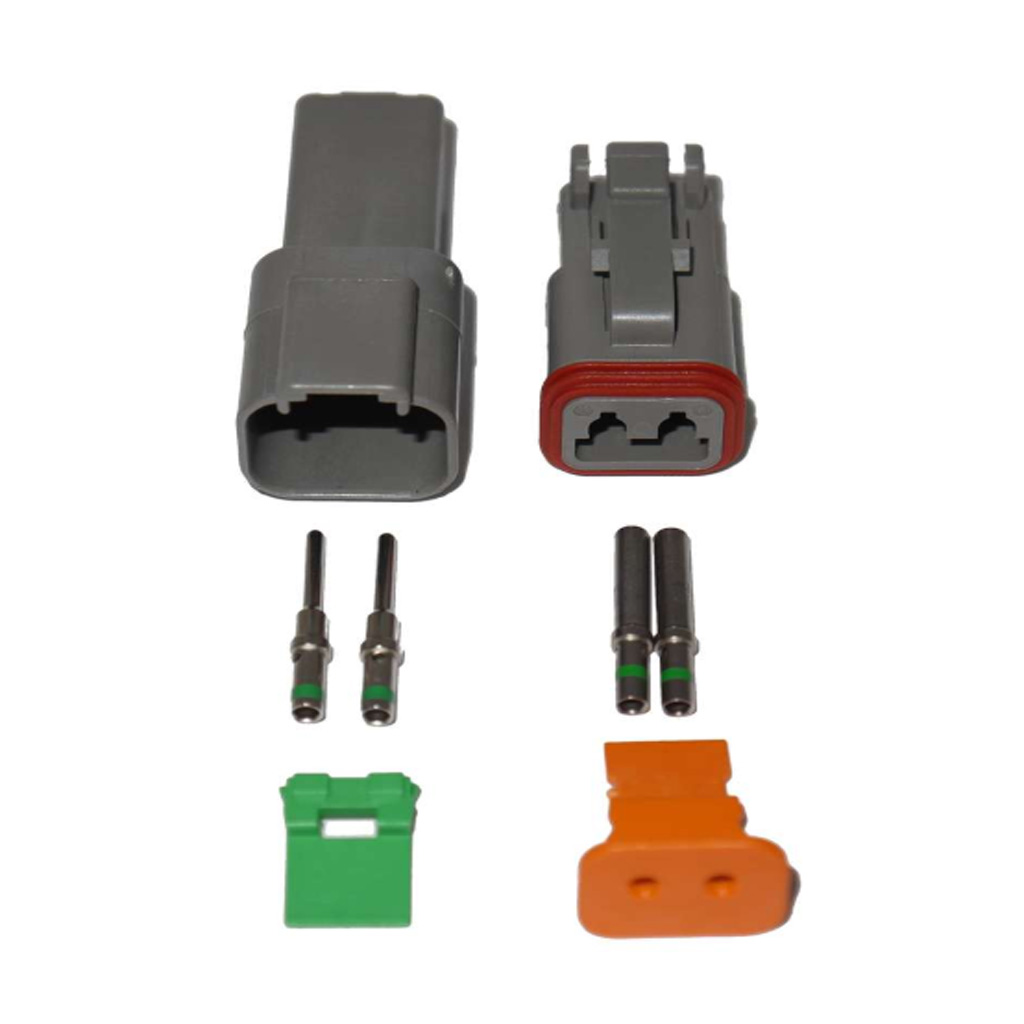
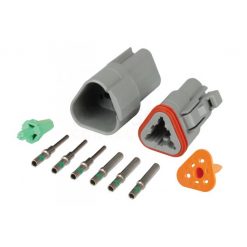
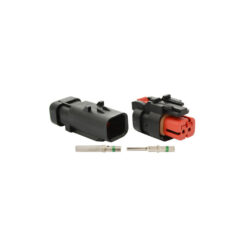
For wiring that faces water, dust, vibration and regular temperature changes, sealed multi-pin connectors are usually the better option. They are commonly used on auxiliary lighting, compressors, pumps, vehicle looms, marine equipment and industrial machinery.
A sealed connector protects individual terminals with cavity seals and a housing seal, but only when it is assembled correctly. Use terminals designed for the cable size, ensure seals are not damaged, and fit cavity plugs to unused positions. Forcing oversized cable into a small seal, or leaving an empty cavity open, defeats the purpose of using a weatherproof connector.
These connectors are ideal when multiple circuits need to be unplugged together. For example, a rear canopy loom may carry work lights, a reversing camera, a water pump and an earth return through one properly specified multi-pin connector rather than several individual joins.
Cigarette sockets, merit plugs and accessory connections
Accessory sockets remain useful for low-to-medium current portable gear, particularly tyre compressors, camp lighting, UHF chargers and other equipment supplied with matching plugs. They are convenient, but they are not the first choice for high-current or mission-critical loads.
The conventional cigarette-lighter format can loosen with vibration and may have limited contact pressure. In a touring vehicle, that can mean intermittent fridge power or heat at the plug. Merit-style connectors hold more securely and generally suit higher-quality portable connections, provided the socket and plug are matched and installed with suitable cable and fusing.
Where an accessory will stay connected for long periods, a dedicated high-current or sealed connector is often the more dependable option.
Ring terminals and permanent battery connections
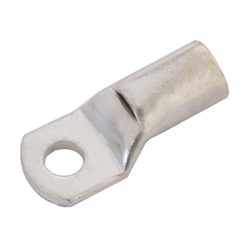
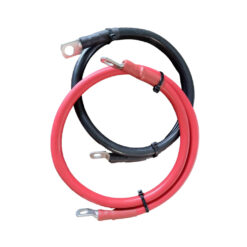
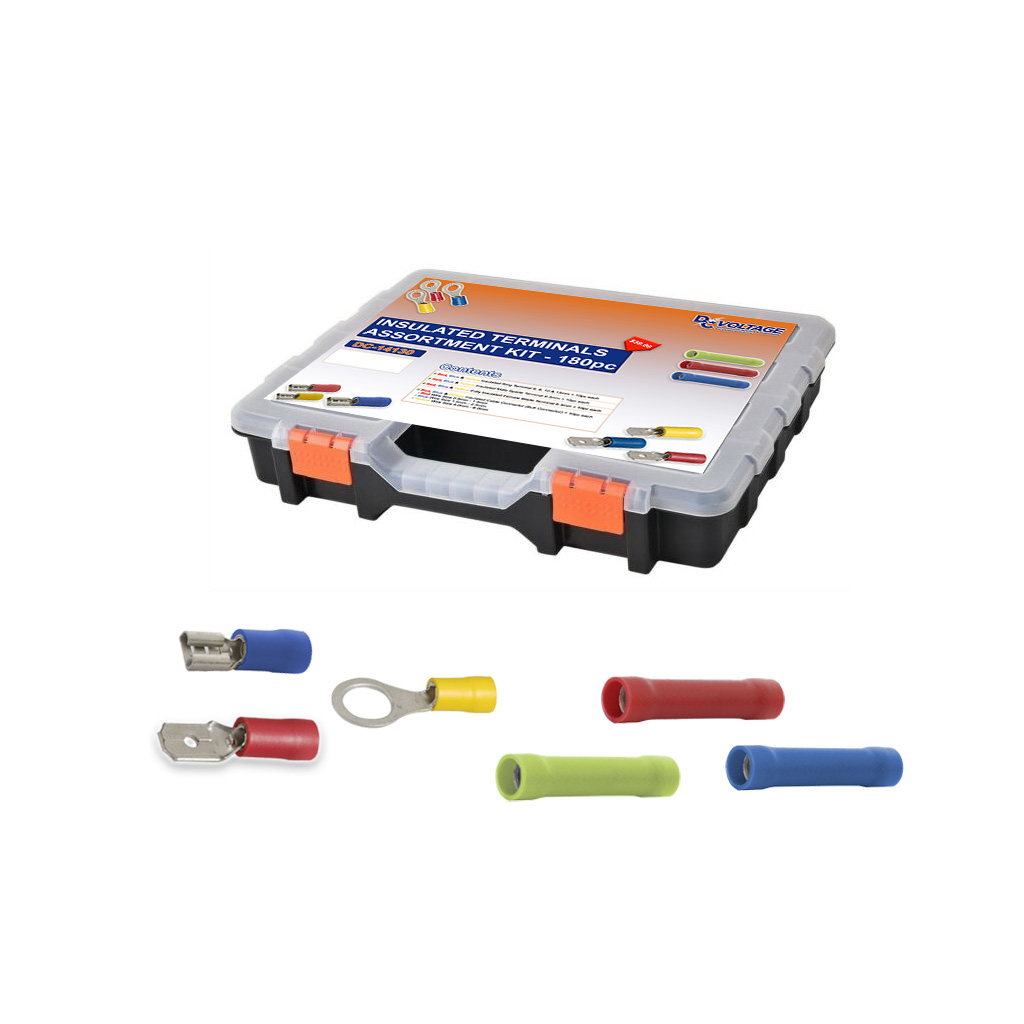
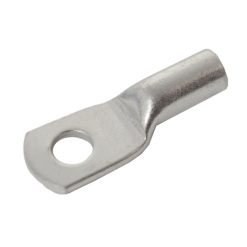
For permanent connections at batteries, busbars, isolators, fuse blocks and earth points, correctly sized ring terminals are hard to beat. They provide a secure mechanical connection and low resistance when crimped properly onto clean cable.
Match the terminal stud hole to the hardware, and match the barrel to the conductor. A terminal that is too large for the cable cannot be crimped securely. One that is too small may damage strands or fail to seat. Heat-shrink terminals add insulation and strain relief, which is particularly useful in engine bays, underbody runs and marine environments.
At battery terminals, stack accessories carefully. Excessive lugs under one terminal clamp can create poor clamping force or leave a connection exposed. A fused distribution point or busbar often makes a cleaner, more serviceable installation.
Check the environmental rating honestly
Australian conditions expose electrical connections to more than rain. Corrugations, red dust, salt air, engine-bay heat, wash-downs and UV all shorten the life of poorly selected connectors.
For an under-bonnet circuit, consider heat resistance, chemical exposure and vibration. For a caravan drawbar or rear bumper, consider stone strike, water ingress and road grime. Marine applications need particular attention to corrosion resistance and cable support. A connector marked weatherproof still needs to be mounted where it will not sit in water or take direct impact.
Cable protection matters as much as connector sealing. Use conduit, split tubing, grommets and clamps to prevent rubbing and fatigue. Leave enough slack for suspension or body movement, but not so much that a lead can drag, snag or flex repeatedly at the connector entry.
Crimp quality decides whether the connection lasts
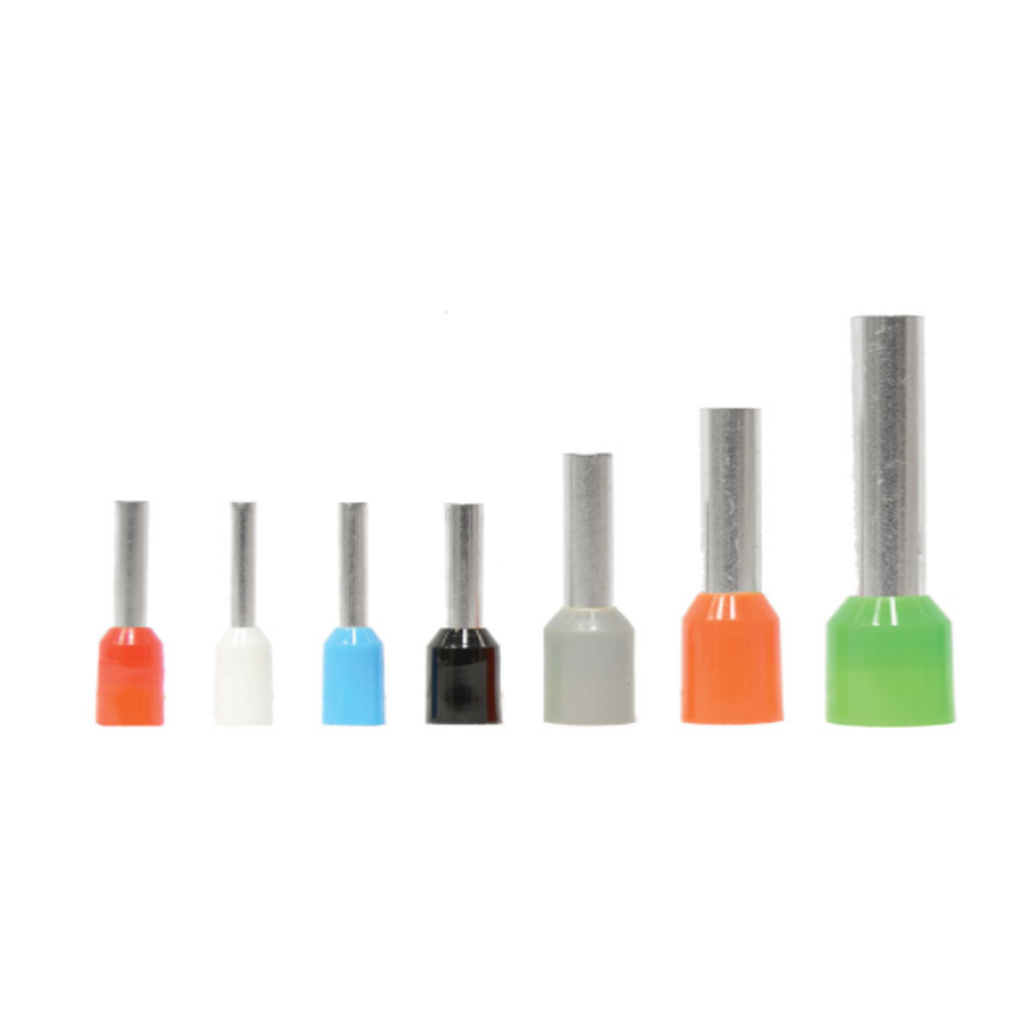
Many connector failures are installation failures. Poor crimping increases resistance, creates heat and allows moisture into the cable. Twisting strands, crushing them with pliers and covering the result with heat shrink may look tidy, but it is not a reliable automotive termination.
Use a crimp tool designed for the terminal style and cable range. Strip only the required length, keep all conductor strands inside the barrel and inspect the finished crimp before inserting it into the housing. A light pull test is worthwhile. If the terminal moves on the cable, redo it before the connection enters service.
Solder has a place in some controlled repairs, but it is not automatically better in a vehicle. Solder can wick up the cable and create a rigid section that fatigues with vibration. For most automotive and mobile-power work, a correctly executed mechanical crimp is the preferred termination.
Fuse and isolate every supply correctly
A connector is not a substitute for circuit protection. Any positive cable leaving a battery needs appropriate fusing as close to the power source as practical. Select the fuse to protect the cable and circuit, not simply to stop nuisance blowing.
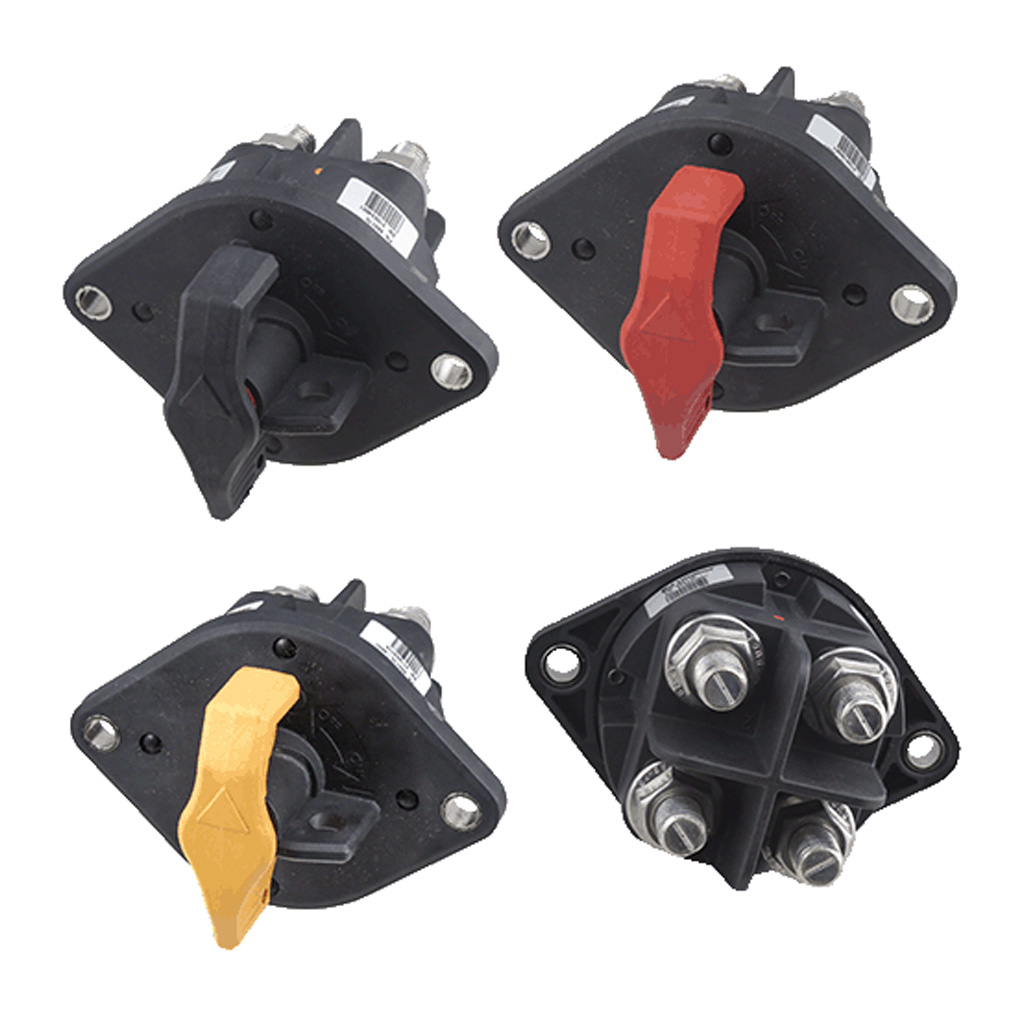
If a connector is used as a solar input, charger feed or removable auxiliary power lead, identify the direction of power and likely fault conditions. A dual-battery setup may be live from more than one source. Isolators, circuit breakers and clear labelling make fault-finding safer for the next person working on the vehicle.
For trailers and removable canopies, label both sides of a connector where practical. It saves time when a lead is being tested on the side of a track or in a workshop bay.
A practical automotive connector selection guide for common jobs
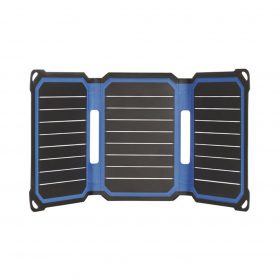
For a portable solar panel, use a connector rated for the panel current, outdoor exposure and repeated connection cycles. Keep polarity consistent and use cable suitable for the lead length. For a battery-to-battery or DC-DC charger feed, use a high-current connector, appropriately sized cable, secure mounting and fusing at the relevant source points.
For driving lights or work lights, sealed connectors with enough pins for positive, earth and any switching function keep the loom serviceable. For a fridge outlet, avoid relying on a loose-fitting accessory plug if the vehicle will see rough roads. A dedicated connection can prevent frustrating drop-outs.
Bluebar Industries carries connectors, cable, terminals, protection products and custom power leads for the jobs where compatibility cannot be guessed. When matching parts, bring together the voltage, current, cable size, connector family and installation environment before ordering.
The best connector is usually the one you stop noticing. It locks positively, stays cool under load, keeps contamination out and gives you a connection you can trust when the vehicle is a long way from the nearest workshop.