

 Cable Automotive / Marine
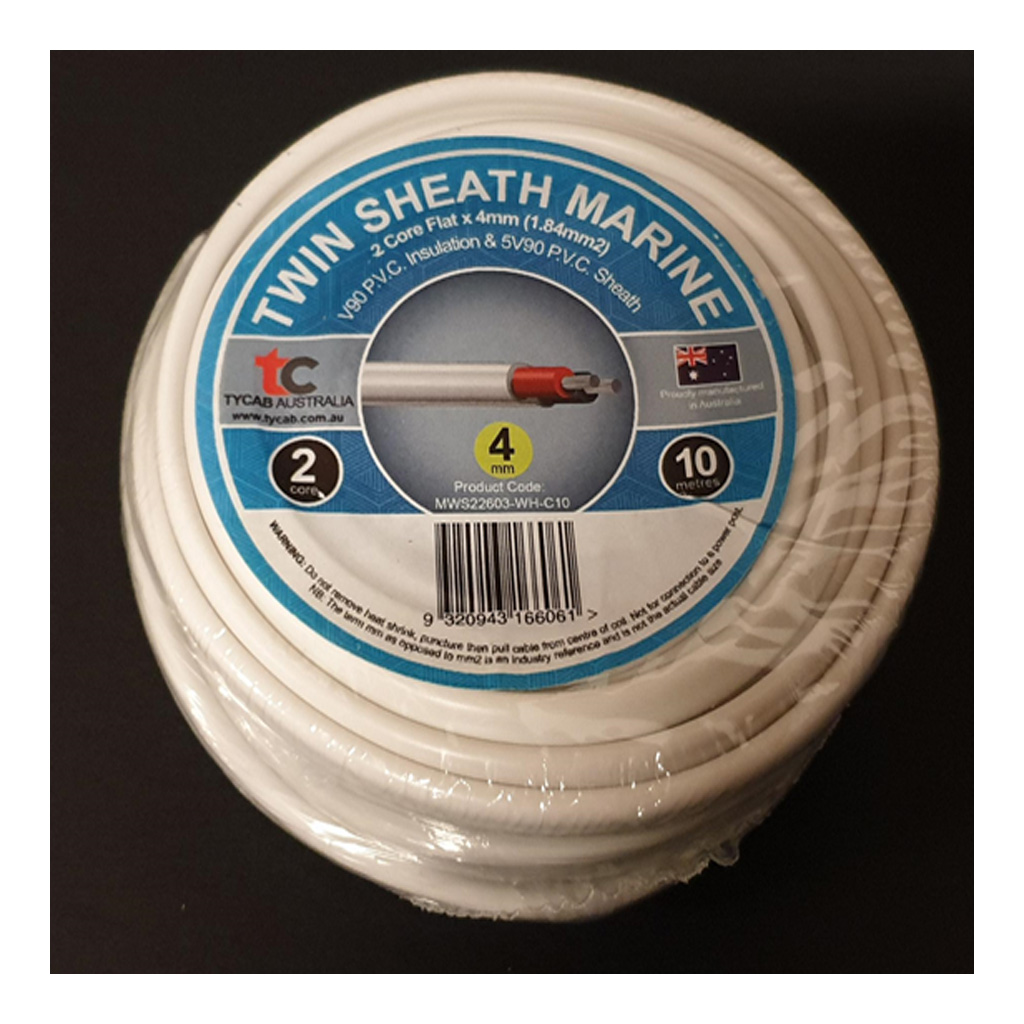
 Cable Lugs
 Cable Lug Assortment Kits
 Cable Lugs Straight Wall Closed
 Cable Glands
 Convoluted Split Tubing
 12/24v Products & Access

 Electrical Connectors
 Solar Powered Products
 LED Lights
 Tools


 Auto Parts & Categories

 Fittings
 Cleaning & Misc
 Clearance & Promotion
Latest News
Anderson Plug vs Cigarette Socket Compared
Aug
A fridge cuts out on corrugations, a compressor runs hot at the plug, or a battery charger never quite reaches full charge. These are often connection problems, not appliance problems. In the anderson plug vs cigarette socket decision, the right answer comes down to current draw, cable run, how permanent the setup is, and how much vibration it will see.
A cigarette socket remains useful for low-draw accessories and quick connections. An Anderson plug is generally the better choice where you need dependable high-current power between batteries, vehicles, trailers, caravans or portable equipment. They are built for different jobs, so treating one as a replacement for the other can create voltage-drop, heat and reliability issues.
Anderson plug vs cigarette socket: the practical difference
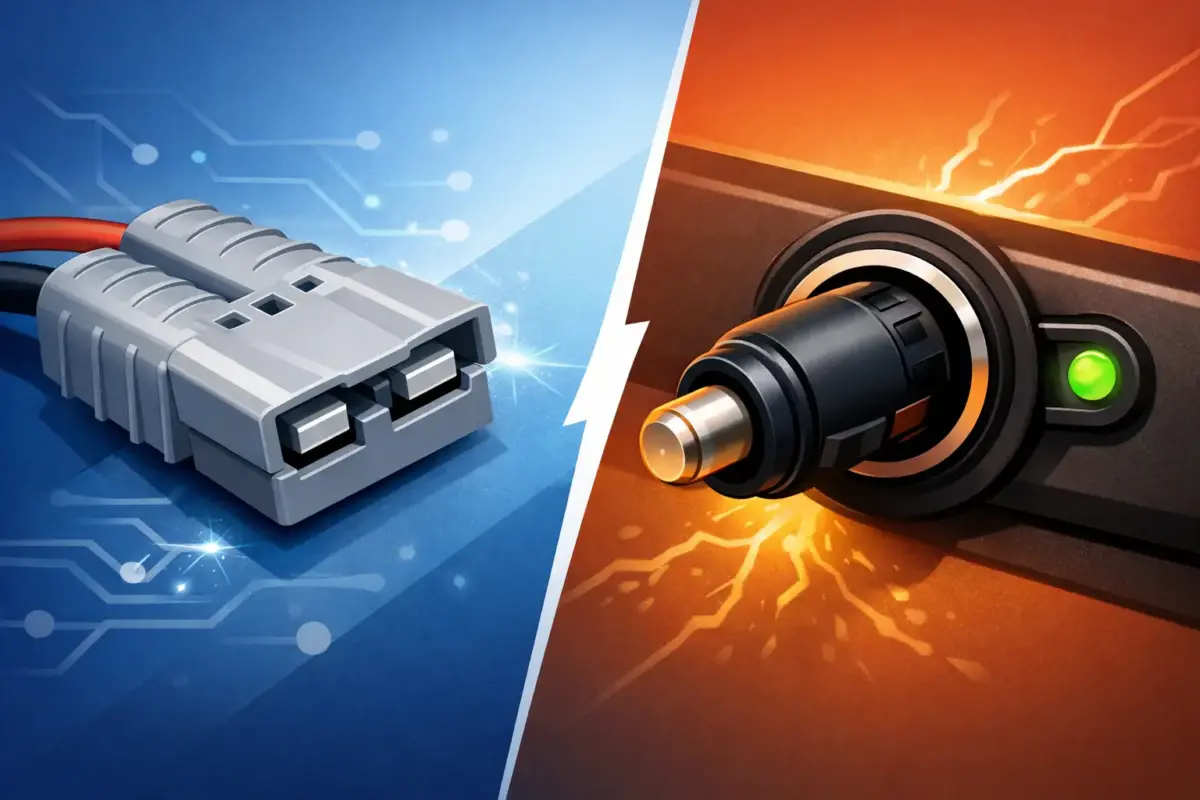
A cigarette socket, also called a 12V accessory socket, was designed around a simple plug-in connection. It is common in vehicle cabins and is convenient for phone chargers, tyre inflators, low-power lights and other portable accessories. The plug is round, easy to insert and widely available.
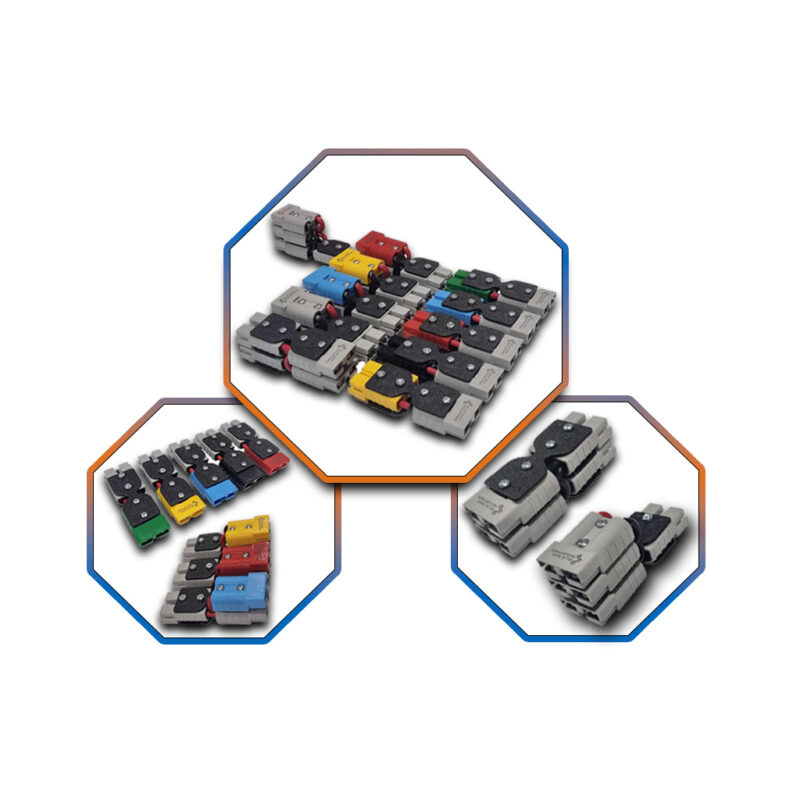
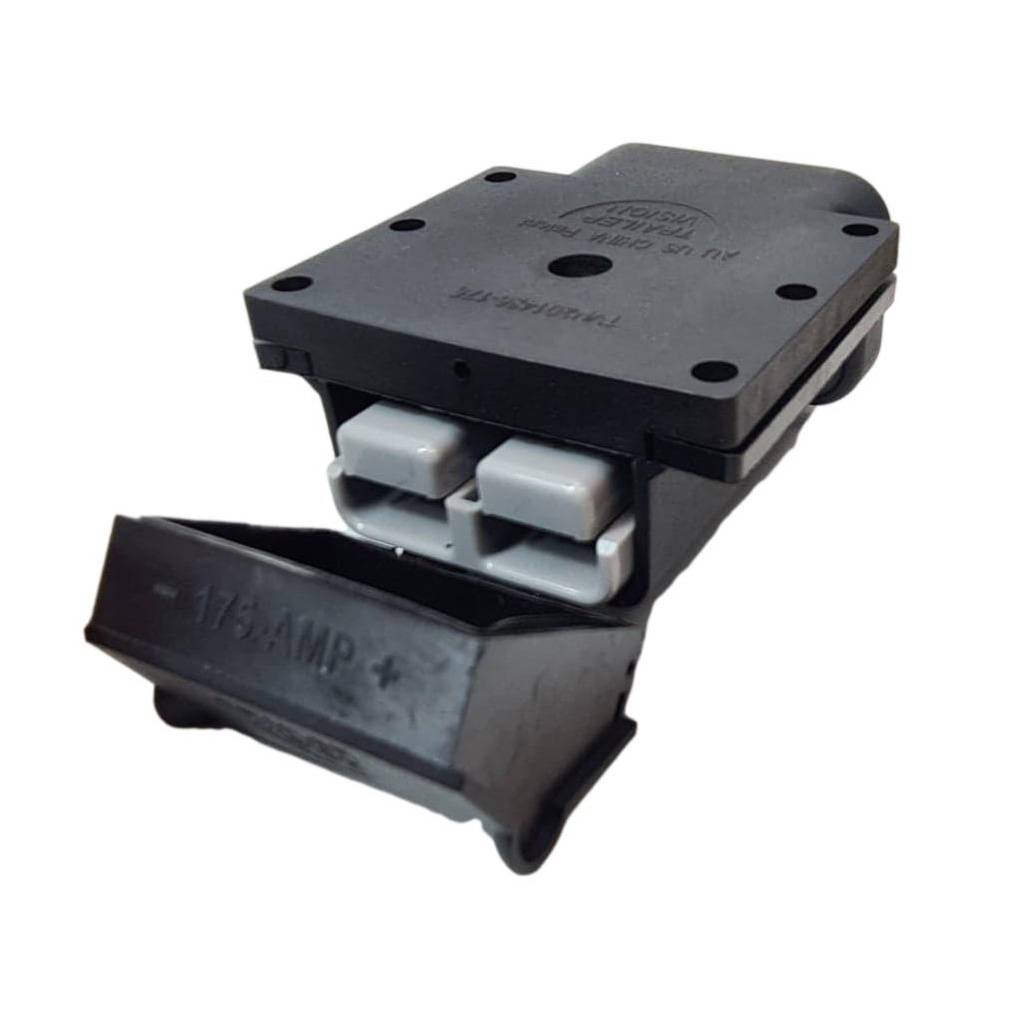
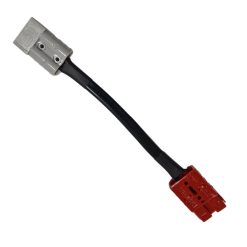
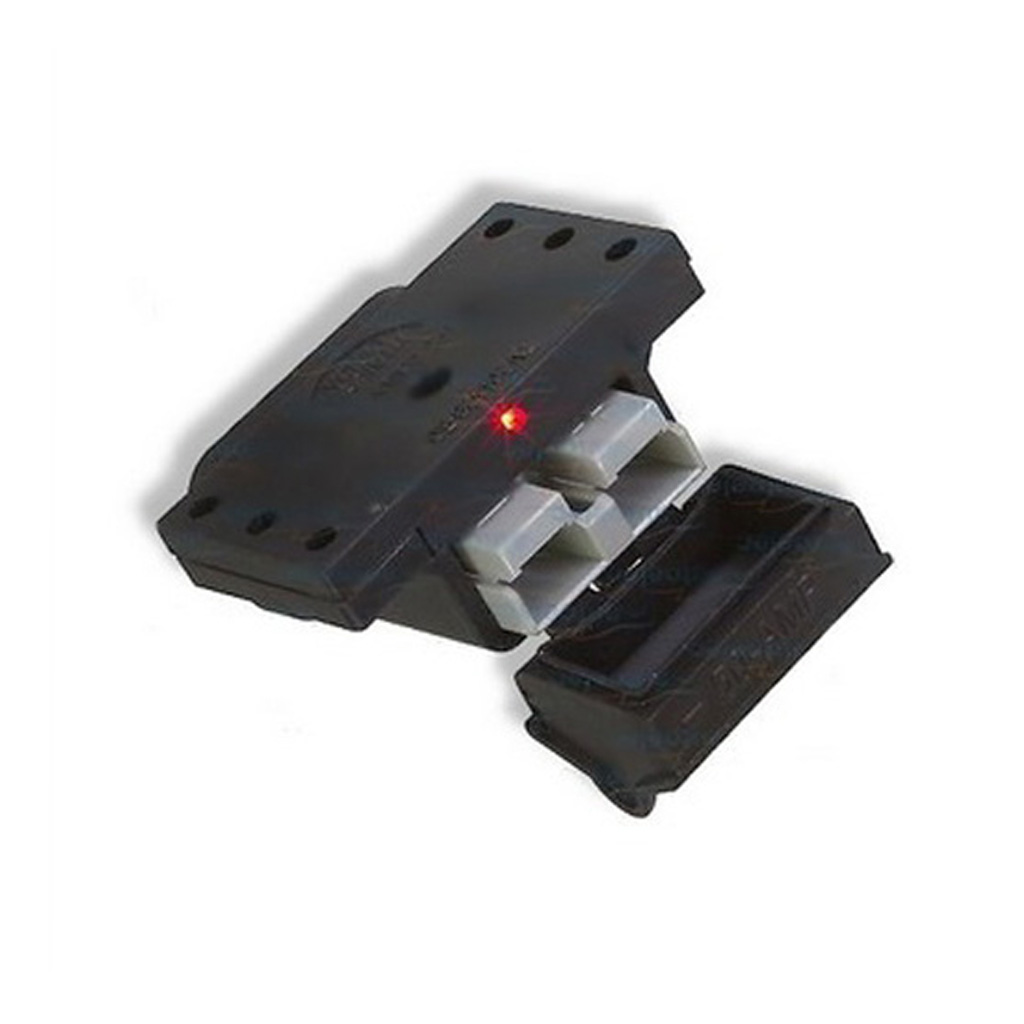
An Anderson plug is a heavy-duty DC connector with flat contacts held inside a tough housing. The common 50A style is widely used in 4WD, caravan, camping and trade setups for battery charging, portable fridges, solar connections and auxiliary power. Anderson-style connectors are genderless, so two matching connectors join together without needing a male and female side.
The difference is not just the stated amp rating. An Anderson plug creates a firm, positive connection with a larger contact area. A cigarette plug relies on a centre pin and spring-loaded side contacts. That arrangement is fine for modest loads, but it is more likely to loosen, develop resistance or generate heat when it is asked to carry high current for long periods.
When a cigarette socket is the right choice
A properly wired cigarette socket is still a practical part of a vehicle or caravan electrical system. Its strength is convenience. If an accessory needs to move between vehicles, or it is only used occasionally, the familiar plug-and-play format makes sense.
Use a quality cigarette socket for low to moderate current accessories such as a UHF charger, dash camera, portable LED light, USB charger, small fan or a compressor that is specifically supplied with a cigarette plug. For cabin use, it is often the neatest and quickest option.
The limitation is that not all cigarette sockets are equal. Factory sockets may be fused at 10A or 15A, while some aftermarket sockets and plugs are rated differently. The wiring behind the dash may also be lighter than expected. Check the socket rating, fuse size, cable size and appliance draw before relying on it.
A loose plug is another real-world issue. On rough tracks, vibration can interrupt power to a fridge or charge lead. If the plug feels hot, fits loosely, or the socket shows discolouration, stop using it until the cause is found. Heat at a connector is a warning that resistance is building.
Where an Anderson plug earns its place
An Anderson plug is the better fit when power needs to be transferred reliably and repeatedly. It is commonly fitted at the rear of a tow vehicle, on a caravan drawbar, near an auxiliary battery, or on a portable battery box.
Typical applications include charging a caravan battery from a vehicle through a DC-DC charger, running a fridge from an auxiliary battery, connecting portable solar panels, supplying a high-output compressor, and linking a trailer-mounted battery system. It also suits removable power packs and work setups where leads are regularly connected and disconnected.
The connector is less likely to shake loose than a cigarette plug, and its larger terminals are designed for suitably sized cable. This matters on long runs, where undersized cable can cause a significant voltage loss before power reaches the load. A 12V appliance is far less forgiving of voltage drop than many people expect.
For example, a fridge may start and appear to run from a cigarette socket, yet cut out when the compressor starts because voltage at the fridge drops too low. Changing to an Anderson connection alone will not fix undersized cable, but using an Anderson plug with correctly sized cable, suitable terminals and proper fusing gives the system a much better foundation.
Current rating is only one part of the job
It is tempting to choose a connector based on the number stamped on it. That number matters, but the safe capacity of the circuit is set by its weakest part. A 50A Anderson plug does not make a circuit safe for 50A if the cable, fuse holder, battery terminal, isolator or appliance is rated lower.
Match the connector to the load and the cable to both the load and the total cable length. Longer runs need larger cable to keep voltage drop under control. Fuse the positive cable as close as practical to the power source, whether that is a starting battery, auxiliary battery or battery box.
For 24V equipment, confirm every component is suitable for the system voltage. The connector type may be the same, but the appliance, charger, fuse arrangement and any voltage-sensitive accessory must suit 24V operation. Never assume a 12V cigarette accessory will tolerate a 24V socket simply because the plug fits.
Charging, solar and towing setups
Anderson plugs are particularly common in dual-battery and towing systems because they create a repeatable connection between separate power systems. A vehicle-to-caravan charging lead can use an Anderson connector at each end, with a DC-DC charger located close to the caravan battery. This helps manage charging voltage after losses in the cable run and provides a controlled charge profile for the battery type.
For portable solar, an Anderson connection makes it easy to connect and remove panels at a battery box, canopy or caravan. The solar regulator still needs to be correctly matched and positioned for the system. Do not connect an unregulated panel directly to a battery unless the panel and system are specifically designed for that arrangement.
A cigarette socket is generally not the right connection for charging an auxiliary battery through a long lead or for feeding a large inverter. Both jobs can draw enough current to expose poor contact pressure, light wiring and voltage drop. If a cigarette plug is supplied with a smaller appliance, use it within the appliance manufacturer’s stated limits rather than adapting it to a higher-demand task.
Installation details that prevent failures
The connector choice only works as well as the installation behind it. Use quality cable with enough conductor size for the current and distance, crimp terminals with the correct tool, and protect cables anywhere they pass through metal, under a vehicle or near moving parts. Split conduit, grommets, clamps and suitable cable protection are not cosmetic extras in a touring or work vehicle.
Keep Anderson plugs clean and protected from mud, salt spray and dust. Although they are durable connectors, they are not automatically weatherproof just because they are heavy-duty. Mount them where strain on the cable is limited and where a connected lead will not drag, pinch or pull on the terminals.
With cigarette sockets, choose a socket that grips the plug firmly and mount it where the plug cannot be kicked or bent. Avoid stacking adaptors and cheap multi-socket splitters on a high-load circuit. Each extra connection introduces another possible point of resistance.
Choose for the load, not the convenience
Choose a cigarette socket when you need a simple, low-draw accessory connection inside the cab or around camp. Choose an Anderson plug when the circuit supplies sustained current, supports charging, runs over distance, or has to stay connected through vibration and rough conditions.
For many 4WDs, caravans and service vehicles, the best setup uses both. Cigarette sockets handle everyday accessories, while Anderson plugs take care of battery charging, solar, fridges and heavier portable loads. Bluebar Industries can help source the matching connectors, cable, protection and custom leads so the connection suits the job rather than becoming the weak point in the system.
Before fitting either option, work out the appliance current, cable length, fuse requirement and expected conditions. That short check is usually what separates a convenient power outlet from a connection you can rely on well past the bitumen.