

 Cable Automotive / Marine
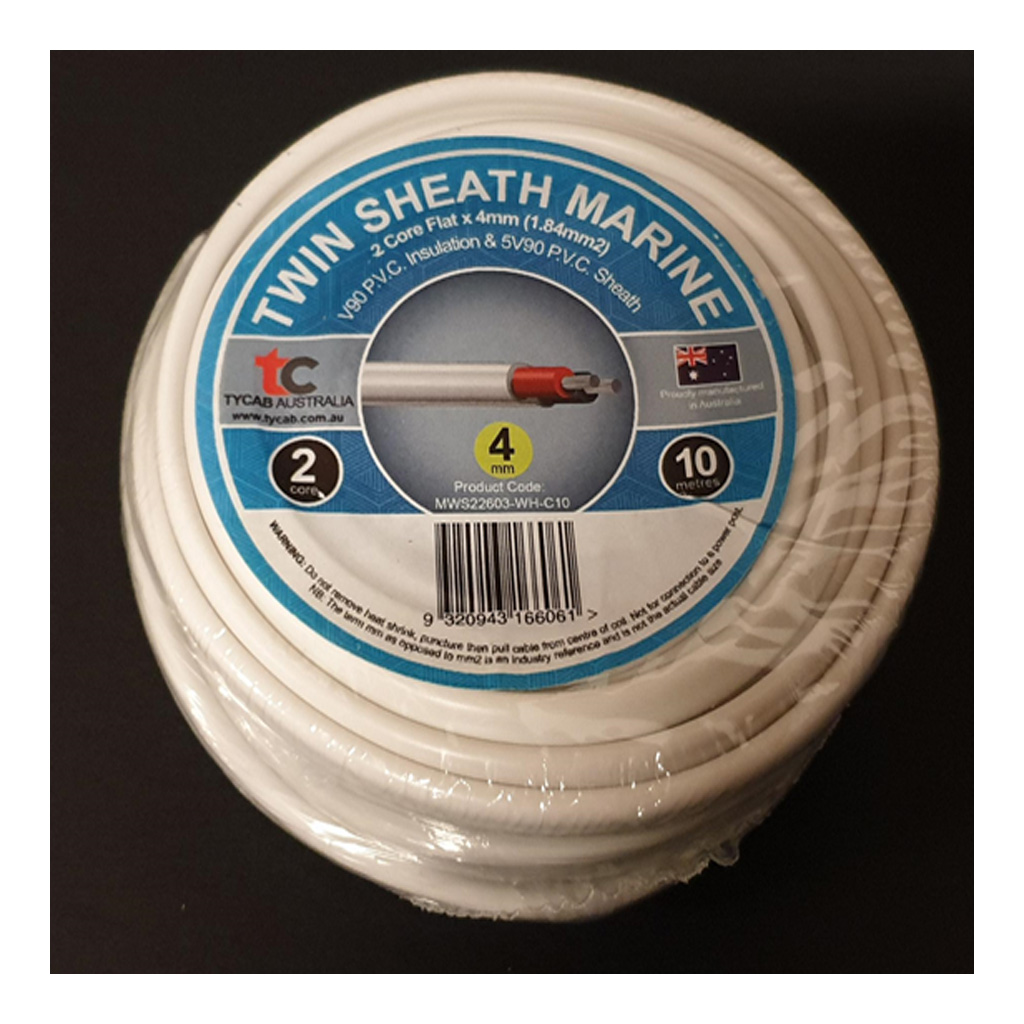
 Cable Lugs
 Cable Lug Assortment Kits
 Cable Lugs Straight Wall Closed
 Cable Glands
 Convoluted Split Tubing
 12/24v Products & Access

 Electrical Connectors
 Solar Powered Products
 LED Lights

 Tools


 Auto Parts & Categories

 Fittings
 Cleaning & Misc
 Clearance & Promotion
Latest News
12V Socket Types for Caravans Explained
Sep
A caravan power point that works perfectly in the driveway can become a nuisance on corrugated roads, in dust or when a high-draw appliance is plugged in. Choosing between the available 12v socket types for caravans is not just about what plug fits today. It affects current capacity, connection security, weather resistance and how easily you can replace a lead when you are away from home.
The right setup normally uses more than one connector style. A standard accessory socket is handy for small gear, while a dedicated high-current connector is the safer choice for a fridge feed, battery charging or portable solar. Match each outlet to the load, cable size and location rather than trying to make one socket do every job.
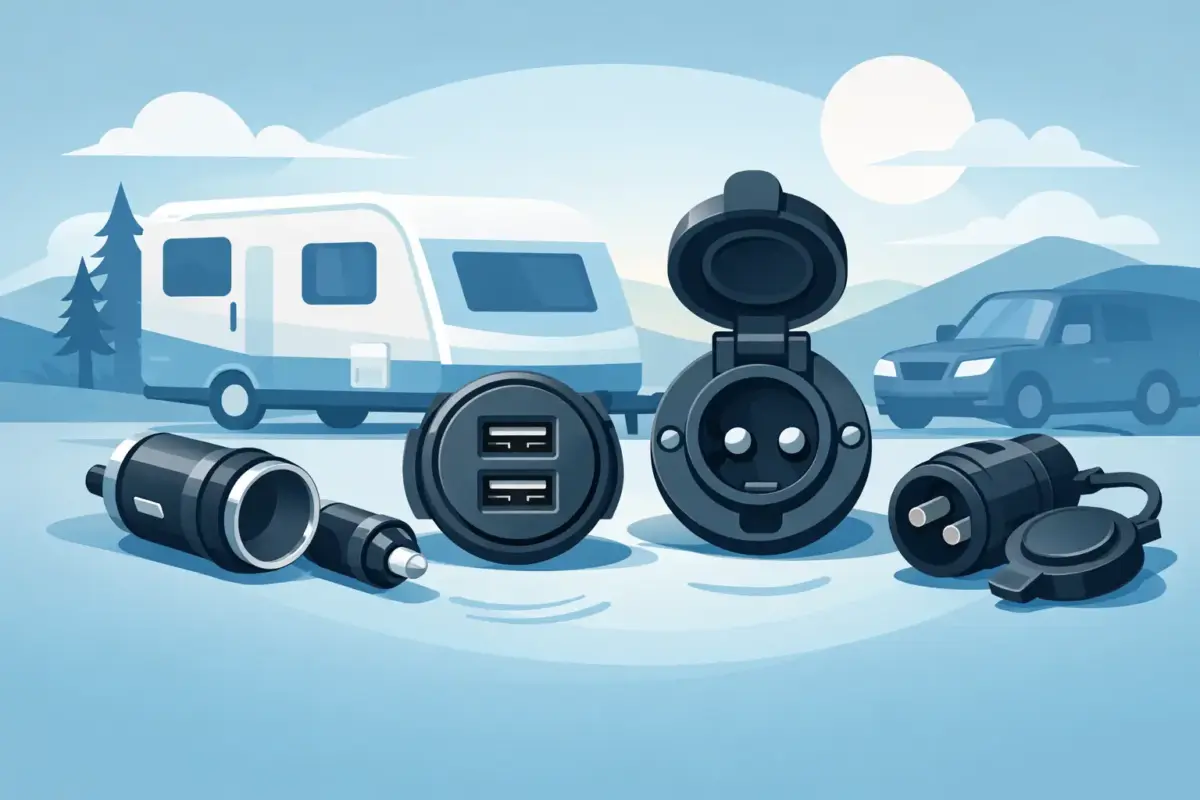
The main 12V socket types for caravans
Cigarette lighter or accessory sockets
The familiar cigarette lighter socket is still one of the most common caravan outlets. It accepts the large 21 mm accessory plug used by tyre compressors, mobile chargers, LED lights, fans, small inverters and many camping accessories. It is convenient because replacement plugs and adaptors are widely available across Australia.
Its limitation is the connection itself. The plug is held in by spring pressure, so it can loosen with vibration or on rough tracks. A poor fit creates resistance, which creates heat at the plug and socket. That is not ideal for gear that draws sustained current.
For low to moderate loads, a quality fused accessory socket is practical. Check the manufacturer’s current rating, use correctly sized cable and avoid assuming every socket can safely run a compressor or inverter. Many low-cost plugs are the weak point, particularly when they are used for long periods.
Merit and Hella-style sockets
Merit sockets, often also referred to as Hella or DIN-style sockets, use a smaller plug with a positive locking action. They are a strong option for caravans, camper trailers and 4WDs that see regular vibration. Once fitted properly, the plug is far less likely to shake loose than a cigarette lighter plug.
This style is commonly used for fridges, camp lighting and other moderate-current accessories. The compact socket also suits tight mounting areas in a cabinetry panel, bed base or external service compartment. It is generally a better choice where reliable contact matters more than universal plug compatibility.
The trade-off is that not every accessory arrives with a Merit plug. You may need to fit a compatible plug to the lead or carry an adaptor. That is usually worthwhile for a dedicated appliance, but less convenient if the outlet will be used by different visitors and devices.
Anderson-style connectors
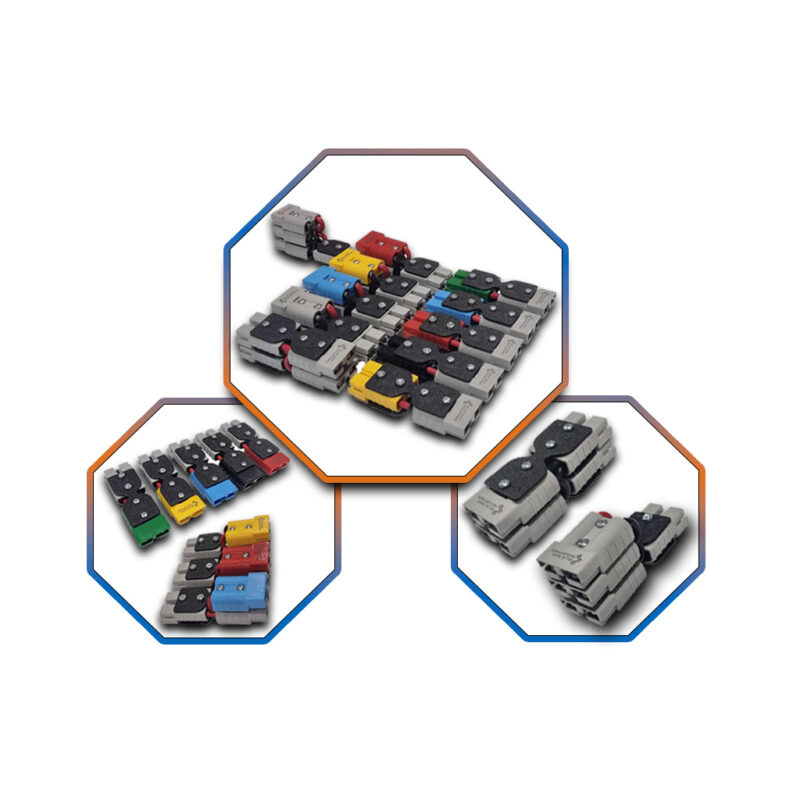
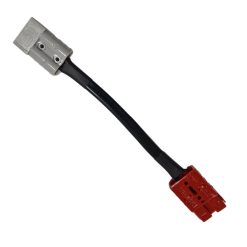
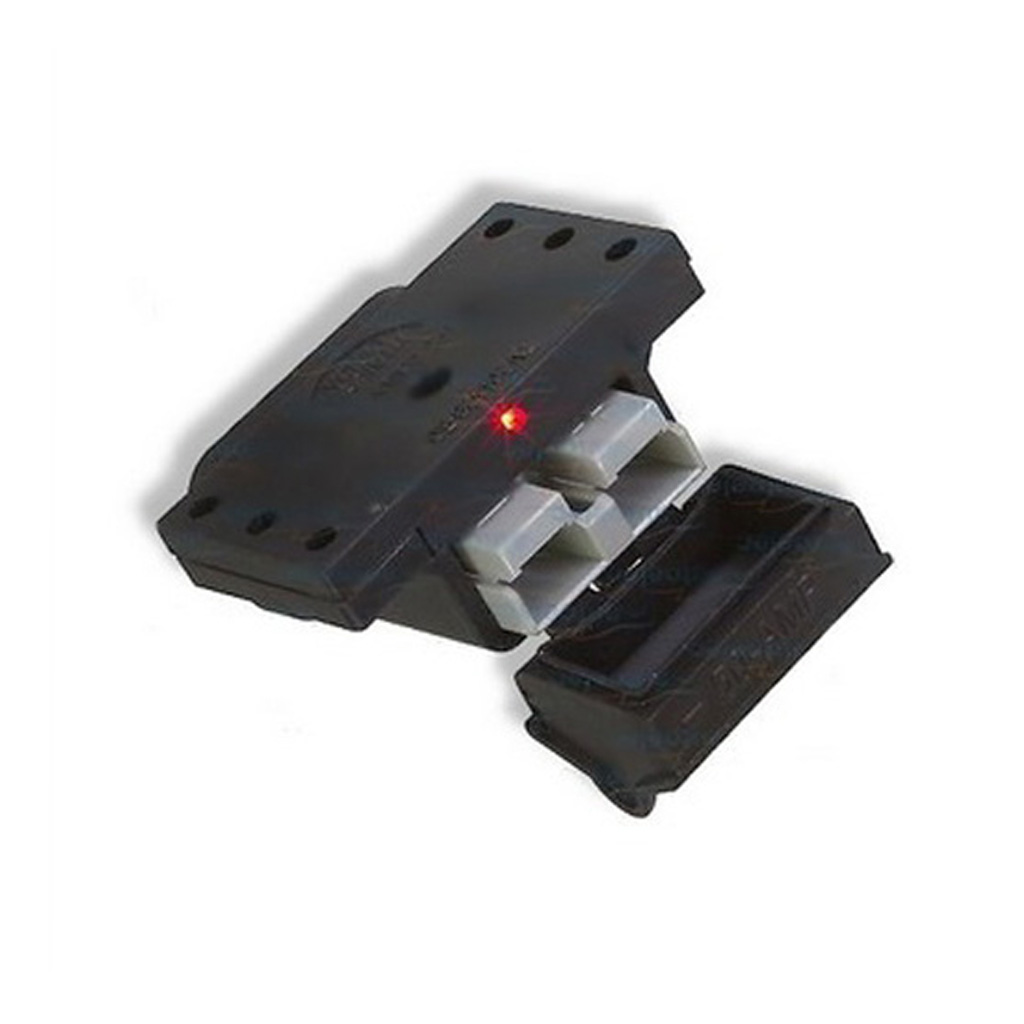
An Anderson connector is not a round socket in the traditional sense, but it is one of the most useful 12V connection types on a caravan. These genderless, two-pole connectors are designed for higher-current DC connections and make a positive, low-resistance contact when matched with suitable cable and terminals.
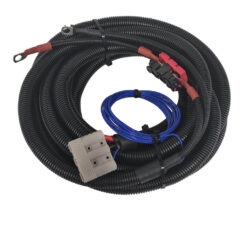
Anderson connectors are commonly fitted for battery-to-battery charging, external solar input, fridge wiring, portable battery boxes and high-current accessory feeds. They are available in different current ratings, so the connector, cable size, fuse and expected load all need to work as a system. A 50A connector does not make undersized cable safe.
For caravan touring, an Anderson connection is particularly useful at the drawbar, in a front boot or near the battery compartment. Covers and protected mounting positions help keep dust, water and physical damage out of the terminals. If it is exposed beneath the van, use quality cable protection and secure the loom properly rather than relying on cable ties alone.
Heavy-duty two-pin plugs and sockets
Australian two-pin 12V plugs and sockets remain common in older caravans, work vehicles and portable camp equipment. They are simple, affordable and easy to wire, making them useful for light-duty auxiliary circuits, pumps, lights and general accessories.
However, quality varies considerably. Light-duty versions are not suitable for high-current loads or constant movement, and exposed terminals can be vulnerable to corrosion. If you are repairing an existing installation, matching the original connector may be sensible. For a new high-demand circuit, a Merit or Anderson-style connection will usually provide a more secure result.
USB charging outlets
USB outlets are powered from the caravan’s 12V system, but they are not a 12V output socket. Their internal electronics reduce and regulate voltage for mobiles, tablets, GPS units and other USB devices. They are useful because they remove the need for a bulky accessory-plug adaptor and keep the main accessory sockets free for other gear.
Choose an outlet with the right USB format and charging output for your devices. A basic USB-A port may be adequate for a mobile overnight, while USB-C PD is more suitable for newer mobiles, tablets and selected laptops. Mount them where they will stay dry and where cables will not be pulled sideways by occupants moving around the caravan.
Dedicated fridge and appliance outlets
Some caravan appliances are best served by a dedicated connection rather than a general-purpose outlet. A 12V compressor fridge, for example, benefits from cable sized to minimise voltage drop, a correctly rated fuse close to the power source and a connector that cannot vibrate loose.
This is where installations often go wrong. A fridge may run on a short test lead but cut out when the battery voltage falls, the cable run is long or the plug contacts warm up. The issue is not always the fridge. Voltage drop through thin cable, poor joins and unsuitable sockets can be enough to cause repeated low-voltage protection trips.
Choose the socket by load and location
Start with the appliance’s maximum current draw, not its average consumption. A small LED strip and a water pump have very different demands, and a compressor can draw substantially more than a mobile charger. The circuit fuse must protect the cable, while the socket and plug must be rated for the expected load.
Location matters just as much. Internal sockets near the dinette or bed are usually protected from weather, so convenience can take priority. External outlets, front storage compartments and underbody areas need better sealing, strain relief and protection from stone strike. A socket with a hinged cover is helpful, but it does not replace sound mounting and proper cable routing.
For long cable runs, voltage drop deserves attention. A caravan can have several metres of cable between battery and outlet, and more length is added by the appliance lead. Using cable that is too small may leave the socket live but unable to deliver enough voltage under load. This is especially noticeable with fridges, pumps, compressors and DC-to-DC charging circuits.
Installation details that prevent trouble later
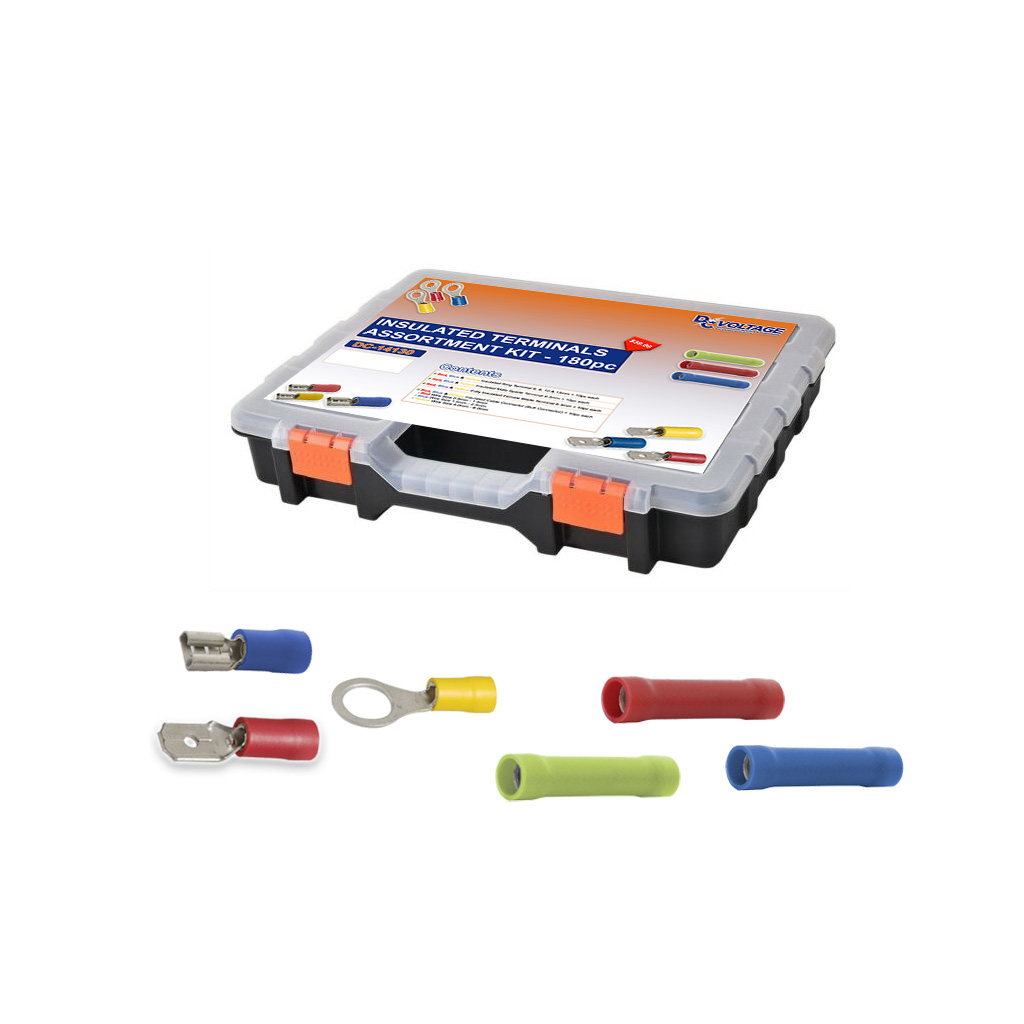
Every 12V outlet should be fused correctly and wired with automotive-grade cable suited to its environment. Fit the fuse as close as practical to the battery or supply point, use quality crimp terminals and protect cables where they pass through metal, timber or chassis openings. Grommets, split conduit and proper clamps are small details that prevent future faults.
Polarity must also be checked before plugging in equipment. On a conventional accessory socket, the centre contact is normally positive and the outer body negative. Anderson connectors should be standardised across the caravan and tow vehicle so a portable solar lead or battery lead cannot be connected with reversed polarity.
Avoid daisy-chaining several high-draw outlets from one light cable run. It may look neat behind a wall panel, but it makes fault-finding harder and can overload the feed. Separate circuits for lighting, water pump, fridge supply, charging outlets and high-current accessories give better protection and make isolation simpler when a fault occurs.
A practical caravan socket layout
A useful touring layout often combines a few connection styles rather than filling the van with identical outlets. Standard accessory sockets near living areas cover general accessories. Merit outlets suit a dedicated fridge or light circuit where vibration resistance is wanted. An Anderson connector at the drawbar or battery compartment provides a practical connection for charging, solar or high-current power transfer.
USB charging points belong where people actually use devices, such as beside the bed, seating area or a work surface. Keep high-current connections close to the battery system where possible, and do not place sockets where a plugged-in lead creates a trip hazard or can be crushed by a drawer, seat base or hatch.
Bluebar Industries stocks the connectors, cable, fuses, terminals, protective accessories and custom power leads needed to build or repair caravan 12V circuits with components suited to real touring conditions.
Before the next trip, plug in each regular appliance and feel the connectors after they have been operating under load. Any warmth, looseness, discolouration or intermittent power is a reason to stop and inspect the circuit. A well-chosen socket is only reliable when the cable, terminals and protection behind it are up to the same standard.