

 Cable Automotive / Marine
 Cable Lugs
 Cable Lug Assortment Kits
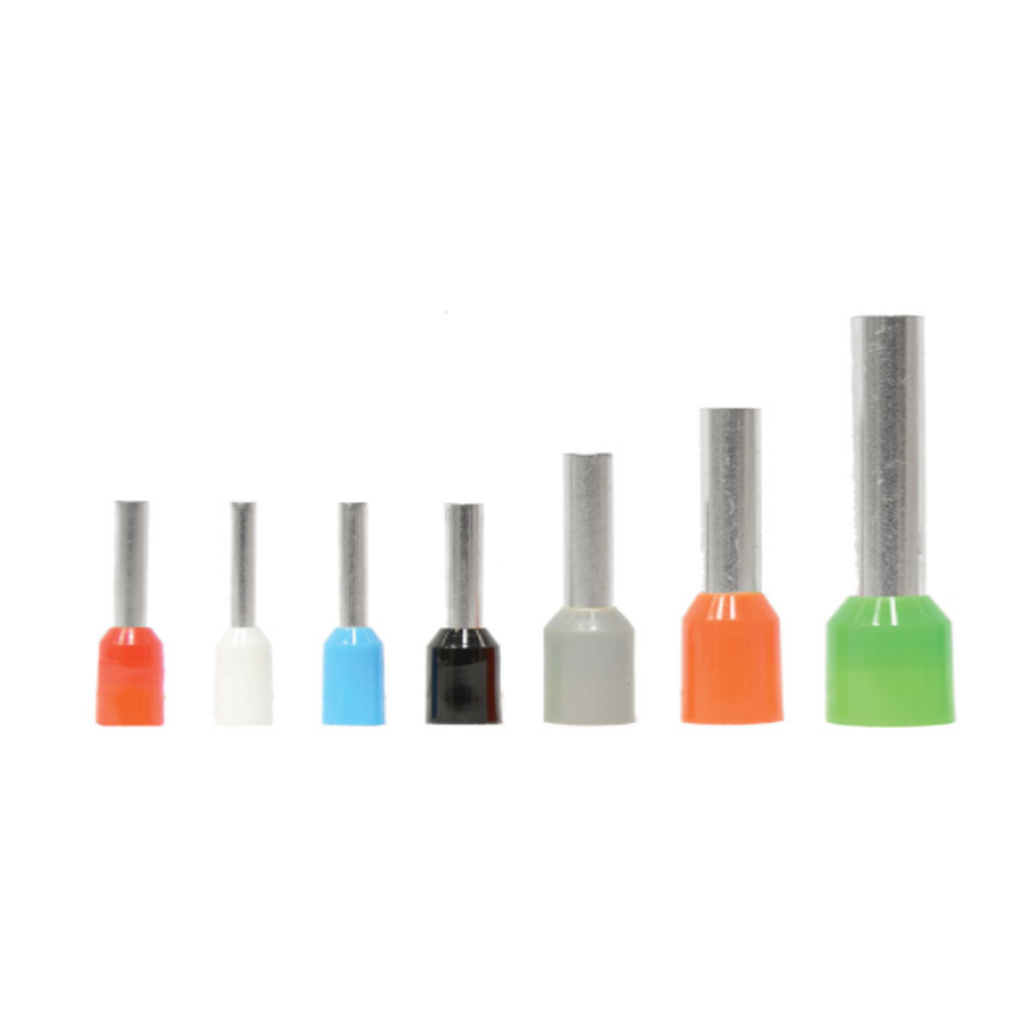
 Cable Lugs Straight Wall Closed
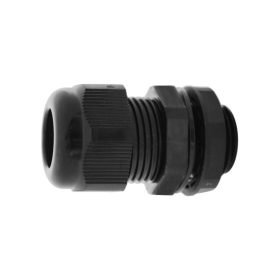 Cable Glands
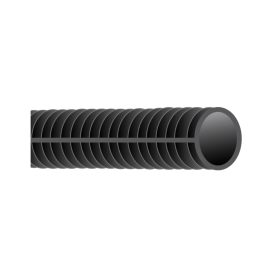 Convoluted Split Tubing
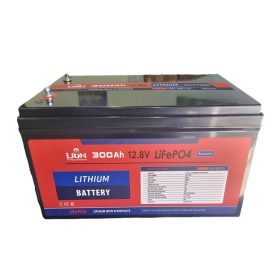 12/24v Products & Access
 Electrical Connectors
 Solar Powered Products
 LED Lights
 Tools
 Auto Parts & Categories

 Fittings
 Cleaning & Misc
 Clearance & Promotion
Latest News
Tinned Cable vs Copper Cable: Which Fits?
Aug
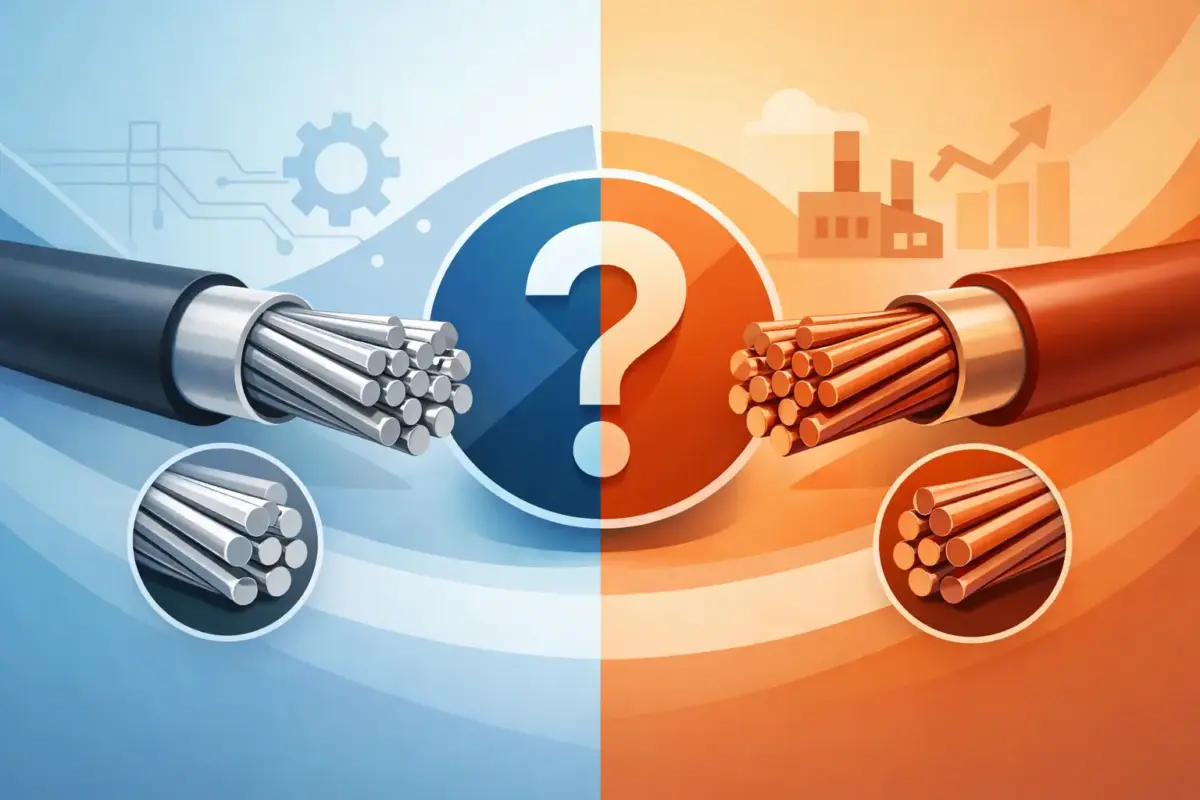
A cable run can look perfect on installation day and still become the weak point of a 12V or 24V system six months later. When comparing tinned cable vs copper cable, the real question is not which conductor carries power better. Both use copper. The question is whether the cable will be exposed to moisture, salt, vibration, heat and the kind of hard use common in 4WDs, caravans, boats, utes and work vehicles.
For many vehicle and off-grid jobs, bare copper cable is a sound and cost-effective choice. For marine work, exposed battery compartments, underbody runs and coastal use, tinned copper can be worth the extra spend. Selecting the right option starts with understanding what the tin coating actually does and what it does not do.
What Is the Difference Between Tinned and Copper Cable?
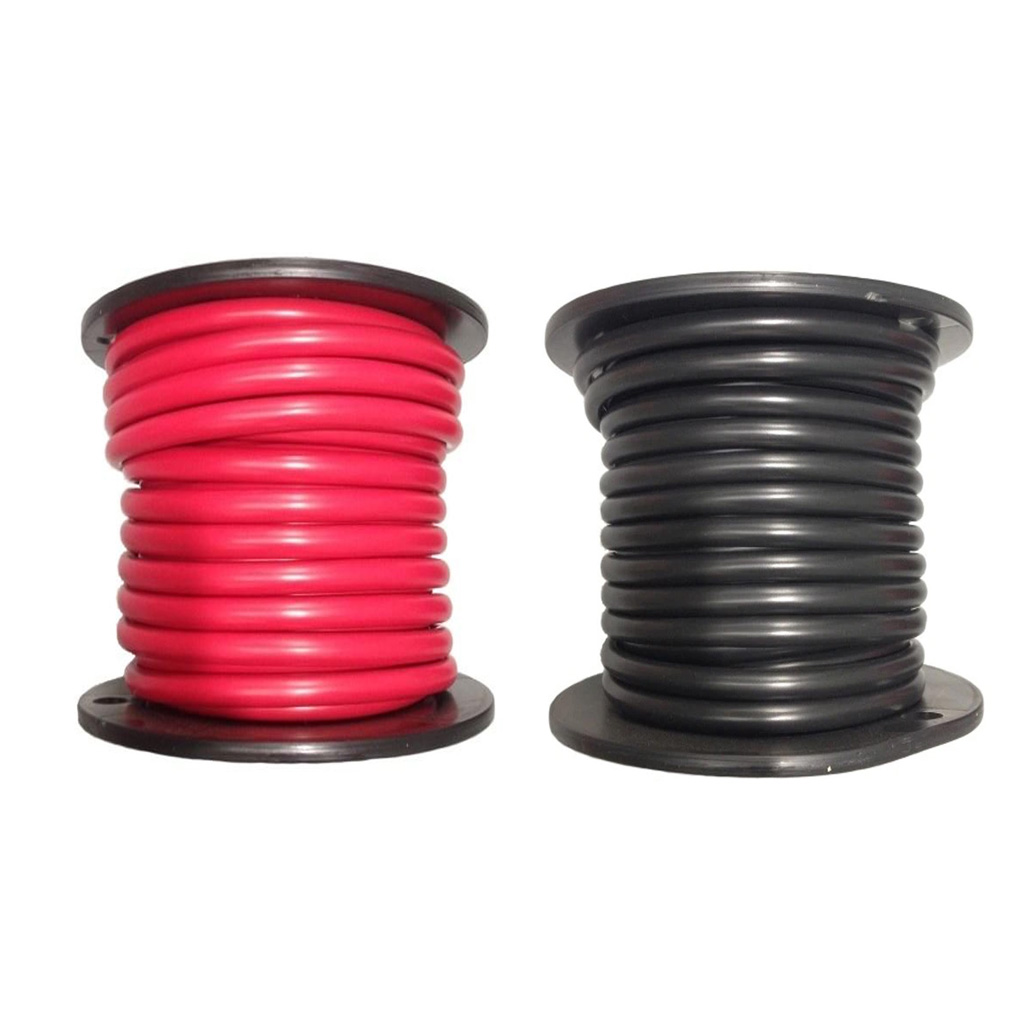
Standard automotive cable uses bare copper strands inside an insulating jacket. Copper is an excellent conductor, flexible when stranded, and widely used for battery leads, accessory wiring, solar connections and general 12V or 24V installations.
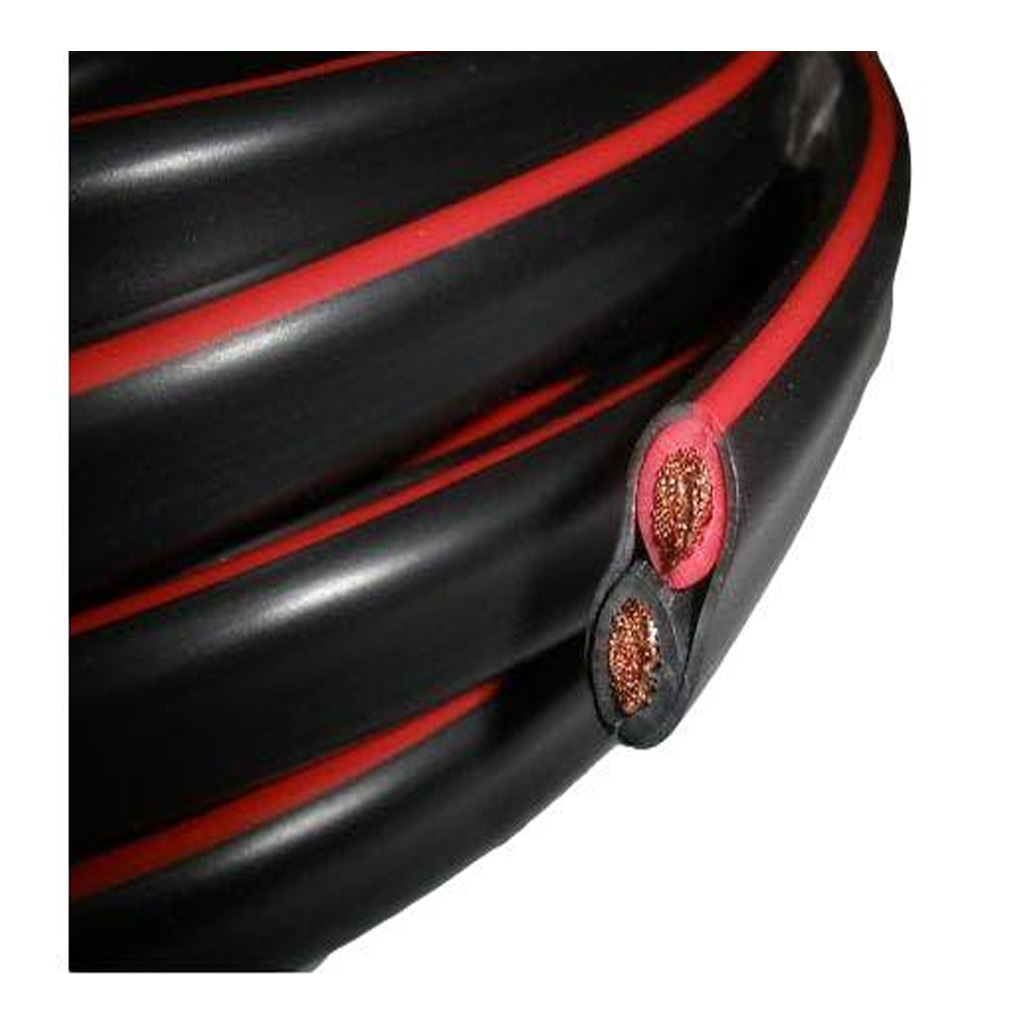
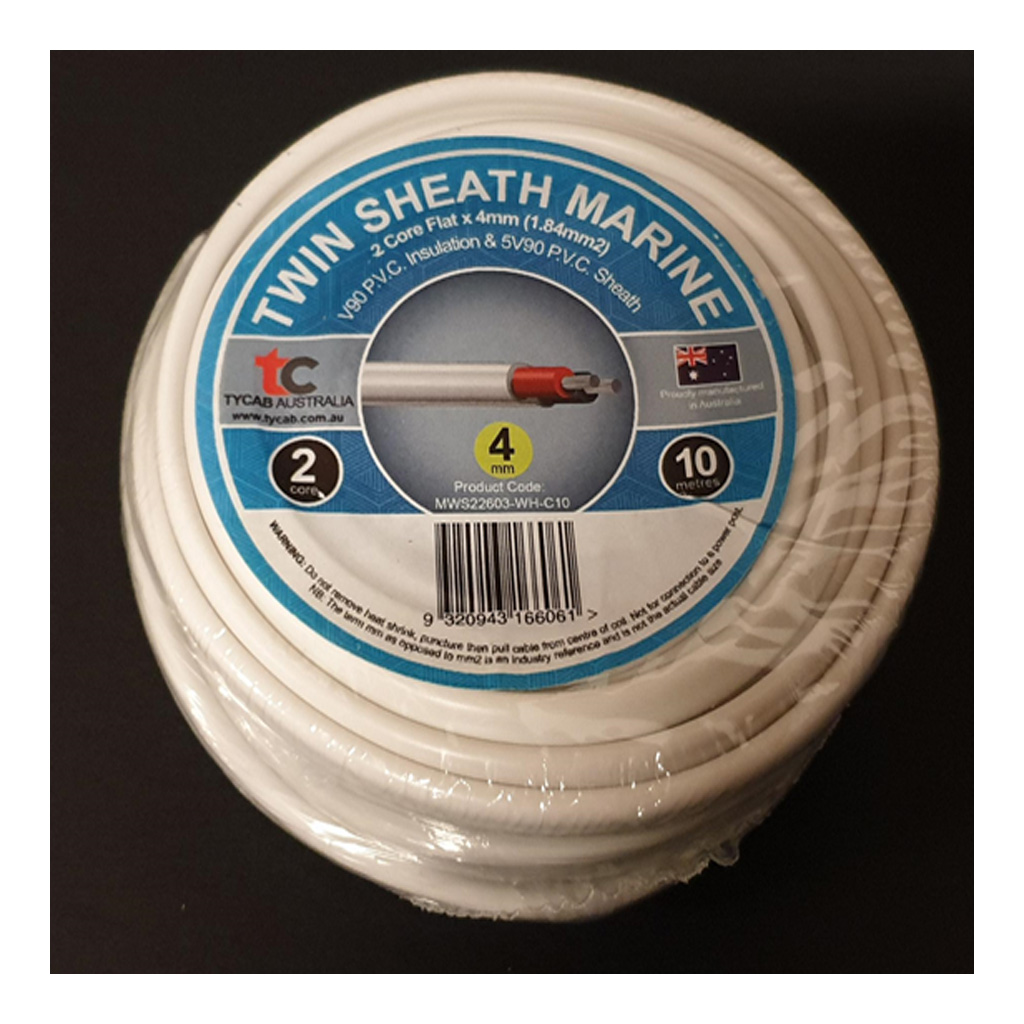
Tinned cable is still copper cable. Each copper strand is coated with a thin layer of tin before the conductor is stranded and insulated. This coating is designed to slow oxidation and corrosion, particularly where moisture or salt is present. It does not turn the conductor into tin, and it does not replace the need for correctly rated cable, quality terminals or proper sealing.
The distinction matters because corrosion often starts where wiring is least visible: inside a lug, under heatshrink, at a join, or where water has tracked along the cable from an exposed end. Once copper oxidises, resistance rises and a low-voltage system can lose voltage where it needs it most.
Tinned Cable vs Copper Cable in Real Installations
Corrosion resistance is the main advantage
Bare copper can darken and oxidise when exposed to air and moisture. In a dry, protected cabin or an enclosed canopy, this may be slow and have little practical effect for years. In a boat, a camper that sees beach launches, an engine bay, or a battery box exposed to condensation, the process can accelerate.
Salt is particularly unforgiving. It can enter through small gaps in insulation, poorly crimped terminals or unsealed joins, then remain trapped. Tinned copper gives the strands an extra layer of protection against that corrosion. This is why tinned marine cable is commonly specified for boats and is also a practical upgrade for coastal 4WD, caravan and trailer applications.
That said, tinned cable is not waterproof. A tinned conductor joined with an open, poorly crimped terminal can still corrode. Use correctly sized lugs, quality crimps, adhesive-lined heatshrink where appropriate, and cable glands or conduit where water ingress is likely.
Electrical performance is not the deciding factor
For a given conductor size, bare copper and tinned copper are both suitable for carrying current. The thin tin layer can result in a very small increase in resistance compared with bare copper, but in correctly sized automotive cable this difference is generally negligible for practical 12V and 24V work.
Cable size, run length and current draw matter far more. A fridge circuit, inverter feed, winch supply or high-output DC-DC charger needs cable selected to control voltage drop and safely handle the expected load. Choosing tinned cable does not allow a smaller cable size, and choosing bare copper does not mean the cable is electrically inferior.
For example, if a long cable run to a rear-mounted fridge is undersized, the fridge may see low voltage and cycle poorly regardless of whether the conductor is tinned. Get the cable cross-section right first. Then decide whether the environment calls for the additional corrosion protection of tinned strands.
Flexibility depends on cable construction
Many tinned cables are built with a high strand count, making them very flexible and well suited to tight routing, vibration-prone areas and battery leads. However, flexibility comes from the number and size of the strands, not simply from tinning.
A good-quality fine-strand bare copper automotive cable may be more flexible than a coarse-strand tinned cable. Check the cable specification rather than assuming every tinned product is equally suited to moving applications. For battery leads, trailer wiring, canopy systems and areas that see vibration, a fine-strand conductor with durable insulation is usually the sensible starting point.
Cost and availability can affect the decision
Tinned copper cable generally costs more than standard bare copper automotive cable. On a short marine battery lead or a critical exposed solar run, the premium is usually easy to justify. On a large workshop fit-out or a protected internal vehicle loom, fitting tinned cable everywhere may add cost without delivering a matching benefit.
This is where a fit-for-purpose approach works best. Spend where the environment demands it, rather than treating every cable run as though it lives in a bilge or sees salt spray every weekend.
Where Tinned Cable Makes Sense
Tinned cable is a strong choice for installations where moisture and corrosion are ongoing risks. Marine wiring is the obvious example, including battery banks, navigation equipment, pumps, deck accessories and solar systems. It is also well suited to caravan and camper trailer wiring that may be exposed to road spray, creek crossings, condensation or coastal storage.
Consider tinned cable for cable runs in battery boxes, external canopies, underbody locations and enclosed areas that cannot dry easily. It is also worth considering for work vehicles operating in wet, dirty or corrosive environments, particularly when downtime is expensive.
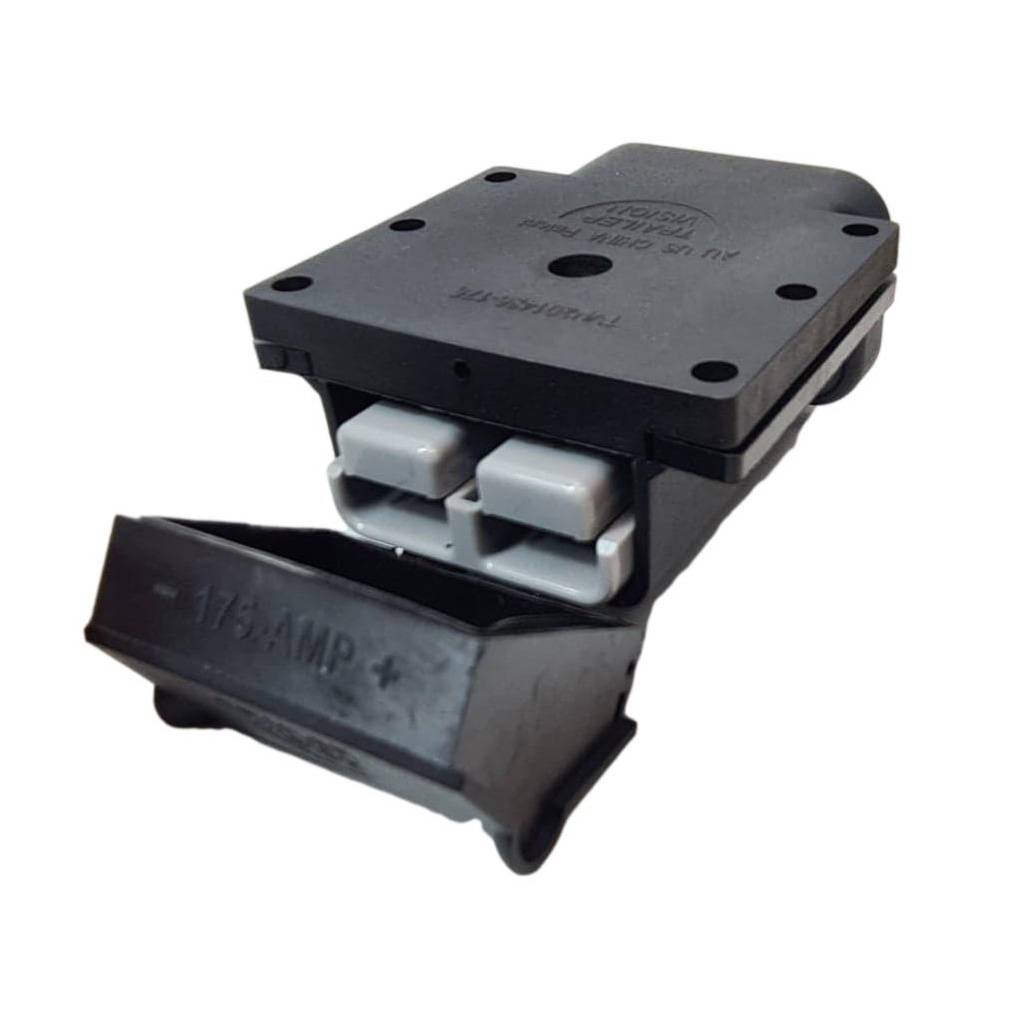
For an exposed Anderson connection or solar lead, the complete assembly matters. Tinned cable helps protect the conductor, but connector quality, strain relief, terminal crimping and weather protection determine whether the lead remains reliable over time.
When Standard Bare Copper Cable Is the Better Buy
Bare copper automotive cable remains the practical choice for plenty of jobs. Internal accessory wiring behind a dash, inside a dry canopy, through a protected cabin, or within a sealed electrical enclosure usually does not need the added corrosion resistance of tinned conductors.
It is also a sensible option for general wiring where the cable is protected by conduit, properly terminated and inspected as part of normal vehicle maintenance. For installers and workshops, using quality bare copper cable of the correct size can provide reliable service while keeping a job within budget.
Avoid confusing bare copper automotive cable with low-grade cable that uses undersized conductors or copper-clad aluminium. Copper-clad aluminium may be cheaper and lighter, but it has higher resistance and is not a like-for-like substitute for properly sized copper cable in high-current 12V or 24V systems. Check the conductor material, cable size and temperature rating before fitting it.
Insulation and Terminations Matter as Much as the Conductor
A tinned conductor cannot compensate for insulation that cracks in heat, melts near an exhaust, or breaks down under UV exposure. Likewise, the best cable is only as reliable as its termination. Loose terminals create resistance, resistance creates heat, and heat can damage both the cable and connected equipment.
Match the insulation to the location. Automotive cable needs insulation suitable for vibration, heat and abrasion. Marine cable should be rated for the conditions it will encounter. Runs through panels, chassis rails and sharp-edged openings need grommets, conduit or abrasion protection. Secure the cable so it cannot rub, sag or pull against a terminal.
For high-current leads, use the correct lug size and a proper crimping tool. A neat soldered joint is not automatically better in a vehicle, as solder can wick into strands and create a stiff point that is more vulnerable to vibration. A correctly crimped lug, protected with adhesive-lined heatshrink where suitable, is the preferred approach for many automotive and marine applications.
Choosing Cable for 12V and 24V Systems
Start by working out the current draw, cable run length and acceptable voltage drop. Then select the cable cross-section and fuse protection to suit the circuit. This applies whether the cable is tinned or bare copper.
A short LED lighting circuit and a long inverter feed are not comparable jobs. Higher current and longer runs require more conductor area. At 12V, voltage drop becomes noticeable quickly, especially with fridges, compressors, pumps, chargers and DC accessories that have low-voltage cut-outs. A 24V system is more forgiving for a comparable power load, but cable sizing still needs to be calculated correctly.
Once the electrical requirements are covered, assess the environment. If the run is dry, protected and accessible, quality bare copper cable may be the right call. If it is exposed to moisture, salt, road grime or difficult-to-service locations, tinned cable offers useful insurance against corrosion.
The best cable choice is the one that suits the load, the route and the conditions it will actually face. For a critical battery, solar or accessory lead, it pays to choose the conductor and protection system before the vehicle is packed and heading out.