

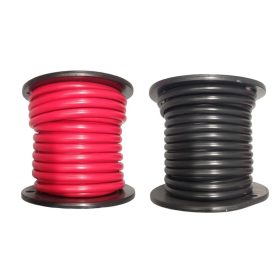
 Cable Automotive / Marine
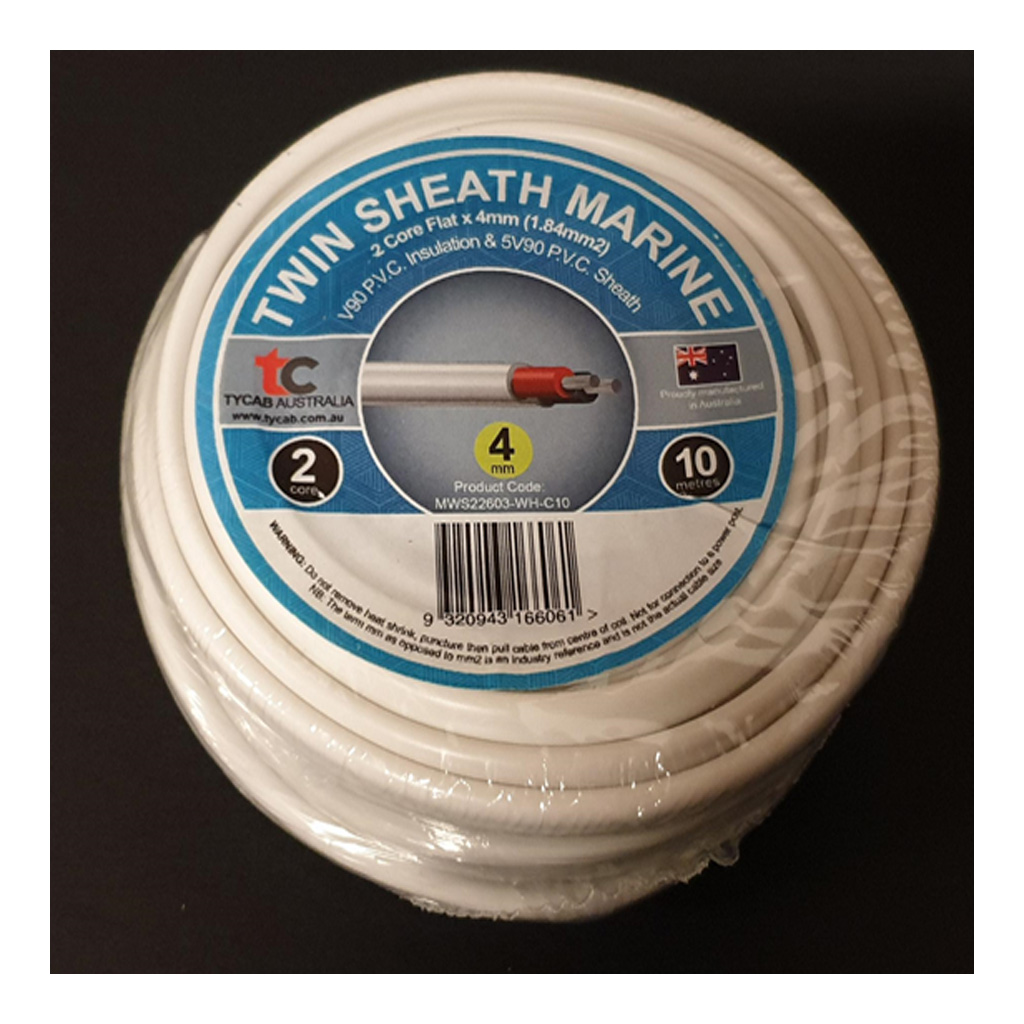
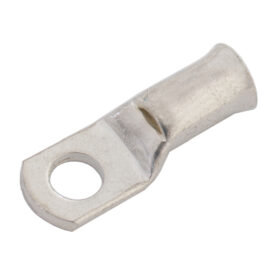 Cable Lugs
 Cable Lug Assortment Kits
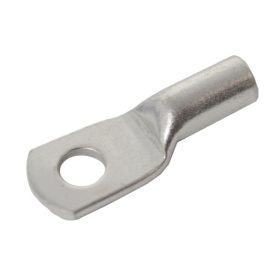 Cable Lugs Straight Wall Closed
 Cable Glands
 Convoluted Split Tubing
 12/24v Products & Access
 Electrical Connectors
 Solar Powered Products
 LED Lights

 Tools


 Auto Parts & Categories

 Fittings
 Cleaning & Misc
 Clearance & Promotion
Latest News
Choosing Marine Grade Cable for Harsh Conditions
Aug
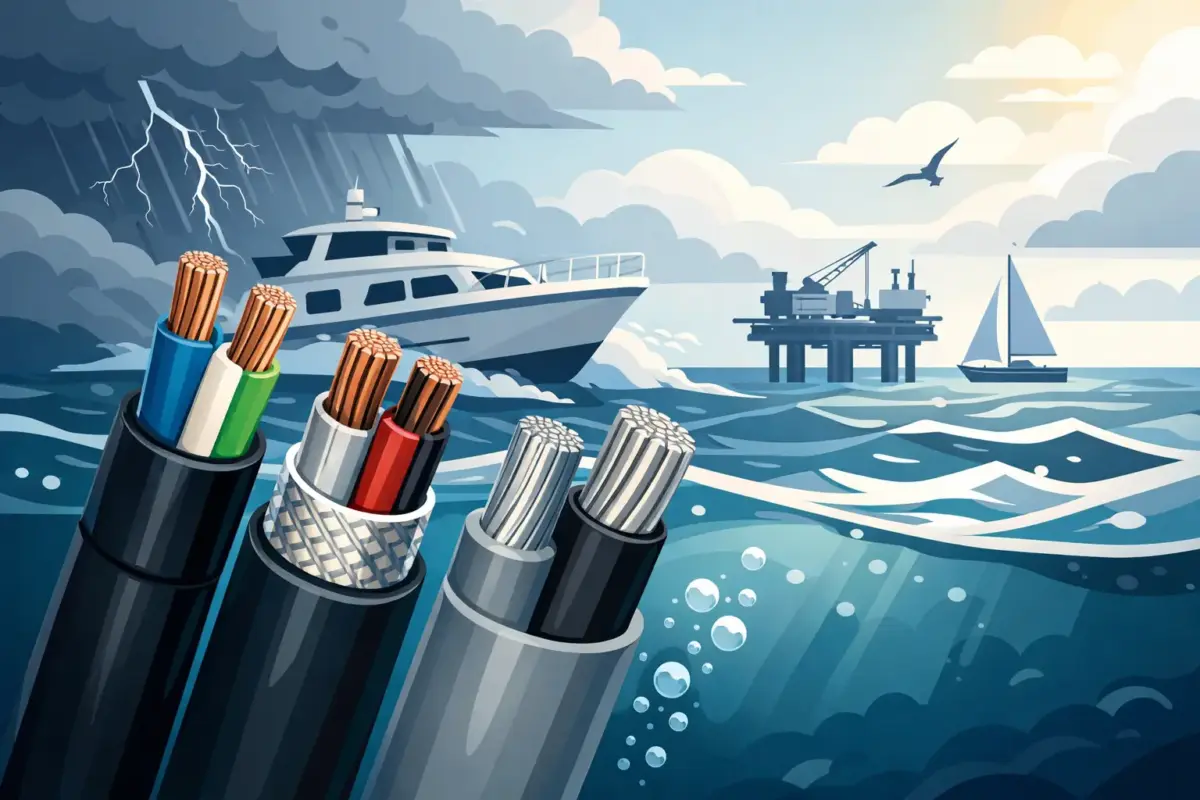
A cable run can look perfectly sound from the outside while corrosion is already working its way through the conductor. That is why marine grade cable for harsh conditions needs to be selected as part of the whole 12V or 24V system, not treated as a minor finishing item. On a boat, in a wet bilge, around a saltwater launch ramp or on a coastal work vehicle, ordinary automotive cable may not last as expected.
What makes marine grade cable different?
The main difference is usually the conductor. Quality marine cable uses finely stranded, tinned copper conductors. The tin coating helps slow corrosion when moisture and salt find their way past a terminal, damaged insulation or an imperfect seal. It does not make cable invincible, but it gives the installation a far better chance of remaining serviceable over time.
Fine-strand copper is also useful where cable must flex. Boats, trailers and mobile equipment are subject to vibration, movement and repeated bending. A flexible cable is easier to route through tight spaces and less likely to suffer fatigue at a termination than a stiff, coarse-strand alternative.
The outer insulation matters just as much. Marine-rated cable is generally built with insulation that handles moisture, oil, fuel splash, abrasion and UV exposure better than basic light-duty cable. For runs exposed to sun, spray or deck traffic, the sheath is part of the protection system, not just a coloured covering.
That said, the term marine grade is not a substitute for checking specifications. Cable still needs the correct conductor size, temperature rating, voltage rating and construction for the job. A tinned cable that is too small for the current draw will still create voltage drop and heat.
Where harsh conditions cause cable failures
Saltwater is the obvious issue, but it is rarely the only one. Condensation in enclosed lockers, damp carpeted compartments, bilge water, battery fumes, heat near engines and vibration at the transom all put pressure on a cable installation. In Australian conditions, UV can quickly harden or damage unsuitable insulation on exposed runs.
Corrosion often starts at cable ends. Once moisture reaches bare copper under a lug or crimp, it can creep back beneath the insulation. The result can be a green, black or powdery conductor, higher resistance and intermittent performance from equipment that appears to have no obvious fault.
This is especially common on battery leads, trailer wiring, deck lighting, pumps, winches, sounders and portable fridge circuits. A poor crimp, exposed terminal or undersized cable can turn a simple repair into a fault that is difficult to trace while away from the ramp or marina.
Selecting marine grade cable for harsh conditions
Start with the load, not the cable colour. Work out the maximum current the circuit will carry, then measure the full cable path from supply to load and back again. On DC systems, voltage drop is determined by the total circuit length. A 5-metre run to a device is usually a 10-metre circuit when the positive and negative paths are both included.
For low-current lighting or switching circuits, smaller cable may be suitable. For pumps, compressors, inverters, electric anchor winches, battery chargers and larger DC accessories, cable size becomes critical. Equipment may still turn on with an undersized feed, but it can run poorly, draw more current or shut down under load because voltage at the appliance is too low.
There is no single cable size that suits every 12V or 24V installation. A short run to an LED light has very different requirements from a long battery-to-battery lead in a cruiser or a feed to a high-output electric motor. If the circuit is marginal, move up a cable size rather than accepting excessive voltage drop.
For many installations, cable construction should also match the route:
- Single-core cable suits protected runs where positive and negative conductors are routed separately.
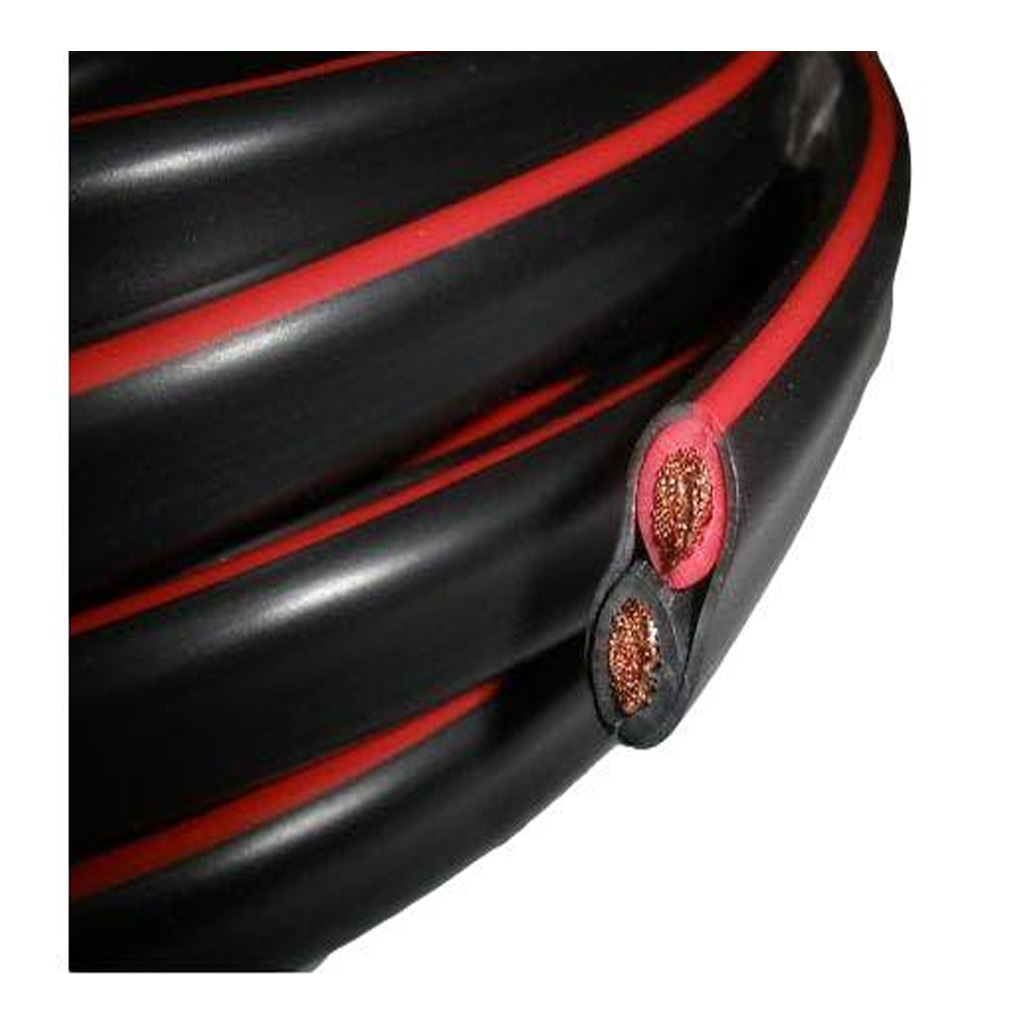
- Twin-sheathed cable keeps paired conductors together and is often easier to secure and identify in a neat installation.
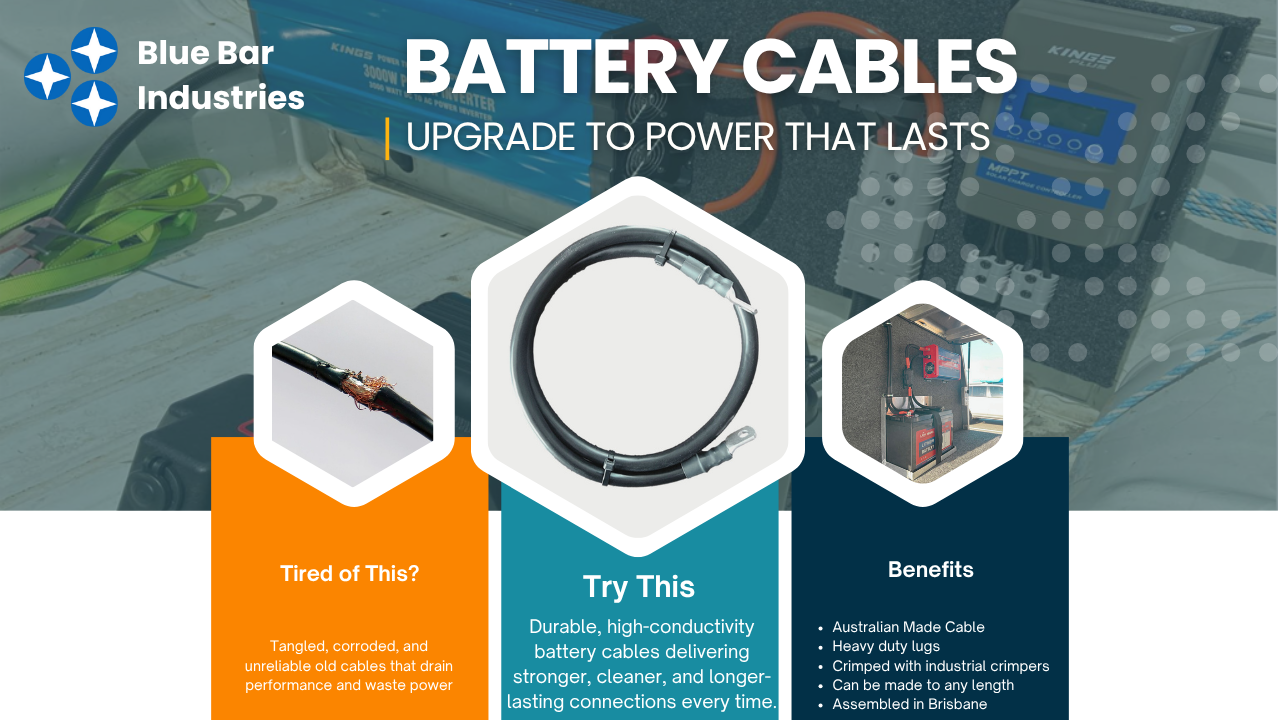
- Heavy battery cable is suited to starter circuits, house battery links, high-current loads and custom power leads.
- Split conduit, braided sleeve or additional sheathing helps where cable passes through bulkheads, runs beside sharp edges or is exposed to abrasion.
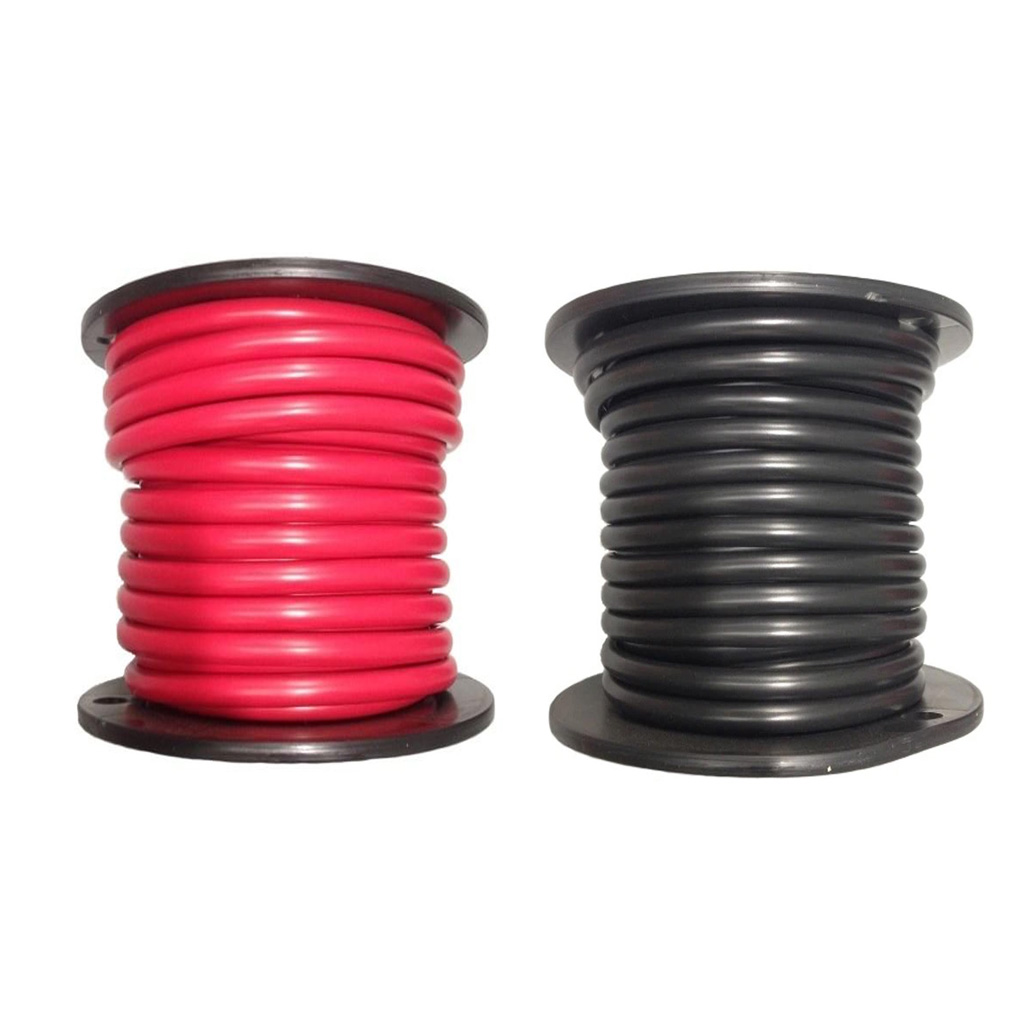
Choose colours and markings that make future fault-finding easier. Red is commonly used for positive and black for negative in DC systems, but the key is consistency. Clearly label both ends of every cable, particularly where several batteries, chargers, solar inputs and distribution points are fitted.
Do not size cable by amp rating alone
Amp rating is only part of the decision. It is influenced by how the cable is installed, including whether it is bundled with other conductors, enclosed in conduit, exposed to heat or run through a confined space. A cable that is acceptable in free air can behave differently when installed beside several loaded cables in an engine compartment.
Voltage drop needs equal attention. Sensitive electronics, refrigeration, water pumps and DC-DC chargers can all be affected by a poor supply voltage. For essential circuits and long runs, it is usually worth allowing more conductor area from the start. The extra cost of larger cable is modest compared with re-running a finished fit-out later.
Terminations are part of the cable system
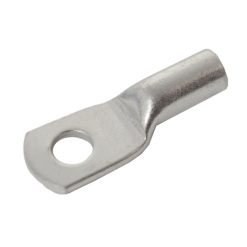
Marine cable only performs as well as the terminals fitted to it. Use lugs, ferrules, terminals and connectors designed for the cable size and the environment. A loose terminal creates resistance and heat. A terminal that is not sealed leaves a path for moisture to enter the conductor.
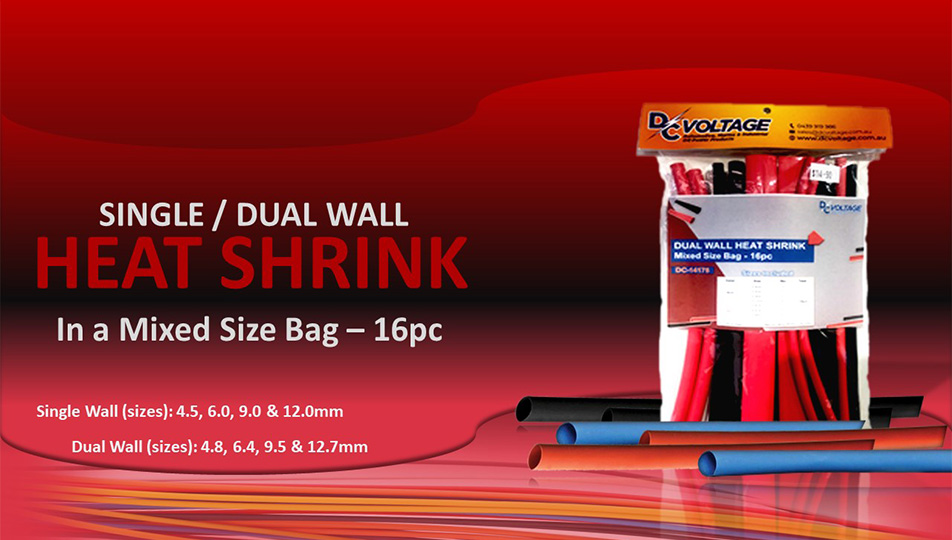
For battery and high-current connections, correctly sized heavy-duty lugs and a proper crimping tool are the standard approach. The crimp should be mechanically secure before any heatshrink is applied. Adhesive-lined heatshrink is particularly useful around lugs and joins because it forms a tighter seal than ordinary heatshrink when installed correctly.
Avoid relying on solder alone for cable terminations in high-vibration applications. Solder can wick up fine strands, creating a rigid section that may fatigue near the end of the joint. A quality mechanical crimp, supported cable and suitable sealing are generally the better combination for mobile systems.
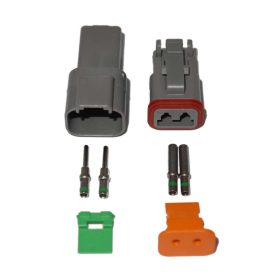
Connectors also need to match the current and location. A small inline connector may be fine for lighting but unsuitable for a battery feed or large pump. Where connections are exposed, use weather-resistant connectors and mount them where they are protected from direct spray, standing water and mechanical damage.
Installation details that prevent repeat repairs
Support cable at regular intervals so it cannot rub, sag or move against sharp edges. Use grommets wherever a cable passes through metal, fibreglass or a bulkhead. Keep cable clear of exhaust components, engine heat, moving steering gear and areas where gear or stored equipment can crush it.
Leave enough service length to remove a panel or service an item without stretching the cable, but do not leave loose coils that can trap water or snag. Route high-current power cables separately from sensitive signal wiring where practical. This helps reduce electrical interference and makes the system easier to inspect.
Every positive conductor connected close to a battery should have appropriate circuit protection. A fuse or circuit breaker protects the cable, so its rating must suit the conductor size and circuit design rather than simply matching the appliance label. The protection device should be positioned as close to the power source as practical.
For trailer, caravan and 4WD owners operating near the coast, these same principles apply. Marine-grade tinned cable is a sensible choice for battery boxes, external solar leads, rear-mounted accessories and trailer wiring that sees salt spray, creek crossings, dust and road vibration. It can cost more than standard cable, so it is most valuable where exposure and repair access justify the upgrade.
Inspect cable before a failure stops the trip
Make cable inspection part of routine servicing. Check battery lugs, isolators, fuse holders, charging connections and any wiring in wet or hot areas. Look for swelling in insulation, faded or cracked sheath, loose supports, heat marks, green corrosion and stiff sections near terminals.
If corrosion has travelled inside the conductor, cutting back to clean copper may be necessary. Simply fitting a new lug to visibly corroded cable often leaves the underlying problem in place. Replace suspect sections, seal the ends properly and address the cause, whether it is water entry, vibration, an overloaded circuit or an unprotected cable route.
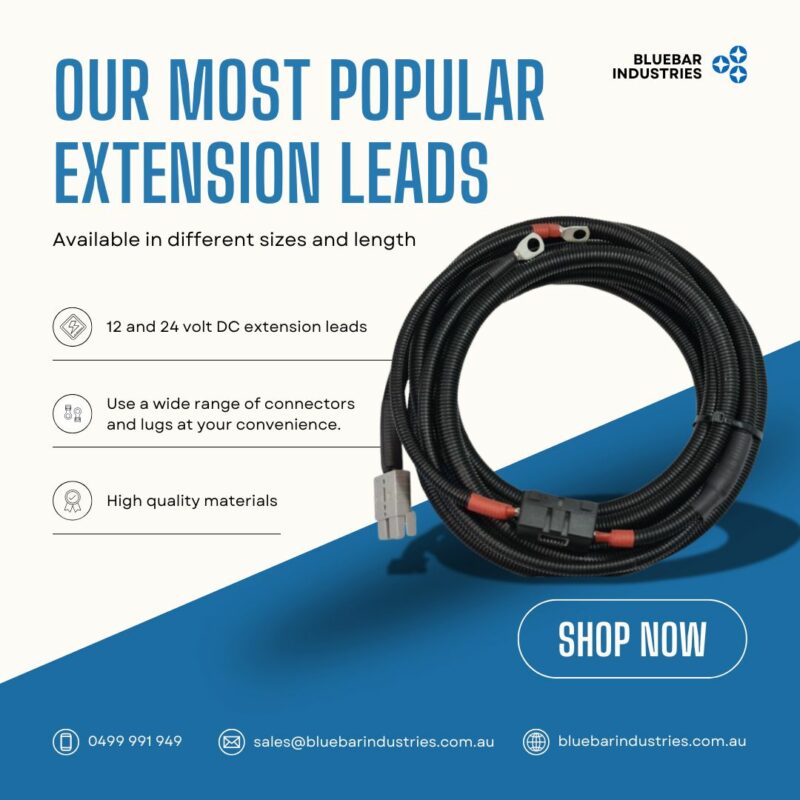
Bluebar Industries supplies cable, heavy-duty lugs, heatshrink, connectors, protection products and custom 12V and 24V power leads for applications where a standard light-duty solution is not enough. Selecting compatible components from the start makes the job cleaner and easier to maintain.
The best time to improve a cable run is before panels go back on and gear gets loaded aboard. Use cable that suits the environment, size it for the actual load and route it so the next inspection is simple rather than a weekend fault-finding exercise.