

 Cable Automotive / Marine
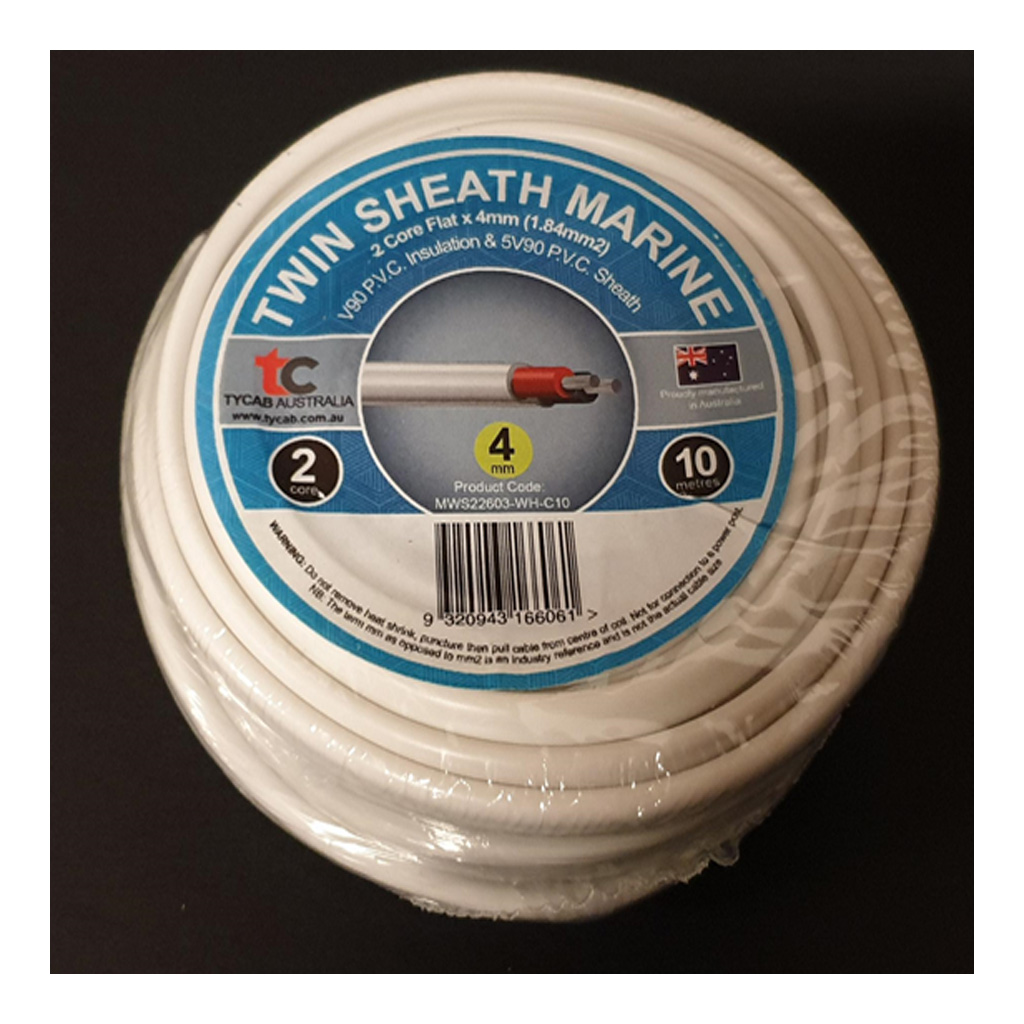
 Cable Lugs
 Cable Lug Assortment Kits
 Cable Lugs Straight Wall Closed
 Cable Glands
 Convoluted Split Tubing
 12/24v Products & Access
 Electrical Connectors
 Solar Powered Products
 LED Lights

 Tools


 Auto Parts & Categories

 Fittings
 Cleaning & Misc
 Clearance & Promotion
Latest News
Best Panel Mount Sockets for 12V and 24V
Nov
A loose or poorly matched outlet can turn a simple fridge lead, tyre compressor or camp-light connection into a fault-finding job. The best panel mount sockets are not necessarily the most expensive option. They are the sockets that suit the accessory plug, current draw, mounting location and conditions your vehicle, caravan, boat or work setup will actually face.
For 12V and 24V systems, socket selection starts with the load. A charging lead for a phone, a portable compressor and a high-current inverter connection should not be treated as the same job. Get the socket type, cable size, fuse protection and termination right from the start, and the installation is safer, neater and easier to service.
Best panel mount sockets: match the socket to the load
There is no single best socket for every touring or trade vehicle. The right choice depends on whether you need a general-purpose accessory outlet, a vibration-resistant connection, a dedicated solar or charging point, or a higher-current supply.
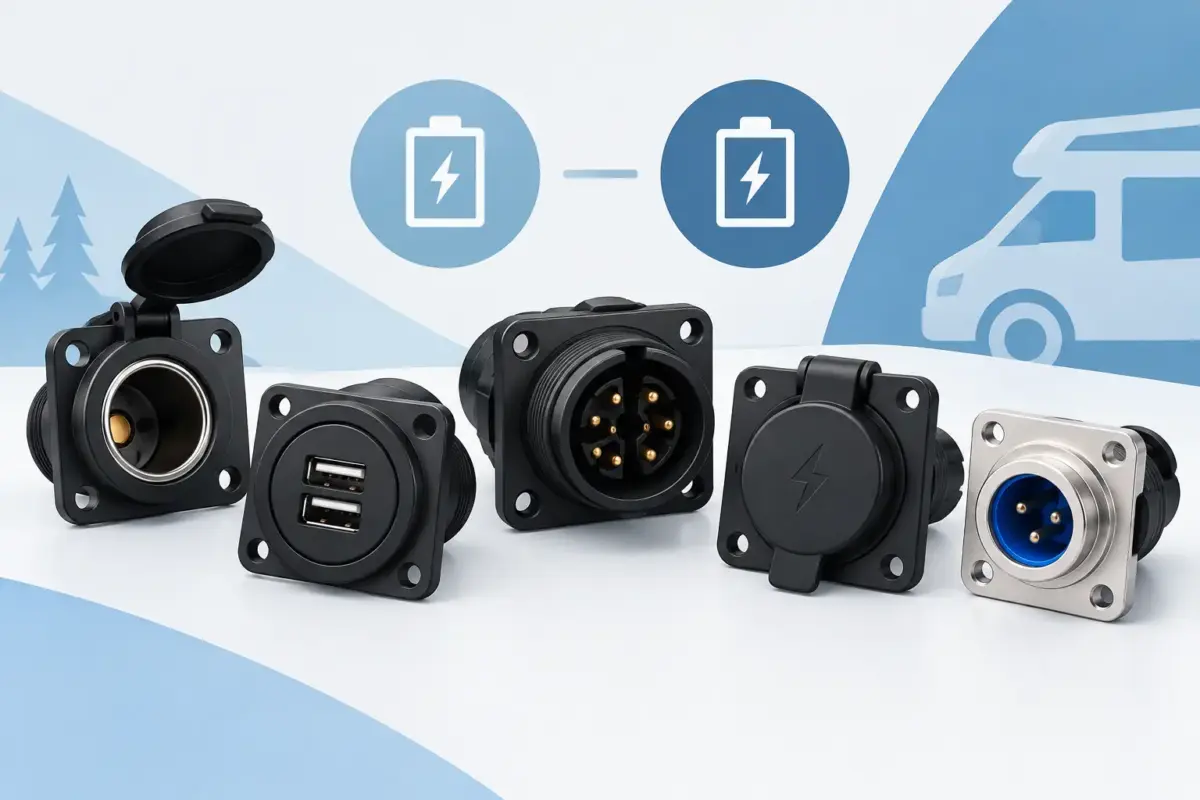
A conventional 12V cigarette-style accessory socket remains useful because many common accessories are supplied with that plug. It is a practical option for low to moderate current loads such as LED lights, USB adaptors, small pumps and some portable appliances. Quality matters here. A cheap socket with weak internal contacts can heat up under load, particularly on corrugated roads or when the plug is regularly moved.
Merit or Hella-style sockets are generally a better choice where vibration resistance is a priority. Their smaller plug and positive fit make them well suited to 4WDs, caravans, camper trailers and marine fit-outs. They are commonly used for fridges and other accessories where a standard cigarette plug may work loose. Check the rating of both the socket and the mating plug, as not every accessory lead uses the same standard.
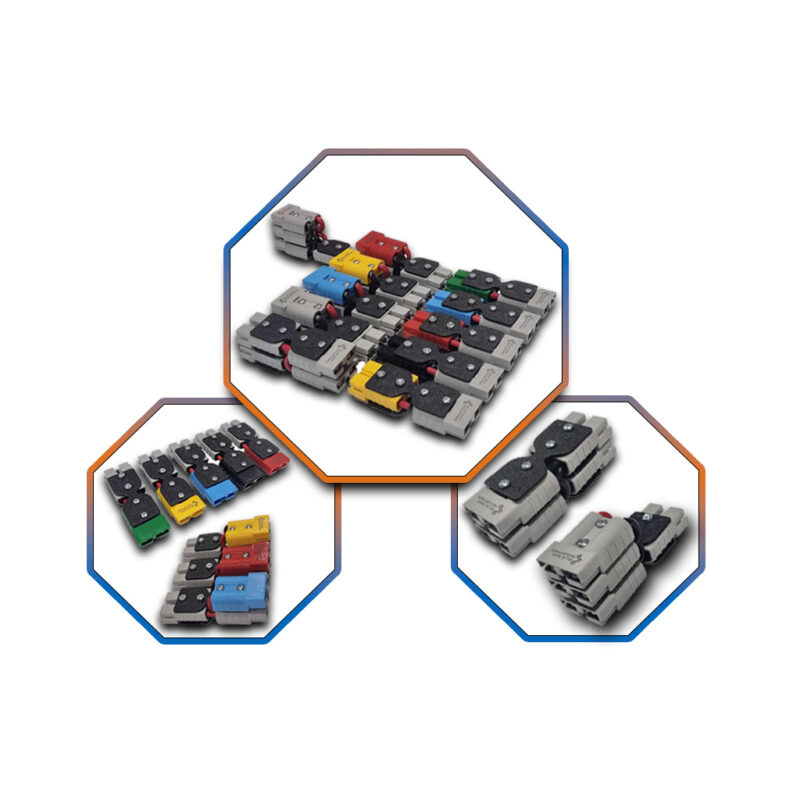
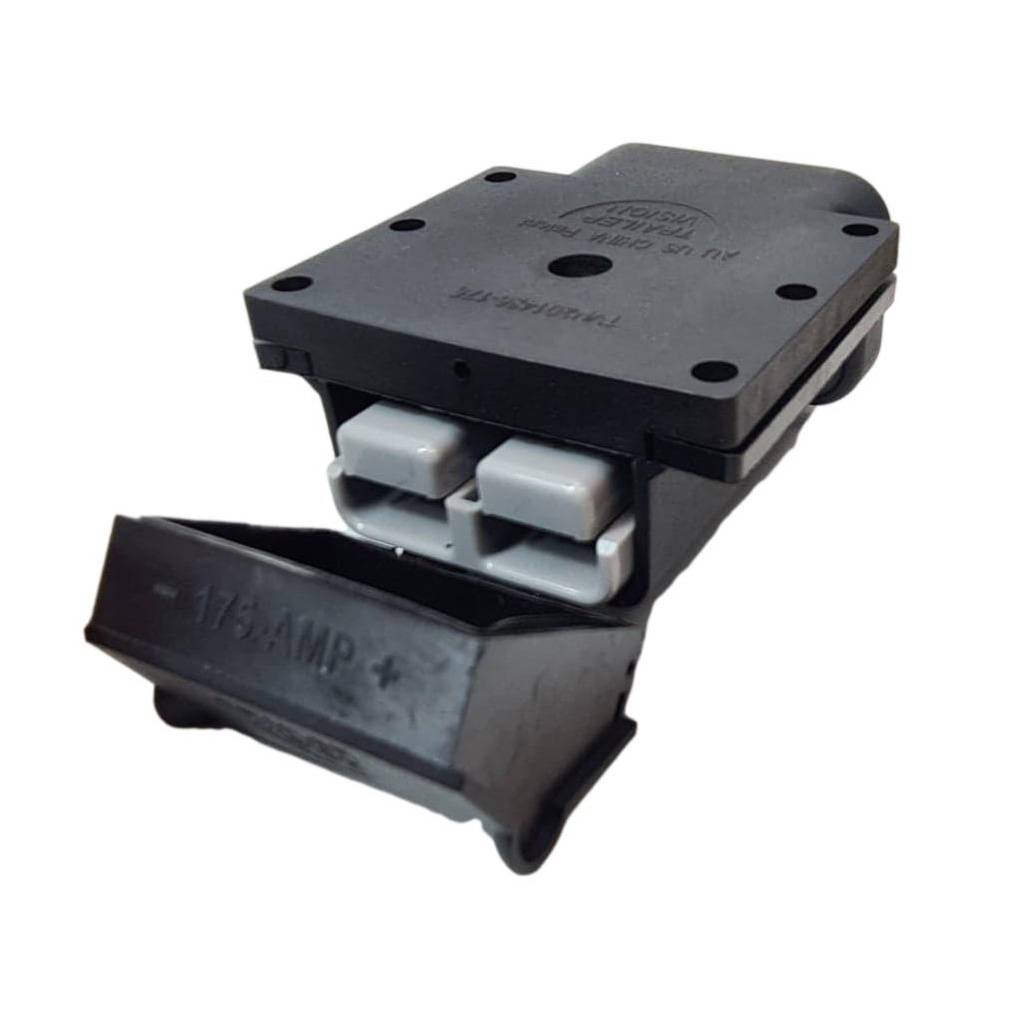
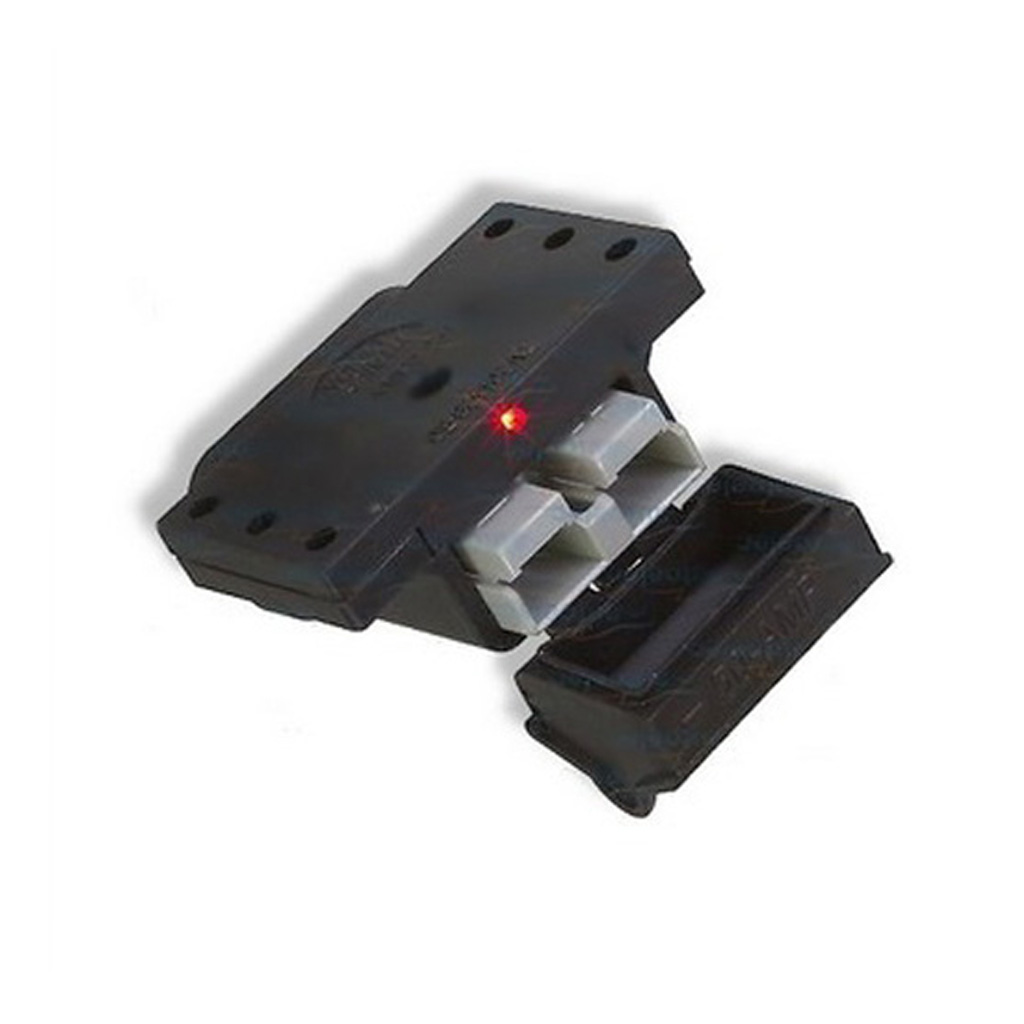
For higher-current work, an Anderson-style panel mount connection is often the better answer. These connectors are widely used for dual-battery charging, portable solar, fridge power, trailers and external battery connections. They provide a more positive connection than an accessory socket and are available in sizes suited to different current demands. The connector must still be matched with the correct cable, terminals, crimping method and fuse arrangement.
USB panel mount outlets have a different role again. They are convenient for charging phones, tablets, cameras and other low-voltage devices, but they are not a substitute for a 12V accessory outlet where a device needs direct DC power. Look at the total output, the USB type and the charging protocol before fitting one. A modern USB-C outlet may be worthwhile for newer devices, while a mix of USB-A and USB-C can suit a family touring setup.
Current rating is only part of the picture
A socket rating tells you the maximum current it is designed to carry under specified conditions. It does not mean the rest of the circuit can safely carry that current. Cable size, cable length, terminal quality, fuse size and the connected accessory all need to work together.
A 10A or 15A accessory outlet may be adequate for a small compressor or portable light, provided the manufacturer confirms the load is within the socket rating. It is not the right place to connect a high-draw inverter, large air compressor or battery charger simply because the plug happens to fit. High current through undersized contacts creates heat, voltage drop and potential damage to plugs, sockets and wiring.
Voltage drop is particularly relevant in caravans and 4WDs, where cable runs can be several metres long. A fridge may start and appear to run on a marginal circuit, then cut out when voltage at the socket falls too low. This is one reason a secure, properly rated connection and correctly sized cable make a real difference on the road.
For 24V vehicles, confirm that the panel mount socket is rated for 24V operation. Some outlets and USB chargers are designed only for 12V systems, while others have a stated 12V to 24V input range. Never assume a familiar-looking socket or charger is compatible with a truck, plant vehicle or 24V work setup.
Choose a housing that suits the mounting location
The dashboard is not the only place panel mount sockets are fitted. They are often installed in rear drawer systems, canopy walls, caravan lockers, boat consoles, service bodies and trailer boxes. Where the socket is mounted has a direct effect on the type of housing and protection it needs.
An interior dash-mounted outlet may only need a tidy faceplate and secure rear terminals. A socket exposed to dust, rain, wash-down, salt air or mud needs more protection. Look for a cover that closes properly, a sealing gasket where required, corrosion-resistant terminals and a housing built for the environment. A cap is useful only if it can remain closed when the socket is not in use.
Flange size and cut-out diameter also matter. Measure the panel thickness, available rear clearance and hole size before ordering. Some outlets use threaded retaining nuts, while others screw into a faceplate or mounting bracket. A socket that looks right from the front can be difficult to install if there is no space behind the panel for terminals, cable bends or protective boots.
If fitting sockets in a canopy or caravan exterior, position them where leads will not hang across door openings, sharp edges or hot exhaust-side areas. Consider where water runs after rain and whether the lead will be under strain when connected. A simple mounting position can prevent broken plugs and damaged cable later.
Terminals and wiring determine long-term reliability
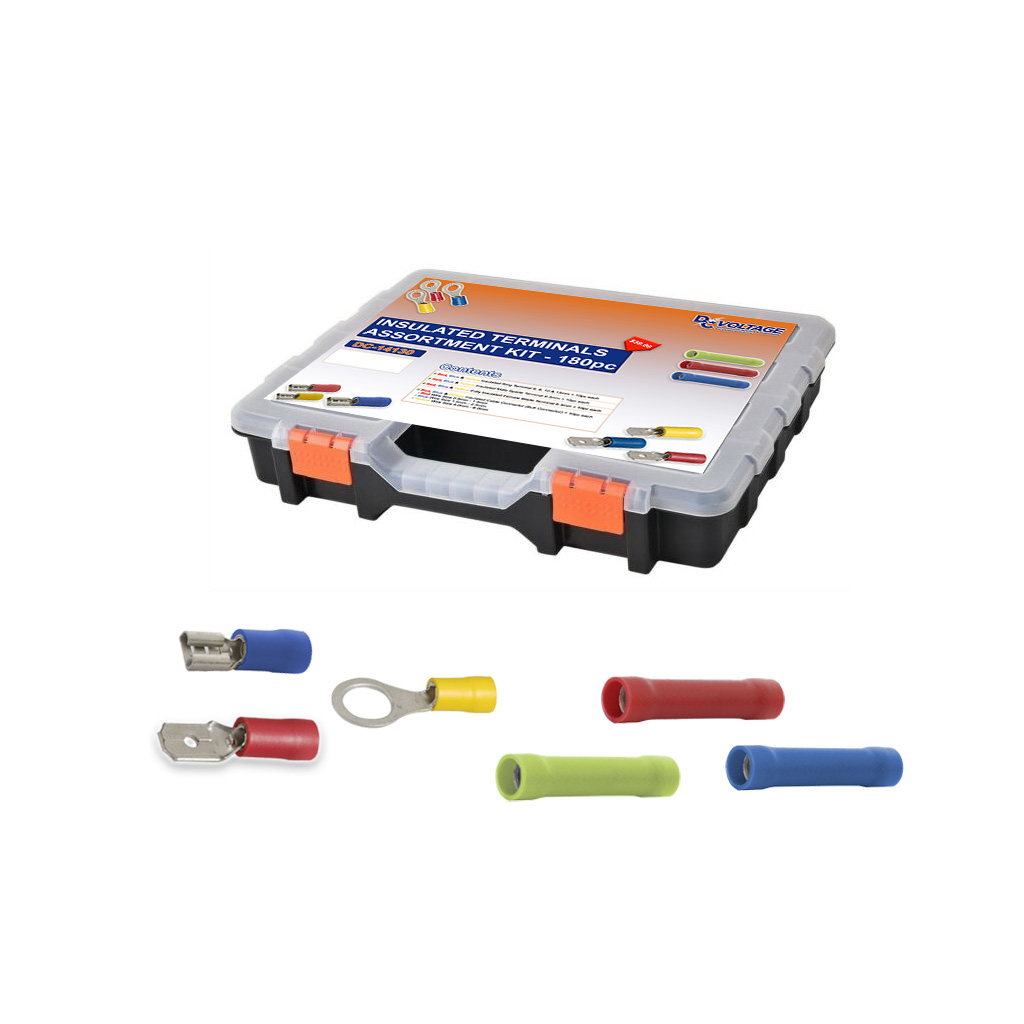
The back of the socket deserves as much attention as the front. Panel mount sockets may use blade terminals, screw terminals, solder lugs or integrated flying leads. For automotive and mobile applications, quality crimp terminals and the correct crimping tool are usually the practical choice. A poor crimp may look acceptable initially but can loosen with heat and vibration.
Use cable sized for the load and the full cable run, not just the socket rating. Protect positive feeds with a correctly sized fuse located as close as practical to the battery or power distribution source. If several outlets are supplied from a central fuse block, each branch circuit should have protection appropriate to its cable and intended load.
Where wiring passes through metal, use grommets or conduit to prevent chafing. Secure cable at sensible intervals and leave enough service length to remove a socket for inspection or replacement. In a caravan, ute canopy or marine compartment, labelled wiring saves time when faults need to be traced months down the track.
Polarity is also critical. Before connecting an accessory socket, test it with a multimeter. On standard 12V accessory sockets, the centre contact is normally positive and the outer body is negative. Reversed polarity can damage accessories, chargers and electronic equipment.
A practical socket setup for touring and work vehicles
Many vehicles benefit from more than one socket type rather than relying on a row of identical outlets. A common practical arrangement is a standard accessory or USB outlet in the cabin for small devices, a Merit-style outlet for a fridge or dedicated camping accessory, and an Anderson-style panel connection at the rear for solar, trailer power or battery charging.
That approach keeps low-current convenience loads separate from higher-current power duties. It also reduces the temptation to use adaptors and splitters as permanent wiring solutions. Adaptors can be useful for temporary connections, but every extra joint is another possible point of resistance, water entry or accidental disconnection.
For trade vehicles and service bodies, socket placement should reflect the tools and equipment used every day. A rear-mounted outlet may be more useful than another dash socket if it powers a work light, diagnostic gear or portable pump. For caravans, think about where the fridge, camp lighting, water pump accessories and charging leads will be used, not just where there is spare panel space.
Bluebar Industries stocks panel mount power components suited to practical 12V and 24V installations, alongside cable, connectors, fuses, terminals and the tools needed to complete the job properly. Selecting compatible components from the outset is easier than reworking an overloaded or poorly located outlet later.
The best result is a socket installation that feels uneventful: plugs stay connected, voltage remains stable, covers keep dust out, and the circuit is easy to inspect when you need it. That is the standard worth aiming for before the next trip, shift or long run down the track.