

 Cable Automotive / Marine
 Cable Lugs
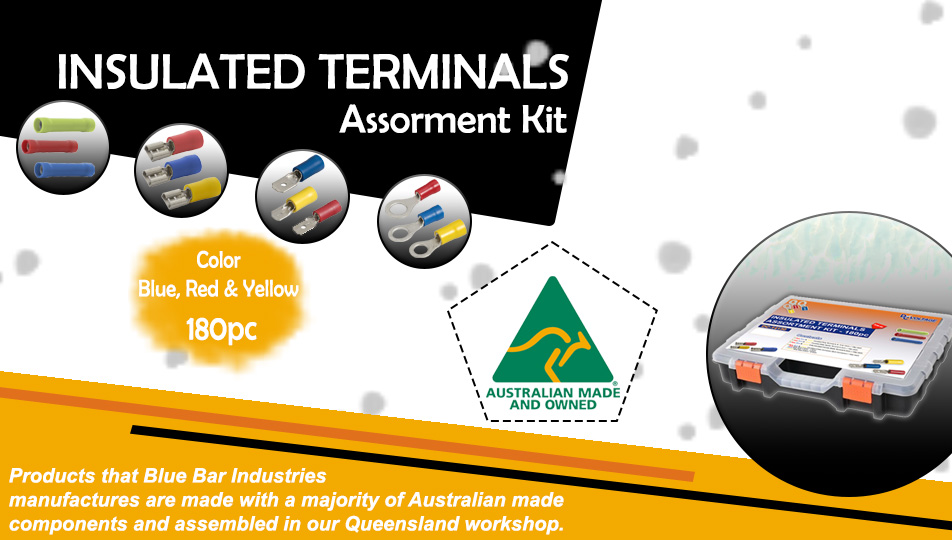
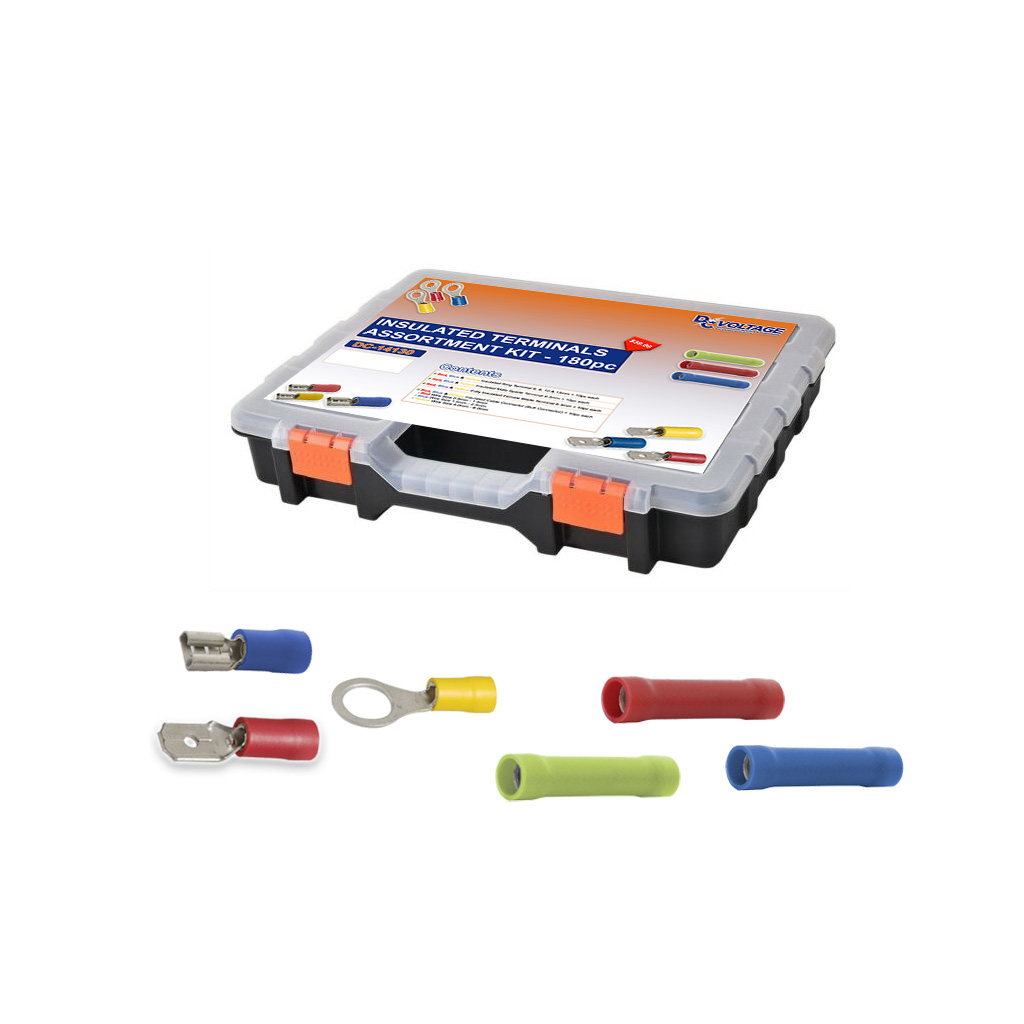
 Cable Lug Assortment Kits
 Cable Lugs Straight Wall Closed
 Cable Glands
 Convoluted Split Tubing
 12/24v Products & Access
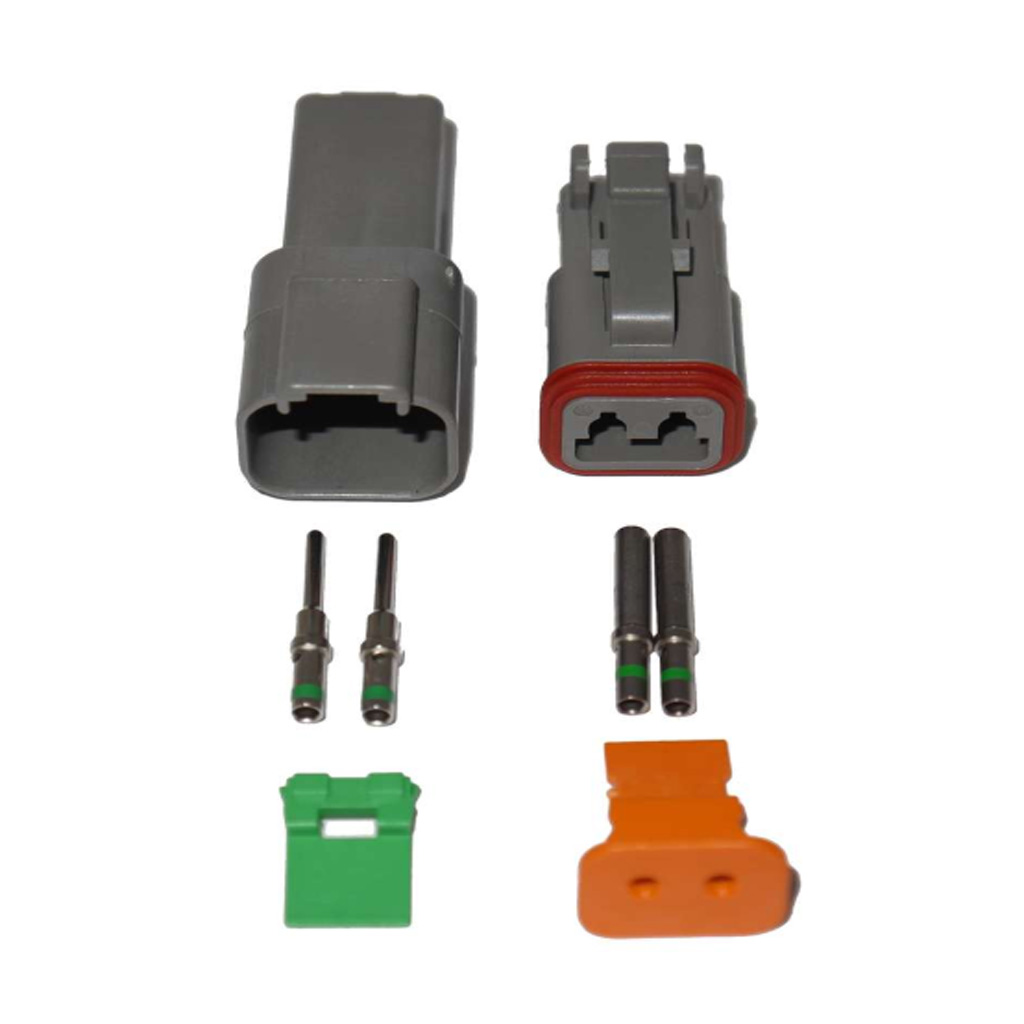
 Electrical Connectors
 Solar Powered Products
 LED Lights

 Tools

 Auto Parts & Categories

 Fittings
 Cleaning & Misc
 Clearance & Promotion
Latest News
Automotive Fittings That Hold Up on the Road
Oct
A loose cable under a 4WD, an unsealed entry point in a caravan wall or a connector hanging by its wires can turn a simple accessory install into an avoidable breakdown. The right automotive fittings do more than make a job look tidy. They secure cable, protect insulation, seal out dust and moisture, and reduce the strain placed on terminals, plugs and electrical equipment.
For 12V and 24V installations, fittings are the small components that determine whether the larger, more expensive parts get the protection they need. A quality solar lead, battery charger or work light can only perform as intended when its cable routing, mounting and connections are properly supported.
What counts as automotive fittings?
Automotive fittings cover the hardware used to mount, retain, protect, seal and finish an installation. In electrical work, this commonly includes cable glands, grommets, conduit fittings, clips, P-clamps, mounting bases, cable ties, heat shrink, terminal boots and sealing hardware.
The category also overlaps with practical vehicle hardware. Fasteners, brackets, cable protection and mounting accessories all play a part in keeping wiring and equipment in place. The exact fittings required depend on the vehicle, the environment and what is being fitted. A dual-battery system in a touring wagon has different needs to deck lighting on a boat or a 24V accessory setup on a work ute.
The key point is that fittings should be selected as part of the system, not as an afterthought once the cable has already been run.
Why automotive fittings matter in 12V and 24V systems
Vibration is constant in vehicles. Corrugations, rough tracks, washouts and everyday road movement can cause unsupported cable to rub through its insulation or work loose at a connection. On a caravan, movement between the chassis and body can place extra stress on wiring runs. In marine use, salt, moisture and UV exposure add another layer of risk.
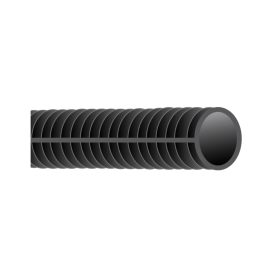
A correctly sized cable gland at an enclosure entry reduces movement and helps maintain a seal. A grommet prevents a cable from chafing against a sharp metal edge. Split conduit or corrugated tubing shields wiring in exposed areas, while clamps hold the run in a controlled position rather than letting it sag or bounce.
These measures protect against nuisance faults, but they also help prevent short circuits, voltage drop caused by damaged cable, water ingress and premature failure of accessories. That matters whether the circuit feeds a fridge, inverter, UHF, LED light bar, trailer plug or charging system.
Start with the installation environment
There is no single best fitting for every job. The right choice starts with where the component will live and what it will be exposed to.
Inside a dry cabin or canopy, cable management may be the main requirement. Adhesive mounts, cable ties, convoluted tubing and basic grommets can provide a clean result when installed on sound, clean surfaces. Under a bonnet, however, heat, oil, vibration and abrasion call for higher-temperature materials, secure mechanical fixing and protection that will not go brittle.
Underbody and chassis wiring needs particular attention. Use fittings that can handle grit, water and impact, and avoid routes where cable can contact moving suspension parts, exhaust components, driveshafts or sharp brackets. If a cable has to cross a panel edge, fit an appropriate grommet or edge trim rather than relying on tape or a section of hose pushed over the wire.
For caravans, campers and boats, sealing is often the deciding factor. Cable entries through roofs, walls, lockers and electrical enclosures should be matched to the cable diameter and installed on a properly prepared surface. A gland that is too large cannot grip the cable effectively. One that is too small may damage the insulation or prevent the cable from passing through cleanly.
Cable glands, grommets and conduit fittings
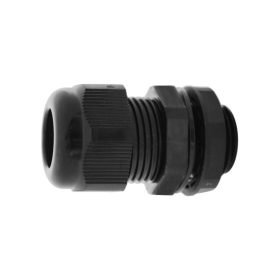
Cable glands and grommets can appear interchangeable, but they do different jobs. A grommet protects cable where it passes through a hole, particularly in sheet metal. It does not necessarily create a weatherproof seal or provide strong strain relief. A cable gland is designed to grip the outer sheath and, when selected and installed correctly, seal the entry point into a box, canopy, cabinet or panel.
For external applications, check the gland material, sealing design and suitability for UV exposure. Plastic glands are common and practical for many jobs, while nickel-plated brass options may suit applications needing greater mechanical durability. Match the thread type and mounting hole size before drilling or cutting a panel.
Conduit fittings matter just as much as the conduit itself. A conduit run that is left open at an entry point can collect dirt and moisture, while poorly supported conduit can rub through or split. Use compatible fittings, bends and clamps so the cable path remains protected from start to finish.
Secure cable without crushing it
Cable ties are useful, but they are not a universal fixing solution. Overtightened ties can deform insulation, especially on softer sheathed cable, and standard nylon ties can become brittle after prolonged UV exposure. For external runs, use UV-stabilised ties and trim the tails flush to avoid sharp edges.
P-clamps, saddle clamps and purpose-made cable clips are often the better choice for permanent runs. They spread support over a wider area and can be screwed or bolted into place. Select the clamp size to suit the outside diameter of the cable or conduit. If the clamp is too tight, it can damage the sheath; too loose, and the cable may move enough to chafe.
Spacing also matters. Long unsupported lengths invite movement, particularly on corrugated roads. Secure runs near connectors, junctions, changes in direction and points where the cable enters a protective sleeve. Leave enough service length at equipment for maintenance, but do not coil excess cable into a loose bundle where it can trap heat, water or dirt.
Protect every penetration and termination
The weakest point in an install is often where cable changes direction, enters an enclosure or terminates at a component. This is where fitting selection has the greatest payoff.
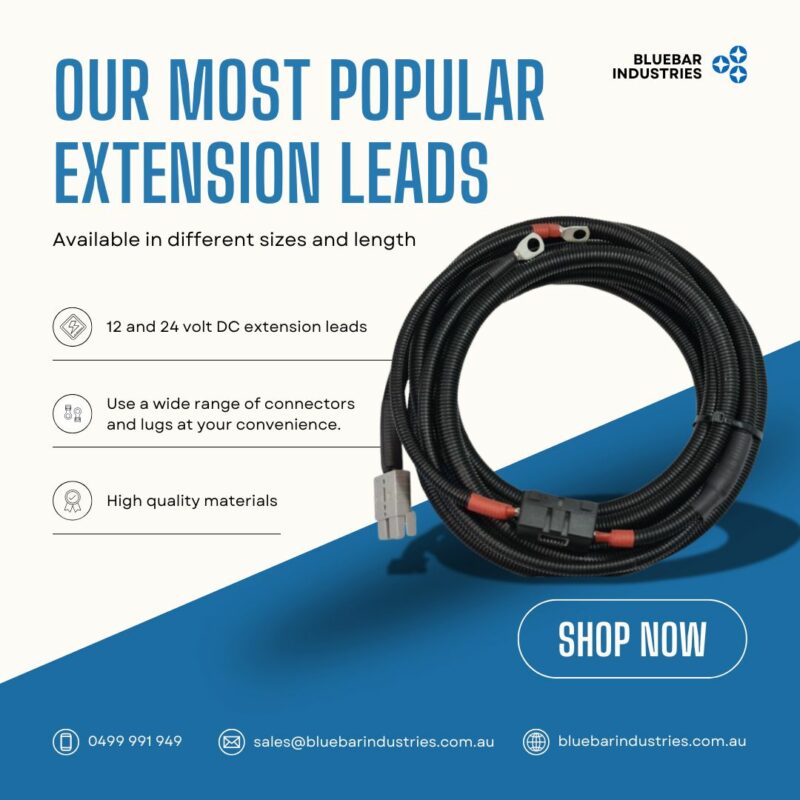
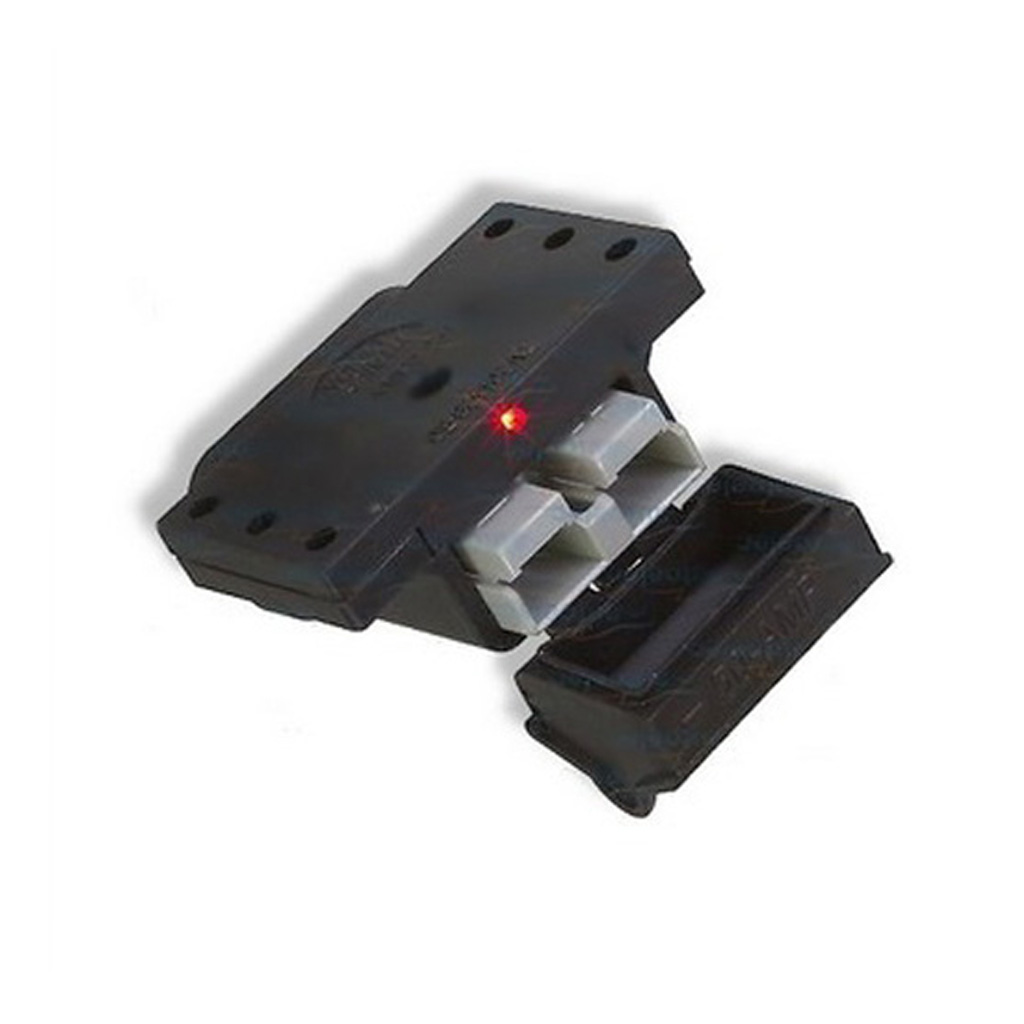
At battery terminals, Anderson connectors, fuse holders and distribution blocks, use terminal boots or insulating covers where appropriate. They reduce accidental contact with live conductors and help keep contaminants away from the connection. Heat shrink, particularly adhesive-lined heat shrink in exposed areas, supports the cable at a crimp and provides a finished seal around the termination.
Do not use heat shrink to disguise a poor crimp or damaged conductor. The terminal must be correctly matched to the cable size, crimped with a suitable tool and inspected before it is covered. Likewise, a cable gland is not a substitute for proper strain relief inside an enclosure if the cable can still pull directly on a terminal.
Choosing material for Australian conditions
Material choice is not just about appearance. Rubber and flexible PVC products suit many general cable-protection jobs, while nylon fittings are lightweight and widely used for clips, glands and mounts. In areas exposed to high temperatures, oils or fuel, confirm that the material is compatible rather than assuming any plastic fitting will last.
Stainless steel clamps and hardware can be a sound choice around coastal areas, marine installations and exposed vehicle applications. Even then, consider galvanic corrosion when different metals are used together. A fitting that lasts well on a trailer may not be suitable beside aluminium boat hardware without the right isolation.
UV exposure deserves the same attention. Cable protection and fasteners mounted on a roof rack, trailer drawbar, canopy exterior or solar installation spend years in direct sun. Products rated for outdoor use cost more than light-duty indoor alternatives, but replacing cracked ties and degraded conduit on the side of a track is rarely a saving.
A practical check before finalising the job
Before energising the system, inspect the whole cable route rather than only the terminals. Check that cables are protected at every sharp edge, supported along long runs and clear of heat and moving parts. Confirm glands are tightened to grip the cable without distorting it, and make sure enclosure lids can close without pinching wiring.
Also consider future servicing. Label circuits where practical, leave sensible access to fuses and connectors, and avoid burying joins where they cannot be inspected. A neat installation is not only easier on the eye – it is quicker to fault-find and safer to maintain.
Bluebar Industries stocks the cable protection, connectors, fittings and electrical accessories needed to build and repair practical 12V and 24V systems. Selecting components that suit the cable size, environment and mounting method will keep the job working long after the first trip, shift or launch.