

 Cable Automotive / Marine
 Cable Lugs
 Cable Lug Assortment Kits
 Cable Lugs Straight Wall Closed
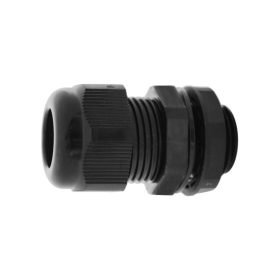 Cable Glands
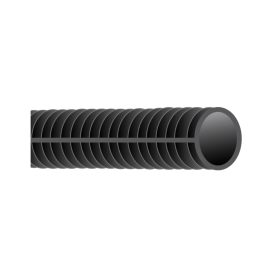 Convoluted Split Tubing
 12/24v Products & Access

 Electrical Connectors
 Solar Powered Products
 LED Lights

 Tools

 Auto Parts & Categories

 Fittings
 Cleaning & Misc
 Clearance & Promotion
Latest News
Automotive Cable Protection Guide for 4WDs
Aug
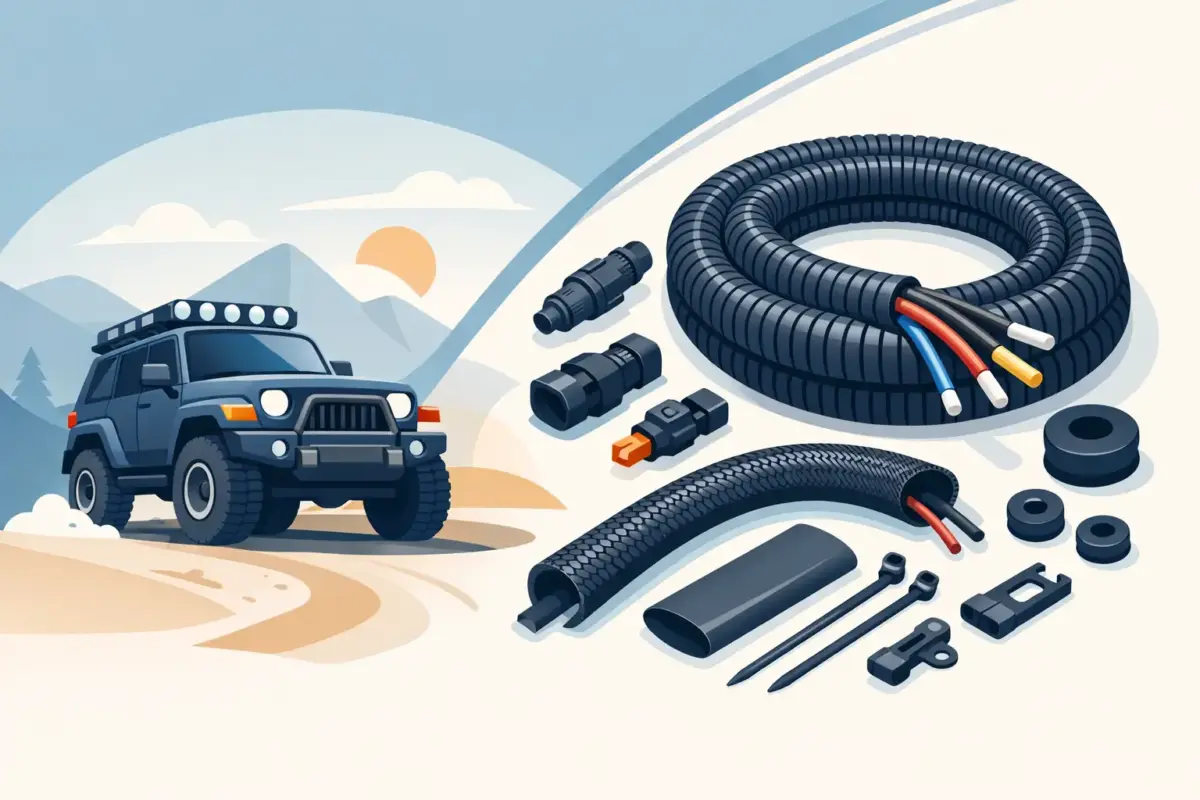
A clean-looking 12V installation can still fail quickly if its cable is rubbing on a chassis edge, cooking beside an exhaust, or filling with water behind a tail light. This automotive cable protection guide covers the parts and installation decisions that keep vehicle, caravan, marine and worksite wiring protected where it matters.
Cable protection is more than a finishing touch. It prevents insulation damage, reduces the chance of short circuits, keeps wiring secured under vibration and makes future fault-finding far easier. On a 4WD that sees corrugations, creek crossings and red dust, unprotected wiring is often the weak point in an otherwise sound dual-battery, solar or lighting setup.
Start with the hazards, not the conduit
The right protection depends on where the cable runs and what it is connected to. A lead from an auxiliary battery to a fridge outlet inside a canopy faces different risks to a winch cable routed across a chassis rail or solar cable run across a caravan roof.
Look for abrasion, heat, movement, water, UV exposure and possible crushing. Also consider access. A cable tucked behind interior trim may only need light abrasion protection, while a cable beneath the vehicle needs a tougher outer layer, secure mounting and routing that avoids impact zones.
Do not use cable protection to compensate for undersized cable, poor terminations or incorrect circuit protection. The cable size, fuse location, connectors and protection method all need to suit the circuit load and installation environment.
Choosing automotive cable protection
Split conduit for general vehicle wiring
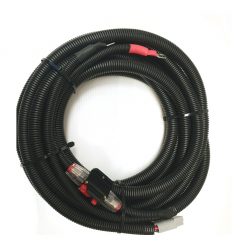
Split corrugated conduit is a practical choice for bundling and protecting wiring looms in engine bays, under dashes, canopies and caravan cavities. The split allows it to be fitted over an existing cable without removing terminals, which is useful for upgrades and repairs.
Choose a diameter that lets cables sit comfortably inside without being forced tight. Overfilling conduit can make it difficult to route, trap moisture and create pressure points at bends. Leave enough capacity for a gentle bend radius, particularly with larger battery cable or multi-core trailer cable.
Standard convoluted conduit suits sheltered locations. For exposed areas, select heavier-duty conduit and secure it at regular intervals so it cannot sag, vibrate or rub. Tape can neaten a loom, but it is not a substitute for proper clips, saddles or cable ties with mounting points.
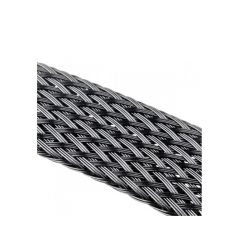
Braided sleeving for flexible, visible looms
Braided cable sleeving works well where flexibility and a tidy finish matter. It is commonly used in engine bays, behind switch panels, within drawers or service areas, and around accessory wiring that may need to move slightly with a seat base, canopy drawer system or trailer drawbar.
It offers useful abrasion resistance but is not always the best answer for high-impact, mud-prone underbody locations. Consider it a finishing and light-protection product unless the sleeve is specifically rated for more demanding conditions. Cut ends should be finished carefully to prevent fraying and keep the loom looking professional.
Heat-shrink for joins and terminations
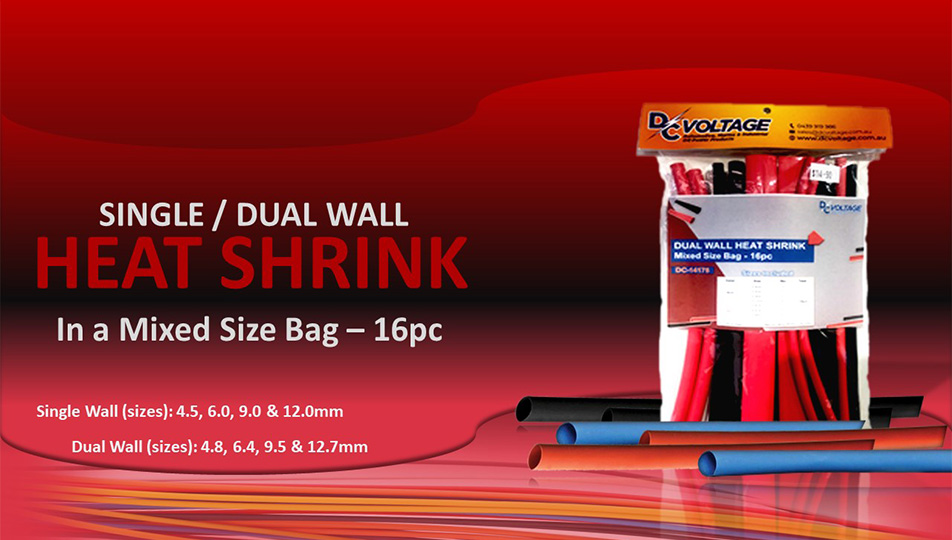
Heat-shrink tubing protects individual wires, splices and terminals. Adhesive-lined heat-shrink is especially useful in marine, caravan and exterior vehicle applications because the adhesive helps seal the end against moisture ingress.
Use heat-shrink that recovers firmly onto the cable or terminal barrel without damaging insulation. It should support a correctly crimped connection, not hide a poor one. If a joint is in an exposed location, relocate it where possible rather than relying on tape and heat-shrink alone to survive water, road spray and vibration.
Grommets where cable passes through metal
Any cable passing through a drilled hole in a steel panel, firewall, tray, canopy or bracket needs edge protection. A rubber grommet prevents the metal edge from cutting into insulation as the vehicle vibrates.
Match the grommet to both the panel thickness and the hole diameter. The cable should pass through without excessive slack, but it must not be pinched. For larger looms or high-exposure penetrations, a cable gland can provide a more secure seal and strain relief than a basic grommet.
Spiral wrap and edge trim for awkward areas
Spiral wrap is handy when cables branch out of a loom at different points, or when adding protection to an existing installation without disconnecting it. It is flexible and easy to apply, although it can collect dust and is not as neat as conduit for a long visible run.
Edge trim protects sharp panel edges where a loom sits beside, rather than passes through, sheet metal. Use it on cut brackets, canopy openings and fabricated mounts. A small amount of edge trim can prevent an expensive electrical fault later.
Routing cable through a vehicle, trailer or canopy
Good routing reduces how much protection the cable needs. Before cutting cable or fitting conduit, trace the full path from power source to accessory and identify where the loom will be secured.
Keep wiring away from exhaust components, turbo plumbing, moving suspension parts, steering shafts, drive belts and sharp edges. Heat can harden or melt insulation, while suspension movement can stretch a cable until a terminal fails. On utes and 4WDs, pay close attention to tray-to-chassis movement and the gap between cab and tray. A cable that looks fine while parked can be pulled tight when the chassis flexes off-road.
Run positive and negative cables together where practical. This keeps the installation tidy and can reduce electrical noise in sensitive accessories. It also makes fault-finding easier because the full circuit follows a known route.
Avoid long unsupported spans. Secure the loom before and after bends, near connectors and at points where it enters or exits a protected area. Cable ties are useful, but choose UV-stable ties in exposed areas and do not overtighten them. A tie pulled too hard can deform insulation, particularly on softer automotive cable.
Where a cable must cross a chassis or travel beneath a vehicle, place it on the upper or protected side of the rail where possible. Do not route it beneath a rail where rocks, mud and road debris can strike it directly. If the circuit supplies a critical accessory such as a fridge, water pump, work light or trailer brake system, allow enough service loop for maintenance without leaving loose cable that can snag.
Protecting high-current 12V and 24V cables
Battery, inverter, winch, DC-DC charger and solar cabling deserve extra attention. These circuits can carry substantial current, and damage to insulation can create serious heat or fire risk.
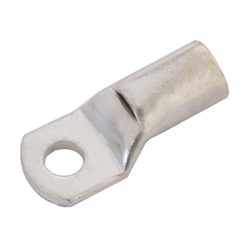
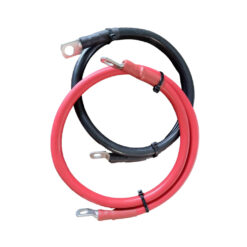
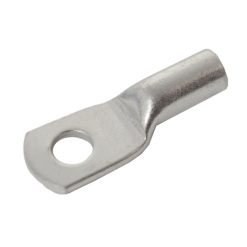
Fit a fuse or circuit breaker as close as practical to the battery or power source on the positive cable. This does not replace physical cable protection, but it limits fault energy if the cable is damaged downstream. Ensure lugs are crimped with the correct tool for the cable size, then sealed and supported so vibration is not transferred straight into the terminal.
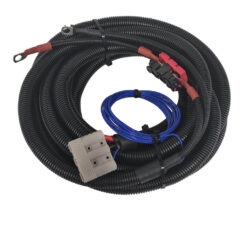
Large cable is less flexible, so avoid tight turns at batteries, Anderson connectors and distribution points. Use appropriately sized conduit, glands and clamps. If a cable is clamped directly to a metal surface, make sure the clamp has a protective lining or the cable is protected by suitable sleeving.
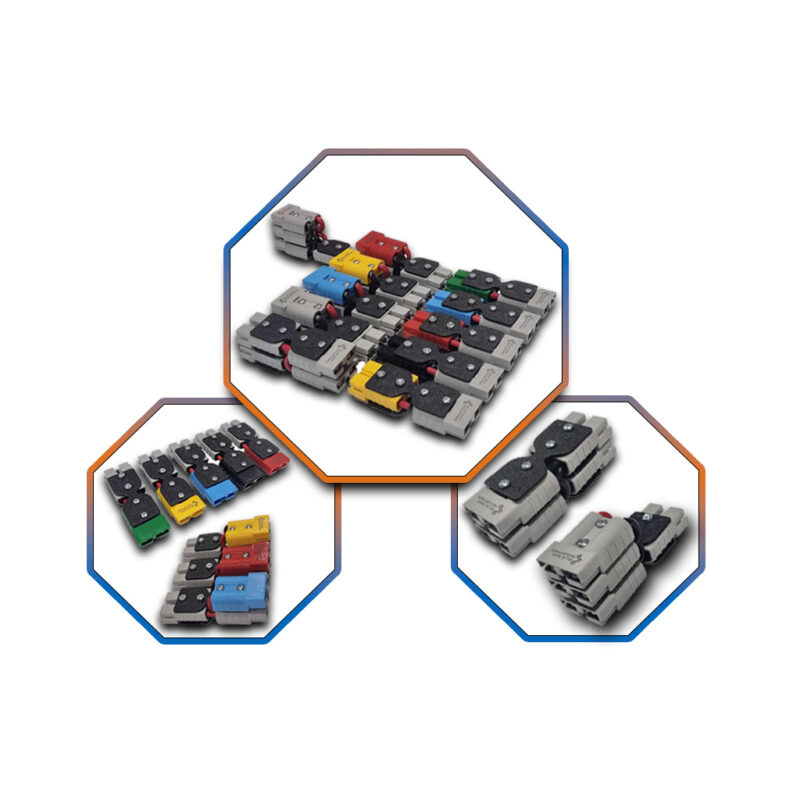
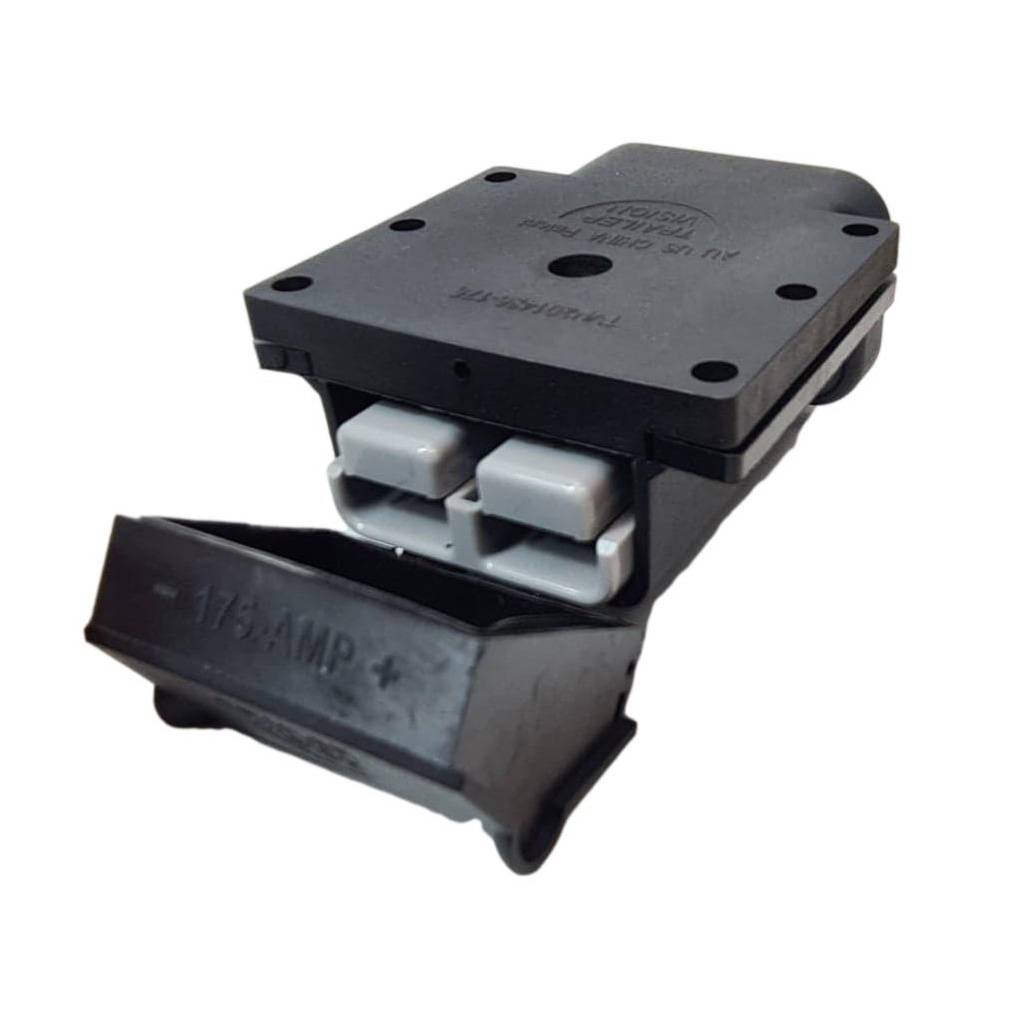
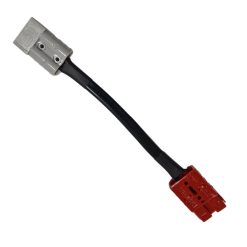
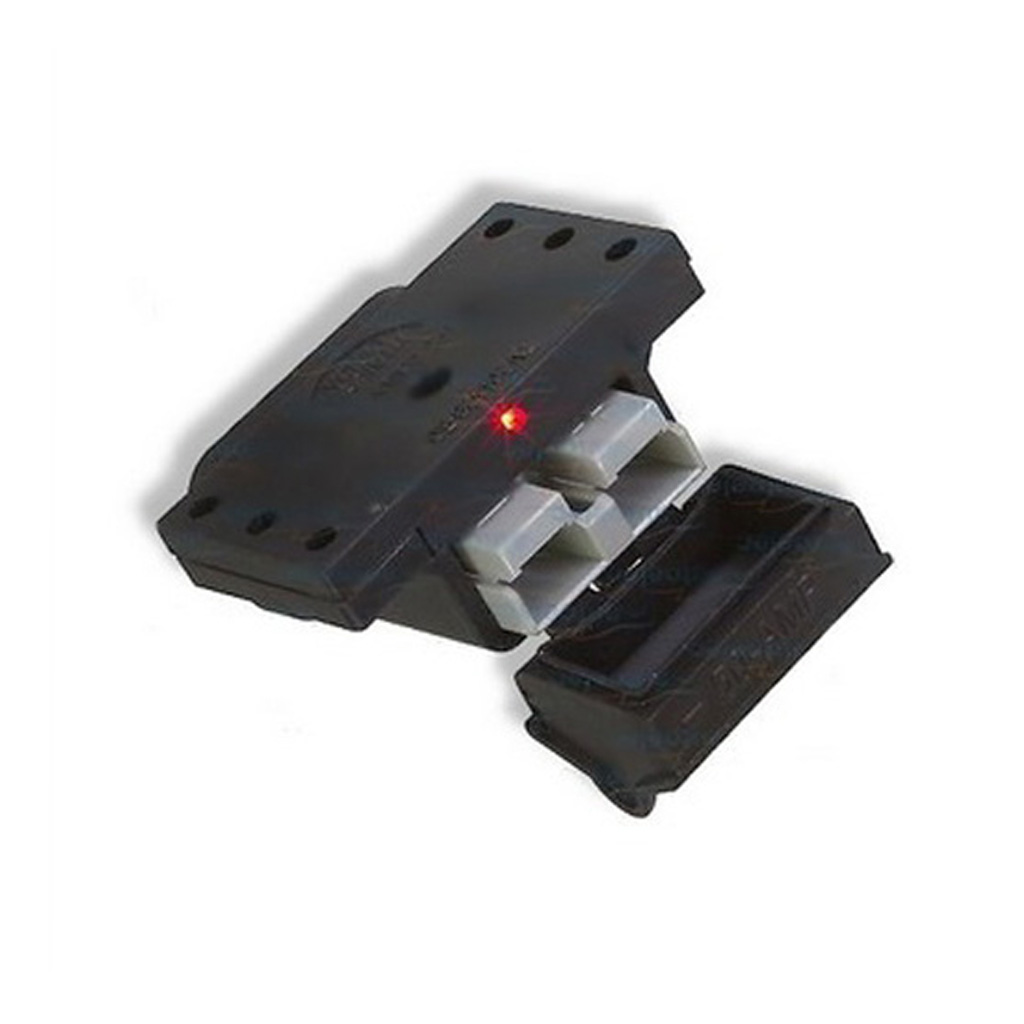
At Anderson connectors and other high-use connection points, provide strain relief. A connector hanging by its cable will eventually loosen a terminal or fatigue the conductor. Mounting brackets, boots and protective covers keep these connections cleaner and easier to use.
Heat, water and UV change the material choice
Australian conditions are hard on electrical installations. Under-bonnet heat, coastal salt, outback dust, high UV and repeated water exposure all shorten the life of ordinary materials.
Near an engine or exhaust, use cable protection rated for the temperature involved and maintain as much clearance as possible. Heat-resistant sleeving can help in confined areas, but physical separation remains the better option. Never run wiring against an exhaust heat shield simply because it appears cooler than the pipe.
For roof-mounted solar and external caravan wiring, UV-stable conduit, cable ties and glands are worth specifying from the start. Cheap exposed plastics can become brittle, crack and lose their grip. In marine and wet-area installations, use sealed joins, tinned cable where appropriate and pathways that do not create a low point where water can sit around a connector.
A practical inspection routine
Cable protection should be checked whenever you service accessories, inspect a trailer or prepare for a long trip. Look for flattened conduit, cracked insulation, loose ties, discoloured heat-shrink, water entry and cables sitting against sharp or hot surfaces.
Pay particular attention after suspension work, canopy fit-outs, battery upgrades or repairs following an off-road trip. New accessories often change cable routing, and a loom that was secure before may now be pulled against a bracket or stretched across a moving section.
Bluebar Industries supplies cable protection components alongside automotive cable, terminals, connectors and tools, making it easier to build a complete installation with compatible parts rather than patching it together from whatever is on hand.
A protected cable run should be easy to follow, firmly supported and kept clear of anything that can cut, crush, heat or pull it. Build it that way from the first install, and your power system will be far more likely to keep working when the track, weather or workload gets serious.