

 Cable Automotive / Marine
 Cable Lugs
 Cable Lug Assortment Kits
 Cable Lugs Straight Wall Closed
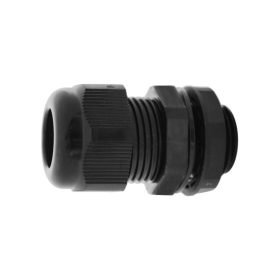 Cable Glands
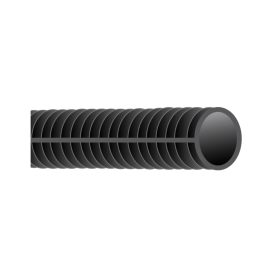 Convoluted Split Tubing
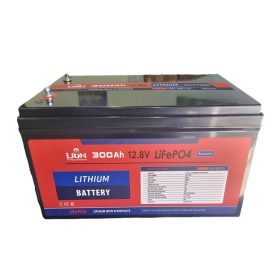 12/24v Products & Access

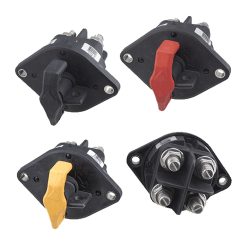
 Electrical Connectors
 Solar Powered Products
 LED Lights


 Tools






 Auto Parts & Categories

 Fittings




 Cleaning & Misc


 Clearance & Promotion
Latest News
Solar Regulator Review for 12V and 24V Systems

Aug
A solar regulator that looks right on a spec sheet can still be the weak point in a touring or caravan power system. This solar regulator review focuses on what matters once the vehicle is parked in the heat, the battery has been worked overnight and the solar panel is expected to recover it properly.
For a basic camp setup, almost any correctly sized regulator may appear to do the job. The differences show up with larger panel arrays, lithium batteries, long cable runs, shaded campsites and systems that need to work day after day. Choosing on advertised amp rating alone is how undersized wiring, unsuitable charge profiles and avoidable voltage drop get missed.
Solar regulator review: PWM or MPPT?
The first decision is regulator type. PWM and MPPT regulators both manage solar charging, but they do it in very different ways.
A PWM regulator is the simpler option. It effectively brings the solar panel voltage down closer to battery voltage during charging. For a small 12V panel charging a 12V AGM, gel or flooded battery, with short cable runs and modest power demand, a quality PWM unit can be a sensible and economical choice. It is also commonly easier to understand and troubleshoot.
The trade-off is lost panel potential. Many nominal 12V solar panels operate at a voltage well above a battery’s normal charging voltage. A PWM regulator cannot make full use of that voltage difference. It works best where panel and battery nominal voltages match and the array is relatively small.
An MPPT regulator converts excess panel voltage into usable charging current. This makes it the better fit for higher-output solar systems, portable blankets with longer leads, fixed roof panels, 24V arrays, lithium banks and installations where charging time matters. An MPPT unit can also allow higher-voltage panel configurations, which can reduce current on the solar side and help manage voltage drop over a longer run.
MPPT is not automatically the right answer for every vehicle. A cheap MPPT-labelled regulator with vague specifications may deliver less confidence than a properly specified PWM unit from a known manufacturer. The real comparison is panel wattage, battery type, cable length, expected usage and the regulator’s documented operating limits.
Start with the battery chemistry
A regulator must suit the battery before it suits the solar panel. Charging voltages and charge stages differ between flooded lead-acid, AGM, gel and lithium batteries. Using the wrong setting can leave a battery undercharged, shorten service life or trigger a battery management system shutdown.
Lead-acid batteries generally need bulk, absorption and float charging. The exact voltage depends on battery construction and manufacturer requirements. Temperature compensation can also matter, particularly where batteries are installed in engine bays, canopies or enclosed compartments exposed to significant heat and cold.
Lithium batteries need a regulator with a lithium profile that matches the battery manufacturer’s charging requirements. Do not assume every lithium setting is the same. Some battery brands specify a particular absorption voltage, no float charge or a limited float voltage. If the battery has a BMS, check whether the regulator can restart charging normally after the BMS has disconnected due to temperature or high voltage protection.
If the regulator has user-programmable settings, that is useful only when the installer understands the required values. For many setups, a preset profile from a reputable manufacturer is the safer route. A display showing battery voltage is handy, but it does not replace correct configuration.
Size the regulator from panel current, not guesswork
Regulator sizing starts with the solar array’s maximum output current, then allows a sensible margin. Panel labels usually show short-circuit current, often marked Isc, and maximum power current, often marked Imp. Isc is the more conservative figure for selecting the regulator and solar-side protection.
As a working example, a 200W panel connected to a 12V battery through an MPPT regulator may produce roughly 14A to 16A of charging current in strong conditions, depending on panel voltage and regulator efficiency. A 20A regulator may suit that single panel, while a 30A model leaves more room for a future panel addition. The regulator’s solar input voltage limit must also be checked, especially where panels are connected in series.
For 24V systems, current is lower for the same wattage, but the voltage limits become more critical. Two panels in series can easily exceed the maximum PV input voltage of a regulator in cool, clear weather, when panel open-circuit voltage rises. Check the panel Voc figure, account for series connection and stay below the regulator’s stated maximum PV voltage with margin.
Do not size a regulator around the battery’s amp-hour capacity alone. A 200Ah battery can accept very different solar inputs depending on its chemistry, state of charge and manufacturer limits. The panel array and regulator determine available charge current; the battery determines whether that charging profile is appropriate.
Wiring can decide real charging performance
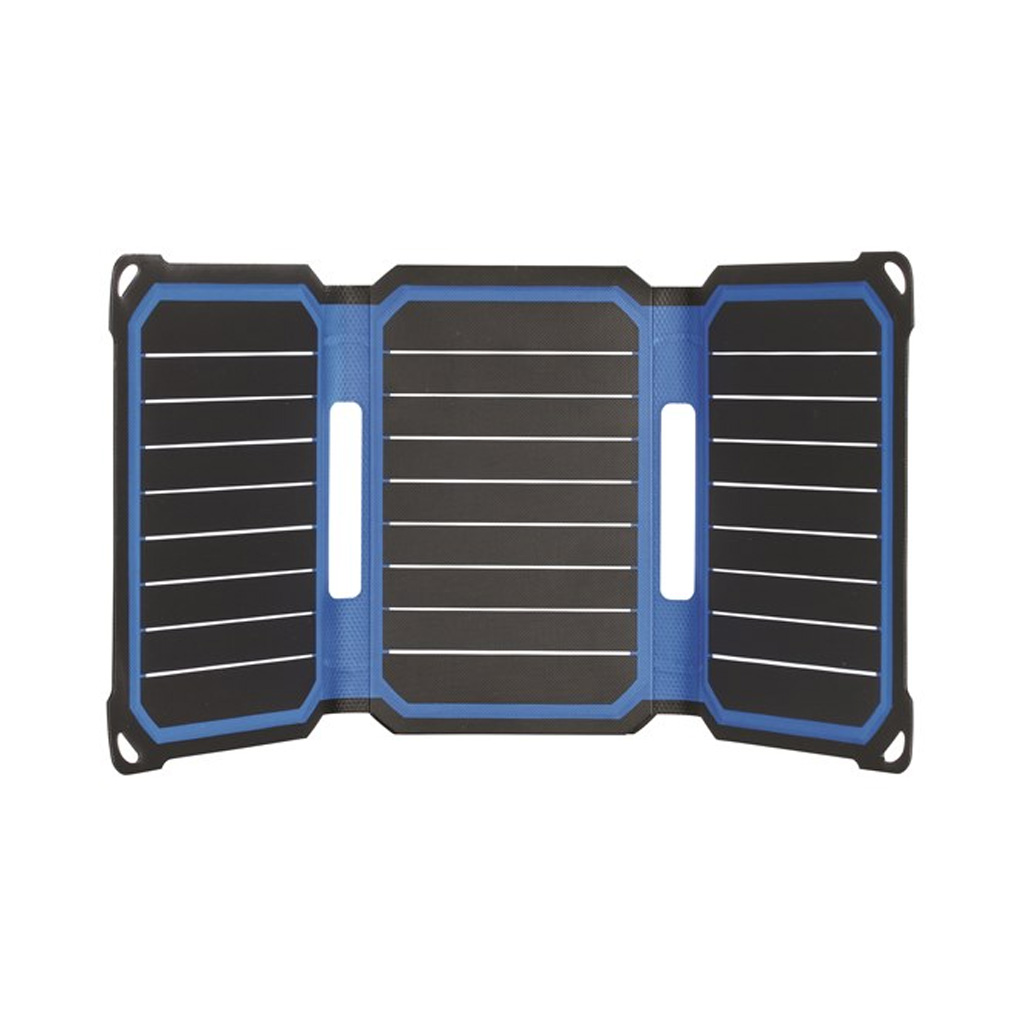
A good regulator cannot recover energy lost in undersized cable. Voltage drop is especially relevant with portable solar panels connected to a caravan, camper trailer or 4WD through a long lead. At 12V, even a small voltage loss has a noticeable effect on charging performance.
Keep the regulator close to the battery where practical. The cable between regulator and battery should be short, correctly sized and protected with a fuse or circuit breaker as close to the battery positive terminal as practical. This gives the regulator the most accurate battery voltage reference and reduces loss during higher-current charging.
The panel-to-regulator cable also needs to be sized for current and distance. A heavier cable may cost more initially, but it can make better use of the solar equipment already fitted. Select cable by conductor size and current capacity, not just outside diameter or a vague “heavy duty” description.
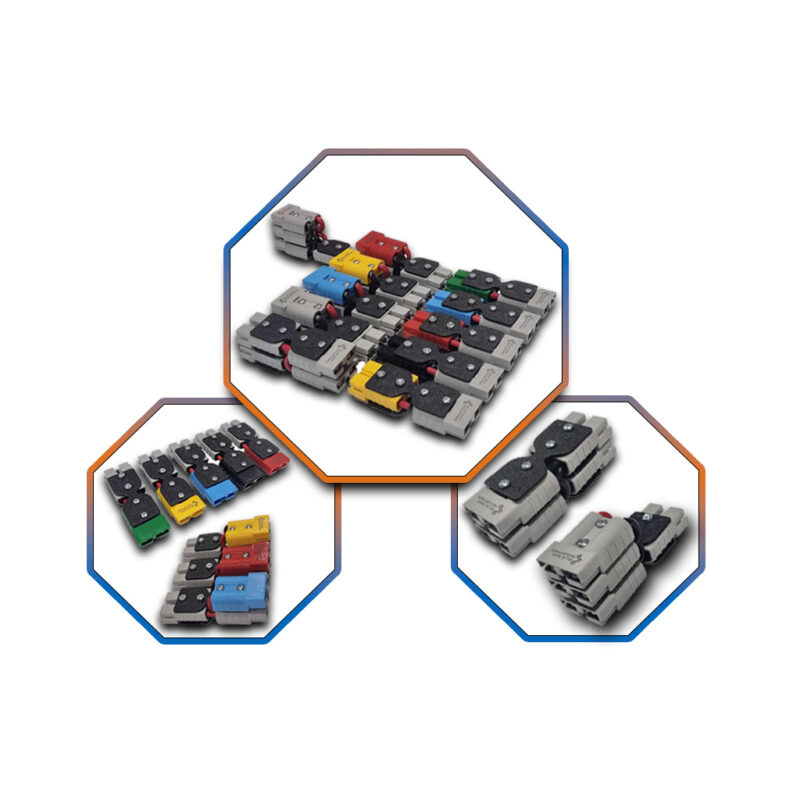
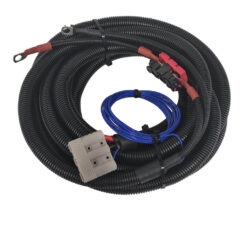
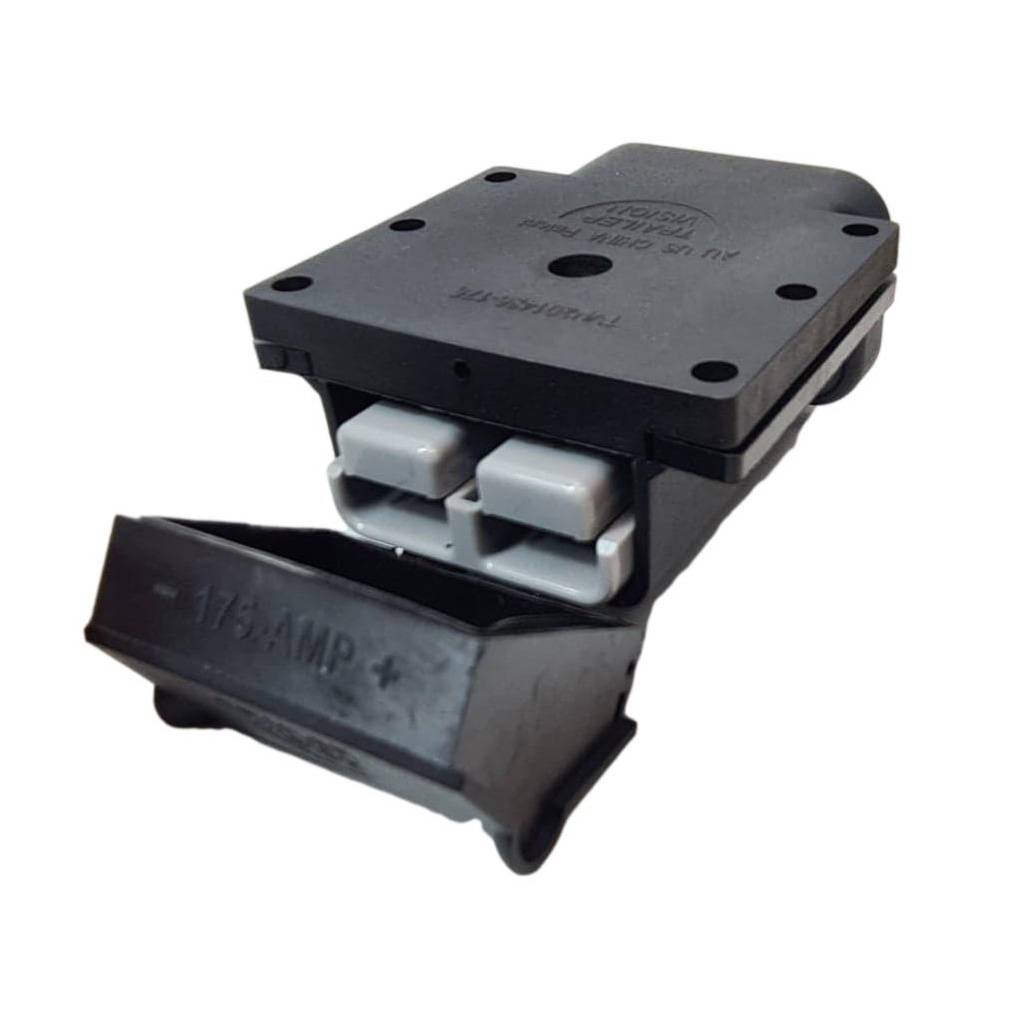
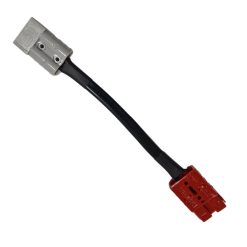
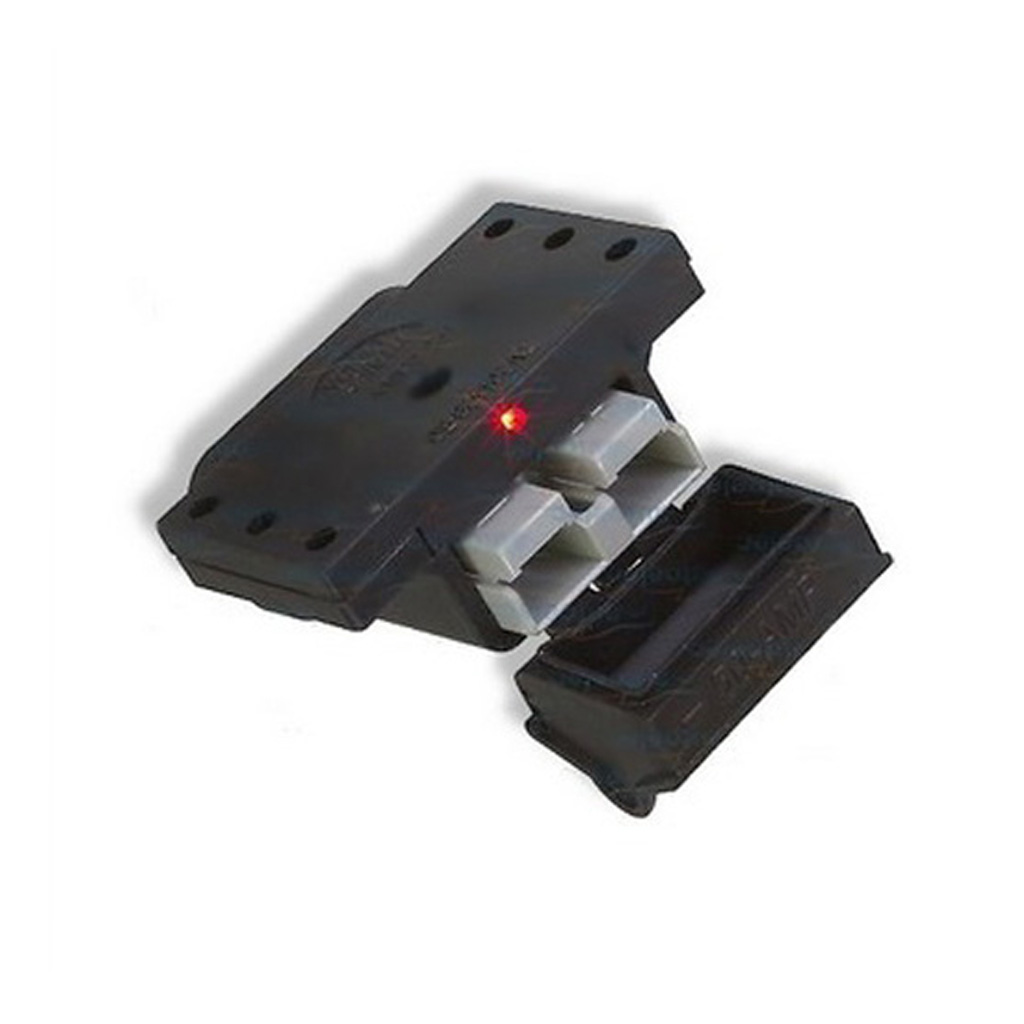
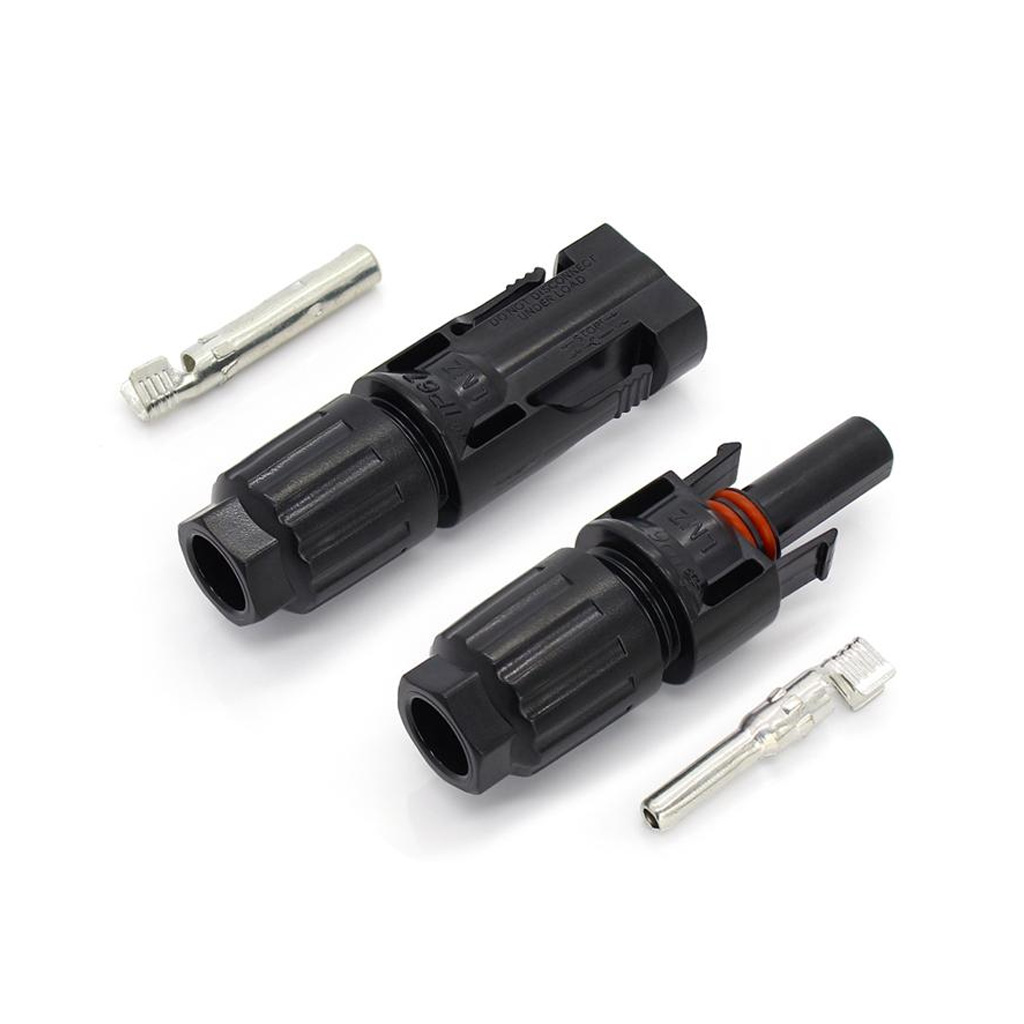
Connectors deserve the same attention. Anderson-style connectors are a common choice for portable solar and auxiliary battery systems because they are polarised, durable and available in current ratings suitable for 12V and 24V work. Use genuine or quality-compatible housings and terminals, crimped with the right tool. A loose, poorly crimped terminal creates resistance, heat and unreliable charging.
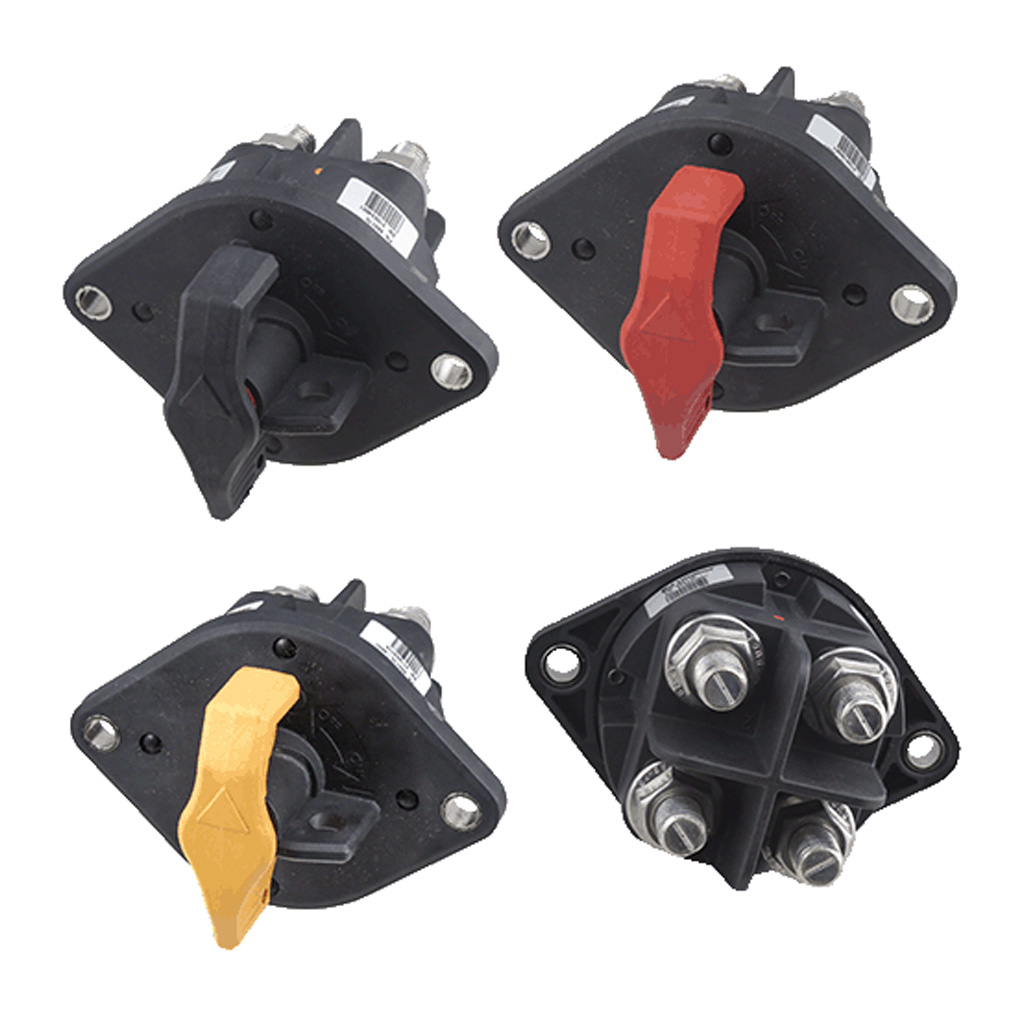
A practical installation should also include solar isolation or a suitable disconnect method, correctly rated fusing and cable protection where wiring passes through metal, under a vehicle or around sharp edges. Split conduit, grommets, clamps and sensible routing are not cosmetic extras. They protect the system from vibration, abrasion, water and heat.
Check the specifications that are easy to overlook
The regulator’s headline current rating is only one line of the data sheet. Before fitting a unit, confirm its maximum PV open-circuit voltage, battery voltage compatibility, maximum charge current, recommended cable size and supported battery profiles.
Look for a sensible operating temperature range and understand whether the unit reduces output as it gets hot. A regulator installed inside a sealed canopy compartment, behind a fridge or next to an inverter may run well above ambient temperature. Mount it where there is airflow, keep it clear of direct engine heat and allow room around the heat sink.
Load terminals are another area where expectations can be wrong. Some regulators include a small load output for lighting or low-current accessories, often with low-voltage disconnect settings. That output is generally not intended for an inverter, compressor fridge or high-current 12V distribution board. Run major loads from the battery through appropriate fusing and distribution hardware instead.
Bluetooth monitoring and remote displays can be worthwhile for owners who want to check solar yield, battery voltage and historical performance. They are useful diagnostic tools, particularly in a caravan or remote touring vehicle, but they should not be the main reason to choose one regulator over another. Electrical capacity, charging accuracy and build quality come first.
Match the regulator to how the vehicle is used
A weekend camper with a 100W portable panel and an AGM battery has different needs from a remote touring wagon running a fridge, lights, communications gear and a lithium auxiliary bank. The former may benefit from a straightforward PWM regulator and a short, correctly sized lead. The latter is more likely to justify MPPT charging, a larger roof array, battery monitoring and heavier cable throughout.
Marine installations need extra attention to corrosion resistance, cable support and moisture protection. Trade vehicles and mine-site support rigs may need equipment that tolerates vibration, dust and regular accessory loads. In every case, choose components that are rated for the environment rather than trying to make a light-duty regulator work beyond its intended job.
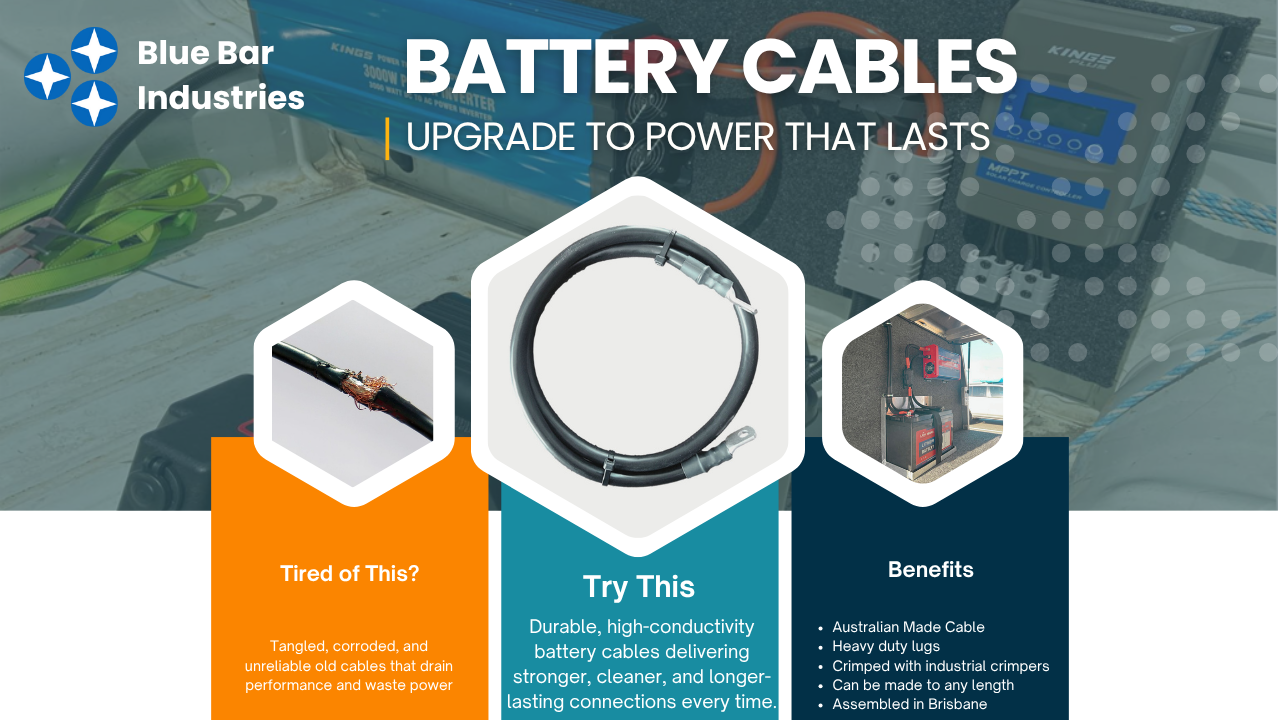
For custom solar leads, battery cables, Anderson connectors, protection gear and workshop tools, Bluebar Industries carries the practical components needed to build and maintain mobile power systems. The right regulator performs best when the rest of the installation is built to the same standard.
Before committing to a regulator, write down the panel wattage and Voc, battery chemistry and capacity, cable run length, expected daily loads and any planned upgrades. That short check is often what separates a solar system that merely shows a charging light from one that keeps the battery ready when the next camp is well off the bitumen.