

 Cable Automotive / Marine
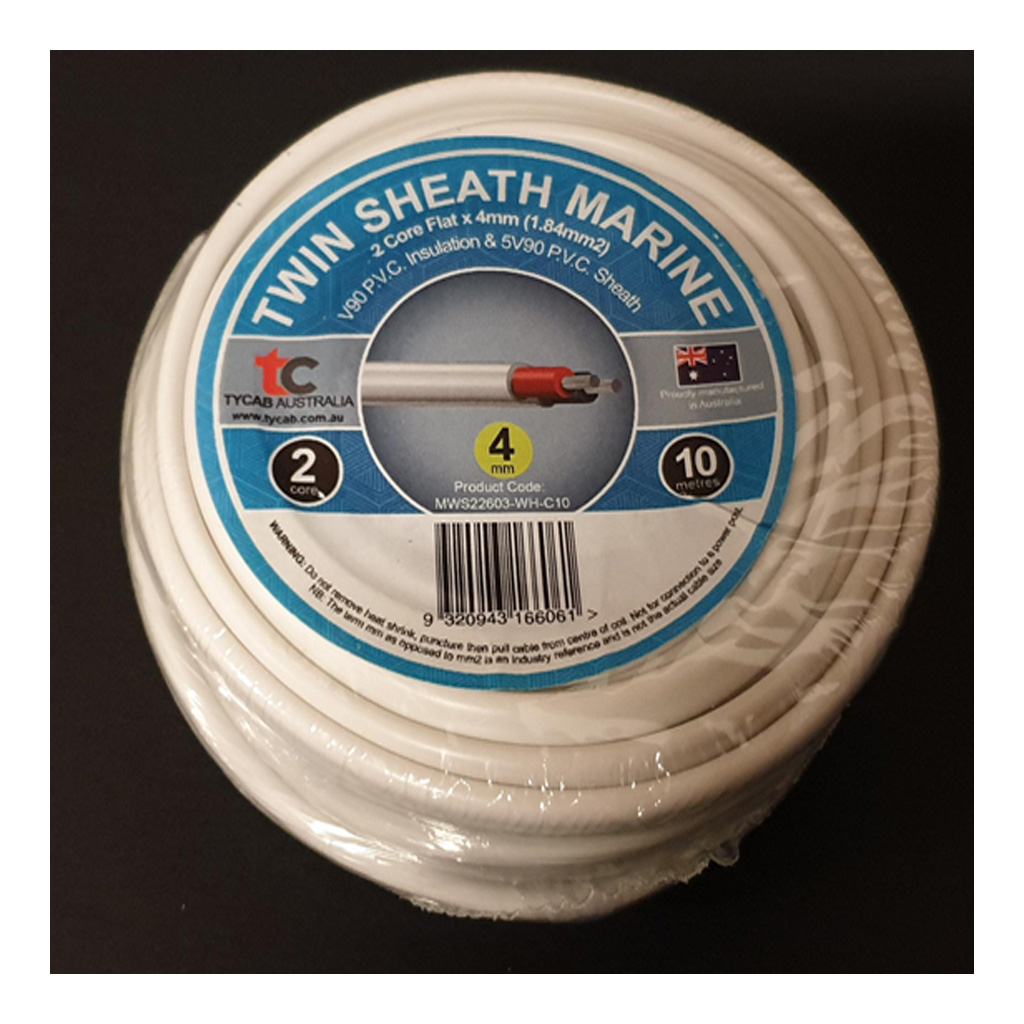
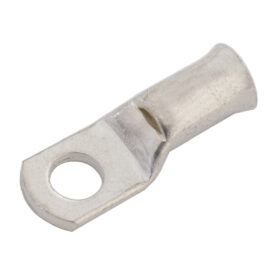 Cable Lugs
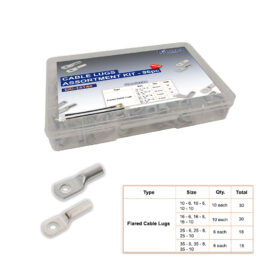 Cable Lug Assortment Kits
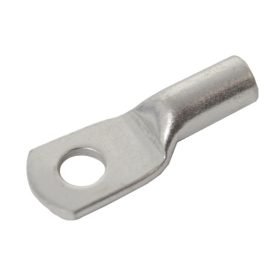 Cable Lugs Straight Wall Closed
 Cable Glands
 Convoluted Split Tubing
 12/24v Products & Access
 Electrical Connectors
 Solar Powered Products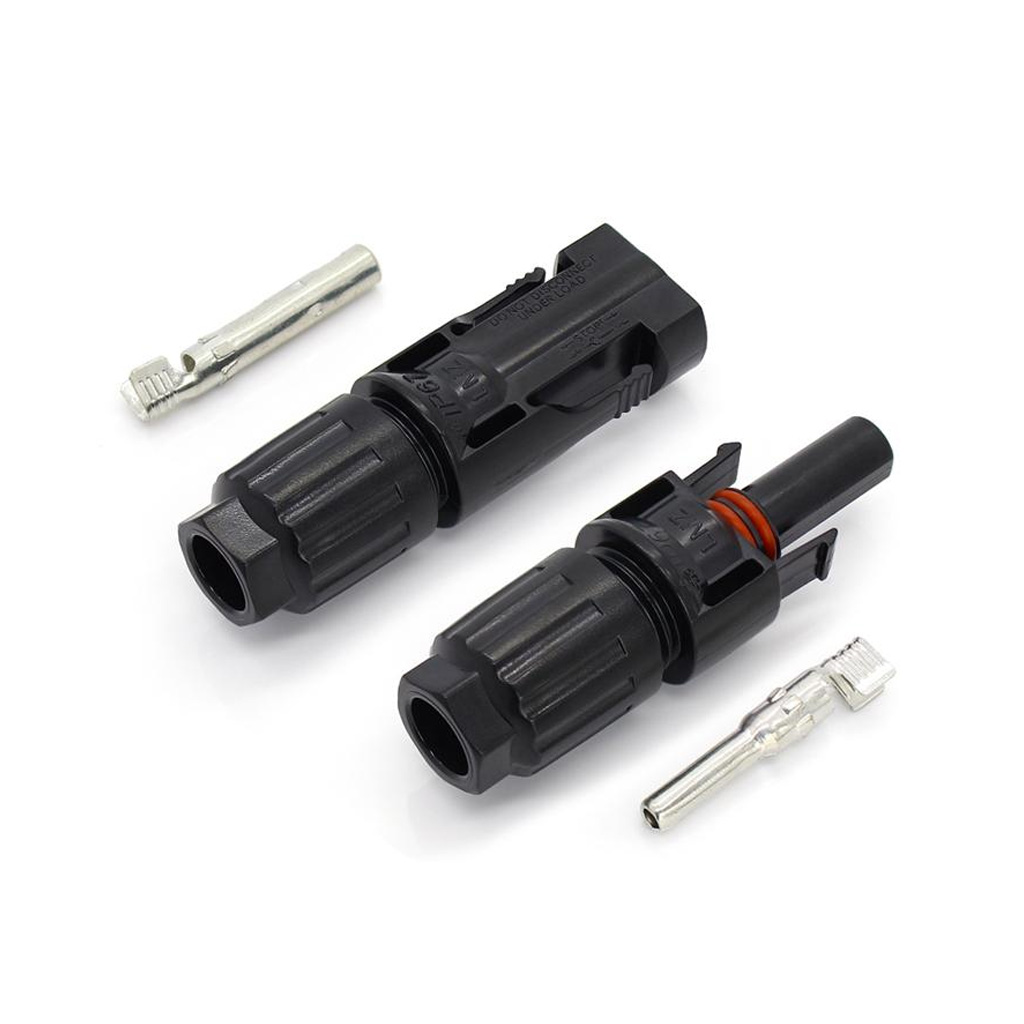
 LED Lights
 Tools
Tools


 Auto Parts & Categories

 Fittings
 Cleaning & Misc
 Clearance & Promotion
Latest News
Portable Solar Panel Connectors Explained
Jun
Set up a portable panel beside the camp, plug it into your battery system, and the whole job looks simple until the connectors do not match. Portable solar panel connectors are often the small part that decides whether your charging setup works first go or turns into a mix of adaptors, voltage drop and loose connections.
For camping, caravans, 4WD touring and mobile work setups, connector choice matters more than many buyers expect. The right connector needs to suit the panel, regulator, battery system and cable size, while also standing up to dust, vibration, moisture and repeated use. If one part of that chain is wrong, you can end up with poor charging performance or a lead that is fine in the driveway but unreliable once you are well away from town.
Why portable solar panel connectors matter
In a fixed solar install, connectors are usually chosen once and left alone. Portable systems are different. Leads get packed away, moved around campsites, connected to different vehicles and exposed to rough handling. That puts more strain on plugs, sockets and cable entries than a roof-mounted system normally sees.
The connector also affects practicality. A technically correct connection is not much use if it is awkward to plug in, too easy to reverse, or only works with one specific panel lead. For portable gear, users generally want something that is secure, easy to identify and simple to replace if damaged.
There is also the issue of current handling. As panel output increases, especially with larger folding panels, undersized or poor-quality connectors can create resistance and heat. That does not just waste charging potential. It can shorten component life and create faults that are difficult to trace in the field.
The most common portable solar panel connectors
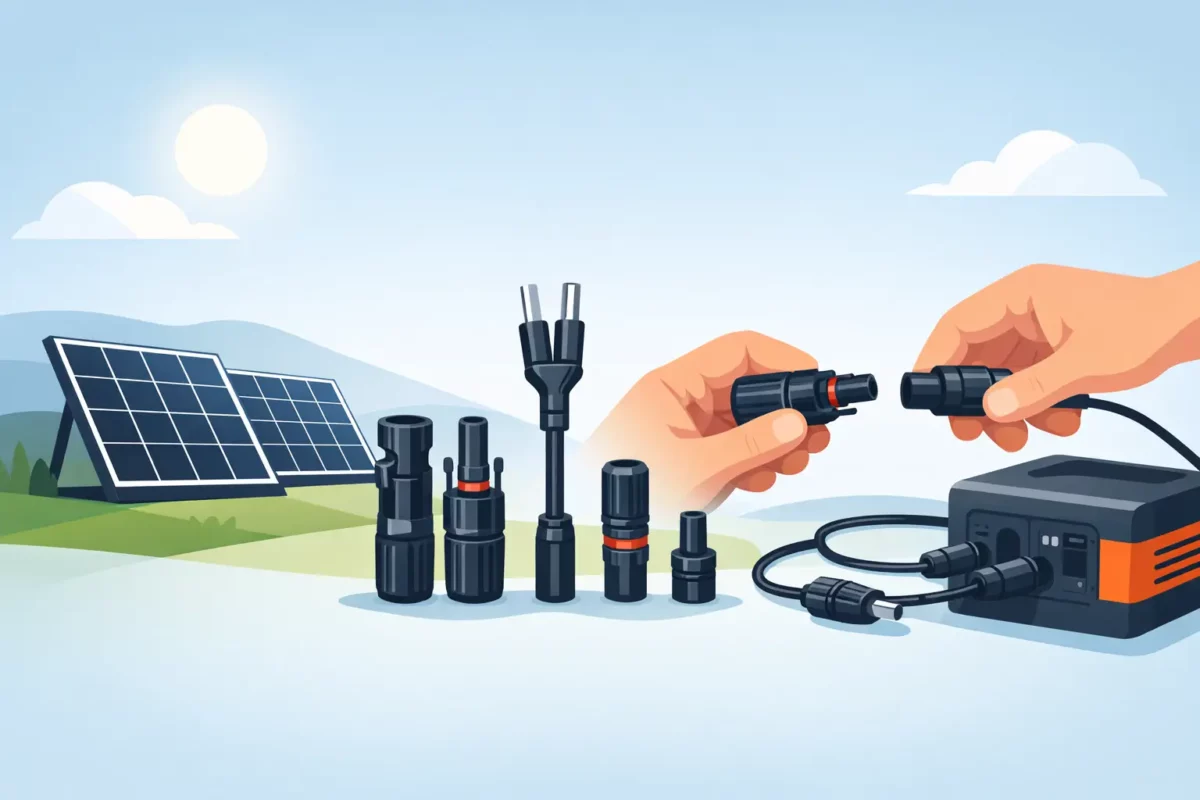
For most Australian 12V and 24V portable solar applications, you will usually come across MC4 connectors, Anderson-style connectors, SAE connectors and various proprietary plugs fitted by panel brands.
MC4 connectors
MC4 connectors are common on solar panels because they are designed for outdoor use and provide a secure, weather-resistant connection. They are standard across much of the solar market, which makes them a practical starting point for many portable panel leads.
That said, MC4 is not always the ideal final plug for a portable setup. They are strong and reliable when left connected, but they are not always the most convenient option for frequent disconnecting at camp. They also require proper mating components and, if you are making up leads, correct crimping and assembly matter.
Anderson-style connectors
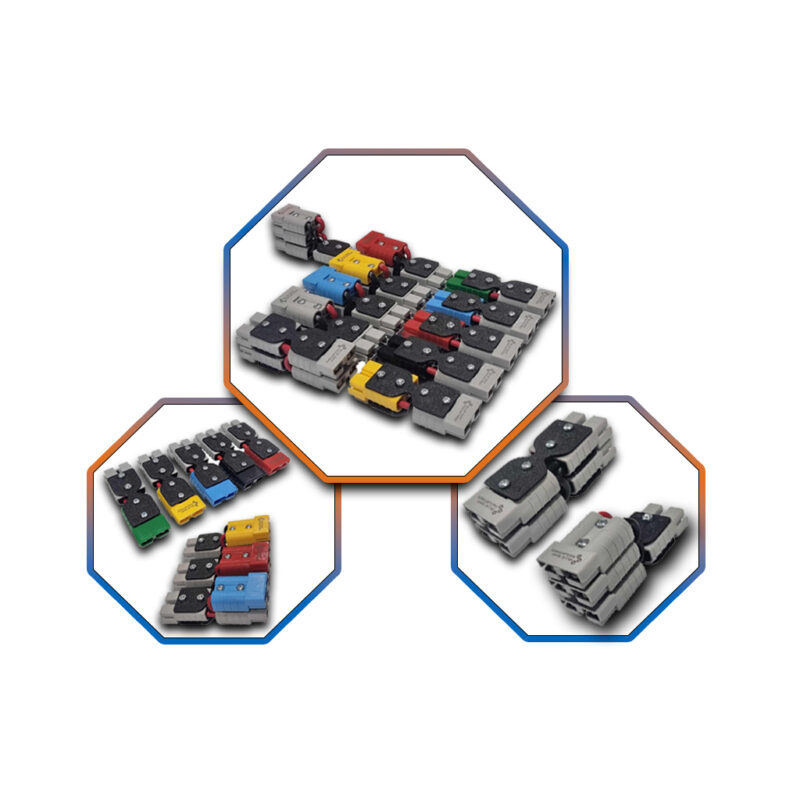
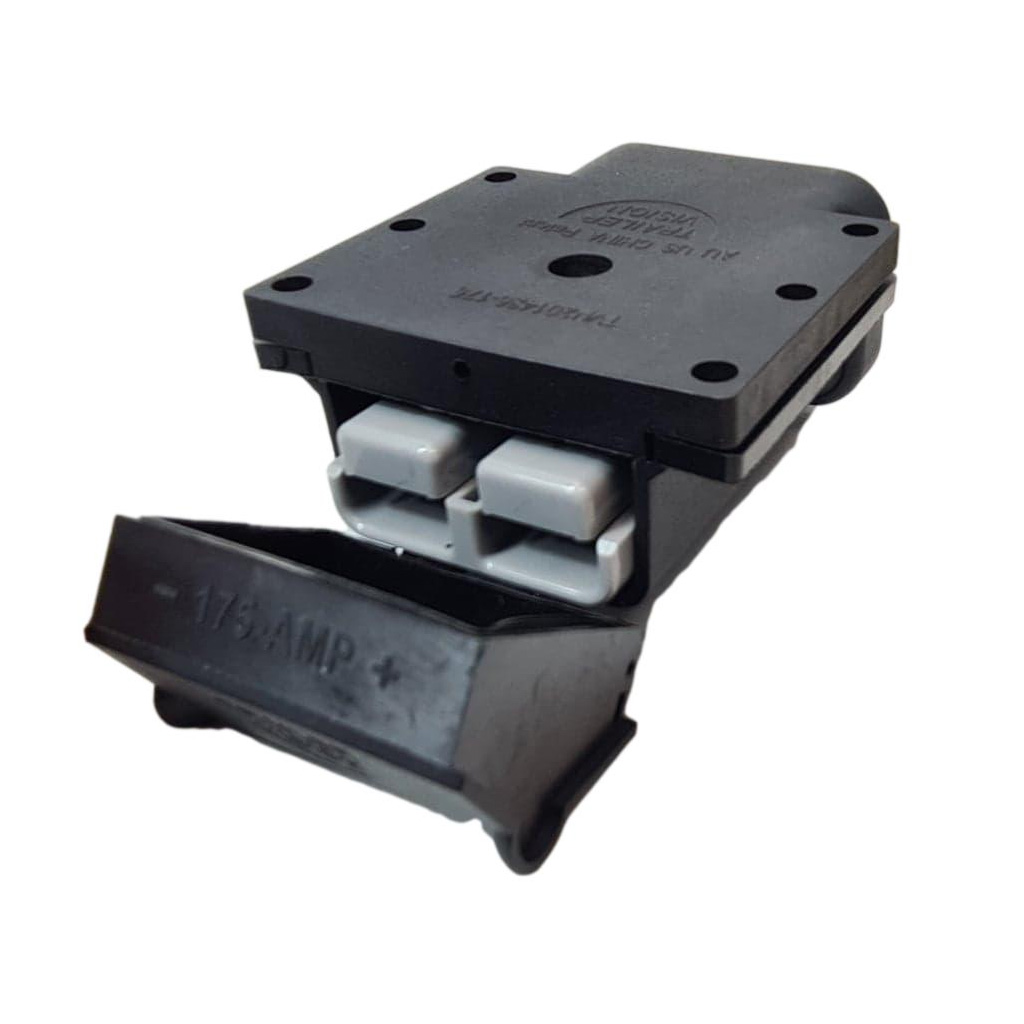
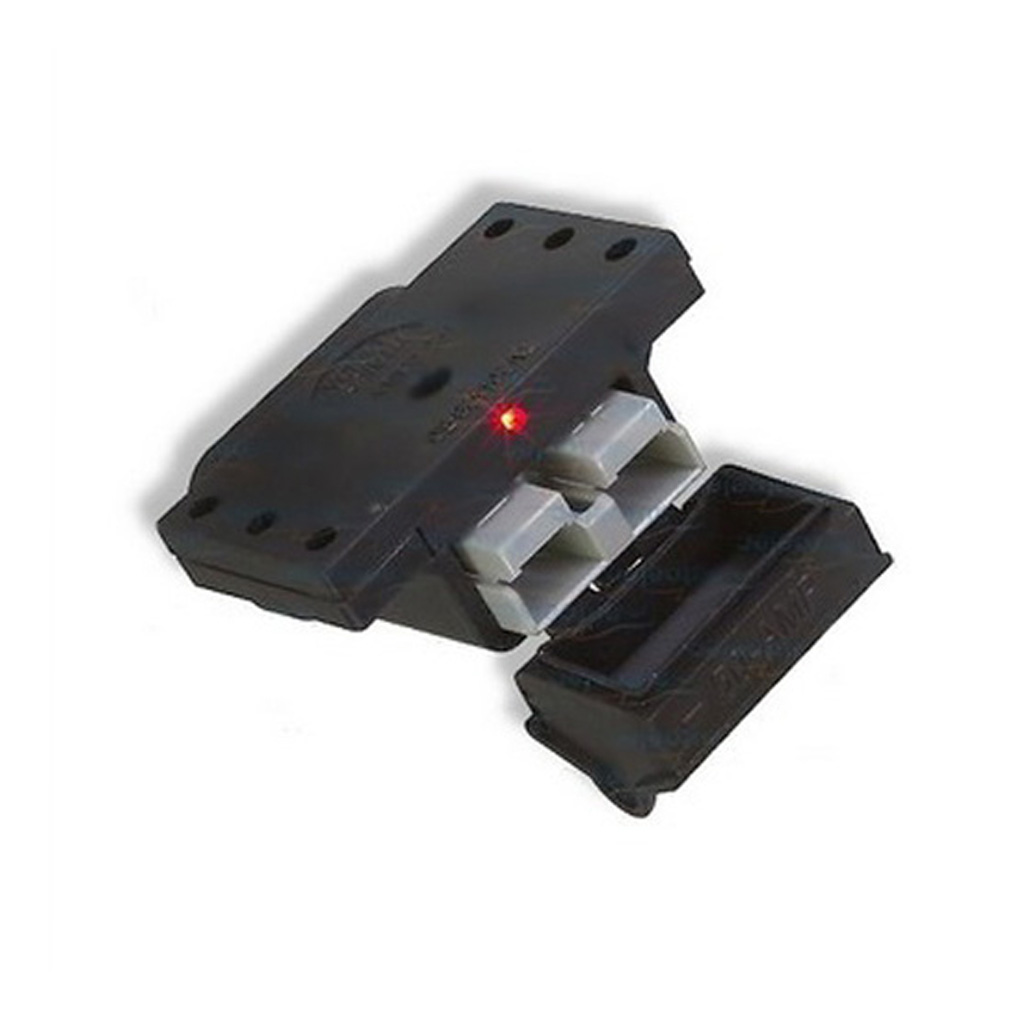
Anderson-style connectors are widely used in 12V and 24V touring, caravan and trade applications because they are durable, polarity-safe when correctly assembled and well suited to repeated connection cycles. They are a common choice where a portable panel needs to plug into an external solar input on a caravan, canopy, battery box or vehicle power system.
They also make sense when you want one connector style across several accessories. If your battery box, DC charging gear or auxiliary power leads already use Anderson plugs, matching your portable solar connection can reduce adaptor clutter and keep the setup straightforward.
SAE connectors
SAE connectors are often found on smaller solar kits and battery maintenance chargers. They can be useful for light-duty applications, but they are generally less suited to higher-current portable solar gear, especially in rough conditions. They are compact and easy to use, but not usually the first choice where durability and current capacity are priorities.
Proprietary connectors
Some folding solar panels come with their own plug types or integrated regulators with unusual output leads. These can be convenient if you use the supplied kit exactly as intended. The downside is compatibility. If you want to connect to a different battery box, replace a damaged lead or bypass part of the original setup, proprietary connectors can slow the job down quickly.
Choosing the right connector for your setup
The best connector depends on where the regulator sits, how often the panel is moved, and what the panel is charging.
If your portable panel has an inbuilt regulator and is aimed at direct battery charging, the output connector needs to match the battery connection point or battery box input. In that case, an Anderson-style connector is often the most practical option for field use, particularly on caravans, 4WDs and portable power systems.
If the panel is unregulated and feeding a separate solar regulator, MC4 connectors may stay on the panel side while another connector style is used on the regulator output side. That split is common and usually makes sense. You do not always need one connector type from end to end. You need the right connector at each point in the system.
Cable length matters too. A portable panel set well away from the vehicle to chase sun can lose performance through undersized cable. Even with good portable solar panel connectors, a poor lead can still hold the system back. If you are running longer distances, correct cable size and quality terminations are just as important as the plug itself.
What to check before you buy
Connector compatibility starts with the basics. Check polarity, current rating, voltage rating, cable size and whether the connector is intended for frequent plugging and unplugging. It is also worth checking whether the panel lead is an input or output lead, particularly on regulated folding kits where labelling can vary.
Material quality is another point that gets overlooked. In low-grade connectors, contacts can loosen, plastic housings can become brittle and locking tabs can fail after repeated use. That is a problem in any environment, but it is worse in Australian conditions where heat, corrugations and dust are part of normal use.
Weather resistance is not the same across all connector types either. MC4 connectors are generally strong in exposed environments when properly assembled. Anderson-style connectors are excellent for general 12V and 24V use but may still need sensible placement and protection from direct weather exposure, depending on the application. If a plug connection is sitting in mud or rain all weekend, the setup needs more thought than simply matching plug shape.
Adaptors can help, but they are not always the best answer
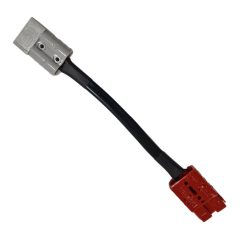
Adaptors are useful when you need to connect an existing panel to a battery box, caravan inlet or vehicle setup with a different plug standard. They can save replacing perfectly good leads and make a system more flexible across multiple vehicles.
The trade-off is more connection points. Every extra join introduces another place for resistance, moisture ingress or accidental disconnection. One well-made adaptor in the right place is usually fine. A chain of adaptors running from panel to regulator to battery is often a sign that the setup should be tidied up properly.
For regular use, a purpose-built lead is usually the cleaner option. It reduces clutter, improves reliability and makes fault-finding simpler when something stops charging as expected.
Common mistakes with portable solar panel connectors
A frequent mistake is assuming all similar-looking connectors are equal. They are not. Size, contact quality and current capacity can vary, and cheap copies do not always perform like better-made components.
Another issue is using connectors that are technically compatible but not suited to the job. A small maintenance-style plug might work on a low-output panel, but once panel size increases, the connector can become the weak point. Likewise, connectors fitted without proper tools or with poor polarity checks can create avoidable problems straight away.
Buyers also sometimes focus on the panel and overlook the lead set entirely. A good panel paired with thin cable, weak crimps or poor terminal fitment will not deliver its best performance. In portable systems, the lead assembly deserves the same attention as the panel wattage and regulator type.
When custom leads make more sense
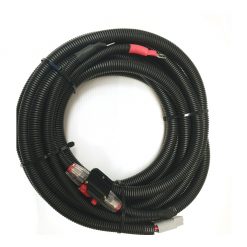
Off-the-shelf leads work well for many standard applications, but not every setup is standard. If your canopy, caravan, boat or service body has a specific solar inlet position, cable run or connector requirement, a custom lead can save time and remove guesswork.
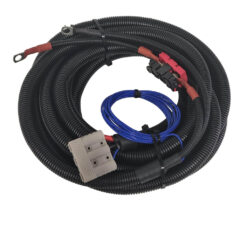
This is especially useful where you need a particular cable length, heavy-duty cable, a mix of MC4 and Anderson-style ends, or a configuration that suits an existing 12V or 24V system. Trade users and installers often prefer this route because it cuts down on site modifications and gives a neater finished result.
For DIY users, a properly made lead can also be the safer option than experimenting with multiple adaptors or trying to repurpose charger leads that were never designed for solar input.
Getting reliable performance in the real world
Portable solar gear lives a harder life than many fixed systems. It gets dragged across gravel, packed into storage hatches, left in the sun and used by people who just want it to work without fuss. That is why connector choice should be based on actual use, not just what came in the box.
If you are building or upgrading a system, choose connectors that suit your panel output, cable size and charging layout. Keep the number of joins sensible. Use quality parts. And if the setup needs to work across a caravan, 4WD, battery box or work vehicle, aim for a connector standard that makes day-to-day use easier rather than more complicated.
A portable solar setup does not need to be fancy to be dependable. It just needs the right parts, fitted properly, so the next time you roll out the panel, charging starts without a second thought.