

 Cable Automotive / Marine
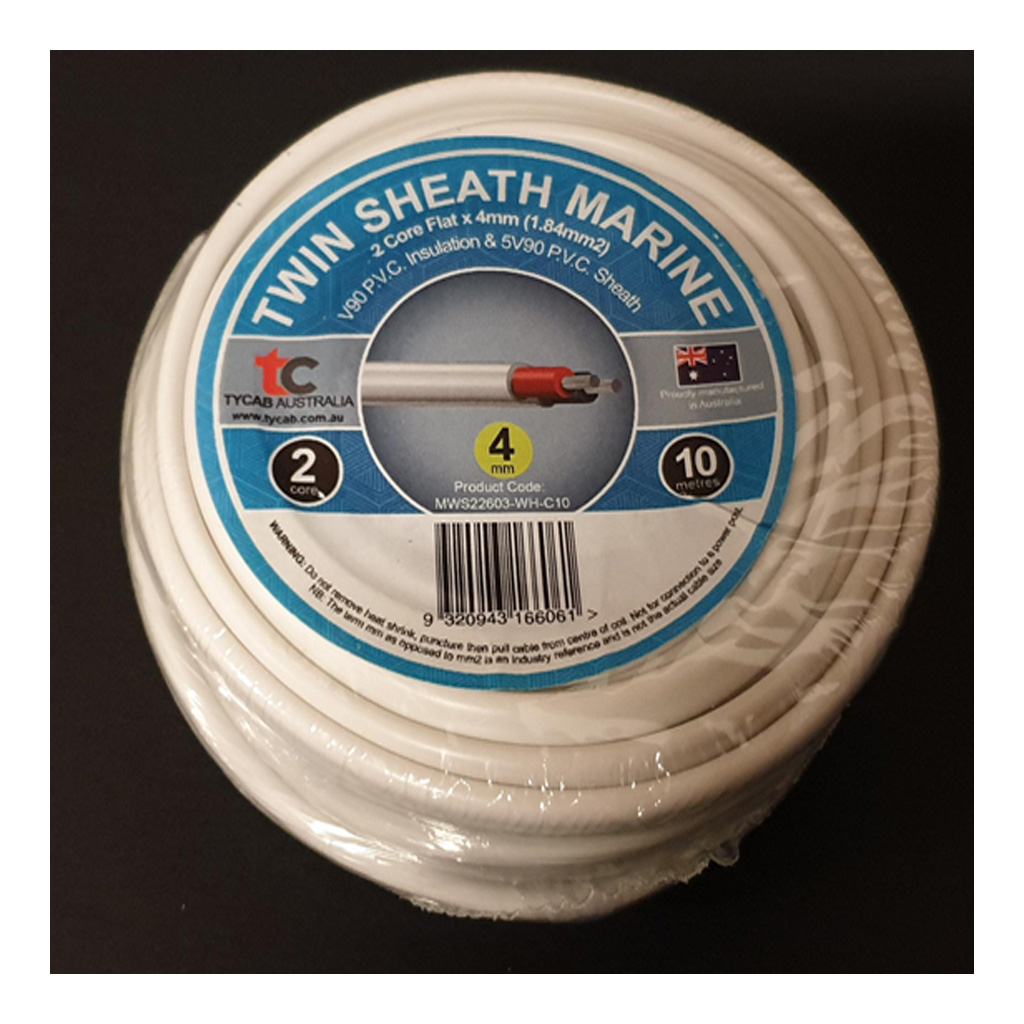
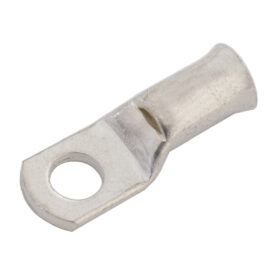 Cable Lugs
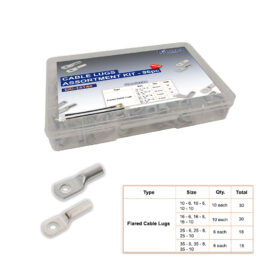 Cable Lug Assortment Kits
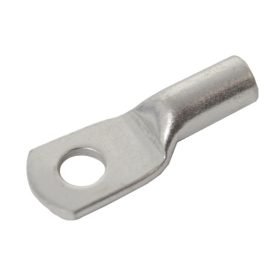 Cable Lugs Straight Wall Closed
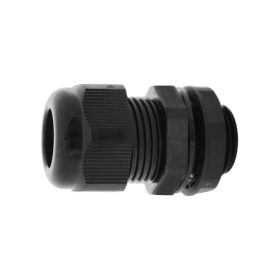 Cable Glands
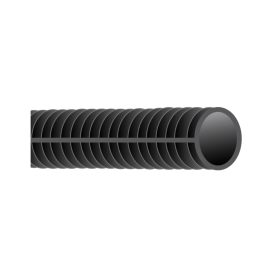 Convoluted Split Tubing
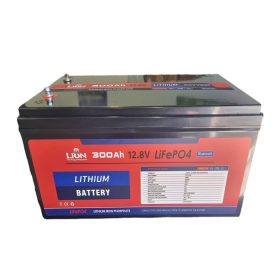 12/24v Products & Access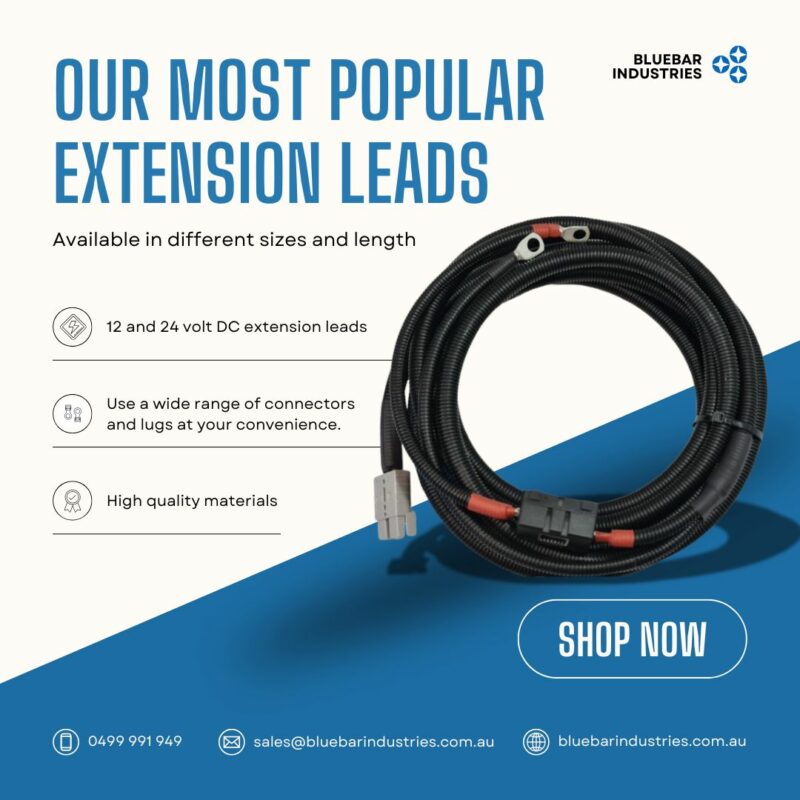
 Electrical Connectors
 Solar Powered Products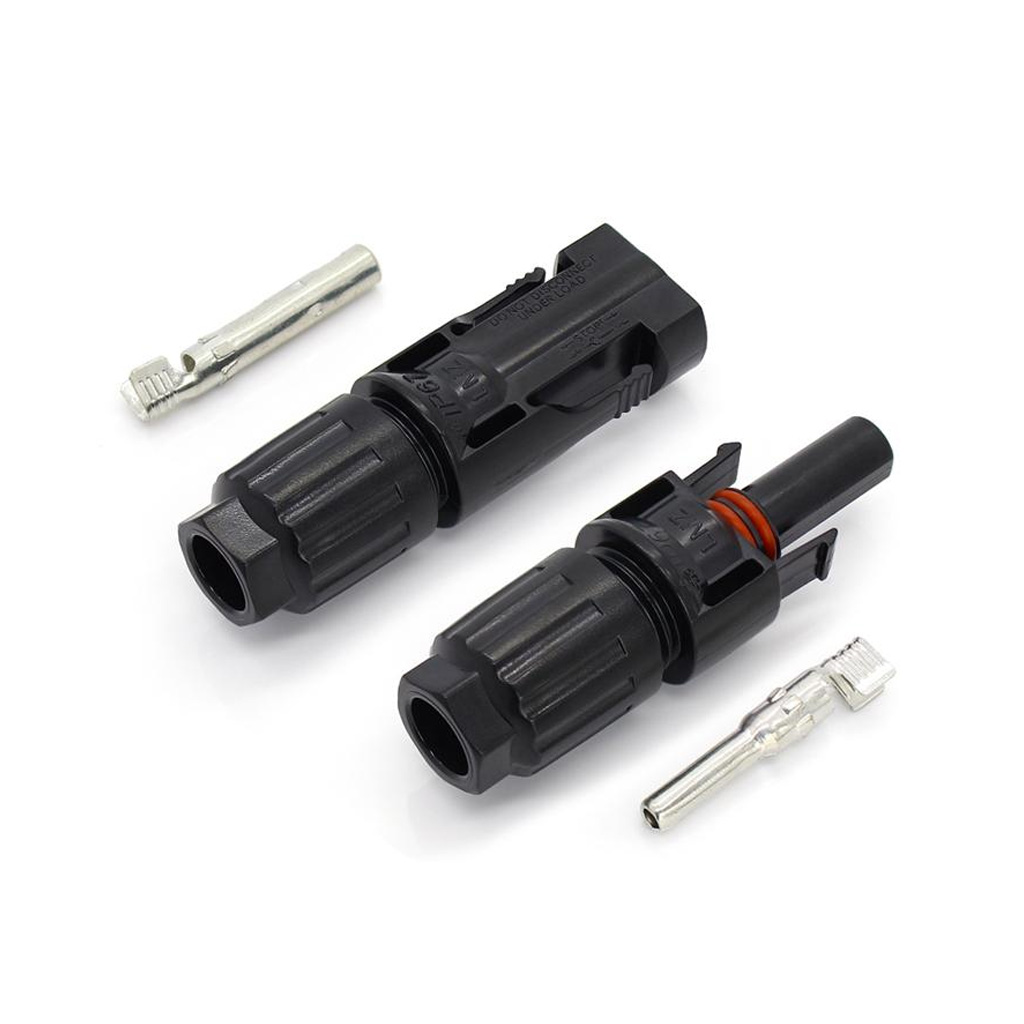
 LED Lights
 Tools
Tools
 Auto Parts & Categories

 Fittings
 Cleaning & Misc
 Clearance & Promotion
Latest News
MC4 Connector Compatibility Guide
May
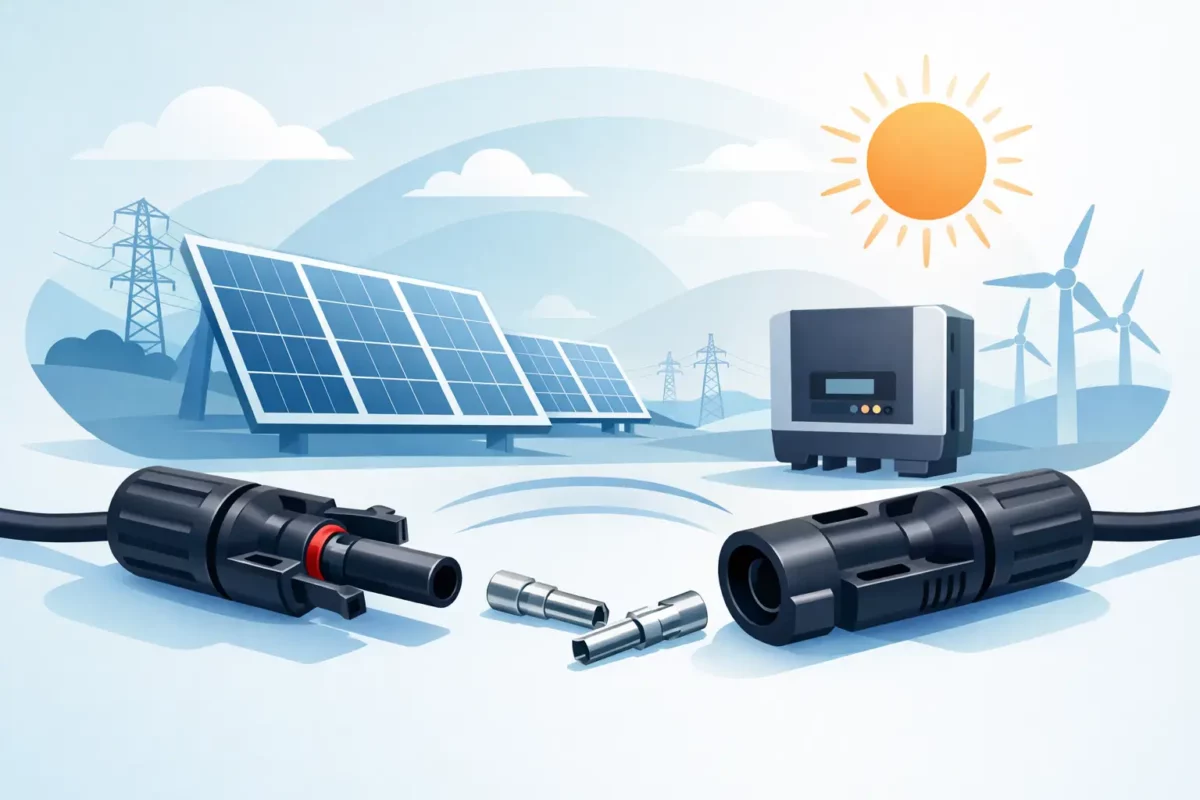
You usually find out connector compatibility matters after the frustrating part – a panel lead looks right, clicks in, then gives you heat, voltage drop or an intermittent fault a few trips later. This MC4 connector compatibility guide is written for installers, 4WD owners, caravan users and anyone building or repairing solar leads who needs to know what actually matches, what only appears to match, and where the risks sit.
MC4 is often treated like a universal solar plug. In practice, it is not that simple. The term gets used broadly across the market, and plenty of products are sold as MC4-compatible even when they are not from the same manufacturer, not tested together, or not built to the same tolerances. If you are wiring portable solar, fixed roof panels, battery charging gear or custom 12V and 24V setups, that distinction matters.
MC4 connector compatibility guide – what compatibility really means
At a basic level, compatibility means the male and female connector halves physically mate, lock correctly, seal against dust and moisture, and maintain a low-resistance electrical connection under load. That is the practical test. But proper compatibility goes further than whether two plugs click together.
True compatibility depends on the contact design, locking mechanism, material tolerances, current rating, cable size range and the crimp contact used inside the housing. Two connectors can look near-identical from the outside and still perform differently once they are carrying current in heat, vibration and weather.
That is why experienced installers are cautious about mixing brands. A connector pair might connect on the bench, yet still have slight differences in spring tension or contact engagement. In a low-load setup, you may never notice. In a higher-current solar array, or on a system exposed to Australian heat and corrugations, those small differences can turn into a hot joint.
Why matching brand and series is usually the safest call
The safest approach is simple: use matching connectors from the same manufacturer and the same series. If your panel is fitted with genuine MC4 connectors from a recognised brand, the best mate is the matching equivalent, not a generic substitute that only claims compatibility.
This is not brand snobbery. It is about fit, compliance and repeatable performance. Connector makers test their own components as a system. Once you start mixing housings and contacts from different sources, you are outside that tested combination. For trade work, that can create avoidable liability. For DIY setups, it can create a fault that is hard to trace because everything looks fine until the system is under load.
There is also the issue of ageing. A fresh connector pair may feel fine. After months of UV, dust, water ingress and repeated thermal cycling, a poor match can loosen or develop resistance faster than a properly matched pair.
The common compatibility traps
The biggest trap is assuming all MC4-labelled connectors are interchangeable. They are not. MC4 has become shorthand for a connector style, and the market is full of alternatives built to resemble the original format.
Another trap is mixing genuine and generic parts. The locking tabs may engage, but the internal metal contact may sit differently or apply less pressure. That means less contact area, more resistance and more heat.
Cable size is another issue that gets missed. Many MC4 connectors are designed around specific conductor sizes, commonly 4 mm2 or 6 mm2 in solar cable. If the cable is undersized for the contact, or the wrong contact is crimped onto the conductor, the connection may be mechanically weak even if the housings mate properly.
You also need to watch current and voltage ratings. A connector used on a modest portable panel setup may not be suitable in a larger array or longer-run installation. Physical fit does not equal electrical suitability.
How to check MC4 compatibility before you connect anything
Start with the manufacturer details. If both halves are from the same brand and series, that is your strongest position. If one side is unmarked, generic or bundled with a low-cost panel or lead, treat compatibility claims carefully.
Next, inspect the housing quality. Look for clean moulding, clear markings, proper locking tabs and contacts that sit correctly inside the shell. If the connector feels loose, binds as it mates, or needs excessive force to latch, stop there.
Then check the cable and contact size. The conductor must match the crimp contact specification, and the cable outer diameter needs to suit the sealing gland. Even a decent connector will fail early if the gland cannot clamp and seal the cable properly.
If you are making leads, use the right crimp tool for the connector system. A poor crimp introduces resistance before the connector is even plugged in. That is one of the more common causes of heating in field-made solar leads.
Finally, consider the application. Portable solar in a caravan park, rooftop vehicle solar on a touring rig, and fixed off-grid infrastructure do not all put the same stresses on a connection. Vibration, movement, repeated disconnects and harsh weather all tighten the margin for error.
MC4 connector compatibility guide for 12V and 24V solar setups
In 12V and 24V systems, MC4 connectors are commonly used on the panel side rather than throughout the whole DC installation. That distinction is worth keeping clear. MC4 is ideal for solar module connections and panel leads, but it is not always the best connector choice once you move deeper into vehicle or battery distribution.
For example, a portable panel may terminate in MC4 at the panel, then adapt to another connector type closer to the regulator, battery box or canopy wiring. That is normal. The key is making sure the MC4 portion of the system remains properly matched and weather-resistant, while the downstream connector is chosen for serviceability and current handling in the rest of the 12V or 24V setup.
Where users get into trouble is stacking adaptors or using bargain leads with unknown connector origins. Every extra join adds another possible resistance point. On a touring vehicle or caravan that sees dust, rain and vibration, fewer joins and better parts usually win.
When an adaptor lead makes sense and when it does not
An adaptor lead can be the right solution if you need to connect a solar panel with MC4 outputs to a different input style on a regulator, battery box or charging system. It keeps the panel side standard while letting the rest of the system suit the job.
What does not make sense is using adaptors to patch over poor compatibility between mismatched MC4 connectors. If two connectors are not a known, tested match, an adaptor does not fix that problem. It just adds more interfaces.
For portable systems, a well-built custom lead is often the cleaner answer. It reduces strain on the connectors, avoids loose reducers and keeps cable length and voltage drop under better control. That is particularly useful where gear is packed, unpacked and moved regularly.
Signs a connector match is not right
If a connection runs hot, discolours, smells burnt, feels loose after repeated use or shows signs of arcing, the match is not good enough, regardless of what the packaging claimed. Water ingress around the gland or visible corrosion inside the contact area is another red flag.
Intermittent charging can also point to a compatibility issue, especially where the system works when stationary but drops in and out once the vehicle is moving or the cable is disturbed. That kind of fault is easy to misread as a regulator or panel problem.
The fix is usually straightforward: replace the questionable connector pair with matched, correctly crimped components rather than trying to reuse one half and make the other half fit.
Choosing connectors for reliable field use
For Australian conditions, reliability comes from more than the IP rating on the packet. You want connectors with consistent manufacturing quality, proper UV resistance, solid locking action and contacts suited to the cable and current involved. If the system is going onto a 4WD, caravan, boat or work vehicle, vibration resistance and strain relief matter just as much as weather sealing.
This is where buying from a specialist supplier helps. You are not just buying a plug that looks about right. You are choosing parts that suit real 12V and 24V installations, with cable, adaptors and tools that match the job. Bluebar Industries works in that space every day, and it shows in the difference between a lead that survives the track and one that ends up in the spares box after the first trip.
If there is one rule worth keeping, it is this: do not treat MC4 as a generic shape. Treat it as a connector system that only works properly when the components, cable and assembly all line up. Get that right at the start and the rest of the solar setup has a much better chance of staying reliable when you are well away from the shed.