

 Cable Automotive / Marine
 Cable Lugs
 Cable Lug Assortment Kits
 Cable Lugs Straight Wall Closed
 Cable Glands
 Convoluted Split Tubing
 12/24v Products & Access
 Electrical Connectors
 Solar Powered Products
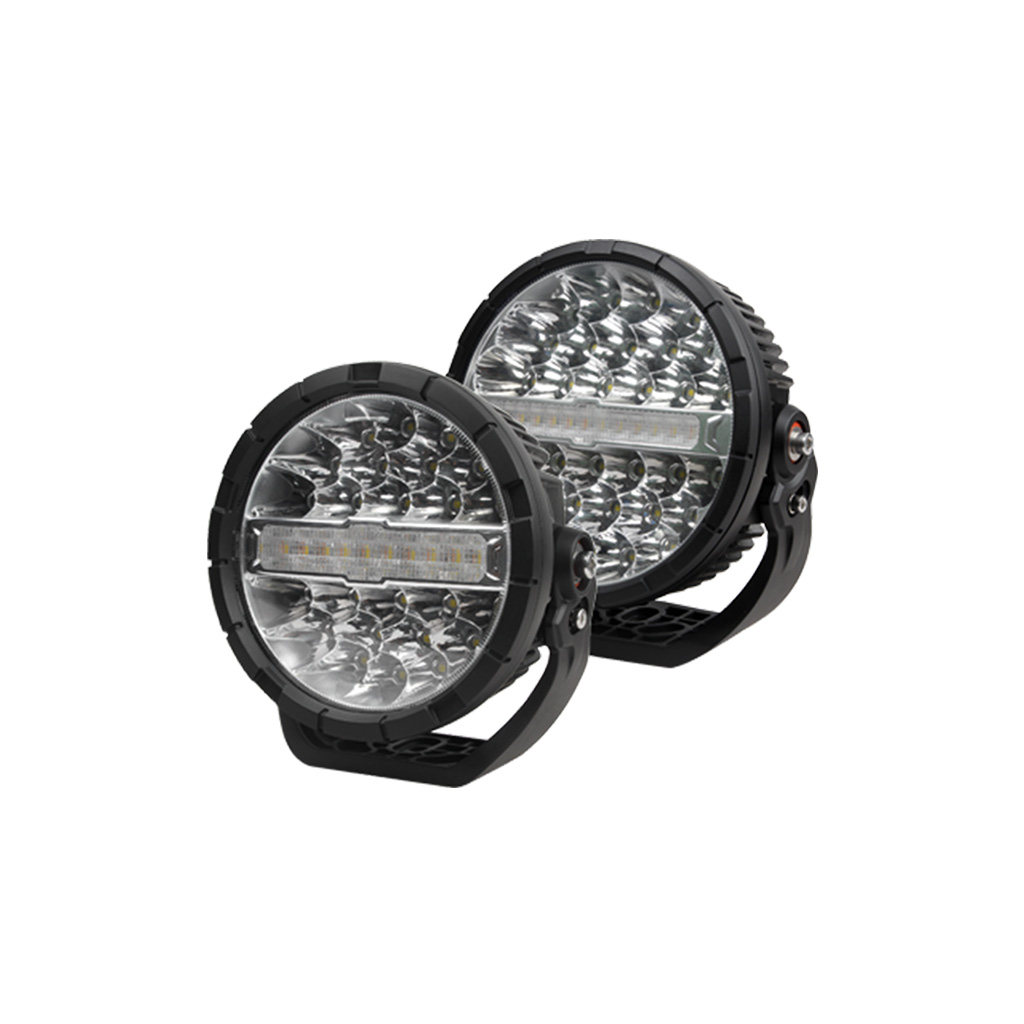
 LED Lights
 Tools
Tools

 Auto Parts & Categories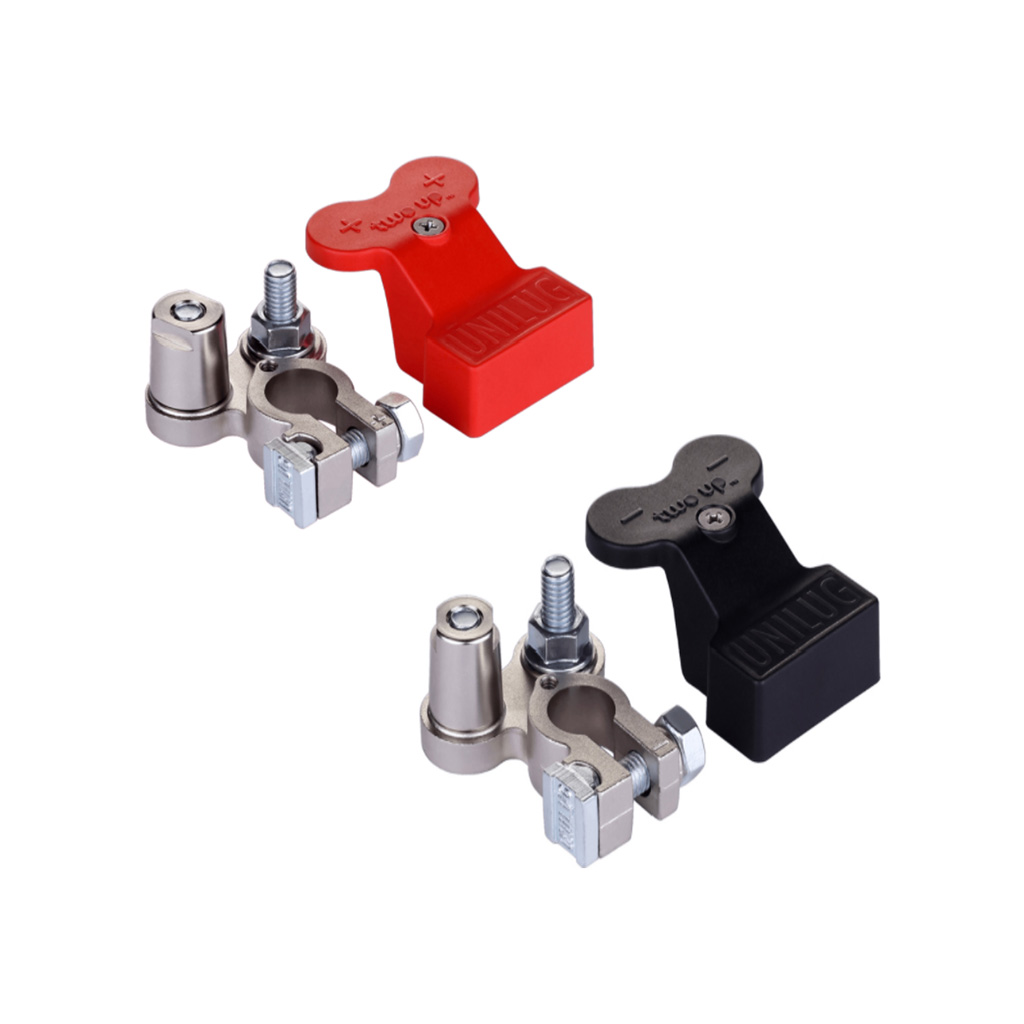

 Fittings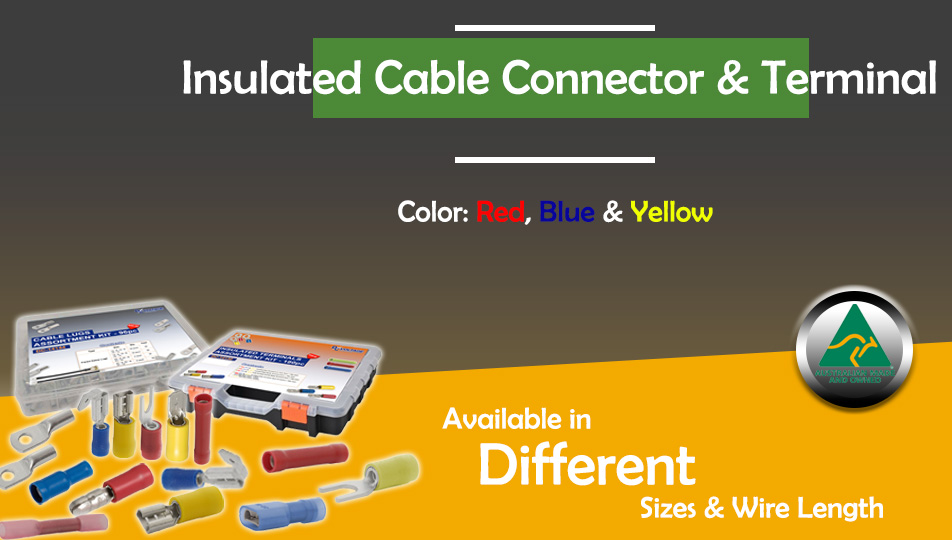
 Cleaning & Misc
 Clearance & Promotion
Latest News
Fuse Holders for 4WD Setup Explained
Jun
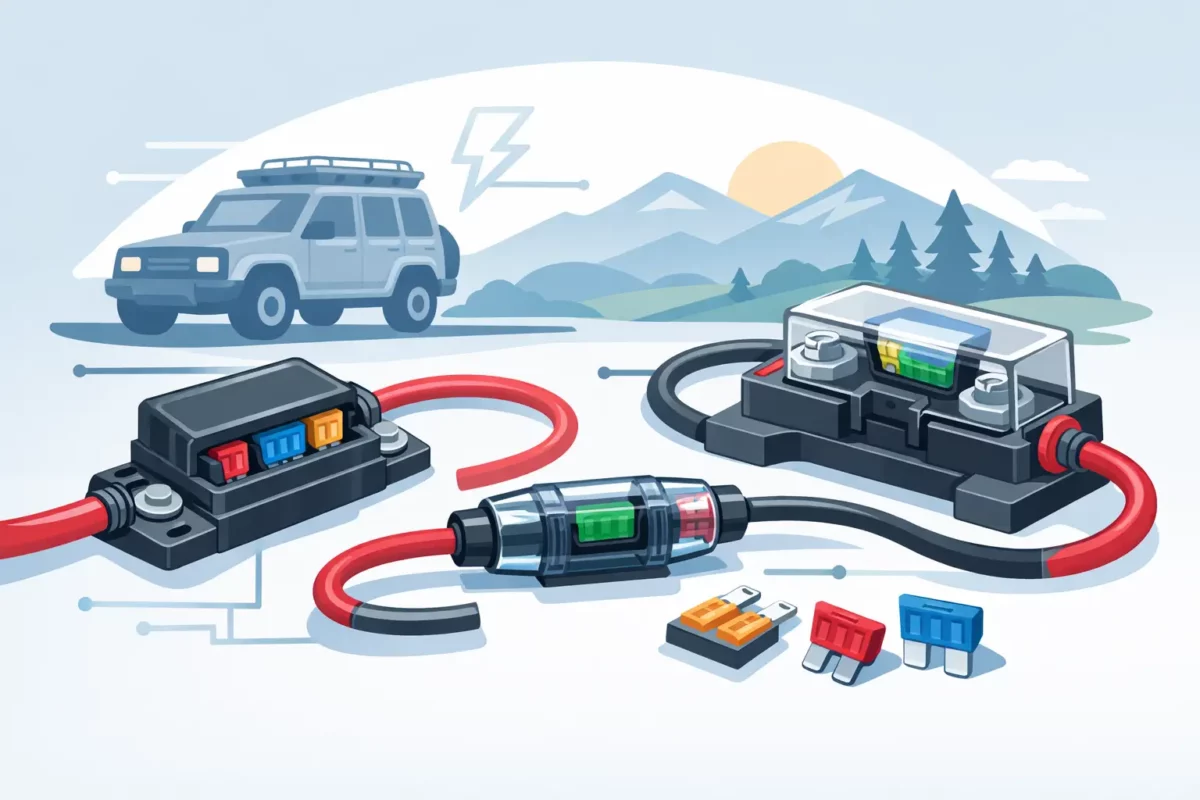
A fridge that cuts out on corrugations, driving lights that stop without warning, or a compressor feed that keeps blowing fuses usually points to the same issue – protection gear that does not match the job. When you are choosing fuse holders for 4WD setup work, the holder matters just as much as the fuse itself. In a touring vehicle, every connection sees vibration, heat, dust, moisture and current load, so a cheap or undersized holder can become the weak point very quickly.
Why fuse holders matter in a 4WD
A fuse is there to protect the cable, not the accessory. That basic rule gets missed all the time, especially on DIY dual battery and canopy fit-outs. The fuse holder is what keeps that protection usable in real conditions. If the holder has poor contact tension, light terminals, weak sealing or a body that cannot handle engine bay heat, you can end up with voltage drop, intermittent faults or melted plastic before the fuse even blows.
In a 4WD, that matters more than it does in a passenger car doing short suburban trips. Touring setups often carry fridges, inverters, battery chargers, UHF radios, camp lighting, air compressors, DC-DC chargers and solar inputs. Those circuits are not just switched on for ten minutes here and there. They run for hours, often in high ambient temperatures, over rough roads, and sometimes in wet or dusty conditions. The holder has to suit that environment, not just the amp rating printed on the packet.
Fuse holders for 4WD setup: start with the circuit
The right holder depends on where it sits and what it protects. There is no single best option for every build.
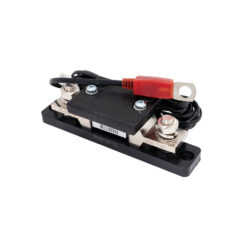
For a main feed from a start battery or auxiliary battery, higher-current fuse holders are usually the right choice. MIDI, MEGA or ANL style holders are common in these positions because they suit heavier cable and higher load circuits. Think battery to DC-DC charger, battery to distribution box, or battery to inverter. These holders are built for more current and generally offer more secure stud connections than smaller inline automotive styles.
For branch circuits feeding lighter accessories, blade fuse holders often make more sense. Standard blade, mini blade or weatherproof inline holders are practical for lights, radios, USB outlets and lower-draw devices. They are easy to service and simple to integrate into accessory looms, but only if the cable size and holder quality match the load.
If you are wiring a fuse block or distribution panel in a canopy, drawer system or caravan-style rear fit-out, a centralised fused distribution system can be cleaner than multiple separate inline holders. It is easier to label, easier to fault-find and generally tidier for future additions. The trade-off is that it needs planning, and the main feed into that block still needs its own correctly rated protection close to the battery.
Mounting location changes the answer
Under-bonnet fuse holders need better heat resistance and stronger sealing than holders mounted inside a cabin or canopy. That sounds obvious, but it is where many low-cost products fall over.
If the holder is exposed to engine bay heat, road spray or dust ingress, look for a design with a proper lid, decent terminal hardware and materials suited to harsh conditions. A weatherproof rating is useful, but real-world build quality still matters. A holder with a flimsy cap that never seals properly is not much use after a few months of touring.
Inside the vehicle, you have more flexibility. A quality blade fuse holder or enclosed fuse block mounted behind trim, under a seat or inside a rear electrical panel can work well. The priority there shifts more towards service access, neat cable routing and secure mounting.
Matching fuse holder size to cable and current
One of the most common mistakes in 12V and 24V systems is fitting a holder that is technically compatible with the fuse but wrong for the cable or terminal load. A holder might accept a 50A fuse, but if its cable tails are light gauge or its termination points are poor quality, it can still become a hot spot.
Start with the cable size and expected current draw, then choose the fuse to protect that cable, and then choose a holder designed to carry that current continuously. Continuous load is the key point. A fridge circuit, charger input or compressor feed can behave very differently from a momentary lighting circuit.
For example, a DC-DC charger drawing steady current from the start battery deserves a solid holder with proper stud terminals and cable lugs, not a generic inline holder with crimped tails of unknown quality. Likewise, an inverter feed should use hardware rated for serious current, not whatever happened to be in the toolbox.
Voltage drop and heat are warning signs
If a fuse holder feels hot under normal load, something is wrong. That could be undersized terminals, poor crimps, loose hardware, corrosion or a holder that is simply not up to the task. Heat creates resistance, resistance creates more heat, and that cycle ends badly.
Voltage drop can be harder to spot because the system might still appear to work. You might just notice the fridge cutting out on low voltage, slower charging at the auxiliary battery, or lights dimming more than expected. A quality holder with clean, well-supported terminations helps keep losses under control.
Common fuse holder types in 4WD systems
Blade fuse holders are popular because they are compact, familiar and easy to replace on the track. They suit lower-current accessory wiring well, especially when you use sealed inline versions for exposed areas. They are not the answer for every high-load circuit, though.
MIDI fuse holders are a strong all-round option for many 4WD battery and charging applications. They are more compact than some larger formats while still handling substantial current. They are often a good fit for dual battery systems, chargers and heavier accessory feeds.
MEGA and ANL fuse holders are usually chosen for higher-current circuits such as inverters, large distribution feeds or heavy charging links. They take up more room but offer secure mechanical connections and suit larger cable sizes.
MAXI blade holders sit somewhere in the middle for certain applications. They can work well where higher current is needed but space is tight. As always, the actual product build quality matters as much as the fuse family.
Installation details that make the difference
The holder should be mounted as close to the battery as practical on the positive feed. That way, the cable is protected for as much of its run as possible. Leaving a long unfused section near the battery defeats the point.
Cable support matters too. In a 4WD, vibration is constant. If the holder is left hanging in the loom, terminal fatigue and intermittent faults are far more likely. Secure the cable, mount the holder properly, and keep it away from sharp edges, moving parts and direct exhaust heat.
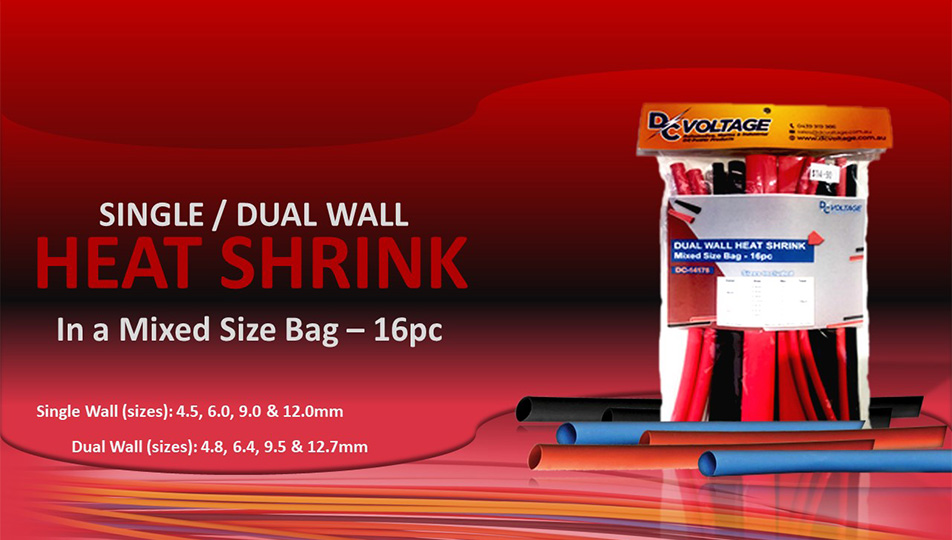
Crimp quality is another make-or-break factor. A good fuse holder paired with poor lugs or weak crimping is still a poor installation. Use the correct lugs, the right crimping tool, and adhesive-lined heat shrink where appropriate. For trade installers, that is standard practice. For DIY owners, it is worth doing once and doing properly.
Think about serviceability
A tidy install is not just about looks. If you cannot reach the fuse holder easily, you are making future diagnosis harder than it needs to be. Mount it where it can be inspected, tested and replaced without stripping half the vehicle.
This is especially relevant in touring builds that grow over time. A basic dual battery setup often becomes a more complex system later, with extra outlets, solar input, rear lighting or a compressor. Accessible fuse protection saves time every time the setup changes.
What to avoid when buying fuse holders for 4WD setup work
The biggest trap is buying on amp rating alone. Two holders with the same nominal rating can be very different in terminal quality, contact tension, sealing and material strength.
Be cautious with ultra-cheap holders that do not clearly state cable compatibility, fuse format, or environmental suitability. If the plastic feels brittle, the terminals are light, or the cap fit is loose, it is not a great sign for long-term use in Australian conditions. Dust, heat and corrugations expose weak components quickly.
It also pays to avoid mixing random fuse styles across one build without a reason. Standardising where practical makes spares easier to carry and faults easier to sort out on the road.
For trade and serious DIY work, sourcing from a specialist supplier with relevant 12V and 24V product range makes life easier. Bluebar Industries, for example, supplies components that suit real installation work rather than generic shelf filler, which matters when you are building systems that need to keep working past the bitumen.
The right holder is the one that suits the job
There is no magic fuse holder that covers every circuit in a 4WD. A battery feed to an inverter, a charger input, a canopy light circuit and a UHF power line all ask for different things. Current level, cable size, mounting location, exposure and service access all play a part.
If you build around those factors, the result is usually straightforward – the right fuse type, a holder that can genuinely carry the load, and an install that stays reliable when the vehicle is a long way from home. That is the sort of detail that saves hours of fault-finding later, and it is usually much cheaper than replacing damaged cable or stranded gear.