

 Cable Automotive / Marine

 Cable Lugs
 Cable Lug Assortment Kits
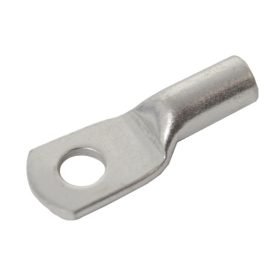 Cable Lugs Straight Wall Closed
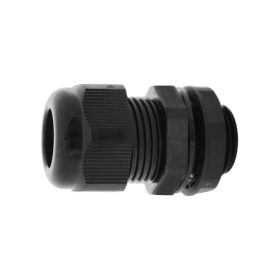 Cable Glands
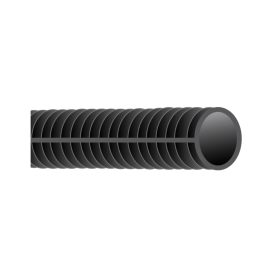 Convoluted Split Tubing
 12/24v Products & Access
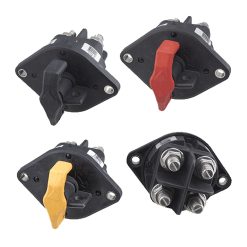
 Electrical Connectors

 Solar Powered Products

 LED Lights

 Tools
Tools


 Auto Parts & Categories


 Fittings

 Cleaning & Misc


 Clearance & Promotion
Latest News
Choosing a 24v adaptor for work vehicles

May
When a work ute, truck or service vehicle stops powering the gear it relies on, the problem is often smaller than people expect. It might not be the battery bank or the accessory itself. Quite often, it comes back to using the wrong 24V adaptor for work vehicles – wrong plug style, light cable, poor contact pressure or an adaptor that was never built for real load in the first place.
For fleets, tradies and installers, that matters because a 24V setup is rarely there for convenience. It is there to run radios, charging gear, fridges, pumps, work lights, testing equipment, dash systems or specialist accessories that need dependable supply every day. If the adaptor is the weak point, the whole system becomes harder to trust.
What a 24V adaptor for work vehicles actually needs to do
A lot of adaptor buying goes wrong because people think only about voltage. Yes, the system is 24V, but voltage alone does not tell you whether an adaptor is suitable. The real job of the adaptor is to provide a safe, stable and physically reliable connection between the vehicle power source and the device being powered.
That means the adaptor needs to match the current draw, the connector format, the cable length and the environment. A vehicle used on mine sites, civil jobs, highway freight or remote service work will shake, get dusty, run hot and see plenty of plug-in and unplug cycles. A cheap adaptor that feels fine on the bench can become intermittent very quickly once it lives in a vehicle.
There is also the question of whether you are adapting from one connector type to another, stepping down from 24V to 12V for a specific accessory, or simply extending usable power from an existing 24V source. Those are different jobs, and they should not be treated as the same product choice.
Start with the load, not the plug
Before choosing any 24V adaptor for work vehicles, work out what the connected gear actually draws. This sounds basic, but it saves a lot of grief. If the accessory pulls modest current, your adaptor options are broad. If it has startup surge, continuous high draw or long operating periods, the adaptor needs to be built accordingly.
This is where low-cost adaptors often come unstuck. They may be rated loosely, use undersized conductors or rely on connector formats that are acceptable for light accessories but not ideal for serious daily use. Voltage drop, heat build-up and loose connection points start showing up once the load stays on for long periods.
For work vehicles, it is usually smarter to choose with margin rather than buy to the exact number on paper. A bit of headroom in cable size and connector quality generally means cooler operation, better reliability and fewer failures in rough service.
Why duty cycle matters
Two accessories can have the same current draw and still place very different demands on an adaptor. A device used for five minutes at a time is one thing. A fridge, communications setup or permanently powered system running for hours is another.
If the adaptor will stay connected all day, contact quality becomes just as important as rating. A connection that is only just adequate can heat up over time, especially in a hot cabin or engine-bay-adjacent install. For trade and fleet use, that is where better connector systems and heavier lead assemblies start paying off.
Connector types make or break reliability
One of the most common issues in mobile power is trying to force a general-purpose connector into a heavy-duty job. Not every plug style is suited to vibration, dust ingress or repeated use. In some setups, a cigarette-style plug might be acceptable for very light accessories. In many work vehicles, it is not the best option if dependable retention and current handling are the priority.
A proper adaptor needs to suit both ends of the job. The source side has to match the vehicle socket or fixed wiring arrangement. The output side has to match the accessory without introducing weak joints or unnecessary conversions. Every extra junction adds another potential failure point.
Anderson-style connections and trade use
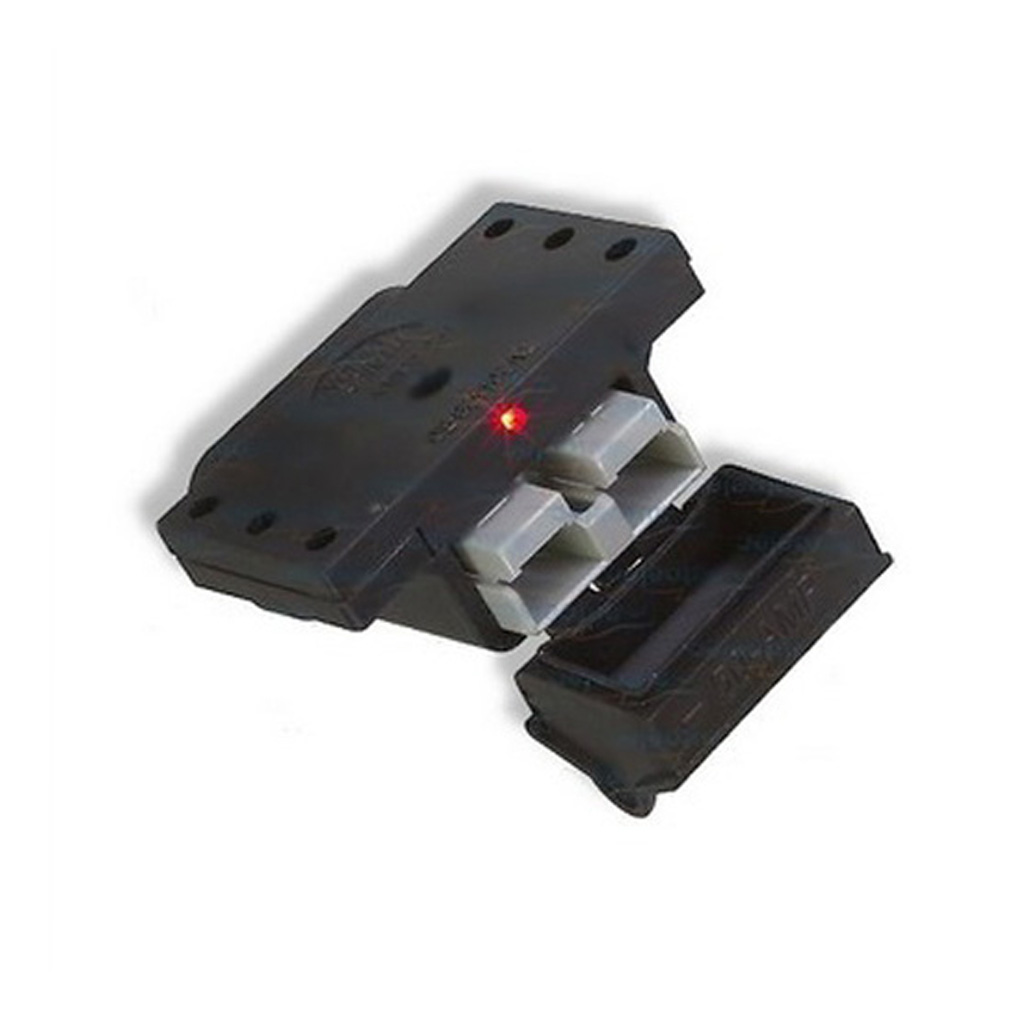
For many Australian vehicle and workshop applications, Anderson-style connectors are preferred because they offer a more secure and higher-capacity connection than lighter accessory plugs. They are widely used across 12V and 24V systems for good reason – solid contact, easy polarity management and suitability for charging, power distribution and removable accessories.
That does not mean every job should default to the same connector. Space, current draw, mounting method and how often the lead needs to be removed all affect what makes sense. But if the adaptor is expected to do real work rather than occasional convenience duty, connector choice deserves careful thought.
Cable size is not a small detail
Adaptor discussions often focus on ends and forget the section in the middle. The cable itself has a direct effect on performance. In a 24V system, people sometimes become a little less concerned about voltage drop than they would in 12V, but it still matters, especially with longer leads or sensitive equipment.
Thin cable can cause poor device performance, nuisance shutdowns and unnecessary heat. That becomes more obvious when the lead is routed across a cabin, through a canopy or between a battery system and rear-mounted accessories. If the adaptor is being used as part of a practical working setup, cable size should be chosen to suit real installation length and load, not just the shortest possible bench test.
Flexibility matters too. A stiff, poorly made lead can be annoying in a vehicle and more likely to fatigue near the termination points. A good adaptor should use cable that is appropriate for mobile use, not something that belongs in a static indoor application.
Does the vehicle need 24V to 12V conversion?
This is where the term adaptor can cause confusion. Some buyers are looking for a direct connection lead for a 24V accessory. Others actually need to run a 12V device from a 24V vehicle. Those are not interchangeable requirements.
If the accessory is 12V only, you need proper voltage conversion, not just a plug that fits. Feeding 24V into a 12V item will usually end badly and often quickly. In that case, the correct product is a 24V to 12V converter or regulated adaptor designed for the load.
Regulated output matters for sensitive gear
For radios, charging equipment, camera systems and other electronics, stable output is important. A basic solution might be enough for a simple load, but more sensitive devices benefit from regulated conversion that can handle vehicle voltage variation. Work vehicles do not always present perfectly clean conditions, especially when cranking, charging systems are active or multiple accessories are switching on and off.
If there is any doubt, match the adaptor or converter to both the nominal voltage and the type of equipment being powered. That is a far safer approach than assuming all adaptors behave the same way.
Workshop, fleet and field use all have different priorities
A mobile auto electrician, a fleet manager and a weekend 4WD owner may all be shopping for similar-looking parts, but their buying criteria are not identical. A workshop may want adaptors that are versatile and easy to test with. A fleet operator may care most about repeatability across multiple vehicles. A field tech may need compact leads that survive constant use and pack away neatly.
That is why product depth matters. A supplier that understands power systems will usually carry more than one answer to the same broad question. Different lead lengths, connector combinations, current capacities and custom options are often what make the difference between a part that technically fits and one that actually works well long term.
For buyers dealing with mixed vehicle types, standardising wherever possible also helps. Using the same connector families and lead specs across a fleet can reduce downtime, simplify spares and make fault-finding quicker.
What to look for before you buy
The best way to choose a 24V adaptor for work vehicles is to think like the installer, not just the purchaser. Check the current requirement, confirm whether the output needs to remain 24V or be converted, and make sure the connector format suits the way the vehicle is actually used.
Look closely at cable construction, termination quality and how the adaptor will be secured in service. If it will be exposed to dust, vibration or repeated movement, buy for that environment. If it is for intermittent, low-draw cabin use, a lighter option may be fine. It depends on the job, and that is exactly the point.
This is also where dealing with a specialist supplier helps. A business such as Bluebar Industries works in the same space as the people fitting and relying on these systems, which makes it easier to source a lead or adaptor that matches real-world use rather than catalogue guesswork.
A work vehicle power setup is only as dependable as its least convincing connection. Get the adaptor right, and the rest of the system has a much better chance of doing its job when the day gets busy.