

 Cable Automotive / Marine
 Cable Lugs
 Cable Lug Assortment Kits
 Cable Lugs Straight Wall Closed
 Cable Glands
 Convoluted Split Tubing
 12/24v Products & Access

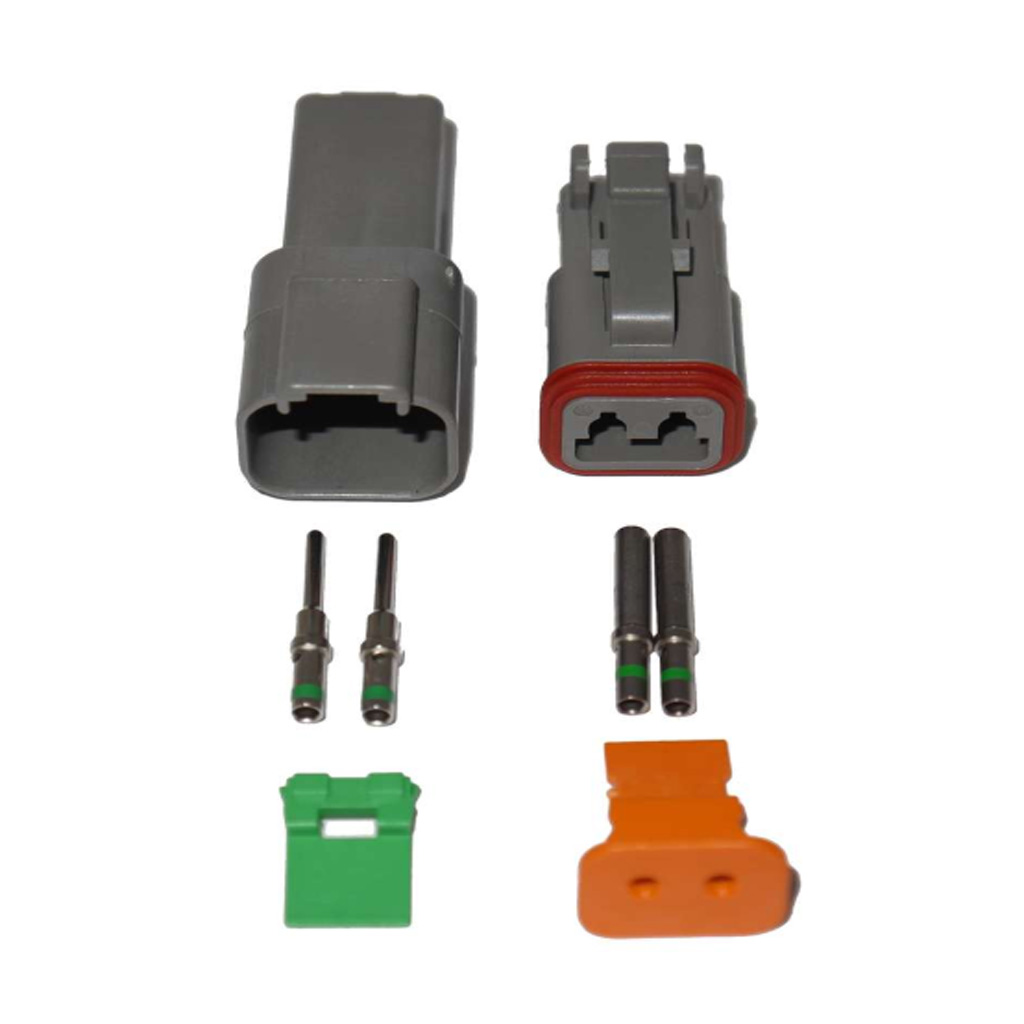
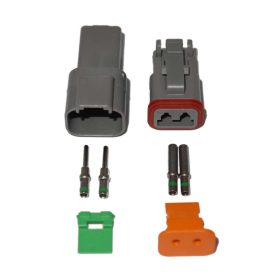 Electrical Connectors


 Solar Powered Products
 LED Lights


 Tools







 Auto Parts & Categories

 Fittings


 Cleaning & Misc


 Clearance & Promotion
Latest News
Choose Battery Chargers for 12V and 24V Systems
Nov
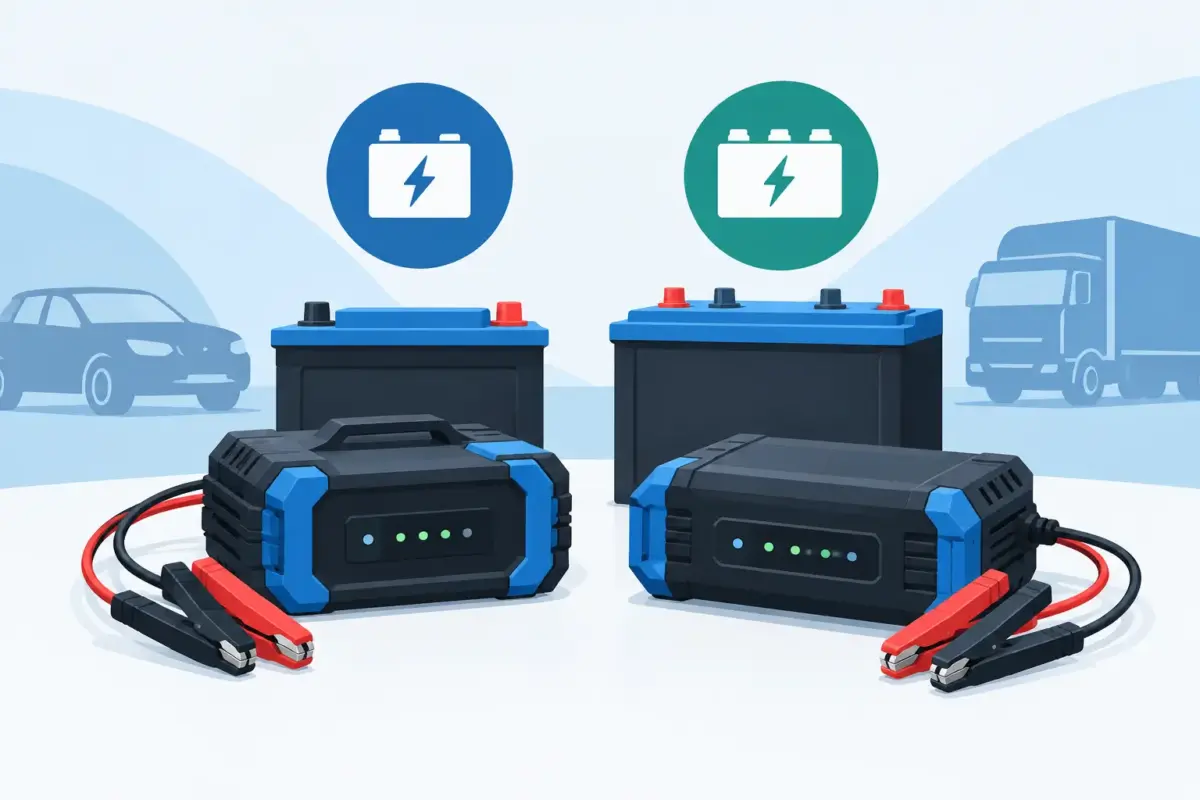
A flat auxiliary battery at camp, a starting battery that will not recover after storage, or a house bank that never reaches full charge usually points to the same issue: the battery chargers in the system are not correctly matched to the battery, the load or the way the vehicle is used. A charger is not just a box that puts power back into a battery. It needs to deliver the right voltage, current and charge profile without overheating the battery or cutting its service life short.
For 4WDs, caravans, boats, work utes and industrial equipment, choosing the right charger starts with understanding the battery bank it will support. The most expensive option is not automatically the best one. A well-matched charger is the one that gets the battery back to a safe state of charge in the available time, suits the battery chemistry, and holds up to the conditions around it.
Start With the Battery Chemistry
The charge profile must suit the battery type. This is the first specification to check, ahead of advertised amp output or extra display features. Conventional flooded lead-acid, AGM, gel and lithium batteries all have different voltage requirements and charging behaviour.
AGM batteries are common in dual-battery and caravan applications because they are sealed, tolerate vibration well and can provide strong current for accessories. They generally need a higher absorption voltage than standard wet-cell batteries. Gel batteries are less forgiving of excessive voltage, so a charger that does not have a genuine gel setting can cause damage over time.
Lithium iron phosphate, often called LiFePO4, needs a charger with a lithium-specific programme. These chargers use the correct charging voltage and do not rely on the long float stages often used for lead-acid batteries. Some lithium batteries have an internal battery management system, but that is a protective measure, not a substitute for a compatible charger.
A selectable chemistry setting is useful only when it is set correctly. Check the battery manufacturer’s charging recommendations, especially for lithium installations and larger battery banks. If a battery charger is permanently assigned to one system, set it once, label the installation and avoid leaving the selection open to guesswork.
Selecting Battery Chargers by Output
Charge current is measured in amps. A higher amp rating can reduce charging time, but only if the battery accepts that current and the supply, cabling and connections are up to the task. Charging a small 40Ah battery with an oversized charger may generate unnecessary heat. Charging a 200Ah bank with a 5A charger may be safe, but it can take days to restore a deeply discharged battery.
As a practical starting point, many lead-acid batteries suit a charger rated at roughly 10 per cent of battery capacity. A 100Ah battery will often work well with a 10A charger, while a 200Ah bank may suit a 20A unit. This is a guide rather than a fixed rule. Battery manufacturer limits always take priority.
Lithium batteries can often accept a higher charge rate, which makes them attractive for touring and off-grid setups where charging windows are short. Even so, consider the whole system. A 40A charger needs appropriately sized cable, sound terminations, correct fusing and a supply source that can continuously support it. Undersized cable creates voltage drop, slows charging and produces heat where it is least wanted.
For a maintenance charger used on a stored car, motorcycle, boat or camper trailer, 1A to 5A is often enough. For daily-use caravan battery banks or workshop vehicles that need to be turned around quickly, a 15A, 20A or higher-output unit may be more suitable.
Choose the Right Charger Type for the Job
240V mains battery chargers
A mains-powered smart charger is the standard choice when shore power or a workshop power point is available. It is useful for battery maintenance, recovery charging and keeping a caravan or boat battery bank topped up between trips. Multi-stage charging typically moves through bulk, absorption and float stages, reducing charge current as the battery fills.
For a caravan, an onboard 240V charger can be fitted as part of the electrical system and connected whenever mains power is available. For workshop or home use, a portable unit gives more flexibility. Look for a unit with enough lead length, solid clamps or suitable terminal connections, and a housing rated for the environment where it will be used.
DC-DC chargers for vehicle charging
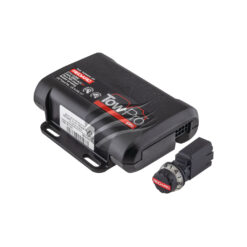
A DC-DC charger is designed to charge an auxiliary battery from a vehicle alternator. It is particularly valuable in modern vehicles with smart alternators, where voltage may drop after the starting battery is replenished. A basic voltage-sensitive relay can leave an auxiliary battery undercharged in this situation. A DC-DC unit boosts and regulates the input to provide the required battery charge profile.
This is the usual solution for a dual-battery system in a 4WD, ute, canopy or caravan. It can also provide controlled charging over a long cable run, such as from a tow vehicle to a caravan battery bank. Long runs create voltage drop, so charger placement, cable size, Anderson connectors and fuse protection all matter.
Solar-compatible charging
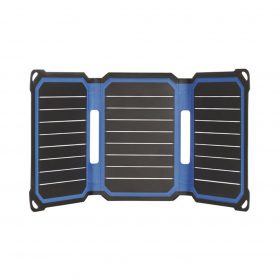
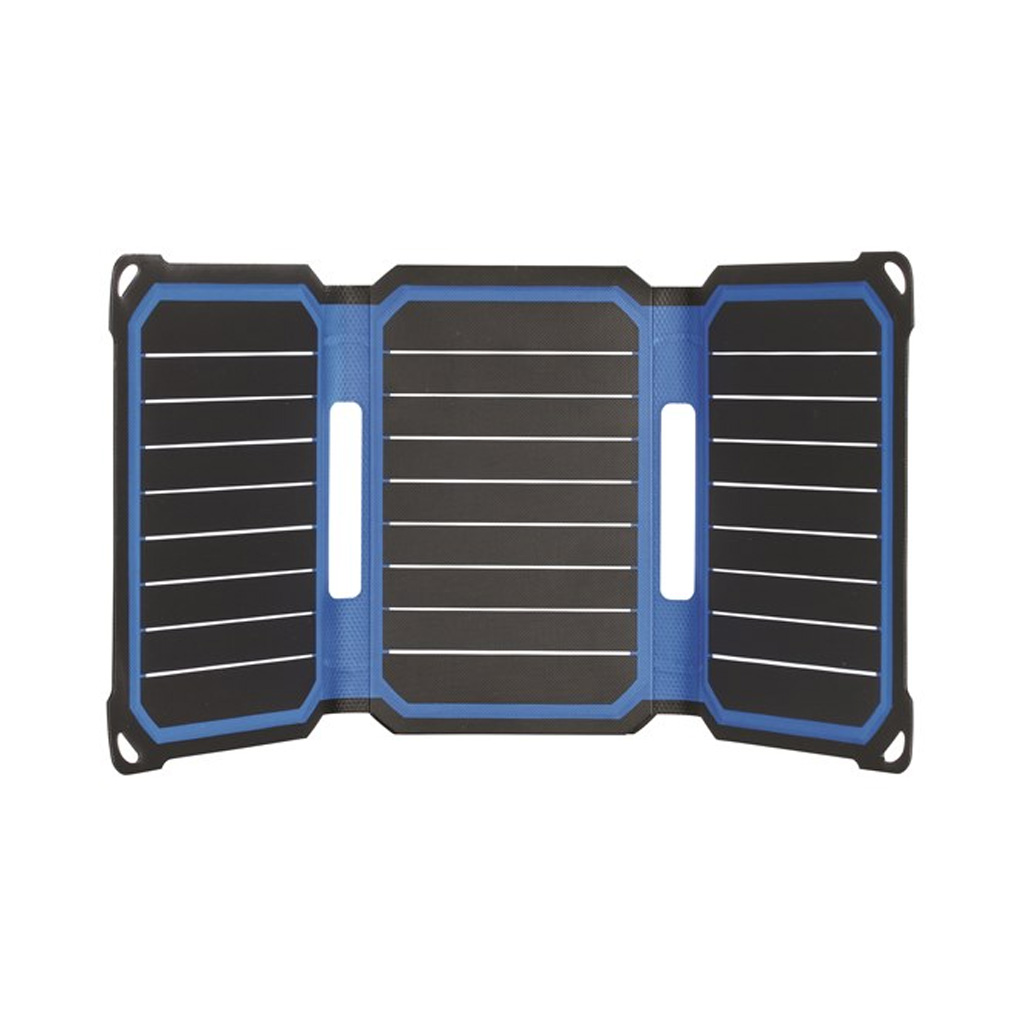
A solar regulator is also a battery charger, although it takes power from a solar panel rather than a mains supply or alternator. MPPT regulators are generally the better choice where panel voltage is above battery voltage, cable runs are longer, or maximum solar harvest matters. PWM regulators can still suit smaller, simple systems at a lower cost.
Many DC-DC chargers include a solar input, allowing alternator and solar charging through one unit. That can simplify an installation, but only if its solar input voltage and wattage limits suit the panel array. Check those limits before adding panels or connecting portable solar blankets.
Features That Matter in Australian Conditions
A useful charger should be easy to read, easy to connect and rated for where it will live. In a sealed canopy, engine bay, boat compartment or dusty workshop, heat and moisture can be harder on electronics than the charging load itself.
Temperature compensation is worthwhile for lead-acid batteries. Battery charging voltage changes with temperature, and a sensor helps prevent overcharging in heat or undercharging in cold conditions. In an engine bay or enclosed battery box, it is a practical feature rather than a luxury.
For mobile installations, vibration resistance and ingress protection deserve attention. A charger mounted inside a dry canopy has different requirements from one mounted under a tray or in a marine environment. Check the IP rating, mounting instructions and ventilation requirements. Do not assume a sealed-looking case is suitable for direct weather exposure.
Reverse-polarity protection, short-circuit protection and thermal shutdown are also worthwhile safeguards. They do not make poor installation acceptable, but they provide a margin of protection when connecting batteries in real working conditions.
Installation Is Part of Charging Performance
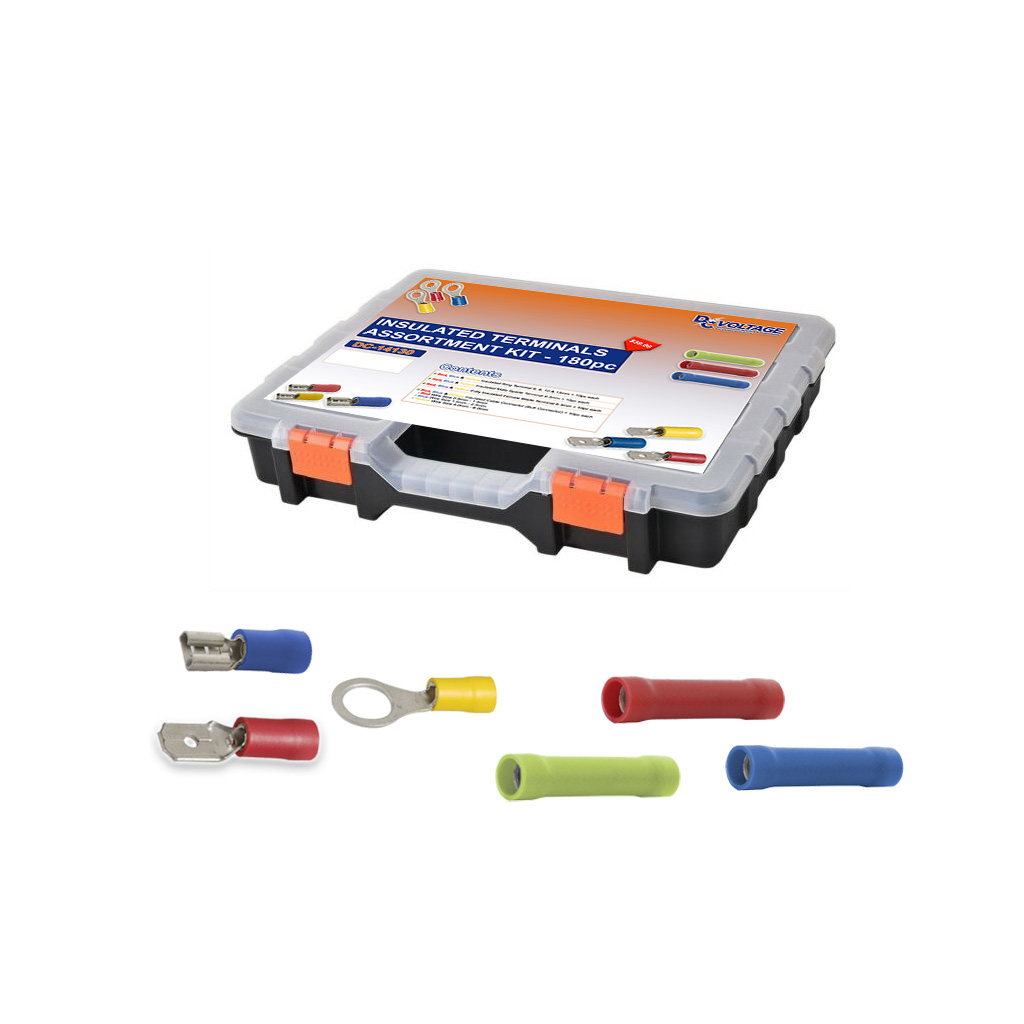
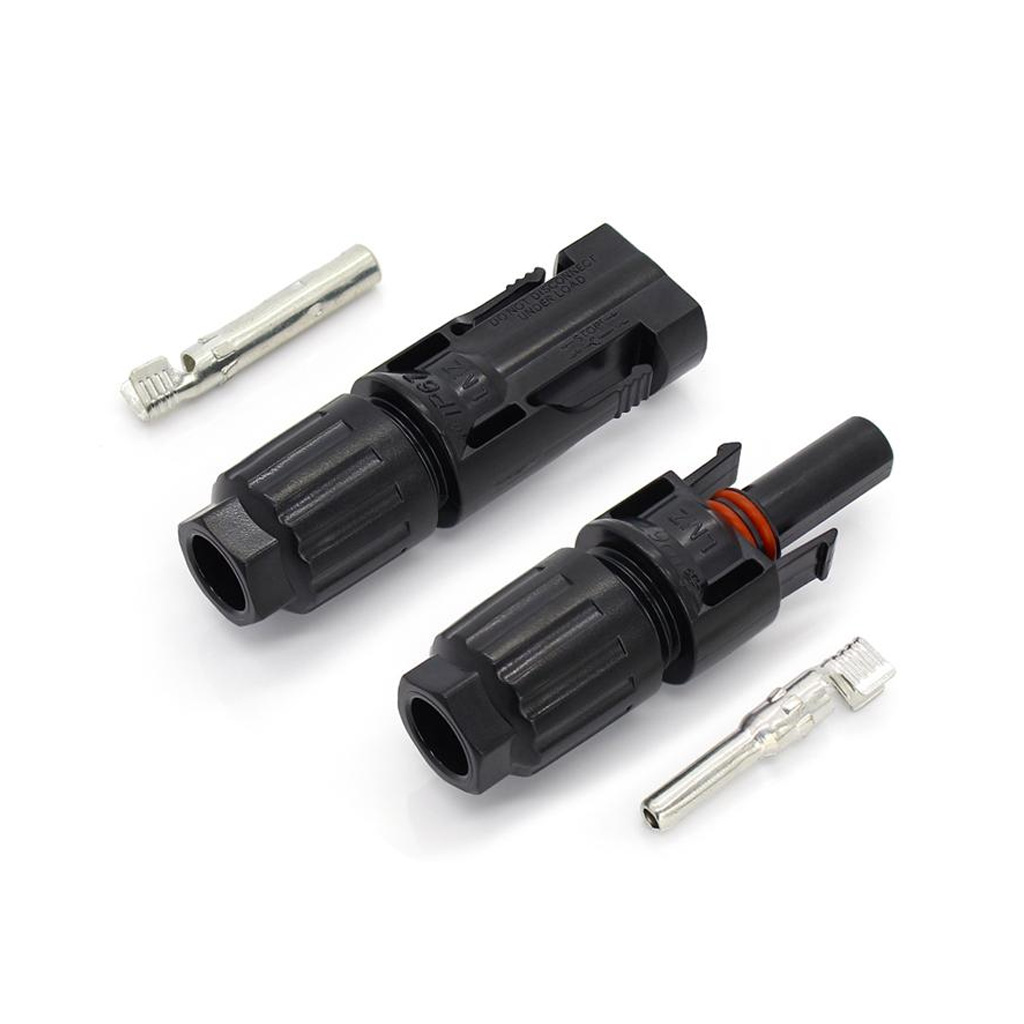
A quality charger cannot overcome poor cable and connection work. Cable size should be based on charger output, cable length and acceptable voltage drop. Terminals need to be crimped correctly, protected from corrosion and mechanically supported so vibration does not fatigue the conductor.
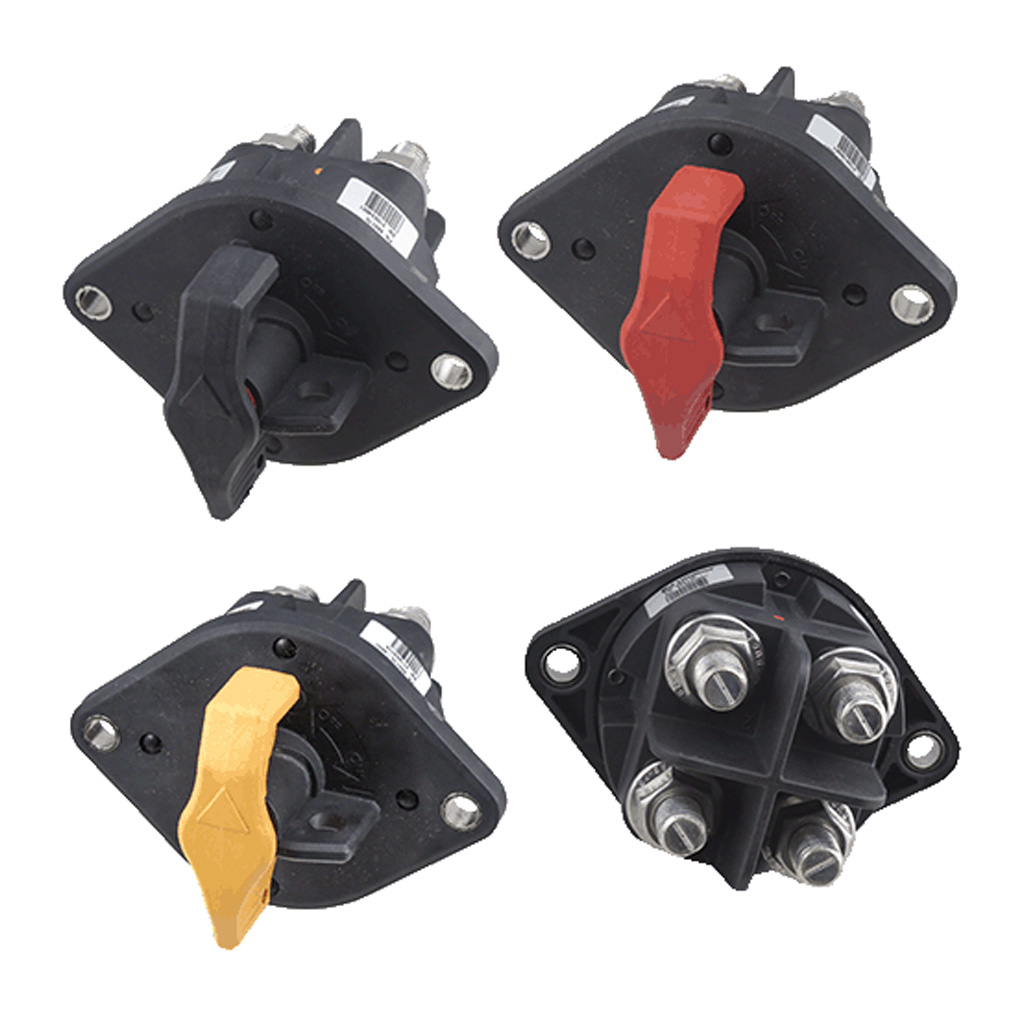
Fit fuses as close as practical to each battery positive terminal. A fuse protects the cable if it is damaged or shorted, not the charger alone. Both ends of a cable linking separate batteries may require protection, particularly where the cable runs through a vehicle chassis, drawbar or canopy.
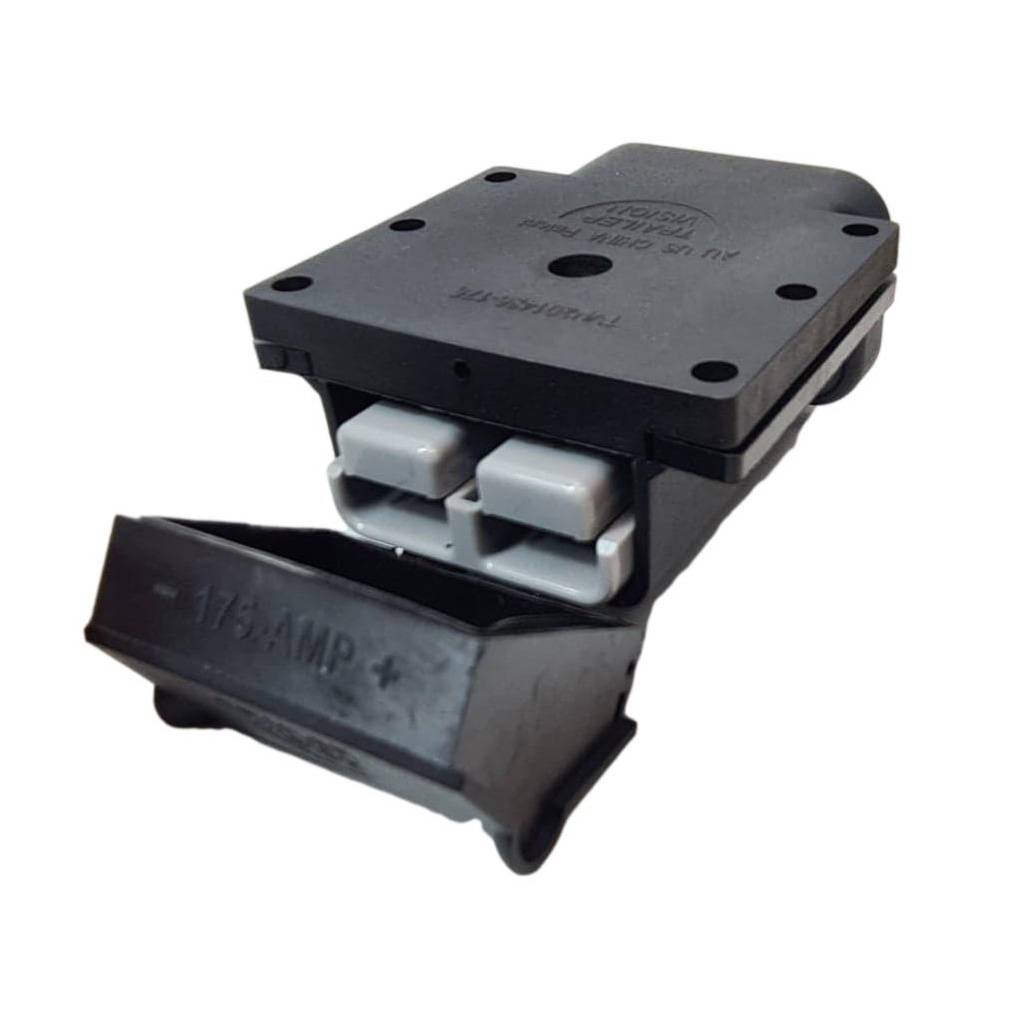
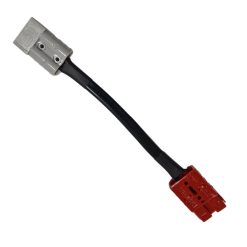
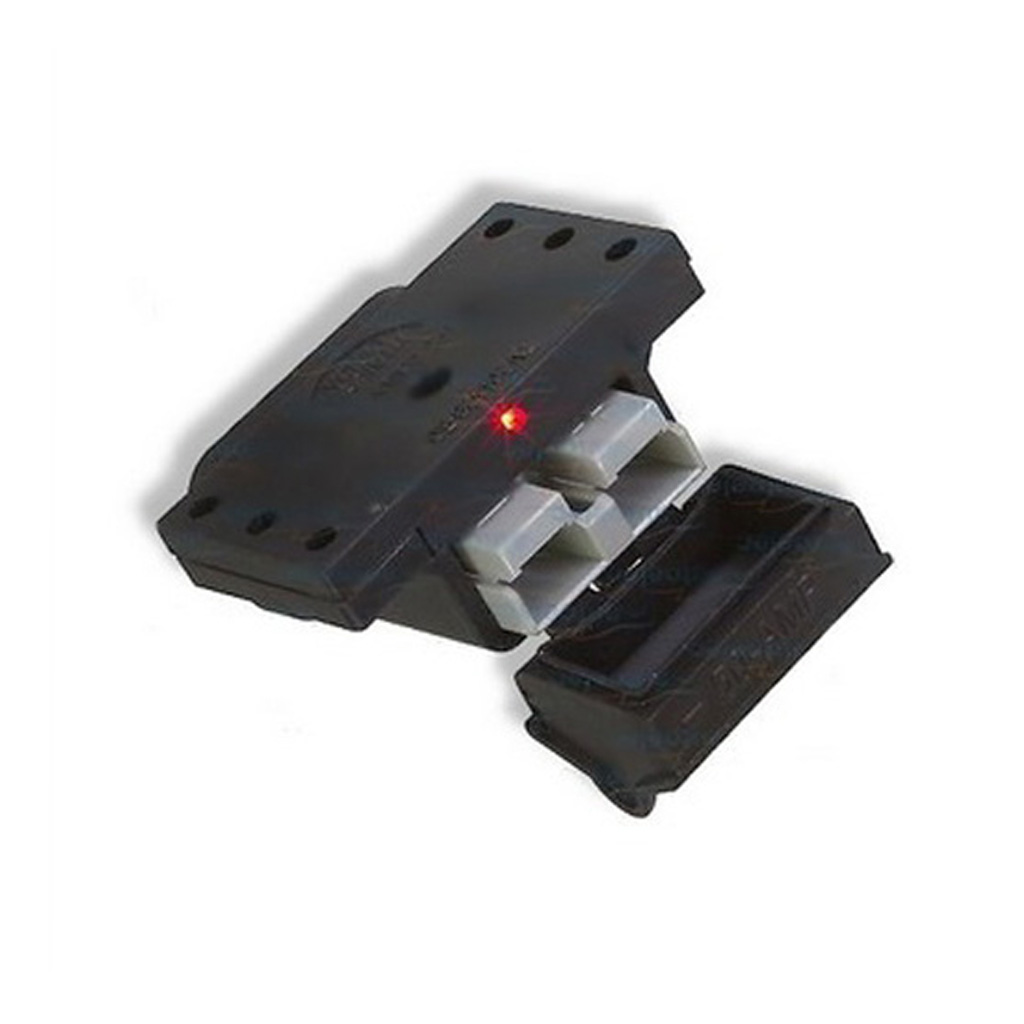
Anderson connectors are a dependable option for removable battery boxes, caravan connections and portable solar leads, provided the connector rating matches the current and the contacts are correctly crimped. Mixing connector sizes, cable gauges and non-matching terminals is a common source of unreliable charging.
Ventilation still matters around lead-acid batteries, especially flooded types that can release gas during charging. Keep chargers away from direct battery fumes where required by the manufacturer, and never charge a visibly damaged, leaking or swollen battery.
Avoid the Common Charging Mistakes
Leaving a battery partly charged for extended periods is one of the fastest ways to reduce lead-acid battery life. Sulphation builds on the plates, capacity falls and the battery may appear to charge quickly while holding very little usable energy. A suitable maintenance charger is a better option for vehicles and caravans parked between trips.
At the other end of the scale, repeated deep discharge is hard on most batteries. Lithium can usually tolerate deeper discharge than lead-acid, but its usable capacity should not be treated as a reason to ignore low-voltage protection. Set low-voltage cut-outs for fridges, lighting and inverters to protect the battery before the battery management system has to intervene.
Do not judge battery condition only by voltage immediately after charging. Surface charge can make a weak battery look healthy. Let it rest, test it under load where appropriate, and investigate repeated low voltage rather than simply fitting a bigger charger.
For trade installs and touring systems alike, the right result comes from matching the charger, battery, cable and protection devices as one package. Bluebar Industries stocks practical 12V and 24V components for building and maintaining that package properly.
Before the next trip or job, check the charger label against the battery label, inspect the cable and fuse protection, and make sure every connection is clean and tight. That small check can be the difference between dependable power and a fridge, winch or work light that lets you down when there is no power point nearby.