

 Cable Automotive / Marine
 Cable Lugs
 Cable Lug Assortment Kits
 Cable Lugs Straight Wall Closed
 Cable Glands
 Convoluted Split Tubing
 12/24v Products & Access

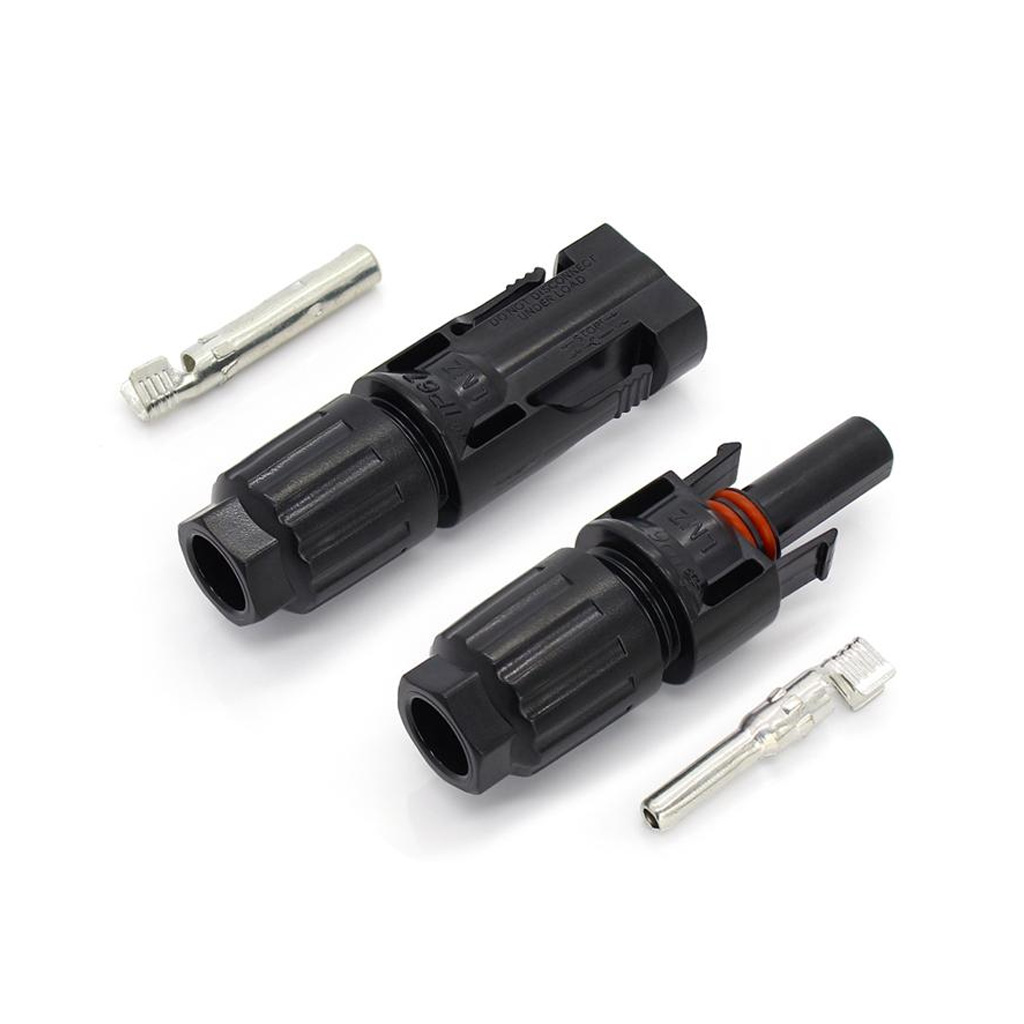
 Electrical Connectors
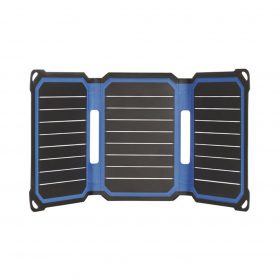 Solar Powered Products
 LED Lights
 Tools


 Auto Parts & Categories

 Fittings
 Cleaning & Misc
 Clearance & Promotion
Latest News
Best LED Work Lights for Australian Jobs
Jul
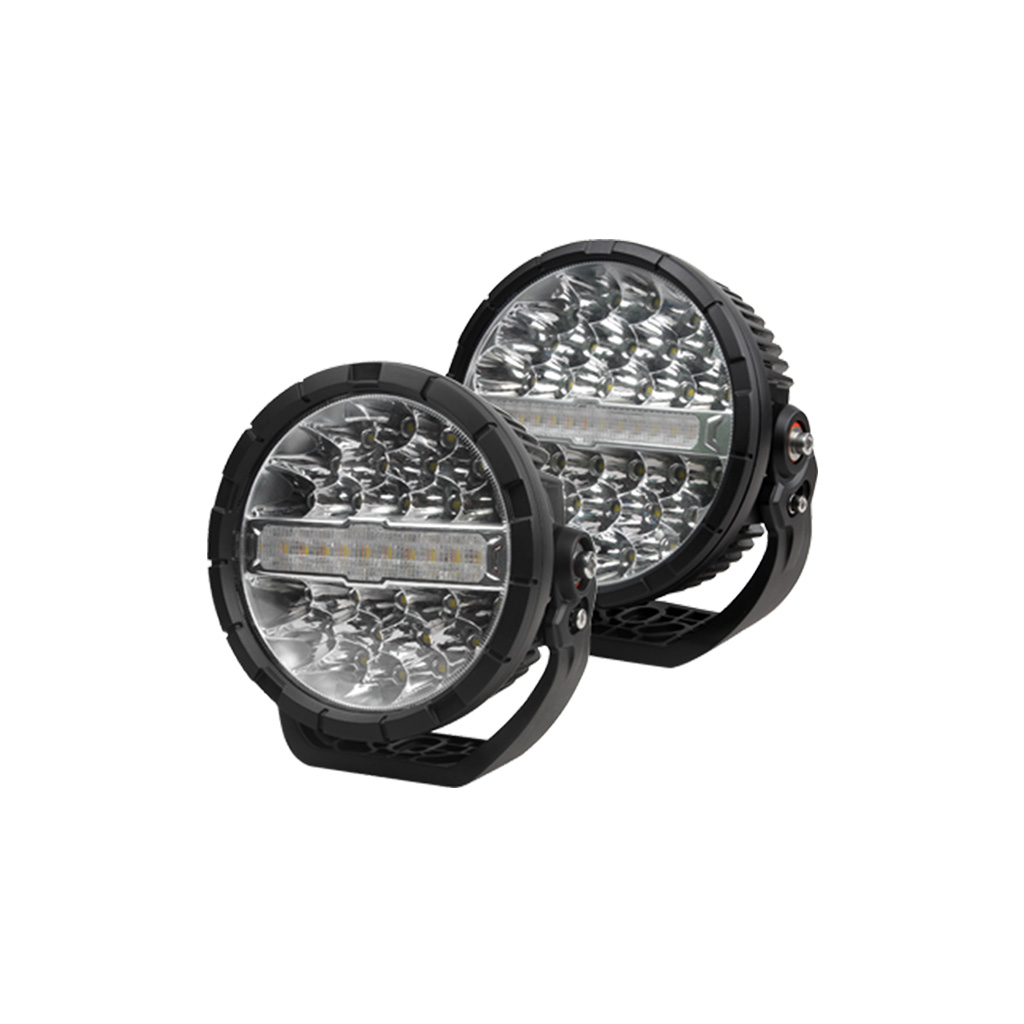
A work light that looks bright in a shed can be disappointing beside a dark track, under a ute tray or inside an engine bay. The best LED work lights are not simply the units with the biggest lumen claim. They are lights matched to the job, voltage system, mounting position and conditions they will actually face.
For auto electricians, mechanics, 4WD owners, caravan users and site crews, a good work light needs to do more than switch on. It needs to provide usable light without excessive glare, handle vibration and dust, and be wired in a way that protects the vehicle or plant electrical system.
What makes the best LED work lights?
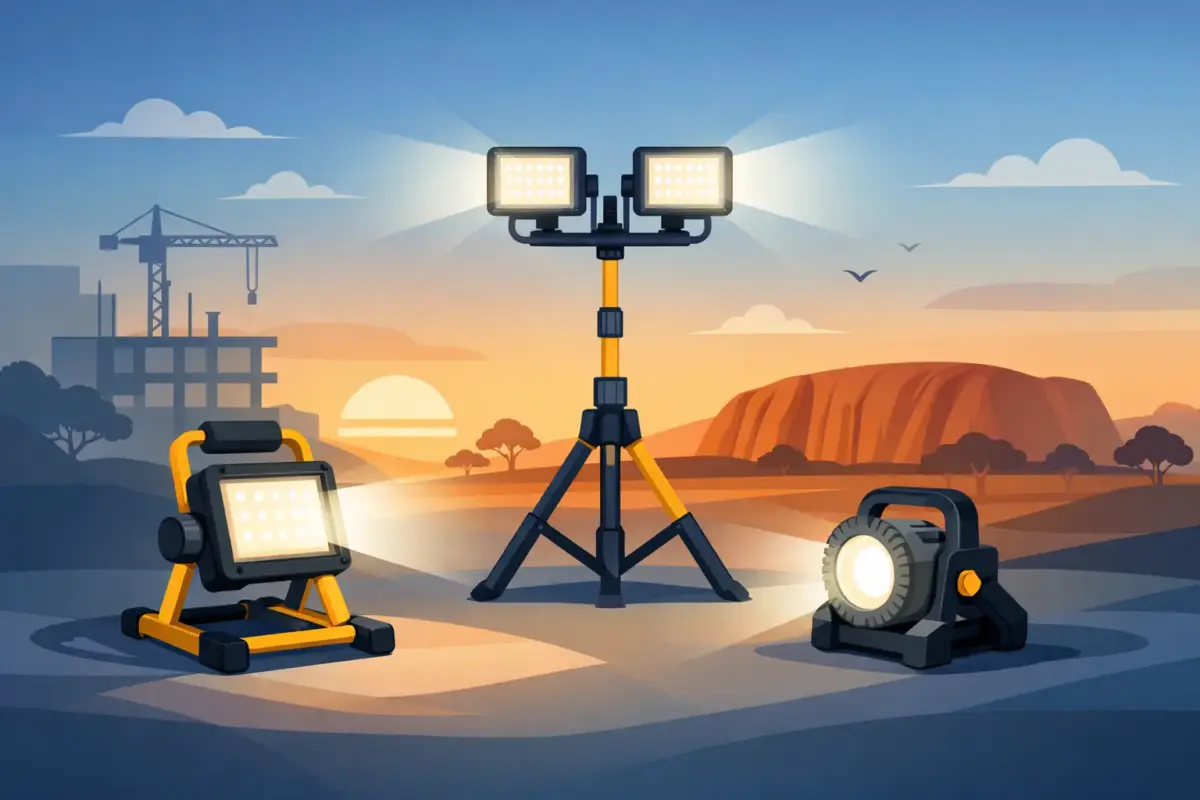
The right light starts with the area you need to illuminate. A broad, close-range flood beam suits a canopy, tray, workshop bench or camp setup. A longer throw pattern is more useful when you need to see a work area from a distance, such as behind machinery, around a loading zone or along a track. Many installations benefit from a combination rather than asking one lamp to cover every task.
Published lumens are useful for comparing lights only when the rest of the specification supports them. Look beyond a large number on the box. LED type, reflector or optic design, heat management and actual current draw all affect how much useful light reaches the job. A light with a controlled beam and honest output can outperform a cheap, over-rated unit that scatters light everywhere.
Colour temperature also changes how a light feels in use. Very cool white LEDs can appear bright but may create harsh reflections from polished panels, wet ground, white caravan walls and dust. A neutral white output is often easier on the eyes for long workshop jobs and close vehicle work. There is no single best colour temperature, but comfort matters when the light will be running for hours.
Flood, spot and scene lighting
Flood lights spread light widely and are the usual choice for reverse lighting, service bodies, ute trays, toolboxes, canopies and general work zones. Their limitation is distance. Mount a flood lamp too high or expect it to light a large area well beyond the vehicle, and the result may be a bright patch near the vehicle with little useful visibility further out.
Spot or pencil beams concentrate light further ahead. They are less suitable for seeing tools on the ground beside a vehicle, but can be effective for remote access roads, stock yards, recovery work or equipment operating areas. A combo optic can offer a compromise, although it will not be as wide as a dedicated flood or as focused as a proper spot beam.
Scene lights are designed for side or rear illumination. They are particularly practical on service vehicles, 4WD canopies, camper trailers and marine setups where users need broad light without setting up a portable lamp. Consider the mounting angle carefully. A scene light aimed too low wastes coverage, while one aimed too high can throw glare directly into nearby eyes.
Match the light to your 12V or 24V system
Most vehicle LED work lights are marked for a nominal operating range, commonly covering both 12V and 24V systems. Do not assume this from appearance alone. Check the stated input range before fitting a light to a truck, plant equipment, marine system or 24V battery bank.
Current draw is just as relevant. An LED lamp uses less power than an old halogen equivalent, but multiple work lights, a fridge, inverter, compressor and charging equipment can still place real demand on a dual-battery setup. Calculate the combined load, select cable for the run length and current, and use appropriate fusing close to the power source.
For a single low-current lamp, a properly fused switch circuit may be suitable. Higher-current installations, multiple lights or long cable runs should generally use a relay and correctly sized cable. A relay reduces load through the switch and helps avoid voltage drop that can reduce light output. In harsh environments, use quality terminals, sealed connectors and cable protection where wiring passes through metalwork or along a chassis.
Do not take an earth connection for granted. Poor earth points cause dim lights, intermittent operation and faults that are frustrating to trace. Use a clean, sound chassis earth where appropriate, or run a dedicated negative return when the installation requires it. This is particularly relevant on trailers, caravans, fibreglass bodies and marine applications.
Switch placement and legal considerations
A work light should be easy to operate without becoming a distraction. Canopy and tray lights often work well on a separate switch, while reverse work lights may be triggered through reverse gear with an override where suitable. Keep switches accessible, protected from damage and clearly labelled if several accessories are fitted.
Lights used on public roads need extra consideration. Rear-facing work lights can create glare for other road users, and rules can vary depending on the vehicle, light location and how it is switched. Set up work lighting so it is used for work, recovery or off-road conditions rather than as a substitute for compliant driving lights. If you are unsure, check the relevant state requirements or speak with a qualified installer.
Build quality matters more than a shiny housing
Australian conditions expose work lights to heat, corrugations, rain, red dust, salt spray and pressure washing. A die-cast housing alone does not guarantee a durable lamp. The lens, seals, cable entry, mounting bracket, hardware and internal thermal design all matter.
An IP rating is a useful starting point. IP67 generally indicates protection against dust and temporary immersion, while IP68 may indicate a higher level of water protection under stated test conditions. Neither rating means a light is invincible. A poorly sealed cable gland, damaged lens or corroded plug can still let water into an otherwise capable unit.
Vibration is another common failure point. Thin brackets can crack, while hardware that is not secured can loosen on corrugations. Choose a mounting method that suits the location and use quality fasteners. On a canopy or tray, reinforcing plates may be worthwhile if the panel is thin. Position cable exits where they are protected from sticks, stone strike and direct water spray.
Heat management deserves attention too. LEDs lose efficiency and service life when run excessively hot. A properly designed housing acts as a heat sink, which is one reason a compact, bargain-priced light can struggle when operated for long periods in hot weather. If a lamp is mounted in a confined space, leave room around it for air movement and avoid covering the heat-dissipating body.
Portable versus fixed work lights
A fixed LED work light is the practical choice when you need repeatable illumination from a vehicle, trailer or service body. It is always where you expect it, can be switched from the cab or canopy, and avoids loose leads around a job site. Fixed lights work especially well for reversing, accessing drawers, setting up camp and servicing equipment after dark.
Portable rechargeable lights offer flexibility. They can be placed under a bonnet, inside a caravan locker, beside a wheel change or in a workshop bay without repositioning the vehicle. Their trade-off is battery runtime, charging discipline and the risk of being dropped or left behind. For mobile work, a portable unit is best treated as a complement to fixed lighting, not a replacement for it.
A corded inspection lamp is still useful where 12V or 24V auxiliary power is available. It can provide long runtime without relying on a built-in battery, provided the lead and plug are rated for the load and protected from damage. Keep leads clear of hot exhaust components, sharp edges and moving parts.
Avoid common buying and installation mistakes
Buying on claimed lumens alone is the most common mistake. The next is fitting a powerful lamp with undersized cable, an inadequate fuse or a poor earth. The light may appear to work initially, but voltage drop, heat and connection failure tend to show up when the installation is needed most.
Also avoid mounting lights before checking for bonnet clearance, tailgate movement, drawer access and beam direction. A tray light can be perfectly wired yet useless if a raised tailgate blocks it. Test the intended position with the vehicle loaded as it normally would be, then drill once you are satisfied with coverage.
Finally, buy for the operating environment. A light for occasional shed use does not need the same mounting, sealing and wiring standard as one fitted to a mining service vehicle or a 4WD that regularly sees corrugations and creek crossings. Spending more on the right light, cable, connectors and mounting hardware is usually cheaper than diagnosing a failed setup in the dark.
Choose lighting that makes the job safer and easier, then give it the wiring and mounting standard it deserves. A properly selected LED work light should disappear into the background until the moment you need clear, dependable light.