

 Cable Automotive / Marine
 Cable Lugs
 Cable Lug Assortment Kits
 Cable Lugs Straight Wall Closed
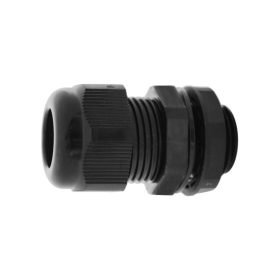 Cable Glands
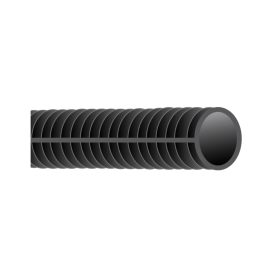 Convoluted Split Tubing
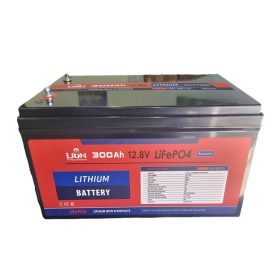 12/24v Products & Access

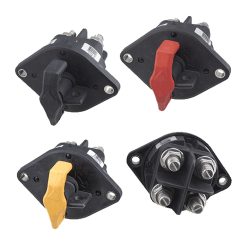
 Electrical Connectors
 Solar Powered Products
 LED Lights
 Tools

 Auto Parts & Categories

 Fittings
 Cleaning & Misc
 Clearance & Promotion
Latest News
Best 24v LED Floodlights for Work and Touring
Oct
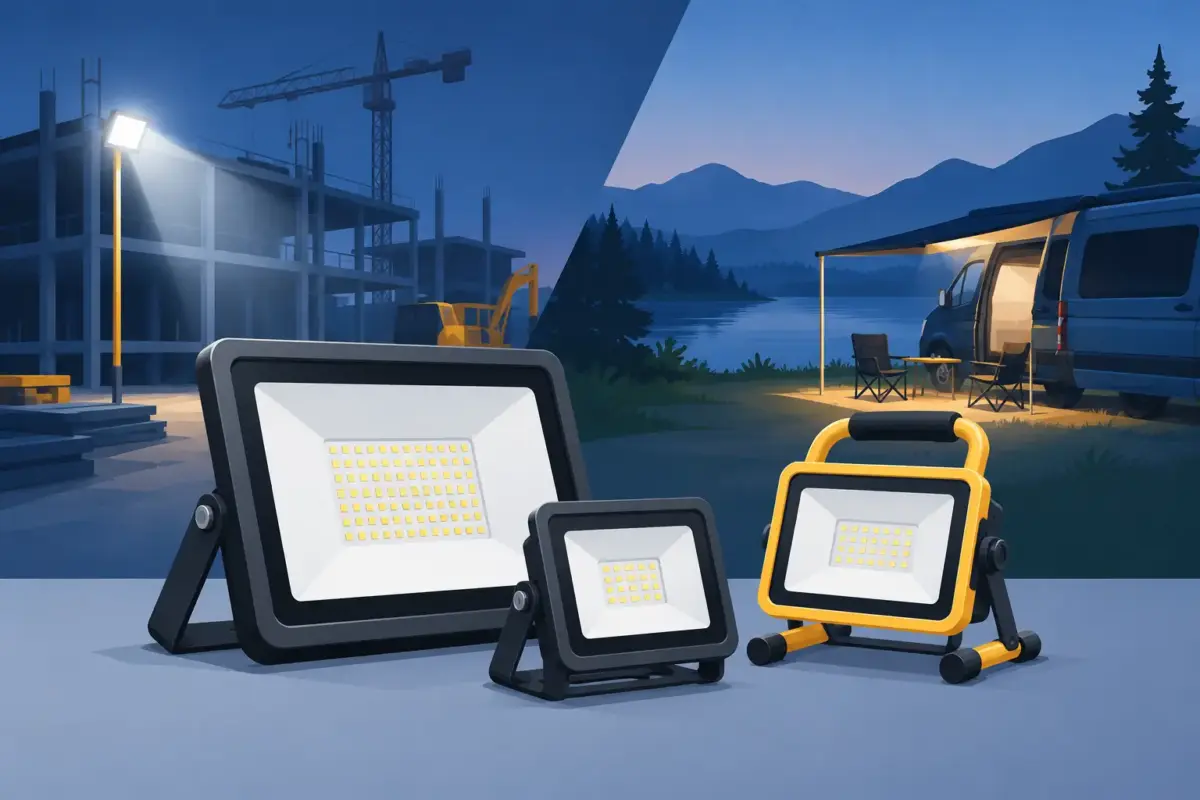
A floodlight that looks bright on the bench can be a poor fit once it is mounted high on a service body, excavator, truck or 24V support vehicle. The best 24v LED floodlights are not simply the units with the biggest lumen claim. They need the right beam shape, voltage tolerance, housing strength and wiring arrangement for the job being done.
For trade vehicles, plant, marine use and off-grid touring support setups, a properly selected 24V work light improves visibility where it matters: around loading areas, work sites, trays, machinery, recovery points and camp set-ups. Selecting the wrong one can mean glare, poor coverage, premature water ingress or a light that does not tolerate normal charging voltage.
What makes the best 24v LED floodlights?
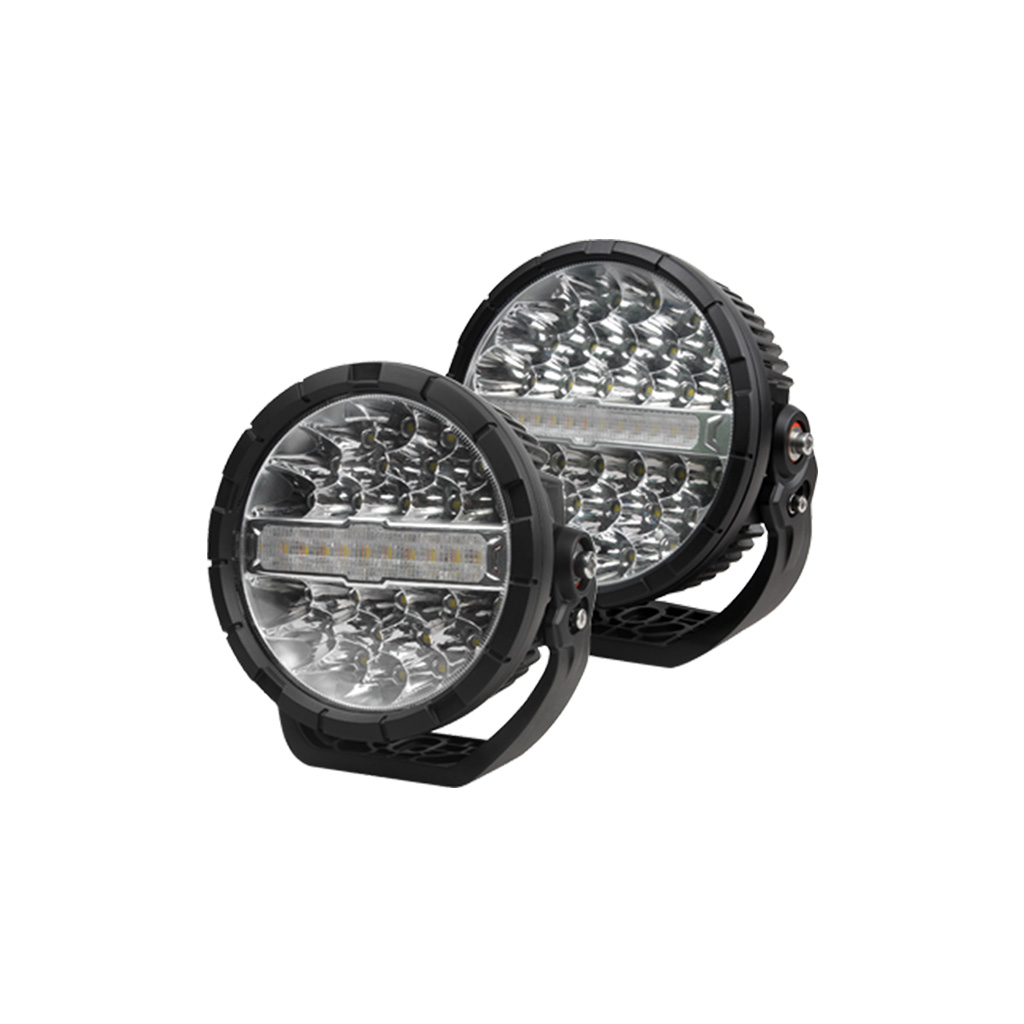
A quality 24V floodlight produces broad, usable light across a working area rather than throwing a tight beam into the distance. This makes flood patterns suited to reversing, side illumination, toolboxes, service bodies, trailers and machinery access points. If the aim is to see far down a track or road, a driving light or spot beam is generally the better choice.
Voltage range is the first specification to check. A nominal 24V system does not stay at exactly 24 volts. A running vehicle may charge at close to 28V, and electrical systems can experience short-term variation. Look for a work light rated for a suitable 24V DC operating range, commonly 9-32V or 10-30V DC. This also gives flexibility where a fleet runs a mix of 12V and 24V vehicles, provided the light and installation suit the application.
Output figures need a practical reading. Claimed lumens are useful for comparing products in the same range, but they do not tell the whole story. Lens design, reflector or optic quality, mounting height and beam spread determine how much light actually reaches the work area. A lower-wattage light with a controlled, even flood pattern can be more useful than a high-output unit with hot spots and dark edges.
For hard-use installations, construction matters just as much as output. Die-cast aluminium housings, polycarbonate lenses, sealed cable entry points and corrosion-resistant mounting hardware all help a light survive vibration, dust, wash-down and weather exposure. An IP rating indicates resistance to dust and water, but it does not make every installation point equal. A light mounted low behind a wheel or exposed to constant salt spray needs more protection than one fitted under a canopy.
Match the flood beam to the job
The best result comes from choosing the beam pattern around the vehicle and task, rather than fitting the same light everywhere. A wide flood beam is effective on the rear of a tray, truck body or camper support vehicle because it lights the immediate area at low speed. A diffused flood can reduce harsh reflections on pale ground, dust or wet surfaces.
For machinery and plant, a medium-width flood often works well when mounted on the cab or boom area. It provides useful reach while still covering a broad operating zone. On service utes and field vehicles, smaller LED floodlights can be fitted under roof racks, beside toolboxes or at the rear canopy line to illuminate access areas without adding excessive wind load or bulk.
Mounting height changes the outcome. A floodlight mounted high gives wider coverage but can create shadows directly beside the vehicle. A lower rear-mounted light can make hitching, loading and reversing easier, but may be vulnerable to stones and water. In many work setups, two modest-output lights positioned to overlap provide better coverage than one oversized unit.
Colour temperature also affects usability. Cool white LEDs can appear very bright and provide strong contrast, while a more neutral white may be easier on the eyes during long night work. In dusty conditions, extremely cool light can produce more reflected glare. There is no single best colour temperature for every installation, but consistency across work lights helps reduce visual fatigue.
Key specifications worth checking before purchase
Before choosing a 24V LED floodlight, confirm the electrical and mechanical details that affect installation and service life:
- Operating voltage range, not just a 24V label. It must tolerate the charging voltage of the vehicle or plant system.
- Beam pattern and stated beam angle. Flood, wide flood and diffused flood patterns all suit different work areas.
- Actual power draw. This determines cable size, fuse rating, switching requirements and total load on the circuit.
- Ingress protection, lens material and cable sealing. These are particularly relevant for exposed, off-road, marine and wash-down environments.
- Mounting method, bracket thickness and adjustment range. The light needs to stay aimed correctly under vibration.
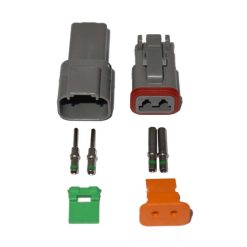
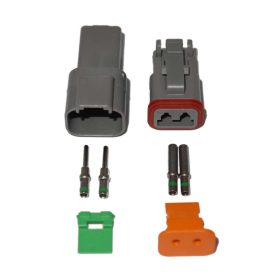
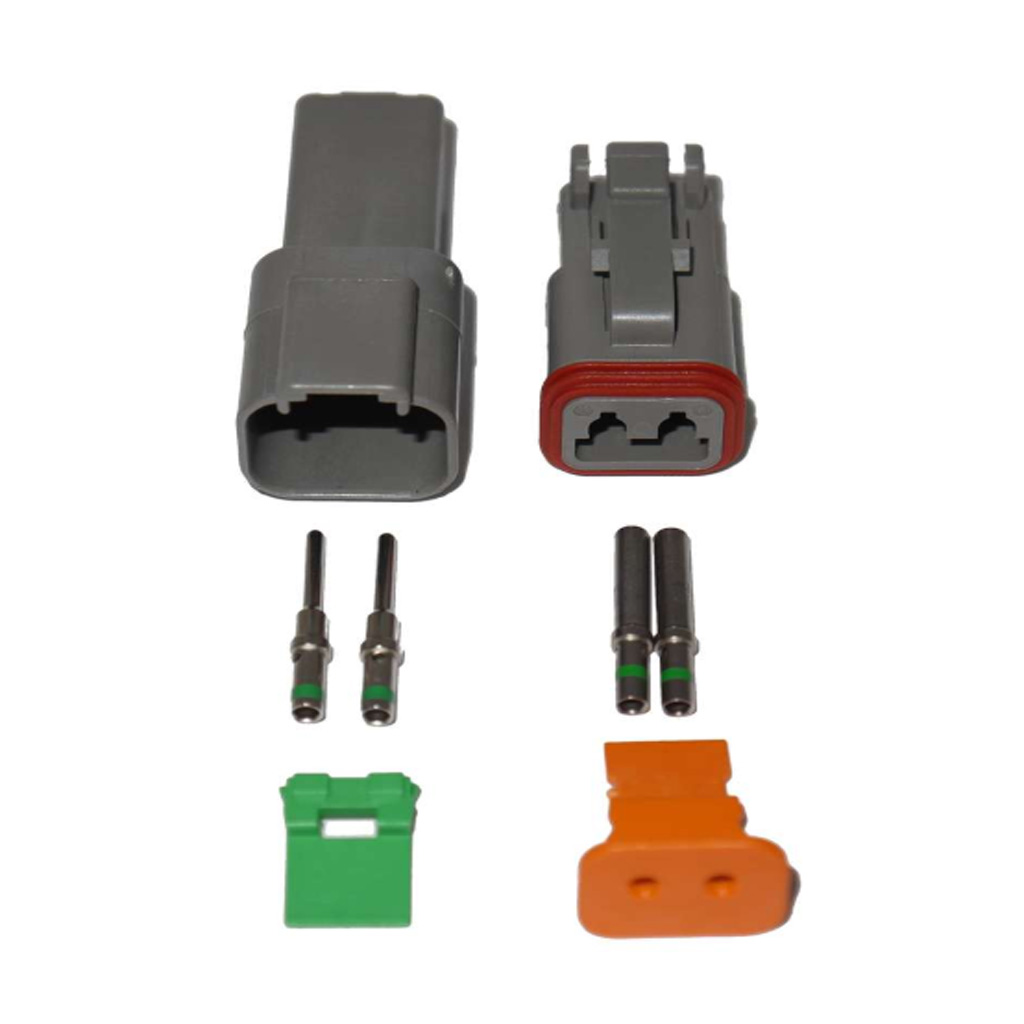
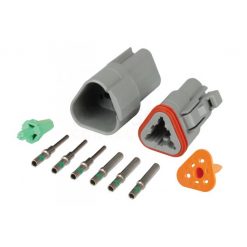
- Connector style and lead length. Deutsch-style sealed connectors can be a practical choice for serviceable external installations.
EMC or radio interference performance is also worth considering. Poorly designed LED drivers can introduce noise into UHF radios, AM/FM reception or other vehicle electronics. This is not always obvious until after installation, so quality components are a safer choice for work vehicles that rely on communications equipment.
Wiring 24V floodlights properly
Even a high-quality light will be unreliable if the wiring is undersized or poorly protected. Calculate the current draw from the light’s actual wattage. For example, a 36W LED floodlight on a 24V system draws roughly 1.5 amps before allowing for minor system variation. Multiple lights, long cable runs and voltage drop can quickly change the cable requirement.
Fit a fuse close to the power source and size it to protect the cable as well as the load. Use cable with suitable insulation and conductor size for the run length, route it away from sharp edges and heat, and protect exposed sections with conduit or split tubing. Grommets are essential where cable passes through steel panels, trays or bodywork.
For switched work lights, a relay and correctly rated switch keep high current out of the cabin switch circuit. A separate switch arrangement is often practical for rear and side work lights, especially where the vehicle needs controlled lighting around other workers. For fleet or plant applications, an isolator or ignition-controlled trigger may prevent lights being left on when the machine is unattended.
Avoid relying on a poor chassis earth for exposed lighting circuits. A clean, secure earth point can work well, but a dedicated negative return is often the more dependable option on long runs, painted bodies, trailers and corrosion-prone installations. Use sealed connectors and quality terminals, then secure the loom so vibration cannot fatigue the conductors.
Consider mounting, glare and compliance
Work lights should illuminate the job without becoming a hazard to other road users or nearby workers. Rear-facing floodlights are useful for reversing and loading, but they should be aimed down at the working area rather than straight back at eye level. Side lights need the same consideration when vehicles operate near public roads, campsites or other machinery.
Auxiliary work lights and driving lights serve different purposes and may have different legal requirements depending on how and where they are used. If a light will operate while driving on public roads, check the applicable vehicle requirements and install it accordingly. For specialist fleet, mining or site work, site rules may specify mounting locations, isolation arrangements, glare control or approved equipment standards.
Take the time to test the aim at night before finalising the bracket position. Park on level ground, load the vehicle as it would normally operate, then check the light pattern from behind and beside the vehicle. A few degrees of adjustment can make the difference between useful work lighting and wasted output.
Choosing lights for Australian conditions
Australian work vehicles face a mix of corrugations, heat, dust, rain, red dirt and coastal corrosion. That is why it pays to select floodlights as part of the whole electrical installation, not as a stand-alone accessory. A light with a sturdy housing is only as dependable as its bracket, cable protection, fuse holder and connectors.
Bluebar Industries supports 12V and 24V electrical installations with lighting accessories, cable, connectors, protection products and custom lead solutions suited to real vehicle and workshop work. Whether you are fitting one rear work light to a truck or wiring several lights across a service body, choosing compatible components from the start keeps fault-finding to a minimum.
The right floodlight should make night work calmer and safer, not merely brighter. Start with where the vehicle needs light, allow for the conditions it works in, then build the wiring and mounting around a unit designed to handle the job.