

 Cable Automotive / Marine
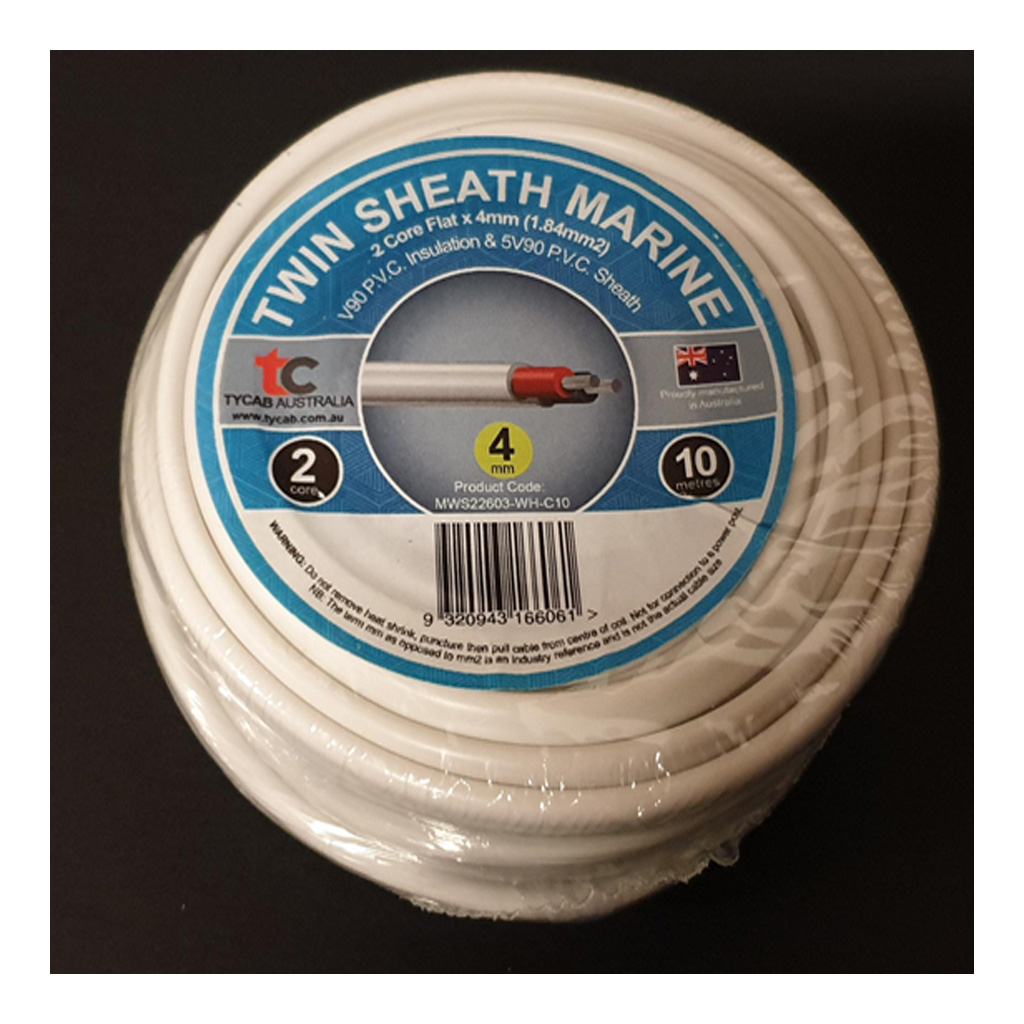
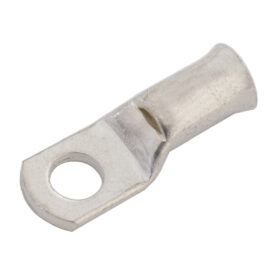 Cable Lugs
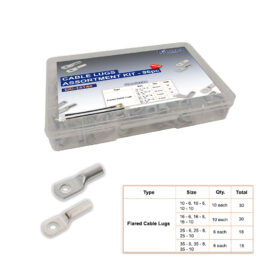 Cable Lug Assortment Kits
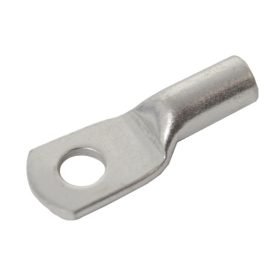 Cable Lugs Straight Wall Closed
 Cable Glands
 Convoluted Split Tubing
 12/24v Products & Access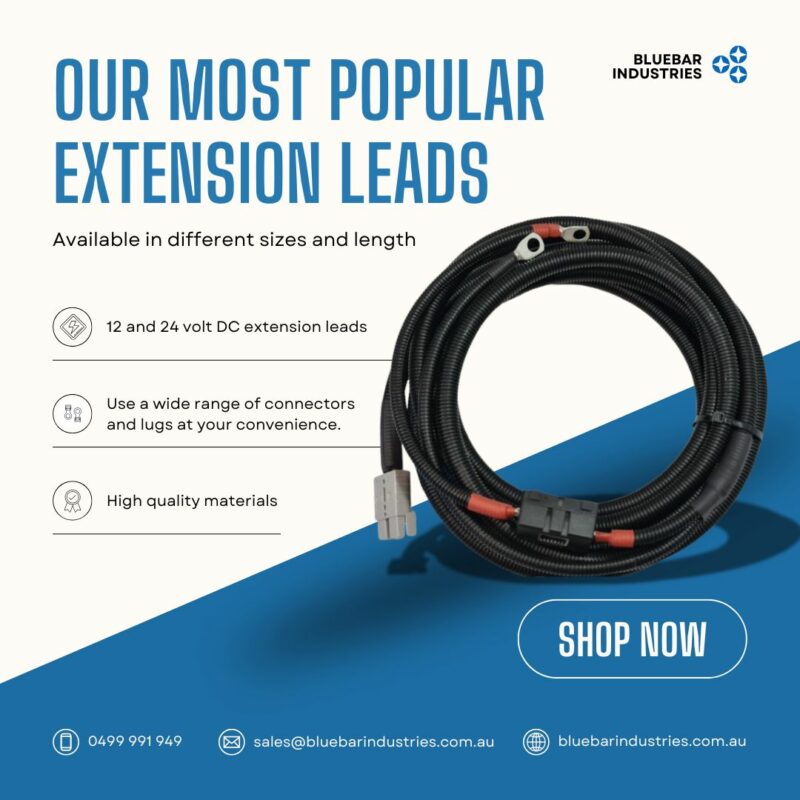
 Electrical Connectors
 Solar Powered Products
 LED Lights
 Tools
Tools
 Auto Parts & Categories

 Fittings
 Cleaning & Misc
 Clearance & Promotion
Latest News
Best 12V Extension Leads for Camping
Jun
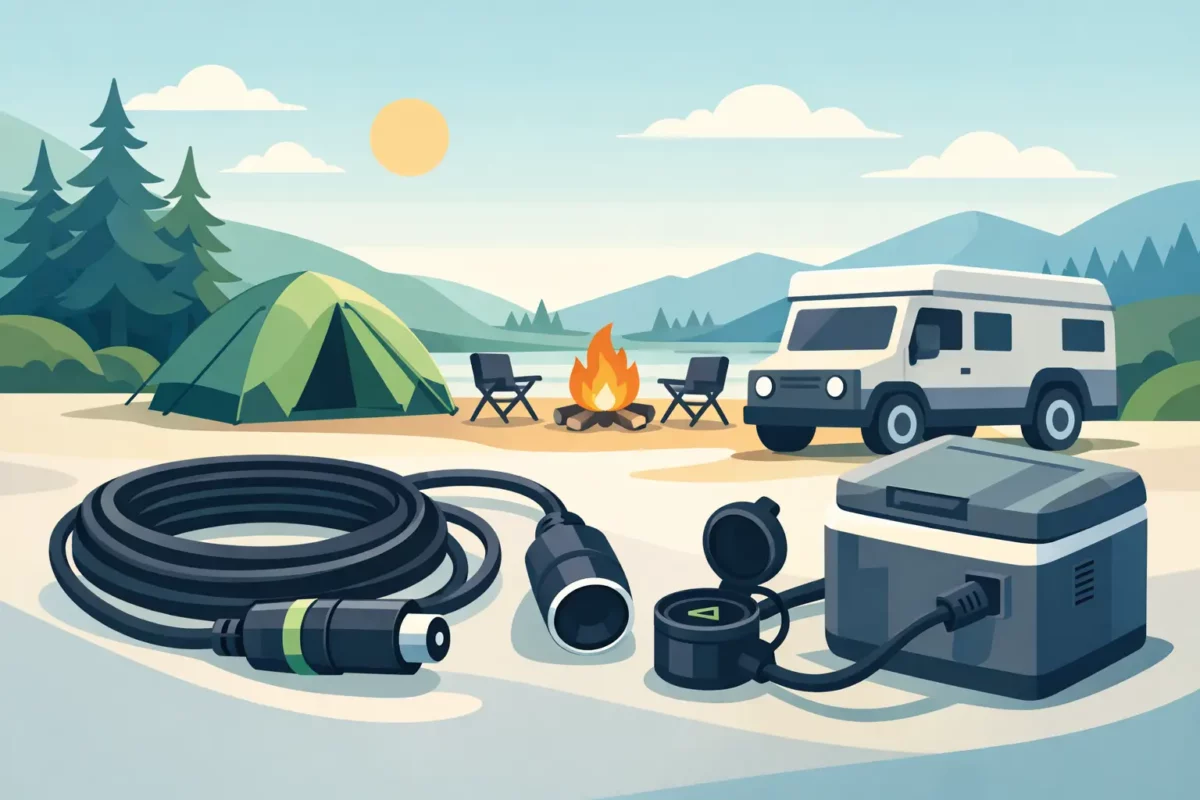
You usually find out a 12V extension lead is wrong when the fridge starts throwing low-voltage alarms at dusk, the camp lights dim, or a compressor runs slower than it should. That is why choosing the best 12v extension leads for camping is less about grabbing any lead off the shelf and more about matching cable, length and connector type to the job.
A decent camping lead has one job – deliver reliable power without excessive voltage drop, heat build-up or loose connections. In Australian conditions, that matters even more. Corrugations, dust, moisture and long runs from a battery box, canopy, caravan or rear power outlet can quickly expose cheap cable and poor fittings.
What makes the best 12V extension leads for camping?
The short answer is cable size, connector quality and realistic length. Most problems with portable 12V gear come back to one of those three.
Cable size matters because 12V systems do not tolerate voltage loss well. On 240V, a small drop is often manageable. On 12V, even a modest drop can affect a fridge, diesel heater, fan, pump or LED setup. If you are running current over distance, thin cable is the first thing to avoid. A lead that looks tidy and compact can still be a poor performer if the conductor is undersized for the load.
Connector quality matters because the best cable in the world cannot make up for a weak plug, a poor crimp or a loose socket. Camping setups often get plugged in and unplugged repeatedly, thrown in a drawer, stepped on, or dragged across the back of a ute. Connectors need to hold properly and resist vibration.
Length is where trade-offs come in. A longer lead gives you flexibility around camp, but every extra metre adds resistance. If you need reach, you generally also need heavier cable. There is no magic here – long and thin is a bad combination in 12V applications.
Matching the lead to the load
Not every camping accessory needs the same type of extension lead. The right choice depends on what you are powering and how far the power has to travel.
A small LED light strip or USB adaptor will usually draw very little current, so the lead can be lighter than one used for a fridge or compressor. A portable fridge, on the other hand, is one of the most common places where poor leads cause trouble. Fridges are sensitive to voltage drop and many have low-voltage cut-out protection. If the lead cannot deliver stable voltage under load, the fridge may shut down even when the battery still has usable charge.
Air compressors, pumps and some inverters can pull higher current, especially on startup. These loads need heavier cable and secure high-current connectors. If you are feeding power from an auxiliary battery in the engine bay to the rear of a wagon or into a caravan drawbar area, a basic cigarette plug lead is rarely the best option.
Solar is another case where the connector type matters as much as cable size. If you are extending portable solar panels to a regulator or battery system, the lead needs to suit the connectors in use and the expected current. A mismatched solar extension can create unnecessary loss or become the weak point in an otherwise solid setup.
Connector types to look for
When people ask about the best 12V extension leads for camping, they often focus on length first. In practice, the connector type should be sorted out just as early.
Cigarette plugs are common because many factory sockets still use them, but they are not ideal for rough conditions or sustained current draw. They can vibrate loose, make inconsistent contact and struggle with higher loads. They are usable for light-duty accessories, but not usually the first choice for critical gear.
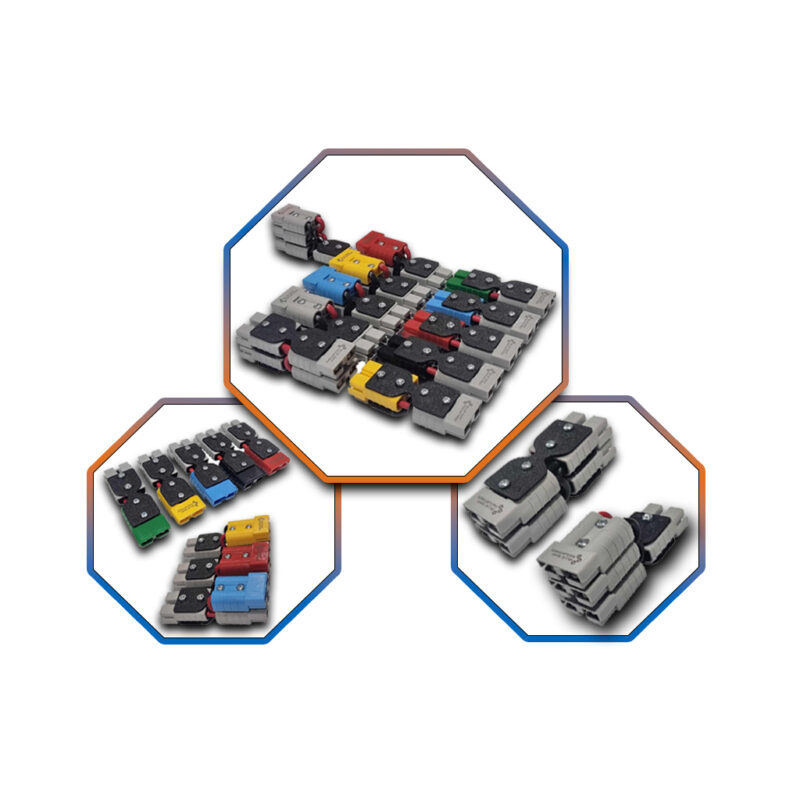
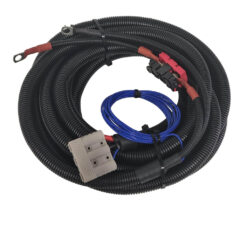
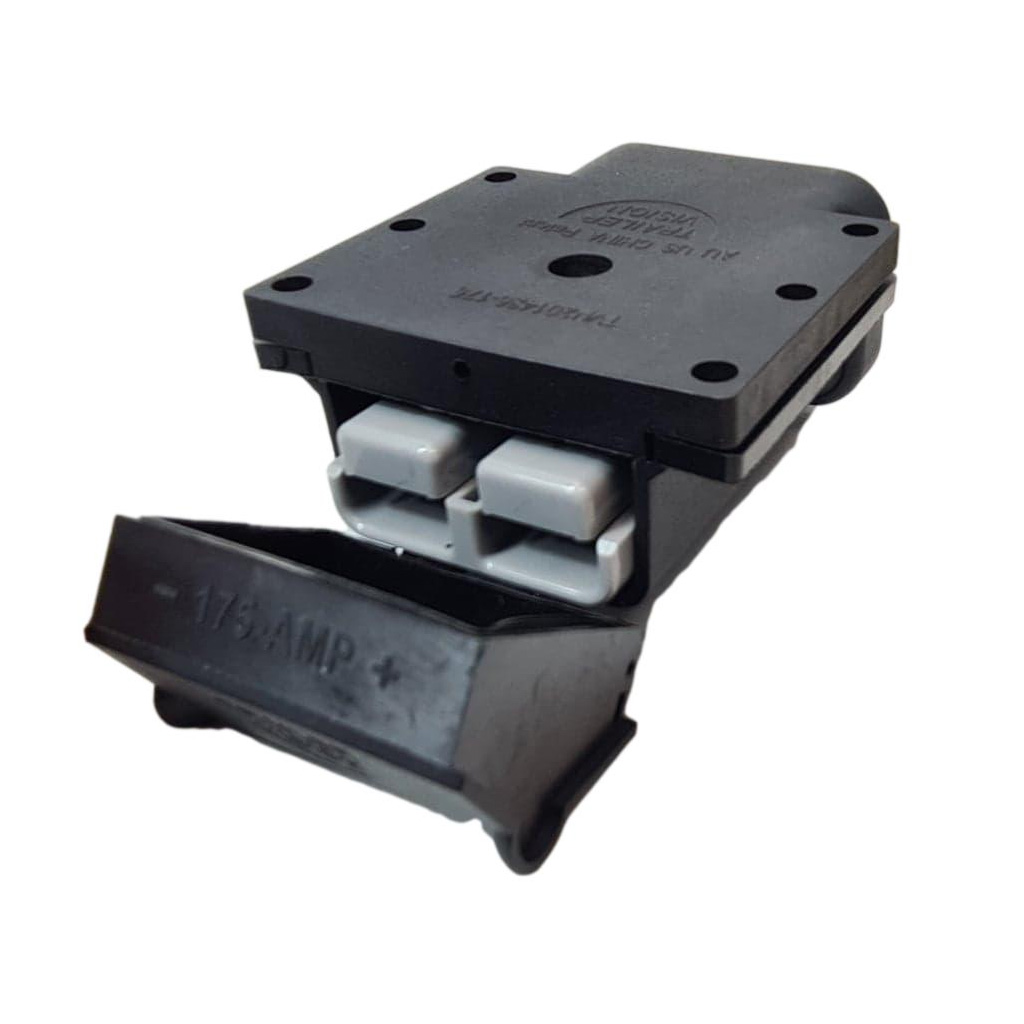
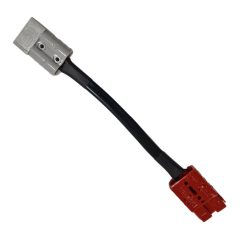
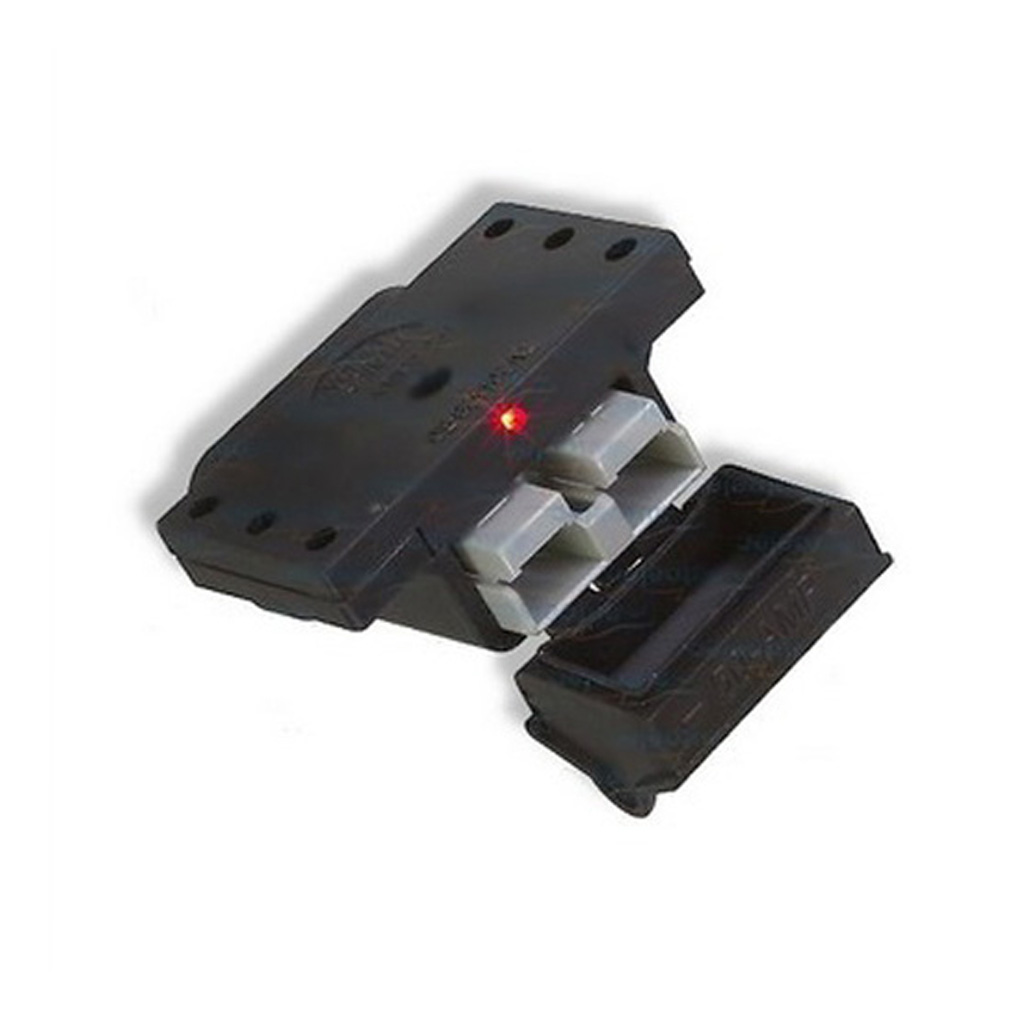
Merit-style plugs offer a more secure connection than standard cigarette plugs and are often better suited to touring and caravan setups where vibration is a factor. Anderson-style connectors are widely preferred for higher-current 12V applications because they provide a solid connection, better current handling and straightforward polarity management when set up properly.
If your camp setup includes a battery box, solar blanket, portable fridge and rear power distribution, standardising connectors can save a lot of frustration. Fewer adaptors generally means fewer connection points to fail.
Cable size is where quality shows
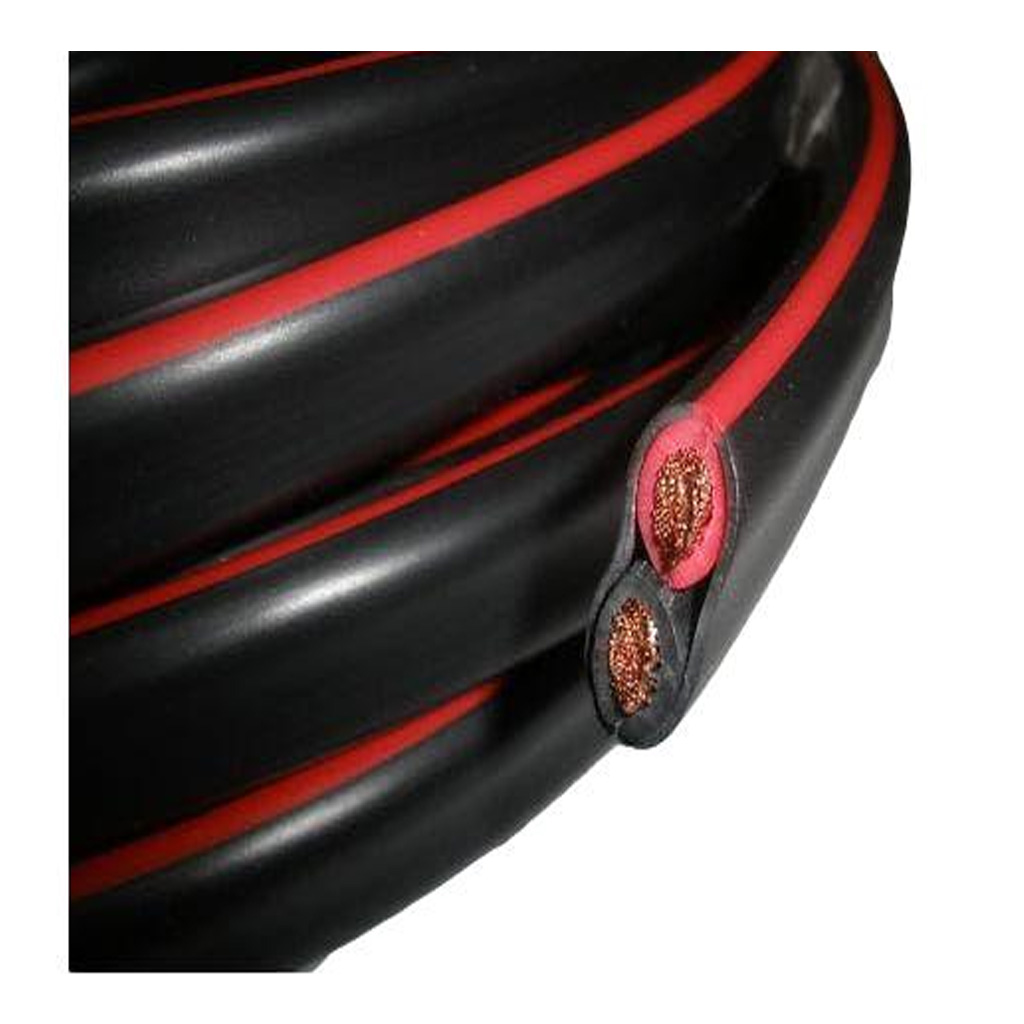
Two leads can look similar online and be completely different in performance. The difference is usually in the actual copper content and the cable size.
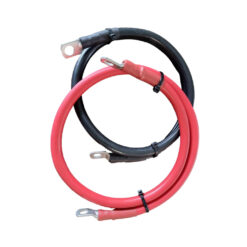
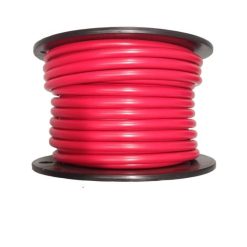
For camping, heavier automotive cable is often worth the extra bulk if the load is important. That is particularly true for fridge leads, battery charging extensions, solar inputs and canopy power runs. A lighter lead may cost less and coil up neatly, but if it causes voltage drop, nuisance cut-outs or charging inefficiency, it is not the cheaper option for long.
This is also where buyers need to be careful with vague product descriptions. If a lead is listed without a clear cable specification, current capability or connector detail, that is not a great sign. In trade and touring applications, exact specs matter.
The best lead is not always the thickest one available, either. Oversizing everything can add cost and bulk where it is not needed. For a short run powering a low-draw camp light, you do not need the same lead you would use for a fridge in the back of a 4WD. Fit-for-purpose is the key.
When a custom lead makes more sense
Off-the-shelf extension leads are fine for many camping setups, but they are not always the best fit. If your battery is mounted in a canopy, your sockets are in awkward positions, or you need a specific combination of connectors, a custom lead can be the cleaner and more reliable option.
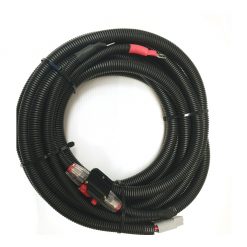
This is especially relevant for dual-battery touring rigs, caravans and service bodies where cable routing is already planned around drawers, false floors, pump systems or solar regulators. Instead of using adaptors on adaptors, a purpose-built lead with the correct length, cable and terminations can reduce clutter and improve reliability.
For trade users and serious travellers, that practical fit matters. A lead that is too long gets bundled up, rubs on edges and takes up space. Too short and it is under tension, which is hard on both cable and connectors.
Common mistakes when buying camping extension leads
One of the most common mistakes is buying by price alone. Cheap leads often save money by using lighter cable, lower-grade plugs or poor assembly. They might work for a while, but camping gear tends to reveal weaknesses quickly.
Another mistake is assuming any 12V outlet can handle any accessory. Socket ratings, fuse protection and cable size upstream all matter. A good extension lead cannot compensate for undersized vehicle wiring or a poor-quality socket mounted in the rear trim.
A third issue is using the wrong connector for the environment. If the lead is going in and out of a canopy, caravan tunnel boot or battery box every weekend, secure locking or high-retention connectors are usually a better choice than generic lighter-style plugs.
Lastly, people often overestimate how well a lead will handle heat, movement and weather. If it is going outside the vehicle or across the campsite, insulation quality and mechanical durability matter just as much as electrical performance.
A practical way to choose the right lead
Start with the accessory. Work out its current draw, whether it is sensitive to voltage drop, and how often it will be connected and disconnected. Then measure the actual distance, not the guessed distance, between power source and device.
From there, choose the shortest practical lead with suitable cable size and connectors for the load. If the application is fridge power, battery charging, compressor use or solar input, lean toward heavier cable and more secure connectors. If it is a light-duty accessory, a simpler lead may be perfectly adequate.
It also pays to think about the rest of the system. If your vehicle, caravan or camp setup already uses Anderson connectors, matching that standard across extension leads and adaptors can keep things tidy. If you still rely on factory 12V sockets, be realistic about their limitations.
For buyers who want dependable gear rather than generic accessories, a specialist supplier with proper 12V product depth is usually the better path. Bluebar Industries, for example, sits squarely in that space – practical power leads, connector options and components that make sense for real vehicle and camping setups, not just shelf appeal.
Camping power is usually simple until it is not. A lead is only a small part of the system, but it has a direct effect on how well your fridge cools, how efficiently your battery charges and how reliable your camp setup feels after dark. Choose the lead like it matters, because out in the scrub, it does.