

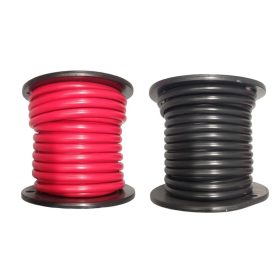
 Cable Automotive / Marine
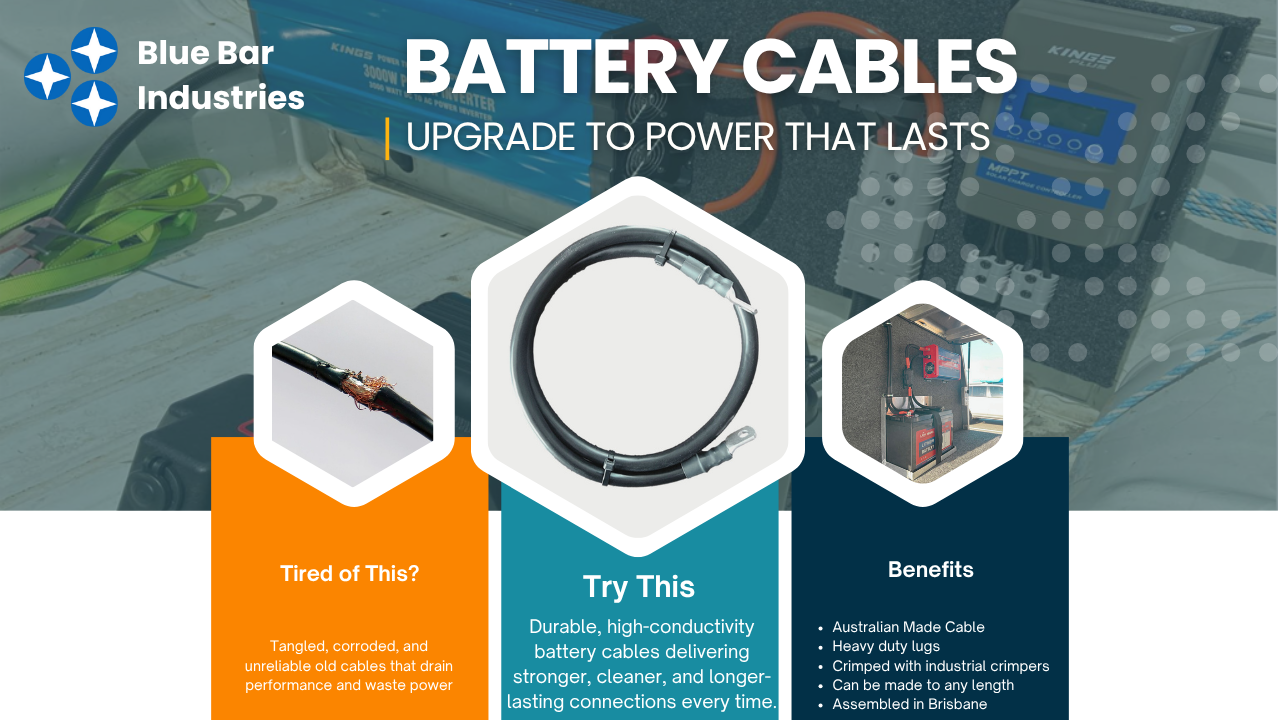
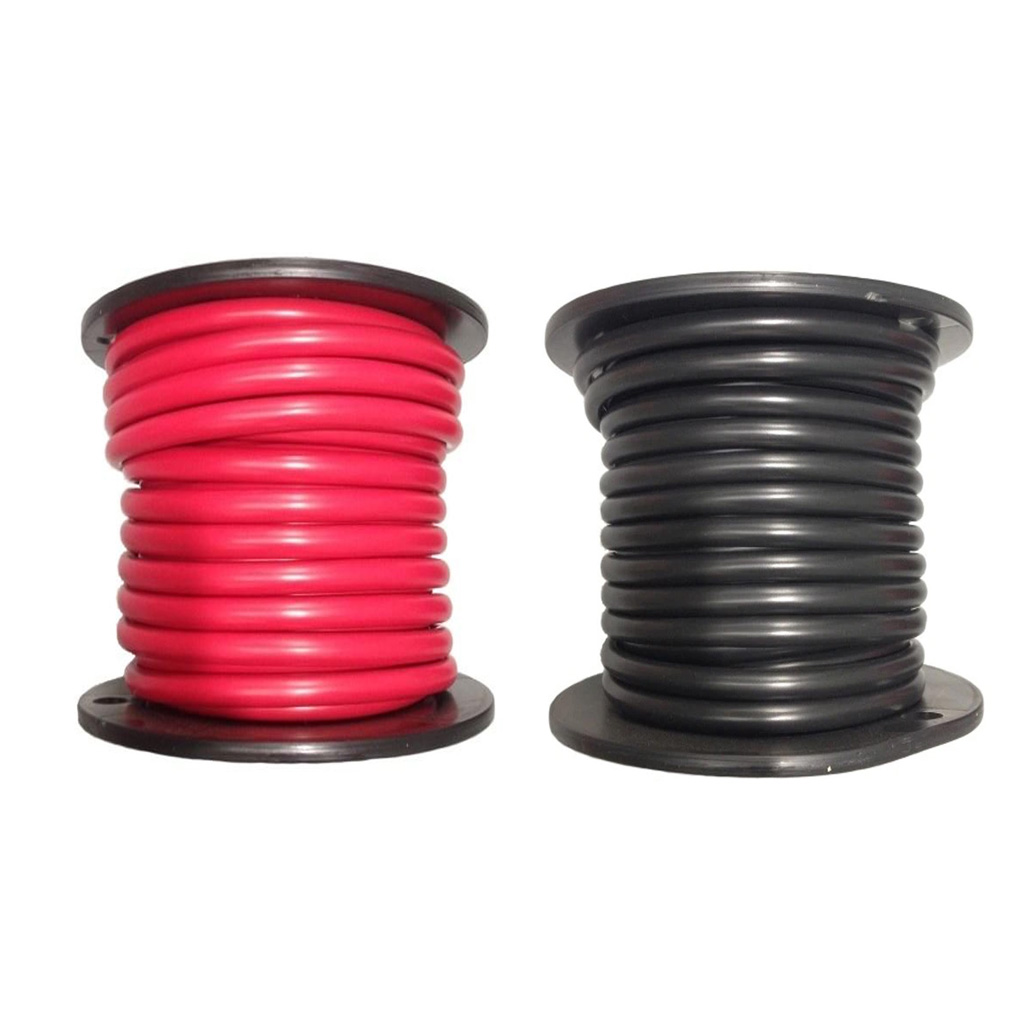
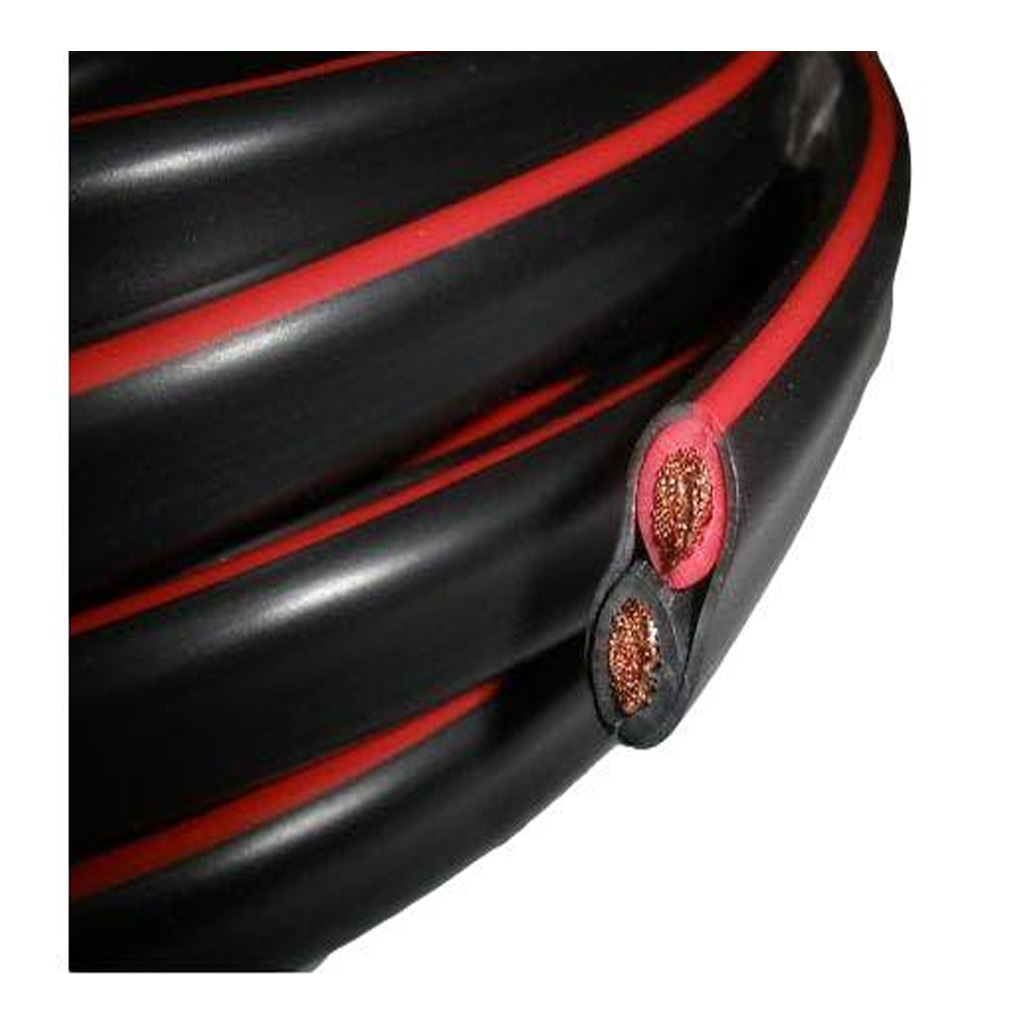
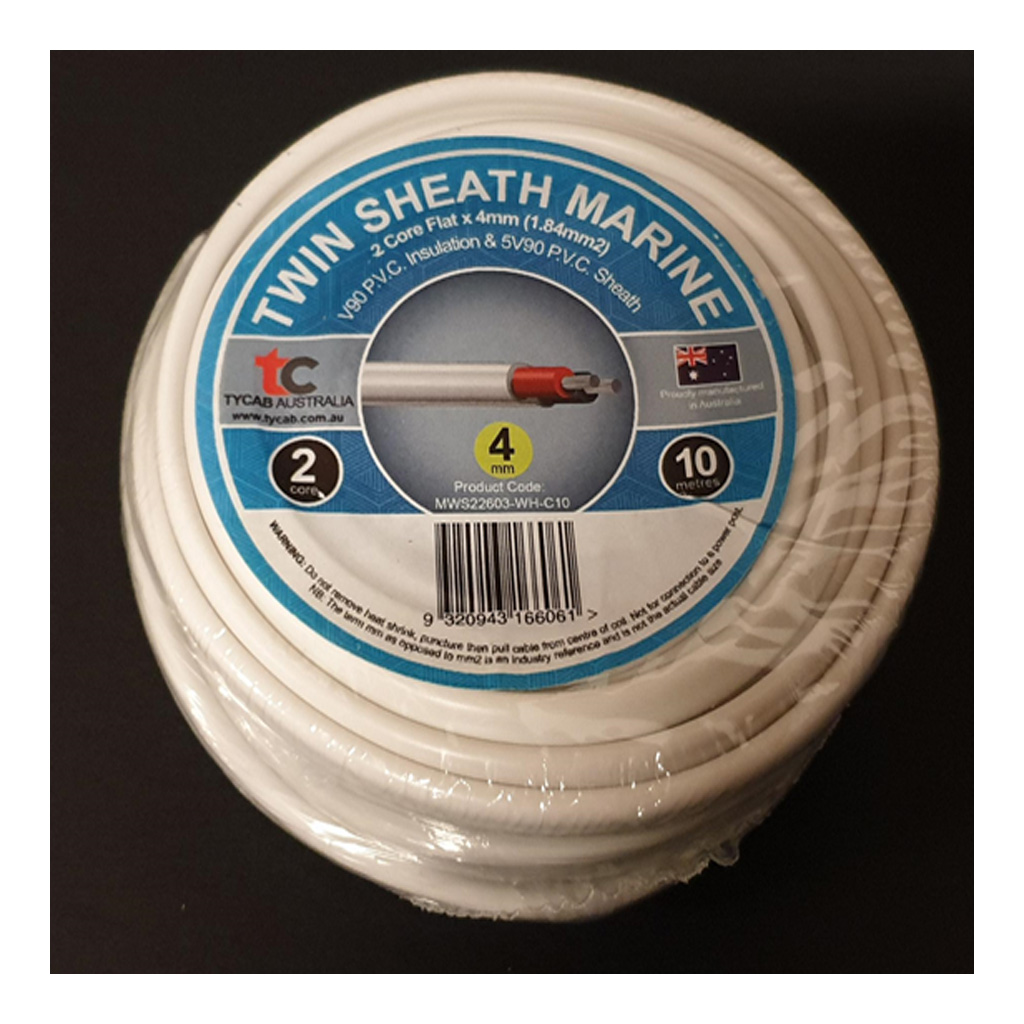
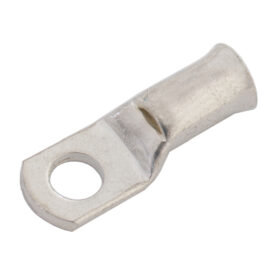 Cable Lugs
 Cable Lug Assortment Kits
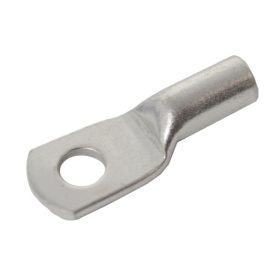 Cable Lugs Straight Wall Closed
 Cable Glands
 Convoluted Split Tubing
 12/24v Products & Access
 Electrical Connectors
 Solar Powered Products
 LED Lights
 Tools

 Auto Parts & Categories

 Fittings
 Cleaning & Misc
 Clearance & Promotion
Latest News
Automotive Cable Lugs Sizes Made Simple
Jul
A battery isolator can be correctly rated, the cable can be premium quality, and the installation can still fail at the termination. Automotive cable lugs sizes are not a detail to guess at. The lug must suit the cable conductor, the mounting stud and the electrical load, particularly on 12V and 24V systems where a small amount of resistance can create serious voltage drop and heat.
For a caravan, 4WD dual-battery system, work ute, boat or fleet vehicle, selecting the right lug is about building a connection that stays tight, carries current safely and survives vibration, moisture and heat. The correct size is usually found by matching two separate measurements: the cable size at the barrel and the stud or bolt size at the ring.
How automotive cable lugs sizes are measured
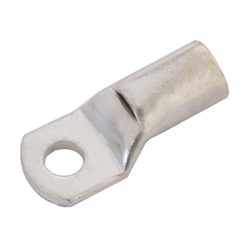
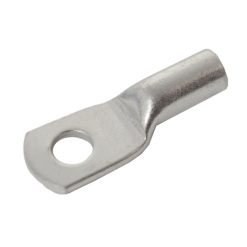
A cable lug is generally specified in a format such as 16mm² M8, 35mm² M10 or 50mm² M8. The first number refers to the cable cross-sectional area that fits inside the lug barrel. The second refers to the hole size in the lug ring for the terminal stud or bolt.
For example, a 35mm² M8 lug is designed for 35mm² cable and an 8mm stud. It will suit a circuit only if the cable itself is correctly sized for the current draw and cable run. An M8 hole tells you nothing about the lug’s current-carrying ability – it only tells you the mounting size.
This distinction prevents a common installation mistake: choosing a lug by the ring hole alone. A lug may slide neatly over an M8 battery terminal bolt, but if its barrel is too large for the cable, the crimp will be poor. If it is too small, strands may be cut away or forced into the barrel, reducing the conductor area at precisely the point where high current passes.
Cable area: mm² versus AWG
Australian automotive and trade wiring commonly uses metric cable sizes in mm², while imported cable and accessories may use American Wire Gauge (AWG). These systems do not line up perfectly, so avoid relying on a rough conversion when selecting a high-current lug.
As a guide, 8 AWG is close to 8mm², 6 AWG is around 13mm², 4 AWG is about 21mm², 2 AWG is about 33mm², and 0 AWG is about 53mm². Actual cable outside diameter can vary between manufacturers because insulation thickness differs, but the copper conductor area is what matters when choosing the barrel size.
If the cable marking is unclear, check the manufacturer specification or measure the conductor after stripping the insulation. Do not measure over the insulation and assume the result is the cable size. A thickly insulated 16mm² battery cable can look similar in outside diameter to a much larger cable.
Stud size: M6, M8, M10 and beyond
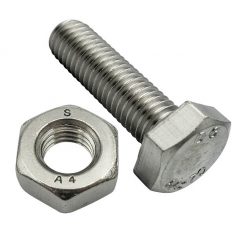
The ring end must fit the stud without being forced over it or left excessively loose. M6 and M8 lugs are common on fuse blocks, circuit breakers, Anderson connector mounts, battery accessories and distribution hardware. M10 and M12 sizes are more common on larger battery terminals, heavy-duty isolators, busbars and industrial equipment.
A lug with a slightly oversized hole can be used in some situations if a suitable flat washer provides full support and the connection remains centred. It is not the first choice for a high-current battery connection, however. The lug should sit flat against the terminal surface, not hang on the edge of the washer or move under vibration.
Choose the cable before the lug
The right lug follows the right cable selection. Cable size should be based on the circuit’s continuous current, peak current, total cable length, acceptable voltage drop, installation environment and fuse protection.
This matters most on low-voltage systems. A 0.5V loss may seem minor on a 240V circuit, but it is significant on a 12V fridge feed, compressor circuit or DC-DC charger installation. Undersized cable and poor lugs work together to create voltage drop, hot terminations and unreliable equipment operation.
Starter motor cables, winch feeds and inverter cables require particular care because they can carry very high current. A lug that looks substantial is not necessarily suitable for a heavy battery cable. Check that the barrel accepts the full conductor, that the lug is made from suitable copper, and that the terminal is rated for the application.
For accessory circuits such as LED lighting, USB chargers or low-current pumps, smaller insulated terminals may be more practical than heavy-duty battery lugs. There is no advantage in fitting an oversized lug to a small cable. It makes correct crimping harder and can leave the connection mechanically unsupported.
Lug material and barrel type matter
For automotive battery and high-current DC work, tinned copper lugs are a dependable choice. Copper provides excellent conductivity, while tin plating helps resist surface corrosion in engine bays, underbody locations, marine environments and exposed touring setups.
Bare copper lugs can perform well, but they need protection where moisture or salt exposure is likely. Aluminium lugs are generally not a direct substitute for copper automotive cable lugs. Mixing dissimilar metals without the correct terminals, compounds and installation method can accelerate corrosion and increase resistance.
Barrel design also affects the result. Heavy-duty lugs commonly have a long barrel, giving the conductor more contact area and a stronger crimp. Short-barrel lugs can be suitable where space is tight, but they provide less grip and are less forgiving when used on flexible cable in vibration-prone vehicles.
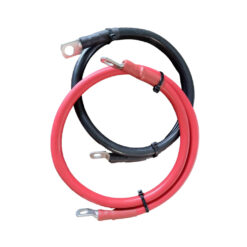
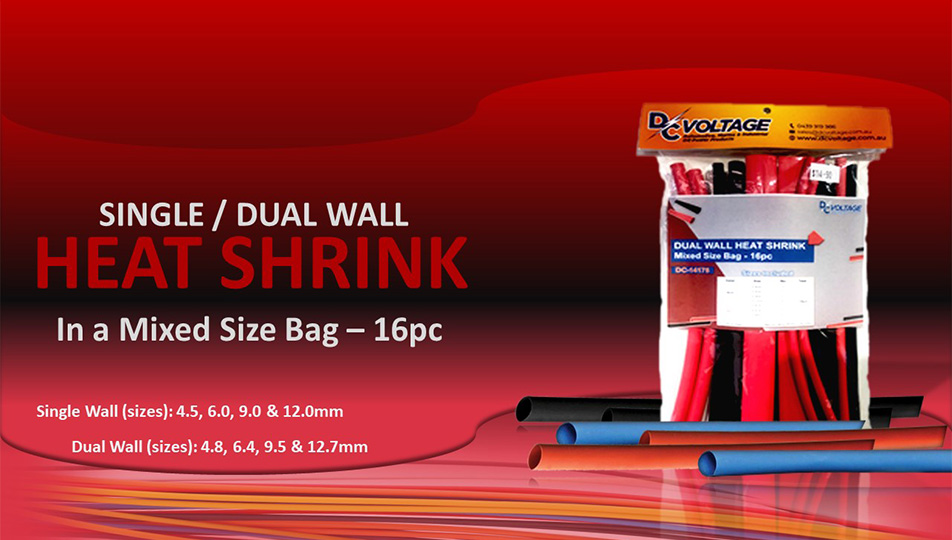
Where the cable will be exposed, use adhesive-lined heat shrink after crimping. It seals the rear of the barrel, supports the cable at the transition point and reduces the chance of moisture wicking into the conductor. Red and black heat shrink also makes battery polarity easy to identify during future servicing.
Crimping is part of sizing
Even perfectly matched automotive cable lugs sizes will not compensate for the wrong crimp tool. Heavy cable lugs require a crimper matched to the lug and cable range. A hammer crimper may be practical for occasional field work, while a hex or indent hydraulic crimper delivers more consistent results for regular workshop and trade installations.
The aim is a firm, even compression that cold-forms the copper strands into the barrel without splitting it. A loose crimp allows movement, oxidation and heat build-up. An over-crimp can damage strands or crack the lug barrel. Solder alone is not generally the answer for high-vibration vehicle wiring, as solder can wick up the cable and create a stiff point that may fatigue over time.
After crimping, inspect the connection before applying heat shrink. There should be no loose strands, no visible gap between cable and barrel, and no cracking around the crimp. Give the cable a controlled pull test. If it moves, cut the lug off and start again rather than trying to rescue the termination.
A practical selection check before ordering
When sourcing lugs for a job, confirm these details before selecting stock:
- The copper conductor size of the cable in mm² or verified AWG equivalent.
- The terminal stud or bolt diameter, such as M6, M8, M10 or M12.
- Whether the circuit is a low-current accessory feed or a high-current battery, inverter, winch or starter circuit.
- The installation environment and whether tinned copper, adhesive heat shrink and extra cable support are needed.
Also check the terminal layout. Straight ring lugs suit most battery and busbar connections, but right-angle lugs can reduce stress where cable routing is tight behind a battery box, inverter or distribution panel. Allow enough room for the cable bend radius. Forcing large battery cable into a sharp turn can load the lug and loosen the connection over time.
Common sizing mistakes on 12V and 24V systems
One frequent problem is fitting a large lug onto undersized cable because the installer wants it to match a battery stud. The correct fix is not a loose barrel. Use a lug with the right cable barrel and required ring size, or review whether the cable itself needs upgrading.
Another is assuming a 24V circuit needs smaller cable than a 12V circuit because it draws less current for the same power. That can be true, but cable selection still depends on the actual load, route length and voltage-drop target. A long run to a rear-mounted accessory can still need substantial cable and correctly sized lugs.
Finally, do not overlook hardware condition. A correctly crimped lug on a corroded stud, painted mounting surface or loose nut is still a poor connection. Clean contact faces, use suitable washers and torque the fastener securely without distorting the lug ring.
Bluebar Industries stocks the cable, lugs, heat shrink, connectors and installation gear needed to build serviceable vehicle power connections. When the cable area, stud size and crimp method all match, the termination becomes the part of the system you do not have to think about halfway down a corrugated track.