

 Cable Automotive / Marine
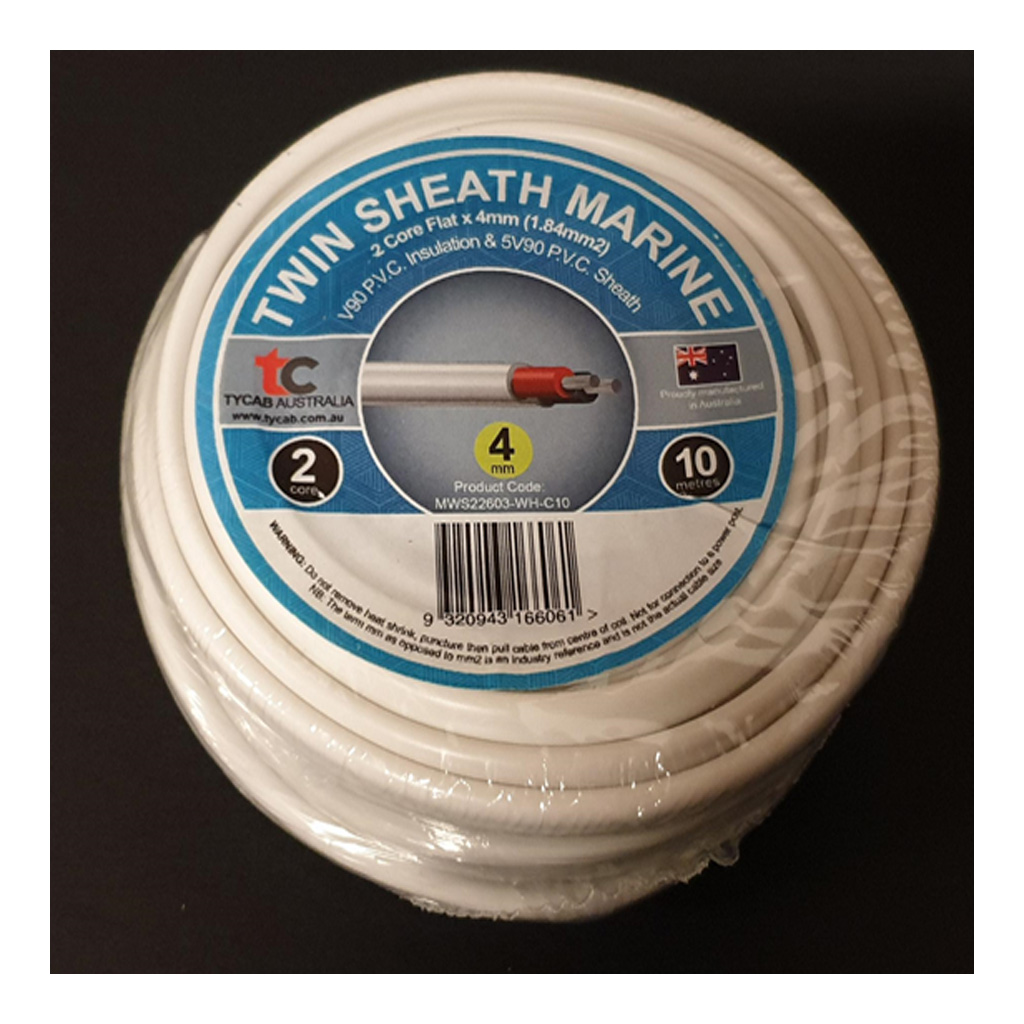
 Cable Lugs
 Cable Lug Assortment Kits
 Cable Lugs Straight Wall Closed
 Cable Glands
 Convoluted Split Tubing
 12/24v Products & Access
 Electrical Connectors
 Solar Powered Products
 LED Lights

 Tools


 Auto Parts & Categories

 Fittings

 Cleaning & Misc
 Clearance & Promotion
Latest News
Trailer Wiring Connectors: Choose the Right Plug
Jul
A trailer with working lights in the driveway can still cause trouble on the road if its plug fits loosely, the earth connection is poor or auxiliary circuits are asked to carry more current than they should. The right trailer wiring connectors make towing safer and fault-finding far quicker, whether you are pulling a box trailer behind a ute, towing a caravan across the country or setting up a work trailer for daily use.
The connector is not just the plug at the tow bar. A dependable installation includes the vehicle-side socket, trailer-side plug, cable, terminals, cable protection, joins and mounting hardware. Each part needs to suit the electrical load, the environment and the way the trailer is actually used.
Start with the plug style and pin count
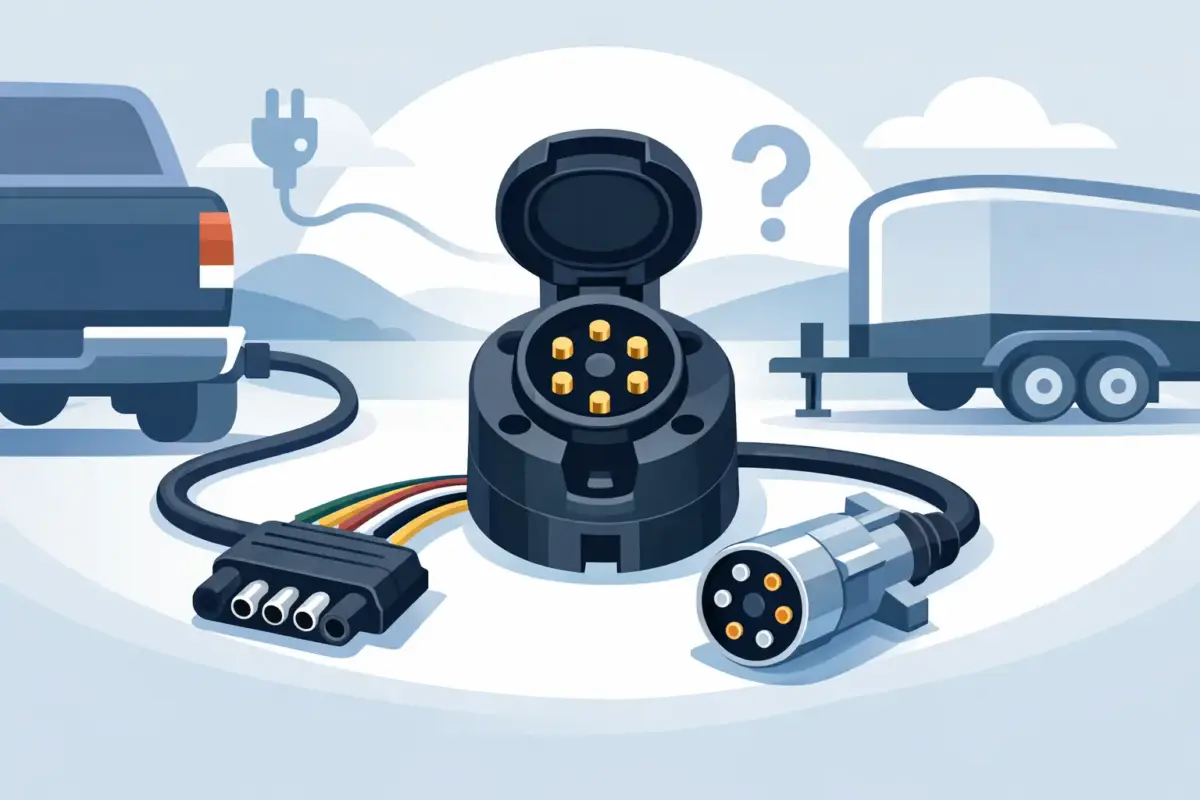
The first job is matching the connector fitted to the tow vehicle and trailer. In Australia, 7-pin flat and 7-pin round plugs are common across trailers, caravans and work vehicles. Smaller 5-pin flat plugs are also found on lighter trailers where only basic lighting circuits are required.
A 7-pin connector is often the practical choice when a trailer needs more than stop, tail and indicator lights. Depending on how it is wired, the additional terminals may be used for reverse lights, electric brake control, auxiliary power or an earth return. The exact function of each terminal must be checked before connecting anything, particularly on older trailers or vehicles with previous aftermarket work.
Do not assume that two 7-pin connectors are wired the same simply because they physically connect. Pin functions, wire colours and auxiliary arrangements can vary. A plug-to-socket adaptor can solve a fitment issue, but it cannot correct mismatched wiring or provide capacity that the vehicle circuit does not have.
Flat versus round trailer plugs
Flat plugs are widely used because they are compact, easy to handle and common on late-model vehicles and recreational trailers. Round plugs have a long history in trade and heavy-duty applications, and many older trailers still use them. Neither is automatically better. The correct choice depends on what is already fitted, the number of circuits required and whether standardisation across a fleet matters.
For a new setup, consider the trailers and towing vehicles you expect to use over the next few years. Standardising plug types can reduce the need for adaptors and makes it easier to diagnose faults when several trailers are in service.
Match trailer wiring connectors to the load
Lighting circuits do not place the same demand on wiring as caravan battery charging, an electric winch or a fridge supply. This is where many installations go wrong. A standard trailer plug is suitable for its intended circuits, but it is not a substitute for a properly sized high-current connector and cable.
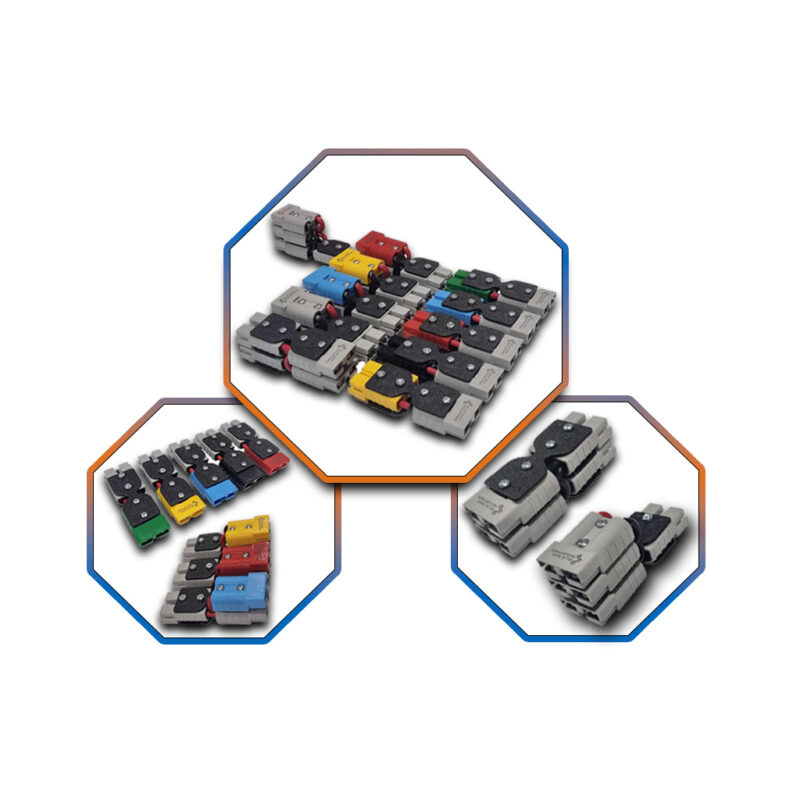
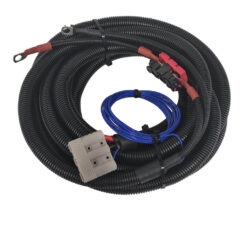
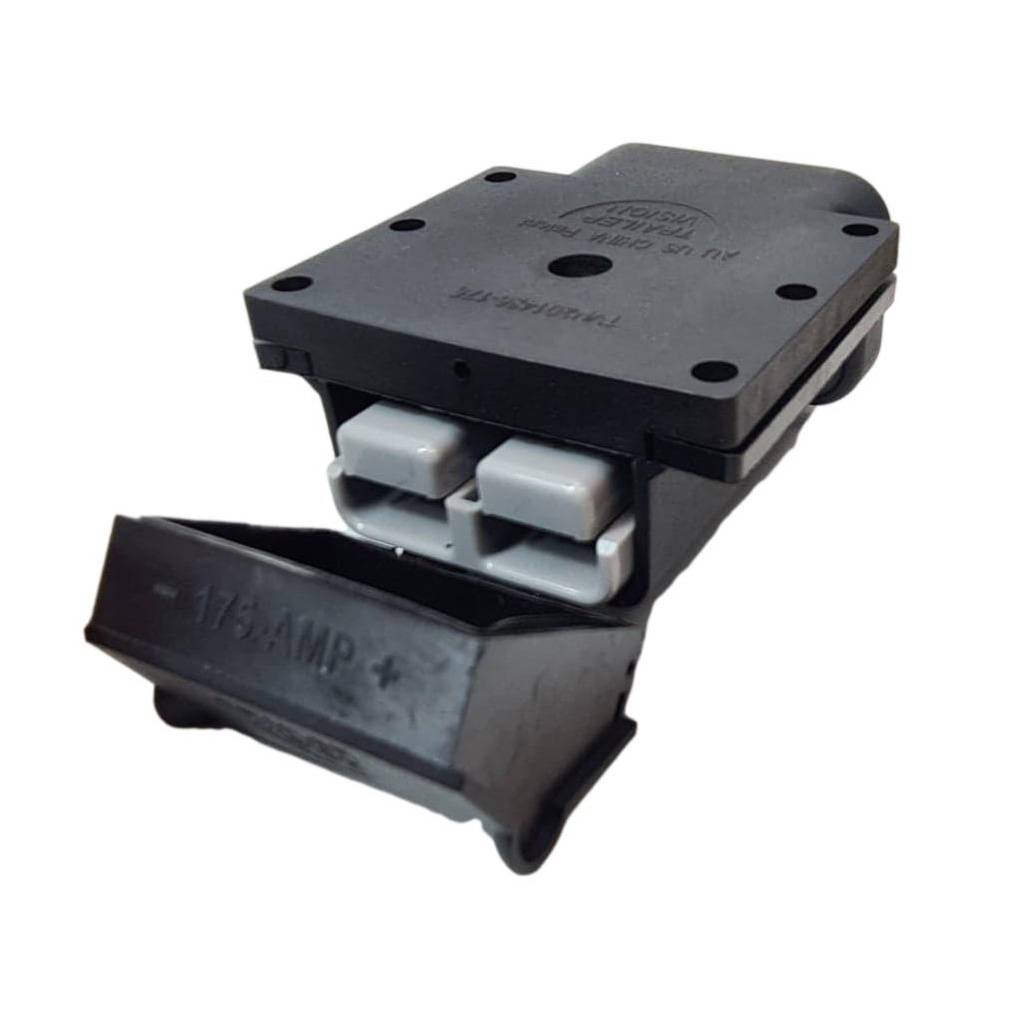
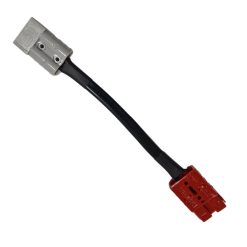
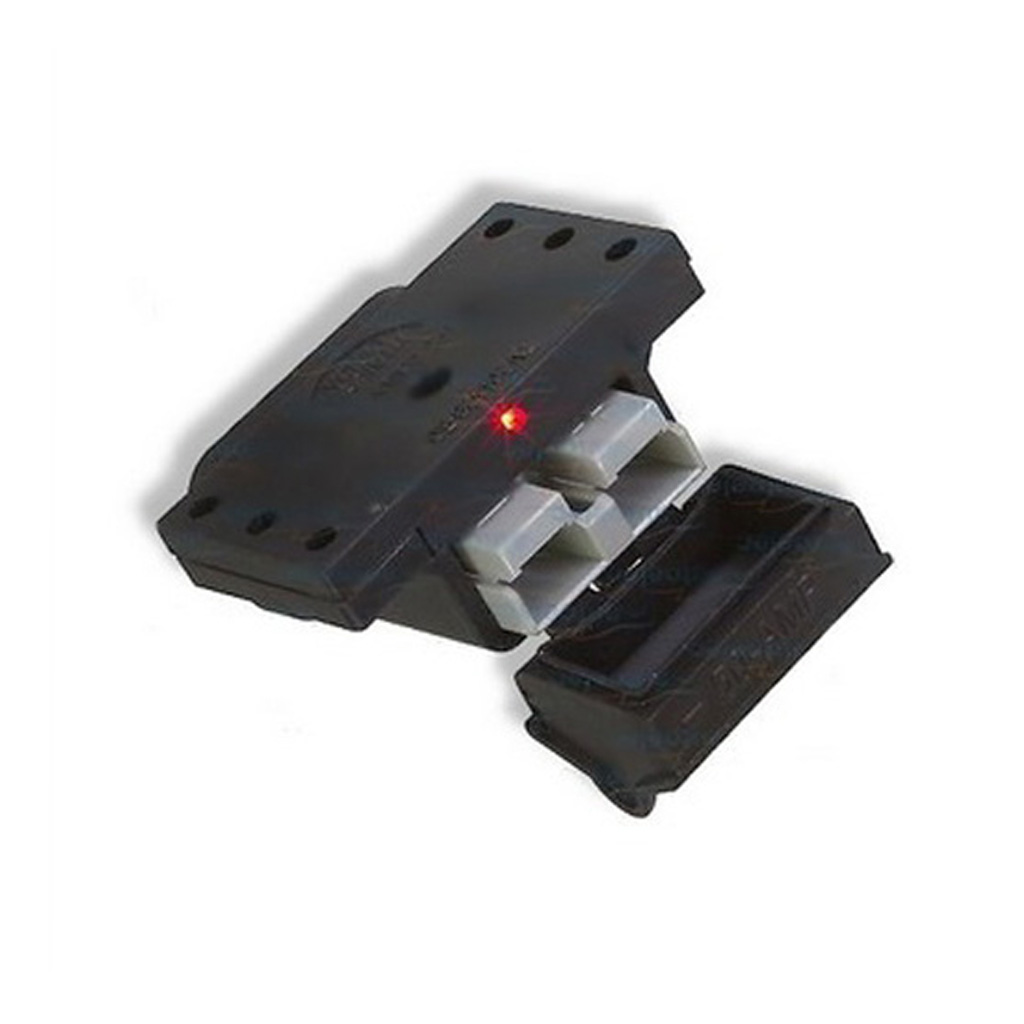
If you need to charge an auxiliary battery between the vehicle and caravan, run a compressor or supply a high-draw accessory, a dedicated Anderson-style connector with correctly sized cable, fuse protection and suitable termination is generally the better approach. This keeps high current away from small terminals designed primarily for lighting and signalling.
Voltage drop matters on long cable runs. A caravan or boat trailer can have many metres of cable between the tow vehicle battery and the load. Cable that looks adequate at the hitch may deliver too little voltage at the far end, especially when plugs, sockets or joins add resistance. Select cable size based on current draw and total circuit length, not just the accessory label.
Electric brakes need their own attention
Electric brake control wiring must be correctly installed from the vehicle brake controller through to the trailer brakes. The brake circuit should use suitable cable, secure terminals and a reliable earth path. A poor connection at the plug can cause inconsistent braking, warning messages or no braking response at all.
Breakaway systems also need careful planning. They have their own battery and charging requirements, and the wiring arrangement needs to suit the trailer’s legal and operational requirements. If there is any uncertainty around brake control or breakaway wiring, use a qualified auto electrician or trailer specialist rather than relying on a basic plug diagram.
Sealing and strain relief matter on Australian roads
Trailer connectors live in a hard environment. They are exposed to dust, rain, corrugations, vibration, salt spray and the occasional creek crossing. A low-cost plug may work initially, then develop intermittent faults once moisture reaches the terminals or the cable pulls against the connection.
Choose plugs and sockets with a durable housing, positive terminal retention and a cable clamp or gland that properly supports the cable outer sheath. The cable should not be held in place by the terminals alone. At the trailer drawbar, allow enough slack for full turning movement without leaving a loose loop that can drag, snag or rub through.
For marine use or regular coastal towing, corrosion resistance is a priority. Inspect terminals for green deposits, pitting or discolouration, and clean or replace components before a minor issue becomes a roadside lighting failure. Dielectric grease can help protect connections when used appropriately, but it will not repair a loose terminal, damaged seal or corroded conductor.
Build the wiring behind the plug properly
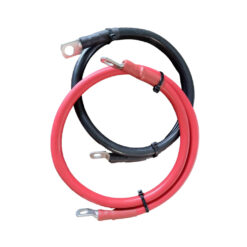
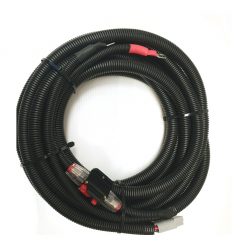
A quality connector only performs as well as the wiring behind it. Use automotive cable with adequate conductor size, avoid household cable and protect runs with conduit, split tubing or abrasion-resistant sleeving where they pass near chassis edges, suspension components or stone-strike areas.
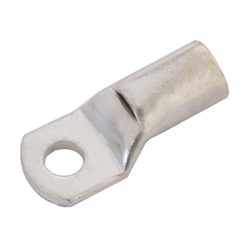
Crimp terminals using the correct tool for the terminal type and cable size. A proper crimp has mechanical strength and low electrical resistance. Twisted wire covered in tape may seem acceptable for a quick repair, but vibration and water will find it. Where heatshrink terminals are suitable, adhesive-lined heatshrink provides extra sealing around the cable entry.
Earth faults are among the most common trailer electrical problems. A dedicated earth return cable from the plug to each light or circuit is usually more dependable than relying solely on the chassis, particularly on painted, galvanised or corroded trailers. The earth conductor must be sized for the combined load it carries and terminated on clean, secure connections.
Keep joins accessible where possible. A connector hidden inside a chassis rail may look tidy, but it becomes difficult to inspect after mud, water or a fault. Secure cable at sensible intervals so it cannot sag, chafe or flex repeatedly at one point.
Diagnose common trailer plug faults quickly
When lights behave strangely, start at the connector before replacing lamps. A dim indicator that changes when the brakes are applied often points to a weak earth. No lights at all may indicate a blown vehicle fuse, a damaged socket, a broken cable near the drawbar or a disconnected earth.
Use a test light or multimeter to check the vehicle socket first, then test the trailer plug and work back through the circuit. This isolates whether the fault is on the tow vehicle or trailer side. Check for bent pins, terminals pushed back into the plug body, cracked housings and signs of heat. Heat damage usually means excess resistance, overload or a terminal that was not tight enough.
Before a long trip, connect the trailer and test tail lights, brake lights, both indicators, reverse lights, electric brakes and any auxiliary circuits. Do this with the trailer coupled and the cable positioned as it will be when towing. A wiring lead that works while straight may disconnect or pull tight during a tight turn.
When an adaptor is useful – and when it is not
Adaptors are useful when a tow vehicle and trailer use different physical plug styles. They are particularly handy for occasional towing or when a work vehicle needs to connect to several trailer types. Keep one as a backup if your towing setup makes sense for it.
However, an adaptor introduces another set of terminals and another possible point of voltage drop, moisture entry or mechanical damage. For a trailer used regularly, converting the vehicle socket or trailer plug to a common, correctly wired standard is often the cleaner long-term option. It also avoids confusion when another driver connects the trailer.
Choose parts that suit the job
A light box trailer used a few times a year has different needs from a caravan with battery charging, an enclosed trade trailer with internal lighting or a boat trailer exposed to salt water. Buy for the actual job, not just the lowest initial cost.
Bluebar Industries supplies trailer electrical components alongside cable, terminals, protection, adaptors and high-current connectors, making it easier to build a complete system rather than patching together mismatched parts. For custom leads, confirm plug type, pin configuration, cable length, cable size and the intended load before ordering.
The best time to sort trailer wiring is before the next trip or job site, with the trailer parked, the tools on hand and every circuit available to test. A correctly matched connector and properly supported cable can save a great deal of time at the side of the road.