

 Cable Automotive / Marine
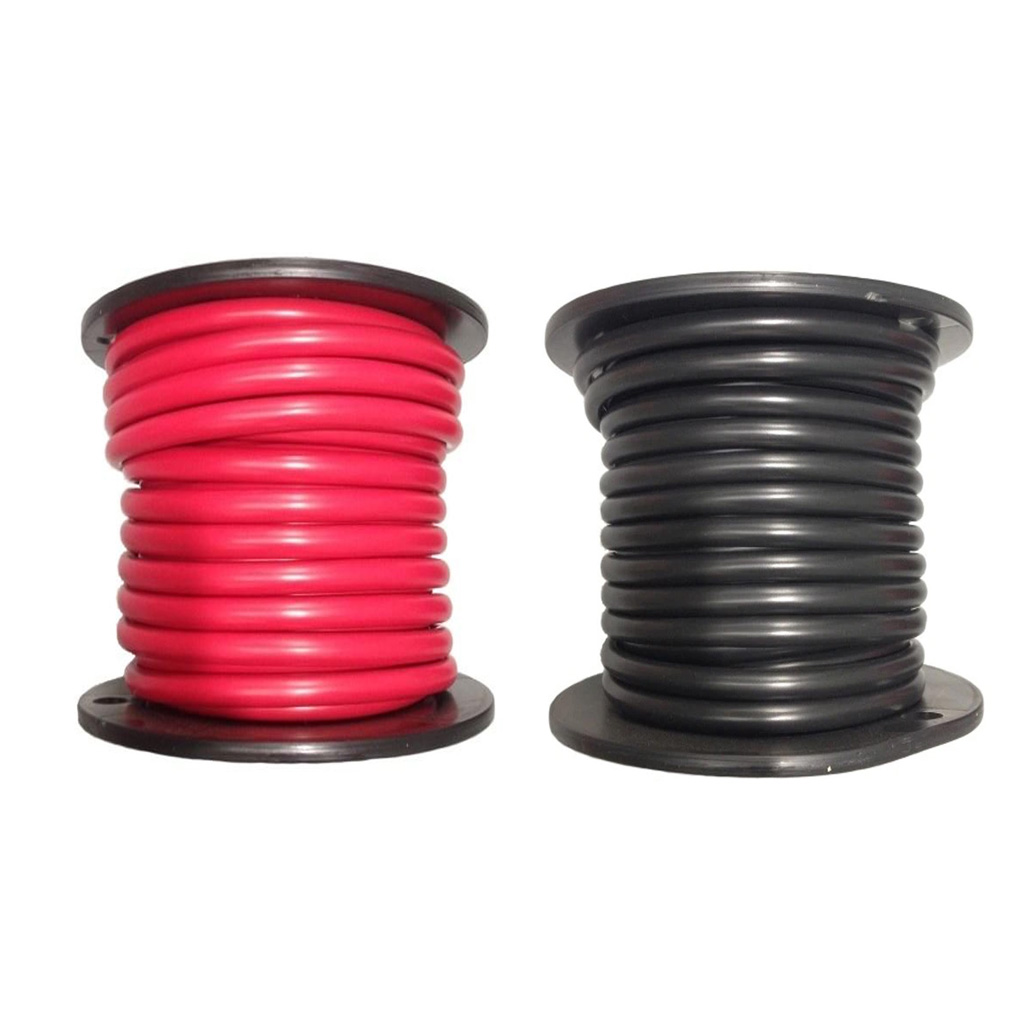
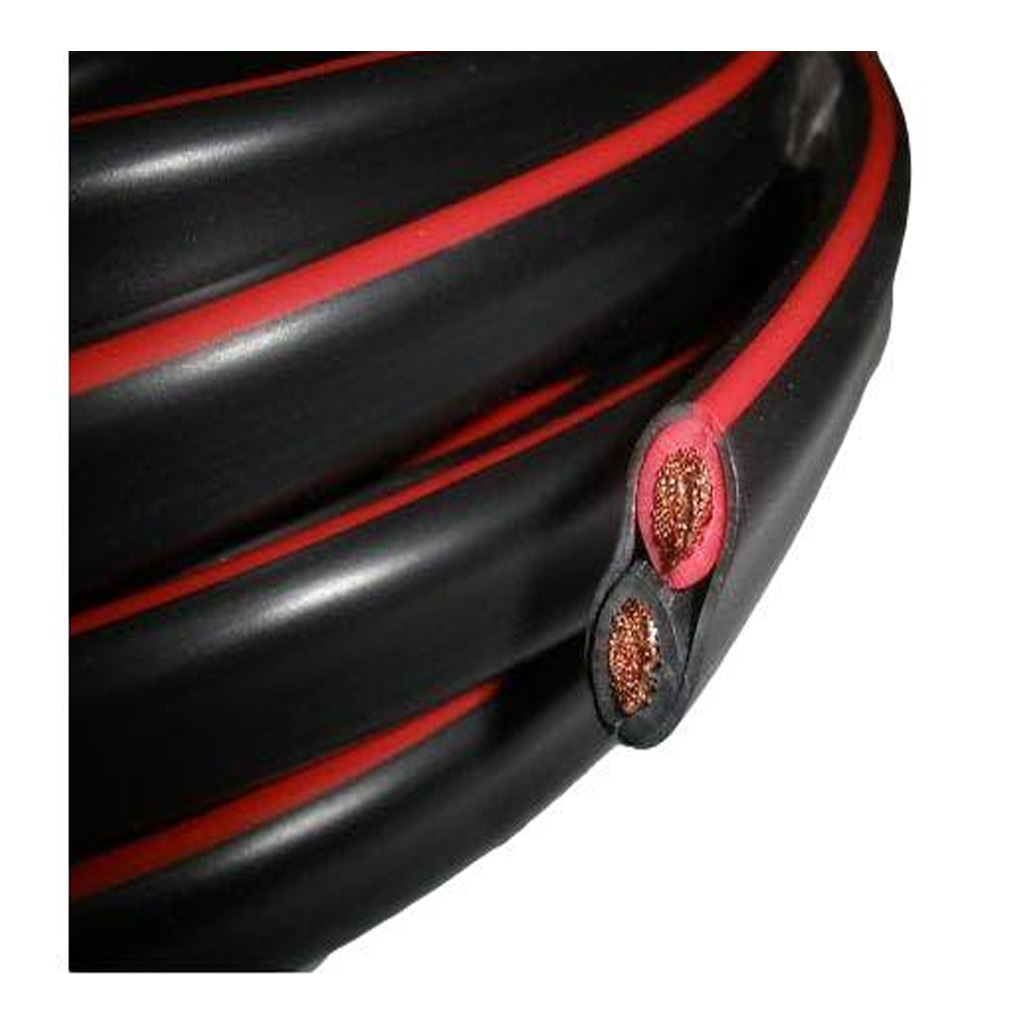
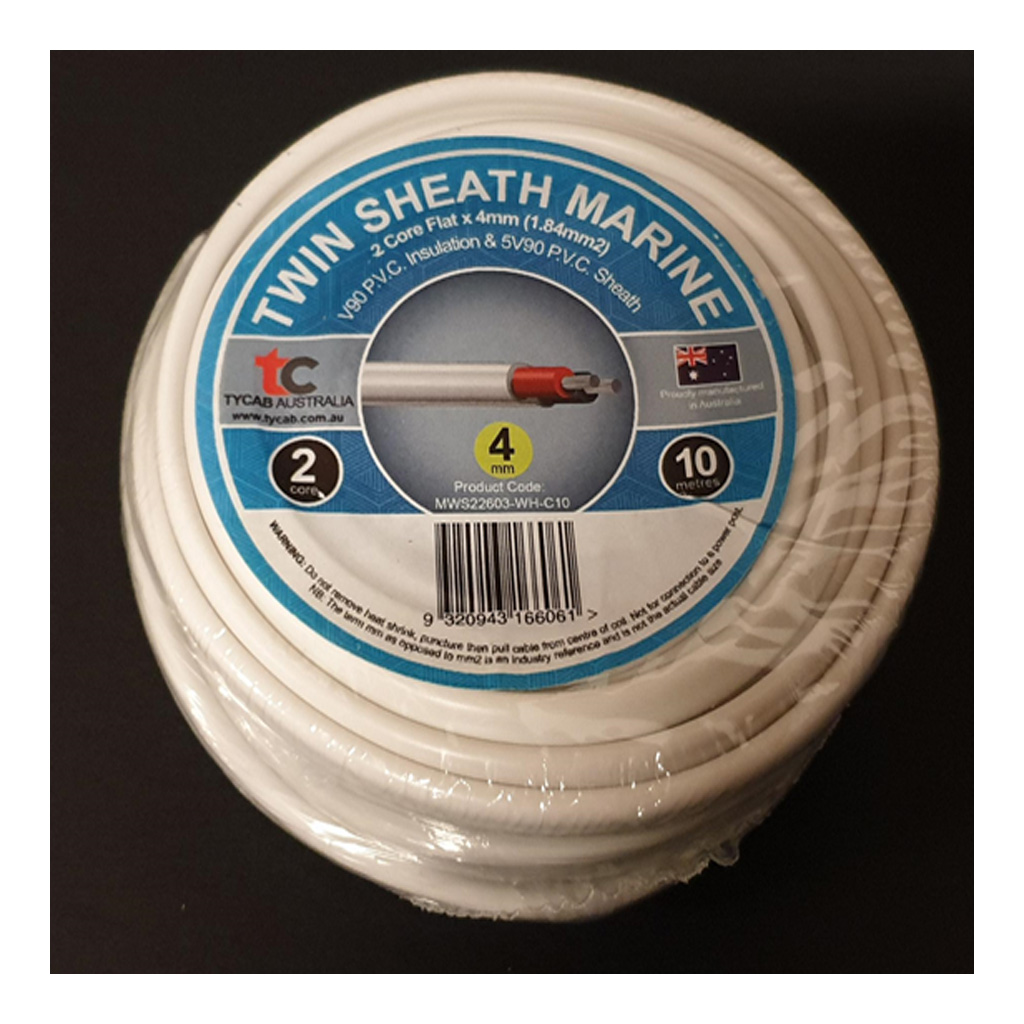
 Cable Lugs
 Cable Lug Assortment Kits
 Cable Lugs Straight Wall Closed
 Cable Glands
 Convoluted Split Tubing
 12/24v Products & Access

 Electrical Connectors

 Solar Powered Products
 LED Lights


 Tools







 Auto Parts & Categories

 Fittings



 Cleaning & Misc

 Clearance & Promotion
Latest News
Battery Box Setup for Camping Done Right

Jul
A battery that rattles around in the back of the ute, a cheap inverter clipped on as needed, and a handful of leads in a storage tub might work for one trip. It usually falls apart when you need dependable power for a fridge, camp lights, mobile charging or a compressor. A proper battery box setup for camping gives you a safer, tidier and more practical way to run 12V gear without guessing what will hold up once you leave the bitumen.
What a battery box setup for camping actually needs
At its simplest, a camping battery box is a portable power hub built around a battery, protected connections and a few useful outputs. The box keeps the battery secure, helps shield terminals from damage, and gives you a cleaner way to connect loads and charging sources.
That said, not every battery box is equal. Some are little more than a plastic case with a couple of sockets fitted. Others are closer to a compact auxiliary power system, with fusing, USB charging, Anderson plugs, voltmeters, circuit protection and solar input already built in. The right setup depends on how you camp, how often you travel and how much current your gear actually pulls.
If your only load is a few LED camp lights and the occasional mobile charge, you can keep things fairly basic. If you are powering a compressor fridge for several days, charging devices daily and topping up from solar, the quality of the wiring, connectors and charging gear matters a lot more.
Start with the battery, not the box
The most common mistake is choosing the box first because it looks convenient, then trying to force the rest of the system around it. In practice, the battery choice drives the whole setup.
A lithium battery gives you lower weight, better usable capacity and faster charging, which makes a lot of sense if you move camp often or regularly lift the box in and out of a vehicle. The trade-off is higher upfront cost and the need to make sure your charger and system are suitable for lithium chemistry.
An AGM battery is usually cheaper and still widely used in camping setups. It is heavier, and you cannot use the full rated capacity the way you generally can with lithium, but for some users it remains a solid option. If the box mostly stays in one spot and budget is a bigger factor than weight, AGM can still do the job.
Battery size should be based on run time, not guesswork. A 40L to 60L fridge, depending on ambient temperature and settings, can be a modest load in mild weather and a much heavier one in peak summer. Add lighting, a water pump, charging ports and other accessories, and a battery that seemed ample on paper can run short fast.
For many weekend campers, around 100Ah is a sensible starting point. Lighter users may get by with less. Longer stays, hotter conditions or larger loads often justify more capacity or a stronger charging plan.
The box is there to protect and simplify
Once the battery is sorted, the box needs to do two jobs well. It must secure and protect the battery, and it must make power access practical.
A decent battery box should hold the battery firmly, keep terminals covered or recessed, and provide mounting points or tie-down options for transport. In a touring vehicle, things bounce, shift and cop dust. A loose battery or exposed terminal is not just untidy – it is a genuine safety risk.
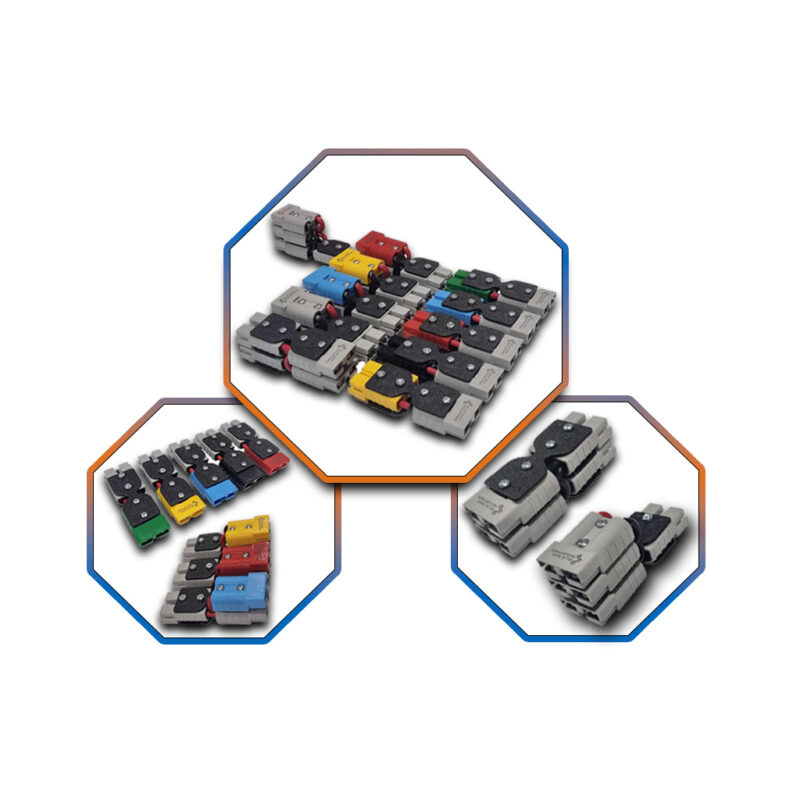
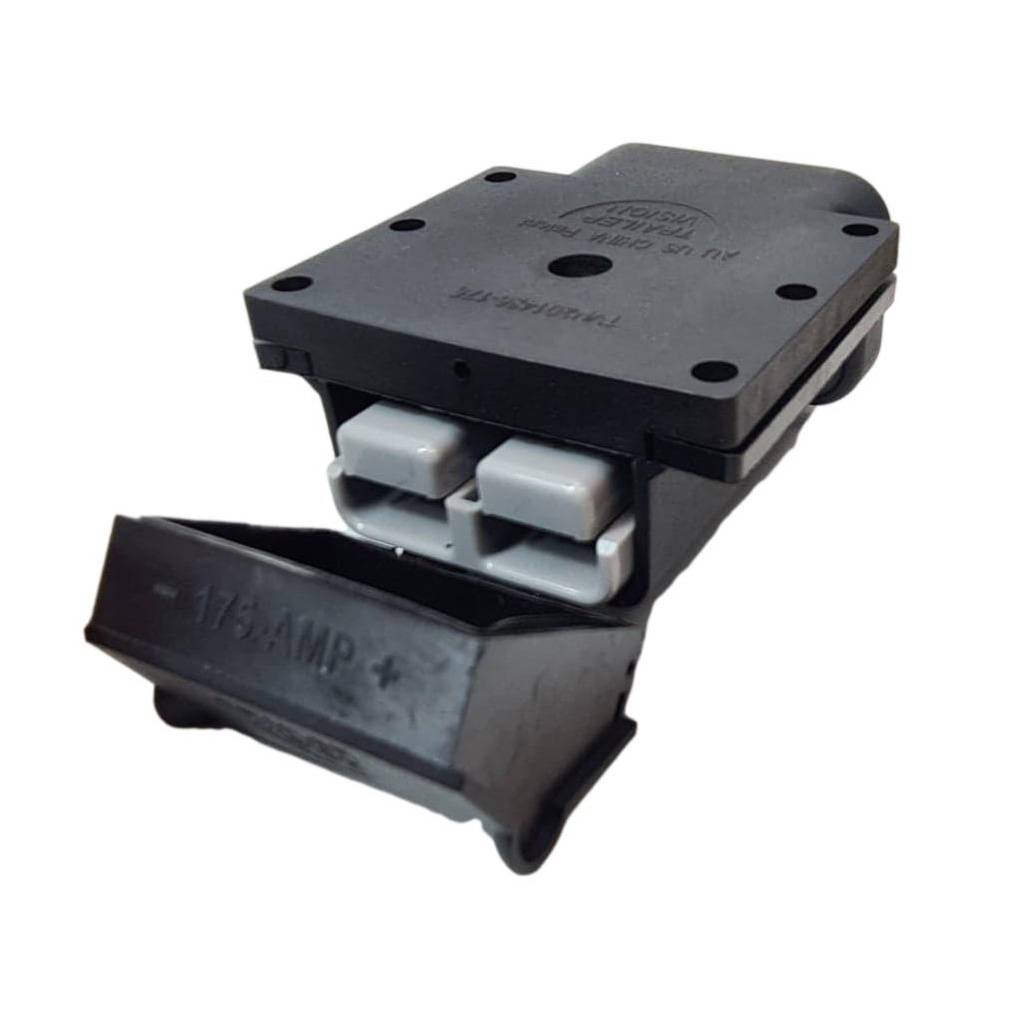
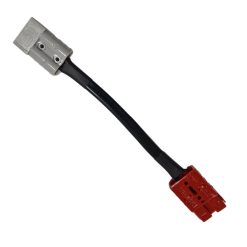
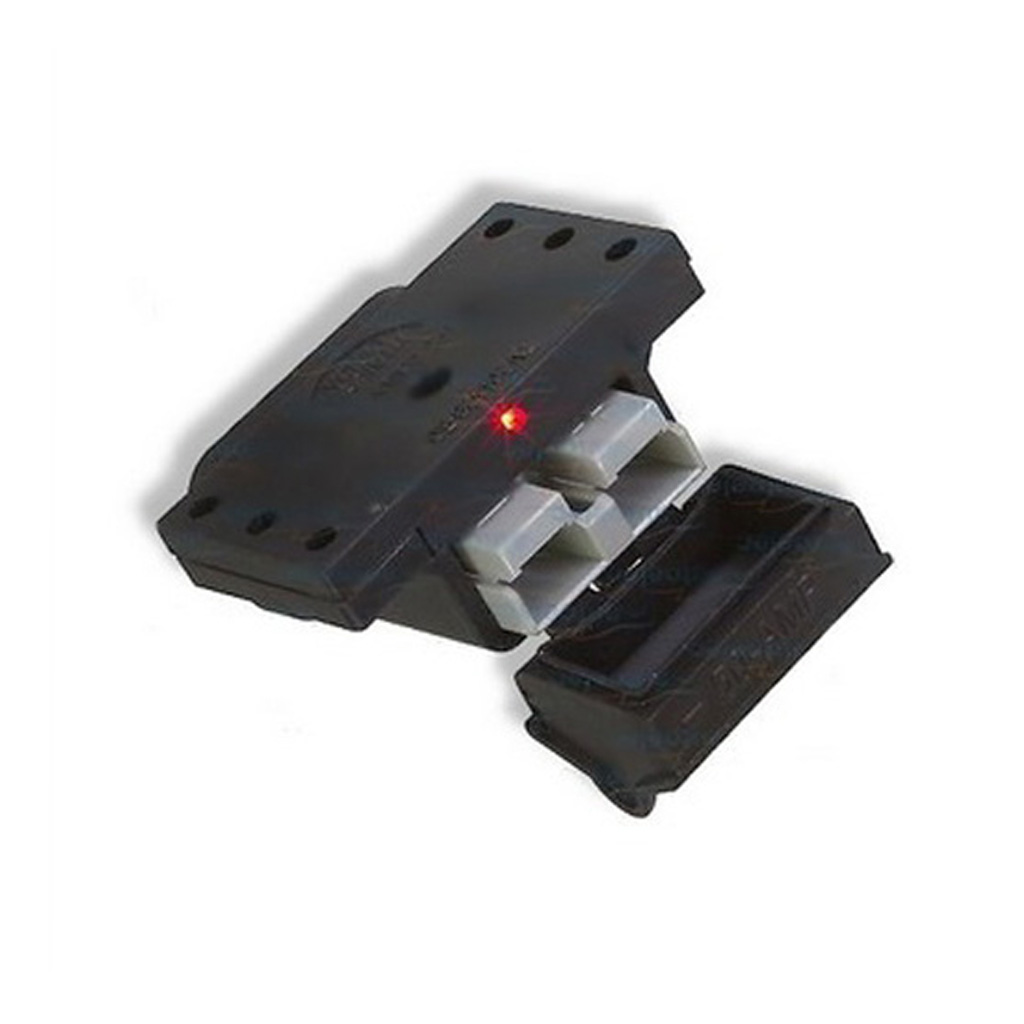
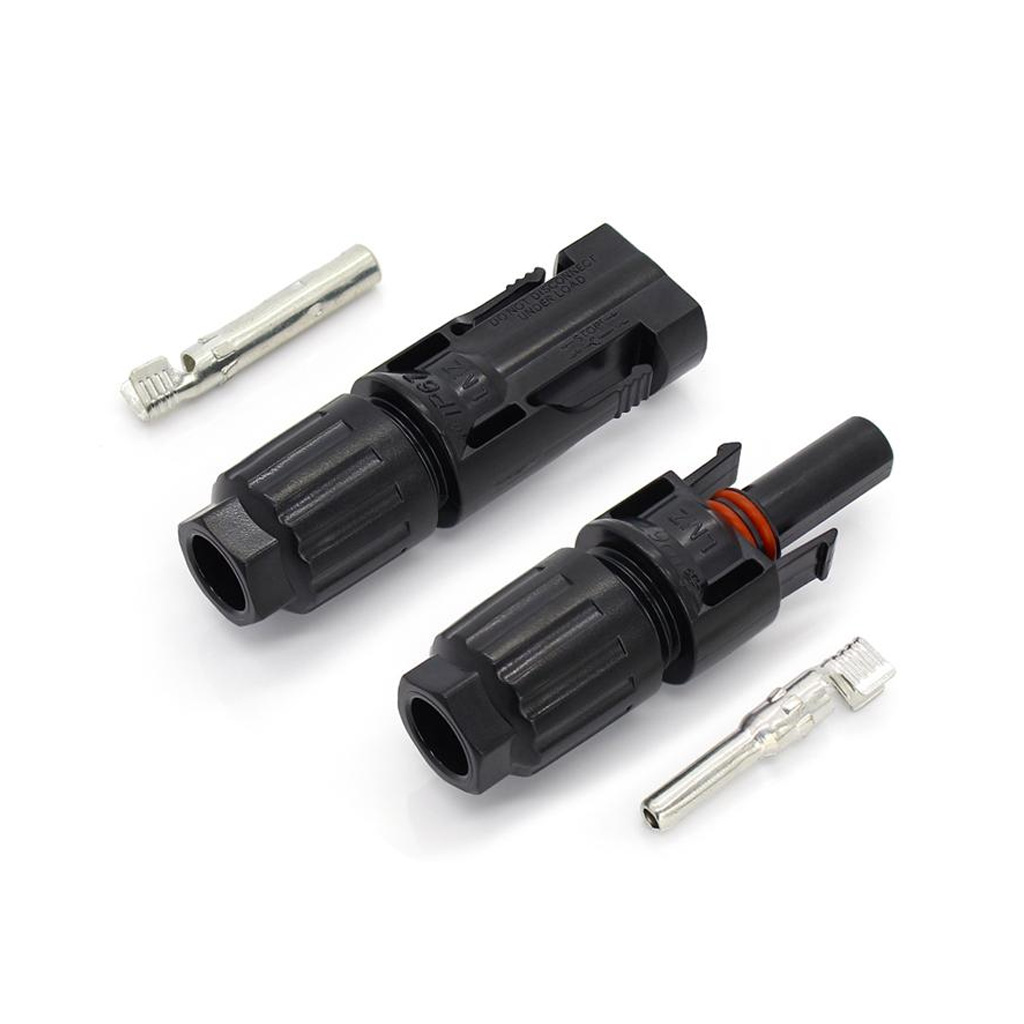
Useful output options usually include 12V sockets, USB outlets and Anderson connectors. Anderson plugs are especially handy for higher-current gear and charging input because they are more secure and better suited to serious 12V work than lighter accessory plugs. If your setup includes solar, a fridge and DC charging, Anderson connectivity usually makes life easier.
Built-in voltmeters can be handy, but they should not be treated as a full battery management system. They give you a rough indication, not a complete picture of battery state, particularly under load.
Wiring quality matters more than most people expect
This is where good setups separate themselves from frustrating ones. You can have a quality battery and a decent box, but if the cabling is undersized or the connectors are poor, voltage drop and heat become real issues.
For camping systems, current draw is often modest until you add a fridge, charging gear or an inverter. Then weak wiring starts to show up quickly. The fridge may cut out on low voltage even though the battery is not flat. Charging may be slower than expected. Plugs may run warm. None of that is ideal in remote conditions.
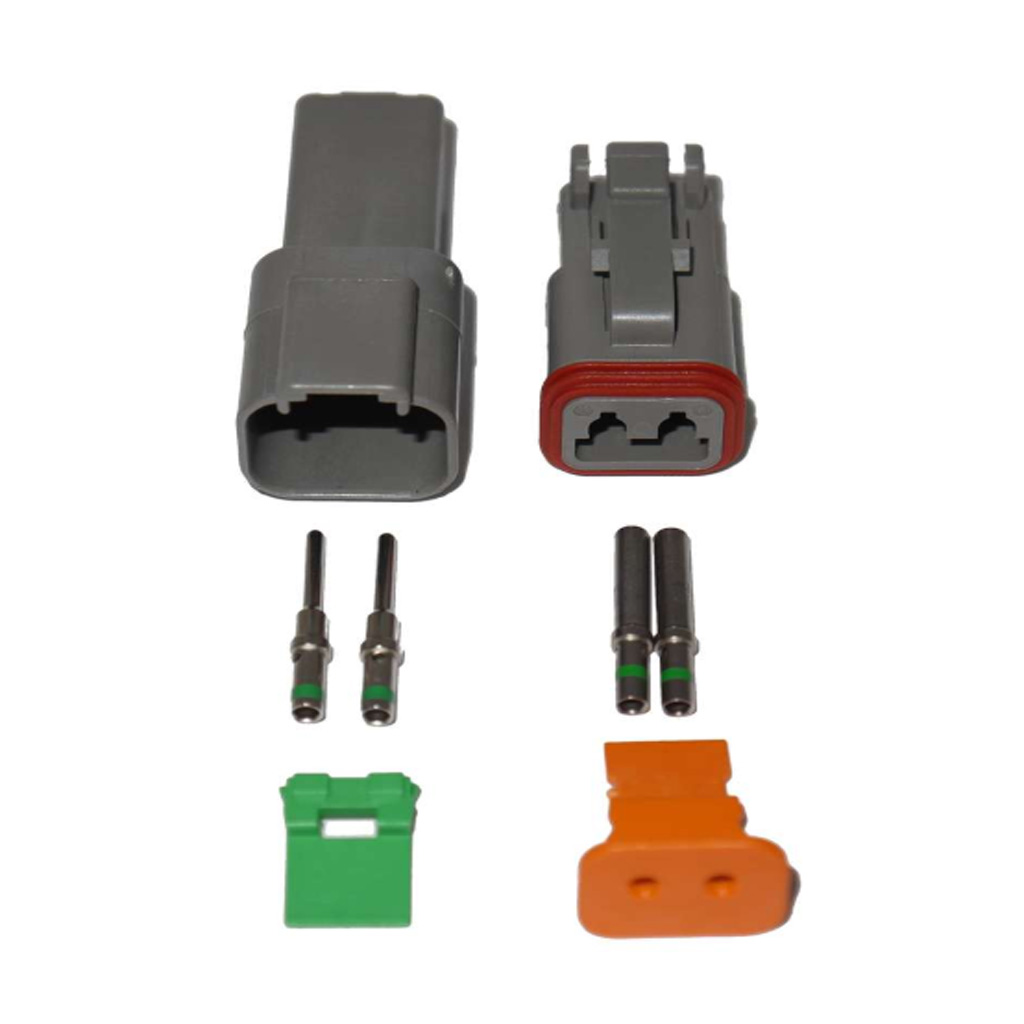
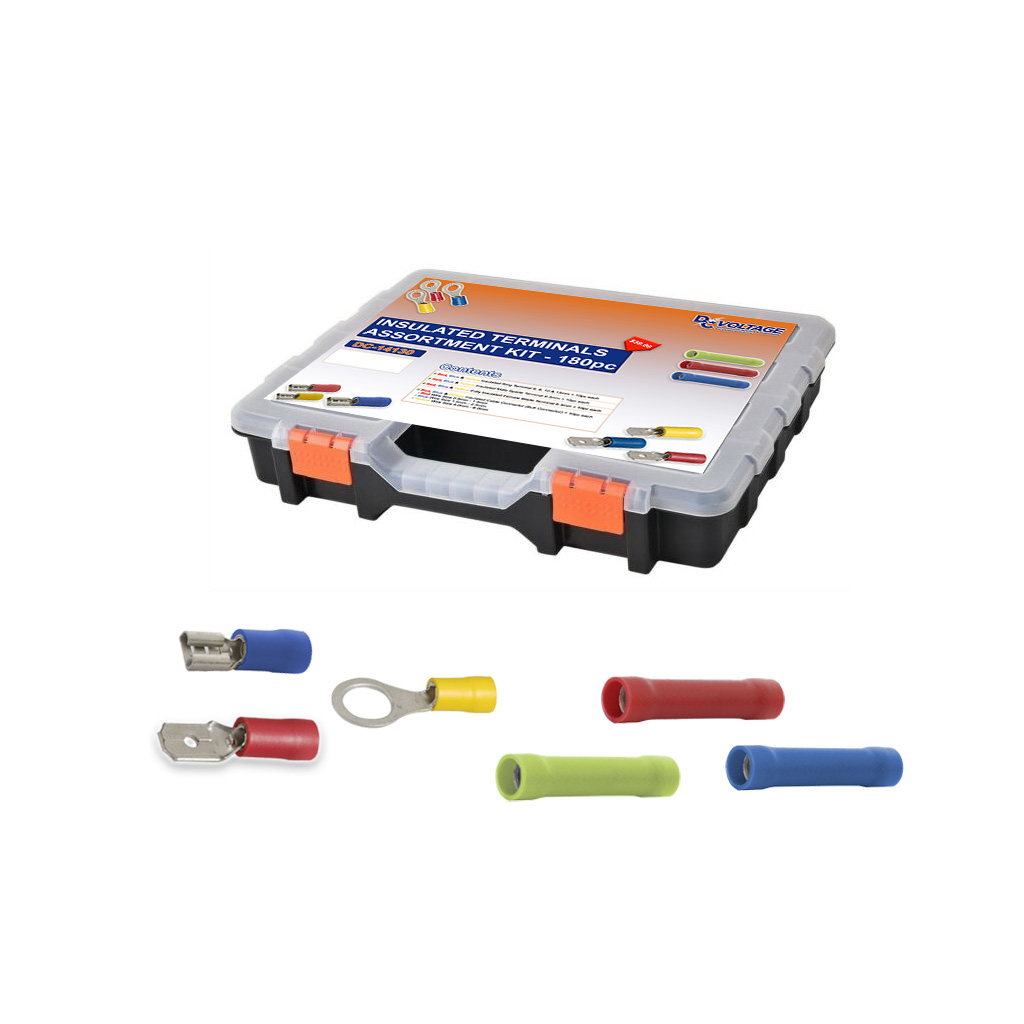
Cable size needs to match the load and the cable run. Fuse protection needs to be installed correctly and as close as practical to the power source. Connectors need to be suitable for the current they carry. This is why trade-grade cable, proper terminals and recognised connectors are worth using from the start.
A clean battery box setup for camping should include fused outputs, sound terminations and sensible cable routing. It does not need to be flashy. It needs to be reliable.
Don’t ignore fusing and isolation
Every positive circuit leaving the battery should be protected. That includes sockets, accessory feeds, charging inputs and inverter supply if fitted. One short circuit from a damaged cable can ruin more than a weekend.
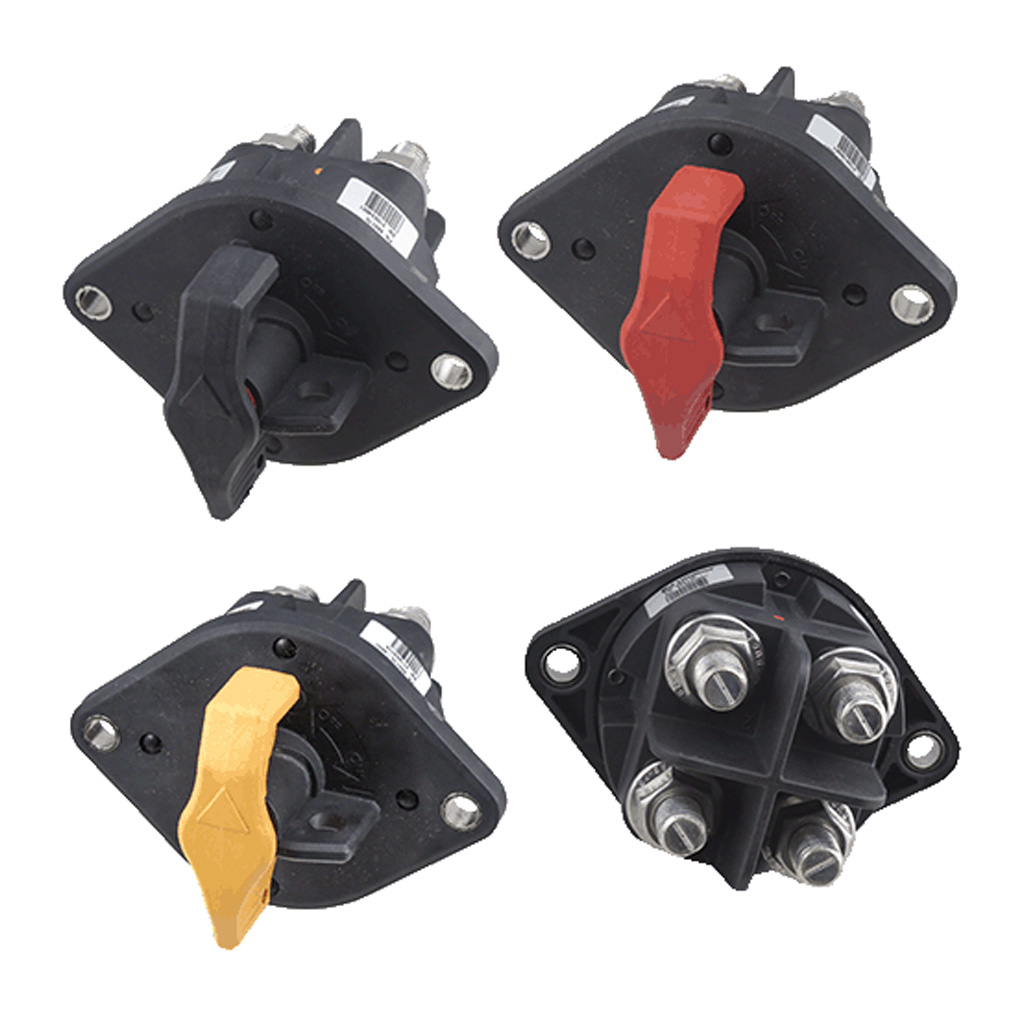
Isolation is also worth thinking about. If the box is removable, a proper connector arrangement makes it easier to disconnect safely and avoid accidental arcing or terminal contact in transit.
Charging the battery box properly
A battery box is only useful if you can recharge it efficiently. For most campers, charging usually comes from one or more of three sources: vehicle charging, solar charging or 240V charging at home or powered sites.
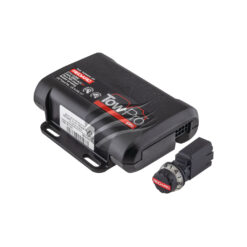
Vehicle charging sounds straightforward, but modern vehicles have made it less simple. Smart alternators can reduce charge voltage, which means a direct feed from the vehicle may not fully charge the auxiliary battery. In many cases, a DC-DC charger is the better option because it manages charging properly for the battery chemistry and helps deliver a more complete charge.
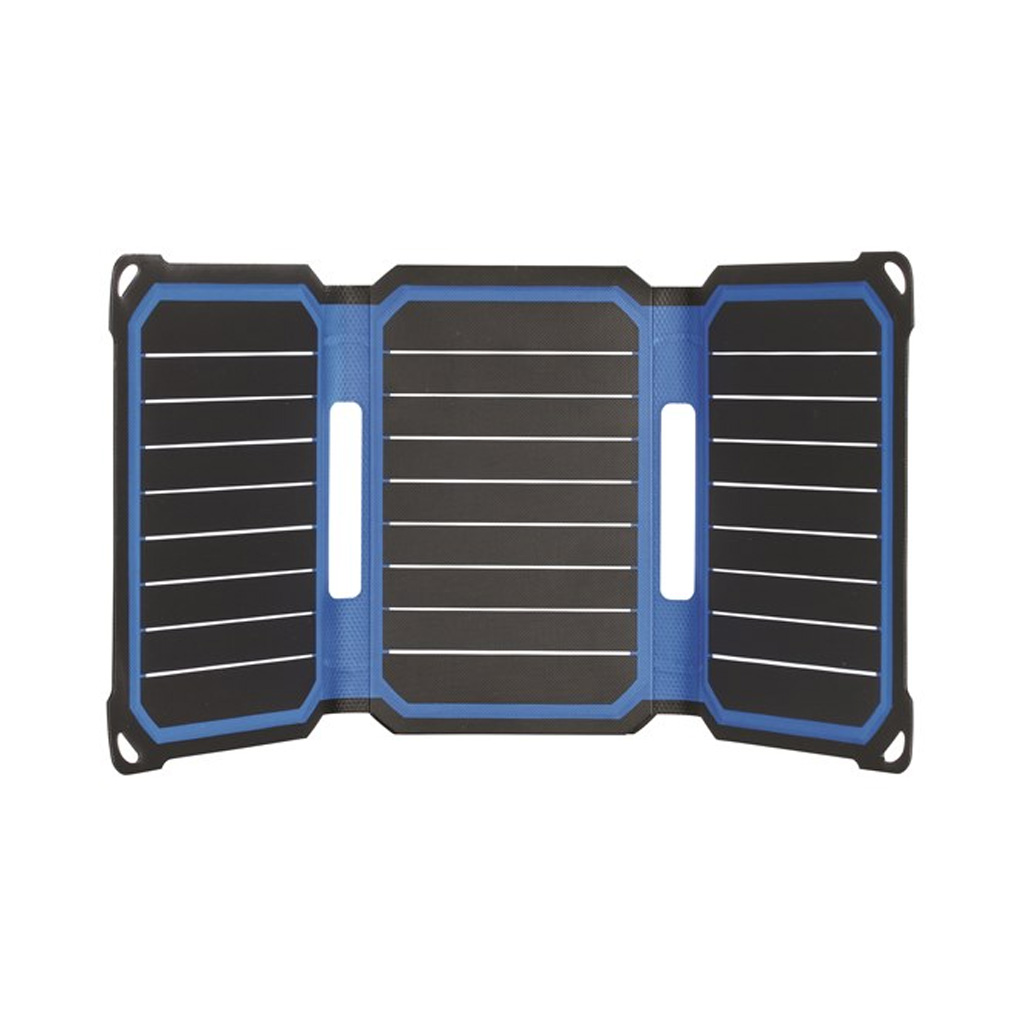
Solar makes a lot of sense for longer stays or camps where the vehicle sits still for days. A regulated solar input through the right connector and charger setup can keep a fridge and light accessory use ticking over well. The key is matching panel size to consumption. A small fold-out panel may maintain light loads, but it will struggle if your daily usage is high.
A 240V mains charger is still one of the easiest ways to make sure the battery starts a trip full. It is also useful for maintenance charging between trips, especially if the box is stored in the shed for weeks at a time.
Match chargers to battery chemistry
This part is not optional. Lithium and AGM batteries have different charging profiles. If your charger is not compatible, performance and battery life can suffer. Before connecting anything, check the charger specifications against the battery type.
Think about your loads before adding extras
There is always a temptation to load up a battery box with every outlet and accessory available. Sometimes that makes sense. Often, it just adds cost and clutter.
If you only ever run a fridge, lights and a couple of USB devices, keep the setup focused on those needs. If you plan to run high-draw gear like a large inverter, espresso machine or power tools, that changes the design completely. Inverter use especially can push current draw up fast, so cable sizing, fuse rating and battery capacity all need to step up accordingly.
For many camping applications, staying mostly on 12V is the smarter path. It is generally more efficient, simpler to wire and easier on battery reserves. The fewer conversion losses in the system, the better your available runtime.
Portable versus fixed battery box setups
A portable box suits campers who move the system between vehicles, use it in a boat one weekend and at camp the next, or want power away from the vehicle. It is flexible and easy to store, but it still needs secure tie-downs when travelling.
A fixed auxiliary battery system in a canopy, drawer system, caravan or camper trailer can be neater and more capable. It usually allows for better charging integration, heavier cabling and more permanent accessory wiring. The downside is less flexibility and a more involved install.
There is no universal winner here. If portability matters, a battery box is hard to beat. If you are building a dedicated touring rig, a fixed setup may be the better long-term option.
Common setup mistakes to avoid
Most battery box problems come back to a few familiar issues. The battery is undersized for the actual load. The cable is too light. The fusing is missing or poorly placed. The charging method does not suit the battery or vehicle. Or the box is treated as waterproof and indestructible when it is really neither.
Dust, vibration and heat are standard parts of Australian touring. Connections loosen over time. Cheap sockets fail. Light-duty cable hardens and cracks. A setup that only gets tested in a driveway is not the same as one that survives corrugations, summer heat and repeated use.
This is why sensible component choice matters. Good cable, proper connectors, suitable battery accessories and reliable charging hardware are not overkill. They are what stop nuisance faults and wasted battery capacity.
Build around how you actually camp
The best battery box setup for camping is not the one with the most features. It is the one that matches your load, charges properly, travels safely and uses components that can handle the conditions.
If you camp occasionally and keep loads light, a simple, well-wired box may be all you need. If you are touring hard, relying on a fridge every day and charging from vehicle and solar, it pays to build the system properly the first time. That is where specialist 12V suppliers such as Bluebar Industries make more sense than generic gear sellers, because compatibility, current handling and real-world install details are what matter.
Get the basics right, and a battery box stops being another camping compromise. It becomes one less thing you need to think about once camp is set and the sun goes down.