

 Cable Automotive / Marine
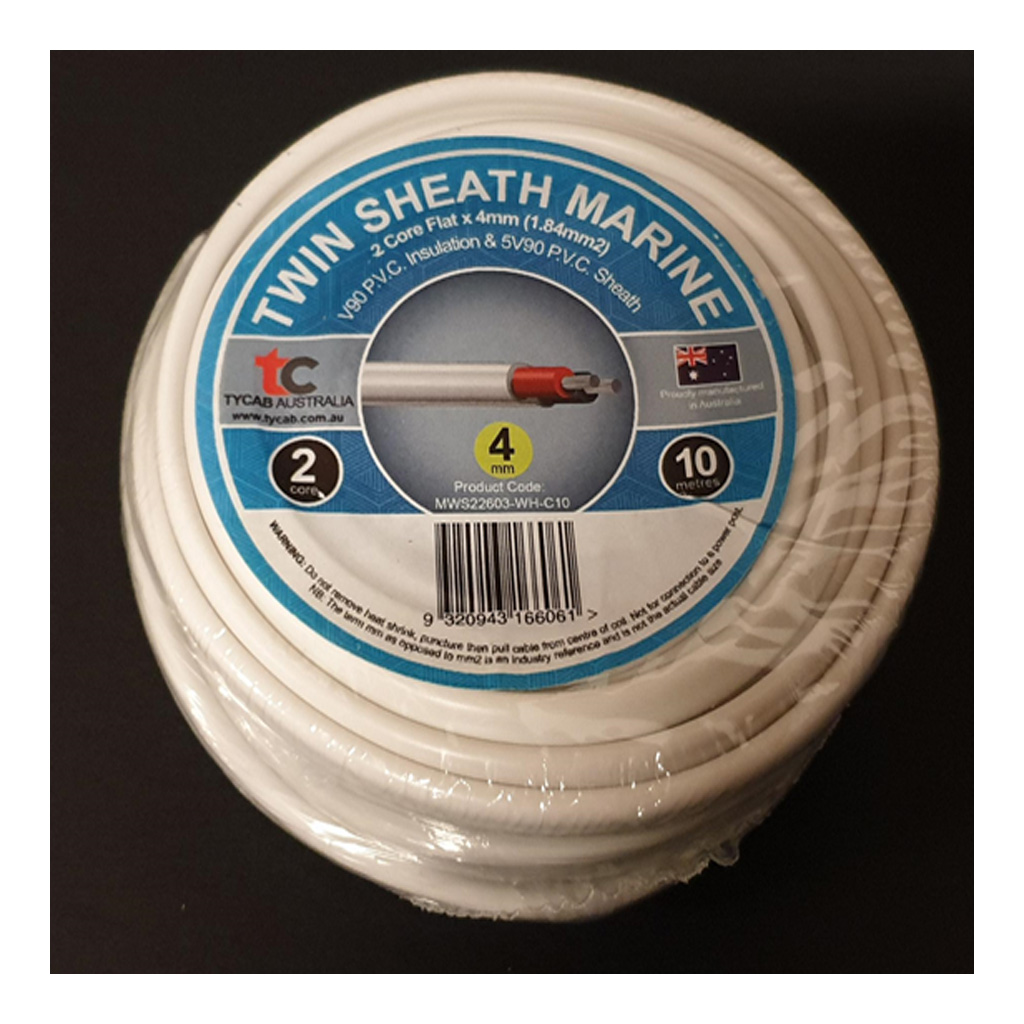
 Cable Lugs
 Cable Lug Assortment Kits
 Cable Lugs Straight Wall Closed
 Cable Glands
 Convoluted Split Tubing
 12/24v Products & Access
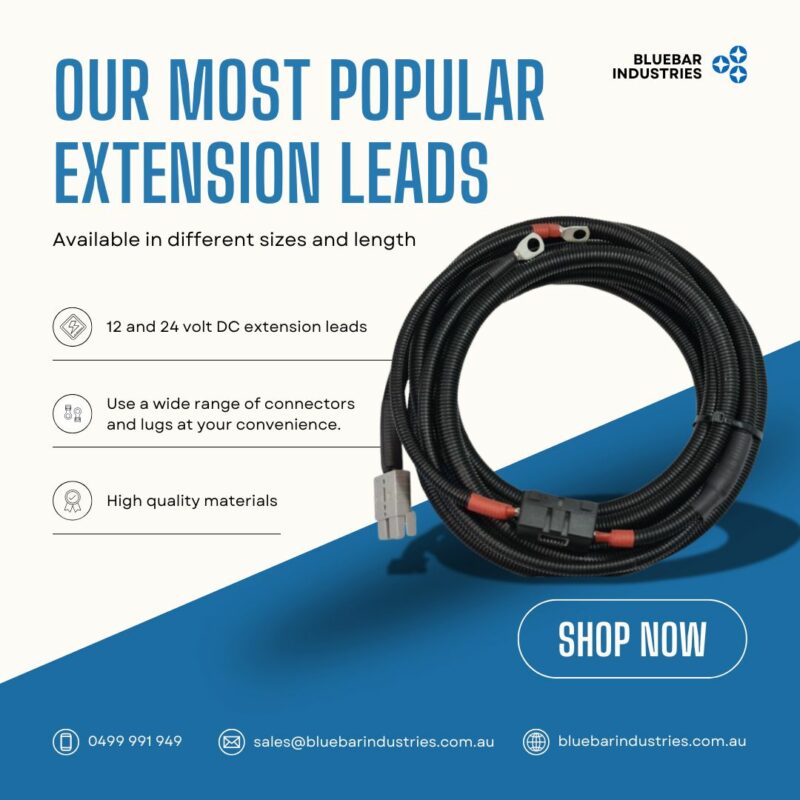
 Electrical Connectors

 Solar Powered Products
 LED Lights

 Tools
 Auto Parts & Categories

 Fittings
 Cleaning & Misc
 Clearance & Promotion
Latest News
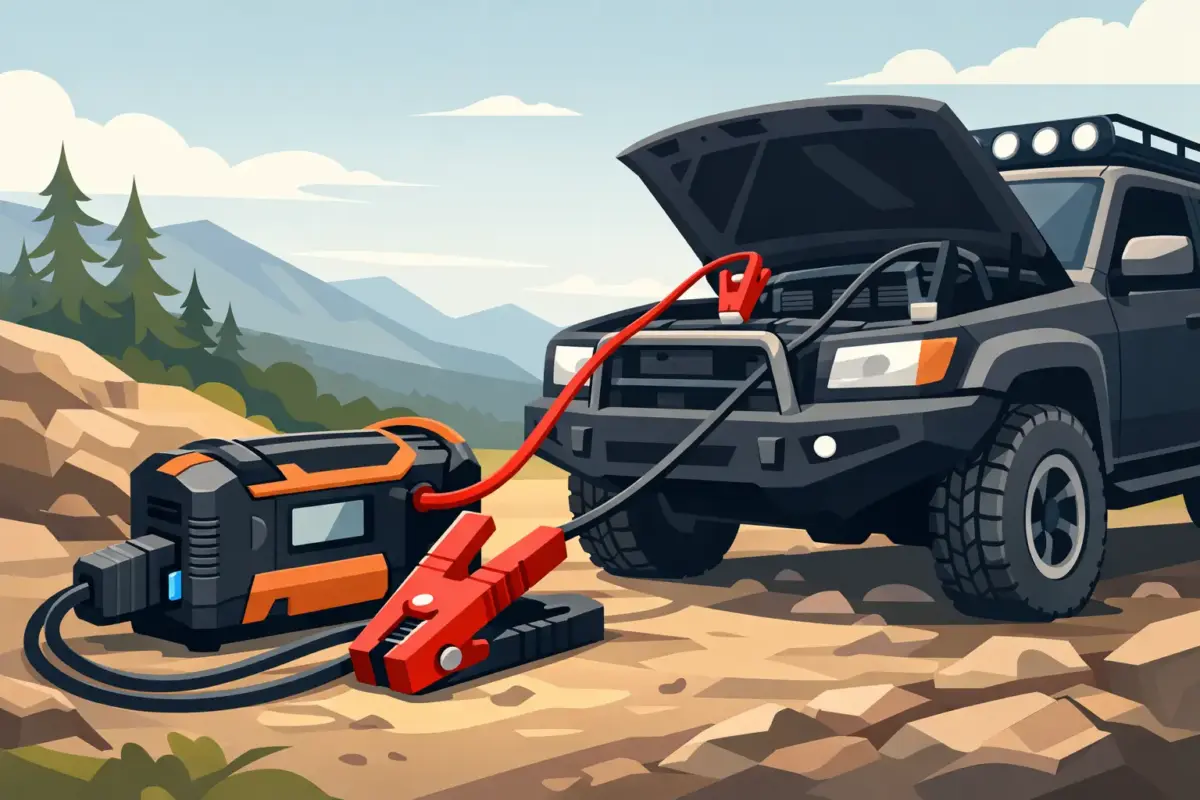
Battery Jump Starter Review for Real 4WD Use
Jul
A flat starter battery rarely happens at a convenient time. It turns up at the servo after a quick stop, at camp on a cold morning, or in the workshop when a vehicle needs to move now. That is why a proper battery jump starter review matters – not just brand claims or peak amp stickers, but whether the unit will actually crank the engine you own, in Australian conditions, when voltage is low and patience is lower.
For most buyers, the mistake is simple. They shop by the biggest amp number on the box, assume all lithium packs are much the same, and end up with a unit that looks impressive but struggles on a diesel ute, a tired 4WD battery, or anything larger than a small petrol car. A jump starter is a recovery tool. It needs to work under load, not just look good on the shelf.
What a battery jump starter review should really assess
A useful battery jump starter review starts with the battery chemistry, the clamp and cable quality, and the honesty of the current rating. Peak amps are marketing-friendly, but they do not tell the full story. What matters more is the unit’s real cranking ability, how it behaves with low battery voltage, and whether the protection circuitry still allows a start when the vehicle battery is badly discharged.
Build quality matters more than many buyers expect. Thin clamps, short leads and light internal cabling create voltage drop exactly where you do not want it. On a warm hatchback in the suburbs, you may get away with that. On a diesel 4WD at a campsite or a work ute with accessories pulling the battery down, weak lead sets can be the difference between one clean start and a unit that clicks, flashes and gives up.
There is also a major difference between a jump starter that suits occasional private use and one that belongs in a service vehicle or workshop. Trade users should be looking harder at clamp durability, recharge time, battery cycle life, case strength and whether replacement parts or support are available.
The main types of jump starters
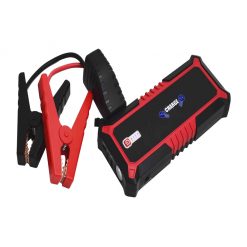
Most compact units now use lithium batteries, usually because they are lighter and easier to store than the older lead-acid packs. For many 12V applications, that is a fair trade. A good lithium jump starter is portable, quick to recharge and practical for a touring setup, glovebox kit or service vehicle.
The trade-off is that not all lithium units handle heat, repeated heavy starts or long periods of neglect equally well. Some are ideal for emergency use but not for daily workshop duty. Others offer better internal battery management and more stable output, but you will pay for it.
Lead-acid jump starters are bulkier and less convenient, but they can still suit fixed workshop use where size is less of an issue. They are not the first choice for most 4WD or caravan owners, though, simply because they take up space and are harder to keep charged on the move.
Battery jump starter review criteria that matter in Australia
Australian use is harder on electrical gear than many spec sheets suggest. Heat, dust, vibration and long distances expose weak equipment quickly. If a unit is going to live in a canopy, caravan locker, tool chest or boat compartment, it needs a case and internal construction that can handle being moved around.
Diesel versus petrol performance
This is where many products are oversold. A jump starter that works well on a 2.0L petrol engine may not be enough for a higher-compression diesel, especially if the battery is deeply discharged or ambient temperature is low. If you are buying for a diesel 4WD, look beyond generic claims like suitable for engines up to 6.0L. Check whether the brand gives realistic starting guidance and whether users in similar conditions report consistent results.
Clamp quality and cable size
This gets overlooked because it is not as easy to advertise as amp ratings. But poor clamps and undersized cables waste available current. A quality pack should have solid clamp tension, proper jaw contact and leads that do not feel like an afterthought. If the clamps get hot quickly or the cable insulation feels flimsy, that is a warning sign.
Safety features without over-restriction
Reverse polarity, short-circuit and overcharge protection are all worthwhile. The issue is that some smart clamp systems are too restrictive and refuse to engage when the battery is very flat. Manual override or boost functions can be useful, provided they are clearly explained and used correctly. For trade and experienced users, that flexibility can be the difference between getting moving and waiting for another solution.
Charging options and maintenance
A jump starter is only useful if it is charged when needed. USB-C charging is convenient, but charging speed varies a lot. Some units recharge fast enough to be practical between jobs, while others take long enough that they are easy to neglect. A clear battery status display helps, and so does a simple habit of checking charge before trips.
What to avoid in a jump starter
The biggest red flag is a product with big output claims and very little technical detail. If the packaging shouts about peak amps but says little about battery capacity, supported engine types, cable gauge or safety system behaviour, caution is justified.
Also be wary of multi-function units trying to be everything at once. Torches, USB outputs and tyre inflators are handy in the right setup, but they should not distract from the main job. If the jump-start function is secondary, the product often feels that way in use.
Very small packs can be excellent for compact petrol vehicles and occasional use, but buyers often stretch them beyond their design brief. If you drive a touring wagon, diesel ute, patrol vehicle or light commercial, buy with margin. Starting performance drops as conditions get less ideal.
Who should buy what
If you run a small petrol vehicle and want backup for daily commuting, a compact lithium unit from a credible brand can be enough. It should still have decent clamps, clear instructions and enough reserve capacity for more than one attempt.
For 4WD touring, caravanning and remote travel, the safer choice is a heavier-duty lithium unit with realistic diesel capability, a durable case and the ability to hold charge well between trips. This is especially true if the vehicle has fridges, lighting, compressors or other accessories that can contribute to battery drain.
For workshops, fleet vehicles and trade use, step up again. You want stronger clamps, tougher housing, faster recharge and support from a supplier that deals in automotive electrical gear every day. There is little value in saving money on a jump starter that cannot handle repeated use or fails after a season in the ute.
A practical buying approach
The best buying question is not what has the highest number on the label. It is what engine you need to start, how flat the battery is likely to be, and where the unit will live. A jump starter for a suburban runabout is not the same tool as one meant for a diesel 4WD, marine application or service body.
It also makes sense to look at the rest of the electrical setup. If battery failures are frequent, the jump starter may be masking another issue such as poor cable condition, charging faults, parasitic draw or an ageing battery nearing the end of service life. A jump starter is essential backup, but it should not become the permanent fix for a battery system that needs attention.
For buyers already working with 12V and 24V gear, this is where specialist supply matters. A business like Bluebar Industries sits closer to the real use case than a generic seller because jump starting does not exist in isolation – it is part of a wider battery, cable and connection system that has to work together.
Final verdict on a battery jump starter review
A good battery jump starter review should leave you with a clear picture of fit-for-purpose performance, not just confidence borrowed from packaging. The right unit is the one that matches your engine type, your battery condition, your environment and how often you will actually use it.
If you are buying for harsh touring, trade work or workshop duty, leave some headroom in the spec and pay attention to cable and clamp quality. When the battery is flat and the vehicle needs to start, that extra margin is usually what separates useful gear from rubbish. Keep that standard in mind, and you will buy once instead of buying twice.