

 Cable Automotive / Marine
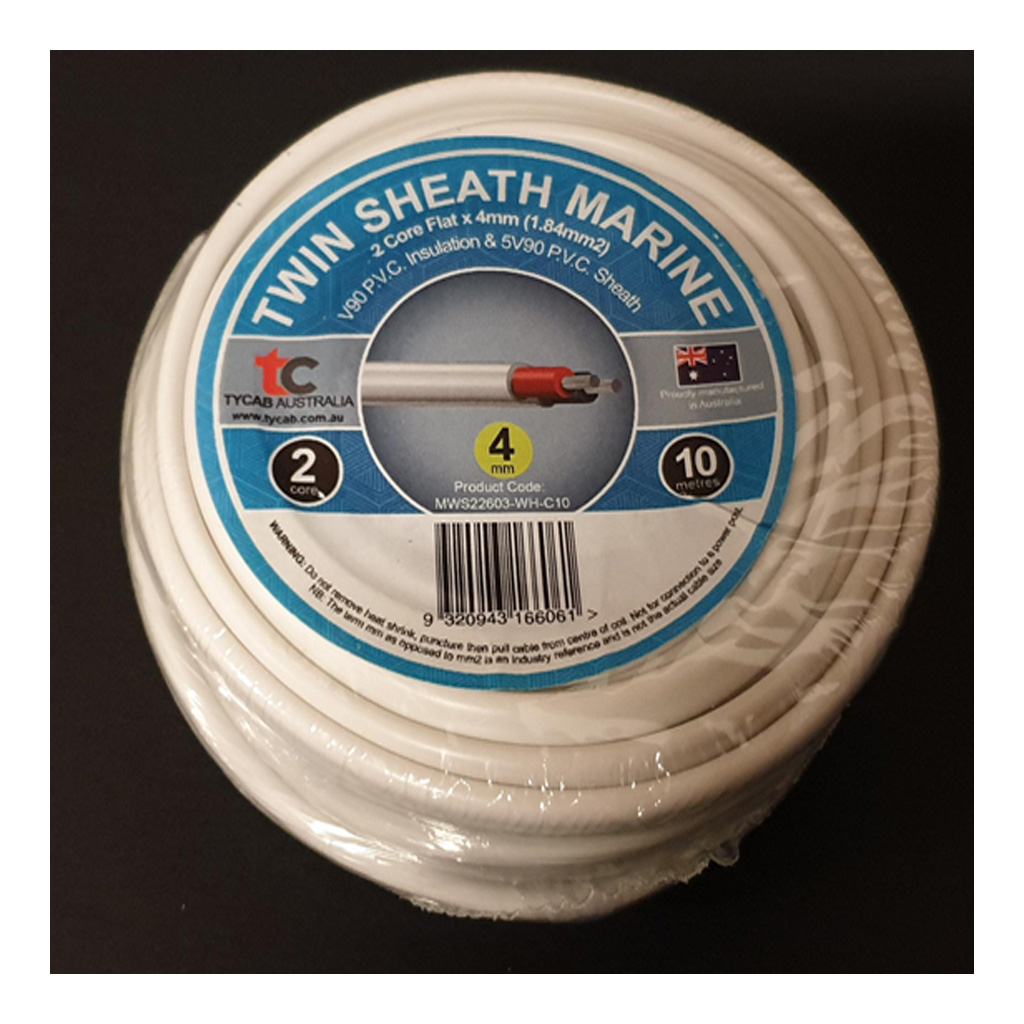
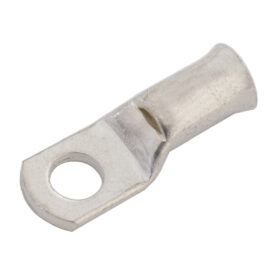 Cable Lugs
 Cable Lug Assortment Kits
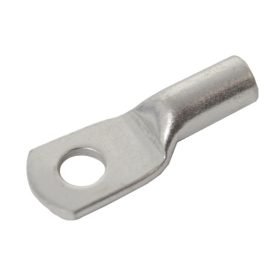 Cable Lugs Straight Wall Closed
 Cable Glands
 Convoluted Split Tubing
 12/24v Products & Access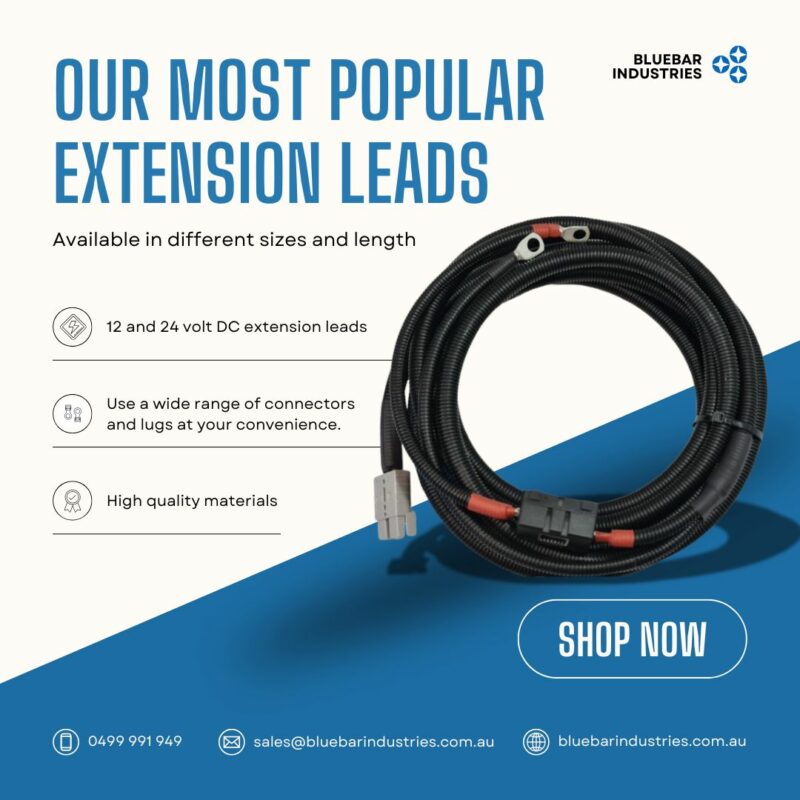
 Electrical Connectors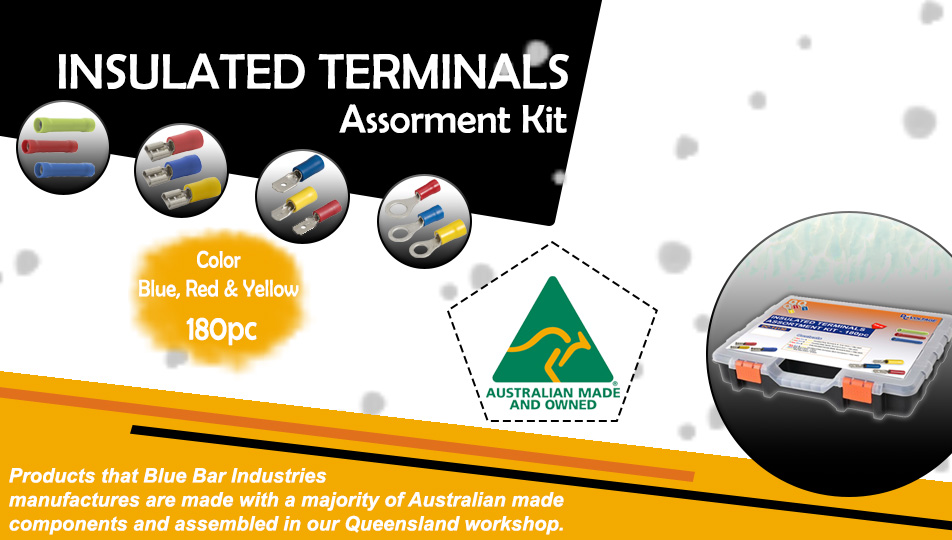
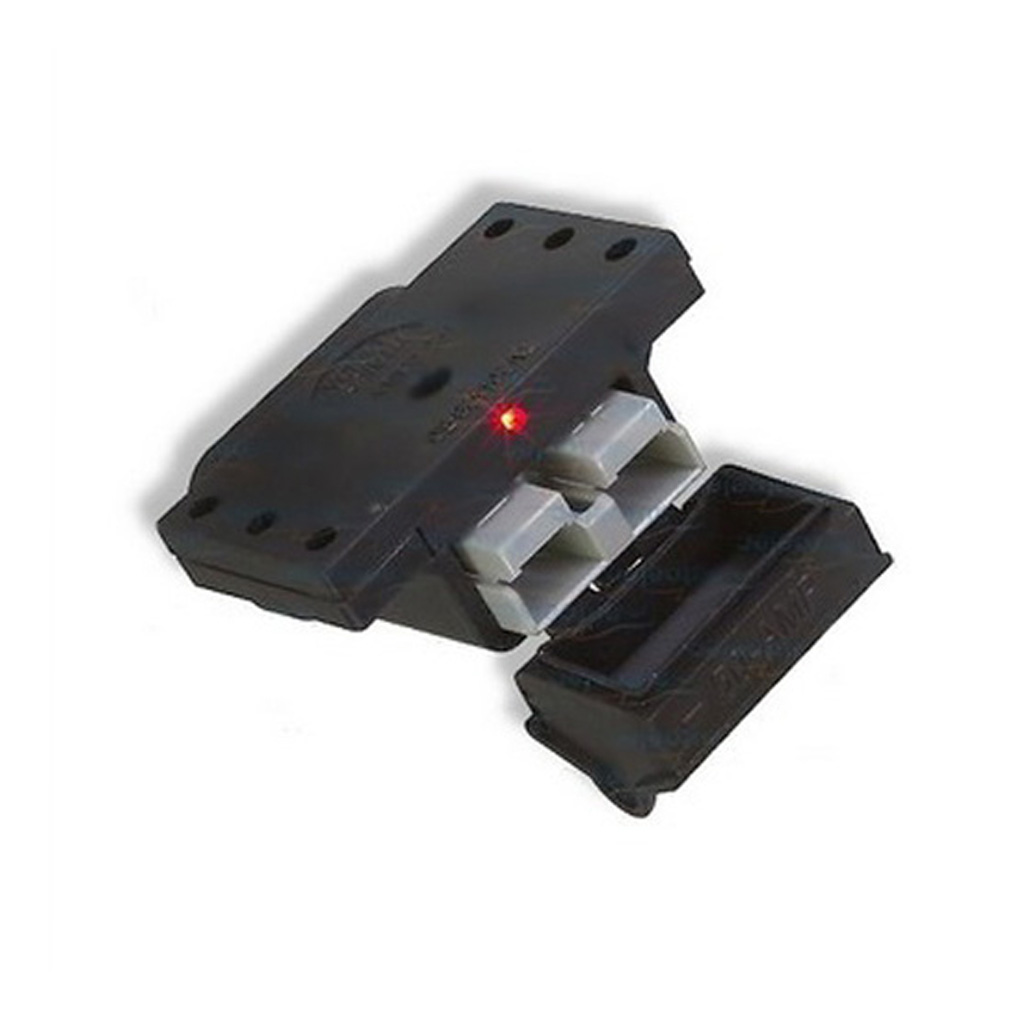
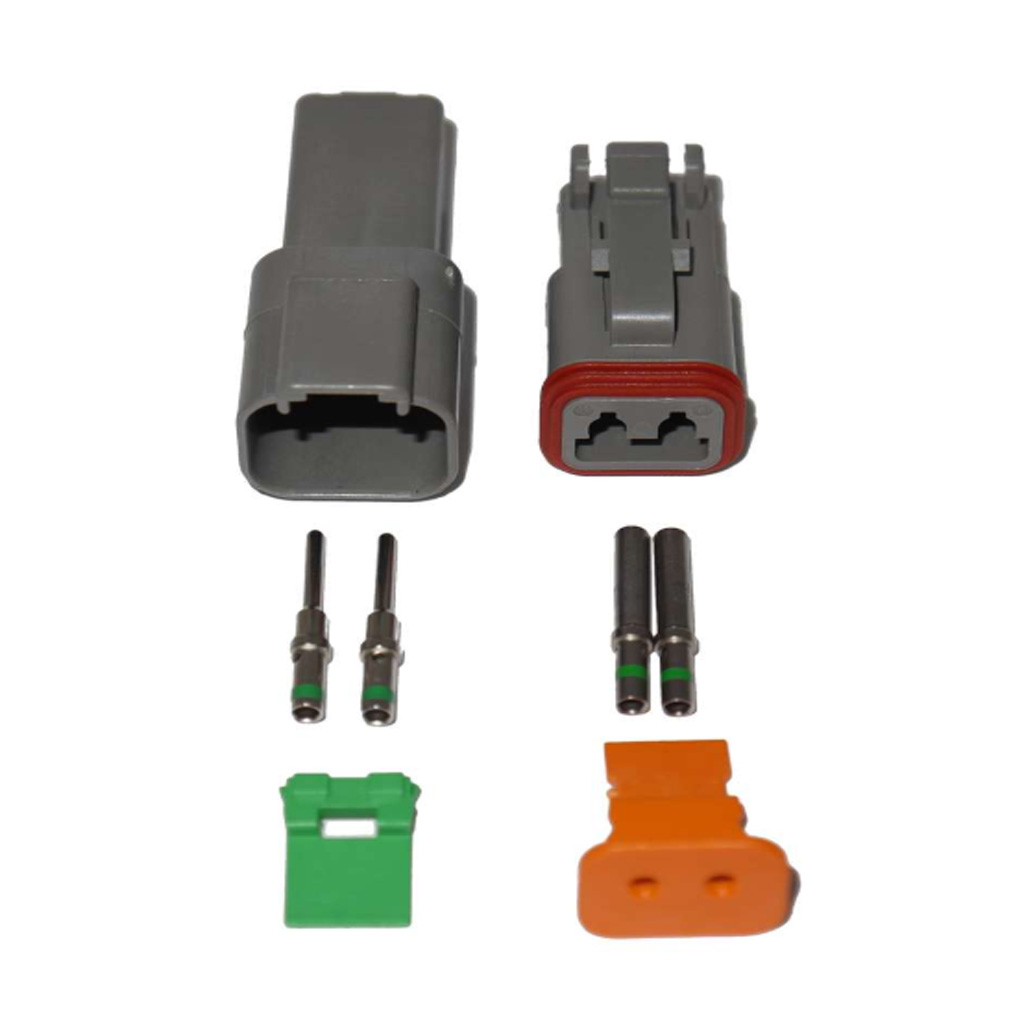
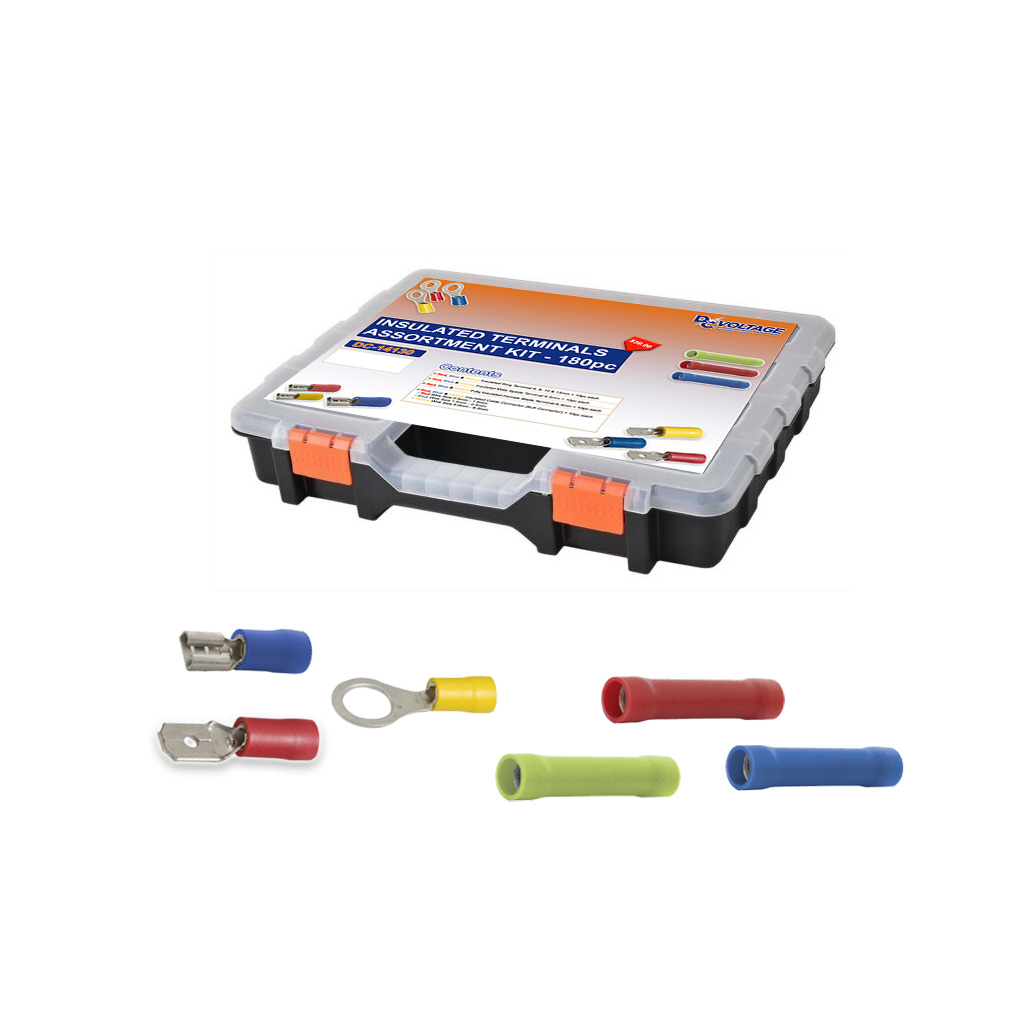
 Solar Powered Products
 LED Lights
 Tools
Tools
 Auto Parts & Categories

 Fittings
 Cleaning & Misc
 Clearance & Promotion
Latest News
Choosing a Solar Lead Extension for Camping
May
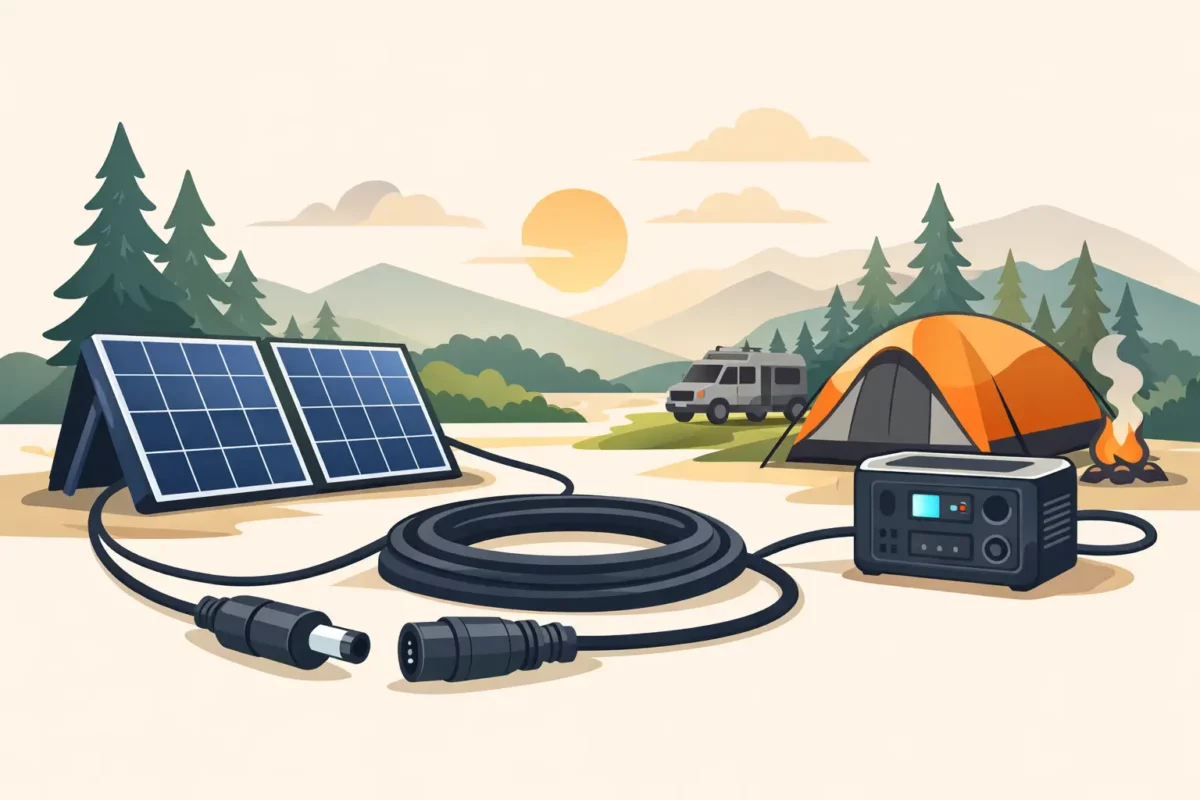
A campsite with patchy shade can turn a good solar setup into a frustrating one fast. That is where the right solar lead extension for camping earns its keep. If your panel needs to sit 5, 10 or even 15 metres away from the vehicle or van to find decent sun, the cable between the panel and your battery system stops being a minor accessory and starts affecting charge performance.
A lot of campers focus on panel wattage, battery size and regulator type, then grab whatever extension lead looks close enough. In practice, cable size, connector quality and total lead length matter just as much as the panel when you are trying to keep a fridge running for several days. A poor lead can waste charging potential, run hot, fail at the connectors or simply make setup harder than it needs to be.
What a solar lead extension for camping actually does
At the basic level, a solar extension lead gives you more freedom in where you place the panel. That sounds simple, but it solves a common problem in Australian campsites. Your vehicle, caravan or camper trailer is often parked where it suits the site, shade, access or wind protection. The best solar position is usually somewhere else.
An extension lead lets you put the panel in full sun while keeping the battery, regulator and load wiring protected closer to the vehicle or van. That matters most during shoulder seasons, cloudy days and winter trips, when every bit of available charge counts. It also helps avoid moving the whole rig just to chase sunlight through the day.
There is a catch, though. The longer the run, the greater the chance of voltage drop. That means the panel may be producing useful power, but less of it is making it through the cable to the regulator or battery. For small systems this might be manageable. For higher-wattage portable panels, it can become a real loss.
Why cable size matters more than most people expect
Extension lead performance is not just about length. It is about the combination of length, current and conductor size. A 2 metre lead carrying modest current is one thing. A 10 metre lead from a larger folding solar blanket or panel is another.
When the cable is too light for the job, resistance increases and charging efficiency drops. In practical terms, your battery may take longer to recover, your fridge may spend more time drawing the system down, and your solar setup may seem underwhelming even when the sun is good. That often gets blamed on the panel, when the lead is part of the problem.
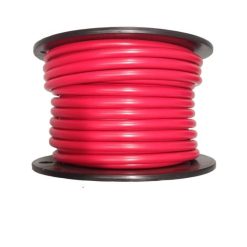
For camping setups, heavier gauge cable usually makes more sense if you plan to run longer distances. It gives you lower resistance, better durability and less performance loss. The trade-off is cost, weight and a bulkier lead to pack. For many touring setups, that trade-off is worth it because reliability in the field is more valuable than saving a small amount on cable.
If you are using higher-output portable solar, it is generally smarter to go a bit heavier than the bare minimum. That gives you some margin for warm conditions, connector losses and future changes to the setup.
Connector choice can make or break the setup
A solar lead is only as dependable as the connectors on each end. In camping and 4WD applications, this is where a lot of cheap leads fall short. Weak crimps, poor fitment, low-grade housings and inconsistent contact quality can all create voltage loss or intermittent charging.
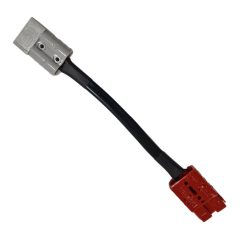
The right connector depends on your system layout. Some portable panels come with standard solar connectors, while many vehicle and caravan setups are adapted to Anderson-style plugs for a more rugged and familiar connection point. There is no single correct option for every setup, but there does need to be compatibility from panel to regulator to battery side.
If you are mixing connector types, it pays to do it properly with fit-for-purpose adaptors rather than temporary workarounds. A dodgy connection in dry weather is annoying. The same connection after dust, vibration and repeated pack-up cycles is usually worse.
A good camping lead should also handle repeated use without loosening up at the terminals or pulling apart at strain points. That matters if your gear is going in and out of a ute tray, front box, tunnel boot or rear drawer system every trip.
Where to place the regulator
This is one of the more important setup questions, and the answer depends on the gear you are using. If the regulator is built into the portable panel, the extension lead is usually carrying regulated output back toward the battery. If the regulator is mounted near the battery instead, the extension lead is carrying panel voltage to the regulator.
In many cases, keeping the regulator closer to the battery is the better arrangement because it allows the regulator to read battery voltage more accurately and manage charging with less interference from cable losses on the battery side. But portable kits vary, and some are designed around an integrated regulator for convenience.
What matters is understanding the path your power is taking. If you are extending the wrong side of the system with undersized cable, you can reduce performance without realising why. This is one reason camping solar is not just about buying a panel and plugging it in.
How long should a camping solar extension lead be?
For many setups, 5 metres is enough. It gives you room to place a panel clear of your vehicle shadow and make minor adjustments through the day. For larger campsites, awkward parking positions or tree cover, 10 metres can be much more practical. Some campers go longer again, but beyond that point voltage drop and cable handling become bigger considerations.
The best length is the one that gives you useful placement flexibility without creating unnecessary losses. More length is not automatically better. Extra cable means more resistance, more bulk and more cable to manage on the ground.
If you regularly free camp in open country, you may not need a very long lead. If you often camp in bush sites with broken light, a longer extension can make a major difference. It really comes down to the type of travel you do and how often your solar panel needs to be moved away from the main setup.
What to look for in a solar lead extension for camping
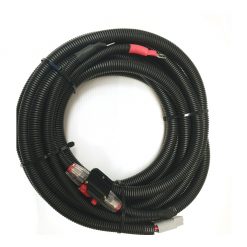
A good lead should be built around the conditions it is going to live in. That means decent copper, suitable cable gauge, proper terminations and connectors that match the rest of the system. Outer sheath quality matters too, especially if the lead will be dragged over gravel, packed wet or exposed to regular UV.
Flexibility is another practical point. Some heavy cable is electrically sound but frustrating to roll out and pack away. Other leads are easier to handle but may not offer the same toughness. The right balance depends on whether your priority is compact storage, long-run efficiency or heavy-duty field use.
For trade users and serious tourers, lead quality is often judged by how predictable it is after repeated use. Does it still fit properly after months of vibration? Are the crimps sound? Is the insulation holding up? These are the details that separate a useful accessory from a recurring fault source.
Common mistakes that cost charging performance
The most common issue is choosing lead length first and cable size second. That is backwards. The longer the lead, the more attention you need to give conductor size.
Another regular mistake is stacking adaptors and joiners through the system. Every additional connection point can add resistance and another possible failure point. If the setup needs an adaptor, use a proper one and keep the path as clean as possible.
It is also common to overlook how portable panel output has increased. A lead that was acceptable for a smaller panel may be underdone for a newer, higher-wattage setup. If the system has grown but the cable has not, the lead may now be the limiting factor.
Finally, a lot of people put up with connectors that feel loose, warm or inconsistent because the system still sort of works. That is not a good benchmark. If a lead is causing intermittent performance, it is already due for replacement or upgrade.
Matching the lead to your camping setup
A weekend camper running a modest panel into a small battery box has different needs from a caravan owner supporting a compressor fridge, lighting and charging gear over longer stays. Likewise, a 4WD tourer with a dual-battery system and regular off-grid stops will usually benefit from more durable cable and better connector standardisation than a casual holiday setup.
This is where buying from a specialist supplier matters. Bluebar Industries works in the same 12V and 24V space that campers, installers and workshop buyers rely on every day, so the focus is on fit-for-purpose components rather than generic add-ons. When your solar lead extension is part of a broader touring or power system, technical fit matters more than packaging claims.
The right lead is not always the longest or the cheapest. It is the one that suits your panel output, connector type, regulator position and the way you actually camp. Get that part right, and your solar setup has a much better chance of doing what it is supposed to do when the fridge is running, the battery is down and the nearest powered site is nowhere in sight.
A solar extension lead is a simple item on paper, but in the field it has one job – carry as much charging power as possible without becoming the weak link. Choose it like it matters, because on a long trip, it usually does.