

 Cable Automotive / Marine
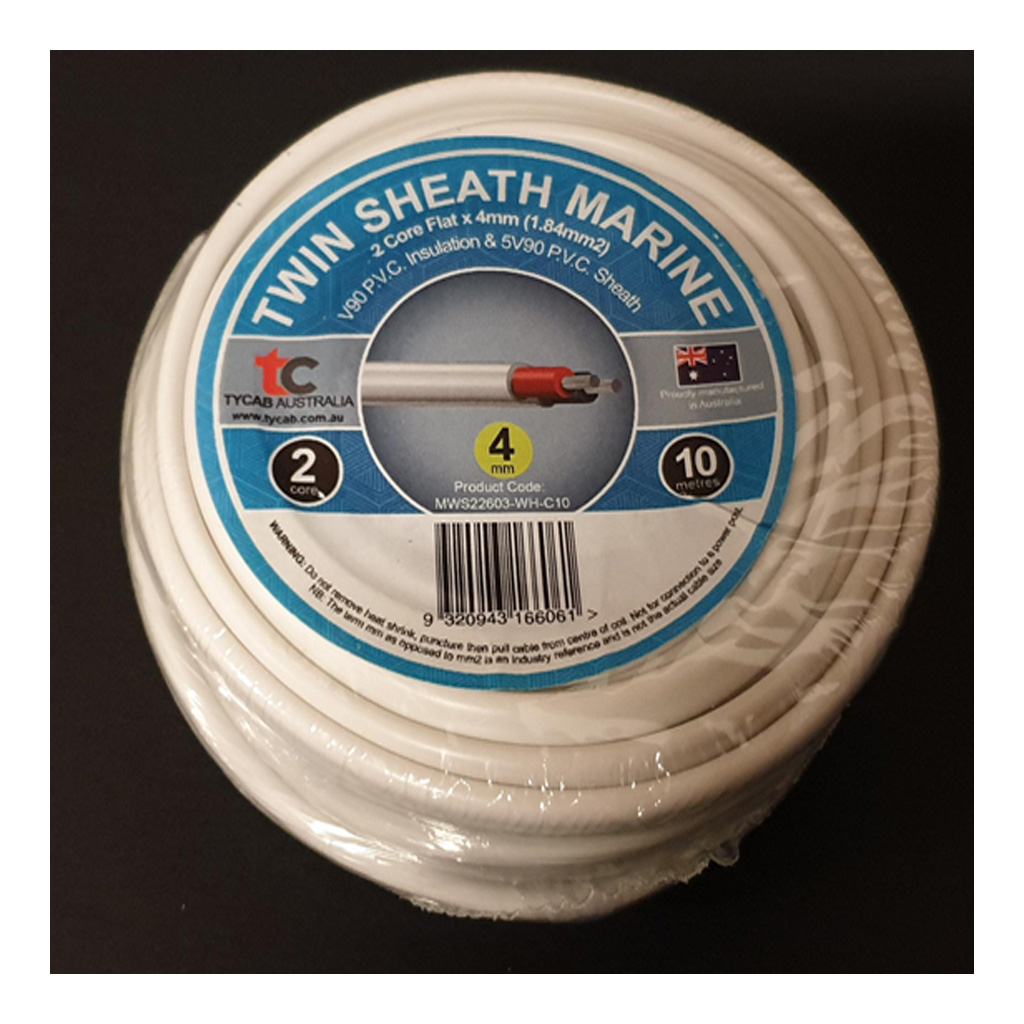
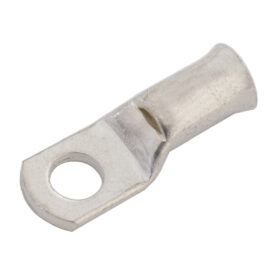 Cable Lugs
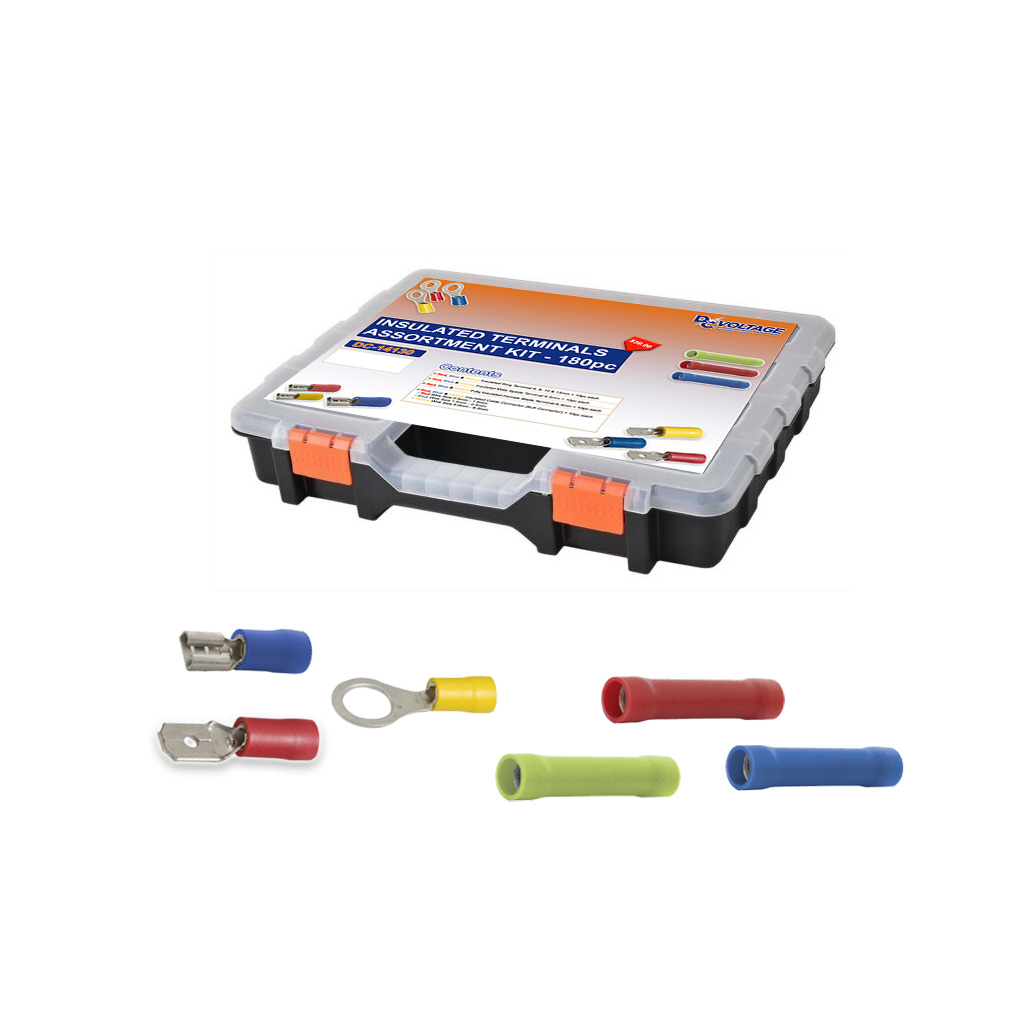
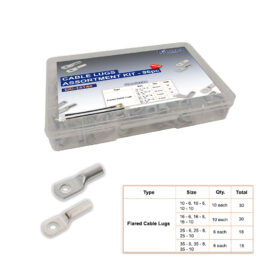 Cable Lug Assortment Kits
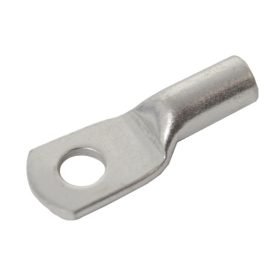 Cable Lugs Straight Wall Closed
 Cable Glands
 Convoluted Split Tubing
 12/24v Products & Access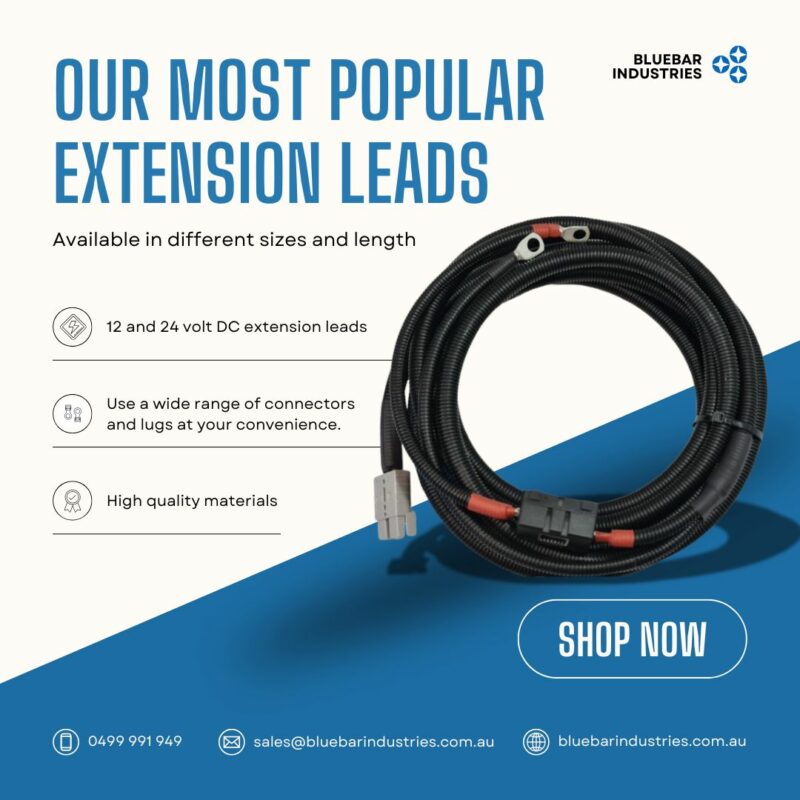
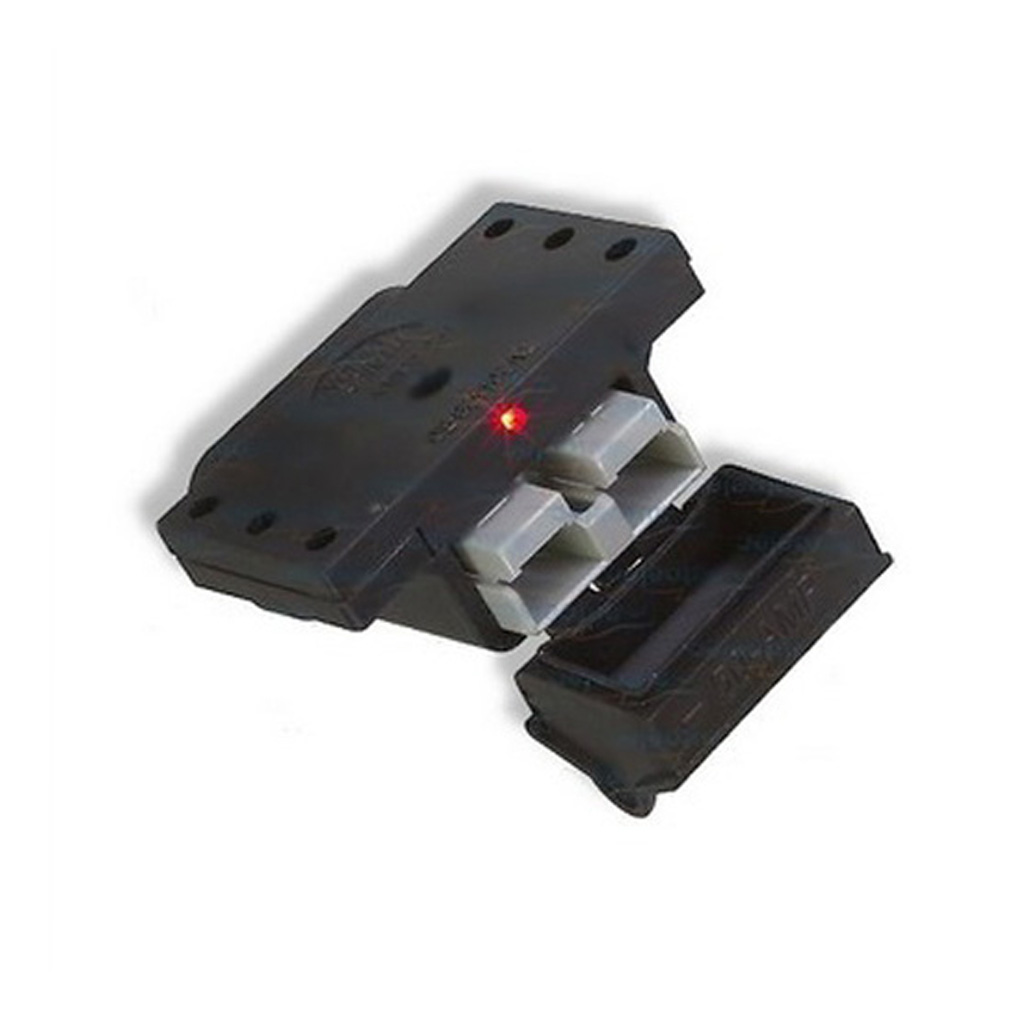
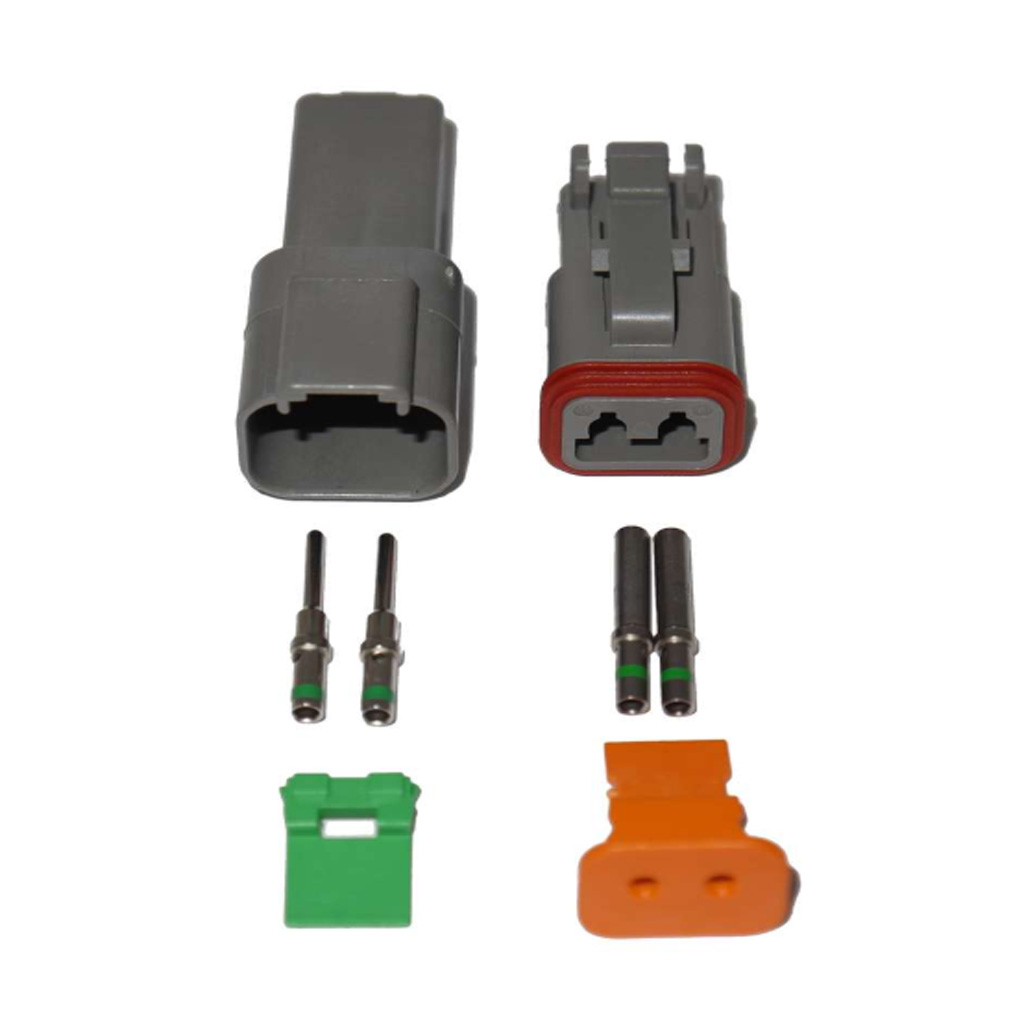
 Electrical Connectors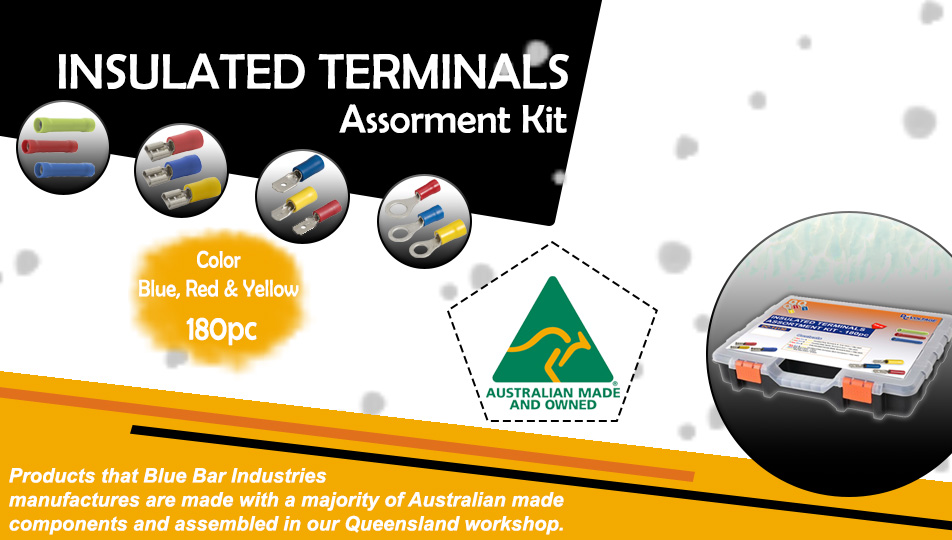
 Solar Powered Products
 LED Lights
 Tools
Tools
 Auto Parts & Categories

 Fittings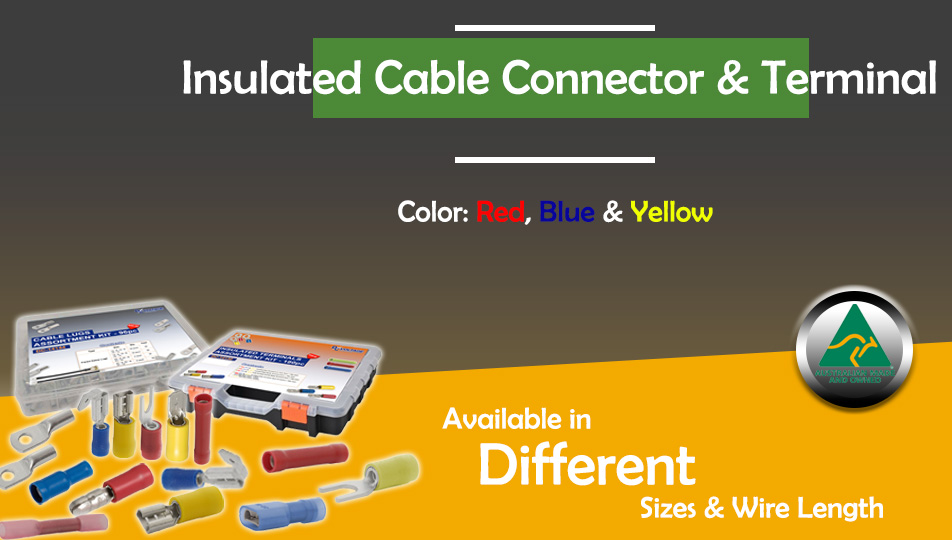
 Cleaning & Misc
 Clearance & Promotion
Latest News
Best Marine Cable for Boats: What to Choose
May
A bilge pump that slows down, a sounder that drops out, or nav lights that flicker usually point to the same problem – voltage loss, corrosion, or cable that was never suited to marine use in the first place. If you are trying to work out the best marine cable for boats, the answer is not one single product. It comes down to where the cable is installed, how much current it carries, how far it runs, and how much abuse it will cop from salt, heat, vibration and moisture.
On a boat, cable choice matters more than it does in many road-going setups. Marine wiring lives in a harsher environment, often in confined spaces, and failures are harder to deal with when you are away from the ramp or out on the water. A cheap cable that looks fine on day one can turn into green powder under the insulation, create excessive voltage drop, or crack where it flexes. That is why it pays to choose cable by specification, not by guesswork.
What makes the best marine cable for boats?
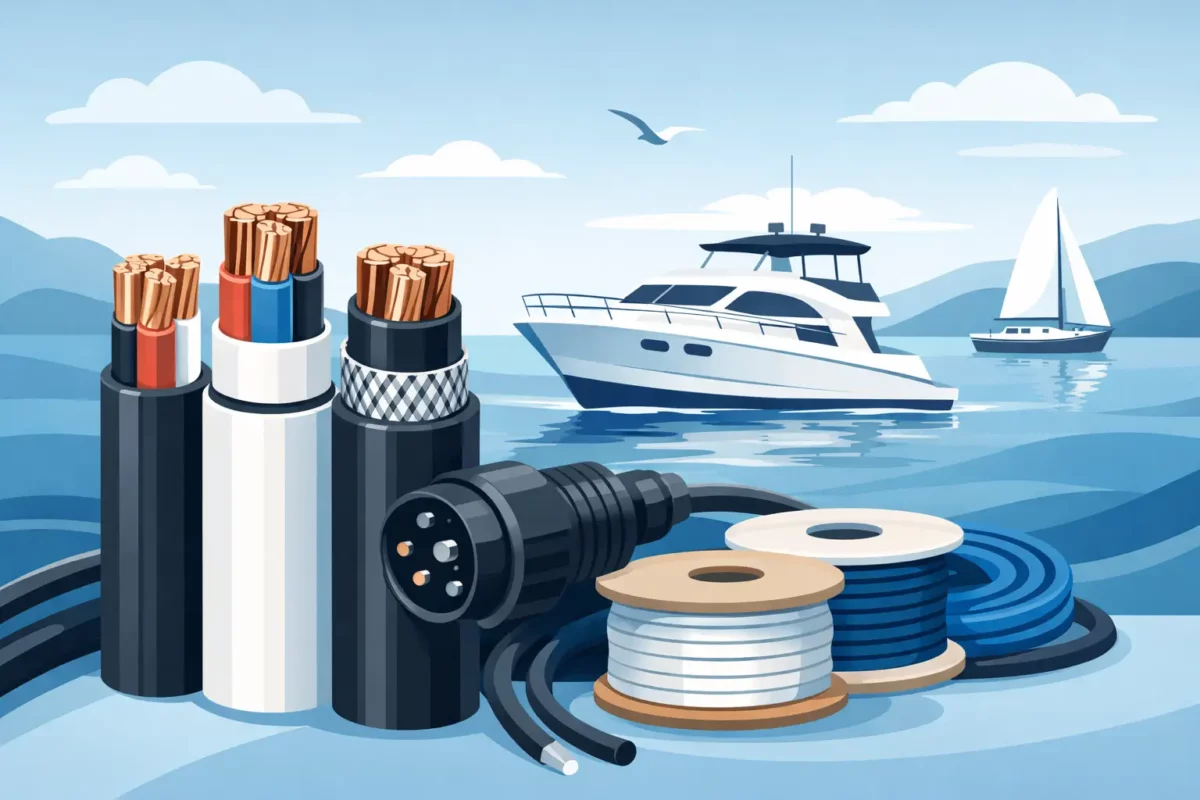
The best marine cable for boats is typically fine-strand tinned copper cable with insulation rated for marine and mobile power environments. That combination gives you three things you need on a vessel: flexibility, corrosion resistance and stable electrical performance.
Tinned copper matters because bare copper oxidises quickly in damp and salty conditions. Once corrosion starts, resistance goes up and performance goes down. Fine stranding matters because boats move. Vibration, engine harmonics and hull movement all work against stiff cable, especially around terminations and tight bends. Flexible cable is easier to route cleanly and less likely to fatigue over time.
Insulation is just as important as the conductor. Marine cable should have insulation that handles abrasion, fuel and oil splash, heat, and exposure to moisture. In practical terms, you want cable that still feels fit for purpose after years in a cabin void, engine bay, hardtop, or under-deck chase, not cable that goes brittle or nicks too easily during install.
Tinned copper vs standard automotive cable
A lot of boat owners ask whether standard automotive cable is good enough. Sometimes it will work in a very basic, protected area, especially on an inland boat with minimal exposure. But that does not make it the right call.
Automotive cable is built for vehicles, not marine corrosion. In a boat, especially around the transom, battery compartment, anchor winch, washdown pump, trailer boat wiring runs, or any area with condensation and salt residue, tinned copper has a clear advantage. It resists corrosion far better and stays serviceable longer.
That does not mean every part of a boat needs the most expensive cable available. There is always a trade-off between budget and longevity. But if the cable is carrying meaningful current, running through damp spaces, or hidden behind linings where replacement is a pain, using proper marine-grade cable is usually the cheaper decision in the long run.
Cable size matters as much as cable quality
Even the best cable will underperform if it is undersized. On 12V systems, voltage drop shows up quickly because the system has less headroom to begin with. A run that seems modest can still cause trouble if the load is high enough.
Think about anchor winches, fridges, inverters, bait pumps, livewell pumps, deck lighting, VHF sets and sounders. Some are sensitive electronics. Others are heavy loads that pull hard on startup. In both cases, cable size needs to be matched to current draw and total circuit length, not just the physical size of the device.
Longer runs need heavier cable. Higher current loads need heavier cable. If you are wiring a rear battery bank to a switch panel at the helm, or feeding a trolling motor on a larger trailer boat, the cable requirement can jump quickly. Undersize it and you get heat, losses and unreliable gear. Oversize it slightly and the system generally runs cooler and more consistently.
For trade and DIY buyers alike, this is where many marine wiring issues start. People focus on connectors, fuses and battery condition, but the cable itself is often the weak point.
Where different boat circuits need different cable
Not every circuit on a boat has the same demand, so it makes sense to choose cable by application.
Battery cables and high-current runs
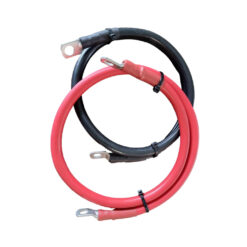
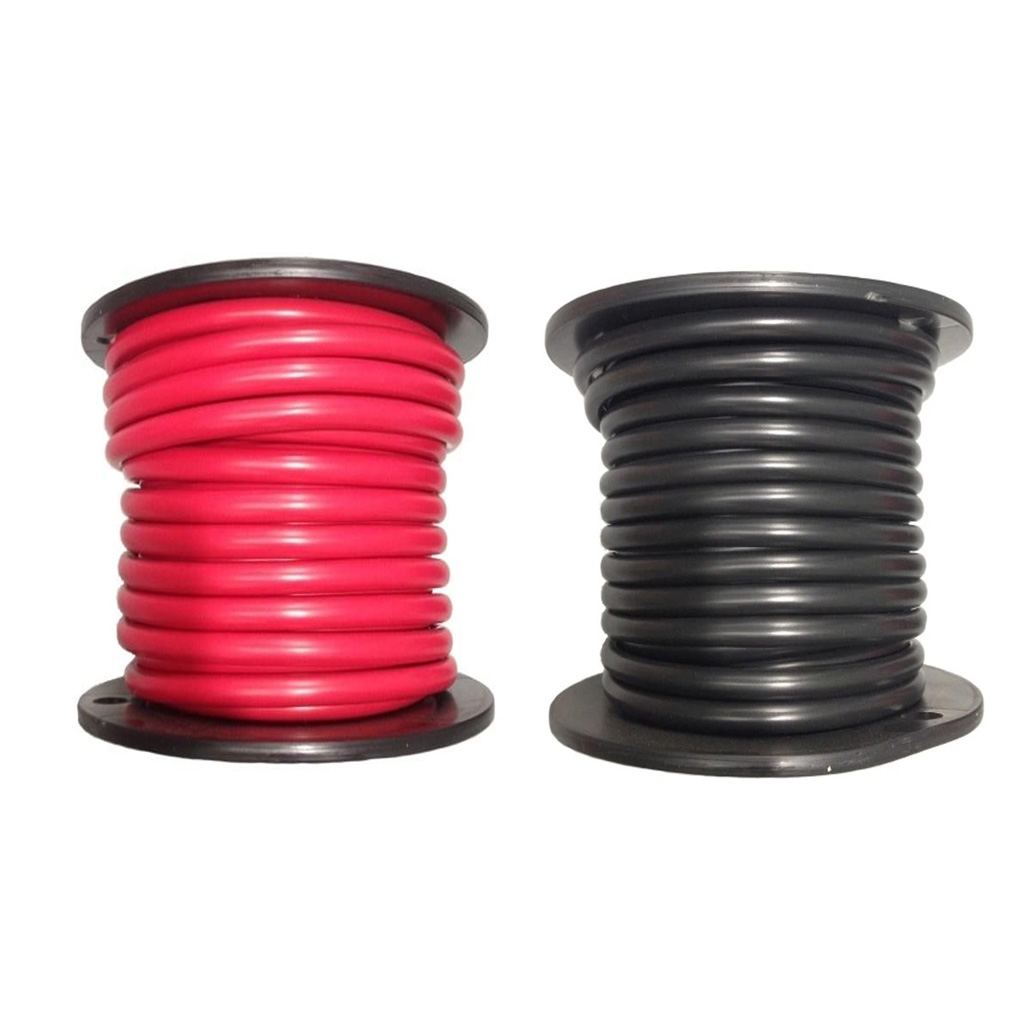
Starting circuits, battery interconnects, windlasses, winches and inverter feeds need cable with enough copper cross-section to carry heavy current without excessive voltage drop. These are not the places to save a few dollars. Battery cable should be flexible, tough and sized properly for both the load and the run length.
Cranking loads can be brief but substantial. If the motor is slow to crank, the issue is not always the battery. Cable gauge, termination quality and corrosion at the lugs all play a part.
General accessory circuits
Lighting, pumps, switch panels, USB outlets, sounders and smaller electronics usually use lighter cable, but quality still matters. These circuits often run through tighter spaces and around sharp edges, so flexibility and abrasion resistance are important.
For electronics in particular, stable voltage makes a difference. Fish finders and communications gear do not like low supply voltage or poor earthing. A cleaner cable run with appropriate size can solve odd intermittent faults that look like equipment failure.
Engine bay and exposed areas
Heat, oil, vibration and moisture all increase the demand on insulation and terminations. Cable in these areas needs to handle harsher service conditions. It is also worth protecting runs with conduit, split tubing or braided sleeve where rubbing is likely.
Key specs to check before you buy
If you want the best marine cable for boats, read beyond the product name. The important details are conductor material, strand count, insulation type, temperature rating and cable size.
Tinned copper conductors are the first thing to look for. After that, check whether the cable is genuinely fine strand and suited to mobile or marine applications. Flexible cable makes installation neater and reduces stress on terminations.
Then check size properly. Some buyers compare cable by nominal labels alone, but actual conductor area is what matters. When you are building 12V or 24V systems, small differences in conductor size can have real effects on voltage drop.
Insulation thickness also matters. A very thin outer can look tidy on the reel but may not be ideal in a boat where cable is pulled through bulkheads, cable trays and under-floor spaces. There is always a balance between flexibility and mechanical protection.
Don’t ignore lugs, joins and terminations
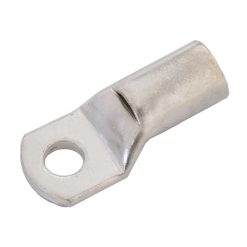
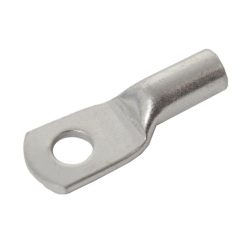
A quality marine cable run can still fail at the ends. Poor crimps, cheap lugs, exposed copper and loose heatshrink all invite trouble. In marine installs, the termination is where moisture usually gets its first chance.
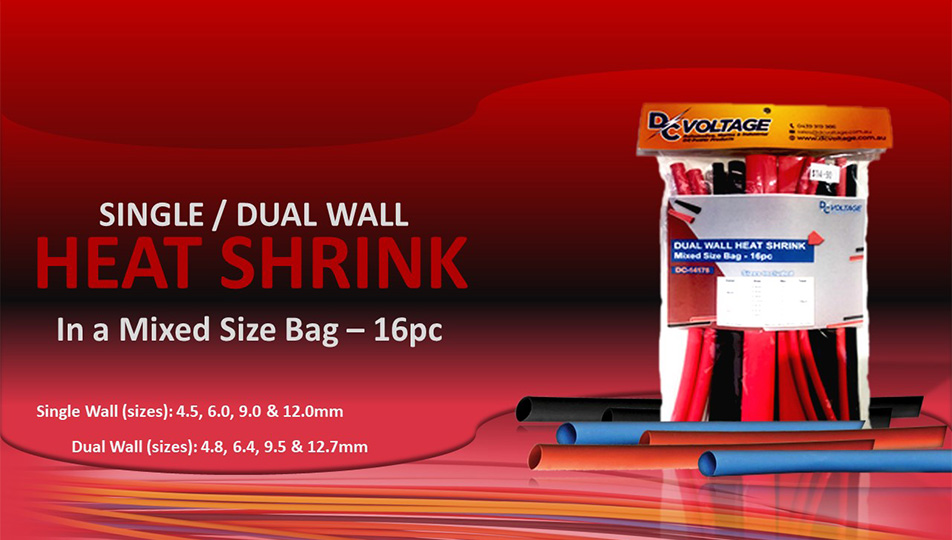
Use correctly sized lugs and connectors, proper crimping tools, and adhesive-lined heatshrink where appropriate. Support the cable so the terminal is not carrying mechanical strain. If the cable moves constantly, the lug eventually works hardens the strands near the crimp and faults start there.
This is one reason professional installers are picky about cable and accessories as a package. Good cable deserves good terminations.
Is twin core or single core better?
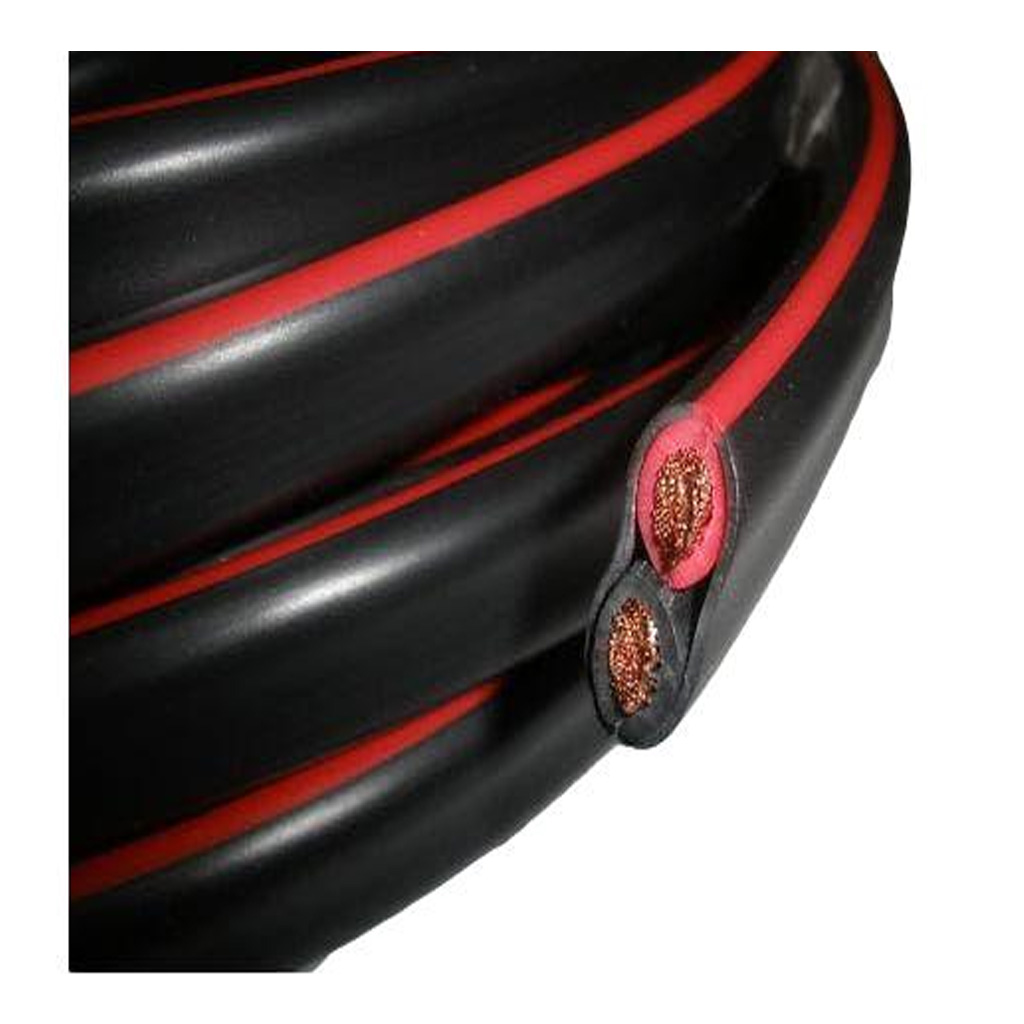
It depends on the job. Twin core is tidy for paired positive and negative runs, especially for accessories and branch circuits. It helps keep wiring organised and can make fault-finding easier later.
Single core is often the better option for larger battery and distribution runs, or where routing paths differ. It also gives more flexibility when building custom looms or working in tight sections of hull and console.
There is no blanket rule here. The right choice is usually the one that gives you the cleanest, safest installation with the least strain on the cable.
Buying for DIY work vs trade fit-out
If you are rewiring a small tinnie, replacing a bilge pump feed, or cleaning up a battery box, you can usually work from load, run length and environment. Keep it simple and buy cable that gives you margin rather than bare minimum.
For trade work, fleet maintenance or larger fit-outs, consistency matters just as much as spec. You want cable that is available in useful sizes, easy to identify, and reliable across repeated installs. That is where a specialist supplier with proper 12V and 24V stock depth makes life easier, especially when you also need lugs, heatshrink, fuses, connectors and protection gear in the same order.
Bluebar Industries works in that space every day, supplying cable and power components for real-world installs rather than just shelf-filling generic electrical stock.
The right cable is the one that still works years later
When people ask for the best marine cable for boats, they are usually asking how to avoid faults, rework and wasted money. The practical answer is straightforward: choose tinned copper, size it for the actual load and run length, use insulation suited to harsh service, and finish the job with proper terminations.
On a boat, cable is not just a consumable. It is the backbone of the electrical system. Get that part right, and everything attached to it has a better chance of doing its job when you need it most.