

 Cable Automotive / Marine

 Cable Lugs
 Cable Lug Assortment Kits
 Cable Lugs Straight Wall Closed
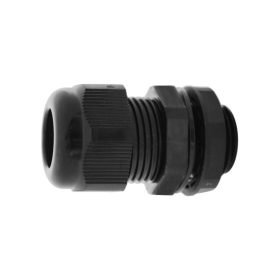 Cable Glands
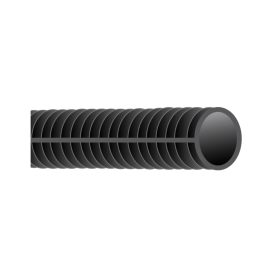 Convoluted Split Tubing
 12/24v Products & Access

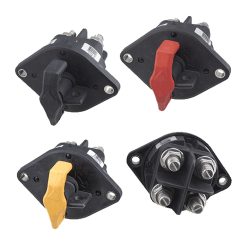
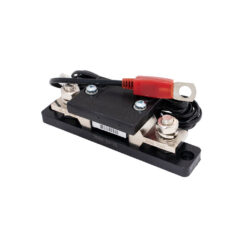
 Electrical Connectors


 Solar Powered Products
 LED Lights


 Tools





 Auto Parts & Categories
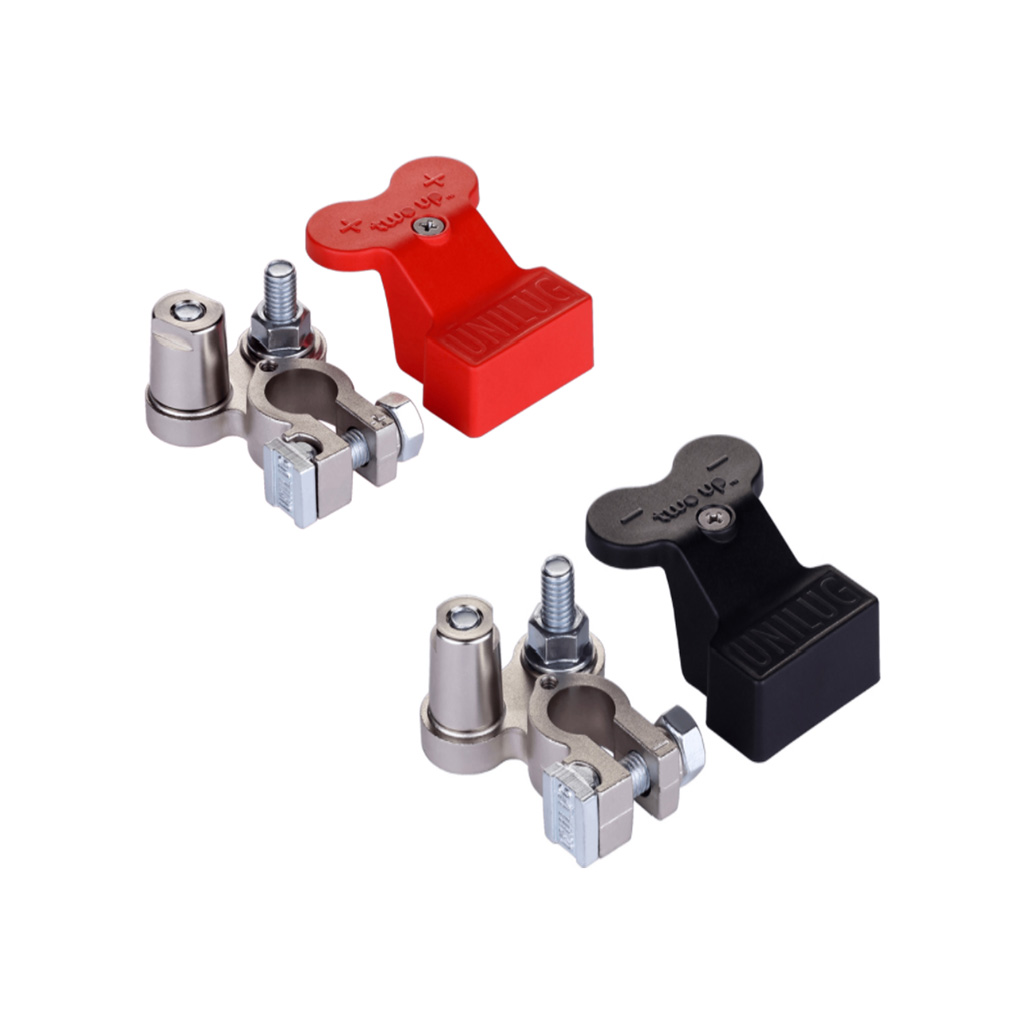

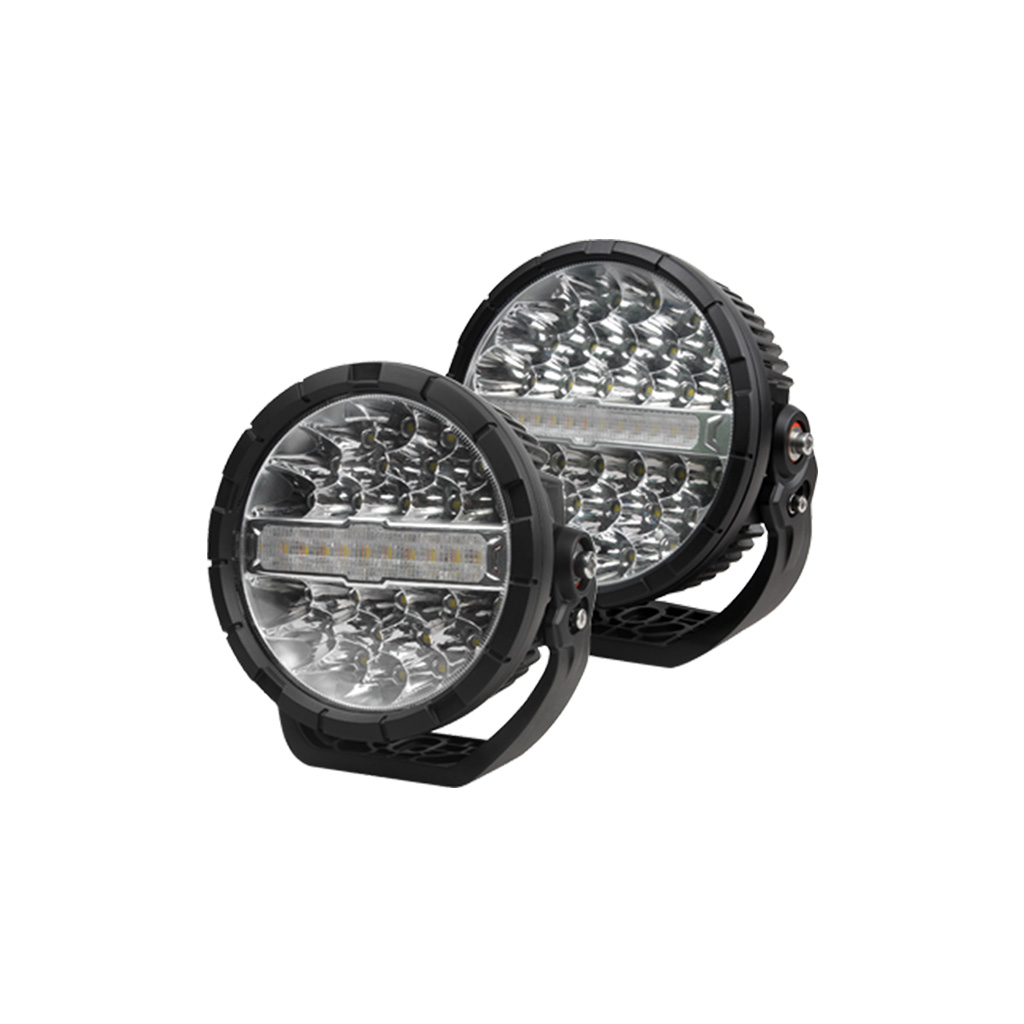
 Fittings
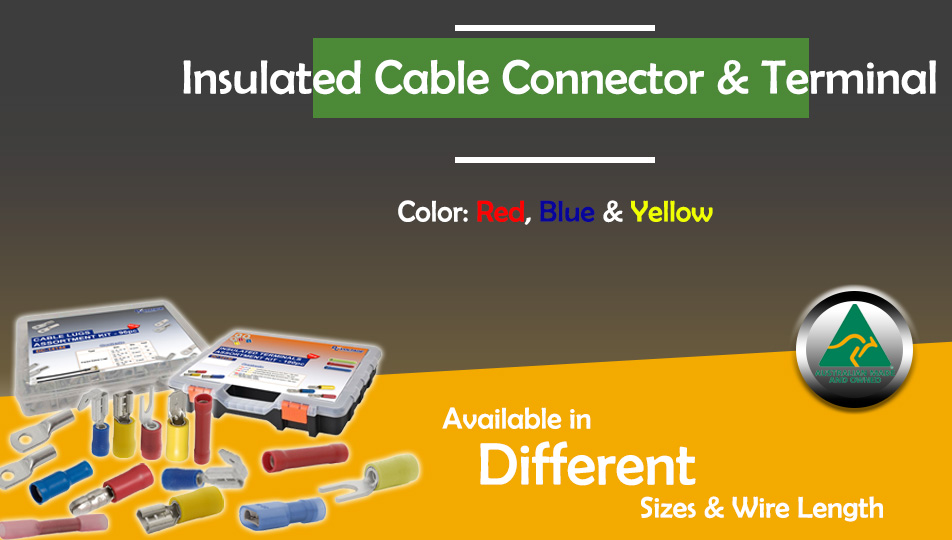
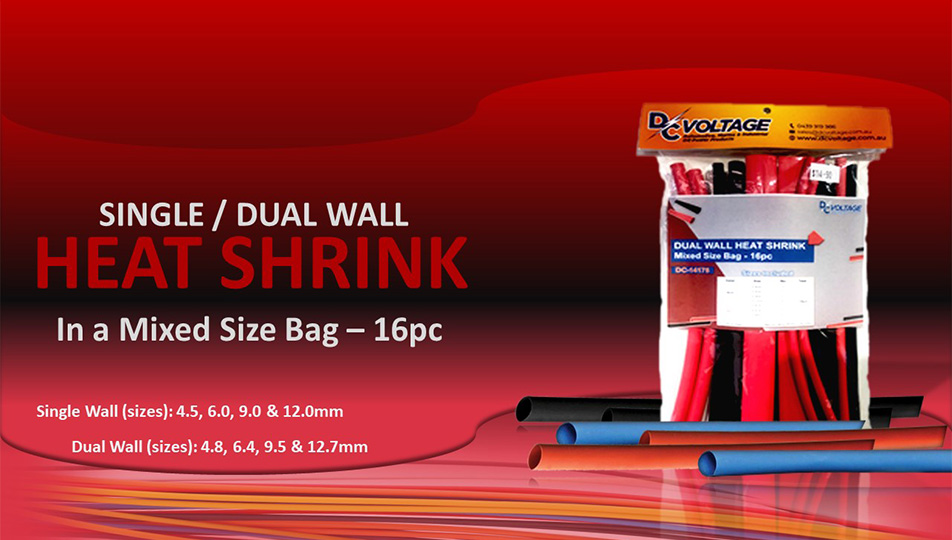

 Cleaning & Misc


 Clearance & Promotion
Latest News
12V vs 24V Accessories: Choose the Right Gear
Sep
A 12V fridge plugged into a 24V truck circuit can fail quickly. A 24V work light on a 12V ute may only glow dimly or not run at all. That is the practical issue behind choosing 12v vs 24v accessories: the plug may fit, but the voltage still needs to match.
For 4WD touring, caravans, boats, service vehicles and industrial equipment, getting the right accessory is not just about the device. It is about the complete circuit – battery bank, charging source, cable size, fuse protection, connectors and load. A reliable setup starts with knowing what system voltage you have and what each component is designed to handle.
12V vs 24V Accessories: The Core Difference
A nominal 12V system is the common choice for passenger vehicles, most 4WDs, caravans and recreational boats. It is generally based around a 12V starter battery, auxiliary battery or lithium battery. In operation, the voltage is not always exactly 12V. A charged battery can sit above 12.6V, while an alternator or charger may supply around 13.8V to 14.7V depending on the system.
A nominal 24V system is common in trucks, buses, larger marine installations, mining equipment and some heavy-duty plant. It is often made by wiring two 12V batteries in series. Charging voltage can exceed 28V, so accessories marked only for 12V should never be assumed safe on a 24V supply.
The key rule is straightforward: use an accessory with an input voltage rating that matches the supply voltage, or use a correctly rated voltage converter. A 12V-only accessory requires a regulated 24V-to-12V converter when fitted to a 24V system. Likewise, a 24V accessory needs a 12V-to-24V converter on a 12V vehicle, although replacing it with a 12V version is often the simpler and more efficient option.
Why 24V Systems Use Less Current
Voltage affects current draw. For the same power requirement, a 24V accessory draws roughly half the current of an equivalent 12V accessory. That matters when cable runs are long or loads are high.
For example, a 240W inverter load draws about 20A at 12V before allowing for losses. At 24V, the same load draws about 10A. Lower current can reduce voltage drop and heat in the cable, and may allow a smaller cable size in a properly designed installation.
This is one reason 24V systems suit trucks, large boats, remote work vehicles and equipment with substantial electrical loads. However, 12V remains more convenient in recreational applications because the accessory range is broader. Fridges, compressors, UHF radios, driving lights, camp lighting, water pumps and common charging gear are widely available in 12V versions.
Cable size is still critical on both systems. A long cable run to a fridge in a caravan, a rear-mounted battery box in a 4WD canopy, or a pump in a boat can suffer voltage drop if the cable is undersized. A 24V system gives more tolerance, but it does not make poor cable selection acceptable.
Accessories That Must Match System Voltage
Some products are particularly sensitive to an incorrect voltage supply. These should be checked before installation rather than after the fuse blows.
Lighting, Pumps and Motors
LED work lights, strip lighting, water pumps, fans, air compressors and electric motors must be rated for the system voltage. Supplying 24V to a 12V LED light can damage its driver almost immediately. Supplying 12V to a 24V pump usually results in slow operation or no operation at all.
Some lights and equipment are labelled 9-32V, 10-30V or similar. These are multi-voltage products designed to operate across both 12V and 24V systems. They are useful for mixed fleets, truck fit-outs and installations where a component may move between vehicles. Always check the stated input range on the product label or data sheet rather than relying on appearance.
Battery Chargers and DC-DC Chargers
Battery charging equipment needs closer attention. A 12V battery charger is not suitable for charging a 24V battery bank, and a 24V charger is not suitable for a single 12V battery. The charging profile must also suit the battery chemistry, whether AGM, lead acid, calcium or lithium.
DC-DC chargers add another layer. Some are designed for 12V-to-12V charging in dual-battery 4WD systems. Others accept 24V vehicle input and charge a 12V auxiliary battery, which is common in trucks that need to run 12V fridges, radios or communications equipment. Check both the input voltage and output voltage before selecting the unit.
Inverters and Solar Equipment
An inverter must match the battery bank it connects to. A 12V inverter belongs on a 12V battery bank, while a 24V inverter belongs on a 24V bank. Fitting the wrong inverter is not a workaround.
Solar panels are different because panel voltage and battery voltage are not the same thing. The solar regulator is the component that must be matched to the battery bank and panel arrangement. An MPPT regulator may accept a higher solar input voltage while charging either a 12V or 24V battery system, but its specifications set the limits. Check open-circuit panel voltage, maximum input voltage, battery output rating and current capacity as one package.
Connectors Do Not Identify Voltage
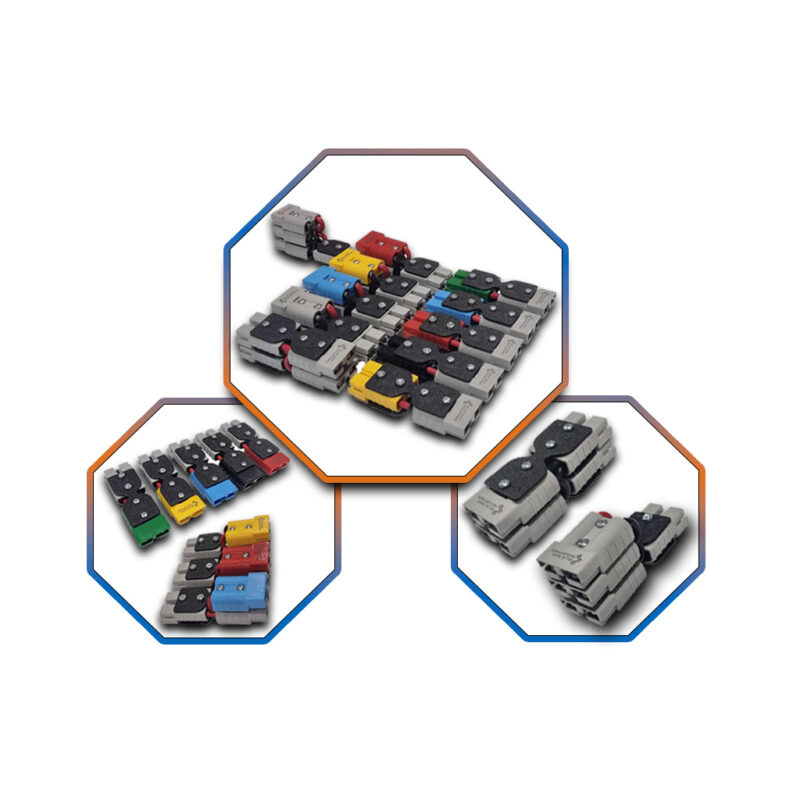
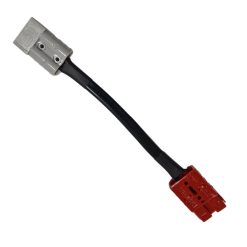
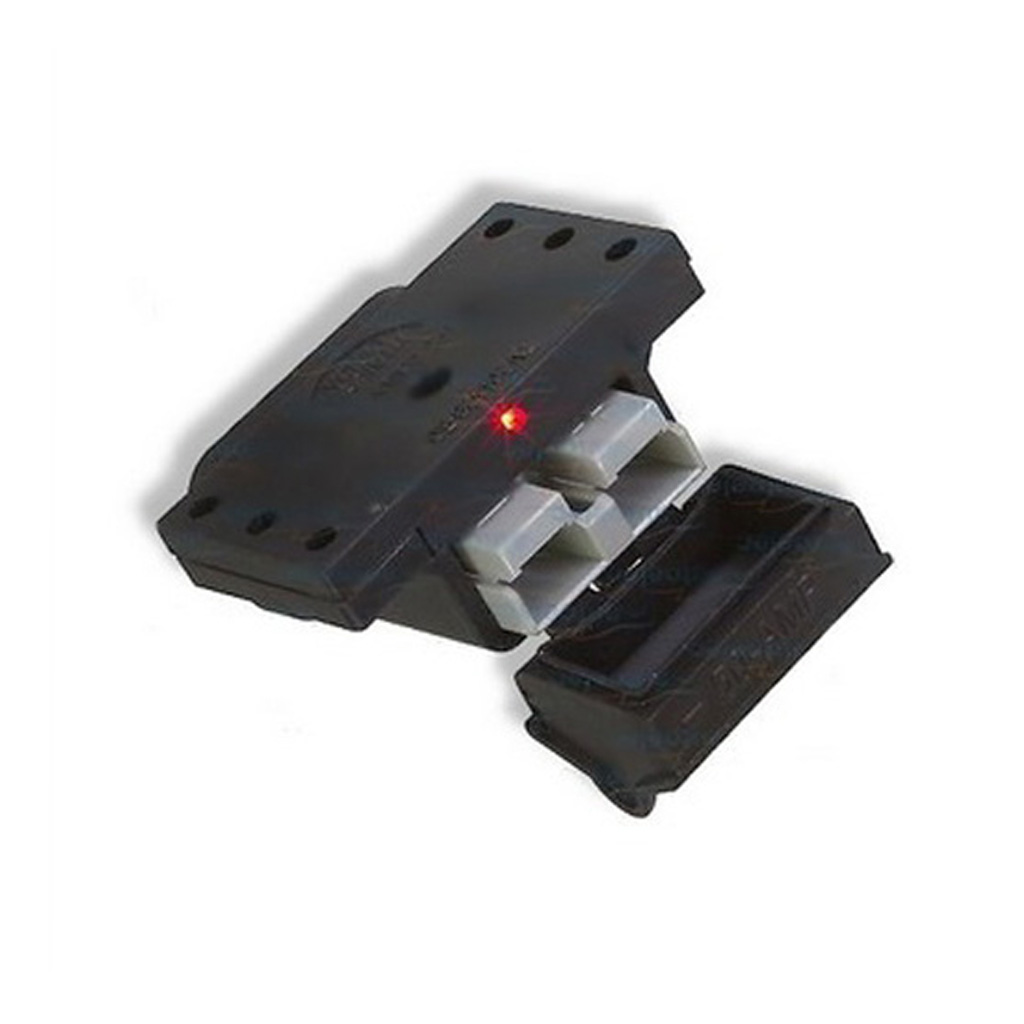
Anderson-style connectors, cigarette sockets, merit sockets and other DC connectors are connection methods, not voltage identifiers. The same connector can be fitted to a 12V or 24V circuit.
That is convenient for standardising a setup, but it creates a risk where multiple voltages are present. A 50A Anderson connector on a 24V truck can physically connect to a 12V accessory lead if both sides use the same housing. The connection is mechanically correct and electrically wrong.
In mixed-voltage installations, use a clear system. Label leads and outlets, use colour-coded cable or connector covers where appropriate, and avoid making 12V and 24V outlets interchangeable unless a voltage converter is built into the circuit. Keyed connectors or separate connector types can also prevent an accidental connection.
Fuses must protect the cable and suit the expected load. They do not correct a voltage mismatch. A fuse may blow during a fault, but sensitive electronics can be damaged before it operates.
Choosing Cable and Fusing for the Load
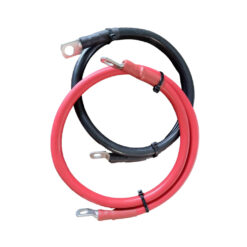
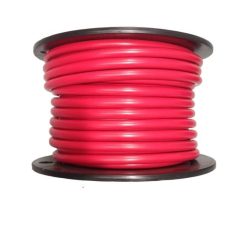
When selecting leads, extension cables or accessory wiring, start with the accessory current draw, cable length and allowable voltage drop. High-current items such as compressors, winches, inverters and battery chargers need suitably heavy cable, quality terminations and secure connectors.
For lower-draw accessories, poor connections are often the bigger problem. A loose crimp, corroded terminal or worn socket creates resistance. Resistance creates heat and voltage drop, which can cause fridge cut-outs, dim lights, unreliable pumps and intermittent charging.
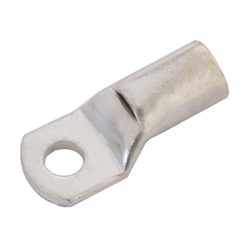
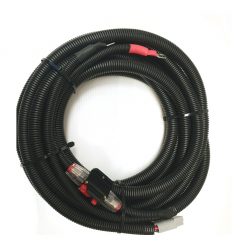
Australian touring conditions are hard on electrical gear. Dust, corrugations, salt air, mud and heat all expose weak points in a setup. Use cable with appropriate insulation, protect it with conduit or split tubing where needed, support it away from sharp edges, and fit grommets wherever wiring passes through metal. Terminate cables with correctly sized lugs, heatshrink and proper crimping tools rather than relying on a quick twist-and-tape repair.
When a Voltage Converter Is the Right Answer
A quality DC-DC voltage converter makes sense when a 24V vehicle needs to power a modest 12V load. Typical examples include a 12V fridge in a truck cab, a 12V communication device, USB charging outlets or a 12V camera system.
Choose a converter with enough continuous current capacity for the accessory, plus a sensible margin for start-up load. Motors, pumps and compressors can draw more current at start-up than their running figure suggests. The converter should be fused on its input and output sides according to the manufacturer’s specifications, and installed where it can shed heat.
For a large 12V accessory bank on a 24V vehicle, it is usually better to create a properly designed 12V auxiliary circuit than to keep adding small converters. Drawing from one battery in a two-battery 24V series bank is not an acceptable shortcut. It unbalances the batteries and can shorten battery life.
A Practical Check Before You Buy
Before ordering an accessory or lead, confirm the supply voltage at the point where it will connect. Then check the accessory input range, wattage or current draw, connector type, cable length and required fuse rating. If it is a charging product, confirm the battery voltage and chemistry as well.
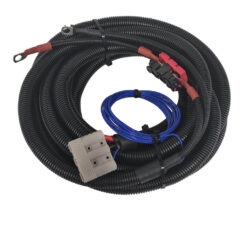
Bluebar Industries supplies components for both 12V and 24V applications, including custom power leads, cable, connectors, battery accessories, lighting and workshop tools. For trade fit-outs and touring builds alike, the best result comes from matching the full system rather than selecting parts one at a time.
The right accessory should work without being nursed along. Match the voltage first, size the cable and protection properly, and your power system will be far more likely to keep doing its job when the track gets rough or the workday runs long.