

 Cable Automotive / Marine
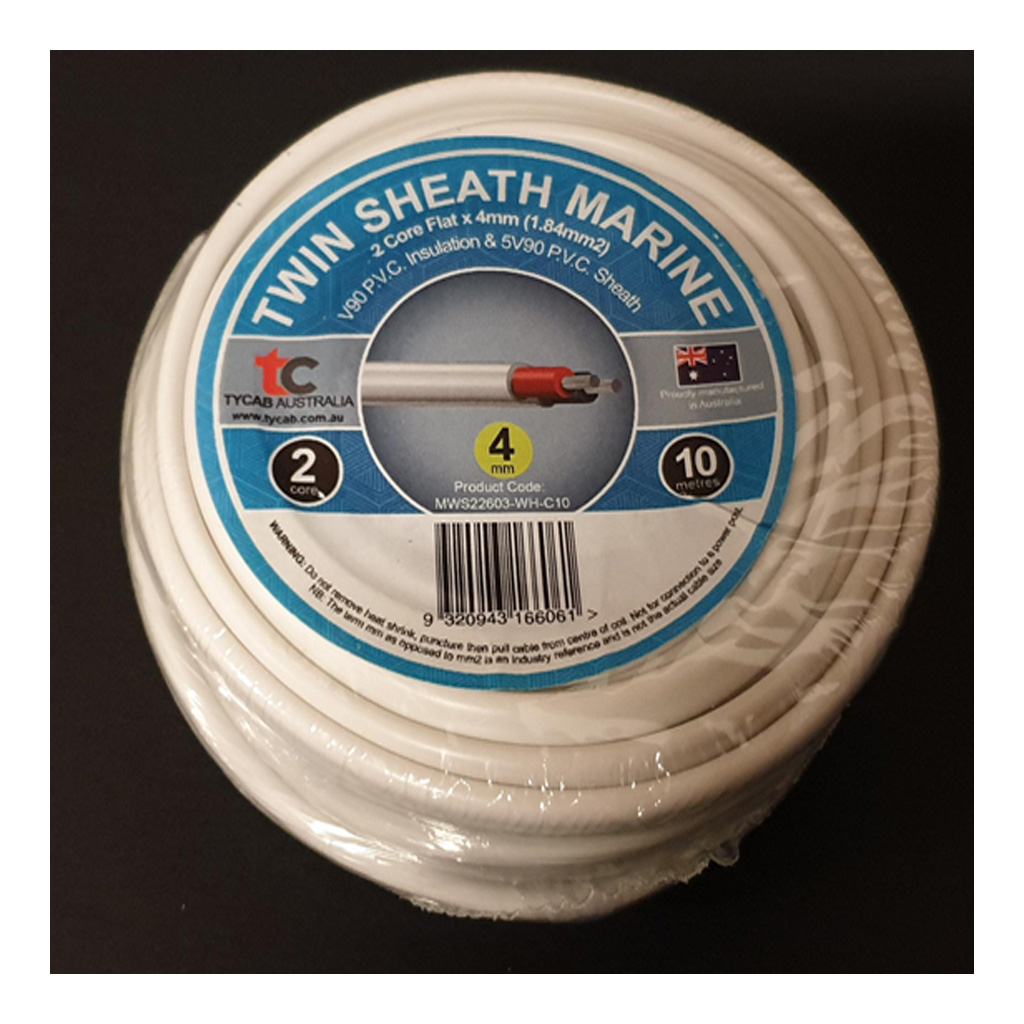
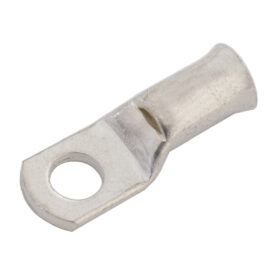 Cable Lugs
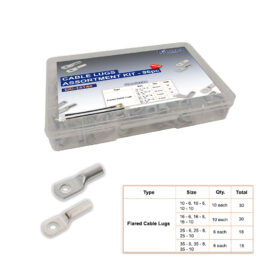 Cable Lug Assortment Kits
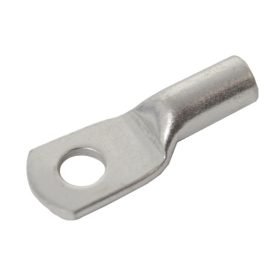 Cable Lugs Straight Wall Closed
 Cable Glands
 Convoluted Split Tubing
 12/24v Products & Access
 Electrical Connectors
 Solar Powered Products
 LED Lights
 Tools
Tools
 Auto Parts & Categories

 Fittings
 Cleaning & Misc
 Clearance & Promotion
Latest News
LED Light Bar Review for Touring Setups

Jun
A light bar can look impressive parked up at camp, but touring puts lighting under a different kind of pressure. A proper led light bar review for touring needs to look past raw lumen claims and focus on what actually holds up over long distances, rough roads, dust, rain and repeated nights behind the wheel.
For most touring vehicles, the right light bar is the one that gives useful distance without washing out the foreground, survives corrugations without shaking itself to pieces, and integrates cleanly into a 12V or 24V setup. That sounds simple, but it is where plenty of cheap units fall over.
What matters most in a led light bar review for touring
Touring use is different from occasional weekend driving. You are more likely to be covering regional highways, back roads, station tracks and long stretches where fatigue becomes part of the equation. In that setting, beam control matters as much as outright brightness.
A bar with too much flood can create glare off road signs, dust and the bonnet line. One with a narrow pencil-style spread may throw distance well, but leave the road edges too dark to pick up washouts, stock or wildlife movement. For touring, the best balance is often a combo beam that reaches far enough down the road while still giving workable peripheral coverage.
Build quality matters just as much. Touring vehicles cop vibration, water crossings, pressure washing, bull dust and heat cycling. A housing that looks fine in a product photo may still suffer from poor sealing, weak mounts or moisture ingress after a season on the tracks. That is why a review worth listening to spends less time on marketing figures and more time on sealing, bracket design, connector quality and how the bar performs after months of use.
Beam pattern matters more than headline output
One of the biggest traps in any led light bar review for touring is overvaluing advertised output. High lumen numbers look good on packaging, but they do not always translate to better visibility where you need it.
A usable touring beam should be even, predictable and not overly harsh in the first 20 to 30 metres. If the foreground is too bright, your pupils constrict and distance visibility can actually feel worse. This is a common issue with lower-quality bars chasing maximum punch without proper optic design.
For highway touring, a combo beam generally suits most setups. It gives enough reach for higher-speed driving while still helping you read the road shoulders. If your vehicle already has quality driving lights covering distance, a flood-oriented bar can make sense as a supporting light source. If the bar is your main auxiliary light, a balanced pattern is usually the safer call.
Colour temperature is another factor that gets overlooked. Extremely cool white light can appear bright, but it can also increase glare in dust, fog and rain. A more neutral output often feels easier on the eyes over long stints. It depends on where and how you travel, but for all-round Australian touring, comfort matters because fatigue builds quickly at night.
Durability is where touring-grade bars separate themselves
A light bar that survives suburban use is not automatically touring-ready. Corrugations expose weaknesses in mounts, fasteners and internal construction. If the brackets are too light, the bar can vibrate, shift beam aim or crack mounts over time. Stainless hardware, solid side mounts or centre mounts where appropriate, and a housing with decent mass all help.
Sealing is equally critical. IP ratings are useful as a reference, but they are not the whole story. A bar can claim water and dust resistance, yet still develop condensation if the seals, venting or cable entry points are not well executed. In real touring conditions, fine dust gets into everything. Once that happens, reflectors haze up, LED performance drops and lifespan shortens.
Lens material also deserves attention. Polycarbonate lenses are common and practical, but they need decent scratch and UV resistance. If the lens clouds or pits too quickly, light quality falls away even if the LEDs themselves are still working.
When comparing options, look closely at how the cable exits the housing, how substantial the mounts are, and whether the finish appears built for outdoor exposure rather than showroom appeal. Trade buyers and experienced tourers tend to notice these details because they are the things that fail first.
Wiring and voltage compatibility are part of the review
A touring light bar is only as reliable as the way it is wired. This is often skipped in product reviews, but it should not be. Voltage range, current draw, relay quality, fuse protection and connector choice all affect long-term performance.
For 12V and 24V vehicles, check the actual operating range rather than assuming universal compatibility. Many bars are multi-voltage, but not all harnesses supplied with them are equal. Thin cable, poor crimps and low-grade switches create voltage drop and intermittent faults, especially once dust and vibration start working on the connections.
If you are fitting a bar to a touring rig with other accessories already in play – fridges, compressors, UHF, battery charging, solar input and work lighting – circuit planning matters. Clean power delivery, proper termination and sensible cable routing are part of getting reliable output from the bar and avoiding nuisance issues later.
This is where buying from a specialist electrical supplier makes more sense than chasing the cheapest generic lighting package. The bar itself matters, but so do the connectors, adaptors, cable protection and installation parts around it.
Mounting position changes performance
Where you mount the light bar has a direct effect on how useful it is. Bullbar mounting is still the most practical option for most tourers because it keeps glare down and simplifies aiming. Roof-mounted bars can throw excellent spread, but they are more likely to create bonnet glare and become frustrating in dust, mist or rain.
For outback touring, lower mounting usually gives a more controlled beam in mixed conditions. Roof bars still have a place, especially for low-speed area lighting or specific off-road applications, but they are not automatically the best solution for every vehicle.
Vehicle size matters too. A bar that suits a ute bullbar may not suit a cab-over truck, van or canopy setup in the same way. Vibration, airflow and mounting width all change with vehicle type. A review that ignores mounting context is only telling half the story.
What to look for when comparing options
The strongest products in this category usually get the basics right rather than trying to win on one headline feature. Consistent beam shape, solid sealing, decent thermal management and straightforward installation are what make a light bar worth fitting to a touring vehicle.
Pay attention to housing design and heat dissipation. LEDs hate heat, and poor thermal control shortens output stability and service life. A bar that starts bright but fades as it heats up is not doing you any favours on a long night drive.
Also consider serviceability in a practical sense. That does not mean repairable internals in most cases. It means available specs, clear current draw information, realistic dimensions, proper mounting hardware and support from a supplier who understands automotive electrical fitment. If the only selling point is a huge claimed lumen figure, keep looking.
Bluebar Industries works with buyers who need lighting and electrical gear to make sense in the real world, not just on a product page. That matters when you are matching a light bar to existing wiring, battery systems and vehicle use rather than buying on impulse.
Is bigger always better?
Not necessarily. Longer bars can spread light more evenly and look like better value, but they are not always the best touring choice. A very large bar may create fitment issues, add unnecessary weight to a mounting point or simply give more foreground light than you need.
A smaller, better-designed unit can outperform a larger low-grade bar where it counts. On touring setups, efficiency and beam quality often beat sheer size. It depends on your vehicle, the roads you cover, and whether the bar is supporting a pair of driving lights or doing the main job itself.
For many Australian tourers, the sweet spot is a mid-sized combo bar with a solid bracket system and proven weather resistance. It is easier to package, easier to aim and often more useful across different driving conditions.
The real test for touring use
The best review question is simple: will this light still be doing its job after repeated nights on rough roads, in bad weather and with a vehicle loaded for travel? If the answer is uncertain, no amount of flashy output claims makes it a good touring buy.
A quality light bar for touring should give controlled distance, usable spread, stable mounting and dependable electrical performance. It should also fit the broader system around it, because touring reliability is never about one part in isolation.
If you are choosing lighting for a serious setup, be fussy. Night driving in the bush is not the place to find out where a cheap bar cuts corners.