

 Cable Automotive / Marine

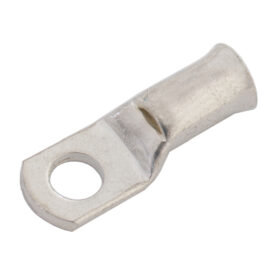 Cable Lugs
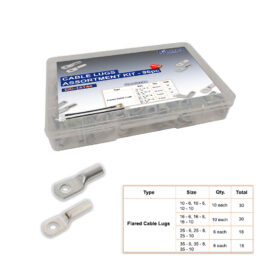 Cable Lug Assortment Kits
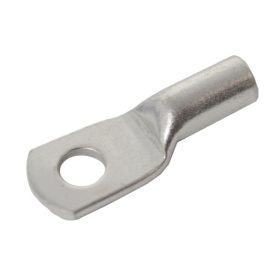 Cable Lugs Straight Wall Closed
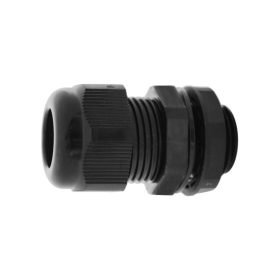 Cable Glands
 Convoluted Split Tubing
 12/24v Products & Access

 Electrical Connectors

 Solar Powered Products
 LED Lights

 Tools




 Auto Parts & Categories

 Fittings

 Cleaning & Misc

 Clearance & Promotion
Latest News
How to Mount Fuse Holders in 12V and 24V Setups
Oct
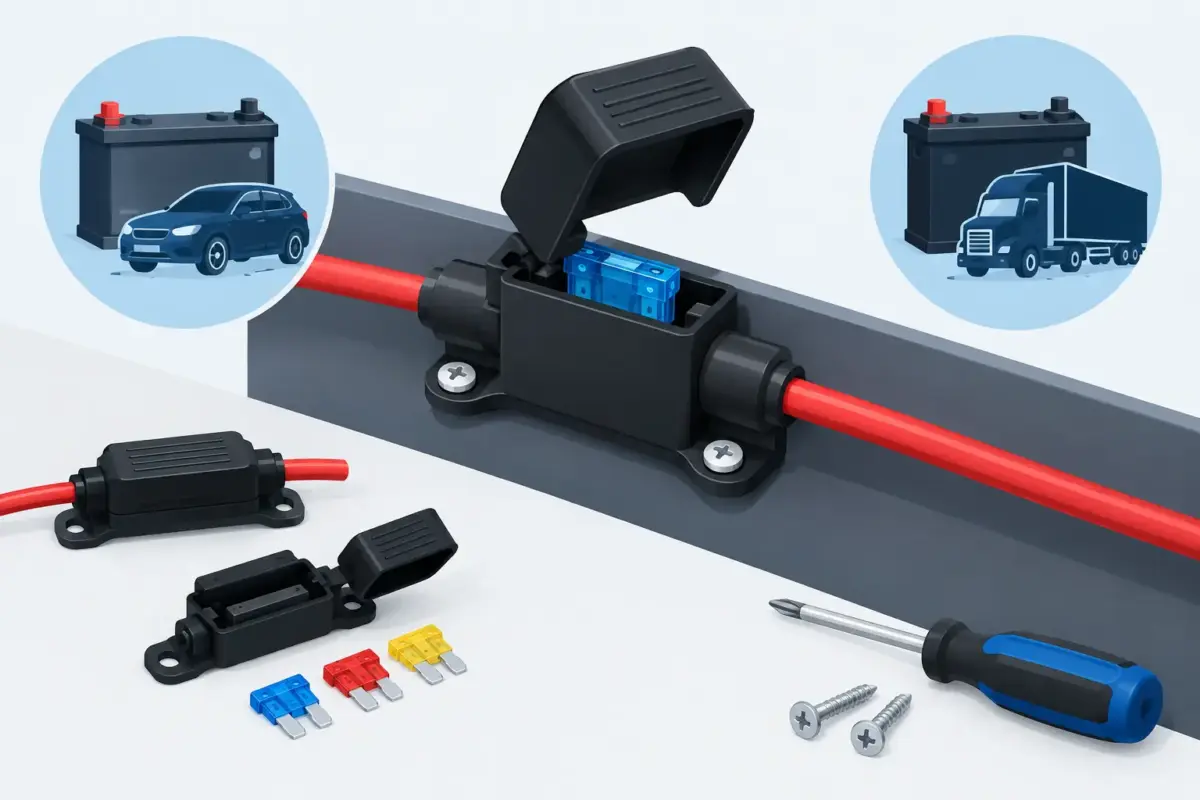
A fuse holder that is left hanging from a battery cable is waiting to become a fault. Vibration, heat, moisture and rubbing cables can loosen terminals or damage insulation – especially in a 4WD, caravan, boat, ute or work vehicle. Knowing how to mount fuse holders properly keeps protection where it is needed and makes future fault-finding far easier.
The right mounting method depends on the fuse holder style, circuit current, cable size and where the equipment operates. A protected fuse block inside a caravan cabinet needs a different approach to an inline holder under a vehicle bonnet or near a dual-battery system. The common requirement is simple: mount the holder securely, protect it from damage and water, and make the fuse accessible without disturbing the wiring.
Choose the right fuse holder before mounting
Start with a holder rated for the system voltage and expected current. Most touring and accessory systems run on 12V, while trucks, machinery and some industrial applications use 24V. The holder must be rated for the voltage, fuse type and continuous current of the circuit, not just the maximum fuse size printed on its packaging.
For a single high-current cable, such as a feed to a DC-DC charger, inverter, winch control circuit or auxiliary distribution point, an inline MIDI, MEGA or ANL-style holder may be suitable. Blade-fuse holders are commonly used for lower-current accessories such as LED lighting, fridges, compressors, USB outlets and switches. A multi-way fuse block is the practical option when several accessory circuits leave one auxiliary battery or distribution bus.
Do not treat the fuse holder as an afterthought. A quality fuse protects the cable, but the holder and its terminals still need to carry the current without overheating. Match the terminal size to the cable lug or conductor, and use a holder designed for the environment. A sealed holder is generally the better choice in an engine bay, canopy, boat, trailer drawbar or exposed battery box.
Where to mount fuse holders
A fuse should protect the cable as close as practical to the power source. If a cable leaves a battery positive terminal and runs through a vehicle, it needs circuit protection near that battery. The exact position depends on the installation, available mounting points and applicable equipment instructions, but avoid leaving a long unprotected section of positive cable.
Choose a location that is dry where possible, protected from direct heat and away from moving parts. Avoid mounting a holder against exhaust-side engine bay panels, beside sharp brackets, under a tyre spray path, or where it can be crushed by a seat base, drawer system or canopy load.
Access matters as well. A fuse holder buried behind a battery tray or mounted underneath a drawer system may be protected, but it will be inconvenient when a circuit needs checking on the side of a track. Leave enough room to remove the cover and replace the fuse without pulling on cables or dismantling other equipment.
For battery installations, mount the holder on a solid nearby panel, battery tray, mounting board or purpose-built electrical plate. In a caravan or canopy, a vertical mounting board inside a dry compartment keeps the layout visible and gives cables proper support. In marine work, mount it above likely bilge water level and select components suited to salt and moisture exposure.
Keep clear of heat, water and abrasion
Heat reduces cable life and can affect fuse holder covers and terminal insulation. Water creates corrosion at terminals, particularly where different metals meet. Abrasion can expose conductors and turn an accessory cable into a direct short to the vehicle body.
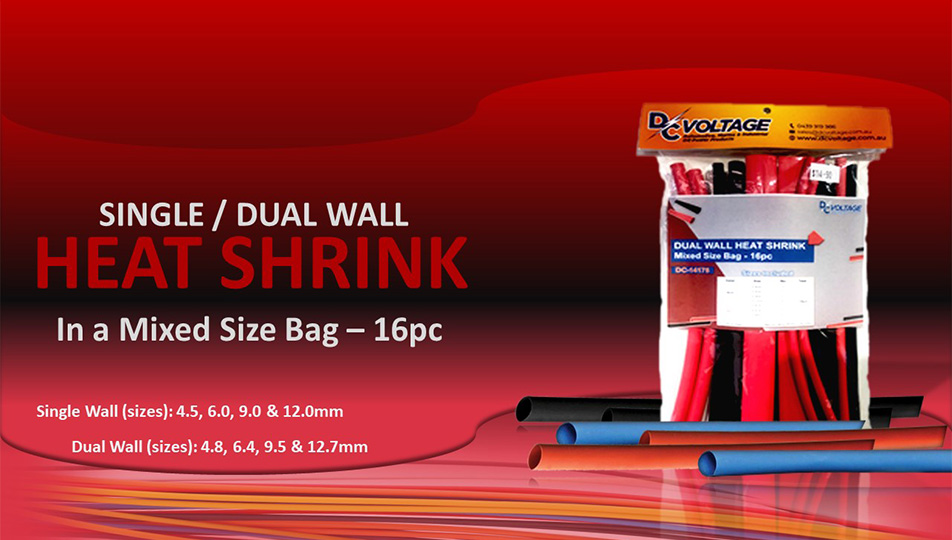
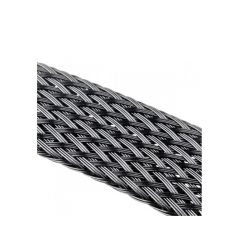
If the chosen location is exposed, use a sealed holder with a positive-closing cover, cable glands or suitable entry seals where required, and adhesive-lined heat shrink over correctly crimped terminals. Split conduit, corrugated tubing or braided sleeve helps protect the cable run, but it does not replace correct routing and secure mounting.
How to mount fuse holders securely
Before drilling or fastening anything, disconnect the negative battery terminal or isolate the relevant supply. If the system has solar, mains charging, multiple batteries or a DC-DC charger, isolate every source that could energise the cable. A battery circuit can deliver very high fault current, so do not work on a live positive feed.
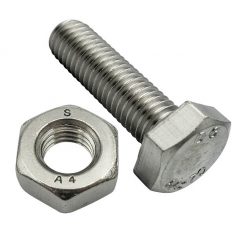
Hold the fuse holder in position and check three things: the cover can open, cables can enter without a tight bend, and the holder will not interfere with nearby components. Mark the mounting holes, then use the fastening method that suits the surface. Machine screws with washers and nyloc nuts are ideal where the rear is accessible. Self-drilling screws can work on suitable metal panels, while bolts or rivnuts provide a stronger result for heavier holders and larger cable.
On timber or composite mounting boards, use screws with enough thread engagement and avoid over-tightening plastic housings. On thin sheet metal, fit a backing washer or use a rivnut rather than relying on a short screw that may loosen with vibration. Never mount a fuse holder using cable ties alone if it carries a heavy cable or sits in a high-vibration area.
Cable ties still have a role. Use them to support the cable on both sides of the holder, preventing the cable weight from loading the terminals. Fit P-clips, saddles or cable clamps at sensible intervals along longer runs, particularly near changes in direction and before any panel penetration.
Route cables without stressing the terminals
Cable should enter the holder with a gentle radius, not a sharp bend forced directly at a lug or blade terminal. Leave enough service length to remove the fuse holder cover or remake a terminal later, but not so much excess cable that it can rub, snag or collect water.
Where a cable passes through steel, aluminium or fibreglass, fit an appropriate grommet or gland. Protect high-current cables from chafing wherever they cross a panel edge, pass through a battery compartment or run close to chassis components. Underbody wiring requires extra care: use suitably rated cable protection, secure the run firmly, and keep it clear of suspension travel, driveshafts, exhaust heat and road debris.
Wire the holder correctly
Install the fuse holder in the positive conductor unless a specific system design requires otherwise. The negative cable should be properly sized and connected to a suitable negative bus, battery negative or approved chassis earth point, depending on the application.
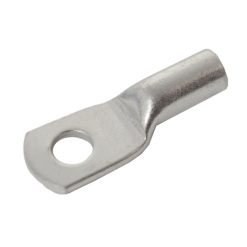
Use correctly sized cable and quality crimp terminals. Strip only enough insulation for the terminal barrel, crimp with the right tool, and inspect the finished joint. A terminal that can rotate, pull off or shows exposed strands needs to be redone. Heat shrink should support the joint and seal the cable entry where appropriate, but it cannot rescue a poor crimp.
Fit the fuse only after all cables are terminated, secured and checked. Select the fuse size to protect the cable, not simply to stop nuisance blowing. If a fuse repeatedly blows, investigate the load, wiring route and terminal condition rather than fitting a larger fuse. Upsizing the fuse without confirming cable capacity can remove the protection the circuit was designed to provide.
For a fused distribution block, label every circuit at installation. Clear labels such as ‘fridge’, ‘camp lights’, ‘water pump’ or ‘UHF’ save time when diagnosing a problem later. On trade and fleet work, include circuit details in the vehicle documentation where practical.
Check the installation before putting it into service
Before reconnecting power, check that the fuse holder is firmly attached, the cover closes fully and no positive terminal can contact metalwork or another conductor. Confirm cable clamps are tight, grommets are seated and the cable is not under tension.
Reconnect the supply and test each circuit under normal load. Feel the fuse holder and terminals after the equipment has been running for a few minutes. They should not become excessively hot. A warm connection on a high-current circuit can indicate undersized cable, a loose terminal, poor crimping or a holder that is not rated for the load.
For touring vehicles and caravans, inspect fuse holders as part of regular pre-trip checks. Dust, corrugations and temperature cycles find weak mounting points quickly. Look for cracked covers, green corrosion, loose fasteners, faded labels and cable insulation worn through at clamps or panel edges.
Bluebar Industries supplies the cable, terminals, fuse holders, protection products and tools needed to build practical 12V and 24V installations. Selecting compatible parts at the start makes the mounting job cleaner and helps avoid a wiring repair when you are well away from the workshop.
A well-mounted fuse holder is a small part of the system, but it does a serious job. Give it a solid mounting surface, properly supported cable and room for inspection, and it will be ready when your wiring needs protection most.