

 Cable Automotive / Marine

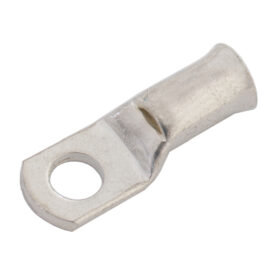 Cable Lugs
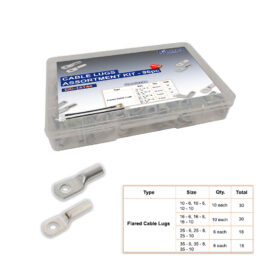 Cable Lug Assortment Kits
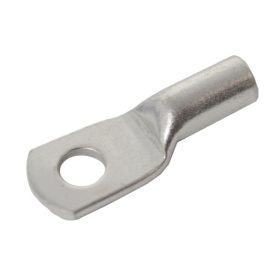 Cable Lugs Straight Wall Closed
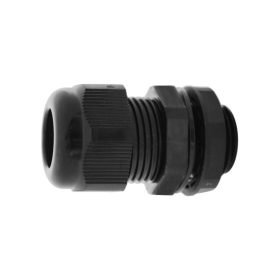 Cable Glands
 Convoluted Split Tubing
 12/24v Products & Access
 Electrical Connectors
 Solar Powered Products
 LED Lights

 Tools



 Auto Parts & Categories

 Fittings
 Cleaning & Misc

 Clearance & Promotion
Latest News
Choosing 12v Power Adaptors for Touring Setups

Jul
A fridge that cuts out on a corrugated track, a work light that flickers, or a mobile charger that overheats is often blamed on the accessory. In plenty of cases, the real problem sits between the battery and the load. The right 12V power adaptors make a safe, low-resistance connection between components that were not supplied with matching plugs, cable lengths or terminals.
For a 4WD, caravan, boat or service vehicle, an adaptor is not simply a convenience item. It needs to suit the system voltage, expected current draw, connector style, cable size and the conditions it will face. A light-duty plug that works on a bench may be the weak point in a touring setup exposed to vibration, dust, heat and rain.
What a 12V adaptor actually does
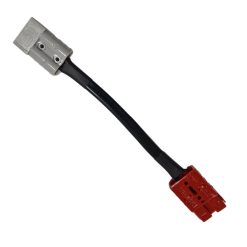
The word adaptor covers several different products. It may be a short lead that changes an Anderson connector to a merit socket, a cigarette-style plug to a DC barrel connector, or one terminal type to another. It can also refer to a power supply that converts 240V AC mains power to regulated 12V DC for a compressor fridge, LED lighting or other equipment.
These are not interchangeable products. A connector adaptor changes the physical connection only. It does not increase available current, correct a voltage drop or turn 24V into 12V. A voltage converter or regulated power supply performs an electrical conversion and must be selected for both input and output requirements.
That distinction matters when adding accessories to dual-battery systems, solar installations and portable power packs. If the source is 24V, for example, a 12V accessory needs a properly rated 24V-to-12V DC-DC converter, not a lead with different plugs on each end. Connecting it directly can damage the accessory immediately.
Choosing 12V power adaptors by the electrical load
Start with the accessory, then work back towards the power source. Check the rating label or manufacturer specification for operating voltage, maximum current draw and required plug type. Do not select an adaptor purely because the connectors fit.
Voltage needs to match the real system
A vehicle described as 12V does not hold exactly 12.0 volts all the time. A resting battery may sit around 12.6V, while an alternator-charged system can operate around 13.8V to 14.7V. Most automotive accessories are designed for this range, but some sensitive electronics require a regulated supply.
A 240V-to-12V adaptor should provide a regulated 12V DC output where the equipment calls for it. Check whether the device needs a centre-positive or centre-negative barrel plug as well. Reversed polarity is a common cause of damaged low-voltage electronics.
For 24V trucks, plant and some marine systems, confirm whether the accessory accepts 12V to 24V input. If it does not, use a quality converter with adequate current capacity and appropriate protection.
Current rating is not a suggestion
Every lead, connector and adaptor has a current limit. The adaptor should be rated above the accessory’s maximum continuous current, with enough margin for start-up loads. Compressor fridges, air compressors, pumps and some LED drivers can draw more current when they first start than they do while running.
As a practical example, a 10A accessory should not be run through a lightly built 10A plug and thin cable simply because the label appears to match. Heat at plugs and terminals is evidence of resistance, and resistance becomes more troublesome as current rises. A better-rated connector and suitably sized cable provide a more dependable result.
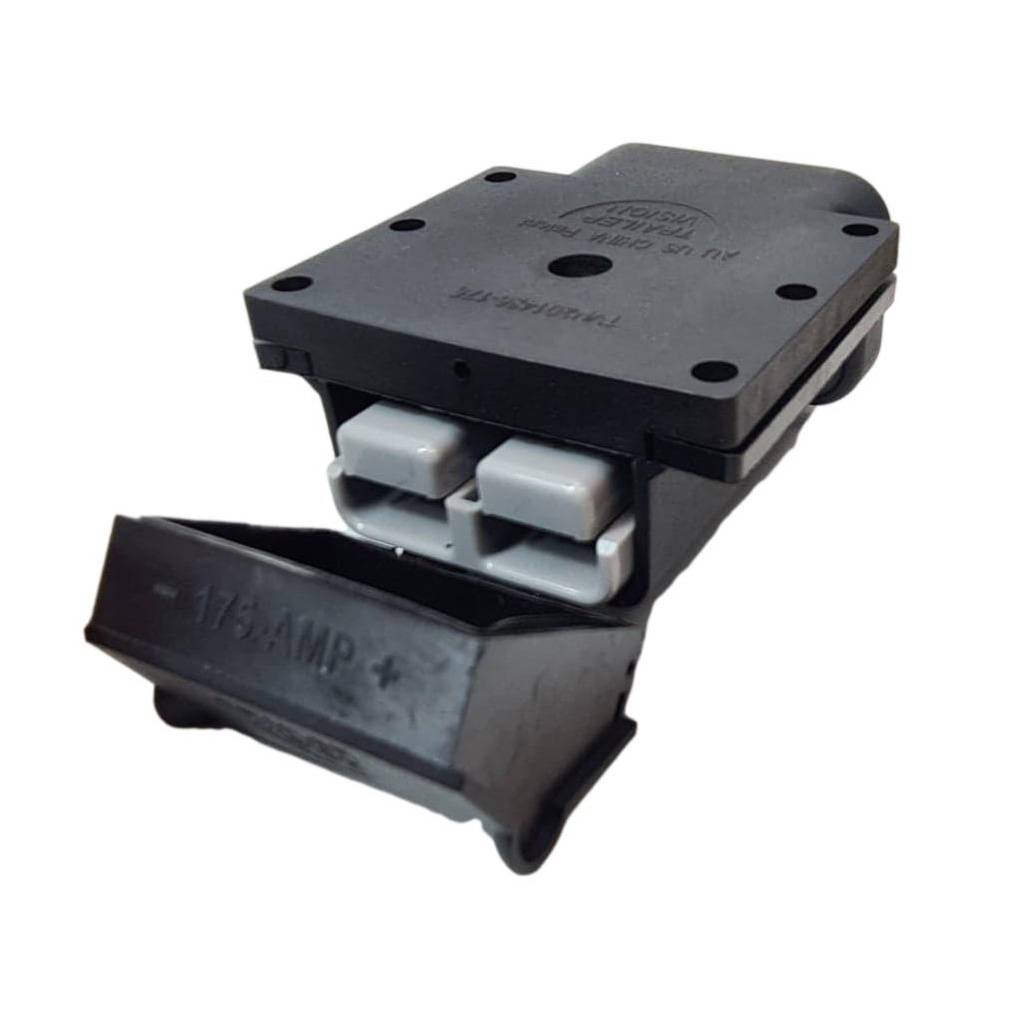
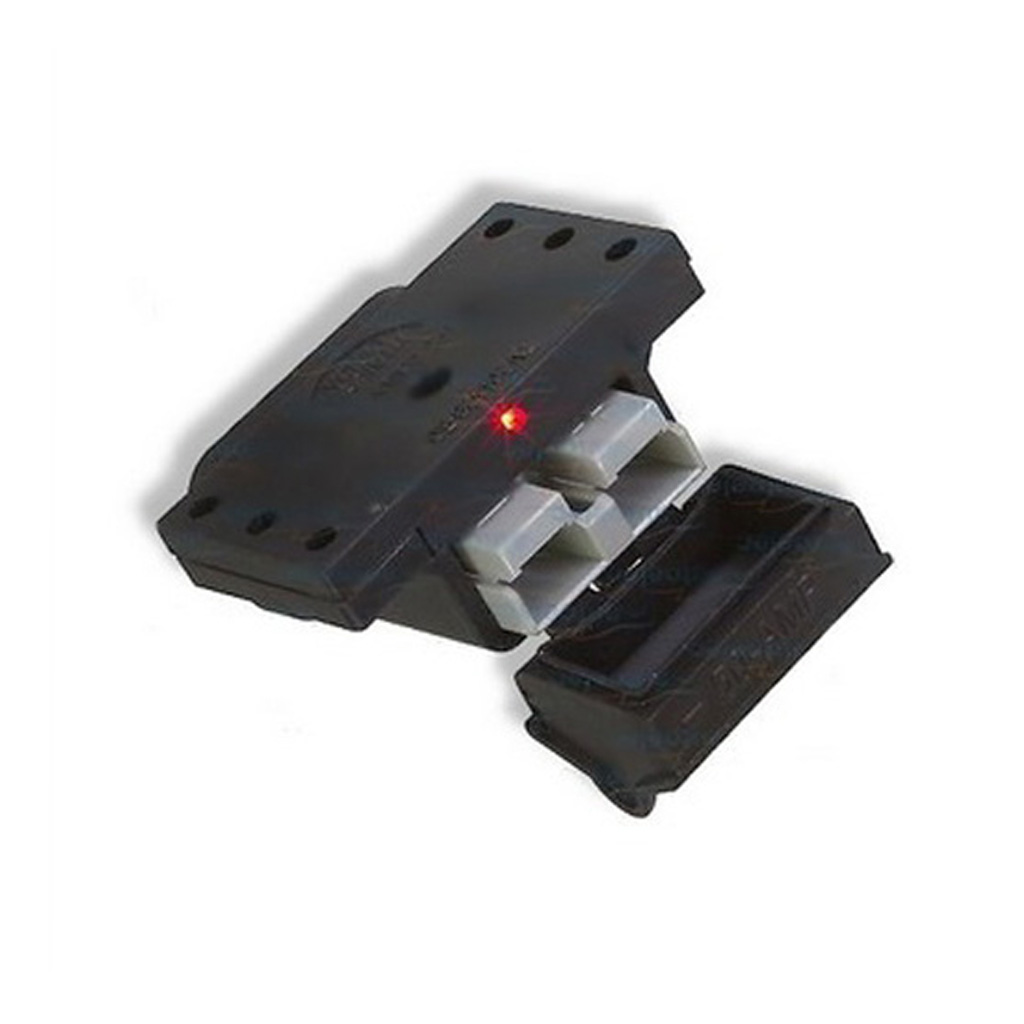
Anderson-style connectors are widely used for higher-current battery, solar and auxiliary circuits because they provide a positive, low-resistance connection when correctly terminated. Cigarette-style sockets remain useful for lighter accessories, but they are more prone to vibration, poor contact and heat at higher loads. Merit or Hella-style connections can be a better choice where a more secure compact plug is needed.
Connector fit includes more than the plug shape
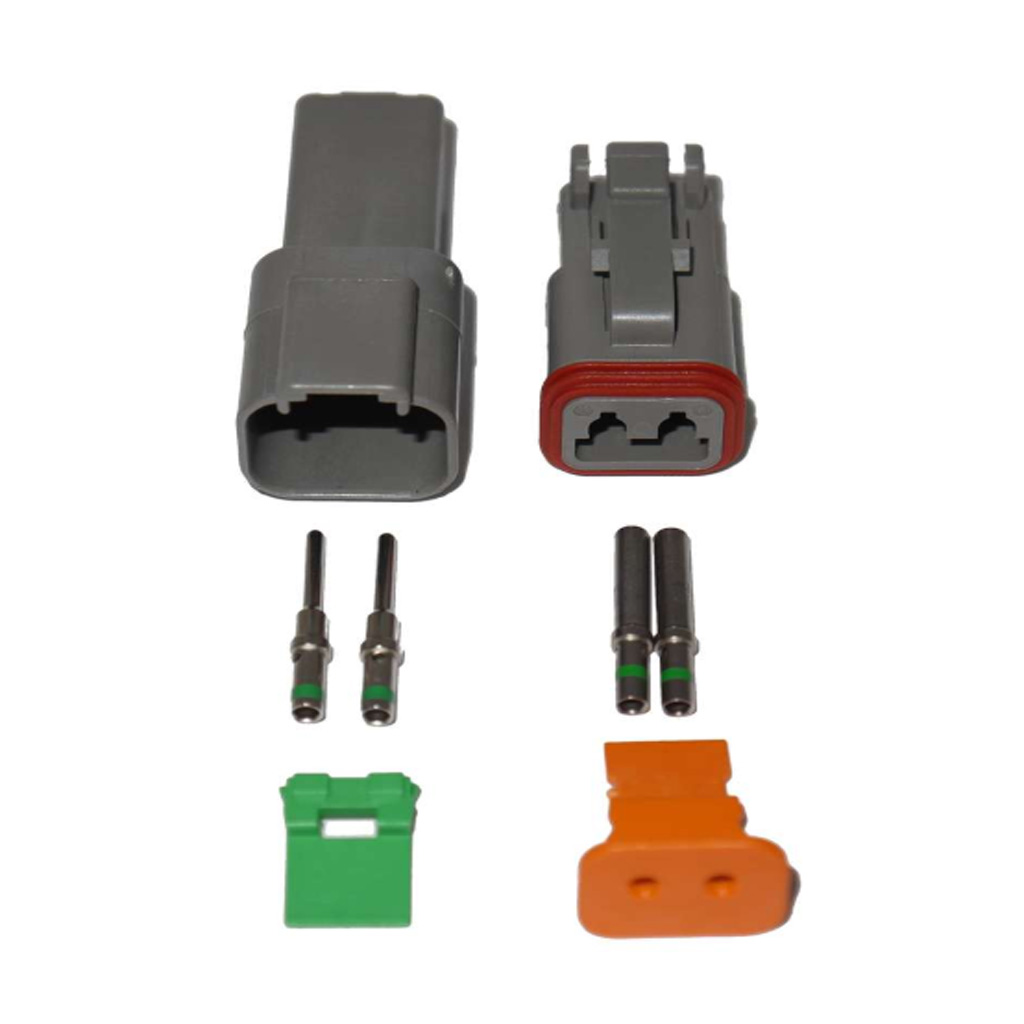
Check connector gender, housing size, terminal type and polarity before ordering. Two plugs may look similar while using different pin diameters or keyways. DC barrel plugs are a regular example, as common sizes can be close enough to insert but still make unreliable contact.
For Anderson connections, verify the connector series and current rating, rather than assuming every red housing mates with every other red housing. For battery terminal adaptors, confirm whether the installation uses standard posts, threaded studs, clamp terminals or a dedicated distribution block.
If a lead will be plugged and unplugged regularly, look for strain relief and a housing designed for repeated use. The cable should not be taking the pull load at the back of the plug.
Cable size and length affect performance
An adaptor lead can be electrically sound at 300mm and unsuitable at five metres. Longer cable runs create voltage drop, particularly with high-current loads. A fridge may still power up on undersized cable but cycle poorly once the battery voltage falls, while a pump may run slower and draw more current.
Cable selection depends on current, run length and allowable voltage drop. For short low-current leads, smaller automotive cable may be suitable. Higher-current circuits and longer runs need larger conductor area. The insulation also matters. Automotive-grade cable should tolerate heat, movement, abrasion and exposure common in engine bays, canopies, trailers and marine environments.
Fuse protection belongs close to the power source on any unfused positive supply lead. An adaptor does not remove the need for a fuse. Its purpose is to protect the cable if a fault or short circuit occurs, and the fuse rating must suit the cable capacity as well as the load.
Match the adaptor to the job
A camping setup often needs flexibility, but that does not mean joining multiple light-duty adaptors together. A battery box feeding a fridge, camp lights and charging outlets is better served by properly rated outlets and dedicated leads than a chain of plug converters.
In a caravan, consider where the lead runs and whether it can be pinched by slide-outs, drawers or compartment doors. External connections should be protected from water and dust, while exposed cable needs conduit, split tubing or other abrasion protection where required.
Marine installations need extra attention to corrosion resistance, cable support and moisture sealing. In workshops and service vehicles, adaptors are frequently handled, moved and shared between tools. Heavy-duty plugs, quality crimps and clear labelling reduce downtime and help prevent the wrong lead being connected to the wrong circuit.
For solar, use connectors intended for solar cable and outdoor exposure. A solar adaptor lead needs compatible connector types, correct polarity and cable sized for the panel current and run length. It should not be treated as a general-purpose battery lead.
Common adaptor mistakes that cause failures
The most expensive mistake is treating a physical connector conversion as a voltage conversion. The next is selecting a lead based on the plug at each end and overlooking the current rating in between. Thin conductors, poor crimps and loose socket contacts can all create heat long before a fuse blows.
Avoid using damaged leads with crushed insulation, green corrosion around terminals, loose housings or discoloured plugs. These signs point to moisture ingress, overload or poor contact. Replacing the affected adaptor is generally safer and faster than attempting a roadside repair with unsuitable terminals.
Also avoid assuming every 12V socket is rated the same. Factory accessory sockets, aftermarket outlets and portable power stations can have very different limits. Check the source circuit fuse and the outlet rating before adding a high-draw device such as an inverter, compressor or heated accessory.
A practical check before you buy
Before selecting an adaptor, confirm five details: the source voltage, accessory voltage, maximum current draw, connector type at both ends, and the required cable length. Then consider the environment – inside a cabin, under a canopy, on a drawbar, in an engine bay or exposed on a boat.
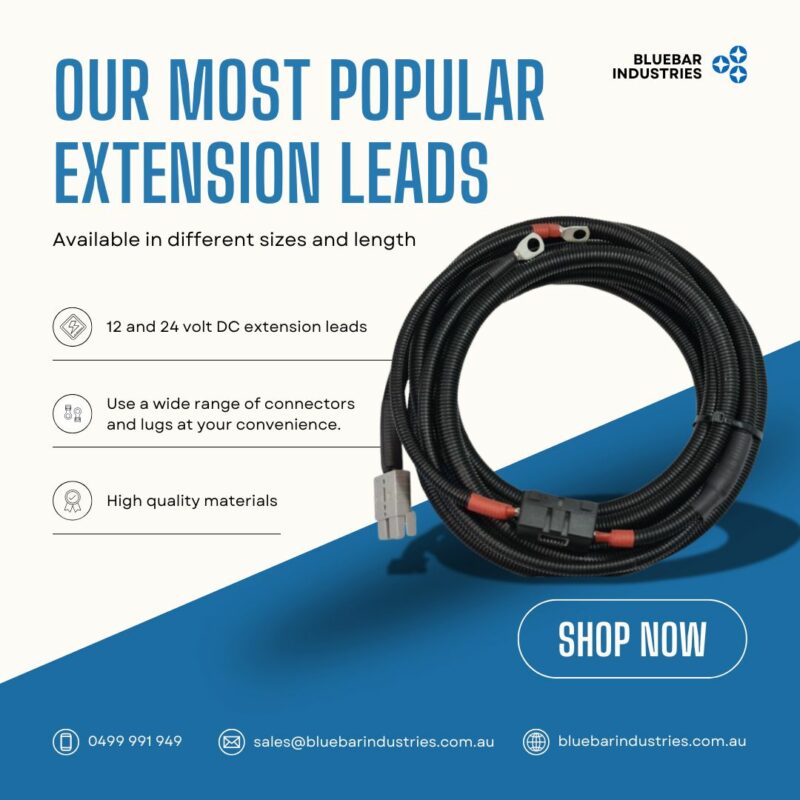
Where the setup is unusual, a custom lead can remove unnecessary joins and give you the connector, cable length, fuse arrangement and termination style the job requires. Bluebar Industries supplies purpose-built 12V and 24V leads alongside the connectors, cable and protection hardware needed to finish the installation properly.
A good adaptor should disappear into the job: it fits securely, carries the load without heat or voltage loss, and stays dependable when the road, weather or workday gets rough.