

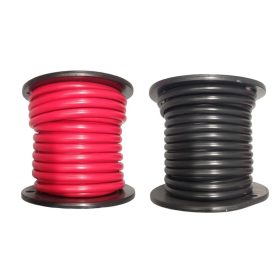
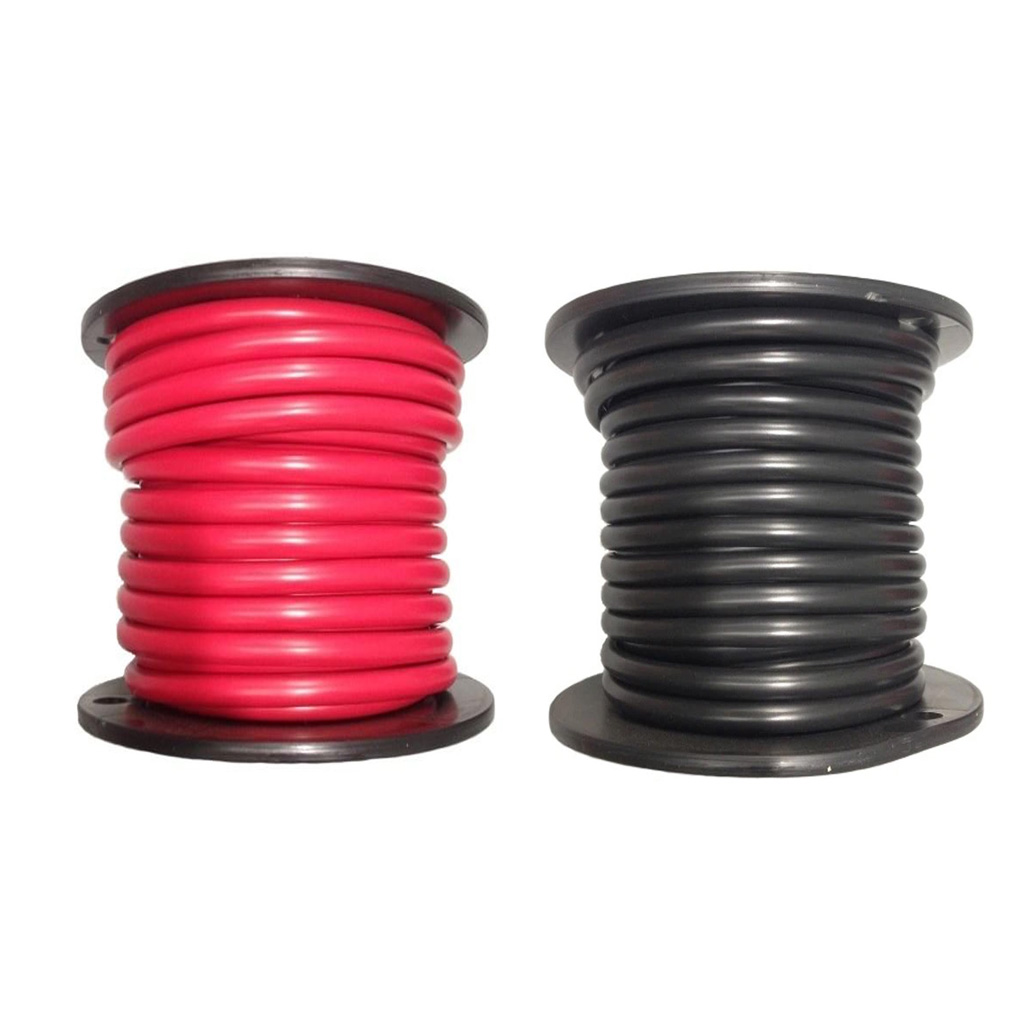
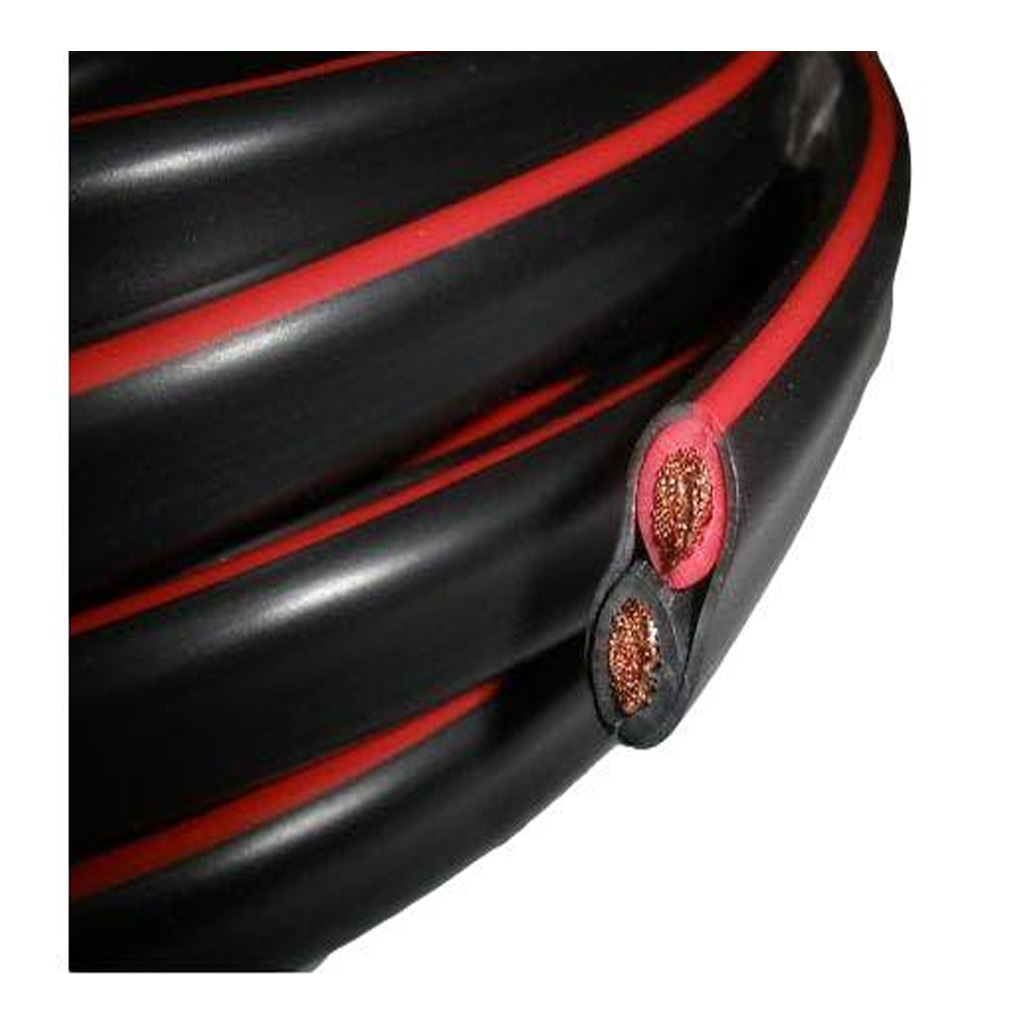
 Cable Automotive / Marine
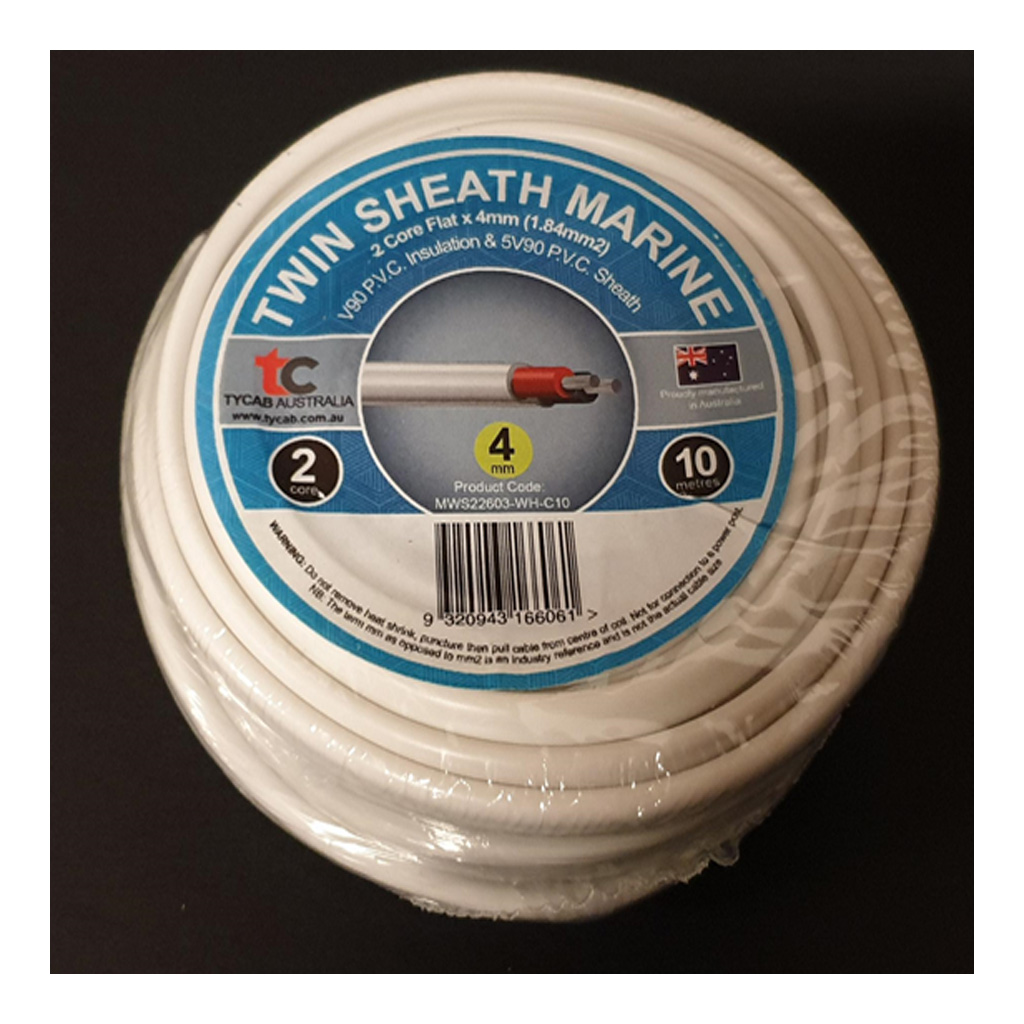
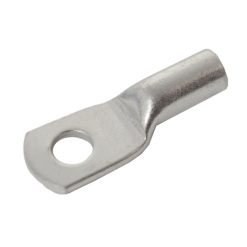
 Cable Lugs
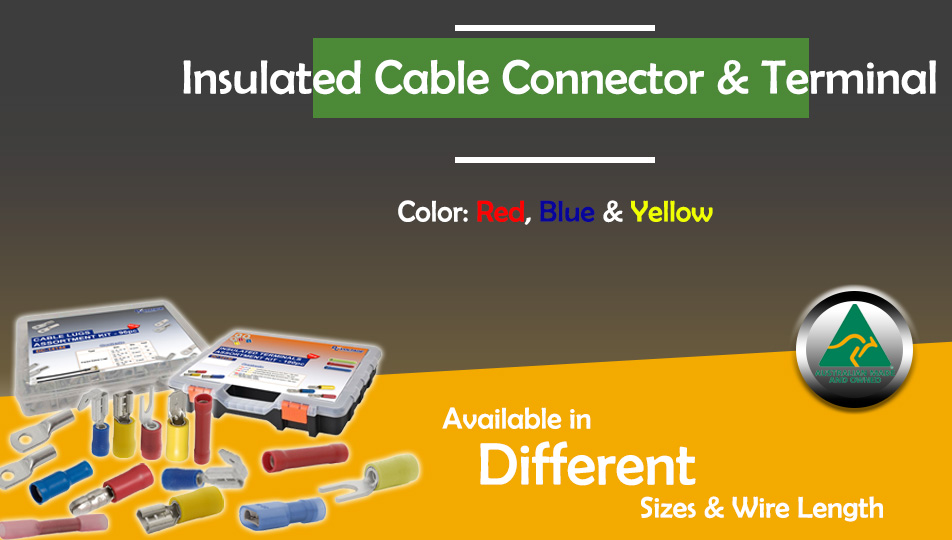
 Cable Lug Assortment Kits
 Cable Lugs Straight Wall Closed
 Cable Glands
 Convoluted Split Tubing
 12/24v Products & Access
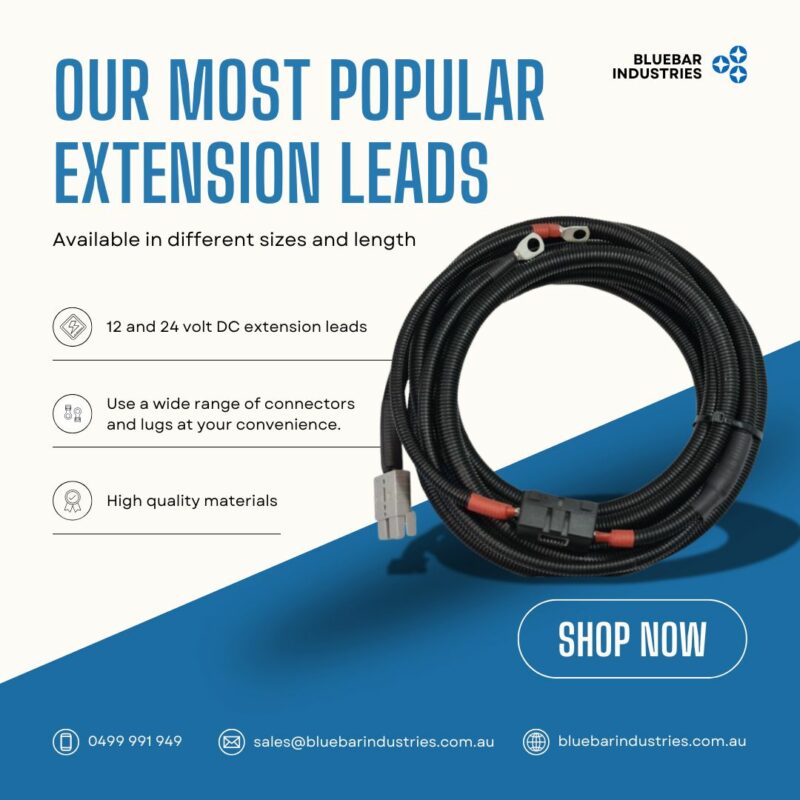
 Electrical Connectors
 Solar Powered Products
 LED Lights

 Tools


 Auto Parts & Categories

 Fittings
 Cleaning & Misc

 Clearance & Promotion
Latest News
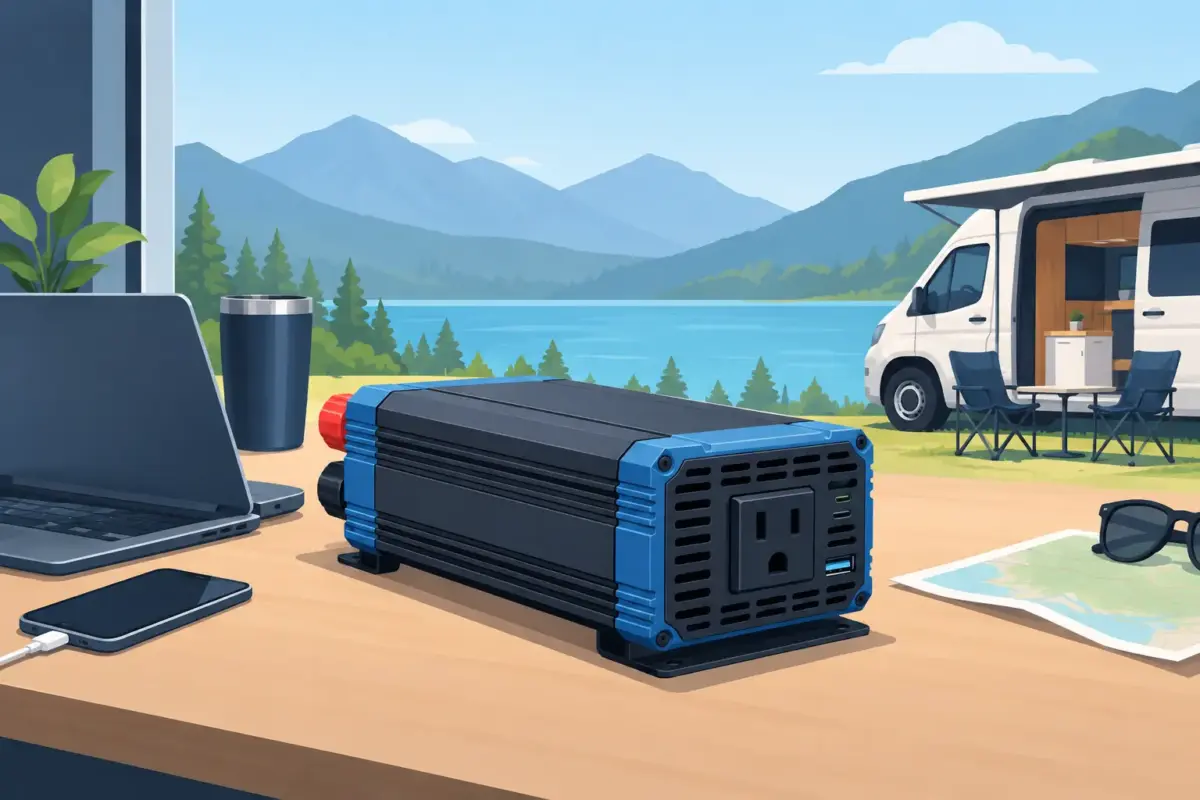
24V Inverter Review for Work and Touring
Nov
A 24V inverter review should start where most failures happen: at the load, the battery bank and the cabling. A unit that looks suitable on a spec sheet can still be the wrong choice for a truck sleeper cab, service ute, caravan, boat or remote worksite if it cannot handle motor start-up, has poor battery protection or is connected with undersized cable.
For 24V systems, an inverter can be a practical way to run 240V equipment without carrying a generator. The right unit will provide stable AC power for chargers, laptops, tools and site gear. The wrong one can flatten batteries quickly, trip under load, create electrical noise or leave costly equipment exposed to poor-quality power.
What a 24V Inverter Review Should Test
The headline wattage is only one part of the decision. A useful review looks at continuous output, surge capability, waveform quality, idle draw, protection functions and the installation requirements behind the unit. It also considers what the inverter will actually power, rather than assuming a higher wattage rating is always better.
A 1,000W inverter may be more than adequate for a laptop charger, battery chargers, camera gear and a small television. It will not necessarily run a 1,000W appliance continuously. Appliances with motors, compressors or heating elements can draw well above their stated running load during start-up. A fridge, grinder, drill or small air compressor may need a strong surge rating even when its normal power use appears modest.
The best starting point is to add the running watts of the equipment likely to operate at the same time, then allow a sensible margin. For motor-driven tools and refrigeration equipment, check the start-up requirement rather than relying on the label alone. If the inverter is for trade work, that margin is usually worth paying for.
Continuous power and surge power are different figures
Continuous power is the output an inverter can sustain without overheating or shutting down. Surge power is the short burst available to start demanding loads. Both figures need to be realistic and clearly stated.
Be cautious of cheap units that lead with a very large peak number while giving little detail about their continuous output. A claimed 3,000W peak rating is not much use if the inverter is only designed to deliver 1,000W continuously. For a work vehicle or off-grid setup, the continuous rating is normally the figure that determines whether the unit suits the job.
It also pays to look at the duty cycle of the appliance. Running a small grinder for a quick cut is different from operating it regularly through a full workday. Inverters generate heat under load, particularly when mounted in a confined toolbox, cupboard or engine-adjacent compartment with poor airflow.
Pure Sine Wave or Modified Sine Wave?
For most modern vehicle, marine and touring applications, a pure sine wave inverter is the sensible choice. Its output more closely matches mains power, making it better suited to sensitive electronics, modern battery chargers, medical equipment, audio gear and appliances with electronic controls.
Modified sine wave inverters can cost less and may operate basic resistive loads, such as some lights or simple heating equipment. The trade-off is that they can make chargers, fans and power supplies run hotter or noisier. Some appliances may not operate properly at all. If the inverter will be used for more than occasional, non-sensitive loads, the upfront saving can be false economy.
A pure sine wave unit does not remove the need to check compatibility. High-demand appliances such as kettles, induction cooktops, air fryers and coffee machines can draw substantial power. On a 24V battery system, a 2,000W AC load may require roughly 90A or more on the DC side once inverter losses are allowed for. Battery capacity, cable size and fusing need to support that current safely.
Battery Draw Matters More Than Many Buyers Expect
A 24V system reduces DC current compared with a 12V system for the same AC load, which is a major advantage in trucks, larger caravans, marine systems and industrial vehicles. Lower current can make cable sizing and voltage drop more manageable. It does not mean the battery bank has unlimited capacity.
As a simple guide, divide the AC load by 24V and then account for inverter efficiency. A 1,200W load may draw around 55A from the battery bank. Run that load for an hour and the system will use a meaningful amount of stored energy. Battery condition, usable capacity, temperature and other DC loads all affect real run time.
Idle consumption deserves just as much attention. An inverter left switched on overnight can consume enough power to matter, especially in a system with limited solar input or a battery bank already supporting fridges, lighting and communications. Look for a low no-load draw, an accessible on/off switch or remote panel, and low-voltage shutdown settings appropriate for the battery chemistry.
Lithium batteries can supply high current, but they still rely on a battery management system with adequate discharge capability. A large inverter can exceed the BMS limit and cause a shutdown even when the battery appears fully charged. With AGM and lead-acid batteries, voltage sag under load can trigger low-voltage cut-out earlier than expected. The battery, inverter and charging system need to be matched as one system.
Installation Is Part of the 24V Inverter Review
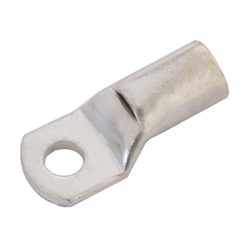
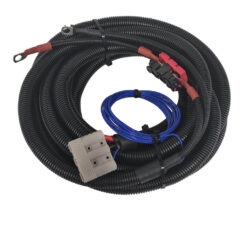
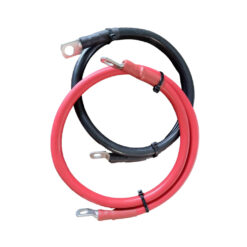
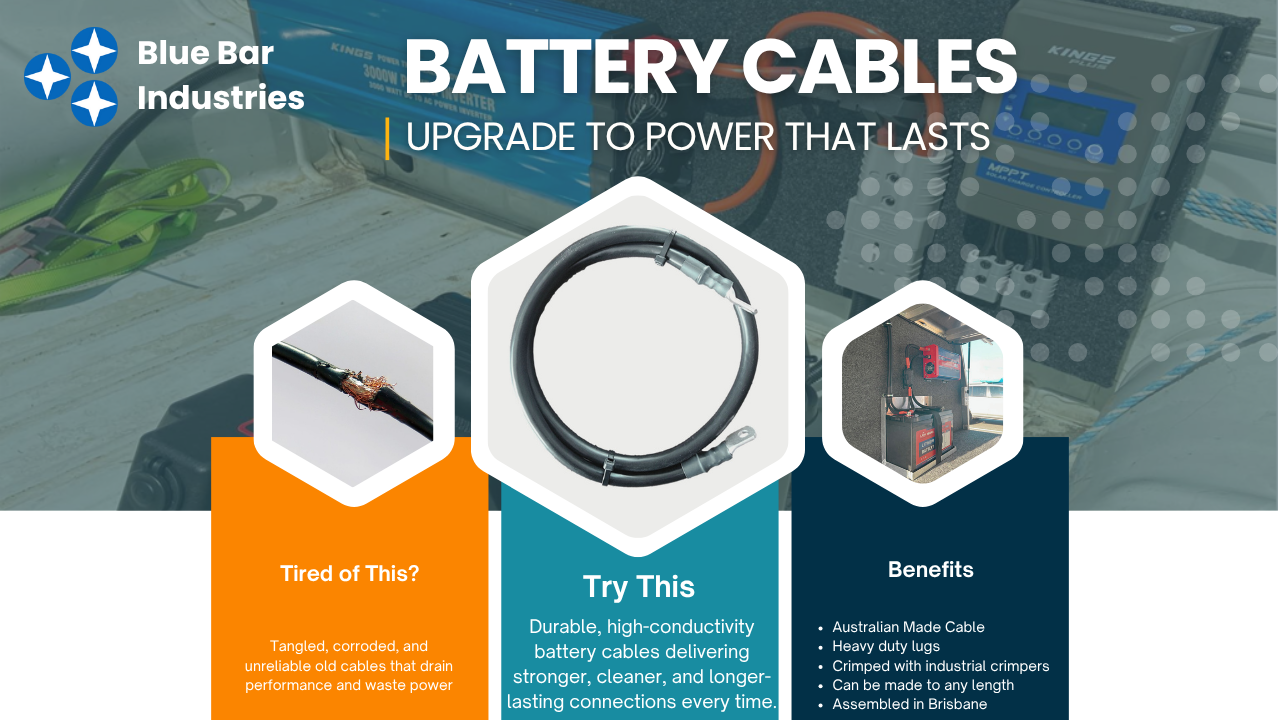
An inverter is only as reliable as its DC supply. Short, correctly sized battery cables, properly crimped lugs, secure terminations and correctly rated protection are not optional extras. Undersized cable creates voltage drop and heat, while loose connections can damage terminals and create a serious fire risk.
Fit the DC fuse or circuit breaker as close as practical to the battery positive terminal. Its rating must protect the cable while allowing the inverter’s expected current draw and surge behaviour. The negative return path must be equally capable, whether it runs directly to the battery bank or to a properly engineered negative busbar. Do not assume vehicle chassis return is suitable for every inverter installation.
Mount the inverter where it is dry, protected from impact and able to shed heat. Avoid sealed compartments, areas exposed to battery gases, and locations where ventilation openings can be blocked by recovery gear, bedding or stored tools. In a dusty work environment, inspect cooling fans and vents as part of routine maintenance.
The 240V side requires the same care. A portable appliance plugged directly into the inverter outlet is one thing. Fixed 240V outlets, changeover arrangements and connections to caravan or marine AC circuits are another. These installations must be designed and completed to the relevant Australian requirements by a qualified electrician. Never back-feed an inverter into a vehicle, caravan or building power circuit.
Protection Features Worth Paying For
A dependable inverter should protect itself and the connected system when conditions are outside normal limits. Low-voltage alarm and shutdown, overload protection, over-temperature shutdown, short-circuit protection and high-voltage cut-out are core functions, not luxury features.
Remote switching can be particularly useful when the inverter is installed in a canopy, under a bunk or inside a service body. It prevents the unit being left on unnecessarily and gives the operator an easy way to isolate AC power. A clear display showing input voltage, output load and fault codes also speeds up fault-finding when a system is working away from mains power.
For fleet, trade and remote-area use, consider serviceability as well. A unit with sensible terminal access, clear manuals, available remote panels and local warranty support is easier to live with than an oversized no-name inverter with vague specifications.
Choosing the Right Size for the Job
For light touring use, a 600W to 1,000W pure sine wave inverter can cover charging, communications and small appliances without making excessive demands on the battery bank. Around 1,500W to 2,000W suits more serious touring rigs, mobile workshops and larger battery systems where occasional tool use is expected.
Higher-capacity inverters are best reserved for systems designed around them. Once loads move into the 2,000W to 3,000W range, the DC current, cable requirements, battery discharge rating and charging capacity all become more critical. A larger inverter is not automatically more useful if the batteries cannot support it or if its idle draw is excessive for the application.
For trucks and commercial vehicles, check the real voltage range of the electrical system. A nominal 24V vehicle can see higher voltage while charging, so the inverter must be rated to accept that range. For marine and off-grid systems, think through charging sources too: alternator charging, solar input, shore power chargers and generator backup should all support the expected energy use.
A worthwhile inverter is not the one with the biggest number printed on the carton. It is the unit with clean output, honest continuous power, usable surge capacity and protection that matches a properly built 24V system. Select the inverter after calculating the load, then build the cabling, fusing and battery capacity around the job it has to do. For the cables, connectors and protection hardware that make that installation dependable, choosing fit-for-purpose components from a specialist supplier such as Bluebar Industries is time well spent before heading off-road or back to site.