

 Cable Automotive / Marine
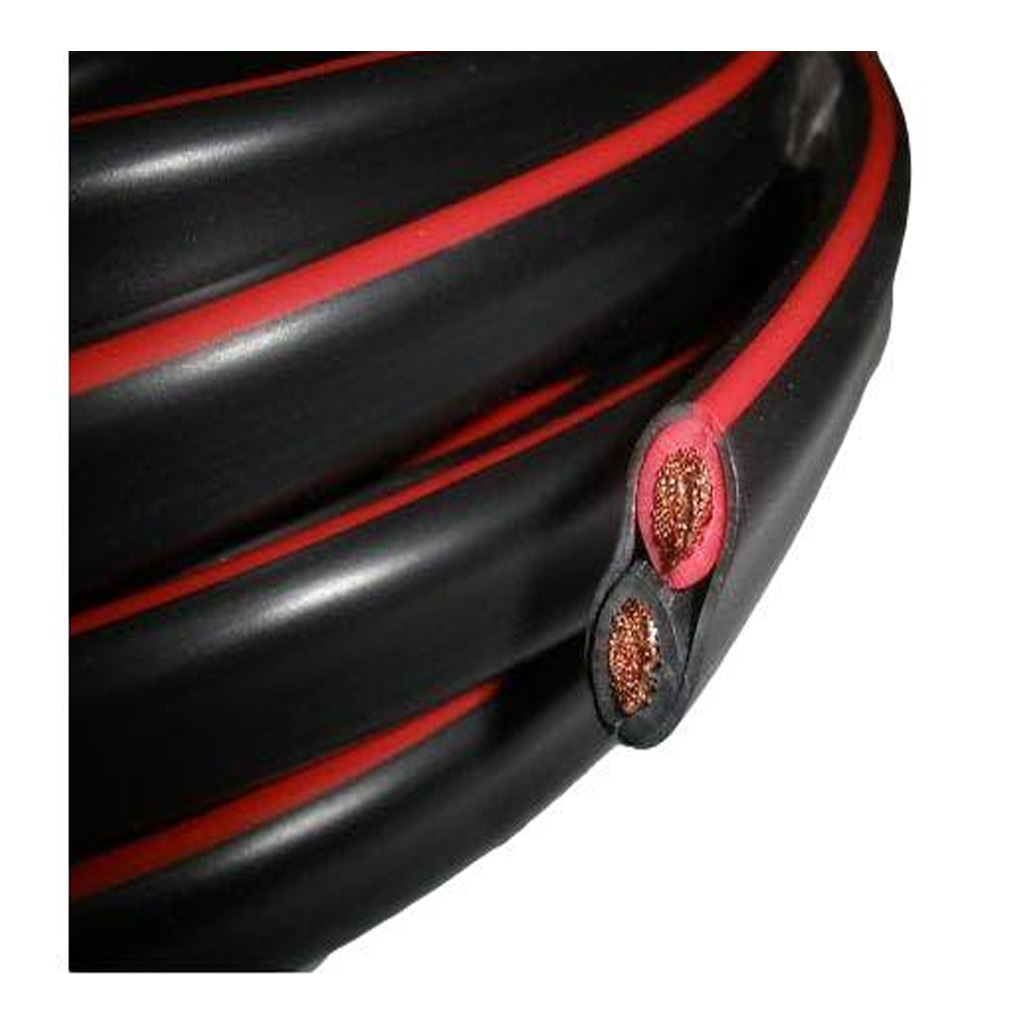
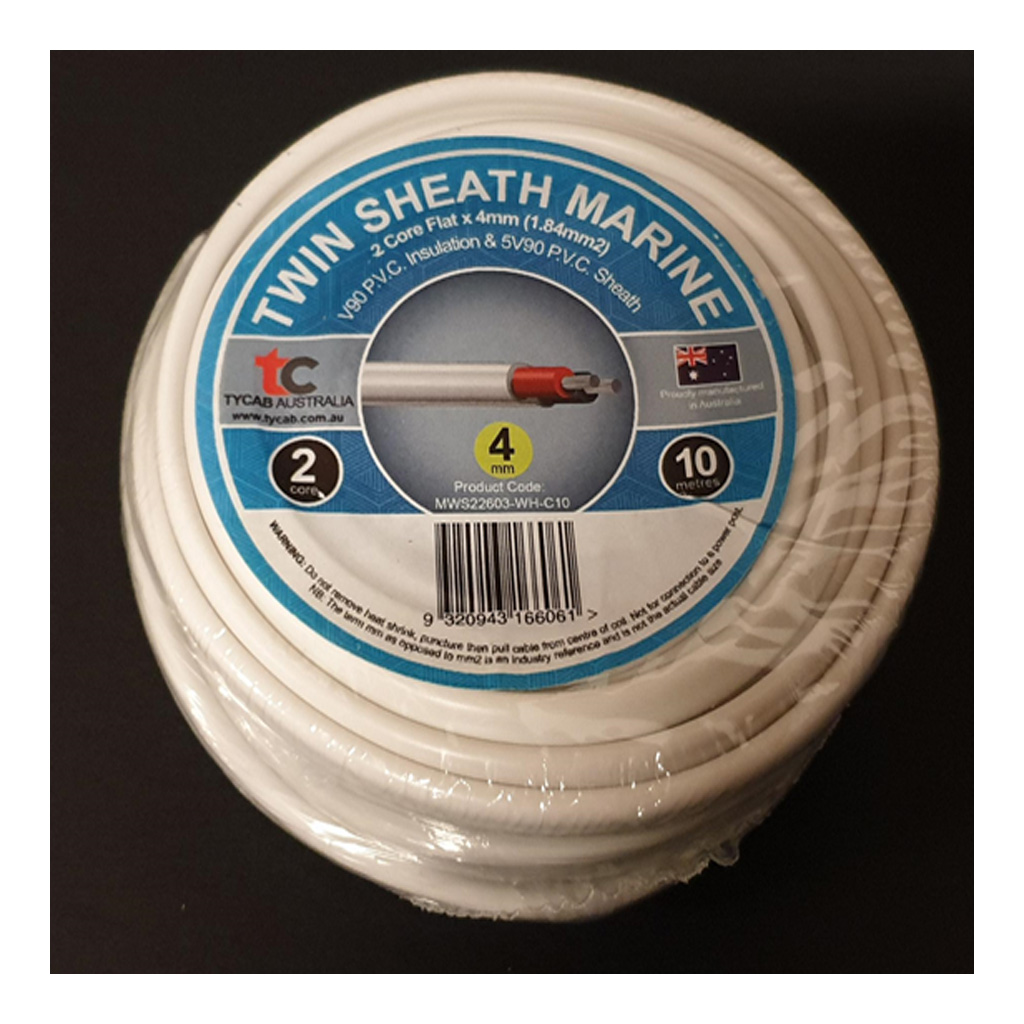
 Cable Lugs
 Cable Lug Assortment Kits
 Cable Lugs Straight Wall Closed
 Cable Glands
 Convoluted Split Tubing
 12/24v Products & Access

 Electrical Connectors

 Solar Powered Products
 LED Lights

 Tools





 Auto Parts & Categories

 Fittings


 Cleaning & Misc

 Clearance & Promotion
Latest News
Best Marine Battery Switches for Boats Reviewed
Jul
A battery switch is a small component with a big job. It gives you a controlled way to isolate battery power, select between battery banks and reduce the chance of a flat start battery after a day on the water. The best marine battery switches for boats are not necessarily the biggest or most expensive units. They are the switches correctly matched to the boat’s battery layout, cable size, loads and operating routine.
For a tinnie with one starting battery, a simple isolator may be all that is needed. A larger cruiser with house loads, a fridge, electronics, an anchor winch and a charging system needs a more deliberate arrangement. Choosing the wrong switch can create voltage drop, leave essential circuits unprotected or encourage the operator to switch a charging alternator off under load.
Why a marine battery switch matters
A proper battery switch provides a positive break in the main battery cable. That makes it useful for storage, maintenance, emergency isolation and managing separate start and house banks. It also helps prevent small parasitic loads from flattening a battery while the boat is parked at the ramp, on a trailer or in a marina berth.
Marine use is harder on electrical gear than most vehicle installations. Salt air, vibration, moisture and confined battery compartments all work against terminals and housings. A switch that is suitable for a dry camper trailer may not be the right choice near an inboard engine bay or a wet locker. Look for a marine-rated unit with corrosion-resistant terminals, a durable housing and clear current ratings rather than relying on a generic rotary isolator.
A battery switch is not a substitute for correctly sized fuses or circuit breakers. The main feed to a distribution panel, inverter, charger or high-current accessory still needs appropriate circuit protection close to the battery. The switch controls isolation. Fusing protects the cable if a fault develops.
Choosing the best marine battery switches for boats
The right style depends on how many batteries you have and what each one does. Start by drawing the system on paper: batteries, engine, outboard, house circuits, chargers, solar regulator, DC-DC charger and high-current equipment. This quickly shows where isolation and battery selection are actually required.
Single-circuit on-off switches
An on-off battery isolator is the straightforward option for one battery or one dedicated circuit. It is common on small boats with a single start battery, or as an individual isolator for a house bank, electric motor, winch or auxiliary circuit.
The advantage is simplicity. Turn it on to operate the circuit and off to isolate it. With separate on-off switches for start and house batteries, each bank can be isolated independently. That arrangement can be easier to understand and diagnose than a multi-position selector switch.
Check that the switch’s continuous current rating exceeds the normal operating current of the circuit, with enough margin for sustained loads. A starting circuit also needs an adequate cranking or intermittent rating. A switch that looks substantial but has a low intermittent rating can become a weak point when a large outboard or diesel starter draws current.
One-two-both-off selector switches
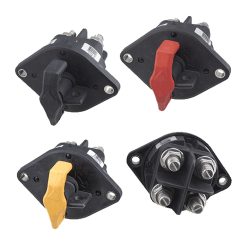
A traditional one-two-both-off switch lets you select battery 1, battery 2, both batteries or off. It suits boats with two similar batteries where either bank may need to start the engine. In an emergency, the both position can combine available capacity for starting.
This arrangement remains practical, but it needs disciplined use. If the switch is left on both all the time, house loads can drain both batteries together. It also defeats much of the benefit of having a reserve start battery. Owners need to understand which battery is selected before running accessories at anchor.
Where an alternator is charging, choose a switch designed for make-before-break operation between battery positions. This helps avoid momentarily disconnecting the alternator while moving from battery 1 to battery 2. Even then, do not rotate a battery selector to off with the engine running unless the switch and charging system instructions specifically allow it. An alternator can be damaged if its output suddenly loses battery connection.
Dual-circuit switches with emergency combine
For many modern recreational boats, a dual-circuit on-off switch with an emergency combine function is a cleaner option. One switch controls the start bank, another controls the house bank, and a temporary combine function can connect them when extra starting support is needed.
This keeps normal loads separated without requiring the operator to constantly choose battery 1 or 2. Pair it with a voltage-sensitive relay, DC-DC charger or other suitable charging method and the engine can charge the start battery while maintaining the house bank according to the system design. It is a good fit for boats carrying fridges, sounders, chartplotters, radios and lighting that should not compromise engine starting.
The trade-off is extra wiring and a need to plan charging paths properly. A dual-battery system should be designed as a system, not assembled from unrelated parts.
Remote and high-current isolation
Larger vessels or installations with batteries located away from the helm may benefit from remote-controlled battery switches or contactors. These allow isolation from a convenient position and can be integrated with shutdown systems. They are useful, but they add components and potential fault points, so they should be selected and installed with the same care as any other high-current device.
For bow thrusters, anchor winches, large inverters and electric propulsion equipment, use a switch specifically rated for that load. Do not assume a standard start-battery switch will handle a winch’s sustained current draw. Check both continuous and intermittent ratings, then match the cable, lugs, fuse protection and switch terminals to the full circuit capacity.
Current ratings, voltage and cable compatibility
Marine battery switches are commonly available for 12V and 24V systems. Voltage rating matters, but current rating is usually the deciding factor. A 24V system may draw lower current for the same power than a 12V system, yet its switch must still be rated for the voltage and actual load involved.
Use the continuous rating for normal sustained demand, such as inverter use or a house distribution feed. Use the cranking or intermittent rating for engine-start circuits. When in doubt, allow a sensible margin rather than selecting at the exact calculated number. Hot engine bays and enclosed compartments are not kind to undersized electrical equipment.
Terminal studs must suit the cable lugs without forcing, stacking too many connections or leaving poor thread engagement. Heavy marine cable needs properly crimped lugs, heatshrink protection and clean, tight connections. A high-quality switch cannot compensate for undersized cable or corroded terminals.
Marine installation details that prevent trouble
Mount the switch where it can be reached quickly but is protected from direct spray, physical damage and accidental operation. It should be close enough to the battery bank to limit the length of unprotected main cable, while still allowing safe cable routing and service access. Keep the switch label visible so anyone on board can identify what it controls.
Use cable protection wherever wiring passes through bulkheads, lockers or sharp-edged metal. Support heavy cables so their weight is not hanging from the switch studs, particularly in rough-water boats. Cover exposed positive terminals with insulating boots or covers to reduce accidental short-circuit risk.
If the switch is installed in a petrol engine compartment or another area where fuel vapours may be present, check the required ignition-protection rating for the location and vessel. This is not an area for guesswork. Follow the switch manufacturer’s installation instructions and relevant marine electrical requirements, and use a qualified marine electrician where the system is beyond a straightforward replacement.
Before putting the boat back into service, test every position with a multimeter and confirm the intended battery bank powers the intended loads. Start the engine, verify charging voltage at each battery and check that the emergency-combine function works only as intended. A five-minute test at the ramp is better than finding a wiring error when the weather turns.
Common questions about boat battery switches
Should I switch the battery off after every trip?
Usually, yes, if the boat is stored and there is no reason to keep circuits live. Isolating the batteries reduces parasitic drain and makes a fault less likely to cause damage while the boat is unattended. If an automatic bilge pump, security device or charger needs permanent power, wire that essential circuit correctly with its own protection rather than leaving the entire boat energised.
Can I use one battery switch for two batteries?
You can, but the switch type and system purpose matter. A one-two-both-off selector can manage two batteries, while a dual-circuit switch keeps start and house batteries separated more consistently. For boats with dedicated house loads, separate isolation and a controlled charging arrangement are generally easier to live with.
Does a battery switch replace a battery isolator?
In marine language, the terms are often used interchangeably. The practical question is whether the device is rated to isolate the relevant battery circuit safely and whether it has the right switching positions for your setup.
When selecting marine electrical gear, start with the battery layout and the largest real load, not the switch knob style. Bluebar Industries can help supply the cable, lugs, battery accessories and protection components needed to build a tidy system around the switch. A clear layout, correctly rated hardware and careful termination will do more for dependable power on the water than any single component chosen in isolation.