

 Cable Automotive / Marine

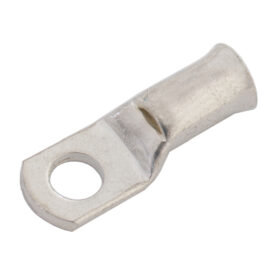 Cable Lugs
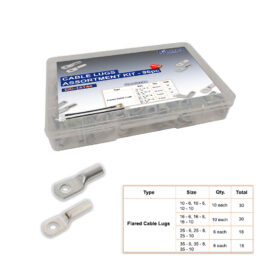 Cable Lug Assortment Kits
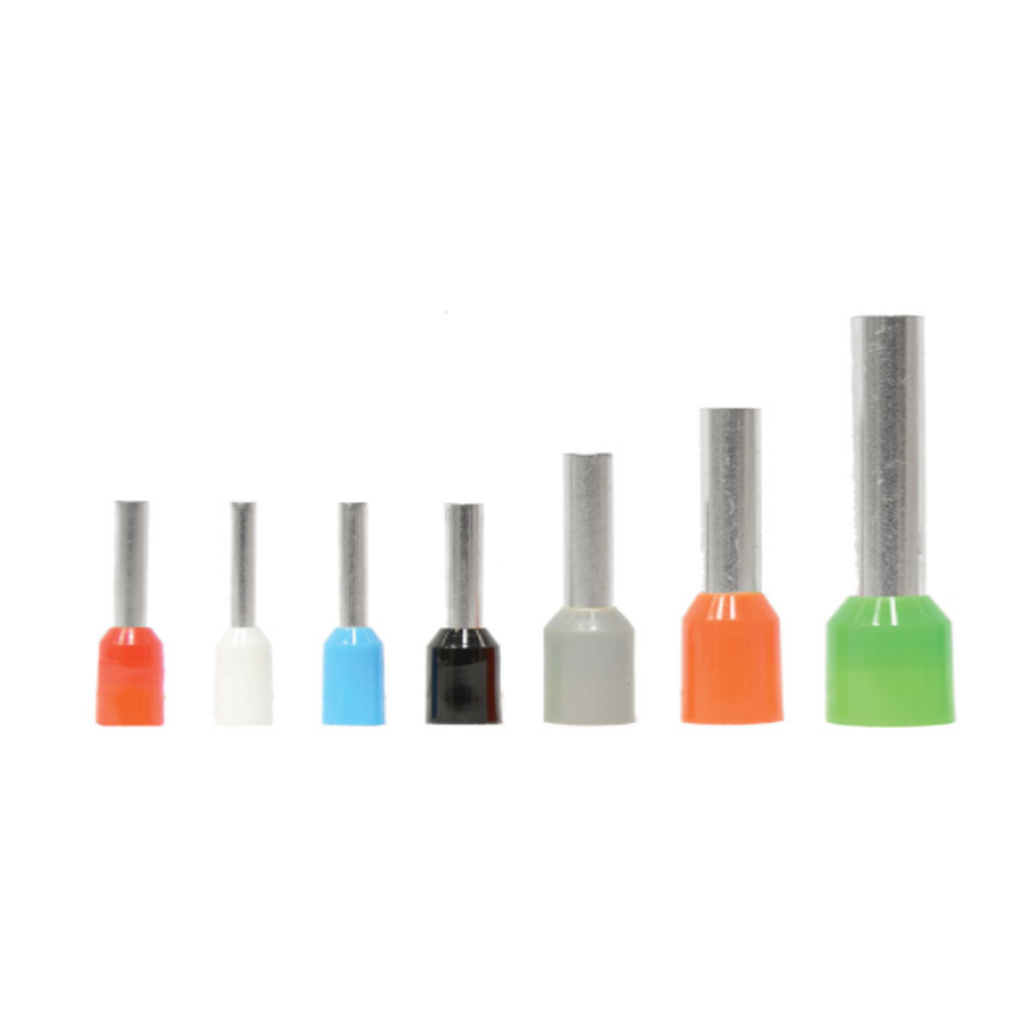
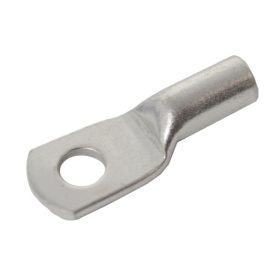 Cable Lugs Straight Wall Closed
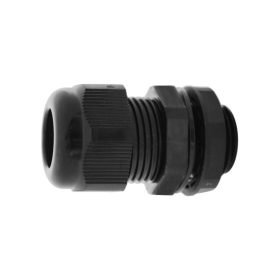 Cable Glands
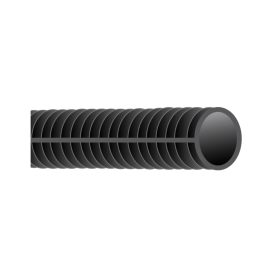 Convoluted Split Tubing
 12/24v Products & Access

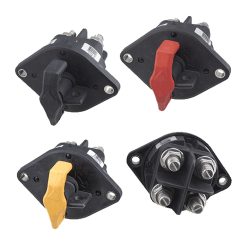
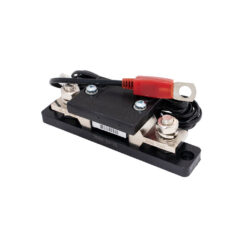
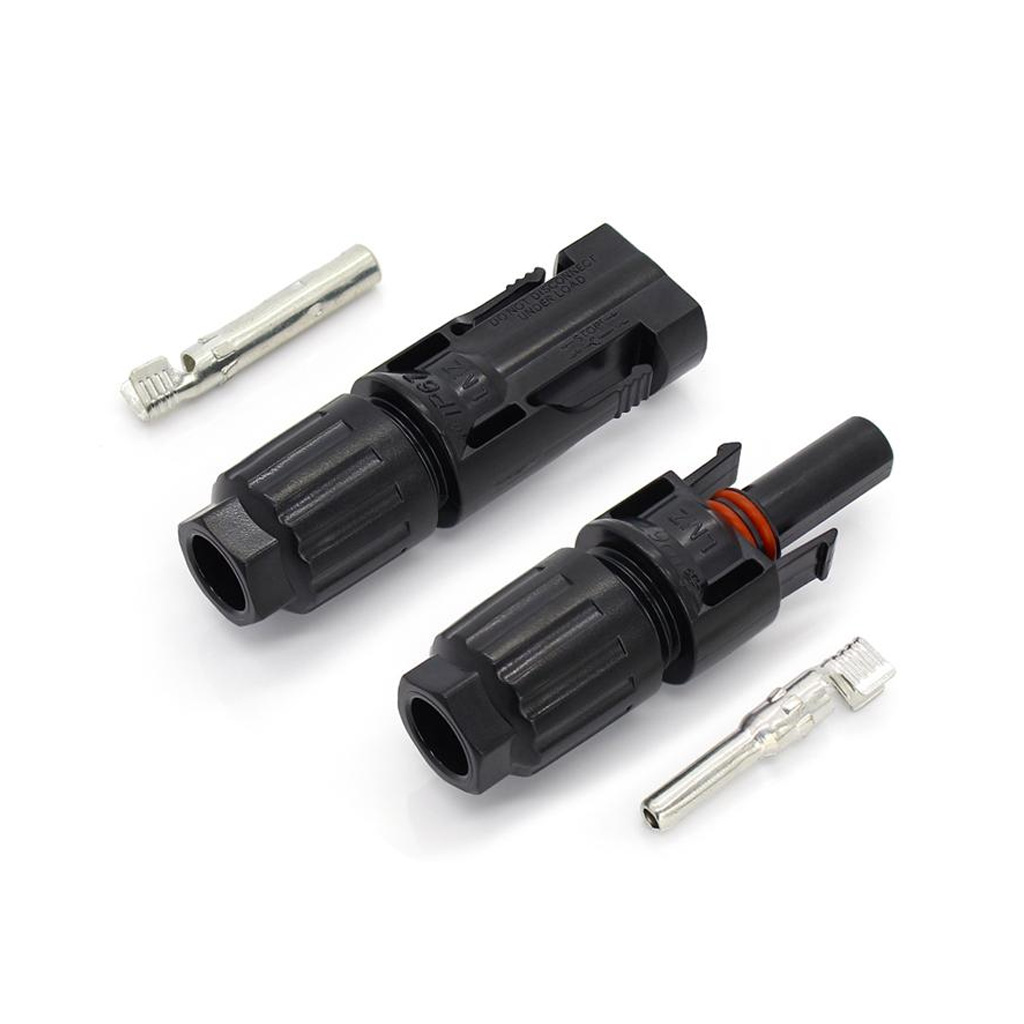
 Electrical Connectors

 Solar Powered Products
 LED Lights

 Tools





 Auto Parts & Categories

 Fittings


 Cleaning & Misc

 Clearance & Promotion
Latest News
How to Connect a 12V Fridge Safely in a 4WD
Jul
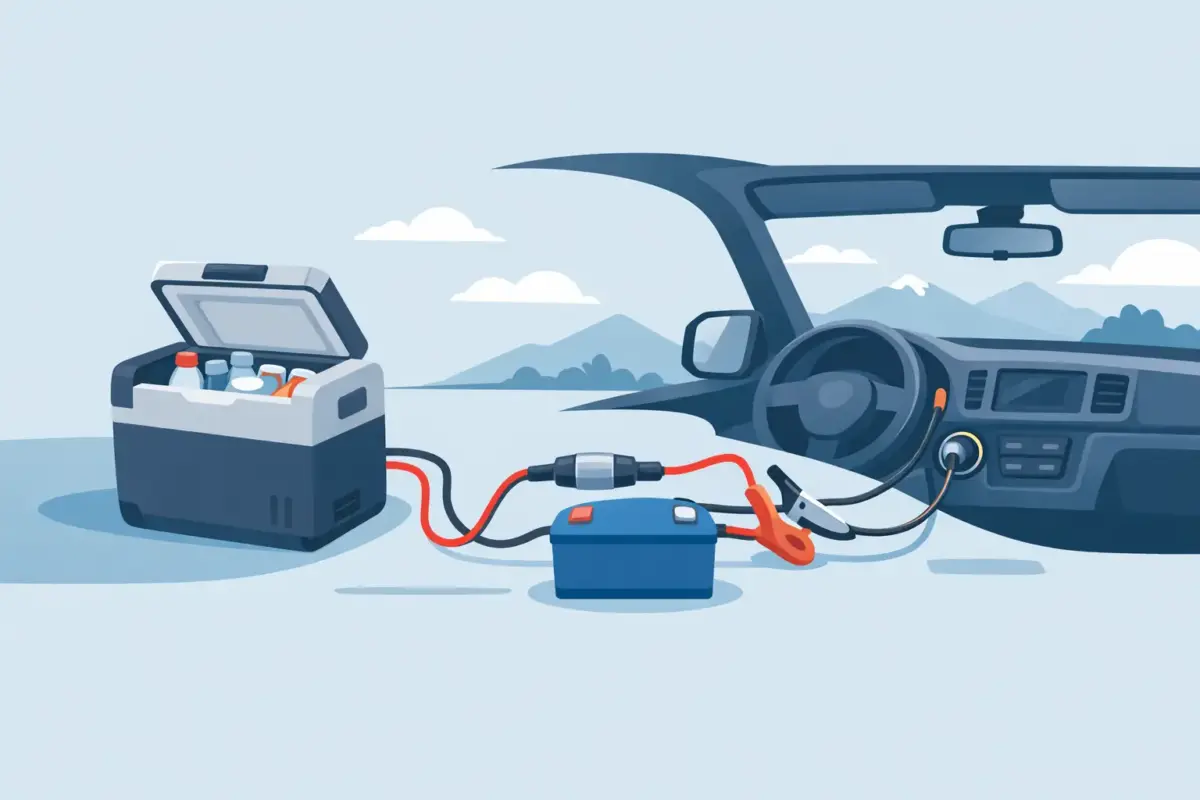
A fridge cutting out on a corrugated track or overnight at camp is rarely a fridge problem. More often, it is voltage drop, an undersized lead, a loose connection or a battery that was never set up to run loads. Searches for how to connect 12V fridge safely often focus on the plug, but a dependable installation starts at the battery and considers the entire circuit.
A 12V compressor fridge needs a stable supply to protect food, battery capacity and the fridge compressor. Whether it is fitted in a 4WD drawer system, caravan, camper trailer, boat or work vehicle, use components sized for the load and route the wiring so it can handle vibration, heat and regular use.
Start with the right power source
For touring vehicles and caravans, connect the fridge to an auxiliary battery wherever possible. A fridge can run from the start battery for short stops, but leaving it there at camp risks flattening the battery needed to start the vehicle. A properly managed dual-battery system keeps fridge loads separate from starting duties and can be charged by a DC-DC charger, solar input or mains charger as required.
Check the fridge data plate or manual before selecting cable, fuse and connectors. The stated current draw is a useful starting point, but compressor fridges can pull a higher current when the compressor starts. Ambient temperature, thermostat setting, cabinet ventilation and how often the lid is opened will also affect daily power use.
If the fridge is marked 12/24V, confirm which voltage your system supplies. Do not assume a 24V fridge circuit can be connected to a 12V outlet, or the other way around. Some fridge power leads have built-in electronics or low-voltage protection, so retain the manufacturer-supplied lead where practical and inspect it for damage before installation.
Fit a fuse close to the battery
Every positive cable feeding a fridge should be fused as close as practical to the battery or distribution point. The fuse protects the cable if it is rubbed through, crushed or shorted to the vehicle body. Without it, the battery can deliver enough current to overheat cable insulation, damage equipment or start a fire.
Select the fuse to protect the cable while allowing normal fridge operation. Follow the fridge manufacturer’s recommendation where one is provided, then ensure the cable size supports that fuse rating. A fuse should not be increased simply because it blows. Find the cause first, which may be a damaged lead, wrong cable size, poor connector or a compressor issue.
Use a quality fuse holder with a secure cover and connections suited to the cable lug or terminal. Mount it where it remains accessible for inspection but is protected from water, battery acid and accidental contact with tools. In a caravan or marine environment, corrosion-resistant terminals and heatshrink are worth the extra effort.
Choose cable for voltage drop, not just current
A fridge may appear to draw only a few amps, but cable length matters. Long, thin cable creates resistance, and resistance causes voltage drop. By the time power reaches a fridge in the rear of a wagon, canopy or caravan, the voltage may be low enough for the fridge’s battery protection to shut it down even though the battery still has charge.
Measure the full cable run from battery to fridge, including both the positive and negative paths. Do not measure only the distance from the battery to the cargo area. Longer runs generally need larger cable, especially where the fridge is installed at the rear of a 4WD or supplied through a caravan drawbar and body.
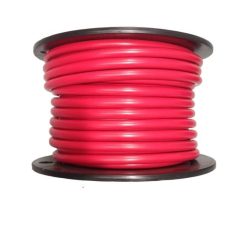
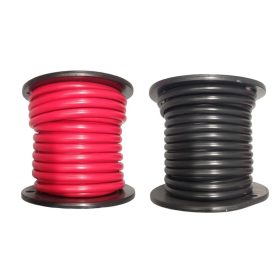
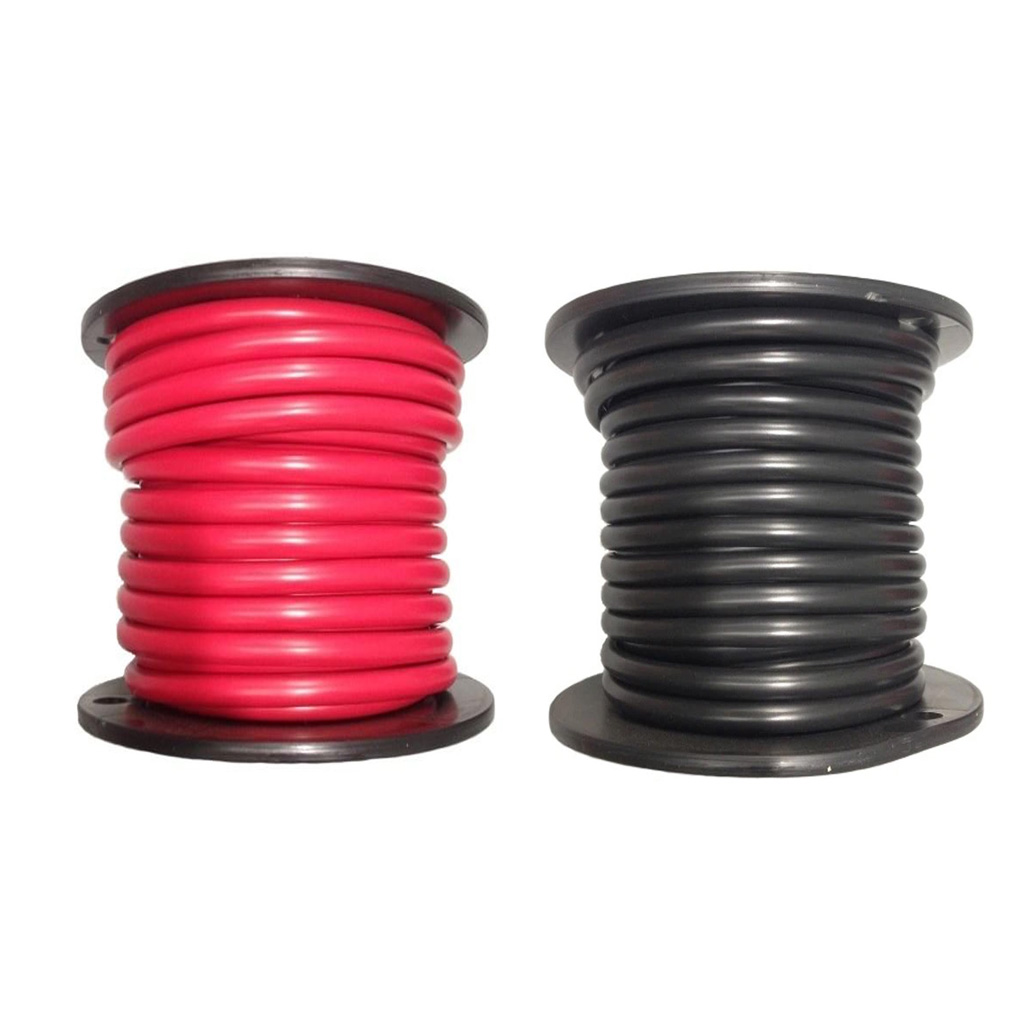
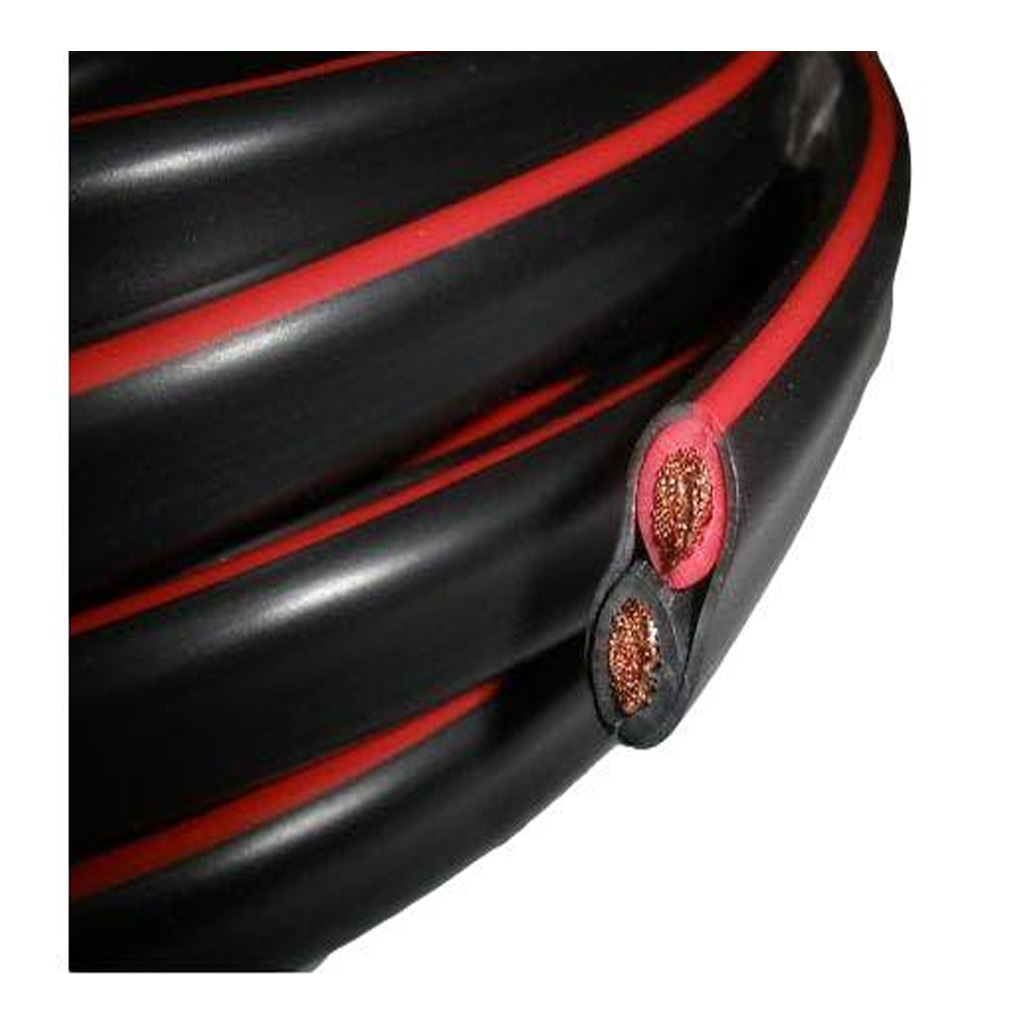
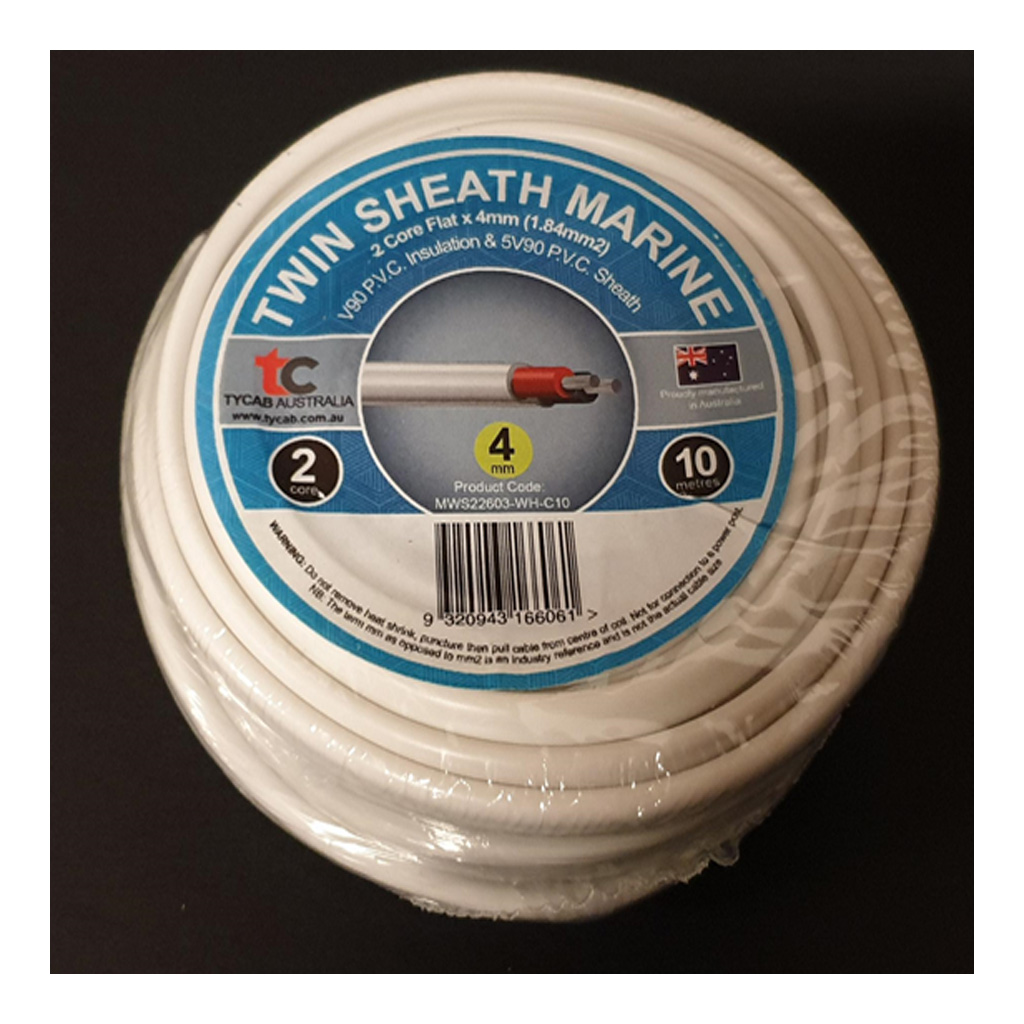
For many dedicated fridge circuits, automotive twin cable in the 4mm² to 6mm² range is a sensible starting point, but it is not a one-size-fits-all rule. A short run to a small fridge may need less, while a long run, high-current fridge or circuit with multiple outlets may need more. Work from the fridge current, cable length and acceptable voltage drop. If there is any doubt, stepping up cable size is usually cheaper than chasing intermittent fridge faults later.
Avoid relying on thin factory accessory wiring, cigarette-lighter wiring or lightweight extension leads for a permanent fridge installation. They are common sources of heat, poor contact and low-voltage cut-outs. Use automotive-grade cable with insulation suited to heat, abrasion and oil exposure.
Use a connector built for the job
The connection at the fridge needs to carry current without loosening under vibration. A cigarette-style plug can be convenient, but it is not always the best choice for rough-road touring. Its spring contact can lose tension, and some sockets are supplied by undersized wiring.
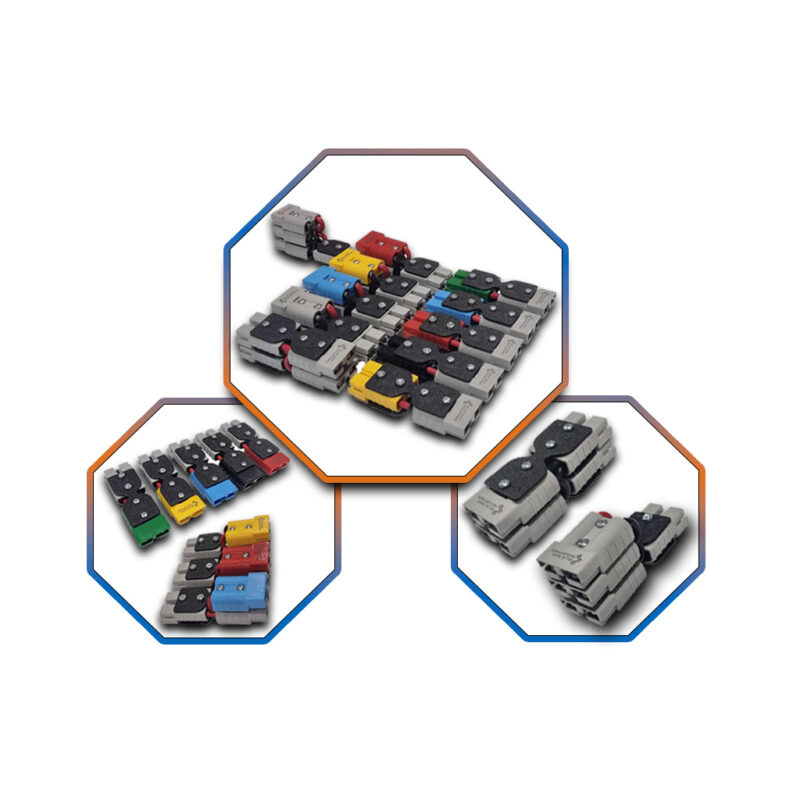
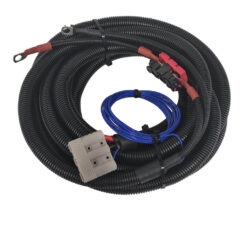
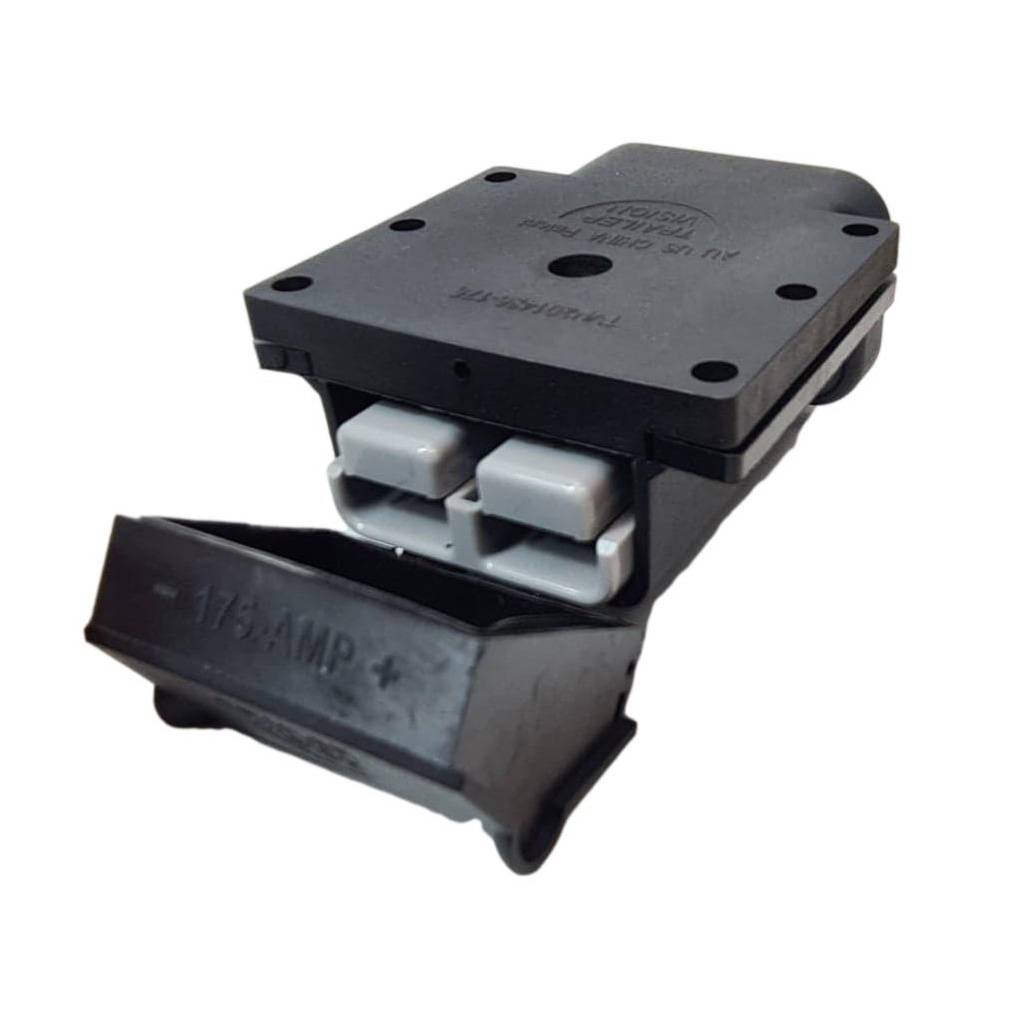
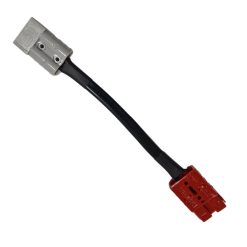
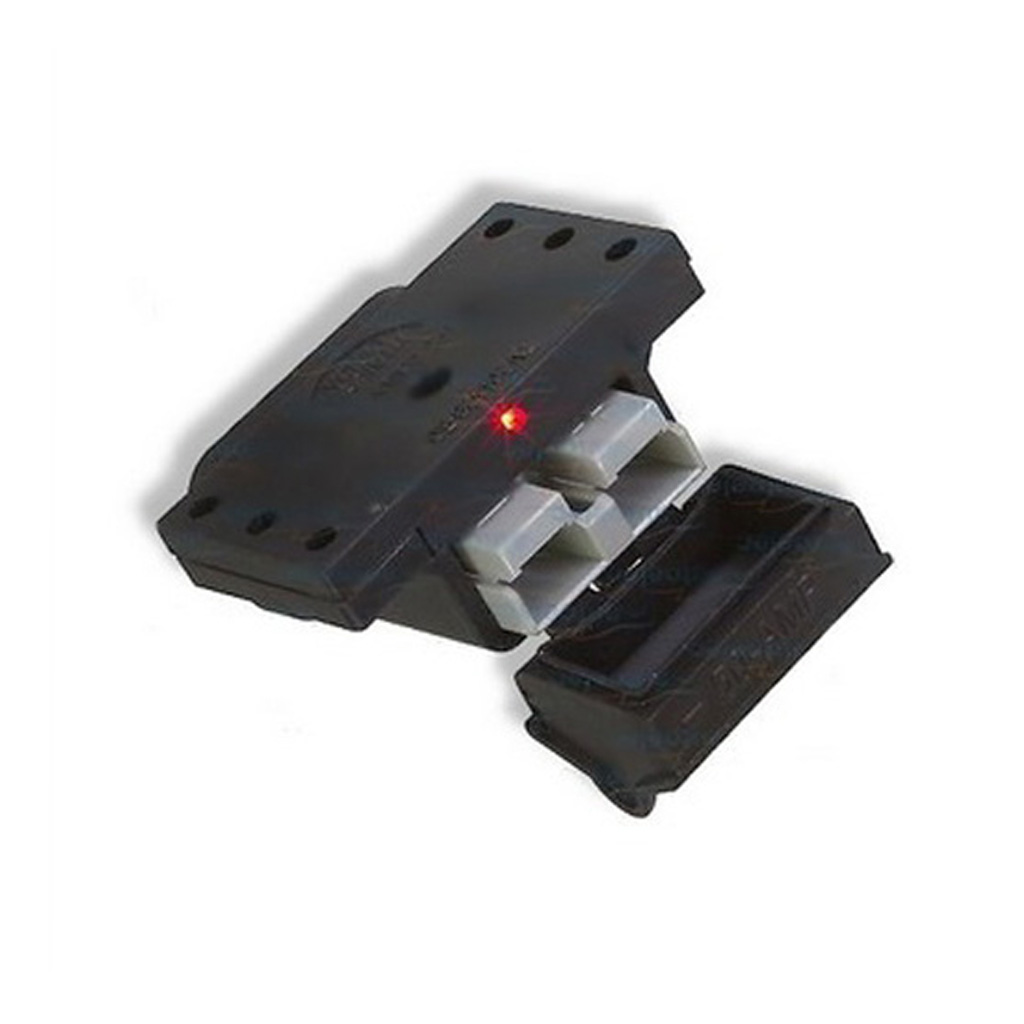
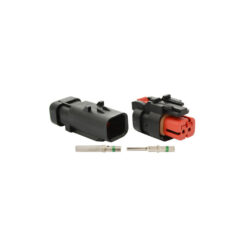
A merit-style socket provides a firmer low-current connection where compatible with the fridge lead. Anderson-style connectors are a strong choice for dedicated removable fridge leads, higher-current circuits and canopy or caravan power distribution. They provide a positive connection and are well suited to quality cable when correctly crimped.
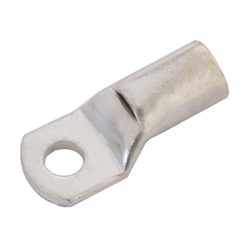
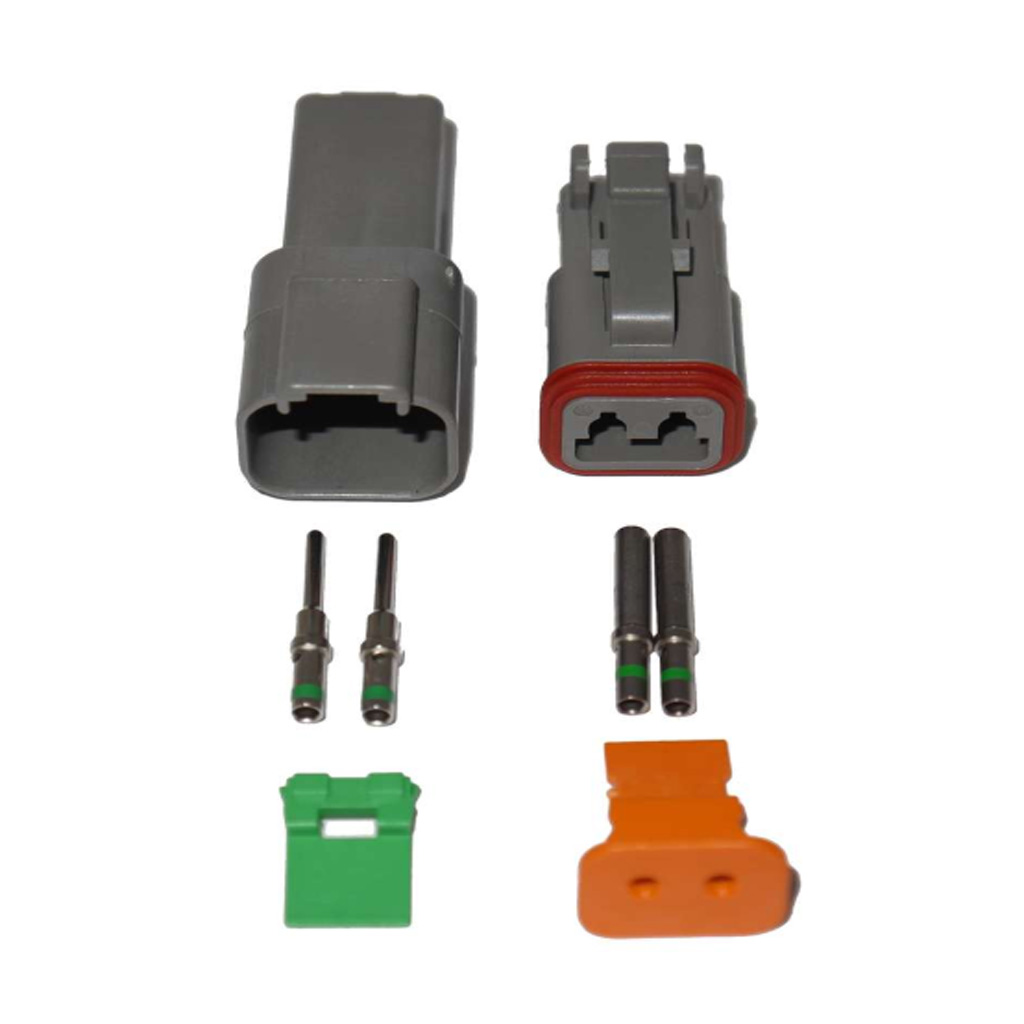
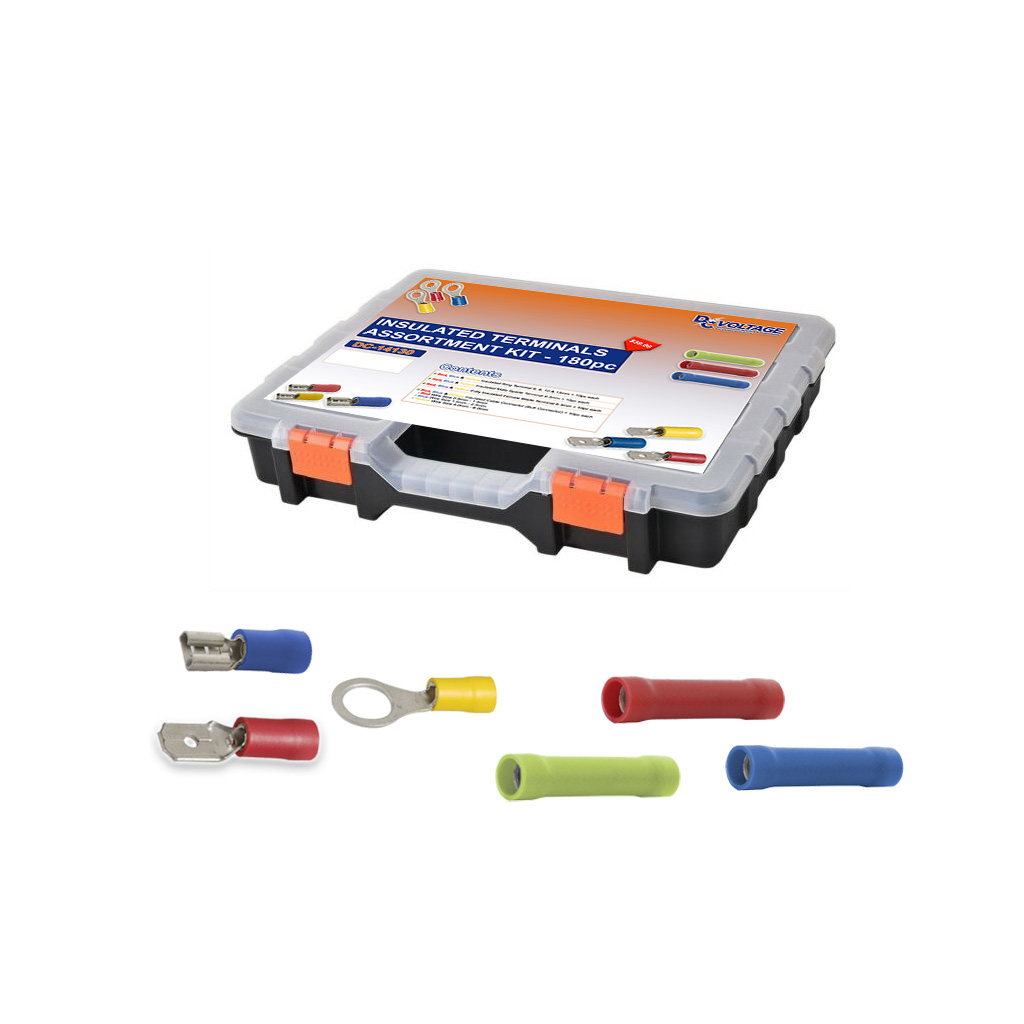
Whichever connector is used, match both halves, polarity and current rating. Do not force mismatched plugs together or use loose adaptors as a permanent fix. Crimp terminals with the correct tool, not pliers, and check that the conductor is fully seated before applying heatshrink. A poor crimp may look fine at first and fail after weeks of vibration.
Run a dedicated negative cable
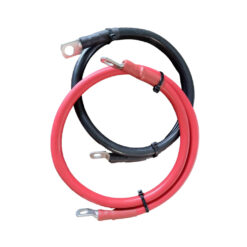
A dedicated negative return cable back to the auxiliary battery or a properly designed negative busbar is the most reliable method for fridge circuits. Vehicle chassis earth returns can work, but they introduce another potential point of resistance through paint, rust, bolts and factory joins. That resistance can be enough to cause voltage drop at the fridge.
If using a chassis earth in an existing installation, inspect the earth point closely. It should be bare metal, mechanically tight, protected against corrosion and sized appropriately for the circuit. For critical touring loads, a full twin-cable run is generally the better option.
Keep positive and negative cables together where possible. This makes the installation easier to trace, reduces the chance of damage and produces a neater result in a canopy, behind trim panels or under a caravan seat base.
Protect the cable along its route
The best cable and connector will not help if the wiring is allowed to rub on a sharp body edge. Route the circuit away from exhaust heat, moving suspension parts, steering components, driveshafts and pinch points under drawers or seat bases. Where cable passes through steel, aluminium or fibreglass, fit a proper grommet or cable gland.
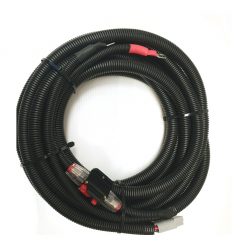
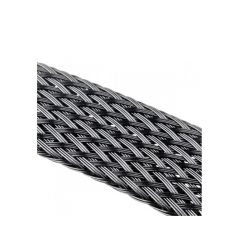
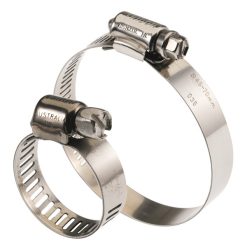
Use split conduit, braided sleeve or other cable protection in exposed areas, then secure the run with correctly spaced cable clamps. Avoid relying on cable ties alone where the lead can move or sag. In a ute canopy or caravan, allow enough slack at removable panels and fridge slides that the cable is not pulled tight at full extension.
Pay particular attention to the fridge lead around a slide. It needs enough movement to follow the slide without becoming trapped, kinked or dragged across sharp edges. Check it with the slide fully in and fully out before loading the fridge.
Test the installation under load
Before packing the fridge for a trip, test more than whether it turns on. Run it long enough for the compressor to cycle, then check the voltage at the battery and again at the fridge input while the compressor is running. A significant difference points to voltage drop in the cable, fuse holder, connector, earth or crimp.
Feel connectors and fuse holders after the fridge has been operating. They should not become hot. Warmth at a connection indicates resistance and needs investigation. Also test with the engine off, because alternator voltage can hide a weak connection that becomes obvious once the vehicle is parked.
Set the fridge’s low-voltage cut-out to suit the battery type and system design. A conservative setting helps protect an auxiliary battery, while a setting that is too low can shorten battery life. The right choice depends on whether you are running AGM, lithium or another battery chemistry, and whether charging is available during the day.
Common mistakes that cause fridge failures
The same faults appear repeatedly in touring and trade setups:
- Connecting a fridge to a start battery for overnight use.
- Using thin cable on a long run to the rear of the vehicle.
- Fitting an oversized fuse to stop nuisance blowing.
- Using loose cigarette plugs or worn accessory sockets on rough roads.
- Earthing through a poor chassis point instead of using a dedicated negative return.
- Running unprotected cable through sharp panels, drawers or canopy openings.
A safe fridge circuit is not complicated, but every component needs to suit the job. Bluebar Industries supplies the cable, connectors, fuse hardware, protection and custom power leads used in real 12V installations, so the finished system can be built around the fridge, vehicle and expected conditions rather than whatever lead happens to be in the shed.
Before the next trip, inspect the full path from battery terminal to fridge plug. A clean fuse, correctly sized cable, secure connector and sound battery setup will do more for reliable cold food and drinks than any last-minute workaround at camp.