

 Cable Automotive / Marine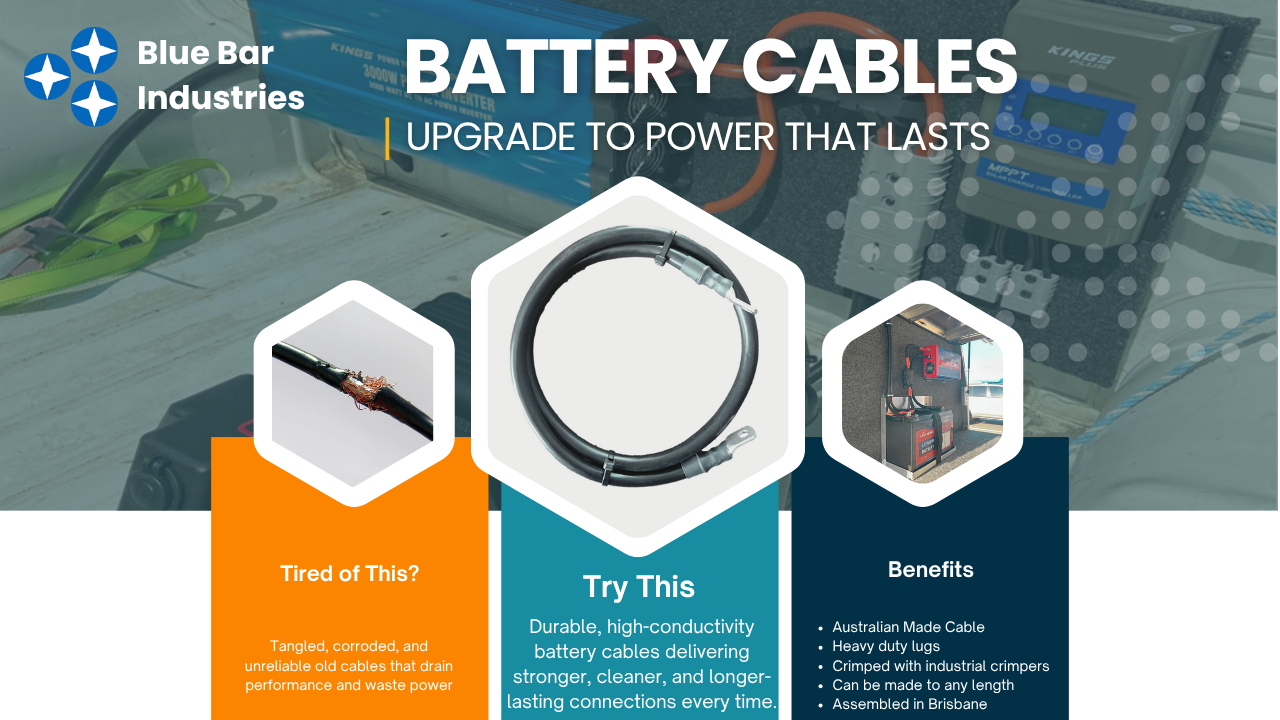

 Cable Lugs
 Cable Lug Assortment Kits
 Cable Lugs Straight Wall Closed
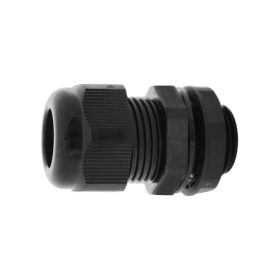 Cable Glands
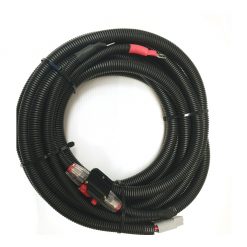
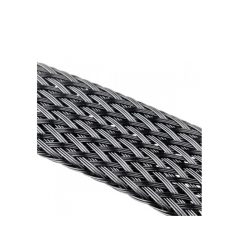
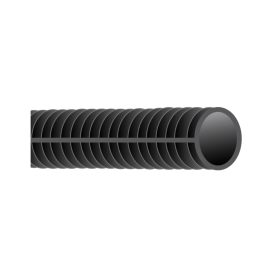 Convoluted Split Tubing
 12/24v Products & Access
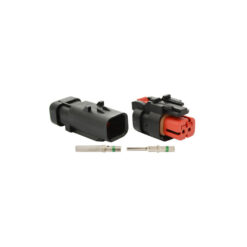
 Electrical Connectors

 Solar Powered Products
 LED Lights

 Tools
Tools






 Auto Parts & Categories

 Fittings



 Cleaning & Misc


 Clearance & Promotion
Latest News
12V Caravan Wiring Setup Guide
Jun
A fridge that cuts out overnight, lights that dim when the pump starts, or charging that never seems to recover properly usually points to the same issue – the wiring layout was an afterthought. A solid 12v caravan wiring setup guide starts with load planning and cable sizing, not with buying random accessories and hoping they work together.
Caravan 12V systems do not need to be overly complex, but they do need to be matched properly. Battery type, charger output, solar input, cable length, fuse protection and connector quality all affect how the system performs on the road and off-grid. Get the basics right and your setup will be easier to fault-find, easier to expand and far more dependable in Australian conditions.
Start with the job your system actually needs to do
Before choosing cable, fuse blocks or connectors, work out what the caravan has to power and for how long. For many setups, that means compressor fridge, LED lighting, water pump, mobile charging, diesel heater, antenna booster and perhaps an inverter for occasional 240V appliances. For others, it may be a larger off-grid fit-out with multiple batteries, solar on the roof and charging from the tow vehicle.
This first step matters because current draw drives everything downstream. If your fridge draws 5 amps when running, the pump pulls 7 amps briefly and the lights add another 2 amps, your wiring needs to handle realistic combined loads, not just the label on one device. It also helps you avoid undersized cable, which is one of the most common causes of voltage drop and poor charging.
A simple setup can still be done properly. You do not need a huge parts list. You need the right battery, the right charging sources, correctly sized cable, proper protection and clean terminations.
Core parts in a 12v caravan wiring setup guide
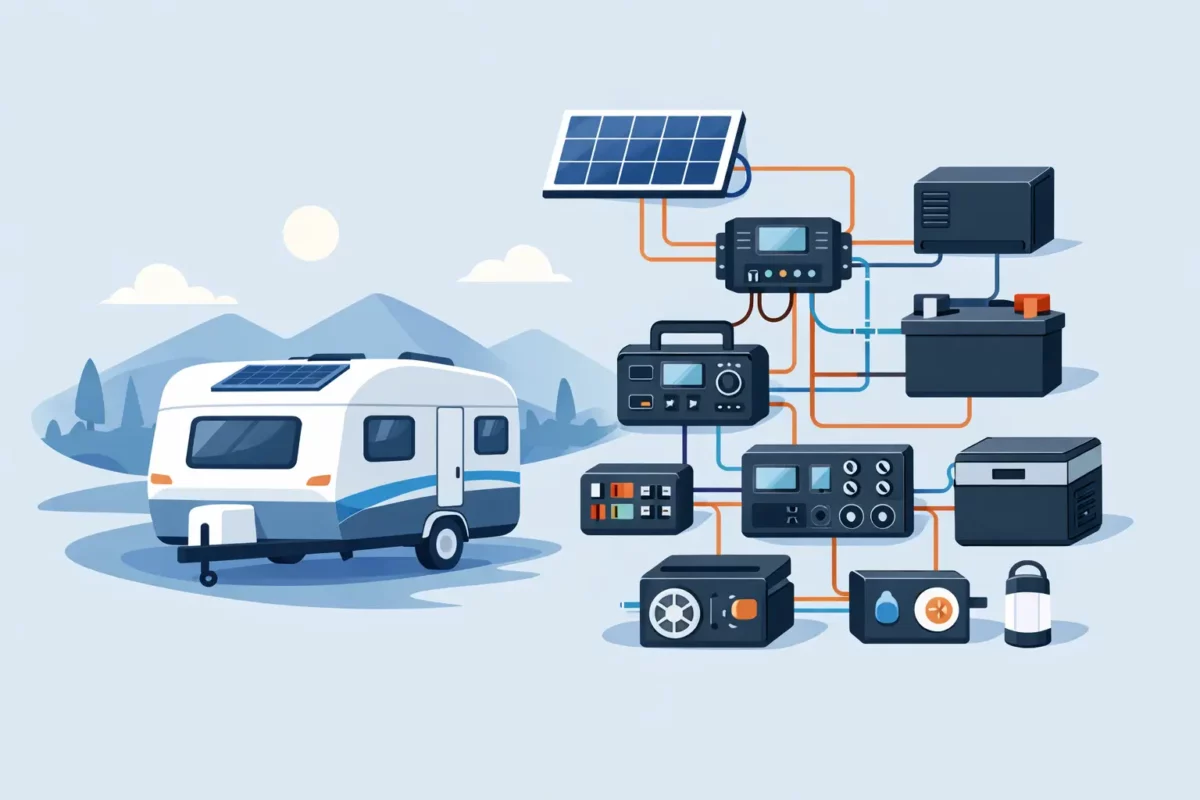
Most caravan systems are built around a house battery bank, then fed by one or more charging sources. In practical terms, that usually means 240V mains charging when parked at home or in a caravan park, solar charging when off-grid and DC charging from the tow vehicle while driving.
The battery is the centre of the system. AGM remains common because it is simple and cost-effective, while lithium is popular for higher usable capacity, lower weight and faster charging. The trade-off is that lithium generally costs more upfront and may require chargers and protection gear that are compatible with lithium profiles.
From there, power is distributed through a fused board or distribution panel to each circuit. Typical circuits include fridge supply, lighting, pump, fans, USB outlets and any dedicated accessory feeds. If an inverter is fitted, it should generally have its own heavy cable run and protection rather than sharing smaller accessory wiring.
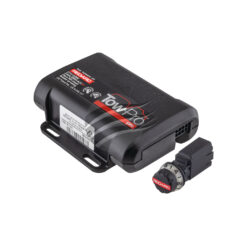
Charging gear depends on how the caravan is used. A mains battery charger suits powered sites and home charging. Solar regulators are needed where solar panels feed the battery. A DC-DC charger is often the best approach when charging from modern vehicles, particularly those with smart alternators, because it helps deliver stable charge voltage to the caravan battery.
Battery location, earthing and cable routing
Battery placement affects both safety and performance. The shorter the cable run between the battery and major loads or charging devices, the easier it is to control voltage drop. Batteries also need to be mounted securely, protected from impact and installed in line with the battery type. Ventilation is especially relevant with some battery chemistries and enclosure styles.
Earthing needs just as much attention as positive wiring. Poor earths create inconsistent faults that waste time and damage confidence in the whole setup. In many caravan systems, a negative busbar back to the battery is a cleaner and more reliable method than relying on chassis return paths for every circuit. It keeps testing simpler and reduces the chance of bad connections hidden in the frame.
Cable routing should avoid sharp edges, heat sources, moving suspension parts and areas likely to cop water or stone damage. Use conduit, split tubing, grommets and proper cable clamps where needed. The aim is not just tidy work. It is long-term protection against rubbing, vibration and corrosion.
Cable sizing is where good systems separate from frustrating ones
If there is one section every 12v caravan wiring setup guide should take seriously, it is cable sizing. Undersized cable creates voltage drop. Voltage drop reduces appliance performance, slows battery charging and can cause gear to shut down even when the battery is not flat.
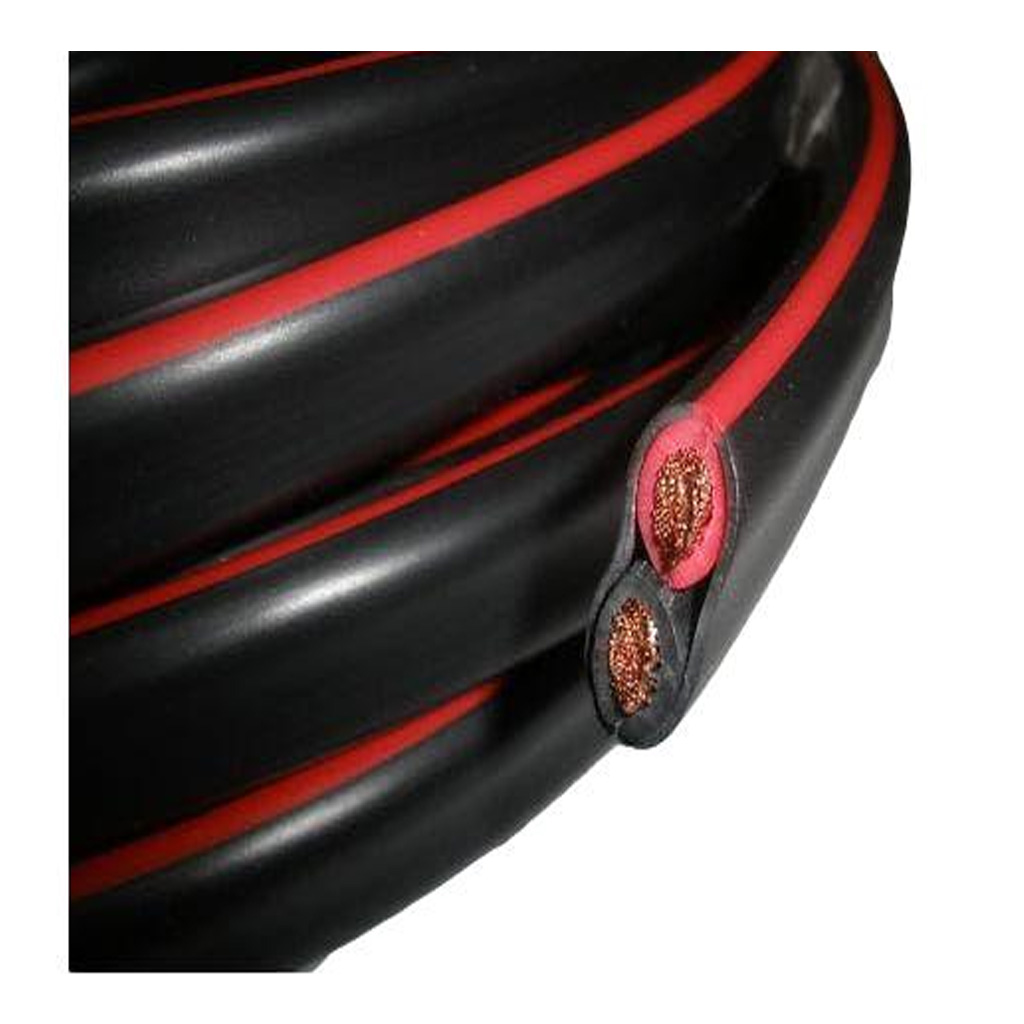
Longer runs need heavier cable, especially between the tow vehicle and caravan battery, from solar input to regulator where current is higher, and between battery and inverter. There is no single cable size that suits every van because length and current both matter. A short LED lighting circuit can use much lighter cable than a drawbar charging feed.
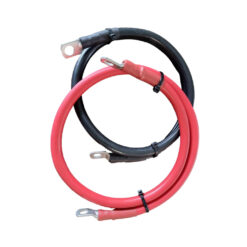
This is where many DIY installations go wrong. People look only at amp rating and ignore run length, or they buy cheap cable with questionable conductor quality. In a caravan, where every metre counts and vibration is constant, quality cable and properly crimped lugs are worth it.
For charging lines and high-draw circuits, use cable that matches the expected load with margin to spare. For smaller branch circuits, keep protection matched to the cable and the appliance. Oversized fuses on smaller cable are asking for trouble.
Fuses, breakers and circuit protection
Every positive feed leaving the battery should be protected as close to the battery as practical. That includes feeds to distribution panels, chargers, inverters and any major accessories. The fuse protects the cable, not just the device.
Branch circuits should then be individually fused to suit their own load and cable size. If a water pump faults, you want that single circuit to trip – not the whole van. Blade fuse blocks are popular because they are compact and easy to service, while larger resettable breakers can suit some charging and high-current applications.
It also pays to label circuits clearly. Months down the track, when you are fault-finding in poor light at a campsite, clear labelling saves time. Trade workshops already know this. Caravan owners learn it fast.
Charging from solar, mains and the tow vehicle
A reliable caravan setup usually combines charging sources so the battery can recover in different conditions. Roof solar is excellent for maintaining battery charge through the day, but panel output depends on weather, shade, angle and season. If you camp under trees, roof solar alone may not keep up.
Portable panels add flexibility but need quality connectors, adequate cable size and proper regulation. Mains charging is straightforward and ideal for fully charging the battery before a trip. Tow vehicle charging fills the gap on travel days, but only if the cable run, connectors and charger setup can deliver enough current by the time it reaches the van.
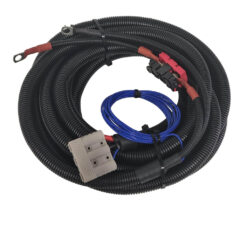
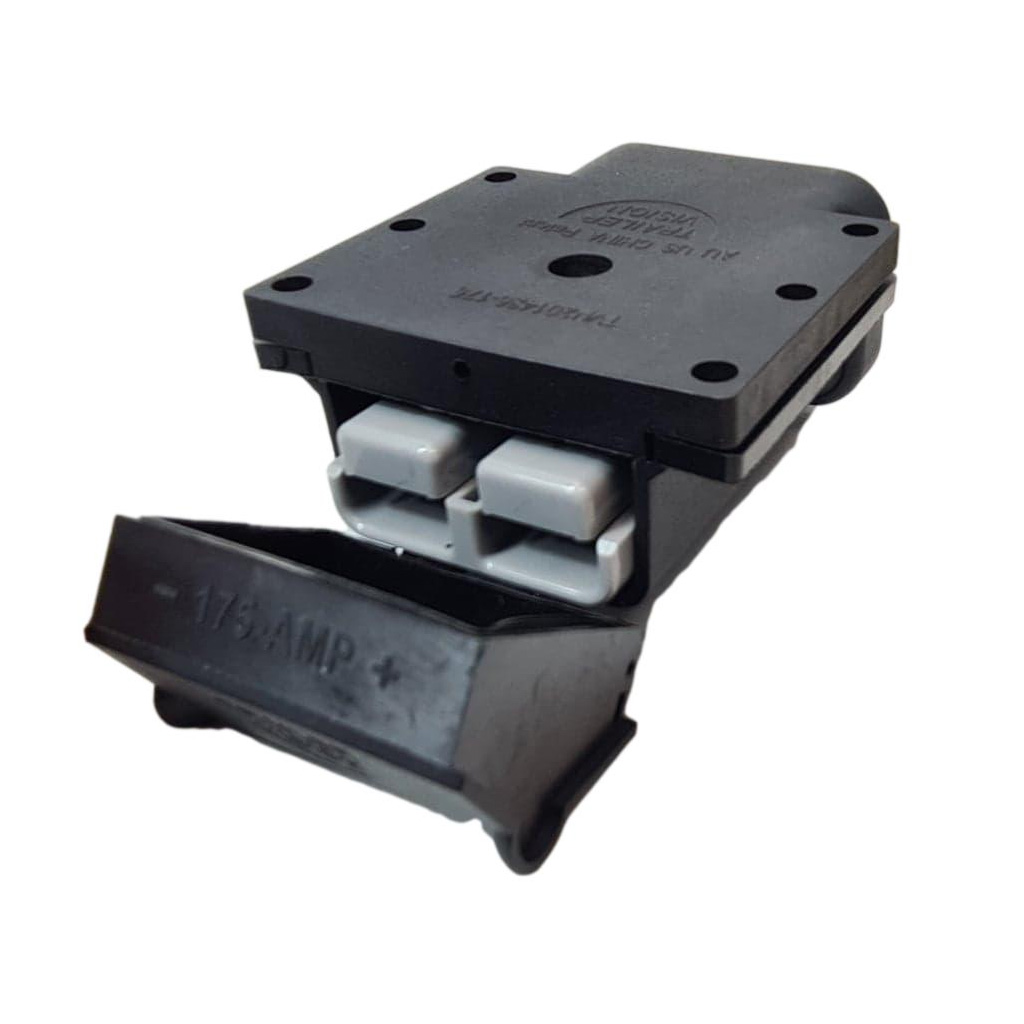
Anderson-style connectors are common in this role because they are durable, simple and well suited to higher current transfer. The same goes for quality lugs, heatshrink and abrasion protection. The hardware around the charger matters nearly as much as the charger itself.
Keep accessory circuits separate where it makes sense
Not every load should share the same path. Fridges, pumps and lighting can create different electrical noise and different current demands. Separating critical circuits helps with reliability and makes fault-finding easier.
For example, a dedicated fridge circuit with the right cable size gives better voltage stability than piggybacking it onto a general accessory line. Likewise, USB outlets and small electronics benefit from a clean, well-regulated supply rather than being tied into a circuit that sees large pump start-up current.
If you plan future upgrades such as extra lighting, a diesel heater or more solar, leave some room in the fuse panel and choose busbars and distribution gear that are not already at their limit. Expansion is much easier when it has been considered from day one.
Common mistakes that cost time and battery life
The most common problems are predictable: cable too small, poor crimping, cheap connectors, weak earths, badly placed fuses and chargers that are not suited to the battery chemistry. Another regular issue is assuming the tow vehicle will charge the caravan battery properly through a light-duty trailer feed. In many cases, it will not.
Mixing old and new batteries can also create uneven performance. So can adding solar without checking whether the regulator profile matches the battery. Even small details matter, such as using marine-grade or automotive-grade components where moisture and vibration are expected, and choosing protective sleeving where cable passes through metal or under the van.
This is one reason specialist 12V suppliers matter. Bluebar Industries works in the categories that caravan owners, installers and workshops actually need – cable, connectors, battery accessories, adaptors, solar leads, protection and tools that suit real-world installation work rather than generic shelf filler.
When to DIY and when to get an auto sparky involved
A basic accessory circuit or a straightforward battery replacement may be within the reach of a capable DIY owner. Full system builds, charger integration, inverter installs and major rewiring jobs are different. If you are uncertain about current loads, charger compatibility, cable sizing or protection, getting an auto electrician involved is usually cheaper than repairing a poor install later.
That is especially true if the caravan sees rough roads, extended off-grid use or multiple charging sources. Touring gear gets punished. The wiring needs to hold up accordingly.
A good caravan electrical system is not judged by how tidy it looks on day one. It is judged by whether the fridge stays cold, the battery charges properly and the lights still work after corrugations, dust and rain. Build for that standard, and the rest tends to fall into place.