

 Cable Automotive / Marine
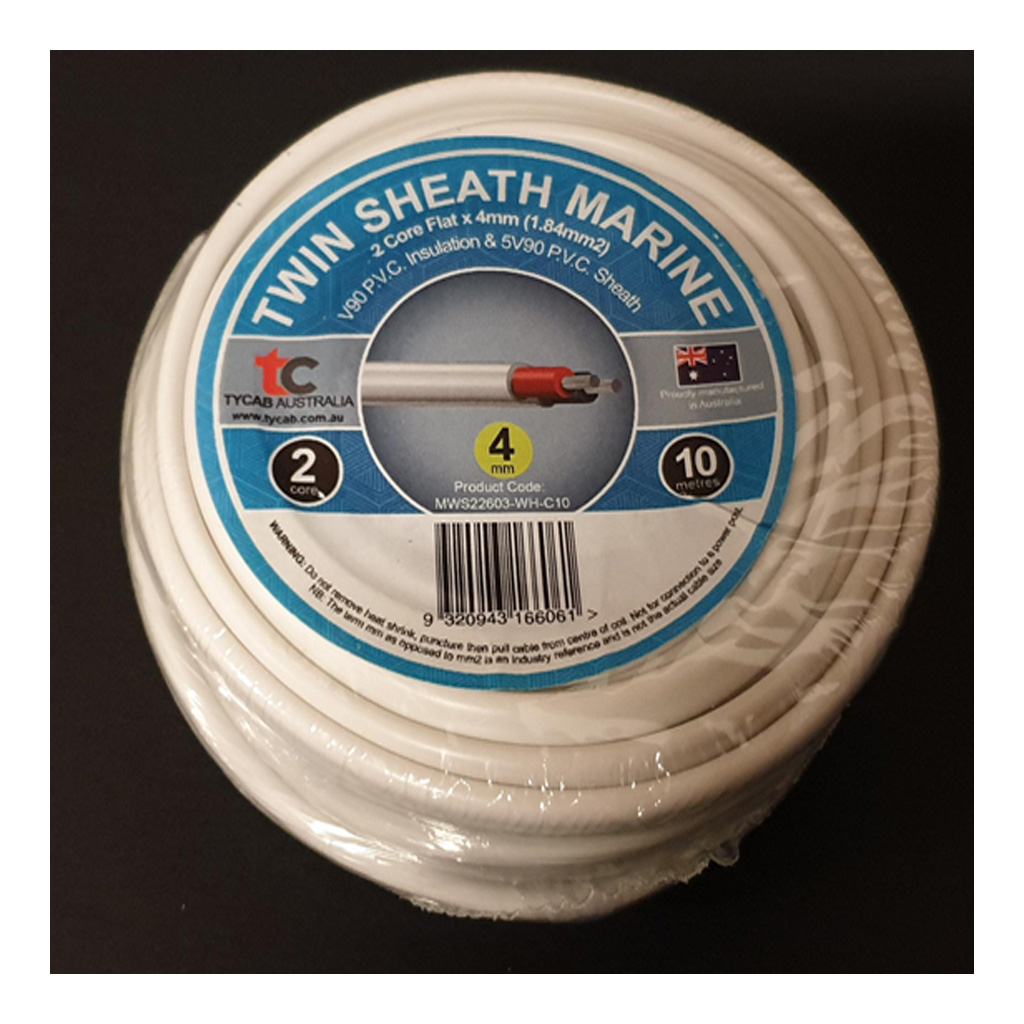
 Cable Lugs
 Cable Lug Assortment Kits
 Cable Lugs Straight Wall Closed
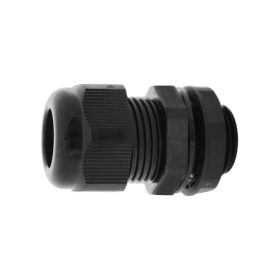 Cable Glands
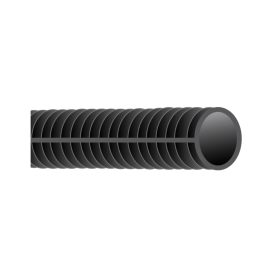 Convoluted Split Tubing
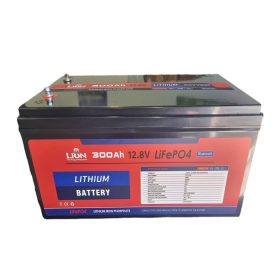 12/24v Products & Access
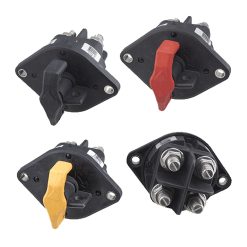
 Electrical Connectors
 Solar Powered Products
 LED Lights
 Tools
Tools


 Auto Parts & Categories

 Fittings
 Cleaning & Misc
 Clearance & Promotion
Latest News
What Size Cable for 12V Fridge?
Jun
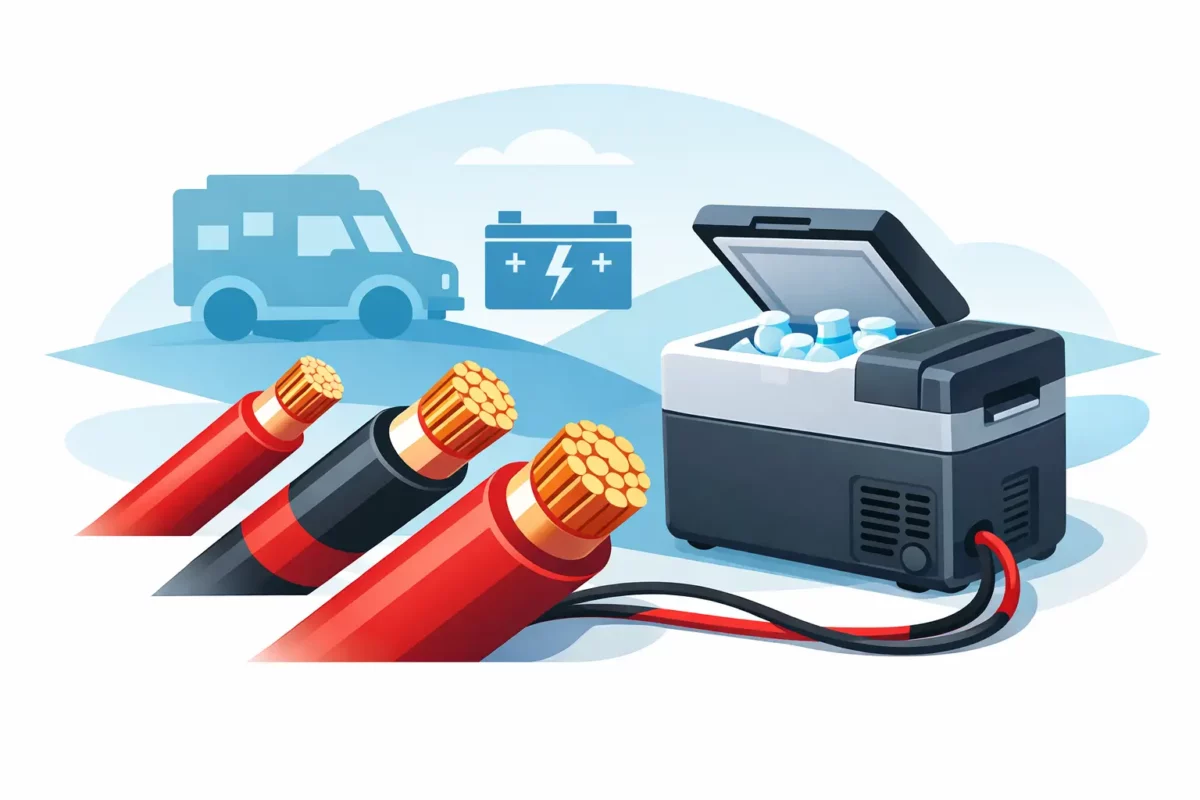
A 12V fridge that cuts out overnight usually gets blamed on the battery. Quite often, the real problem is cable size. If you’re asking what size cable for 12V fridge setups, the answer depends less on the fridge alone and more on current draw, total cable run and how much voltage drop your system can tolerate.
A compressor fridge is far less forgiving than a light or a USB socket. When voltage at the fridge falls too low, the low-voltage protection steps in and the unit shuts down, even if the battery still has usable capacity left. That is why cable sizing matters in touring, caravans, canopies, boats and work vehicles where the battery is a fair distance from the load.
What size cable for 12V fridge installations depends on
There is no single cable size that suits every fridge. A small 40L fridge in the back of a wagon with a short run from an auxiliary battery can work well on cable that would be undersized in a caravan drawbar-to-rear installation. The key variables are the fridge’s maximum current draw, startup current, and the total circuit length.
Total circuit length catches people out. You need to count both the positive and negative path. If the battery is 4 metres from the fridge, the electrical run is effectively 8 metres. In 12V systems, that extra distance matters a lot because low voltage systems are more sensitive to losses.
Connector quality also plays a part. A decent cable can still underperform if it runs through a cigarette plug, loose socket or poor crimp. Many fridge supply issues are a combination of undersized cable and high-resistance terminations.
Why voltage drop is the real issue
When people ask about cable size, what they are really trying to avoid is voltage drop. Every cable has resistance. As current flows through it, some voltage is lost along the way. In a 240V circuit, a small drop may not matter much. In a 12V system, losing even half a volt can make a fridge unhappy.
For example, if your battery is sitting at 12.2V under load and the cable drops 0.7V, the fridge only sees 11.5V. Many compressor fridges will either stop, cycle poorly or trigger low-voltage protection around that point. The fridge looks faulty, but the supply path is the issue.
As a general rule, keeping voltage drop under 3% is a solid target for a fridge circuit. On 12V, that is about 0.36V. Some installations may still work with more drop, but reliability suffers as battery voltage falls through normal use.
A practical guide to cable size
For most 12V fridge circuits, 6mm auto cable is often talked about as a standard option, but that description can be misleading because automotive cable sizing labels do not always match the actual copper cross-sectional area in square millimetres. That matters when comparing products.
A better way to think about sizing is by actual conductor area and run length. For short runs up to around 3 metres one way, a cable around 4.5mm2 to 6mm2 may be enough for many portable fridges drawing roughly 4 to 6 amps. Once the run gets longer, or the fridge is larger and cycles harder in hot conditions, stepping up to 8B&S cable, which is around 8mm2, becomes the safer choice.
For longer caravan, canopy or boat installs where the battery may be 4 to 6 metres away one way, 8B&S is commonly the minimum sensible choice. In some cases, especially if the cable also passes through connectors, isolators or fuse holders, 6B&S can be justified to keep voltage drop under control.
This is why experienced installers often oversize fridge cable rather than trying to get by with the absolute minimum. The cable cost difference is usually minor compared with the cost of a fridge that performs poorly on a remote trip.
Typical real-world sizing
A small portable fridge next to an auxiliary battery in the rear of a 4WD may be fine on 4.5mm2 to 6mm2 cable if the wiring is tidy and the connectors are sound. A fridge in the back of a ute canopy fed from a battery under the bonnet generally benefits from at least 8mm2. A caravan fridge circuit running from the battery compartment to the rear kitchen area will often need 8B&S or larger, depending on the actual route and connection hardware.
The more demanding the environment, the less sense it makes to undersize. High ambient heat, frequent compressor starts, long corrugated roads and plug-and-socket movement all add up.
Don’t rely on cigarette plugs if you can avoid them
One of the weakest points in many fridge setups is not the cable itself but the plug. Standard cigarette sockets were never a great fit for reliable fridge supply. They can loosen, vibrate, heat up and create extra resistance. That resistance means more voltage drop right where you do not want it.
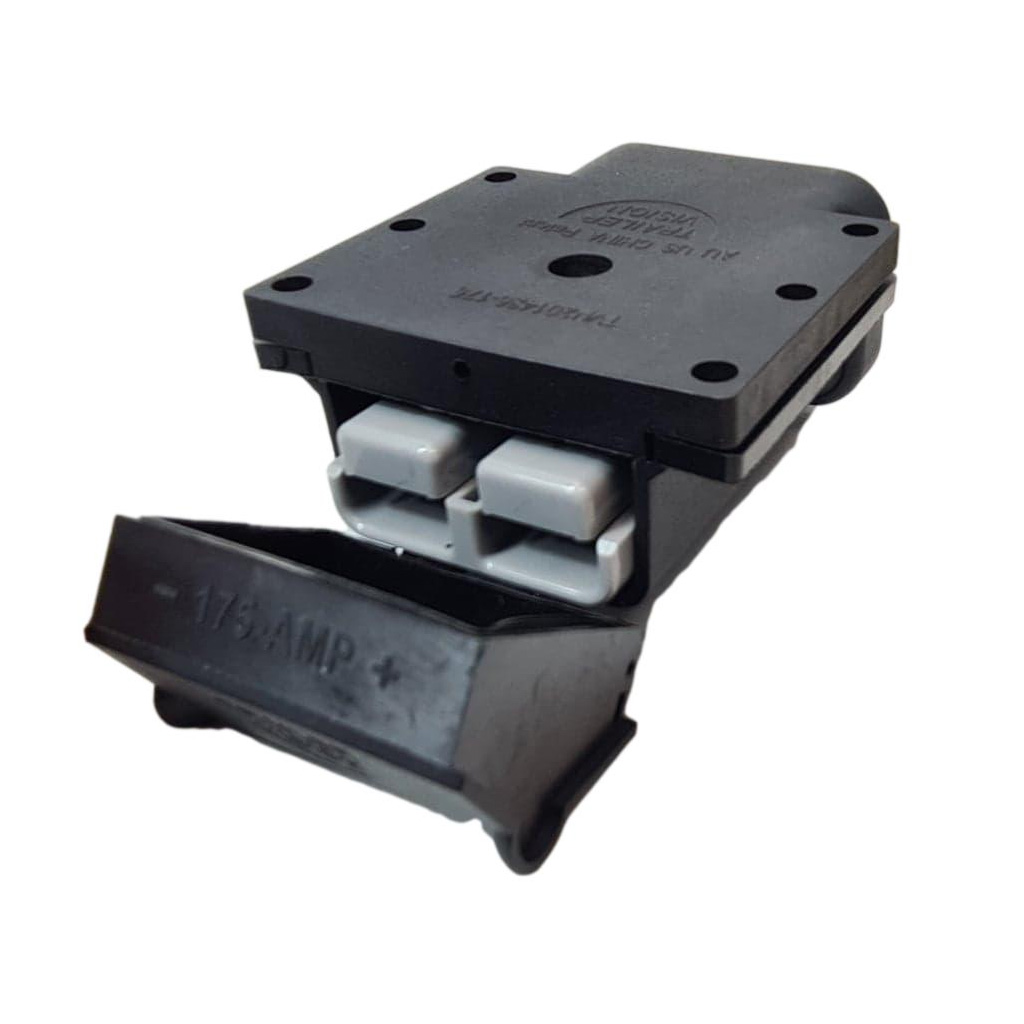
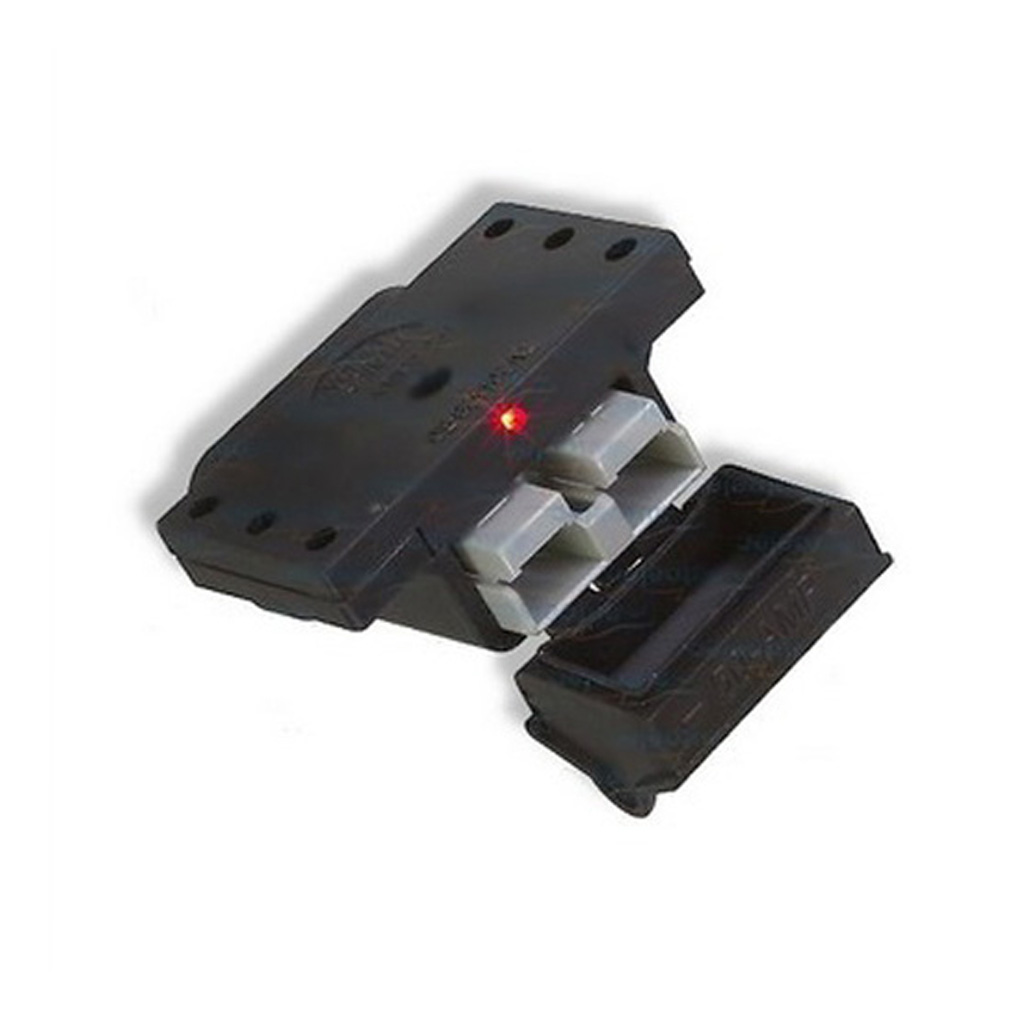
A merit-style socket, Anderson connection or a hard-wired fridge lead is generally a better option for dependable current delivery. If a fridge is fitted with a cigarette-style plug from the factory, the rest of the wiring still needs to be good enough to minimise losses before the plug.
This is especially relevant in touring vehicles and caravans where movement and vibration are part of normal use. A fridge that works in the driveway but cuts out on corrugations is often telling you something about the connection quality.
Fuse size matters, but it doesn’t fix undersized cable
Fridge circuits should be fused correctly, usually close to the battery. The fuse protects the cable, not the fridge. That means the fuse rating needs to suit the cable capacity and the expected load.
For many portable fridge circuits, a 10A or 15A fuse is common, depending on startup current and wiring design. Going to a larger fuse does not make a small cable perform like a bigger one. If the cable is too small, the voltage drop remains, and the fridge still sees less voltage than it needs.
Good protection and good cable sizing work together. One does not replace the other.
The difference between auto cable sizes and B&S cable
This is where buyers can get tripped up. In Australia, cable is often described in auto sizes like 4mm, 6mm and so on, but these labels do not always reflect the actual copper area. A so-called 6mm auto cable is not the same as 6mm2 conductor area. B&S sizing is another system entirely, commonly used for heavier 12V work.
If you are comparing options for a fridge circuit, focus on the actual conductor specification where possible, not just the trade label. That gives you a more accurate idea of how the cable will perform over distance.
For trade users and serious DIY installations, this is one reason specialist suppliers matter. Getting the right cable is easier when the product description is technically relevant rather than generic.
When to go larger than you think you need
There are a few situations where upsizing cable is the smart move. One is when the fridge circuit may later feed other loads nearby, such as a small distribution point in a canopy or drawer system. Another is when the battery voltage is already likely to sag under heavy use, such as in compact dual-battery systems or vehicles with long charging runs.
It also makes sense to go larger if the fridge has a long operating cycle in hot Australian conditions. A fridge working hard in 40-degree heat is not the same as one ticking over during a mild weekend away on the coast. Heat, dust, vibration and distance expose weak wiring very quickly.
Bluebar Industries deals with this kind of fit-for-purpose 12V wiring every day, and the pattern is consistent – a little extra cable capacity upfront usually saves troubleshooting later.
A simple rule of thumb for most setups
If the fridge is close to the battery, use quality cable with enough copper area to keep voltage drop low, and avoid cheap sockets and adaptors. If the run is moderate to long, start looking at 8B&S rather than trying to stretch lighter cable. If the install is permanent, remote-area ready or built for trade use, size for reliability rather than bare minimum compliance.
That approach is not about overbuilding for the sake of it. It is about giving a low-voltage appliance the supply it actually needs under real conditions, not best-case conditions in the shed.
Before you choose cable, measure the full run properly, check the fridge’s rated current and startup draw, and think about every connector in the circuit. A 12V fridge is only as reliable as the path feeding it. Get that part right, and the rest of the system has a much better chance of doing its job when you are a long way from home.