

 Cable Automotive / Marine
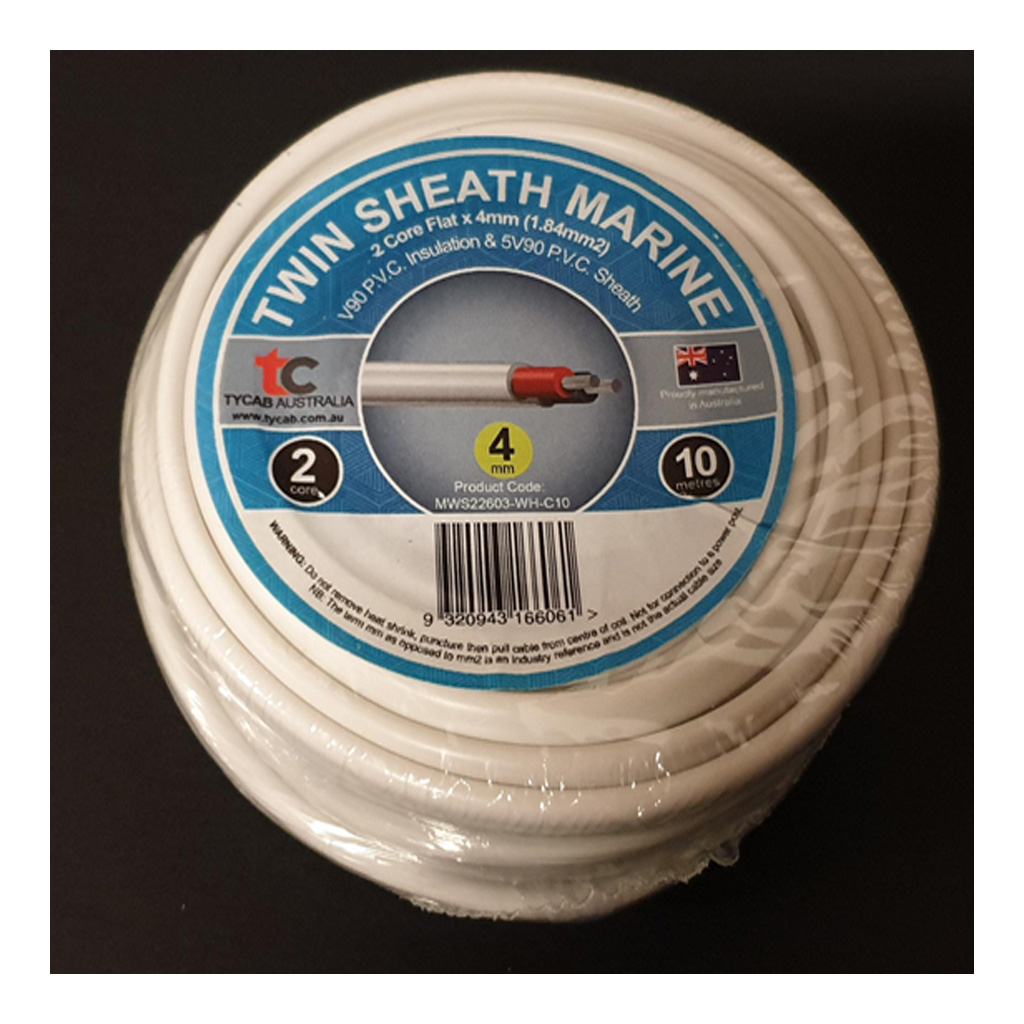
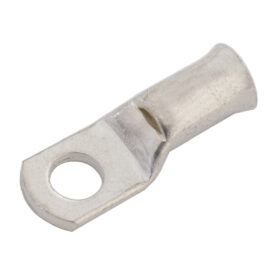 Cable Lugs
 Cable Lug Assortment Kits
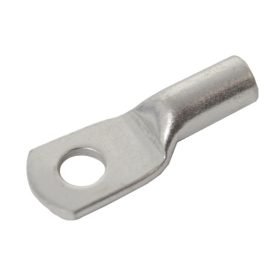 Cable Lugs Straight Wall Closed
 Cable Glands
 Convoluted Split Tubing
 12/24v Products & Access
 Electrical Connectors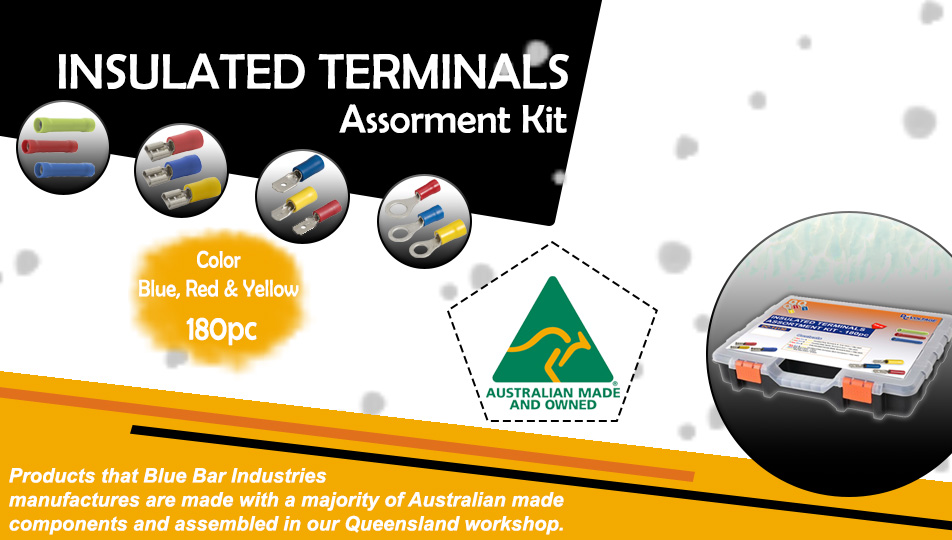
 Solar Powered Products
 LED Lights
 Tools
Tools
 Auto Parts & Categories

 Fittings
 Cleaning & Misc
 Clearance & Promotion
Latest News
Best Crimping Tool for Auto Wiring
Jun
A bad crimp usually looks fine until the vehicle hits corrugations, heat cycles through the engine bay, or a fridge starts pulling current through a weak connection. That is why choosing the best crimping tool for auto wiring is not just about making the job easier. It is about getting a connection that stays tight, carries current properly and does not come back to bite you later.
If you are wiring up a 4WD, caravan, trailer, marine setup or workshop vehicle, the right crimper depends on the terminals you use most, the cable sizes you work with and whether you want a general-purpose tool or something dedicated to one connector style. There is no single perfect crimper for every job. There is, however, a clear difference between a tool that makes consistent automotive crimps and one that just squashes metal.
What makes the best crimping tool for auto wiring?
In automotive electrical work, a proper crimp is a controlled compression. The tool needs to deform the terminal barrel around the conductor firmly enough to create a reliable mechanical and electrical bond, without cutting strands or crushing insulation where it should not. That takes the right jaw profile, the right amount of force and the right match between tool and terminal.
This is where cheap multipurpose crimpers usually fall short. They often have vague sizing, loose tolerances and handles that do not apply even pressure. You can still get a passable result now and then, but repeatability is poor. On low-current accessories you might get away with it. On battery feeds, charging circuits, brake controllers or anything living in a harsh environment, inconsistency becomes expensive.
The better tools are usually ratcheting models with purpose-shaped dies. The ratchet mechanism matters because it helps apply full compression before release, which reduces the chance of under-crimping. Good dies matter because insulated terminals, uninsulated lugs, open-barrel terminals and heavy battery lugs all need different jaw shapes.
One crimper rarely covers every automotive job
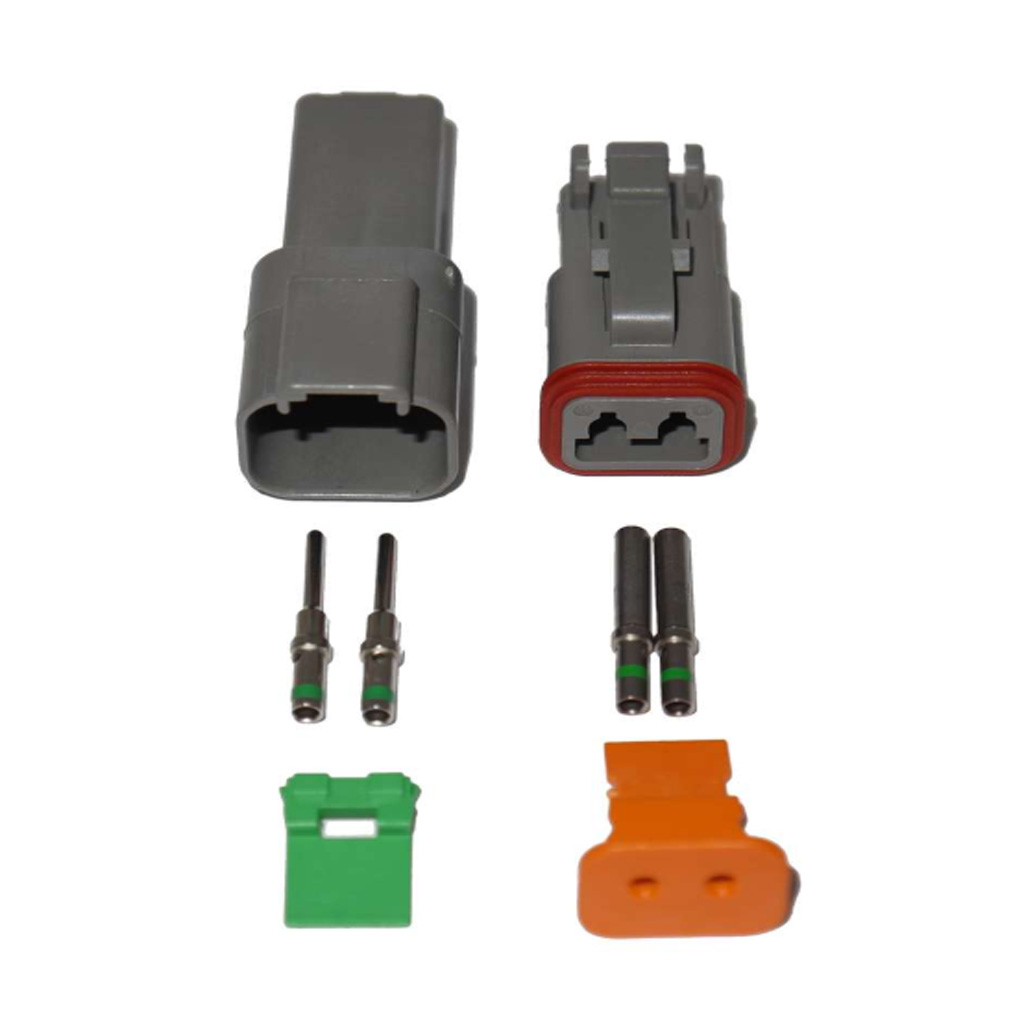
A common mistake is trying to buy one tool for absolutely everything. In reality, auto wiring often spans small accessory wiring, Deutsch or open-barrel terminals, insulated red-blue-yellow terminals, Anderson-style contacts and larger cable lugs for battery or inverter work. Those are not the same job.
If most of your work is standard 12V accessory wiring, a quality ratcheting crimper for insulated terminals will cover a lot of ground. If you regularly build battery leads, dual-battery systems or solar connections with heavier cable, you will also want a dedicated lug crimper. If you do OEM-style repairs or harness work, an open-barrel terminal crimper becomes the better choice.
That is why the best buying decision is usually based on your most common work, not the broadest claims on the packaging.
The main crimping tool types for auto wiring
Ratchet crimpers for insulated terminals
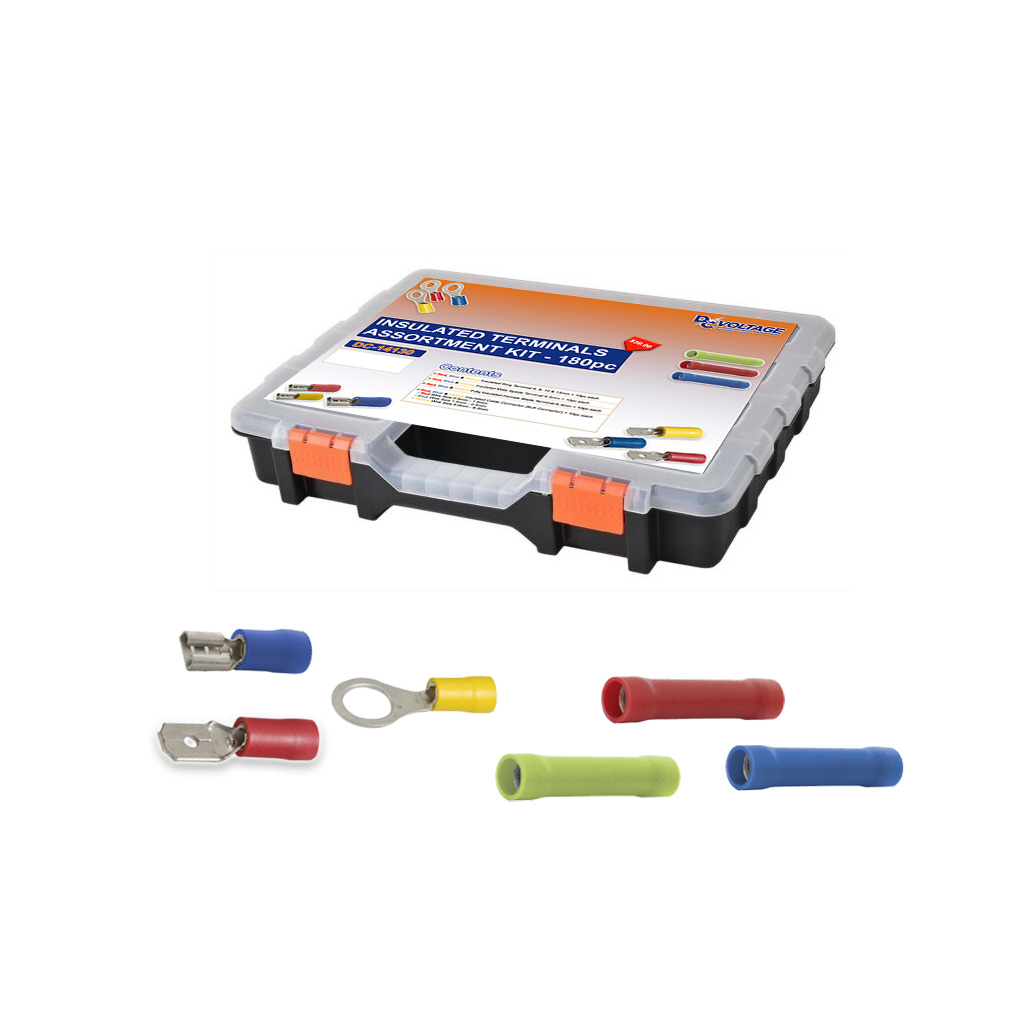
For many installers and DIY users, this is the starting point. These tools are built for common insulated terminals in red, blue and yellow size ranges. A good ratcheting crimper gives a much more consistent result than the old stamped steel combination plier style.
They suit accessory installs, trailer wiring, light repairs and general 12V work. If you are fitting blade terminals, butt joins, ring terminals or spade connectors on typical automotive cable, this style is often the most practical.
The catch is that not all insulated terminals are made to the same dimensions. A quality branded terminal and a quality crimper generally work well together. Mix in bargain-bin terminals with soft barrels and thin insulation, and even a decent tool can only do so much.
Open-barrel crimpers
Open-barrel terminals are common in OEM-style connectors and many sealed connector systems. These need a tool that folds the terminal wings correctly around the conductor and insulation support. A generic crimper will not do this properly.
If you are repairing factory-style harnesses, adding professional connector systems or doing repeat connector work, an open-barrel tool is the right choice. The result is neater, stronger and closer to what the terminal was designed for.
Heavy-duty lug crimpers
Once you move into larger cable for battery systems, winches, inverters, marine feeds or charging circuits, you are in a different category. Larger lugs need much higher compression force, and the tool must suit cable size and lug wall thickness.
For this work, hex crimpers and heavy-duty indent crimpers are common. A hammer crimper might get you out of trouble in the shed, but it is not the first choice for clean, repeatable work. For trade use or regular system building, a proper heavy-duty crimper is a far better investment.
How to choose the right tool for your setup
The first thing to check is terminal compatibility. Do not start with the tool. Start with the connector type you actually use. If your jobs mostly involve insulated ring terminals and butt joins, buy a crimper designed for those. If your work centres on battery cable lugs, buy for that. If you use both, expect to need more than one tool.
Next, look at the cable size range. Some crimpers claim a broad range but perform well only in the middle. If your day-to-day work sits at the small end or the large end, choose a tool that does that range well. A crimper that is average across everything is often worse than one that is excellent across a narrower band.
Handle length and leverage also matter more than they seem on the shelf. In a workshop, longer handles and stronger ratchet action reduce fatigue and improve consistency. In tight mobile service work, a more compact tool may be easier to live with. There is always a trade-off between access and leverage.
Build quality is another clear separator. Better crimpers have tighter die alignment, cleaner jaw machining and sturdier pivot points. That translates to cleaner compression and longer tool life. If a tool develops play quickly, your crimps suffer with it.
Signs a crimper is worth buying
A worthwhile automotive crimper closes squarely, feels solid under load and matches the terminal profile properly. It should hold the terminal securely during the crimp and leave a defined compression pattern, not a flattened mess.
On ratcheting models, the release should be positive and the cycle should feel controlled, not rough or vague. On heavier lug crimpers, dies should fit cleanly and the finished crimp should not split the barrel or leave obvious voids.
It also helps if replacement dies or related tooling are available. That is especially useful for workshops and installers who want one platform for multiple connector types without filling drawers with random low-grade tools.
Why cheap crimpers cost more in the long run
The problem with low-cost crimpers is not just durability. It is what they do to the connection. An under-crimped terminal can create resistance and heat. An over-crimped one can damage conductor strands and weaken the joint. Either way, the fault may not show up during the install.
It shows up later as voltage drop, intermittent accessories, charging problems or terminals that pull off under vibration. In touring, marine or trade vehicles, that can turn a simple wiring job into fault-finding you did not need.
For occasional emergency repairs, a basic tool is better than no tool. But if you wire vehicles more than once in a blue moon, stepping up to a proper crimper is one of the easiest upgrades you can make to the quality of your work.
Best crimping tool for auto wiring – the practical answer
For general automotive 12V and 24V accessory work, the best crimping tool for auto wiring is usually a quality ratcheting crimper matched to insulated terminals from a reputable brand. It gives repeatable results, suits common workshop jobs and removes a lot of guesswork from everyday installs.
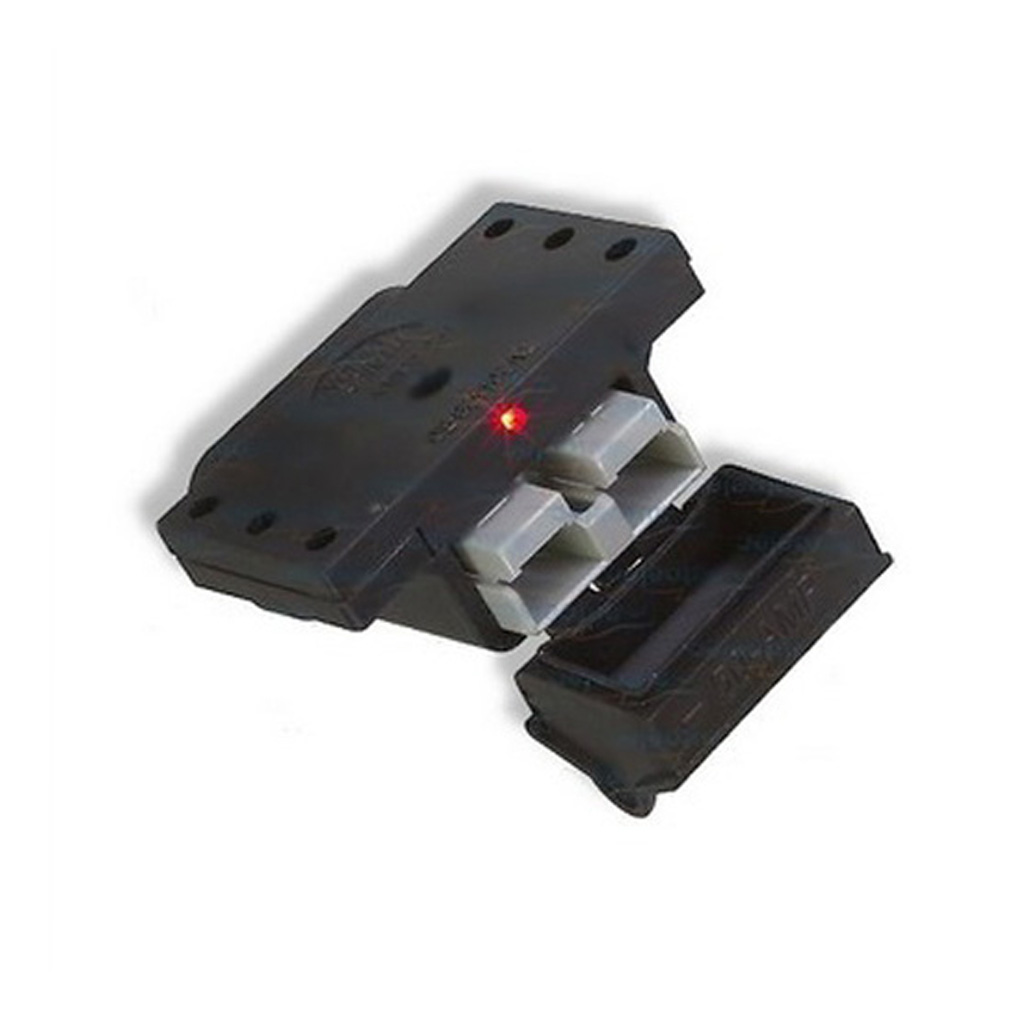
For battery cables, Anderson-style power connections and heavier current work, the better answer is a dedicated heavy-duty lug crimper. If you do factory-style connector repairs, add an open-barrel crimper rather than forcing the wrong tool to do the job.
That may sound less convenient than buying one do-everything tool, but it is the more realistic approach. Automotive wiring covers too many connector styles and current levels for one crimper to do every job properly.
For Australian conditions, where wiring is often exposed to vibration, dust, moisture and heat, consistency matters. Good cable, good terminals and the right crimping tool work as a system. If one part is poor, the whole job is compromised.
At Bluebar Industries, that is the practical view. Buy the crimper that matches the terminals and cable you actually use, not the one with the biggest promise on the blister pack. Your wiring will be neater, more reliable and a lot less likely to need a second look after the next rough track or long run up the coast.