

 Cable Automotive / Marine
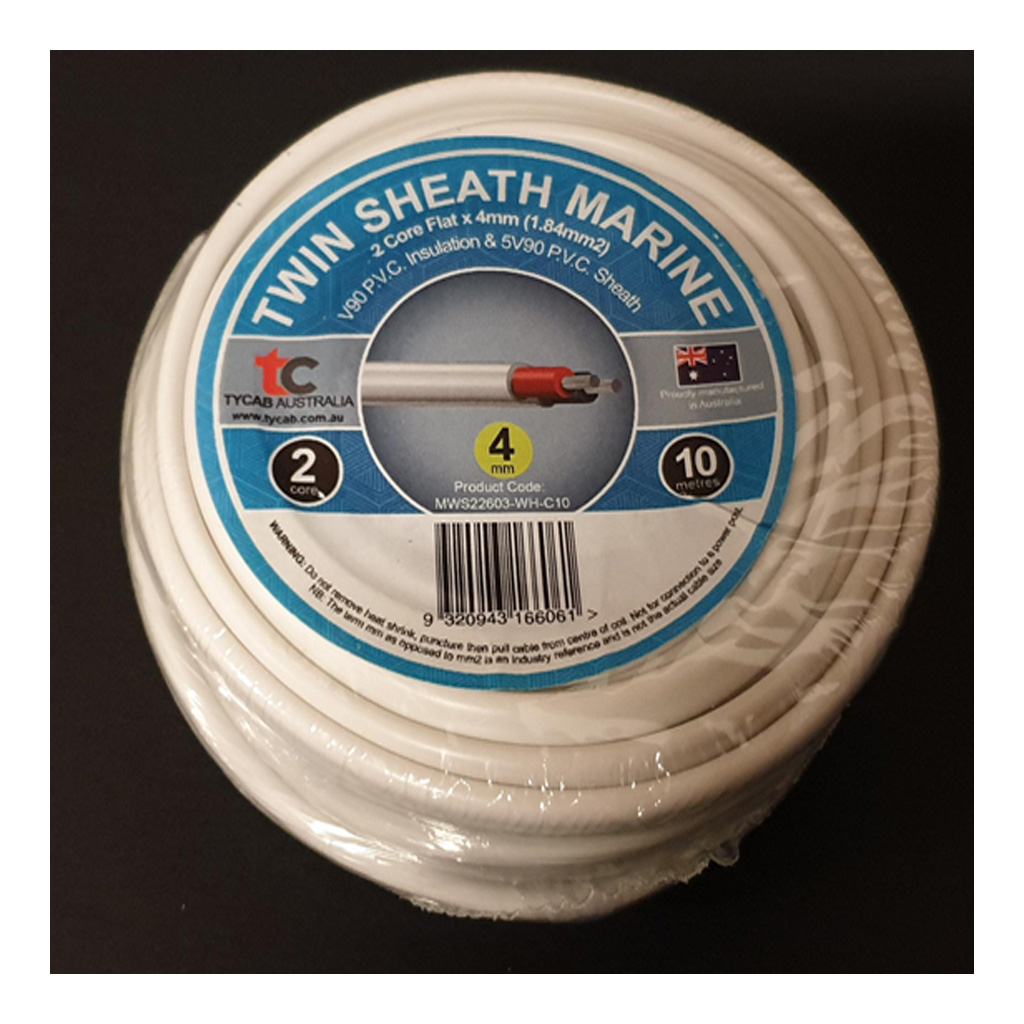
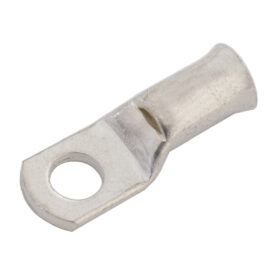 Cable Lugs
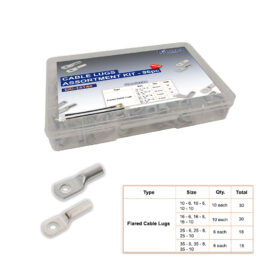 Cable Lug Assortment Kits
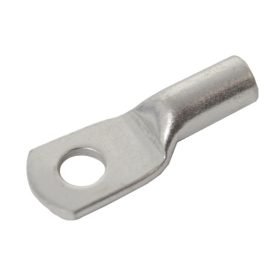 Cable Lugs Straight Wall Closed
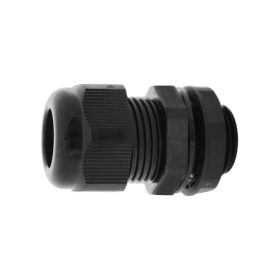 Cable Glands
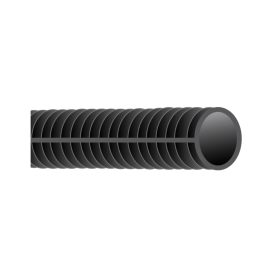 Convoluted Split Tubing
 12/24v Products & Access
 Electrical Connectors
 Solar Powered Products
 LED Lights
 Tools
Tools

 Auto Parts & Categories

 Fittings
 Cleaning & Misc
 Clearance & Promotion
Latest News
Cable Protection for Engine Bay Setups
Jun
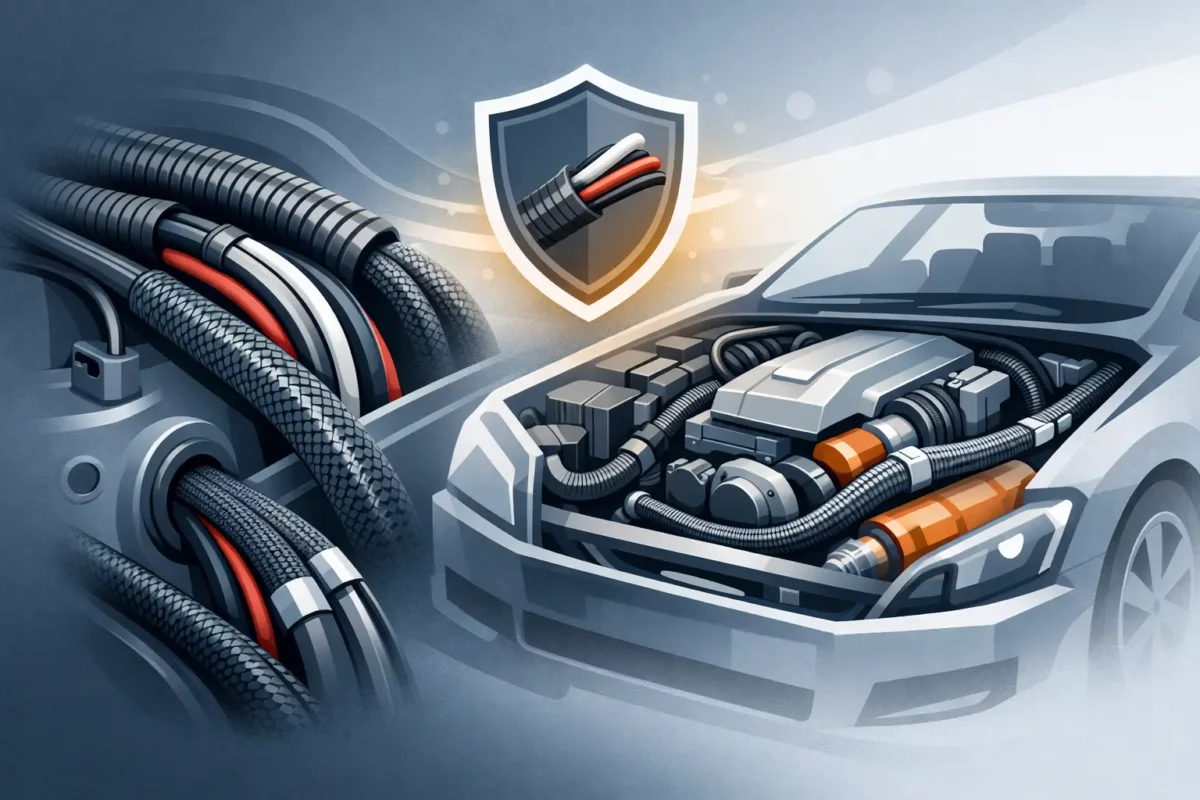
A tidy wiring job can still fail fast once it goes under the bonnet. Heat, vibration, oil mist, dust and constant movement all work against your loom, especially in touring rigs, work utes and vehicles running added 12V or 24V accessories. Good cable protection for engine bay wiring is not cosmetic – it is what stops insulation wear, short circuits and breakdowns that are hard to trace later.
If you are adding driving lights, a dual battery system, a compressor, solar input, a UHF feed or fridge supply, the protection around the cable matters just as much as the cable itself. In many cases, the weak point is not the conductor. It is where the cable rubs on a bracket, sits too close to a hot component, or passes through a panel without the right guard in place.
Why cable protection for engine bay wiring matters
An engine bay is one of the harshest places on a vehicle for electrical installation. Temperatures rise and fall quickly, plastics harden over time, and anything unsecured will eventually chafe. Even quality automotive cable can be damaged if it is routed poorly or left exposed where it contacts metal edges, corrugated conduit mounts, battery trays or accessory brackets.
Abrasion is usually the first problem. A cable that looks fine on day one can slowly wear through insulation after months of corrugations, vibration and engine movement. Heat is the next issue. Standard sleeving may be acceptable in a sheltered position, but near exhaust components, turbo plumbing or hot engine parts, you need protection rated for the environment. Chemical exposure also matters. Oil, fuel residue, degreasers and road grime can all shorten the life of lower-grade materials.
The point is simple – protection should be chosen for the actual route, not just grabbed off the shelf because it fits over the cable.
What threatens wiring under the bonnet
Most failures come back to a small number of causes. Sharp edges at body penetrations are a common one, especially when installers run cable through factory holes or drilled panels without a proper grommet. Unsupported cable spans are another. The longer the cable can move, the more likely it is to rub through on nearby hardware.
Heat exposure is often underestimated in accessory installs. A loom that is safe when the vehicle is parked can still be too close to a hot section once everything is at operating temperature. Add a few hours of towing, low-range work or summer driving, and the margin disappears.
Then there is water and contamination. Engine bays are not sealed environments. Creek crossings, pressure washing and general wet-weather use introduce moisture where you may not expect it. Protection needs to work with the connectors, terminals and mounting method, not independently of them.
Choosing the right type of cable protection for engine bay use
There is no single best product for every under-bonnet job. The right choice depends on heat, movement, cable size and where the run begins and ends.
Split conduit is the standard starting point for many installations because it provides basic abrasion resistance, keeps wires grouped neatly and makes future inspection easier. It suits general-purpose routing away from major heat sources and is often the quickest option for accessory wiring runs. The trade-off is that not all conduit is equal. Thin, low-grade conduit may crack, go brittle or open up over time.
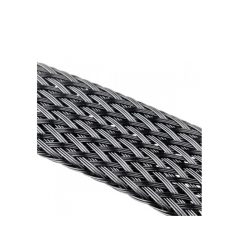
Braided sleeving is useful when flexibility matters or when a neater finish is preferred. It can work well for sections where the loom changes direction or where multiple smaller wires need to be bundled tightly. Some braided products offer strong abrasion resistance, but they may not provide the same physical barrier as heavier conduit in rough contact areas.
Heat-resistant sleeve comes into play when routing near sustained heat. This is where material specification matters. If a cable runs close to exhaust components or other high-temperature zones, standard loom protection is not enough. You need a sleeve designed for radiant and direct heat exposure, and you still need sensible routing clearance wherever possible.
Rubber grommets and edge protection are essential where cable passes through metal. This is one of the most overlooked parts of an install. Even heavy cable with thick insulation can be cut by vibration over time if it sits on a raw edge.
Clips, P-clamps and proper mounts also count as protection. A well-protected cable that is poorly secured is still at risk. Good routing and support reduce movement, and reduced movement reduces wear.
Material quality matters more than many people think
Under-bonnet protection products can look similar at first glance, but service life can vary sharply. Better-quality conduit and sleeving generally hold shape longer, resist cracking and stay serviceable in heat and grime. That matters in Australian conditions, where long-distance driving, dust, washouts and engine-bay temperatures can be hard on anything marginal.
This is particularly relevant on 4WDs, caravan tow vehicles and trade vehicles that spend time on corrugations. Cheap protection may save a few dollars at install time, but if it hardens, splits or loses flexibility, it can create the exact failure it was meant to prevent.
For trade customers and workshop use, consistency also matters. If you know how a product performs and what cable sizes it actually suits, installs are quicker and call-backs are less likely.
Routing is as important as the protection itself
The best sleeve in the world will not fix poor cable routing. A clean install starts with the path. Keep runs clear of exhausts, steering shafts, belts, pulleys and sharp brackets. Follow existing loom paths where sensible, but do not assume every factory route suits an added accessory load or cable diameter.
Allow for engine movement and service access. A cable tied too tightly across a moving section may look neat in the workshop but pull or rub in use. Likewise, a loom routed across areas commonly removed for servicing can get damaged the first time someone works on the vehicle.
Support points should be frequent enough to stop the cable from sagging or vibrating freely. This becomes even more important with heavier battery cable, twin-core runs and accessory feeds with added connectors or fuses in-line.
Common engine bay installs that need better protection
Battery-to-battery charging systems are a big one. These often involve heavier cable runs through crowded engine bays, across guards or into cabins and trays. Because the cable is larger and less flexible, it needs thoughtful routing, solid support and protection at every transition point.
Driving light and light bar wiring can also be vulnerable. The front end of the vehicle sees constant vibration, water and road grime, and wiring often passes near metal supports, radiator panels and grille mounts. Without conduit, edge protection and secure fixing, these runs can fail earlier than expected.
Compressor wiring, UHF power feeds, electric brake controller feeds and solar regulator connections all benefit from the same approach. Match the protection to the route, not just the application label.
Mistakes that cause trouble later
One common mistake is relying on cable ties alone. Cable ties help with neatness, but they are not a full protection strategy. If the loom is still free to move against metal, the problem remains.
Another is mixing high-quality cable with low-grade accessories around it. Good automotive cable deserves conduit, sleeving, mounts and grommets that are up to the same standard. Otherwise, the weak link is built in from the start.
Installers also sometimes oversize conduit too much. A small amount of room is fine, but if the cable can move excessively inside the protection, wear can still occur at entry and exit points. On the other hand, protection that is too tight can be difficult to fit and may place stress on bends. It is a balance.
Getting the right fit for 12V and 24V systems
Whether you are working on a weekend touring setup or fitting out fleet vehicles, cable protection should be selected alongside cable size, connector choice and mounting hardware. A proper install is a system, not a collection of separate parts.
That is why buyers often do better with a specialist supplier that understands how cable, conduit, glands, grommets, lugs, fuse gear and mounting accessories work together in real vehicle applications. Bluebar Industries supports that practical side of the job, especially where standard off-the-shelf parts are not enough and durability matters.
If you are planning an under-bonnet install, treat protection as part of the wiring specification, not an afterthought. A few extra minutes spent choosing the right conduit, sleeve or edge guard now is usually the difference between a reliable setup and a fault-finding job later. Under the bonnet, the cable is only as good as what protects it.