

 Cable Automotive / Marine
 Cable Lugs
 Cable Lug Assortment Kits
 Cable Lugs Straight Wall Closed
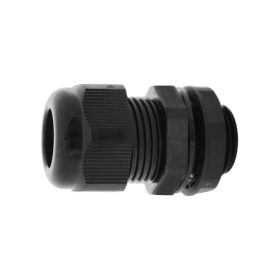 Cable Glands
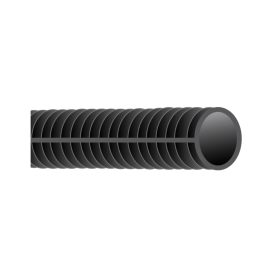 Convoluted Split Tubing
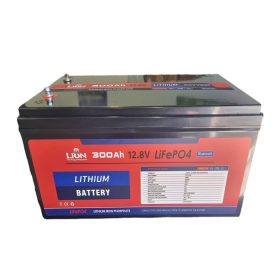 12/24v Products & Access
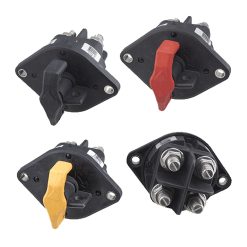
 Electrical Connectors
 Solar Powered Products
 LED Lights
 Tools
Tools

 Auto Parts & Categories

 Fittings
 Cleaning & Misc
 Clearance & Promotion
Latest News
Ampseal Connectors for Engine Bay Use
May
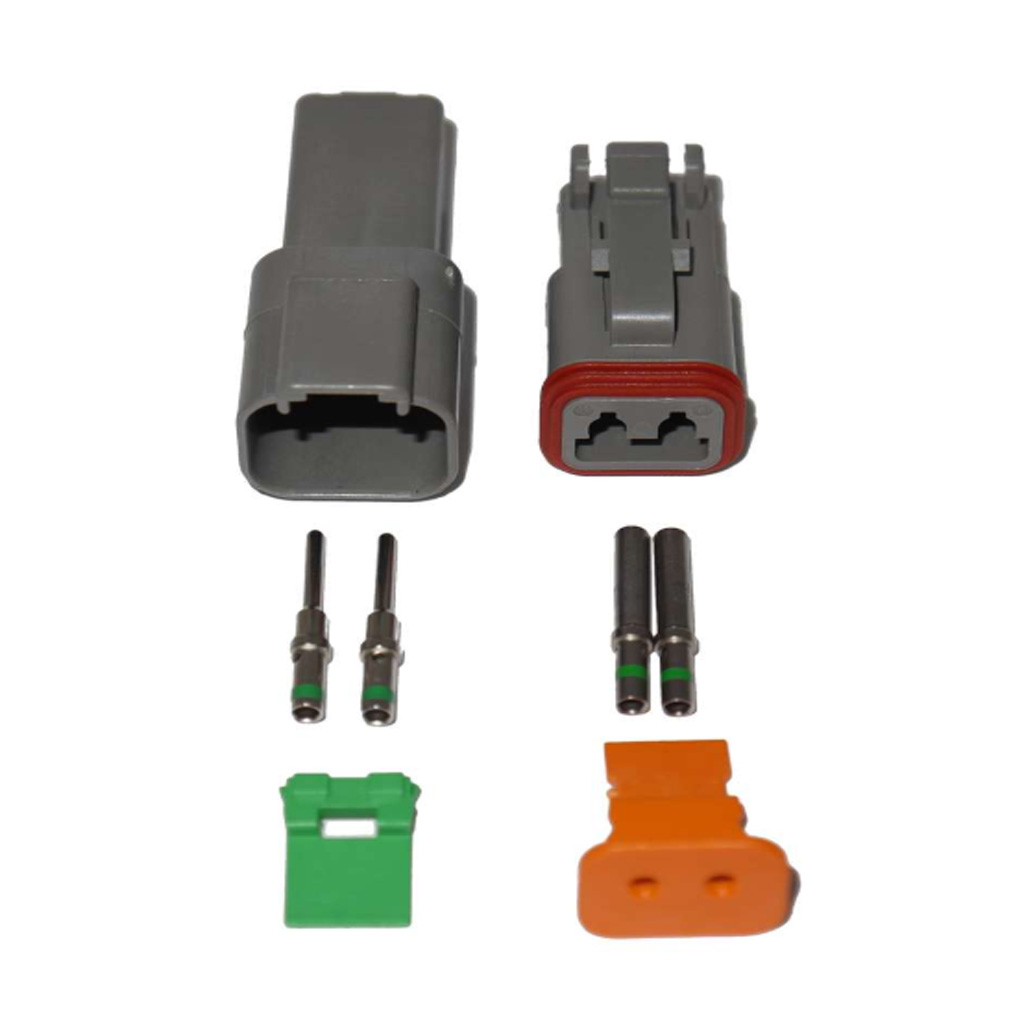
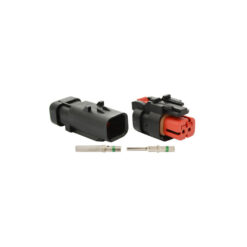
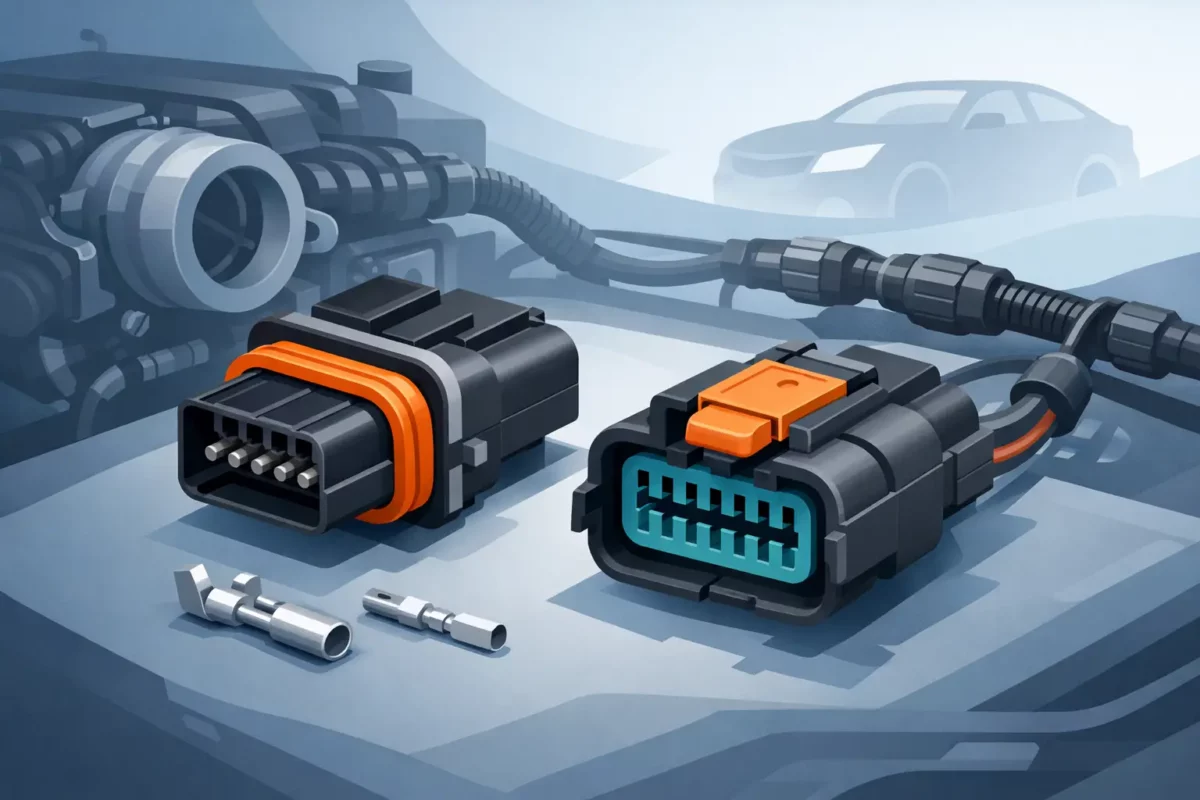
Under the bonnet, wiring failures rarely start with the cable. More often, the weak point is the join – the connector that looked fine on the bench but starts letting in dust, moisture or vibration once it is exposed to real engine bay conditions. That is why ampseal connectors for engine bay applications are a common choice when reliability matters in 12V and 24V setups.
Whether you are wiring driving lights, integrating sensors, adding aftermarket accessories or repairing damaged harness sections, connector choice affects long-term service life. In Australian conditions, that matters even more. Heat soak, corrugated roads, water crossings, red dust and constant vibration all work against electrical connections. A sealed connector system is not a luxury in these environments. It is basic insurance.
Why ampseal connectors for engine bay jobs make sense
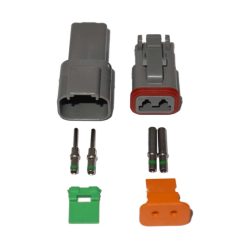
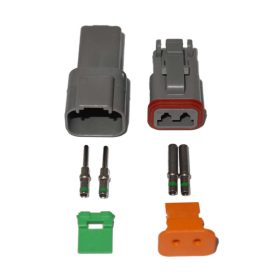
Ampseal connectors are designed for harsh-environment wiring where moisture, dust and mechanical stress are part of normal service. In an engine bay, that usually means a better result than using generic unsealed plugs, push-together terminals or budget connector kits with poor fit and questionable sealing.
The main advantage is environmental protection. A properly assembled Ampseal connector uses seals at the wire entry and around the connector interface to help keep contaminants out. That reduces the chance of corrosion on terminals, voltage drop across poor connections and intermittent faults that are painful to trace later.
The other big advantage is retention. Engine bays shake, flex and heat cycle constantly. A connector that locks positively and holds the terminals securely is far less likely to loosen over time. That matters for accessories mounted near the radiator support, inner guards, firewall or battery area, where movement and temperature swings are part of daily use.
There is a trade-off, though. Ampseal connectors are not the fastest option if you are trying to do a rough temporary job. They need the right terminals, the correct wire size match and proper crimping technique. If you rush the assembly or use the wrong tool, you can end up with a sealed connector body wrapped around a poor electrical connection. The connector itself is only as good as the termination.
Where they are commonly used
In practical automotive electrical work, Ampseal connectors suit circuits where you want a compact, sealed multi-pin connection rather than a collection of individual joins. That can include engine sensor circuits, fan wiring, auxiliary lighting looms, compressor installations, switched power feeds, relay control wiring and custom accessory harnesses.
They are also useful when a part of the vehicle may need to be removed or serviced later. If you are wiring a bullbar-mounted component, an under-bonnet fuse and relay board, or a detachable section of loom, having a sealed plug-and-socket arrangement makes future fault-finding and replacement cleaner. Instead of cutting and rejoining wires, the system can be disconnected properly.
For trade workshops and experienced DIY installers, this is where the value shows up. A neat loom with the right connector is easier to diagnose, easier to service and less likely to come back with nuisance faults.
Choosing the right ampseal connector for engine bay wiring
Not every connector suits every job simply because it is sealed. Pin count matters, current load matters and wire size matters. If the circuit needs only two wires but carries serious current, a small multi-pin connector may not be the right fit. On the other hand, if you are dealing with multiple low-current signal wires, a sealed multi-pin connector is often a much better solution than trying to protect a row of separate terminals.
Start with circuit design. Work out how many conductors you need now, and whether you want any spare ways for future additions. Then look at the expected current on each circuit. Connector bodies and terminals are built around specific ranges, and forcing larger cable into smaller terminals usually leads to poor crimps, damaged seals or both.
Wire insulation diameter also matters more than many people expect. The seal at the rear of the connector must suit the cable entering it. If the cable is too small for the seal, water and dust resistance drops away. If it is too large, assembly becomes difficult and you risk damaging the seal during installation.
This is one reason specialist supply matters. Matching terminals, seals, housings and tooling is part of getting a dependable result. In automotive electrical work, close enough usually is not close enough for long.
Installation quality matters more than the connector name
A good connector can still fail if the basics are ignored. Correct crimping is the first point. The terminal needs a proper mechanical and electrical crimp on the conductor, and where applicable, the insulation support and seal area must also be formed correctly. Pliers, side cutters and improvised crimpers are a false economy here.
Routing is next. Even sealed connectors do not belong hard up against exhaust components, sharp bracket edges or areas where the loom is unsupported and free to whip around. Heat shielding, conduit, split tubing, cable ties and sensible mounting all help the connector do its job.
It also pays to think about service position. Mount the connector where it can be disconnected if needed, but not where it will collect direct spray, sit in oil residue or cop a constant stream of heat from turbo plumbing or manifolds. Sealed does not mean indestructible. It means better protected when used properly.
For workshop installs, consistency matters too. If every loom is built with the same orientation, labelling and wire colour logic, the next person working on the vehicle will thank you. Good connector selection is only part of a good harness. The rest is workmanship.
Common mistakes to avoid
One common mistake is choosing a connector purely by appearance. Plenty of connectors look heavy-duty until you inspect the terminal fit, locking mechanism and seal quality. In engine bay conditions, poor plastics, loose cavity tolerances and thin terminals get exposed quickly.
Another is underestimating current. A connector used on a sensor circuit may be completely unsuitable for a higher-draw accessory. If you are feeding pumps, compressors, high-output lighting or similar loads, confirm the terminal and connector ratings and design the circuit accordingly.
There is also the temptation to reuse old terminals or de-pin and rebuild components without checking for damage. If a terminal has been bent, overheated or poorly crimped the first time, reusing it often creates more trouble than it saves.
Finally, do not treat sealing as a substitute for loom protection. A sealed connector does not protect the rest of the harness from abrasion, poor routing or excessive heat. The whole assembly needs to be designed for the environment.
When ampseal connectors are the right choice – and when they are not
For low-to-medium current multi-wire connections in exposed areas, Ampseal connectors are often a very sensible option. They suit engine bay accessory wiring, custom harness work and repairs where durability and environmental sealing are priorities. They also make sense where future disconnection is likely.
They may be less suitable where you need very high current transfer, ultra-simple two-wire service joins, or where an existing OEM connector and repair system already does the job properly. Sometimes the best result is maintaining factory connector standards rather than adding another interface. Other times a different sealed connector family will suit the cable size or packaging better.
That is the practical answer most installers already know: it depends on the circuit, the environment and the service expectations. There is no single best connector for every under-bonnet job. There is only the right connector for that job.
Getting better long-term results in harsh Australian conditions
Vehicles used for touring, trade, agriculture, mining support or marine-adjacent work tend to expose electrical systems to more than city commuting ever will. Dust gets everywhere. Water does not always arrive clean. Engine bays see big temperature changes, especially in modern vehicles with tight packaging. Add corrugations and accessory load-outs, and marginal wiring practices show up quickly.
That is why experienced installers tend to be selective about connectors. They want parts that suit the wire, suit the environment and can be assembled properly with the right tooling. Bluebar Industries works in that same practical space – supplying the sort of connectors, cable, protection and workshop gear that make sense when the aim is a job that stays fixed, not just a job that powers up once.
If you are building or repairing an engine bay loom, slow down at the connector stage. The right sealed connection can save hours of fault-finding later, and under the bonnet that is time well spent.