

 Cable Automotive / Marine
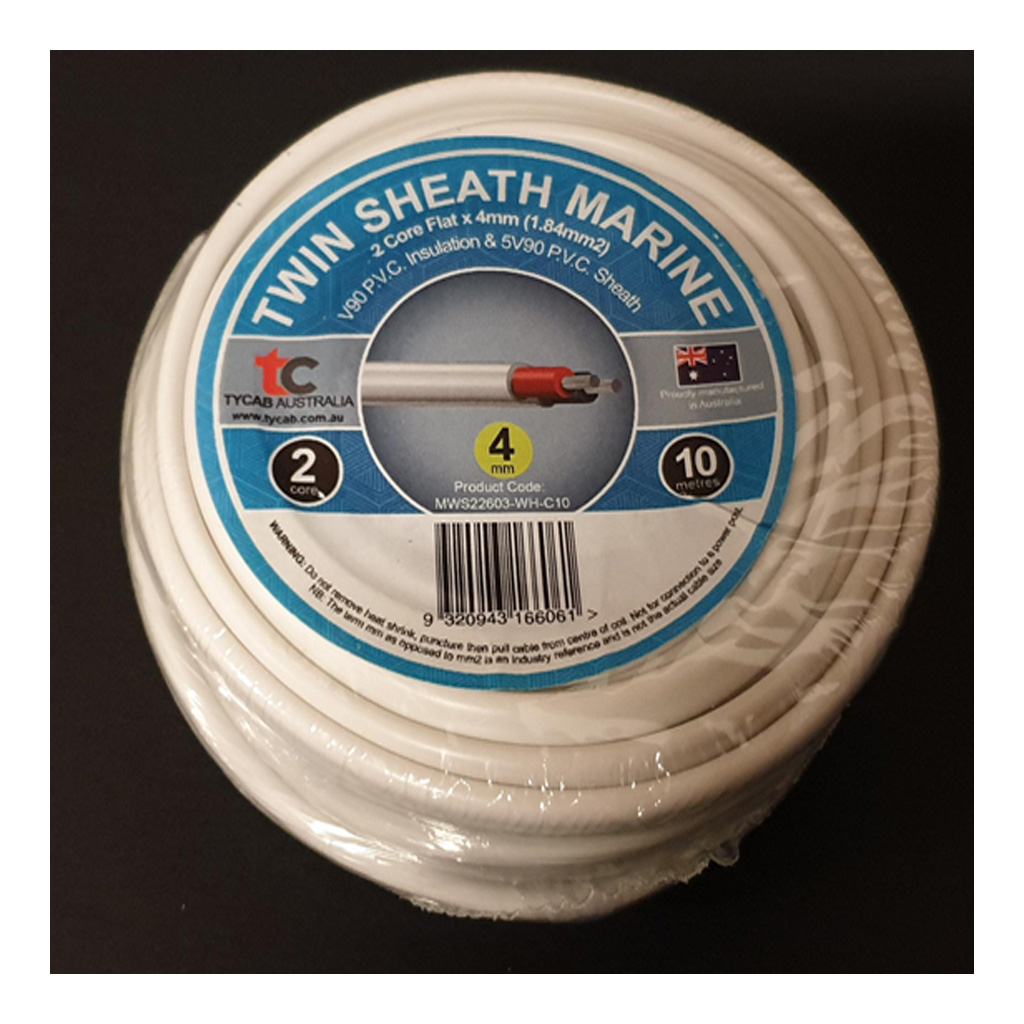
 Cable Lugs
 Cable Lug Assortment Kits
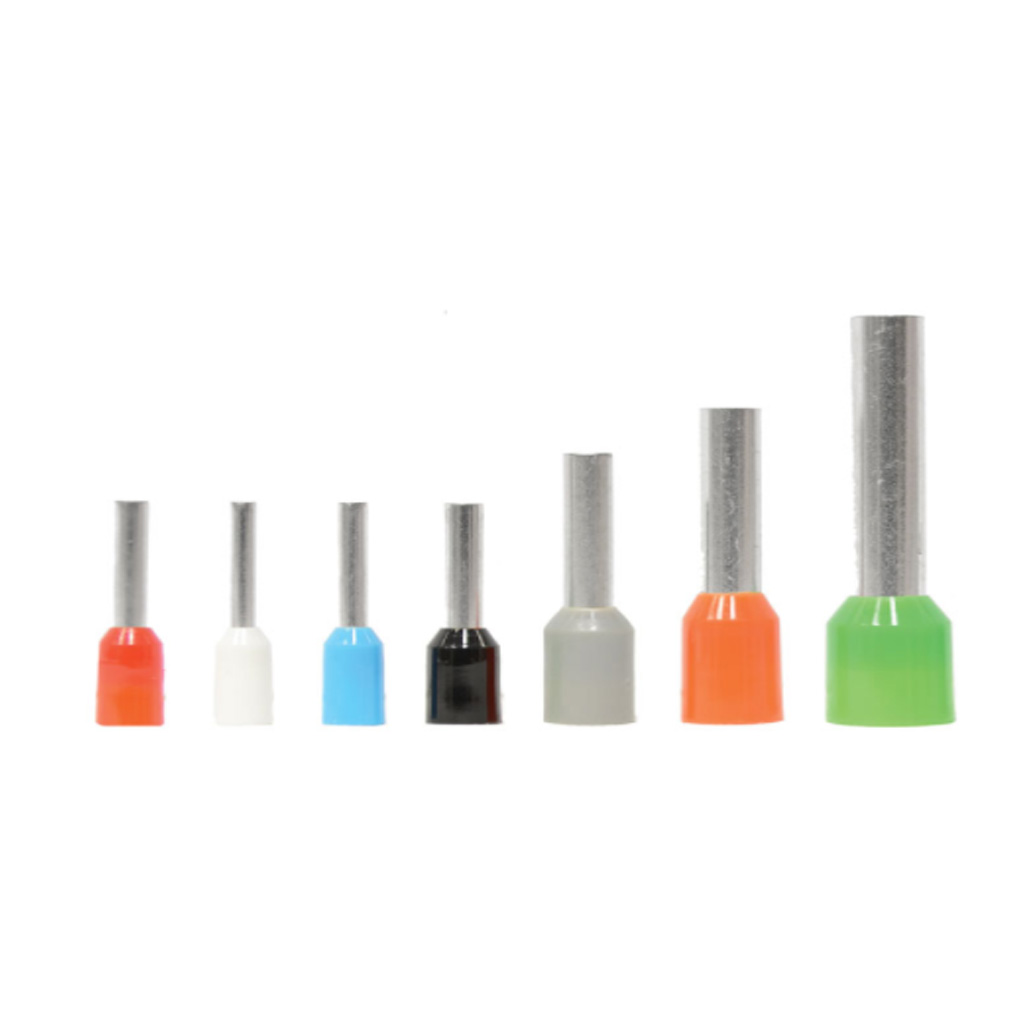
 Cable Lugs Straight Wall Closed
 Cable Glands
 Convoluted Split Tubing
 12/24v Products & Access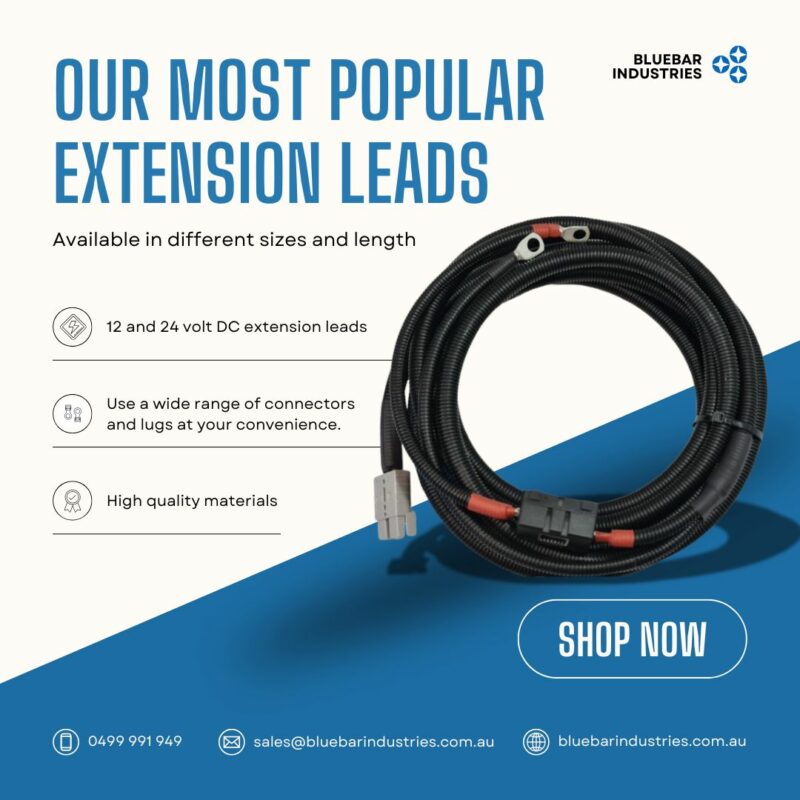
 Electrical Connectors
 Solar Powered Products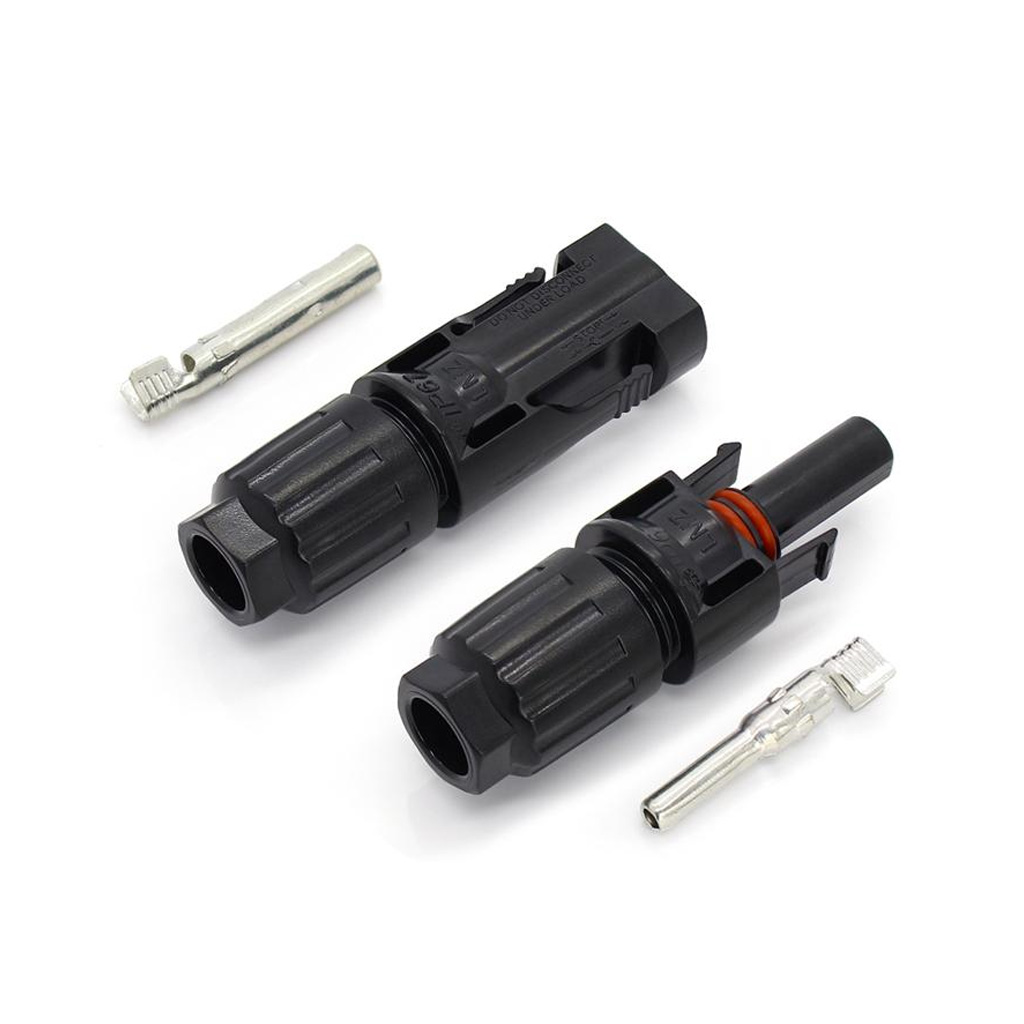
 LED Lights
 Tools
Tools
 Auto Parts & Categories

 Fittings
 Cleaning & Misc
 Clearance & Promotion
Latest News
How to Choose 12V Power Leads Properly
May
A fridge cutting out on corrugations, a battery box that never seems to charge properly, or lights that dim more than they should usually comes back to the same issue – the wrong lead. If you are working out how to choose 12v power leads, the decision is not just about finding a plug that fits. You need the right cable size, the right connector, the right length and the right build quality for the job.
In 12V systems, small mistakes show up quickly. A lead that is too light, too long or poorly terminated can create voltage drop, heat and unreliable performance. That matters whether you are wiring a caravan, setting up a dual-battery system in a 4WD, powering camp gear, fitting out a boat or sorting workshop equipment.
How to choose 12V power leads for the job
The first question is simple – what is the lead actually powering, and how much current will it draw? A phone charger or small LED light has very different requirements to a portable fridge, compressor, inverter or DC-DC charger. If you start with current draw, you are far less likely to end up with a lead that looks right but performs poorly.
Higher current loads need heavier cable. That is because 12V systems are more sensitive to voltage drop than many people expect. Lose even a small amount of voltage through undersized cable and some equipment will slow down, cut out or fail to charge properly. A lead that works fine over one metre may be inadequate over five.
The environment matters too. A lead used inside a canopy drawer system has different demands to one dragged across camp, exposed to spray in a marine setup or fitted in a work ute that sees dust, mud and vibration every day. Choosing on appearance alone is a good way to buy twice.
Start with current draw and cable size
Cable size is where most lead selection goes right or wrong. People often focus on the plug ends because they are visible, but the cable between them does the heavy lifting.
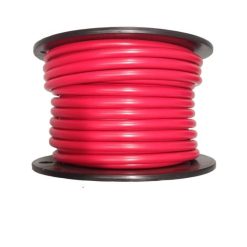
If the lead will run a low-draw accessory, you may get away with a lighter cable. Once you are dealing with fridges, pumps, battery charging or longer extension runs, cable size becomes critical. Heavier cable reduces resistance and helps maintain voltage at the load. That means better fridge performance, more effective charging and less wasted power as heat.
There is always a trade-off. Larger cable costs more, is heavier and can be less flexible in tight spaces. But in many 12V applications, especially in mobile setups, going too small causes more trouble than going slightly larger than needed. If you are unsure, it is generally safer to size for the actual load plus some headroom rather than run cable at the edge of its capacity.
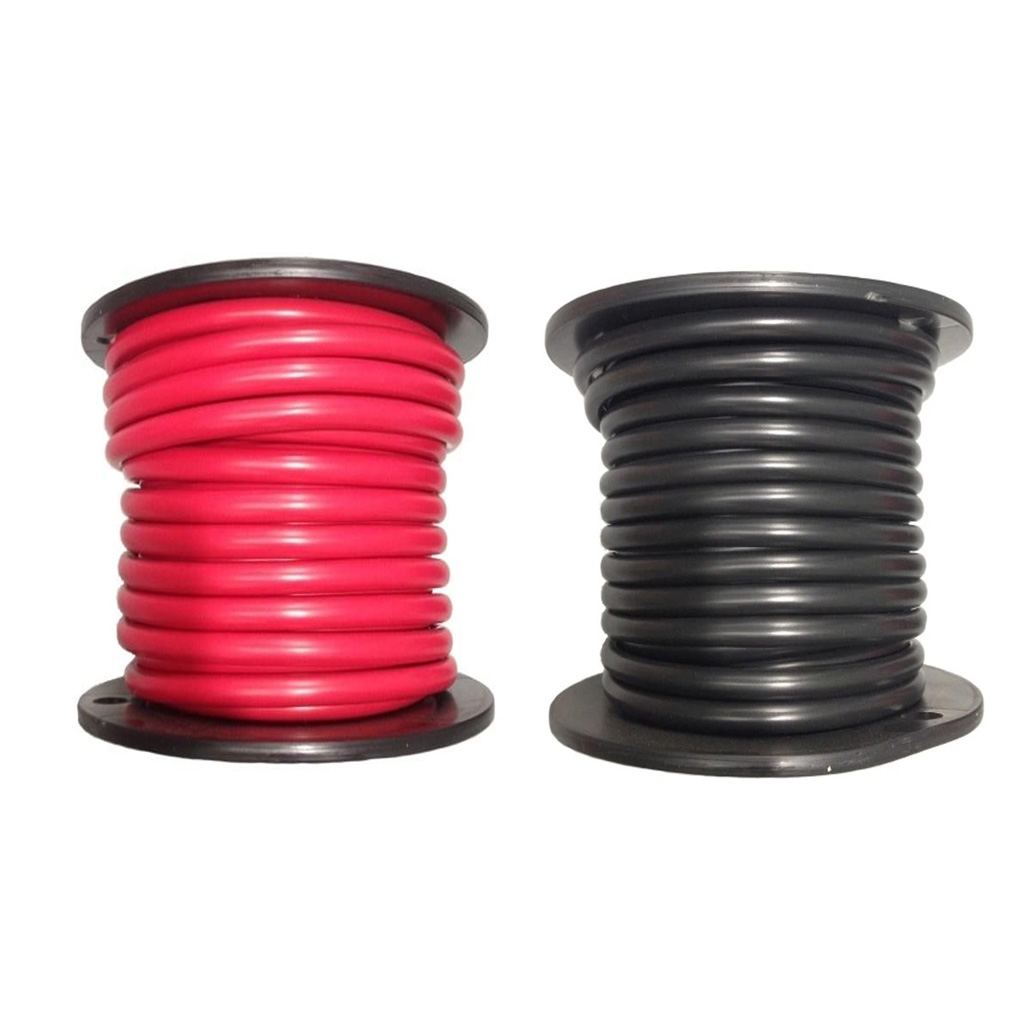
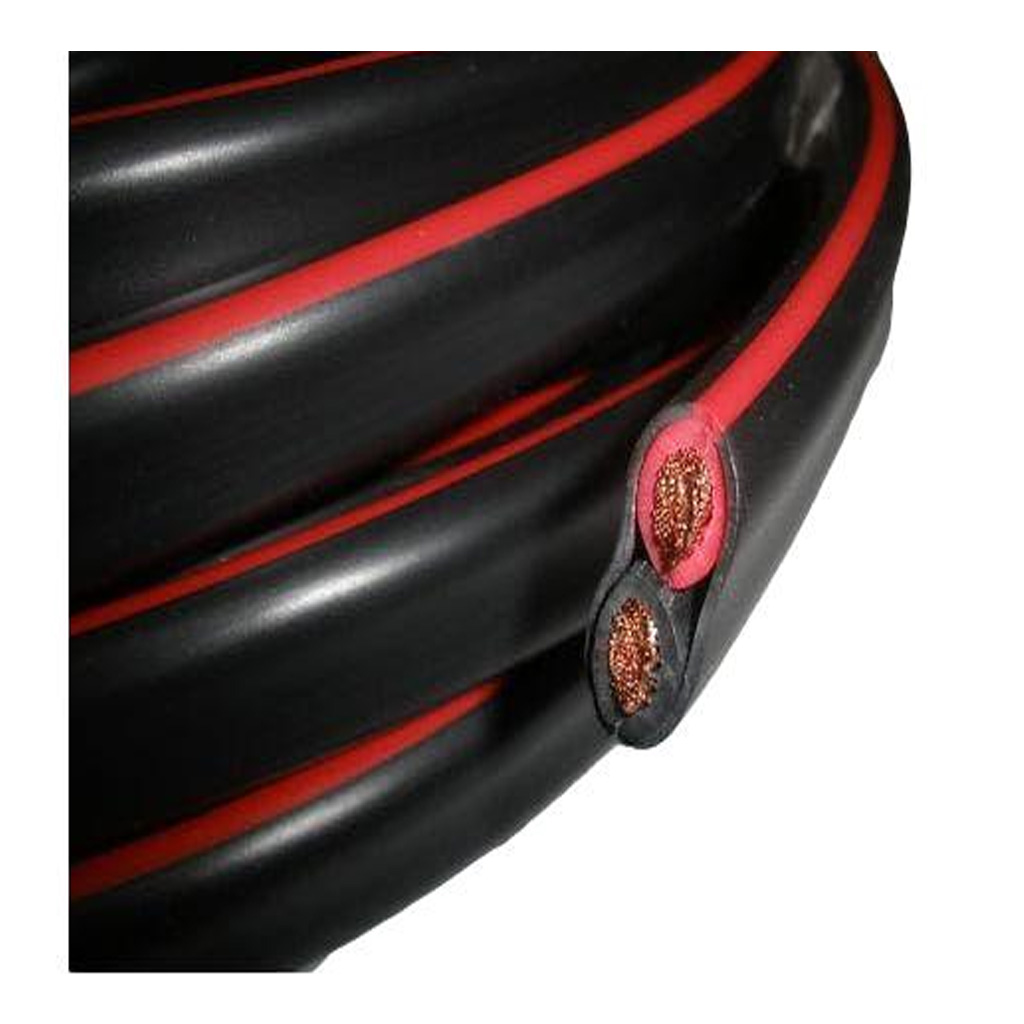
Pay attention to how cable is specified. Quality automotive cable should clearly state its size and application. Avoid vague leads with no meaningful rating or unclear conductor details. Cheap imported leads often look acceptable from the outside but use lighter conductors than expected, which shows up once load is applied.
Length changes everything
A common mistake is choosing a lead based on current only, without accounting for distance. The longer the lead, the greater the voltage drop. That is especially relevant in caravans, canopies, trailers and boat setups where the power source and device may be several metres apart.
If you are extending from a battery to a rear-mounted fridge, portable battery box or solar input, length is not a minor detail. It is a core part of the calculation. A short lead with moderate cable may work well. The same cable over a longer run may not.
This is why extension leads need more attention than many buyers give them. Convenience is useful, but not if the extra length causes poor performance. In practice, the best lead is often the shortest one that comfortably suits the installation. If a longer run is unavoidable, increase cable size accordingly.
Match the connector to the application
The right plug type depends on current, reliability requirements and how the lead will be used. A cigarette lighter style plug may be fine for some low-draw accessories, but it is not the best option for many serious 12V applications. They can loosen, disconnect on rough tracks and are not ideal where dependable power delivery matters.
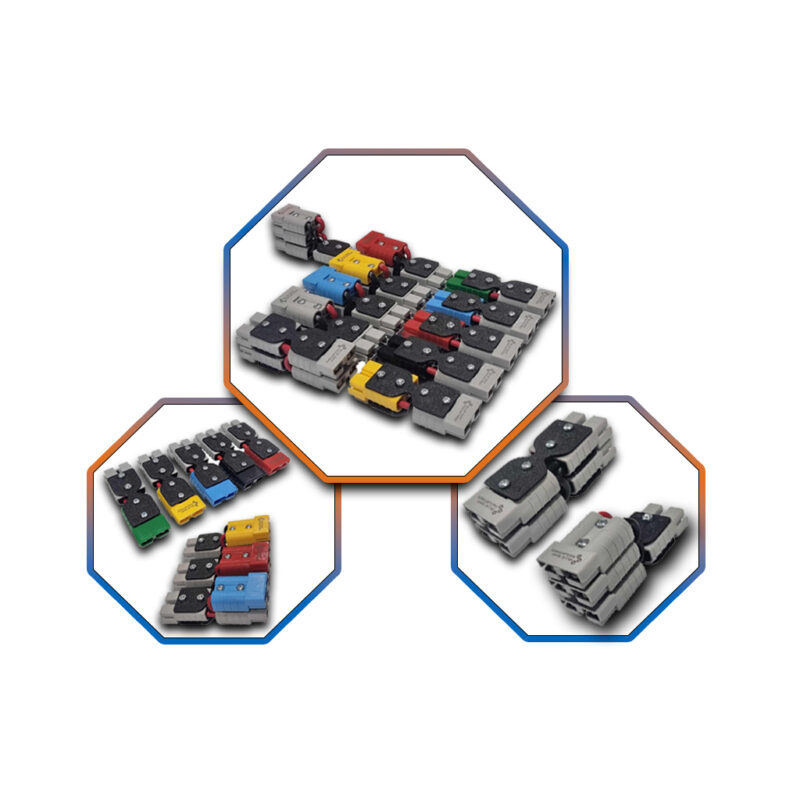
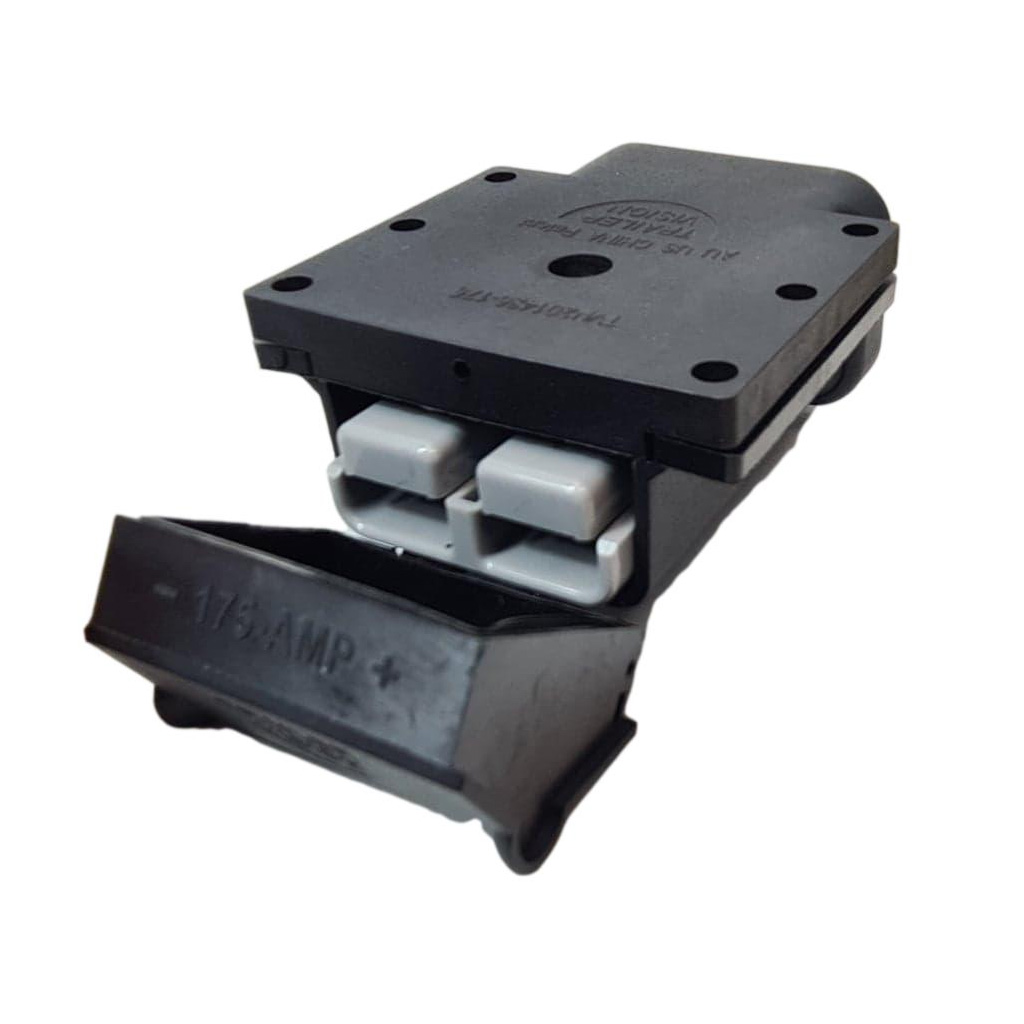
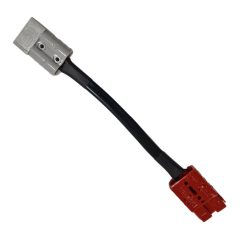
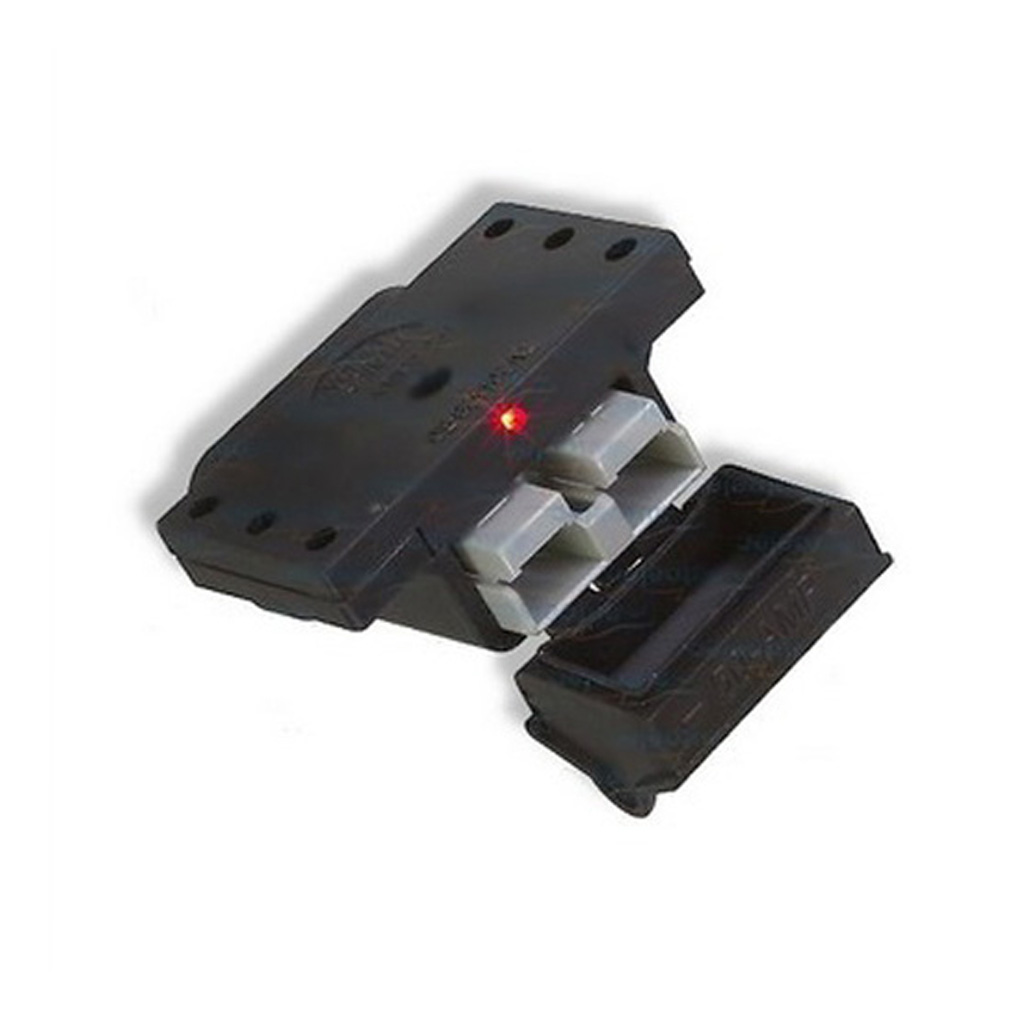
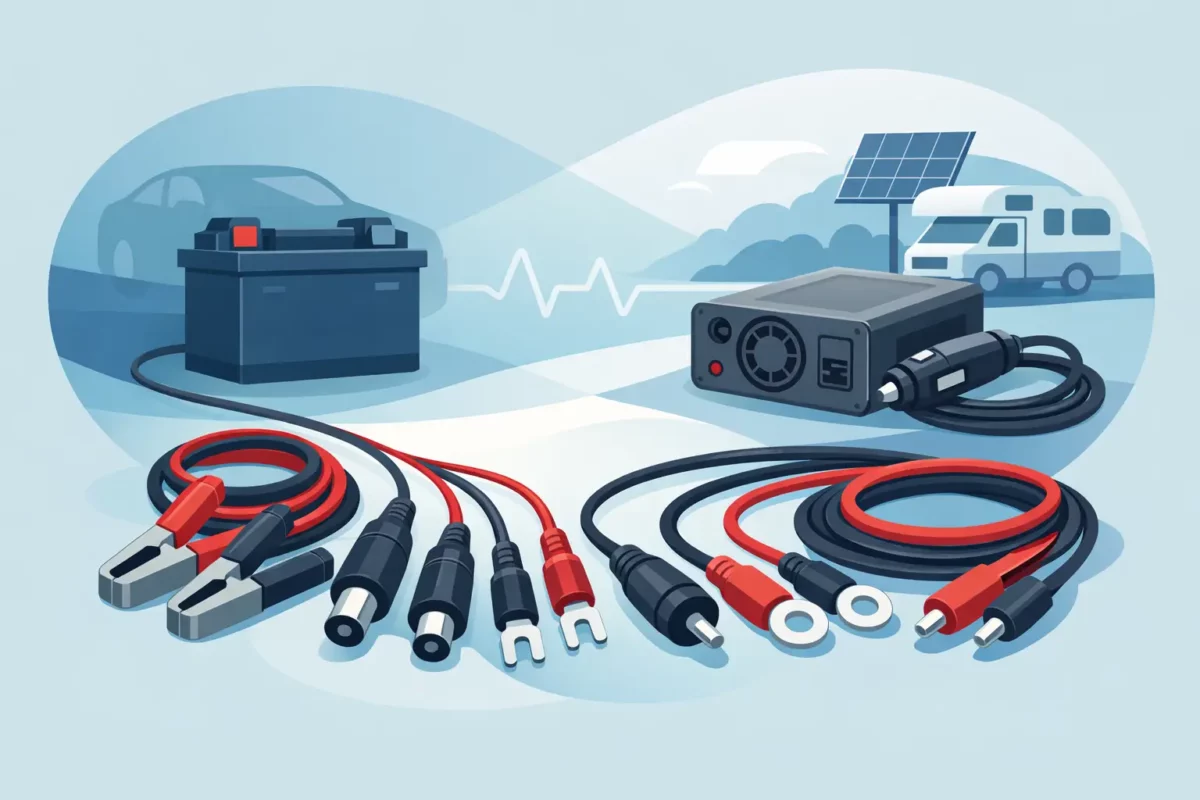
Anderson-style connectors are widely used because they provide a more secure, higher-current connection and suit a broad range of automotive, caravan, solar and battery applications. They are common in dual-battery systems, charging circuits, portable power setups and trailer connections for a reason – they are practical, durable and easy to standardise across a system.
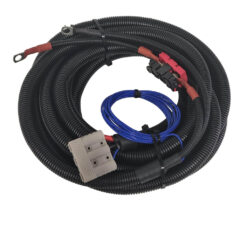
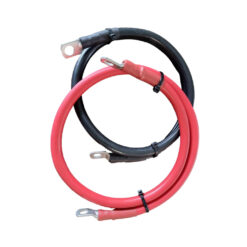
There are also specific leads for merit sockets, alligator clips, ring terminals and adaptor configurations. The best choice depends on whether the lead is temporary, semi-permanent or part of a fixed installation. Ring terminal battery leads, for example, make sense where a solid direct battery connection is needed. Plug-and-play adaptors suit portable gear and changing setups.
Compatibility matters. A lead is only useful if it matches both the power source and the device input. Before buying, check connector gender, housing style, current rating and polarity. Similar-looking connectors are not always interchangeable.
Build quality is not a minor detail
If a power lead is going into a harsh environment, quality matters just as much as specifications on paper. A lead might have the right plug and nominal size, but poor crimps, weak insulation or low-grade connector housings will let it down.
Look for solid terminals, properly fitted housings and cable designed for automotive or mobile use. Flexibility is important in areas where the lead will be bent or moved regularly. In engine bays, under vehicles, on trailers and around marine gear, resistance to abrasion, heat, vibration and moisture all count.
This is one area where trade buyers tend to be more cautious for good reason. Downtime from a failed lead costs more than the difference between cheap and fit-for-purpose components. For retail users, the same logic applies when you are remote and relying on the system to keep food cold, batteries charged or work equipment running.
Think about the power source, not just the load
When working out how to choose 12v power leads, it helps to think in both directions. What is the device drawing, and what is the source capable of supplying?
A lead connected directly to a battery may need inline circuit protection depending on the setup. A lead feeding from a socket must suit the socket rating. A solar lead needs connector compatibility and cable suitable for outdoor use. A charging lead between a vehicle and caravan battery system may need to support sustained current over distance, which puts extra pressure on both cable size and connector quality.
This is where generic leads often fall short. They may physically connect, but not suit the charging rate, current demand or environmental conditions of the actual system. If the setup includes a DC-DC charger, inverter or larger auxiliary battery arrangement, the lead should be selected as part of the overall system rather than as an afterthought.
Off-the-shelf or custom made?
Sometimes a standard lead is exactly what you need. If the length, connector type and cable size match the job, an off-the-shelf option is efficient and straightforward.
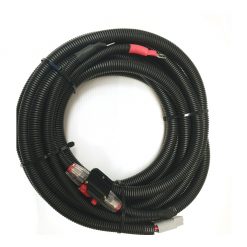
But custom leads make more sense when the installation is specific, space is tight, the route is unusual or the equipment combination is not standard. This is common in touring vehicles, canopies, marine installations and workshop setups where neat routing and exact lengths help with both performance and reliability.
A custom lead can remove weak points such as unnecessary adaptors, excess cable and poor-fitting connections. For trade work, it can also save installation time. For end users, it can mean a cleaner, more dependable setup from the start. That is one reason specialist suppliers such as Bluebar Industries are useful when the job is more than a basic plug conversion.
Red flags when buying 12V power leads
If a lead has no clear current rating, no cable size information and no useful detail on connector type, be cautious. The same goes for products that rely on generic wording like heavy duty without backing it up with actual specifications.
Another red flag is over-promising versatility. One lead is not ideal for every application. A small adaptor lead may be fine for light duties, but not suitable as a charging lead or a supply lead for higher current gear. If the listing or packaging avoids the technical details, there is usually a reason.
Price alone should not drive the decision. In low-current applications you may have more flexibility, but once the lead is part of a critical power path, quality and suitability matter more than saving a few dollars upfront.
Make the lead fit the system
The best 12V power lead is not the one with the most features. It is the one that matches the load, the run length, the connector standard and the conditions it will actually face. Get those four things right and the system usually behaves as it should.
If you are choosing for a 4WD, caravan, marine setup or workshop fit-out, treat the lead as part of the electrical system, not just an accessory. A well-chosen lead keeps voltage where it needs to be, holds up in rough conditions and gives you one less thing to troubleshoot when you are relying on the setup to work.