

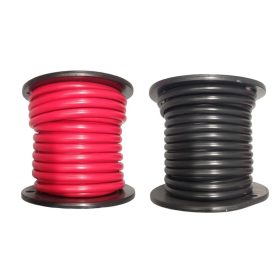
 Cable Automotive / Marine
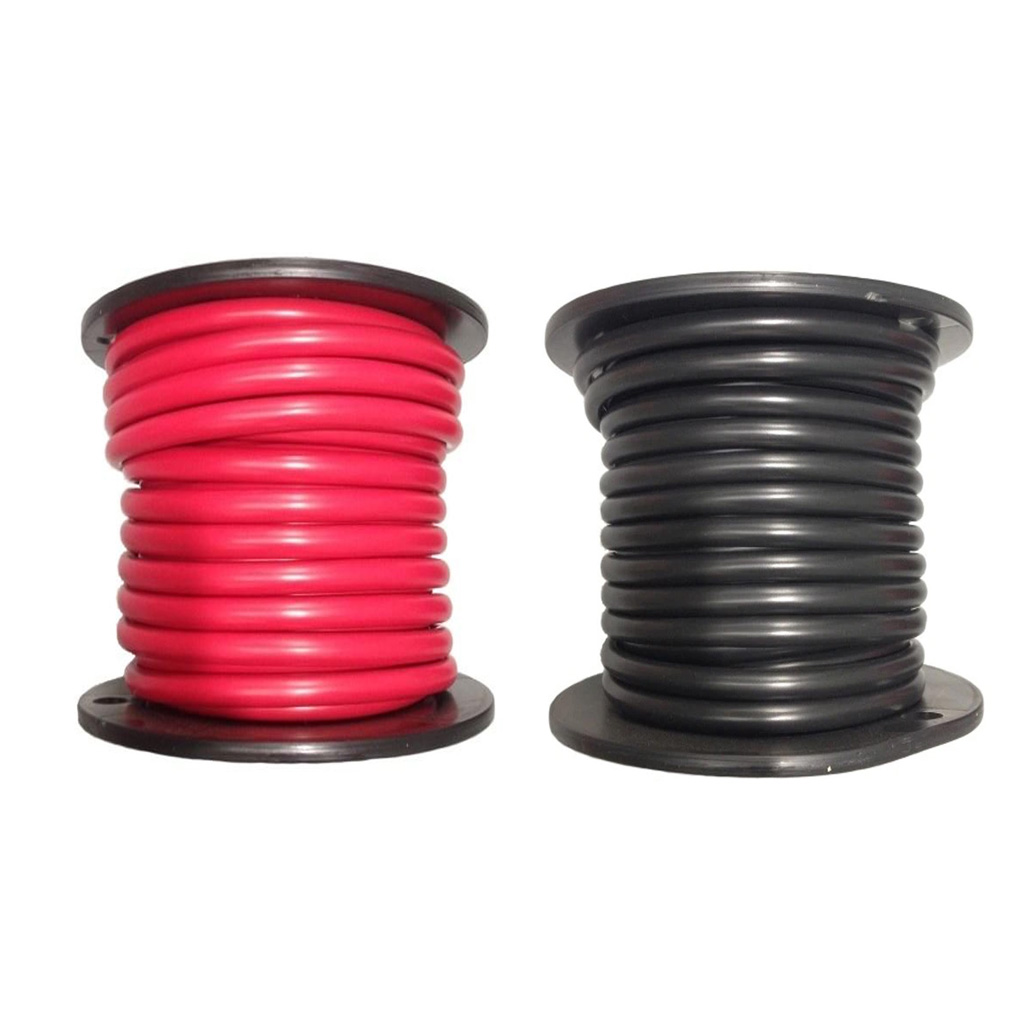
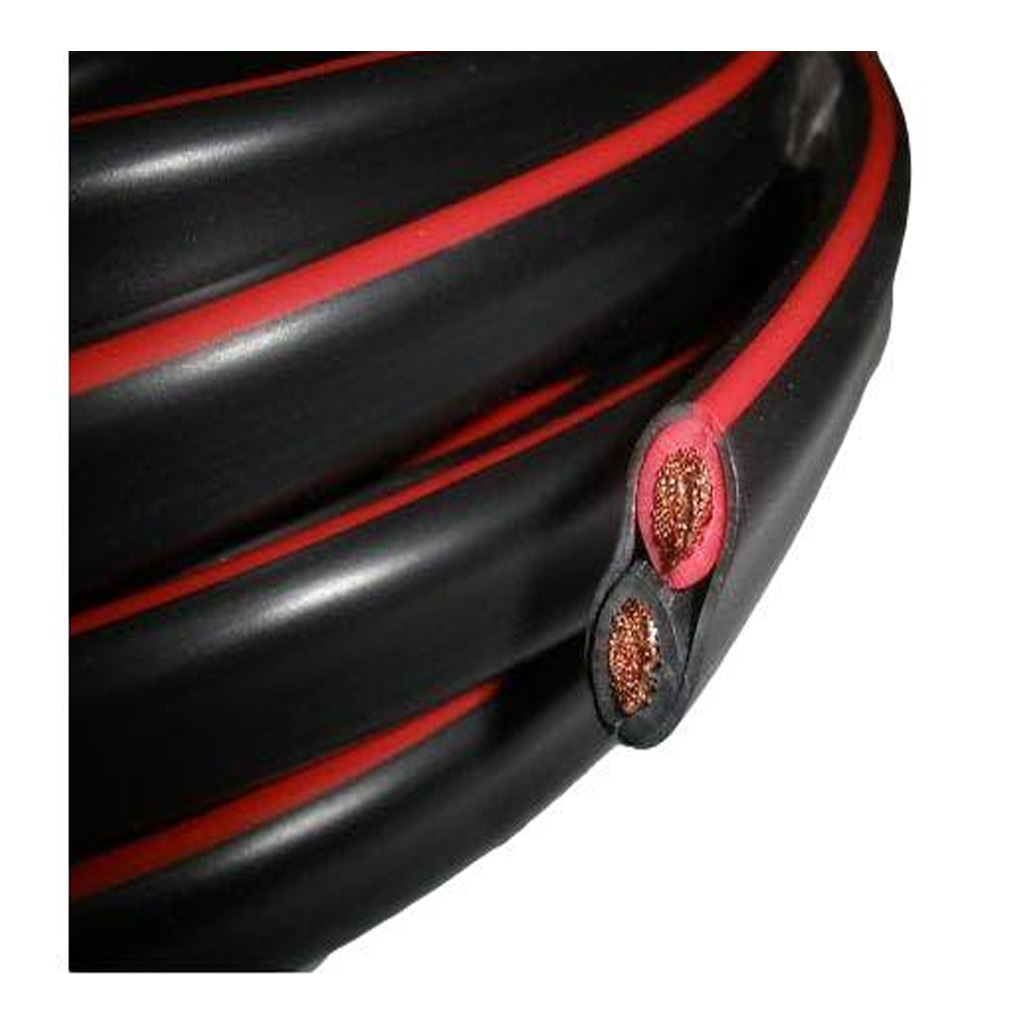
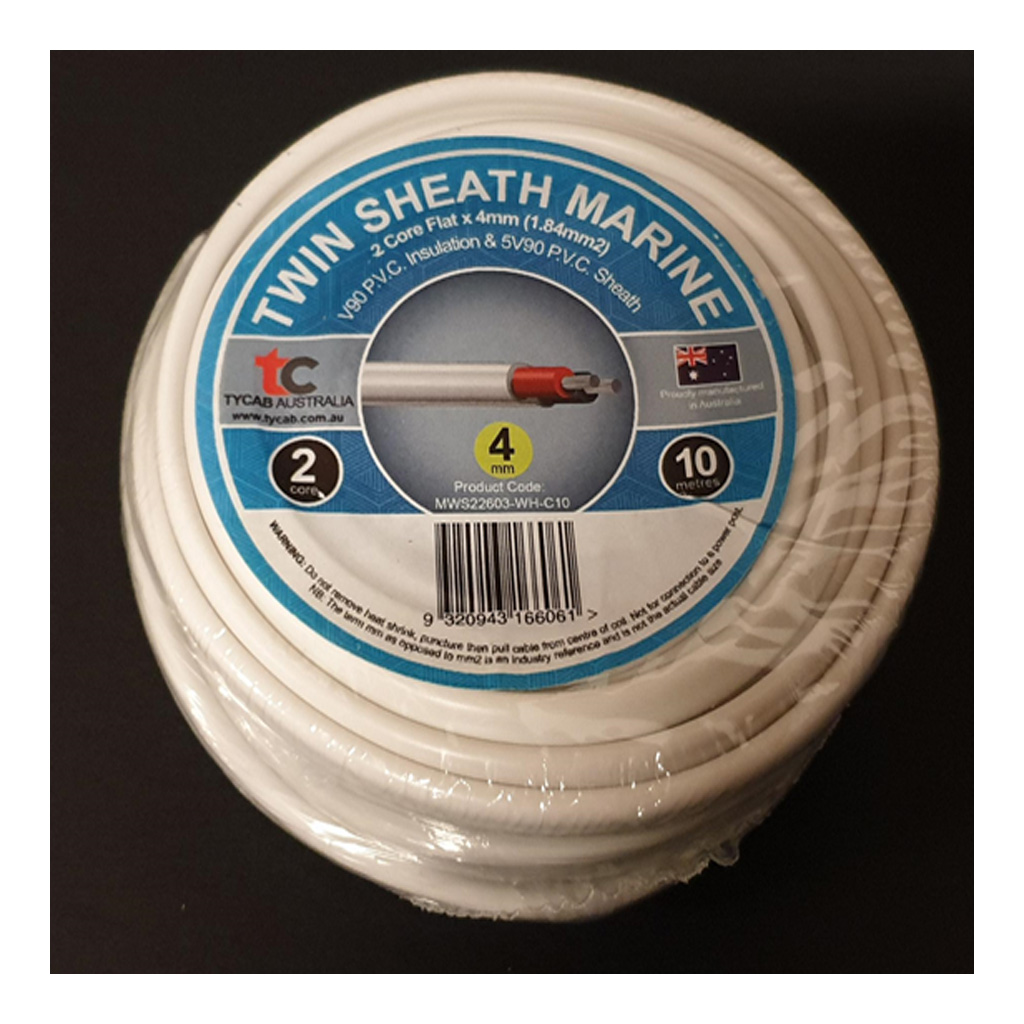
 Cable Lugs
 Cable Lug Assortment Kits
 Cable Lugs Straight Wall Closed
 Cable Glands
 Convoluted Split Tubing
 12/24v Products & Access
 Electrical Connectors
 Solar Powered Products
 LED Lights
 Tools


 Auto Parts & Categories

 Fittings
 Cleaning & Misc
 Clearance & Promotion
Latest News
12V Connector Types Guide for 4WDs and Caravans
Aug
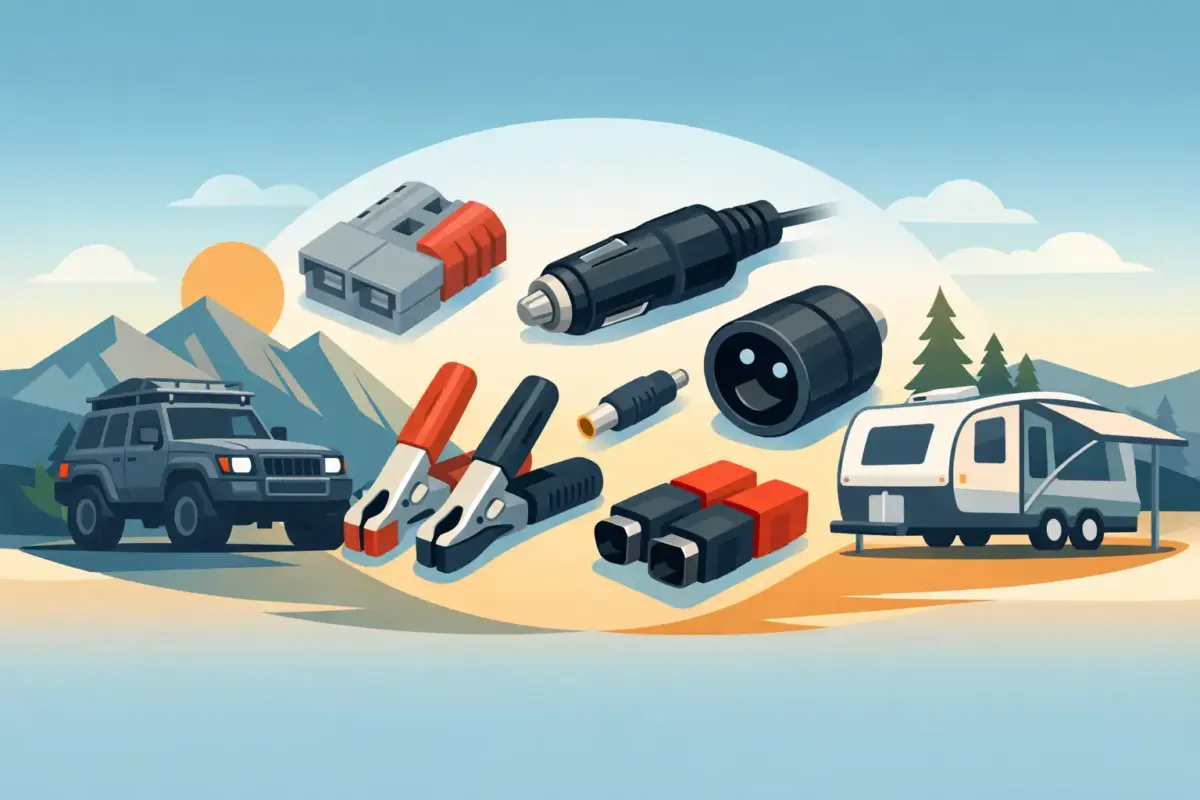
A fridge cutting out on corrugated roads, a solar panel that will not charge, or a compressor lead that gets hot are usually connection problems before they are appliance problems. This 12v connector types guide covers the common plugs, sockets and terminals used across 4WD, caravan, camping, marine and workshop systems, along with the factors that decide whether a connector is actually suitable for the job.
There is no single best 12V connector. The right choice depends on current draw, cable size, exposure to water and dust, how often it will be disconnected, and whether a mating connector already exists in the system. A connector that is fine for LED camp lights may be a poor choice for a fridge circuit or battery-to-battery charging lead.
Start with current, cable and environment
Most connector failures come from underspecifying the connection. A plug may physically fit, but small contact areas, worn springs or cable that is too light can create voltage drop and heat. At 12V, even a modest voltage loss matters. A fridge, inverter, compressor or DC-DC charger can perform poorly long before a fuse blows.
Check the appliance’s maximum current draw, not only its normal running figure. Allow for surge current from motors and compressors, then match the connector, terminals, cable and fuse to the circuit. Also consider lead length. A 10A load over a short rear-drawer lead is very different from 10A travelling through several metres of cable to a caravan battery.
For external fit-outs, choose components that can handle vibration, UV, dust and water. Secure the cable with proper clamps and strain relief so the connector does not carry the weight of the lead. In marine locations, corrosion resistance and protected mounting become even more critical.
12V connector types guide: common options
Cigarette lighter plugs and accessory sockets
The cigarette lighter plug remains common because nearly every vehicle has an accessory socket. It suits low-to-medium current accessories such as tyre inflators, small pumps, mobile chargers, LED lighting and some portable fridges.
Its weakness is retention. The spring-loaded centre pin and side contacts can lose connection on rough tracks, and quality varies substantially between plugs and sockets. It is also easy to overload a factory accessory socket. A good-quality, fused socket on adequately sized cable is suitable for many convenience circuits, but it is not the first choice for a permanent high-current connection.
Merit and Hella-style plugs
Merit, Hella and Engel-style connectors use a smaller, more positive-fitting plug than a cigarette socket. They are widely used for portable fridges, camp lighting and low-to-medium current equipment, particularly where vibration is expected.
The compact design holds more securely than a cigarette plug and is useful where mounting space is limited. However, confirm which style your appliance uses before ordering. The names are often used loosely, and similarly sized connectors are not always interchangeable. Use a matching socket and plug from a reputable range rather than forcing an uncertain fit.
Anderson-style connectors
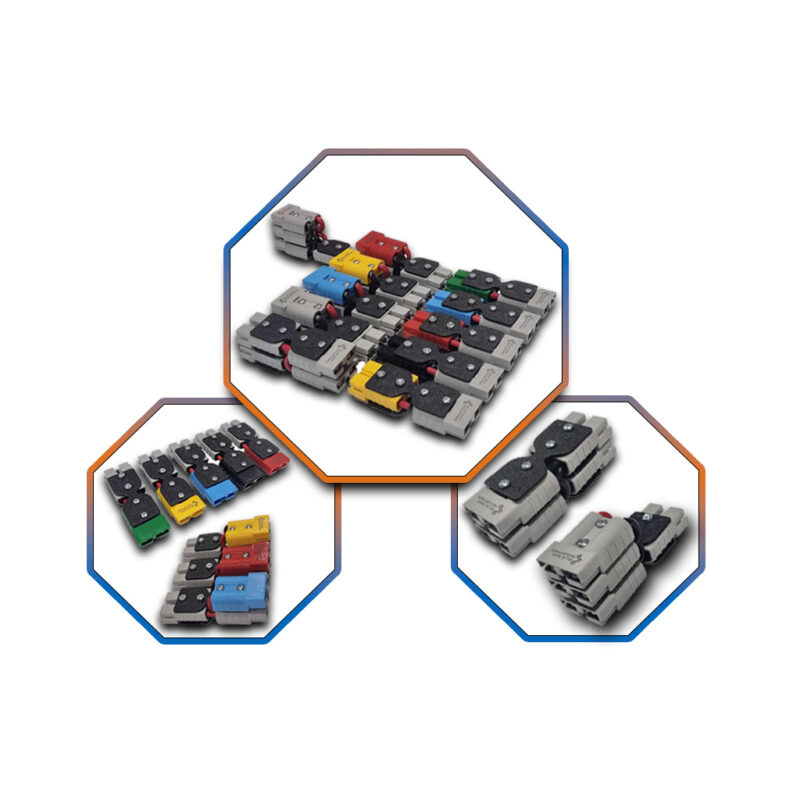
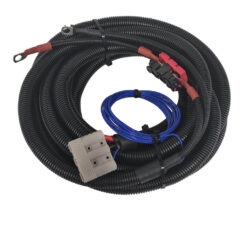
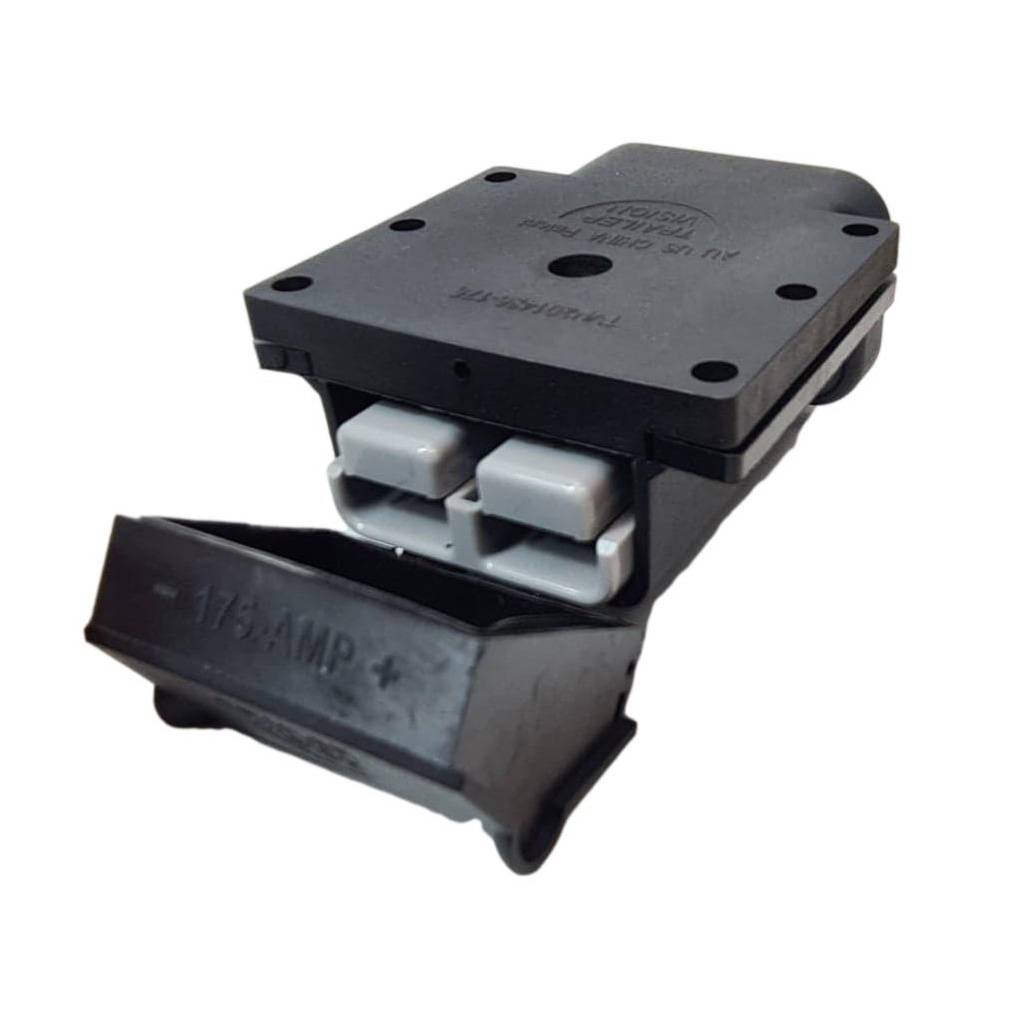
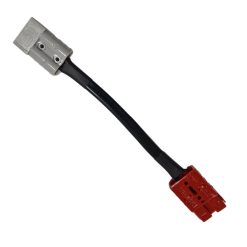
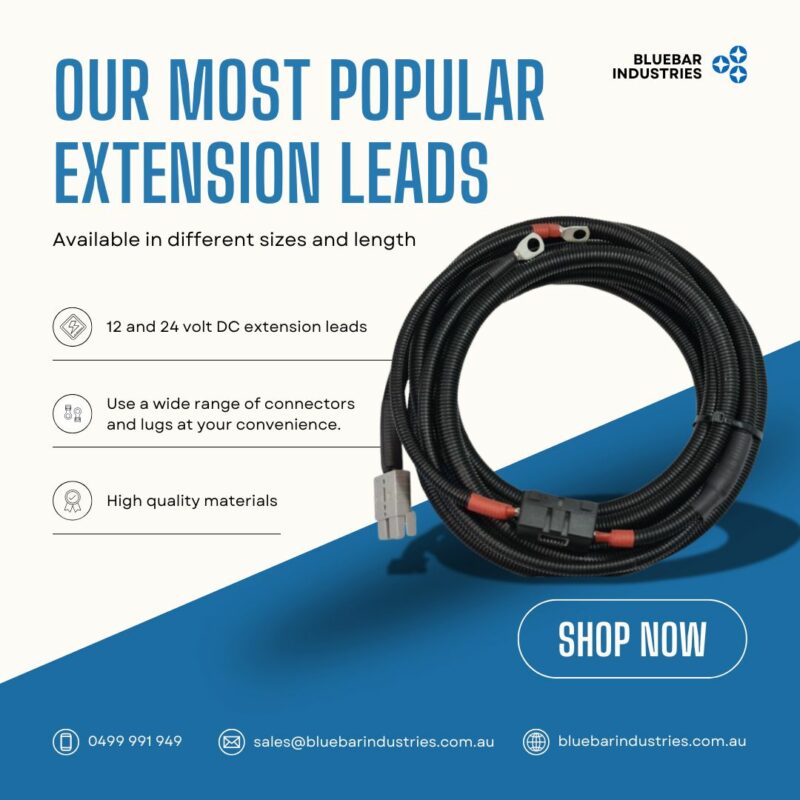
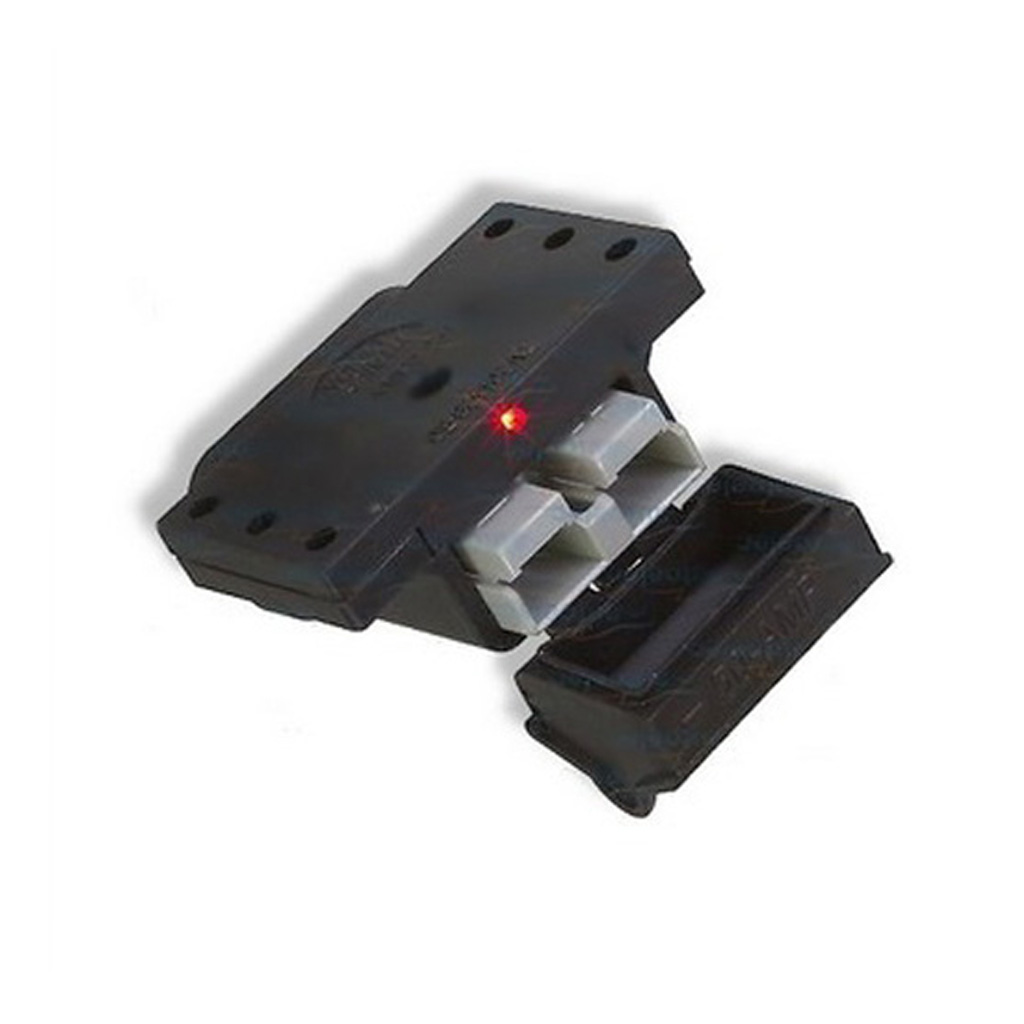
Anderson-style connectors are a standard choice for higher-current DC power. They are commonly fitted to dual-battery systems, portable battery boxes, canopy power panels, winch or recovery power feeds, DC-DC charger inputs and heavy-duty extension leads.
Their main benefits are a large contact area, a secure keyed connection and the ability to use heavier cable. They are also genderless: two identical housings mate together when assembled with contacts in the correct orientation. That makes them practical for custom leads, but polarity must still be checked every time a new lead is made.
Anderson connectors are available in different current ratings and sizes. A 50A-style connector is popular for general 4WD and caravan duties, while larger options suit heavier loads. Do not assume the housing rating makes a circuit safe. Cable size, crimp quality, fuse protection and the load’s duty cycle still determine the finished system’s capacity.
SAE two-pin connectors
SAE two-pin connectors are commonly found on battery maintainers, small solar blankets, low-current accessories and some portable power packs. They are compact, inexpensive and quick to disconnect.
They are best reserved for light-duty circuits. The exposed terminals require a protective cap when not in use, particularly on a vehicle exterior. Polarity is another trap: SAE leads can be wired in different orientations depending on brand and application. Test with a multimeter before connecting a solar panel, charger or battery device.
DC barrel connectors
DC barrel plugs are familiar on small electronics, routers, portable monitors, lighting and some fridge accessories. They are compact and convenient, but connector size alone does not identify voltage, polarity or current rating.
Several barrel diameters look nearly identical, and centre-positive wiring is common but not universal. Use only where the equipment manufacturer specifies the connector and supply. For a fixed vehicle circuit, a locking or more vibration-resistant connection is often a better option.
MC4 solar connectors
MC4 connectors are purpose-built for solar cabling. Their locking design, weather sealing and UV-resistant construction make them the normal connection method between solar panels, extension leads and solar regulators.
Use genuine or compatible connectors designed for the same system, with the correct solar cable and crimp terminals. Mixing poor-quality MC4-style components can cause loose mating, water ingress or high-resistance joints. Never disconnect solar connectors under significant load unless the system instructions allow it. Isolate the panel or regulator first where required.
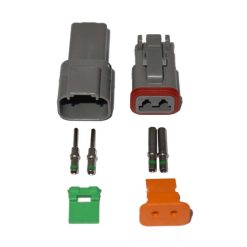
Deutsch and sealed automotive connectors
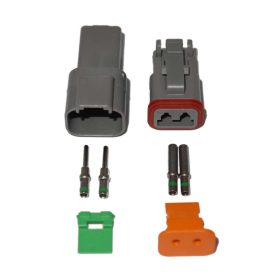
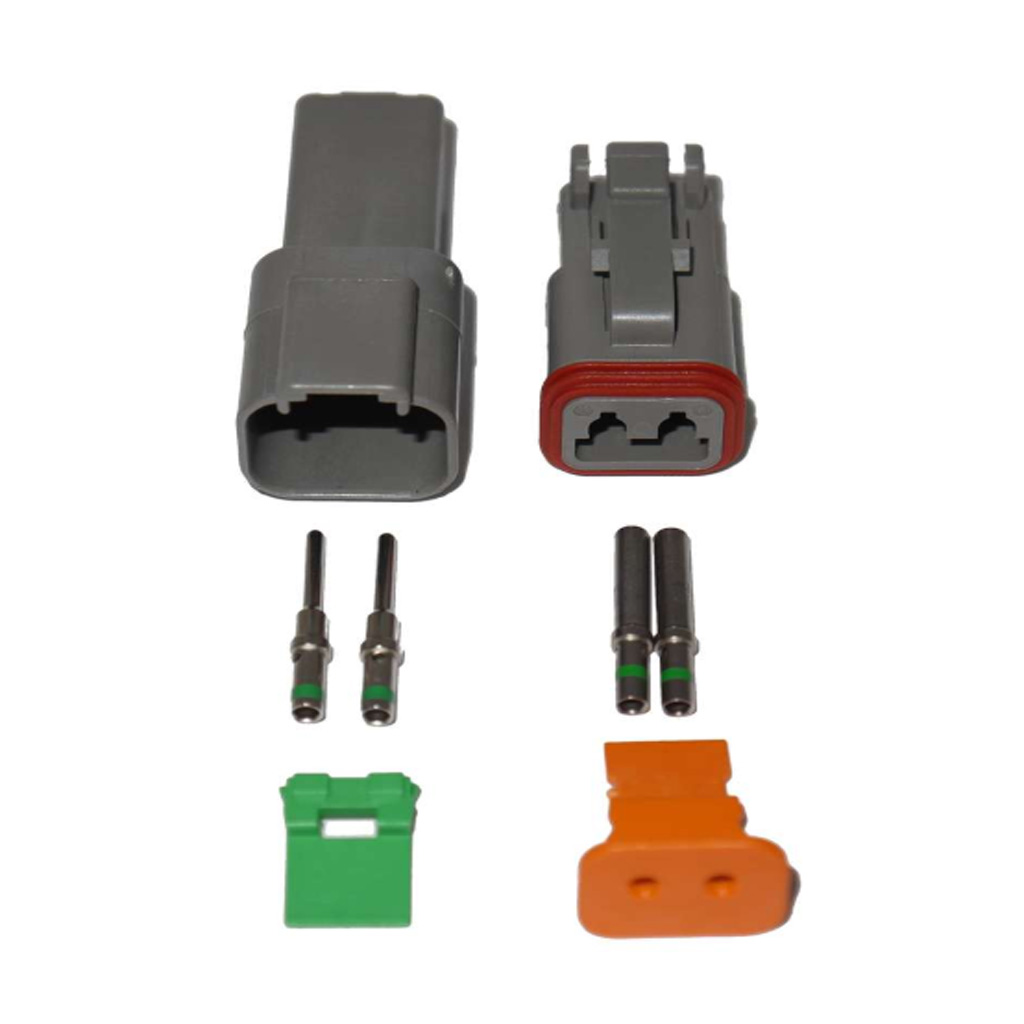
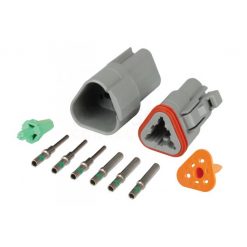
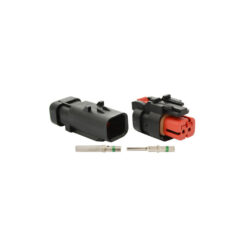
Deutsch-style connectors and similar sealed automotive plugs are generally used for low-current wiring rather than main battery feeds. They are ideal for LED lights, sensors, switches, auxiliary control wiring and circuits exposed to dust, washdown or weather.
Their strength is environmental sealing and positive locking. Select the correct number of pins and terminal size, and use the proper crimp tool. A terminal crimped with pliers may look acceptable but can pull out or develop resistance after vibration. For larger power circuits, use a connector specifically rated for the current rather than relying on a multi-pin plug designed for control wiring.
Ring terminals, blade terminals and battery lugs
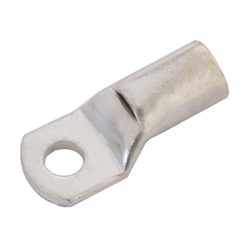
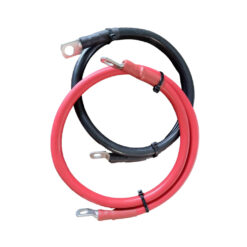
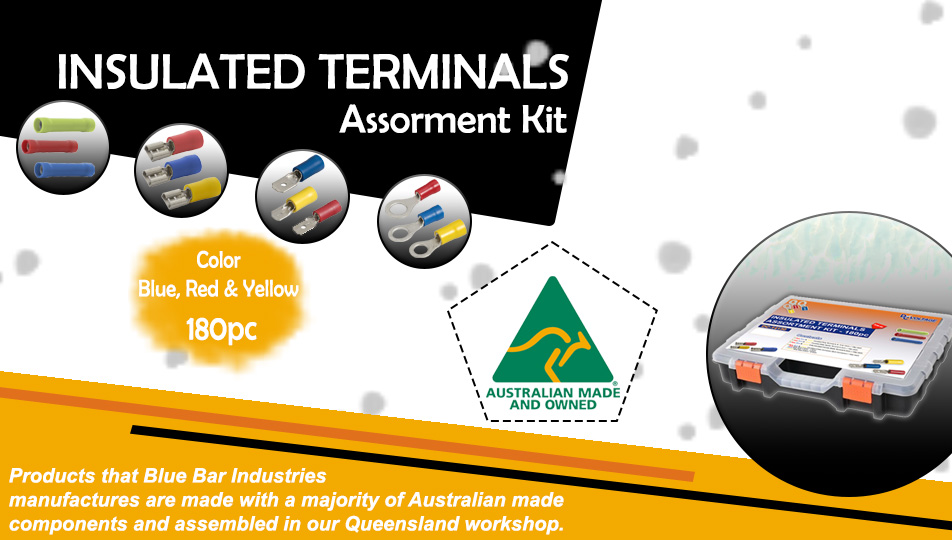
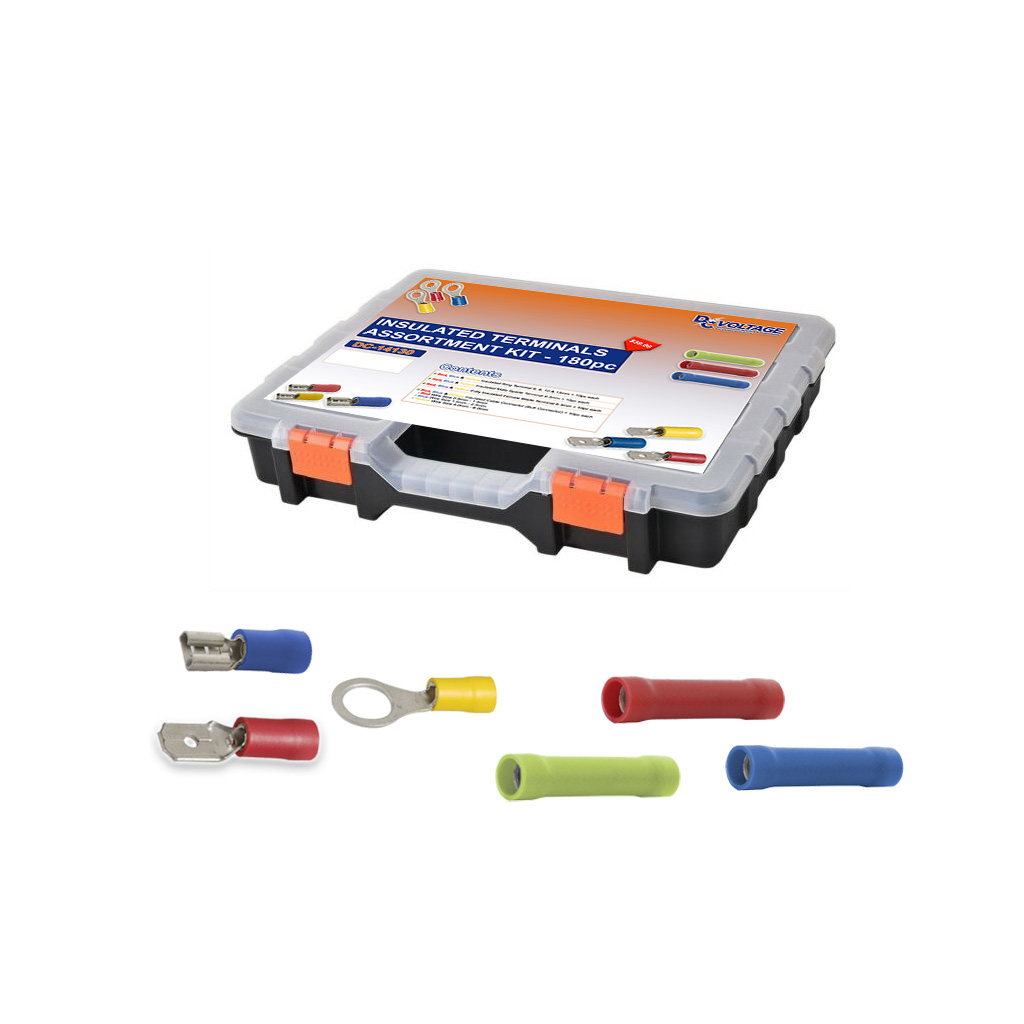
Not every 12V connection needs a plug and socket. Ring terminals and battery lugs are the right choice for permanent connections at batteries, fuse blocks, busbars, inverters, isolators and chargers. Correctly crimped lugs provide a low-resistance connection and are far more reliable than twisting cable under a screw.
Blade terminals suit protected, lower-current circuits such as switches and relays. Choose insulated or heat-shrink terminals where appropriate, use the right terminal size for the cable, and ensure a firm mechanical crimp. For battery lugs and heavy cable, a quality hex or hydraulic crimper delivers a more consistent result than hammer-style methods.
Choosing the right connector for the job
A practical way to select a connector is to work backwards from the load. For a portable fridge, a locking Merit or Hella-style connection may be preferable to a cigarette plug. For a removable solar blanket, MC4 at the panel and regulator side is the natural fit. For a battery box to canopy feed or a heavy portable compressor, an Anderson-style connector is usually the better choice.
For fixed equipment, permanent lugs at the battery, fuse block or busbar often make more sense than adding unnecessary plugs. A disconnect point can still be installed where servicing or removal is needed. In a caravan or canopy, standardising connector types also helps avoid carrying a pile of adaptors and makes fault-finding faster.
Where 24V systems are involved, the same connector families may be used, but component voltage ratings must be checked. A connector may handle the current while a socket, switch, accessory or protection device is only rated for 12V operation.
Installation details that prevent faults
Good connectors cannot compensate for poor installation. Strip only enough insulation for the terminal barrel, crimp with the correct die, and inspect for stray wire strands. Heat-shrink gives added insulation and strain relief where it suits the terminal type. Avoid soldering heavy flexible cable as the only means of termination in vibration-prone vehicle work, as solder can wick into the cable and create a stiff point that eventually fatigues.
Fuse the positive cable as close as practical to the power source. The fuse protects the cable if it is damaged or shorted, so it must be selected for the cable capacity and circuit design, not simply made larger to stop nuisance blowing. Route cable away from exhaust heat, sharp edges and moving parts, and use conduit, grommets or cable protection at any penetration point.
Before commissioning, verify polarity and voltage with a multimeter. Then test the circuit under load. A connection that shows 12.7V with nothing running may reveal a serious voltage drop when a compressor, fridge or charger starts.
The most useful connector is the one that matches the load, survives the environment and can be serviced without guesswork. If the job needs a custom lead, unusual cable length or a particular connector combination, Bluebar Industries can help source the components needed to build it properly before the vehicle is packed and pointed down the track.